

Logistics of Oil, Gas and Petroleum Products Corporate Training
Instructor-led corporate training for supply chain and logistics teams
Learn to plan, move and manage crude oil, natural gas and refined petroleum products across pipelines, terminals and marine routes in this hands-on corporate training program.
Instructor-led group trainingVirtual / on-site / off-site10 languagesDelivered inEnglish, Spanish, Mandarin, German, Arabic, Portuguese, Hindi, French, Japanese, Italian100+ countriesWe have delivered inUnited States, United Kingdom, India, Canada, Germany, France, Netherlands, UAE, Saudi Arabia, Singapore, Australia, Japan, Brazil, South Africa and 90+ more countries
How we build a high-performing hydrocarbon logistics team
The Edstellar SUPPLY CHAIN Capability Model
Assess logistics capability
Skill checks map your team's hydrocarbon product, midstream and HSSE knowledge baseline.
Standardize logistics workflows
Nominations, scheduling and documentation follow one consistent operating standard.
Practice in guided labs
Hands-on labs build pipeline scheduling, terminal and chartering skill step by step.
Measure logistics performance
KPIs track scheduling accuracy, demurrage, inventory turns and HSSE compliance.
Scale across the network
Proven playbooks roll out across terminals, depots and transport corridors.





Need more than one program?Get a group quote
Trusted as a Leading Corporate Training Provider by
















Program Overview: What is Logistics of Oil, Gas and Petroleum Products?
Logistics of Oil, Gas & Petroleum Products is a 24-hour instructor-led program for supply chain, terminal, and marine professionals in the hydrocarbons sector. It covers hydrocarbon products and supply chain foundations, pipelines and terminals, marine logistics and chartering, inventory planning and scheduling, and HSSE and regulatory compliance.
Learners work through realistic nomination, scheduling, and chartering scenarios using industry-standard planning exercises. Guided sessions mirror terminal and marine operations, with instructors coaching participants on tradeoffs between cost, speed, and safety. Detailed feedback on each exercise builds operational judgment. The program ends with a capstone where each learner builds an end-to-end petroleum product distribution plan covering pipelines, terminals, and marine legs.
Hydrocarbon logistics failures mean spills, demurrage, stockouts, and regulatory penalties that erase margins overnight. Teams that plan loosely discover problems at the terminal gate. This program teaches participants to plan inventory tightly, schedule reliably, and manage HSSE and compliance as part of every movement.
The capstone, an end-to-end petroleum product distribution plan, has each learner design a complete movement of products from refinery through pipelines, terminals, and marine legs to final delivery, with inventory schedules and HSSE controls documented. It is the kind of planning artifact employers value because it proves the learner can run hydrocarbon logistics, not just describe it.
Participants practice scheduling pipeline nominations, planning terminal throughput, evaluating charter options and building contingency plans for disruption. Guided labs use realistic product flows, capacity constraints and compliance scenarios so teams apply each technique to their own network. The program suits logistics planners, procurement staff, terminal operators and HSSE coordinators who support oil, gas and petroleum product distribution.
What's Included in this Workshop for Your Enterprise Teams
- 1
Hydrocarbon product characteristics
Handle crude, LNG, LPG and refined products safely.
- 2
Pipeline and terminal operations
Schedule nominations, batches and tankage.
- 3
Marine logistics and chartering
Evaluate vessels, freight and port calls.
- 4
HSSE and regulatory compliance
Apply safety and environmental controls.
- Instructor-led delivery across virtual, onsite, and hybrid
- Guided labs in every module with instructor coaching
- Capstone distribution plan, reviewed with your team
- Flexible scheduling around your calendar
- Lab guides and scheduling templates included
- Group size and batches set along with you
Build your team's skills. Anywhere in the world.
Real-world use cases
from day one
Instructor-led training
for your teams
Delivered globally
in 100+ countries


Enterprise Training Solutions Customized for Your Company
One partner for instructor-led corporate training, delivered the way your teams work.
Request a Training Quote- Customized Training Delivery
- Scale Your Training: Small to Large Teams
- In-person Onsite, Live Virtual or Hybrid Training Modes
- Plan from 2000+ Industry-ready Training Programs
- Hands-On Labs on Live Infrastructure, Led by Industry Experts
Logistics of Oil, Gas and Petroleum Products Course Topics and Program Outline
A 24-hour instructor-led journey from hydrocarbon product knowledge and midstream operations to marine logistics, inventory planning and HSSE compliance, closing with a capstone distribution plan.
Built by Edstellar with supply chain and energy logistics practitioners
Built by practitioners who plan pipeline schedules, charter tankers and run terminal operations, shaped around your stack and use cases.
Skill checks baseline your team's hydrocarbon product, midstream and HSSE knowledge before training begins.
Live instruction covers product characteristics, pipeline networks and terminal operations across 6.5 focused hours.
Guided labs build marine chartering and inventory scheduling skill across 8 hours of supervised practice.
Your team delivers a capstone petroleum distribution plan in 9.5 hours, reviewed against HSSE standards.
From pipeline nominations to a capstone distribution plan, every technique is practiced in guided labs.
Delivered as
Delivered as a hybrid program of live instruction and guided labs, scheduled around your team's calendar in flexible batches.

Classify sample product slates and match each to its best transport mode.
learna)Crude oil grades and quality differentials
b)Natural gas, LNG and LPG characteristics
c)Refined products: gasoline, diesel, jet and fuel oil
d)Product handling, blending and contamination control
Sequence product batches on a multi-product pipeline using capacity constraints.
learna)Pipeline nomination and scheduling cycles
b)Batch sequencing in multi-product pipelines
c)Tank farm and terminal operations
d)Throughput planning and capacity management
e)Loss control and measurement practices
Evaluate charter options for a product voyage and compute total freight cost.
practicea)Vessel types: tankers, gas carriers and barges
b)Voyage chartering and freight calculation
c)Laytime, demurrage and dispatch
d)Port operations and berth planning
Build a monthly nomination plan and rebalance it after a simulated refinery outage.
practicea)Demand forecasting for petroleum products
b)Stock positioning across depots and terminals
c)Nomination management and allocations
d)Schedule recovery after disruptions
Draft a spill-response and contingency plan for a terminal product transfer.
applya)HSSE standards for hydrocarbon handling
b)Environmental and spill-prevention controls
c)Regulatory documentation and customs
d)Risk assessment and contingency planning
Present a full distribution plan and defend transport, cost and HSSE choices.
applya)Network design for a product corridor
b)Integrated transport and scheduling plan
c)Cost, KPI and risk summary
d)Capstone review with the instructor
Customize this program tailored to your team?
Tell us your training needs: what your team already works with, the level they’re at, and the topics you want them to focus on. We’ll adjust the modules, duration and hands-on labs, and send you a customized outline for your group.
Key Skills and Outcomes Your Team Will Gain
Practical skills your logistics team applies from the first week after the program.
Classify hydrocarbon products
Match crude grades, gas forms and refined products to safe, economical transport modes.
Schedule pipeline nominations
Plan nomination cycles and batch sequences on multi-product pipeline systems.
Run terminal and storage operations
Manage tankage, throughput and product quality controls at terminals.
Evaluate marine charter options
Compare vessels and voyage terms, and compute freight, laytime and demurrage.
Plan petroleum inventory
Forecast demand, position stocks and manage nominations across depots.
Apply HSSE and regulatory controls
Use safety, environmental and documentation controls for hydrocarbon movements.
Build distribution plans
Integrate transport, scheduling, cost and risk into a corridor distribution plan.
Teams that Benefit from this Logistics of Oil, Gas and Petroleum Products Group Training
Built for logistics, procurement and operations teams that move or support crude oil, gas and petroleum products. Content adapts to each cohort's roles and experience so every team practices the workflows it owns.
Tighter scheduling across pipelines and depots
Planners gain practical methods for nominations, batch sequencing and schedule recovery that keep product flowing.
Workflow friction
- Manual scheduling prone to batch errors
- Disruptions cascade across the network
- Limited visibility into terminal capacity
How the program helps
- Fewer scheduling conflicts on shared pipelines
- Faster recovery after supply disruptions
- Cleaner nomination and allocation cycles
Practice use cases
- pipeline nominations
- batch sequencing
- disruption recovery
Smarter chartering and supplier decisions
Buyers learn to evaluate vessels, freight terms and suppliers with structured, repeatable criteria.
Workflow friction
- Freight quotes hard to compare fairly
- Demurrage costs erode transport budgets
- Supplier risk poorly documented
How the program helps
- Better freight cost comparisons
- Clearer charter party evaluations
- Stronger supplier performance reviews
Practice use cases
- vessel evaluation
- freight benchmarking
- supplier scorecards
Safer, smoother terminal throughput
Terminal teams practice tankage management, product quality control and berth coordination.
Workflow friction
- Tankage constraints limit flexibility
- Quality giveaways increase costs
- Berth congestion delays vessels
How the program helps
- Higher berth and tank utilization
- Fewer product quality incidents
- Smoother vessel turnaround times
Practice use cases
- tank farm planning
- quality control
- berth scheduling
Consistent safety and regulatory control
HSSE and compliance staff standardize controls, documentation and incident response across movements.
Workflow friction
- Inconsistent controls across sites
- Documentation gaps during audits
- Slow incident response coordination
How the program helps
- Standardized spill-response readiness
- Cleaner regulatory documentation
- Fewer audit findings on transport
Practice use cases
- spill-response drills
- compliance checklists
- incident reviews
Cohorts can mix functions; labs adapt to the products and corridors each team actually handles.
Prerequisites: Logistics planners, procurement staff, terminal operators and HSSE coordinators benefit most. Familiarity with supply chain basics helps but is not required, and no prior oil and gas experience is needed. Sessions adapt to each cohort's products, corridors and systems.
Logistics coordinator to distribution planner
Move from handling product movements to designing the distribution plans that move them.
A program that grows with supply chain careers, from product basics to confident distribution planning.
Mixed cohort, or several teams at once?
We can tailor the training to different teams, roles, and experience levels within the same program.
Certificate of Training Completion.
On successful completion, employees receive an Edstellar course completion certificate, recognizing their commitment to ongoing learning and professional development. It validates the skills they have built and motivates them to keep growing and contribute to organizational success.
Earned, not attended. Awarded on completion of all hands-on labs and the capstone project.

Training Delivery Modes: Virtual, Onsite and Hybrid
Choose the format that fits your team's locations and terminal schedules; content and labs stay the same.
Hybrid Training
Mix live virtual sessions with onsite lab days at your terminal or office for the best of both formats.
- Live instructor-led sessions, virtual and onsite
- Guided labs with real scheduling exercises
- Flexible batches around shift patterns
- Same curriculum in every format

Onsite Training
The instructor delivers the full program at your facility, using your network maps and product examples.
- Delivered at your terminal or office
- Labs built on your corridors and products
- Team-wide scheduling in one location
- Direct coaching from the instructor

Live Virtual Training
Join live from anywhere with interactive labs, breakout exercises and instructor guidance throughout.
- Live online instructor-led delivery
- Virtual labs and breakout practice
- No travel needed for distributed teams
- Recordings and lab guides included

Need a training format that works for your team?
Full days, half days across weeks, or split by module. Tell us the delivery window and we schedule the cohort around it.
Frequently Asked Questions
Share your team size, locations and preferred dates through the enquiry form and a training advisor will send a tailored quote.
Yes. A short discovery call maps your logistics workflows and goals so the program is scoped to your network.
Yes. Live virtual sessions include guided labs and breakout exercises, with the same curriculum as onsite delivery.
Yes. Onsite delivery uses your facility, and labs can reference your corridors, products and terminal layouts.
The program runs 24 hours of instructor-led training, usually scheduled across three to four days or split into modules.
Question not answered here?
Put it in the request. A training specialist answers it directly, within one business day.
Where this Training Fits in Your Team's learning path.
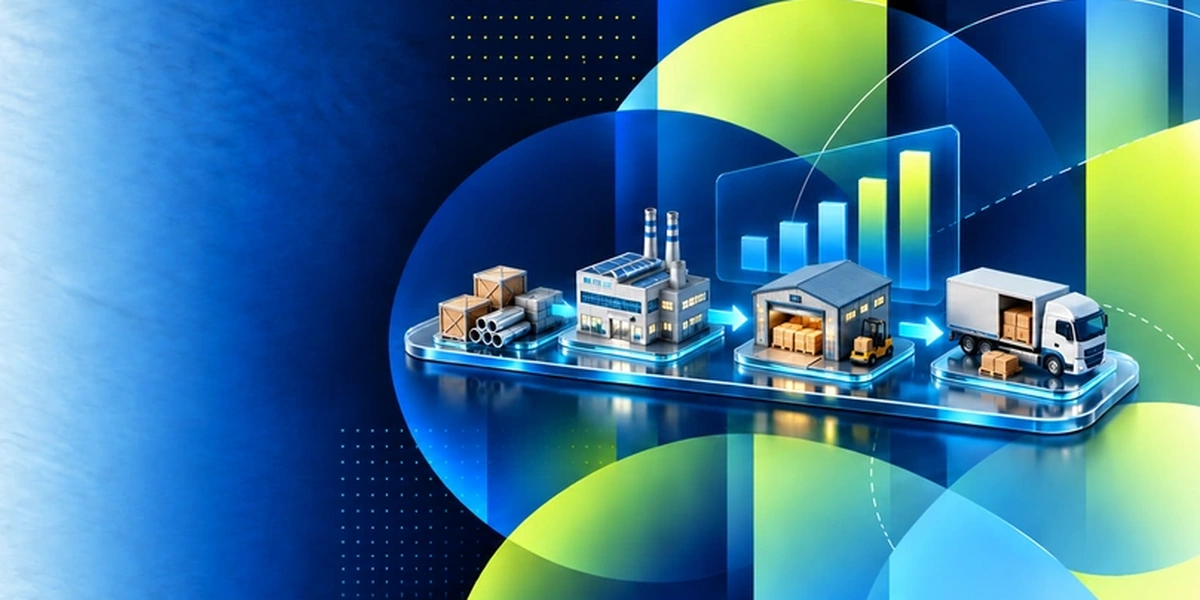
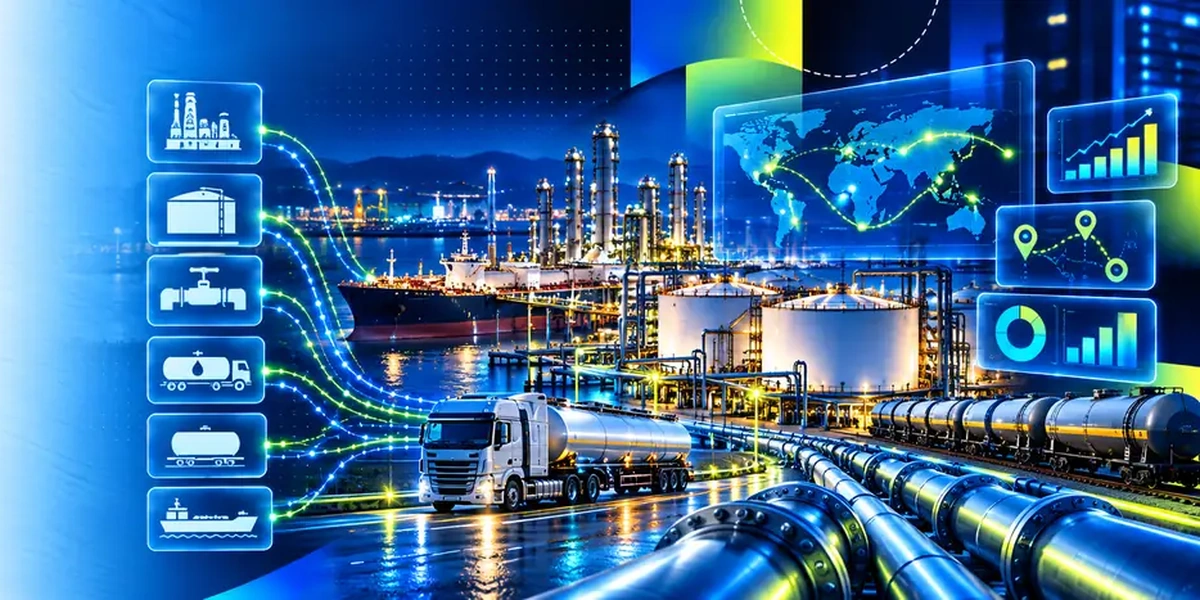
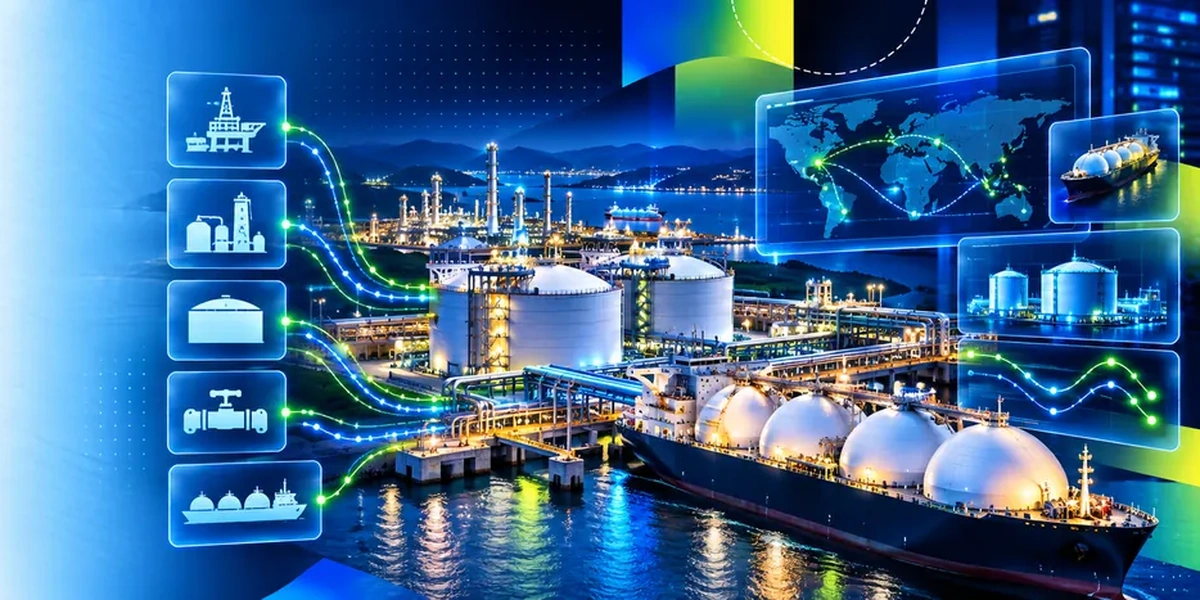
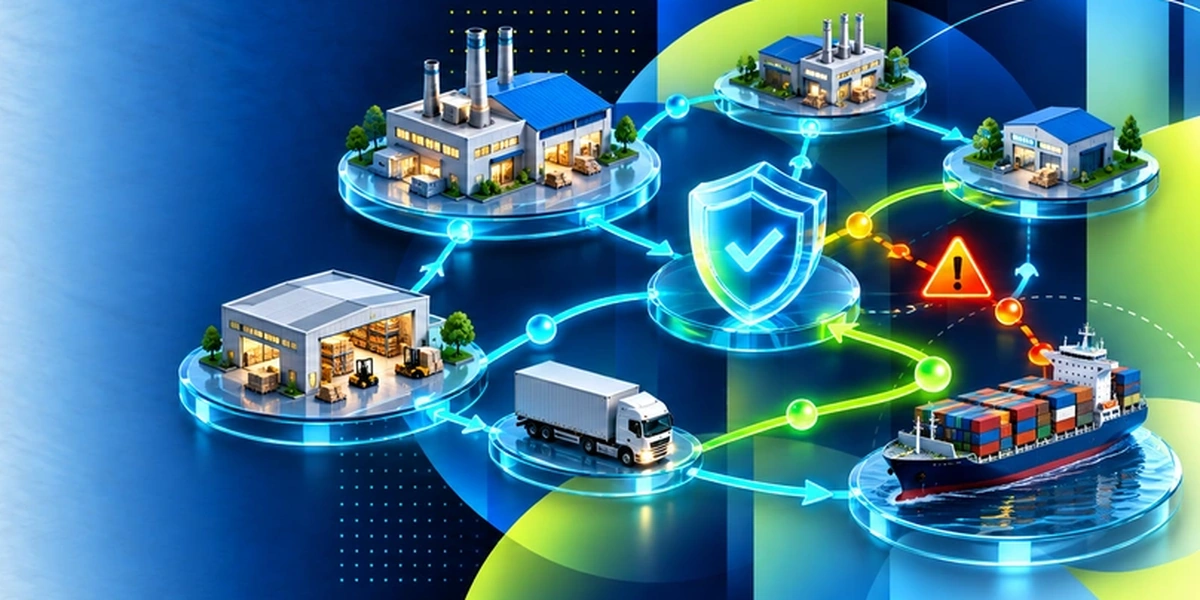
Petroleum logistics sits second in this path, once your team knows general supply chain principles. This course applies them to moving crude, gas and refined products. LNG operations follow, a specialised part of that chain, and the path ends with supply chain resilience and risk.
Why Choose Edstellar as Your Logistics of Oil, Gas and Petroleum Products Training Provider
Edstellar delivers corporate training that moves logistics performance, not just knowledge.

EXPERT TRAINERS
YEARS DELIVERING
ORGANIZATIONS TRAINED
CERTIFIED
Tailored
Content adapts to your products, corridors and terminals so every lab mirrors your real logistics work.
Proven Methodology
A structured learn, practice and apply flow builds scheduling and chartering skill that sticks after training.
Practice-Based Learning
Guided labs on nominations, freight and inventory planning turn concepts into daily logistics habits.
Expert Trainers
Practitioners with pipeline, chartering and terminal experience lead every session and coach every lab.
Global Scale
One consistent program delivered across regions, time zones and formats for distributed logistics teams.
Measurable Outcomes
Scheduling accuracy, demurrage and inventory KPIs show the operational impact of the training.
Plan Petroleum Distribution With Connected Transport, Inventory, and HSSE Decisions
Edstellar develops hydrocarbon logistics capability through pipeline, terminal, and marine planning cases. Participants match products to transport modes, sequence batches, and compare charter costs before preparing nominations and contingency responses. The final distribution plan connects these decisions, reviewed for capacity feasibility, cost assumptions, inventory coherence, and the safeguards supporting product transfers.
- Step 01
Consult
We explore supply-chain familiarity, product and corridor responsibilities, and recurring nomination, storage, or freight-cost problems to identify the cohort's petroleum logistics learning needs.
- Step 02
Plan
We establish product characteristics and transport choices before pipeline and terminal planning, then connect chartering, inventory nominations, and HSSE scenarios in the distribution plan.
- Step 03
Align
We align petroleum logistics expertise with planners, procurement, terminal, and HSSE teams, confirming representative product slates, capacity data, and commercial cases for coordinated practice.
- Step 04
Customize
We adapt sample batches, voyage options, and refinery-outage cases to familiar corridors, retaining storage and timing limits that expose conflicts between cost and operational feasibility.
- Step 05
Execute
Participants sequence pipeline batches, compare freight options, and rebalance nominations after disruption, receiving feedback on calculations, capacity assumptions, inventory implications, and contingency controls.
- Step 06
Evaluate
We assess the distribution plan for feasible transport and terminal schedules, transparent costs, reconciled product needs, and justified HSSE and spill-response arrangements.
Also from Edstellar
Talent assessments
Psychometric, behavioral, leadership and 360-degree assessment.
→Training needs analysis
Needs analysis, gap identification, and a training roadmap.
→L&D consulting
Learning strategy, content, technology and ROI measurement.
→OD consulting
Org design, succession planning and cultural change.
→Managed training services
Training outsourcing, vendor management, logistics and administration.
→Coaching solutions
Executive and manager coaching that keeps skills in use.
Start an RFP shaped to your needs.
Answer three quick questions about team size, scope, and how often you need the program run, then send the request from the last step. Everything you choose travels with it, so you only fill this in once.
How many team members need training?
Logistics of Oil, Gas & Petroleum Products Training Training Packages & Pricing
Where L&D holds an annual budget, license packages price the whole year at once instead of raising a purchase order per workshop. Hours and licenses are pooled across teams, programs and locations, so unused capacity is not stranded in one department.
Starter
120
trainee licenses64 hours of group training
Tailored for SMBs
Growth
320
trainee licenses160 hours of group training
Ideal for growing SMBs
Enterprise
800
trainee licenses400 hours of group training
Designed for large corporations
Custom
Unlimited
trainee licensesDuration set by the rollout
Multi-region and multi-year
Training Packages & Pricing
Choose the training format that works for your team. Pricing is customized based on your requirements, cohort size, and delivery needs.
Request Logistics of Oil, Gas and Petroleum Products Training for Your Team
Tell us about your team, products and corridors and we will design the right program format and schedule.