

Facilities Management and Smart Buildings Corporate Training
Instructor-led Facilities Management & Smart Buildings training for enterprise teams
Build the facilities and smart building skills your teams use every day: building systems, BMS and IoT sensors, energy analytics, preventive maintenance, and workplace operations, practiced in guided labs.
Instructor-led group trainingVirtual / on-site / off-site10 languagesDelivered inEnglish, Spanish, Mandarin, German, Arabic, Portuguese, Hindi, French, Japanese, Italian100+ countriesWe have delivered inUnited States, United Kingdom, India, Canada, Germany, France, Netherlands, UAE, Saudi Arabia, Singapore, Australia, Japan, Brazil, South Africa and 90+ more countries
How we build a high-performing building operations team
The Edstellar FACILITIES MANAGEMENT Capability Model
Diagnose Building Maturity
Assess current facilities workflows, system coverage, and smart building data readiness across your portfolio.
Standardize Operations
Align preventive maintenance schedules, work-order rules, and vendor service levels to one operations model.
Practice Operations in Labs
Read sensor dashboards, build energy baselines, and run CMMS work-order flows in guided, scenario-based labs.
Measure Building Performance
Track energy, comfort, uptime, and work-order metrics to show whether operations are improving.
Scale Smart Operations
Embed playbooks, reusable dashboards, and preventive maintenance discipline across every site you operate.





Need more than one program?Get a group quote
Trusted as a Leading Corporate Training Provider by
















Program Overview: What is Facilities Management and Smart Buildings?
Facilities Management & Smart Buildings is a 24-hour program for facilities managers, building engineers, and workplace teams modernizing how buildings run. It covers building systems, smart building technologies, BMS and IoT sensors, energy performance and fault detection, preventive maintenance with CMMS, and workplace experience. Participants work with the data their buildings already generate but rarely use.
Labs use realistic building scenarios and datasets. Participants configure BMS dashboards, run fault-detection routines on meter data, and build preventive maintenance schedules in CMMS workflows. Instructors with smart-building operations experience review each setup, pushing teams past dashboard decoration toward decisions that cut energy and downtime. The work builds from single systems to integrated operations, and the program ends with a capstone where each team produces a smart building operations playbook for a realistic facility.
Most buildings are run on routine and reaction: energy wasted invisibly, faults found by complaints, maintenance scheduled by calendar instead of condition. This program teaches data-driven operations. Teams learn to instrument, to detect, and to maintain by evidence, turning the building from a cost center into a managed asset.
The capstone playbook is a complete operations manual for a realistic smart facility: the BMS and sensor architecture, the fault-detection rules, the preventive maintenance program, the energy targets, and the vendor and space management rhythms. Reviewers test it against injected faults and budget constraints the way reality would. Teams return with a playbook they can adapt to their own buildings and the fluency to run them smarter.
Six modules and 24 hours: facilities management foundations and building systems, smart building technologies and BMS, IoT sensors and data integration, energy performance and fault detection, preventive maintenance and CMMS operations, workplace experience and vendor management. Every module pairs concepts with a guided lab, so each technique is practiced. It closes with a capstone where your team builds a complete smart building operations playbook for review.
What's Included in this Workshop for Your Enterprise Teams
- 1
Building systems essentials
HVAC, electrical, plumbing, and fire systems explained in plain operational terms.
- 2
Smart building technology labs
Explore BMS architectures, IoT sensors, and data integration workflows.
- 3
Energy and fault detection labs
Build baselines, read meters, and find performance faults in dashboards.
- 4
Maintenance operations drills
Run CMMS preventive maintenance schedules and work-order workflows.
- Instructor-led delivery across virtual, onsite, and hybrid
- Guided labs in every module with instructor coaching
- Capstone smart building operations playbook, reviewed with your team
- Flexible scheduling around your calendar
- Lab guides, operations templates, and dashboard samples included
- Group size and batches set along with you
Build your team's skills. Anywhere in the world.
Real-world use cases
from day one
Instructor-led training
for your teams
Delivered globally
in 100+ countries


Enterprise Training Solutions Customized for Your Company
One partner for instructor-led corporate training, delivered the way your teams work.
Request a Training Quote- Customized Training Delivery
- Scale Your Training: Small to Large Teams
- In-person Onsite, Live Virtual or Hybrid Training Modes
- Plan from 2000+ Industry-ready Training Programs
- Hands-On Labs on Live Infrastructure, Led by Industry Experts
Facilities Management and Smart Buildings Course Topics and Program Outline
A 24-hour hands-on program: building systems, smart building technology, energy analytics, maintenance operations, and workplace management, ending in a capstone operations playbook.
Built by Edstellar with facilities operations expertise
Built by facilities and smart building practitioners who run building operations in production, shaped around your stack and use cases.
Skill checks baseline your team's facilities experience, building systems knowledge, and data readiness before training starts.
Live instruction covers building systems, BMS architectures, IoT sensors, and data flows, with demonstrations in every session.
Guided labs build energy baselines, run fault detection, configure CMMS schedules, and score vendors on realistic building data.
Your team authors a smart building operations playbook for a real site and presents it for instructor and peer review.
From building systems basics to a capstone operations playbook, every technique is practiced in guided labs.
Delivered as
Delivered as a hybrid program of live instruction and guided labs, scheduled around your team's calendar in flexible batches.

Walk through a building systems map and identify FM touchpoints across the asset lifecycle.
learna)Facilities management scope: operations, maintenance, and occupant services across the asset lifecycle
b)Core building systems: HVAC, electrical, plumbing, fire safety, and their operating principles
c)Asset lifecycle stages and the facilities role in design, handover, operations, and renewal
d)Industry standards and best practices for building operations and maintenance
Read live BMS trend logs and trace a sensor reading from field device to dashboard.
learna)Building management systems (BMS): architecture, controllers, and supervisory software
b)IoT sensor networks: temperature, occupancy, air quality, and energy sensors
c)Open protocols and integration: BACnet, Modbus, and how systems share data
d)From sensor to dashboard: data flows, trends, and alarms in smart buildings
e)Cybersecurity and reliability basics for connected building systems
Build a weather-normalized energy baseline and flag faults from sample trend data.
practicea)Metering hierarchies: main, sub-meter, and circuit-level measurement design
b)Energy baselines: weather-normalized models and performance comparisons
c)Building dashboards: KPIs, trend review, and exception reporting
d)Fault detection and diagnostics: rules, alarms, and prioritizing fixes
e)Measurement and verification basics for savings projects
Build a PM schedule and run a work-order triage exercise in a sample CMMS.
practicea)CMMS configuration: asset registers, hierarchies, and data standards
b)Preventive maintenance planning: frequencies, task lists, and compliance calendars
c)Work-order operations: triage, prioritization, dispatch, and closeout
d)Spare parts and inventory basics for critical building equipment
e)Reliability practices: condition monitoring and failure-mode awareness
Score a vendor against an SLA scorecard and draft a utilization improvement plan.
applya)Space management: utilization studies, allocation, and move planning
b)Occupant services: helpdesks, feedback loops, and comfort management
c)Vendor management: contracts, SLAs, and performance scorecards
d)Cleaning, security, and grounds: service specifications that hold up
e)Emergency preparedness and business continuity for building operations
Author a complete smart building operations playbook for one of your sites and present it for review.
applya)Playbook structure: operations model, roles, and review cadences
b)Site assessment: systems inventory, data coverage, and gap analysis
c)Energy and maintenance plans built from your site's real profile
d)Analytics routines: dashboards, FDD rules, and escalation paths
e)Presentation and review: defend the playbook with the instructor and peers
Customize this program tailored to your team?
Tell us your training needs: what your team already works with, the level they’re at, and the topics you want them to focus on. We’ll adjust the modules, duration and hands-on labs, and send you a customized outline for your group.
Key Skills and Outcomes Your Team Will Gain
Seven job-ready outcomes your team will demonstrate by the end of the program. Each competency is practiced in guided labs and reviewed in the capstone build.
Explain building systems and the FM operating model
Describe HVAC, electrical, plumbing, and fire systems and the FM lifecycle.
Navigate BMS architectures and sensor networks
Trace data from field devices through controllers to supervisory dashboards.
Build energy baselines and read performance dashboards
Create weather-normalized baselines and review KPIs for drift and waste.
Detect and prioritize building performance faults
Apply fault detection rules and triage alarms by impact and effort.
Run CMMS preventive maintenance and work orders
Configure asset registers, PM schedules, and dispatch work orders.
Manage space, occupants, and vendor contracts
Run utilization reviews, occupant feedback loops, and vendor SLAs.
Deliver a smart building operations playbook
Author and present a complete operations playbook for a real site.
Teams that Benefit from this Facilities Management and Smart Buildings Group Training
This group training is built for facilities, workplace, energy, and maintenance teams responsible for building operations. Content adapts to each cohort's building types and operating models, so every batch practices the workflows it owns, from sensor dashboards to vendor management.
Run reliable building operations day to day.
Facilities managers and operators learn to run daily operations, respond to faults, and keep buildings comfortable and safe.
Workflow friction
- Faults found late, after occupants complain
- Routines that vary from site to site
- Operating data trapped in systems
How the program helps
- Clear daily and weekly operations routines
- Faster fault response and recovery
- Consistent service across every site
Practice use cases
- Alarm response drills
- Routine planning labs
- Site review exercises
Cut waste with data-driven energy management.
Energy engineers learn to baseline consumption, find faults, and track savings across the portfolio.
Workflow friction
- Consumption trends nobody explains
- Meters without a clear hierarchy
- Savings claims without evidence
How the program helps
- Weather-normalized energy baselines
- Hidden faults found before waste grows
- Savings verified with real data
Practice use cases
- Baseline build labs
- FDD rule workshops
- Dashboard review drills
Shape spaces occupants value and trust.
Workplace and real estate teams learn to manage space, occupant services, and vendor performance.
Workflow friction
- Space allocated without usage data
- Occupant issues that recur unresolved
- Vendor quality that drifts unmeasured
How the program helps
- Space used the way plans assume
- Occupant feedback that drives action
- Vendor performance visible in SLAs
Practice use cases
- Utilization study labs
- Helpdesk workflow drills
- SLA scoring sessions
Keep equipment reliable with planned maintenance.
Maintenance engineers learn to structure CMMS data, schedule preventive tasks, and plan spares.
Workflow friction
- Reactive work crowding out prevention
- Asset records scattered or outdated
- Breakdowns from deferred maintenance
How the program helps
- PM schedules that equipment actually gets
- Asset data organized in one register
- Critical spares on hand when needed
Practice use cases
- CMMS setup labs
- PM scheduling exercises
- Spare parts planning drills
Cohorts train as a cross-functional operations team, with each small group aligned on shared building performance standards.
Prerequisites: This program benefits facilities managers, workplace teams, energy engineers, and maintenance staff responsible for building operations. Familiarity with basic building or workplace workflows helps but is not required, and no prior smart building experience is needed. Content adapts to each cohort's building types, systems, and operating context.
Facilities Coordinator to Building Operations Manager
Tracks how team members progress from facilities fundamentals to owning smart building operations across the program's learn, practice, and apply phases.
A program that grows with building operations careers, from first FM concepts to confident smart building ownership.
Mixed cohort, or several teams at once?
We can tailor the training to different teams, roles, and experience levels within the same program.
Certificate of Training Completion.
On successful completion, employees receive an Edstellar course completion certificate, recognizing their commitment to ongoing learning and professional development. It validates the skills they have built and motivates them to keep growing and contribute to organizational success.
Earned, not attended. Awarded on completion of all hands-on labs and the capstone project.

Training Delivery Modes: Virtual, Onsite and Hybrid
Choose how your team learns: hybrid, onsite, or live virtual delivery. Every mode includes instructor-led sessions and guided labs, scheduled around your calendar.
Hybrid Training
Instructor-led sessions mix onsite and virtual delivery with guided labs throughout. Teams read BMS dashboards and build operations plans together.
- Live instruction across onsite and virtual batches
- Guided labs on energy analytics and CMMS workflows
- Shared dashboards and templates for every cohort
- Flexible scheduling around your calendar

Onsite Training
Your trainer delivers the full program at your office, working with your teams in person. Labs use your building types and systems as examples.
- Instructor at your office or facility site
- Team-based operations and analytics labs
- Walkthroughs tuned to your building portfolio
- Group exercises with instructor coaching

Live Virtual Training
Live virtual sessions connect your distributed teams through real-time instruction and guided labs. Screen-shared dashboards keep everyone practicing.
- Live instructor-led online sessions
- Remote-friendly guided operations labs
- Virtual breakout rooms for team exercises
- Digital templates and lab guides included

Need a training format that works for your team?
Full days, half days across weeks, or split by module. Tell us the delivery window and we schedule the cohort around it.
Learn from industry experts.
Every session is led by a practitioner who has run monitoring for models in production, not a generalist working from slides.
Ayan
VUCA Leadership Trainer in Kolkata
16+ years of Experience
Ahmed
Certified Maintenance & Reliability Professional (CMRP) Trainer in Abu Dhabi
5+ years of Experience

Viswananda
Maintenance Management Trainer in Bengaluru
26+ years of Experience
Anil
Mechanical Integrity & EHS Trainer in Bengaluru
18+ years of Experience

Vikas
Maintenance Management and Risk Management Trainer in Gurgaon
11+ years of Experience
Trainers are matched to your stack and delivery window at scheduling. We confirm your assigned trainer, with a full profile, before the program is booked.
Frequently Asked Questions
Share your team size and timelines through the request form, and we will respond with a tailored proposal and quote.
Yes. Book a discovery call to discuss your building operations goals before we finalize your training plan.
Yes. Live virtual delivery connects distributed teams through instructor-led sessions and guided labs in real time.
Yes. Onsite delivery runs at your office or facility, with labs tuned to your building types and systems.
The program runs 24 hours of instructor-led training, typically scheduled in flexible batches around your calendar.
Question not answered here?
Put it in the request. A training specialist answers it directly, within one business day.
Where this Training Fits in Your Team's learning path.
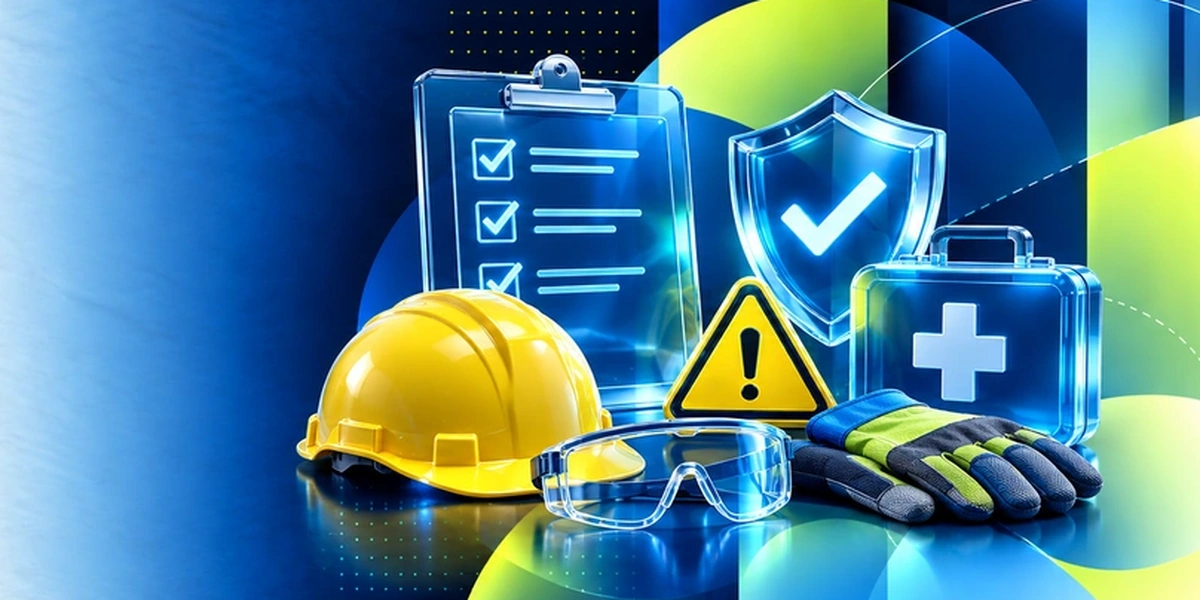
Facilities management starts from safety basics, because every building system your team runs carries health and safety duties. Once smart buildings are under control, the path makes them sustainable and then adds AI, so the data your building systems produce turns into better decisions on energy, space and maintenance.


Why Choose Edstellar as Your Facilities Management and Smart Buildings Training Provider
Edstellar delivers instructor-led Facilities Management & Smart Buildings training that turns building operations into a data-driven practice. Your team leaves with templates, a reviewed operations playbook, and the confidence to run smarter buildings.

EXPERT TRAINERS
YEARS DELIVERING
ORGANIZATIONS TRAINED
CERTIFIED
Tailored
Every cohort's labs, examples, and exercises are tuned to your building types, systems, and operating model.
Proven Methodology
Concise instruction followed by guided labs and reviews, a repeatable method that turns FM concepts into operations practice.
Practice-Based Learning
Six modules of guided labs and a capstone playbook build keep your team working on operations, not just listening.
Expert Trainers
Facilities operations practitioners who run smart buildings in live operations lead every session and review your team's work.
Global Scale
One consistent program delivered across your offices and sites worldwide, in 10+ languages.
Measurable Outcomes
Lab checkpoints and a capstone playbook review show how your team's building operations capability improved.
Also from Edstellar
Talent assessments
Psychometric, behavioral, leadership and 360-degree assessment.
→Training needs analysis
Needs analysis, gap identification, and a training roadmap.
→L&D consulting
Learning strategy, content, technology and ROI measurement.
→OD consulting
Org design, succession planning and cultural change.
→Managed training services
Training outsourcing, vendor management, logistics and administration.
→Coaching solutions
Executive and manager coaching that keeps skills in use.
Start an RFP shaped to your needs.
Answer three quick questions about team size, scope, and how often you need the program run, then send the request from the last step. Everything you choose travels with it, so you only fill this in once.
How many team members need training?
Facilities Management & Smart Buildings Training Packages & Pricing
Where L&D holds an annual budget, license packages price the whole year at once instead of raising a purchase order per workshop. Hours and licenses are pooled across teams, programs and locations, so unused capacity is not stranded in one department.
Starter
120
trainee licenses64 hours of group training
Tailored for SMBs
Growth
320
trainee licenses160 hours of group training
Ideal for growing SMBs
Enterprise
800
trainee licenses400 hours of group training
Designed for large corporations
Custom
Unlimited
trainee licensesDuration set by the rollout
Multi-region and multi-year
Training Packages & Pricing
Choose the training format that works for your team. Pricing is customized based on your requirements, cohort size, and delivery needs.
Request Facilities Management and Smart Buildings Training for Your Team
Share your team size, building types, and timelines to receive a tailored training plan and quote. Book a discovery call to discuss your facilities operations goals; we confirm availability and respond with a detailed proposal.