

Neuromorphic and Energy-Efficient Computing Corporate Training
Turn power-hungry AI workloads into brain-inspired designs your engineering team can build and ship.
Give your enterprise teams the neuromorphic and energy-efficient computing skills that turn power budgets into design targets. Edstellar's Neuromorphic & Energy-Efficient Computing corporate training equips your engineers to design spiking neural networks, apply in-memory computing, and build low-power systems in instructor-led hands-on labs. As the corporate training company enterprises trust, we tailor every workshop to your tools and goals.
Instructor-led group trainingVirtual / on-site / off-site10 languagesDelivered inEnglish, Spanish, Mandarin, German, Arabic, Portuguese, Hindi, French, Japanese, Italian100+ countriesWe have delivered inUnited States, United Kingdom, India, Canada, Germany, France, Netherlands, UAE, Saudi Arabia, Singapore, Australia, Japan, Brazil, South Africa and 90+ more countries
How we build energy-efficient computing teams
THE EDSTELLAR NEUROMORPHIC COMPUTING CAPABILITY MODEL
Baseline your efficiency gap
Assess where your team stands on AI power costs, hardware options, and energy-aware design.
Set one efficiency standard
One shared language for neuromorphic architectures, SNNs, and energy metrics across the team.
Practice in real labs
Guided hands-on labs build spiking networks, compress models, and profile power on real toolchains.
Prove the energy lift
Lab benchmarks measure each engineer's efficiency gains from baseline to capstone.
Scale across teams
One energy-efficient design standard rolls out across cohorts and product lines.





Need more than one program?Get a group quote
Trusted as a Leading Corporate Training Provider by
















Program Overview: What is Neuromorphic and Energy-Efficient Computing Corporate Training?
Neuromorphic & Energy-Efficient Computing is Edstellar's instructor-led technical program for hardware engineers, AI architects, and researchers confronting the energy wall in computing. Participants explore neuromorphic architectures, spiking neural networks, training SNNs in practice, in-memory and low-power design, and energy-efficient AI systems. The focus stays on production skills: techniques behind AI that sips power instead of guzzling it.
Training is hands-on from the first module. Participants simulate spiking neural networks and train small SNNs in guided labs, comparing leading neuromorphic platforms and applying quantisation and in-memory design techniques. Instructors coach your team through power profiling and energy-aware architecture choices, reviewing every exercise with direct feedback on the accuracy-versus-efficiency tradeoffs that define this field. The program closes with a capstone where the team designs an end-to-end neuromorphic system.
AI's power appetite is becoming its own bottleneck: data centres hitting grid limits, edge devices starved for watts, and models that improve only by burning more energy. This program teaches your engineers brain-inspired design, with spiking networks and in-memory compute that do more with less. Every technique is practiced in labs, so the learning transfers to your designs.
The capstone is a complete neuromorphic design: your team architects, simulates, and power-profiles an end-to-end system, then defends its energy-accuracy tradeoffs before reviewers. What returns to the lab is a team fluent in a computing paradigm most of the industry still treats as research, ready to prototype hardware that treats power as a first-class design constraint.
Across seven modules, your engineers move from the energy wall in computing to a neuromorphic system-design capstone. Labs use open SNN frameworks and real-world workloads, so every technique transfers directly to your products.
Delivered as a hybrid instructor-led program, it fits around your calendar, with scheduling set along with you, and content tailored to your architectures and tools.
What's Included in this Workshop for Your Enterprise Teams
- 1
Neuromorphic architecture basics
Brain-inspired chips and the end of the von Neumann bottleneck.
- 2
Spiking neural networks
Spike-based learning, encoding, and efficient neural computation.
- 3
Low-power design labs
Hands-on labs with SNN simulators and low-power AI toolkits.
- 4
In-memory computing
Memristor crossbars and compute-near-memory design patterns.
- 5
Capstone design review
Present an energy-efficient system design for expert feedback.
- Training delivered at any of your offices globally
- 10+ languages
- Schedule around your calendar
- Group size set along with you
- Run as one cohort or split into batches
- Instructor-led (virtual/onsite/hybrid)
- Recurring and annual options
- Trainer sourcing, matching and logistics
Build your team's skills. Anywhere in the world.
Real-world use cases
from day one
Instructor-led training
for your teams
Delivered globally
in 100+ countries


Enterprise Training Solutions Customized for Your Company
One partner for instructor-led corporate training, delivered the way your teams work.
Request a Training Quote- Customized Training Delivery
- Scale Your Training: Small to Large Teams
- In-person Onsite, Live Virtual or Hybrid Training Modes
- Plan from 2000+ Industry-ready Training Programs
- Hands-On Labs on Live Infrastructure, Led by Industry Experts
Neuromorphic and Energy-Efficient Computing Course Topics and Program Outline
Seven modules follow a clear learning path from the energy wall in computing to a neuromorphic system-design capstone. Each session builds on the last, with hands-on labs that turn brain-inspired concepts into energy-efficient designs.
Built by Edstellar with neuromorphic computing practitioners
Built by engineers who design and deploy neuromorphic and energy-efficient computing systems in production, shaped around your stack and use cases.
Baseline each participant's neuromorphic computing readiness before module 01 begins
Build strong neuromorphic computing foundations in instructor-led sessions for your team
Reinforce skills through guided hands-on labs on spiking neural networks and chips
Apply neuromorphic computing skills to real-world scenarios and a capstone chip-design project
A short pre-training assessment sets each participant's entry level, so the program starts where your team actually is. The rest is weighted toward hands-on practice: spiking neural network labs and realistic scenarios drawn from your team's work, not slides.
Delivered as
Entry level set by the assessment. Depth and schedule customized to your team.

Map your team's current AI energy footprint and identify the workloads where efficiency gains pay off most.
learna)Why data centers and AI hit the power wall
b)The von Neumann bottleneck in plain terms
c)Energy metrics: TOPS per watt and joules per inference
d)Where efficiency matters most: edge, data center, mobile
Compare leading neuromorphic chips on power, scale, and programmability for a sample workload.
learna)Brain-inspired computing principles
b)Intel Loihi, IBM TrueNorth, and BrainScaleS
c)Event-driven processing and sparse computation
d)Memristor and phase-change memory basics
e)Neuromorphic hardware comparison matrix
Simulate leaky integrate-and-fire neurons and explore how encoding choices change spike traffic and accuracy.
learna)From ANNs to spiking neurons
b)Leaky integrate-and-fire models
c)Spike encoding: rate, temporal, and population codes
d)Spike-timing-dependent plasticity
e)Reading SNN papers and benchmarks
Train a small spiking network with snnTorch and convert a pretrained CNN to spikes, then compare energy profiles.
practicea)Surrogate gradient training methods
b)ANN-to-SNN conversion pipelines
c)snnTorch, Lava, and Norse toolchains
d)Training on event-based datasets
e)Benchmarking accuracy vs energy trade-offs
Apply quantization and pruning to a neural network and measure the energy and accuracy impact.
practicea)In-memory and compute-near-memory design
b)Memristor crossbar array operations
c)Quantization, pruning, and sparse models
d)Low-power inference accelerators
e)Data movement as the real energy cost
Profile power across layers of a deployed model and redesign the partition for a target energy budget.
practicea)Designing for milliwatts: system-level strategies
b)DVFS, power gating, and clock domains
c)Energy-aware scheduling and partitioning
d)Validating efficiency: measurement and profiling
Design an end-to-end neuromorphic or low-power system and present your energy budget to the cohort.
applya)Capstone brief: an energy-efficient AI product
b)Architecture and technology selection
c)Energy budget justification
d)Capstone presentation and feedback
Customize this program tailored to your team?
Tell us your training needs: what your team already works with, the level they’re at, and the topics you want them to focus on. We’ll adjust the modules, duration and hands-on labs, and send you a customized outline for your group.
Key Skills and Outcomes Your Team Will Gain
Your engineers will leave able to design brain-inspired, energy-efficient systems: spiking networks, in-memory computing, and low-power AI, all practiced in hands-on labs and a capstone.
Explain the AI energy problem
Quantify the power cost of AI workloads with metrics like TOPS per watt, and spot where efficiency gains pay off in your products.
Compare neuromorphic hardware
Judge Loihi, TrueNorth, BrainScaleS, and memristor options against workload needs, power budgets, and programmability.
Build spiking neural networks
Design leaky integrate-and-fire networks, choose spike encodings, and simulate them with snnTorch, Lava, or Norse.
Train SNNs for accuracy and efficiency
Apply surrogate-gradient training and ANN-to-SNN conversion, then benchmark accuracy against energy use.
Apply in-memory computing patterns
Design compute-near-memory layouts and evaluate memristor crossbars for memory-bound AI workloads.
Cut model energy with compression
Use quantization, pruning, and sparsity to shrink inference energy without breaking accuracy targets.
Design to an energy budget
Set milliwatt-level power targets, partition systems across hardware, and validate efficiency with profiling.
Teams that Benefit from this Neuromorphic and Energy-Efficient Computing Group Training
This program is built for engineering teams designing and shipping AI systems, from hardware engineers to AI developers and embedded teams. Content adapts to each cohort's background, so every engineer practices the design trade-offs their role actually owns.
Design chips and systems that sip power.
Hardware and systems engineers master neuromorphic architectures, in-memory computing, and low-power design, so new products meet strict energy budgets.
Workflow friction
- AI workloads blow past power budgets
- Memory traffic dominates energy cost
- New chip options are hard to compare
How the program helps
- Design within milliwatt budgets
- Cut energy lost to data movement
- Pick the right neuromorphic hardware
Practice use cases
- Chip comparison labs
- Power profiling
- Crossbar design
Run AI models on a fraction of the energy.
AI and ML engineers learn to build spiking neural networks and compress models, so inference runs efficiently at the edge and in the data center.
Workflow friction
- Inference energy costs keep rising
- Models are too heavy for edge deployment
- Accuracy drops when models are shrunk
How the program helps
- Train accurate spiking networks
- Ship models that fit edge hardware
- Hold accuracy while cutting power
Practice use cases
- SNN training labs
- Model compression
- Energy benchmarking
Ship intelligent devices that run for months.
Embedded and edge teams practice low-power system design and energy-aware partitioning, so battery-powered products last longer and cost less to run.
Workflow friction
- Battery life limits product features
- Edge hardware cannot run full models
- Power profiling happens too late
How the program helps
- Extend battery life per feature
- Partition models across hardware
- Profile power from day one
Practice use cases
- Power budgeting
- Model partitioning
- Profiling labs
Each cohort works through lab-based exercises tied to their roles, then leaves with energy-efficient design patterns for day-to-day work.
Prerequisites: Participants should be comfortable with basic programming and have some exposure to machine learning concepts or digital hardware design. You do not need prior neuromorphic experience. Content adapts to each cohort's mix of hardware, software, and AI backgrounds, so teams learn at a shared pace.
Hardware Engineer to Neuromorphic Systems Leader
The program takes engineers from the energy wall in computing to energy-validated system design: foundations in neuromorphic architectures, intermediate spiking-network and in-memory work, then advanced low-power design and a capstone.
Engineers grow from computing-efficiency foundations to owning neuromorphic system design as the modules progress.
Mixed cohort, or several teams at once?
We can tailor the training to different teams, roles, and experience levels within the same program.
Certificate of Training Completion.
On successful completion, employees receive an Edstellar course completion certificate, recognizing their commitment to ongoing learning and professional development. It validates the skills they have built and motivates them to keep growing and contribute to organizational success.
Earned, not attended. Awarded on completion of all hands-on labs and the capstone project.

Training Delivery Modes: Virtual, Onsite and Hybrid
Every mode is shaped around your hardware stack and goals before delivery. The curriculum, labs, and capstone stay the same in each format, so what your engineers can do after training never depends on how you run it.
Hybrid Training
Live instruction combined with supervised hands-on labs: your engineers simulate spiking networks, compress models, and profile power with instructor coaching throughout. Best for multi-site engineering teams.
- Live instruction with supervised hands-on lab practice
- SNN simulations and energy benchmarks with instructor coaching
- Real toolchains: snnTorch, Lava, and Norse
- Best for engineering teams across sites and time zones

Onsite Training
Your instructor delivers at your facility, with lab environments set up for your team's hardware and tools. Engineers work through SNN labs and power profiling with direct coaching. Best for co-located teams.
- Instructor delivers at your facility
- Labs set up for your hardware stack and tools
- Direct coaching during every lab exercise
- Best for co-located teams wanting maximum interaction

Live Virtual Training
Live virtual sessions on Zoom or Microsoft Teams, with remote lab access and screen-shared guidance through every task. Your engineers build spiking networks and run benchmarks in real time. Best for distributed engineering teams.
- Live sessions on Zoom or Microsoft Teams
- Remote access to the lab environment
- Screen-shared guidance through every task
- Best for distributed engineering teams

Need a training format that works for your team?
Full days, half days across weeks, or split by module. Tell us the delivery window and we schedule the cohort around it.
Frequently Asked Questions
Share your team size, preferred dates, and delivery mode in the lead form. We reply with a tailored proposal covering scope, schedule, and pricing for your group.
Yes. Live virtual sessions run on Zoom or Teams with remote lab access, so engineers simulate spiking networks and run benchmarks in real time.
The standard program runs 18 hours of instructor-led sessions, typically over two to three days. We can reshape the schedule around your calendar.
We recommend 12 to 20 engineers per cohort for strong lab support. Larger teams can run as parallel batches.
Yes. We shape architectures, toolchains, and lab workloads around your hardware stack, tools, and product goals before delivery.
Question not answered here?
Put it in the request. A training specialist answers it directly, within one business day.
Where this Training Fits in Your Team's learning path.
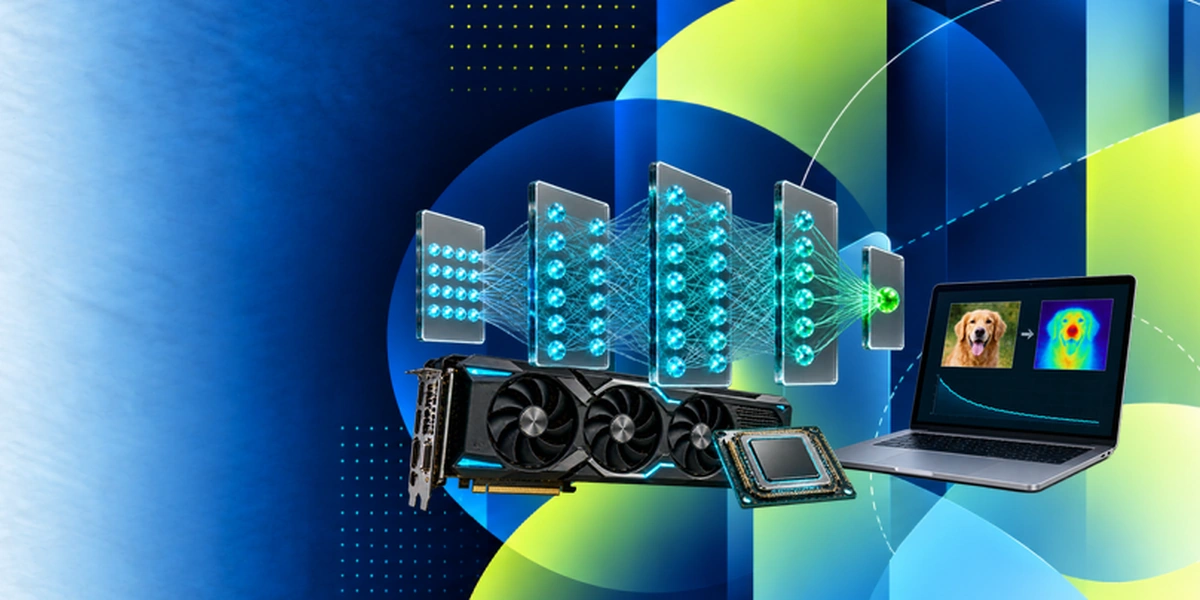
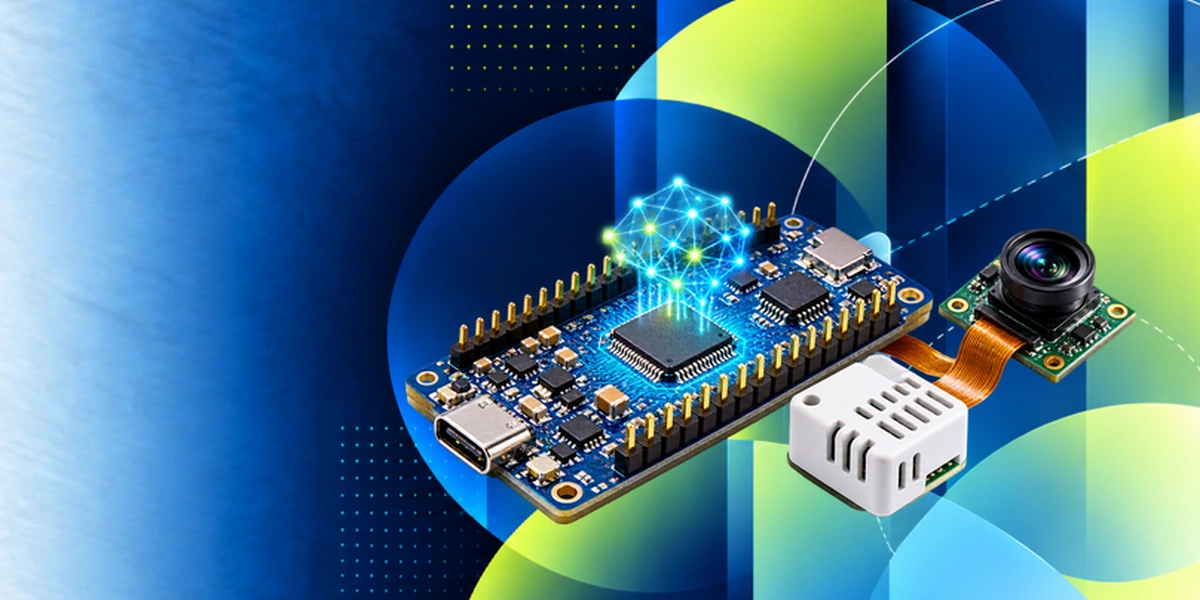
Neuromorphic computing combines two foundations your team builds first: deep learning and chip design. With both in place, brain-inspired, energy-efficient hardware becomes understandable, and TinyML then shows how low-power AI is already running on small devices today.


Why Choose Edstellar as Your Neuromorphic and Energy-Efficient Computing Corporate Training Provider
If your engineers need to cut AI energy cost without losing capability, start here. Tell us about your hardware, workloads, and preferred delivery mode, and we will shape a program around them.

EXPERT TRAINERS
YEARS DELIVERING
ORGANIZATIONS TRAINED
CERTIFIED
Tailored
Content shaped around your neuromorphic and energy-efficient AI use cases, so every session maps to your real neuromorphic needs.
Proven Methodology
5+ years delivering corporate training to hardware and systems teams across industries and regions.
Practice-Based Learning
7 hands-on labs across 7 modules. Your team builds low-power neuromorphic designs with instructor guidance.
Expert Trainers
5,000+ certified trainers matched to your neuromorphic systems, with a full trainer profile shared before your program is booked.
Global Scale
One neuromorphic and energy-efficient computing program across your offices worldwide, in hybrid, onsite, or live virtual.
Measurable Outcomes
Baseline-to-capstone measurement and Skills Matrix reporting keep your neuromorphic capability lift visible.
Evaluate Neuromorphic Designs Through Measured Energy and Accuracy Trade-Offs
Edstellar develops energy-efficient computing judgment by connecting hardware choices with model behavior. Participants compare neuromorphic architectures, simulate spiking neurons, and train or convert networks before applying compression and profiling. The final design is assessed against an explicit energy budget, using measured results and documented accuracy trade-offs rather than assumed efficiency gains.
- Step 01
Consult
We assess programming, machine-learning, and hardware backgrounds to identify gaps in spiking models, encoding, architecture comparisons, compression, and interpretation of energy measurements.
- Step 02
Plan
We establish the computing energy problem before neuromorphic architectures and spiking models, then develop training, compression, and system profiling ahead of the energy-budgeted design.
- Step 03
Align
We align neuromorphic and efficient-computing expertise with the cohort's hardware and software mix, calibrating mathematical and coding support without assuming previous spiking-network experience.
- Step 04
Customize
Sample workloads and energy targets reflect relevant AI applications, enabling tailored hardware and encoding comparisons while keeping measurement methods and accuracy requirements explicit.
- Step 05
Execute
Participants simulate neurons, train snnTorch networks, compare converted models, and measure compression effects, receiving feedback on spike traffic, accuracy, and energy-budget assumptions.
- Step 06
Evaluate
We assess the design for justified architecture and encoding choices, documented energy and accuracy measurements, and a system partition that addresses the stated workload budget.
Also from Edstellar
Talent assessments
Psychometric, behavioral, leadership and 360-degree assessment.
→Training needs analysis
Needs analysis, gap identification, and a training roadmap.
→L&D consulting
Learning strategy, content, technology and ROI measurement.
→OD consulting
Org design, succession planning and cultural change.
→Managed training services
Training outsourcing, vendor management, logistics and administration.
→Coaching solutions
Executive and manager coaching that keeps skills in use.
Start an RFP shaped to your needs.
Answer three quick questions about team size, scope, and how often you need the program run, then send the request from the last step. Everything you choose travels with it, so you only fill this in once.
How many team members need training?
Neuromorphic & Energy-Efficient Computing Training Training Packages & Pricing
Where L&D holds an annual budget, license packages price the whole year at once instead of raising a purchase order per workshop. Hours and licenses are pooled across teams, programs and locations, so unused capacity is not stranded in one department.
Starter
120
trainee licenses64 hours of group training
Tailored for SMBs
Growth
320
trainee licenses160 hours of group training
Ideal for growing SMBs
Enterprise
800
trainee licenses400 hours of group training
Designed for large corporations
Custom
Unlimited
trainee licensesDuration set by the rollout
Multi-region and multi-year
Training Packages & Pricing
Choose the training format that works for your team. Pricing is customized based on your requirements, cohort size, and delivery needs.
Request Neuromorphic and Energy-Efficient Computing Training for Your Team
Share your team size, hardware and AI goals, lab requirements, and timelines. We will respond with a tailored training plan covering scope, schedule, and pricing, and confirm trainer availability.