

FPGA Design for Embedded Systems Corporate Training
Give your teams the ability to design, verify, and ship FPGA implementations for embedded systems.
This instructor-led program takes hardware and embedded teams from digital logic foundations to a validated FPGA bitstream. Across six modules, participants write synthesizable HDL, close timing, integrate AXI-based IP, and co-design with firmware, closing with a capstone implementation reviewed on real hardware.
Instructor-led group trainingVirtual / on-site / off-site10 languagesDelivered inEnglish, Spanish, Mandarin, German, Arabic, Portuguese, Hindi, French, Japanese, Italian100+ countriesWe have delivered inUnited States, United Kingdom, India, Canada, Germany, France, Netherlands, UAE, Saudi Arabia, Singapore, Australia, Japan, Brazil, South Africa and 90+ more countries
How we build a FPGA-ready embedded hardware team
The Edstellar FPGA DESIGN Capability Model
Diagnose
We assess your team's HDL background and target devices to calibrate the exercises.
Standardize
Teams build a shared foundation in digital logic, RTL, and verification practice.
Practice
Guided labs run timing closure, AXI integration, and board-level validation.
Measure
Lab reviews and timing checkpoints quantify progress toward implementation readiness.
Scale
Design-review habits and templates extend FPGA discipline across hardware programs.





Need more than one program?Get a group quote
Trusted as a Leading Corporate Training Provider by
















Program Overview: What is FPGA Design Corporate Training for Embedded Systems?
FPGA Design Corporate Training for Embedded Systems is Edstellar's instructor-led program for hardware and embedded engineering teams building on programmable logic. Participants learn digital logic foundations, write RTL in Verilog and VHDL, and move through synthesis, timing analysis, and simulation. The program closes with a complete FPGA implementation for an embedded system in the capstone.
Training is hands-on across all six modules. Participants code synthesizable HDL, close timing on real designs, integrate IP blocks and on-chip communication, and debug on target hardware in guided labs. Instructors with FPGA design experience review every implementation, coaching teams on the co-design decisions that make hardware and software meet. The final module is the capstone: deliver a working FPGA implementation for an embedded system.
Embedded teams often treat the FPGA as a black box: designs that simulate but fail timing, IP integration done by trial and error, and hardware-software boundaries discovered too late. Most engineers never learn the full flow from RTL to a running device. This program teaches your team to design, verify, and bring up FPGAs methodically, with the timing discipline production hardware demands.
The capstone is the Complete FPGA Implementation: your team takes an embedded system from specification through RTL, synthesis, timing closure, and on-device verification, then demonstrates the working hardware in review. They return with a proven design flow and a reference implementation they can adapt to their own products, not just HDL syntax.
Over 24 hours, the program moves from logic foundations and RTL into deep builder practice: testbench-driven verification, static timing analysis, AXI integration, and hardware-software co-design. The capstone has teams deliver a working bitstream validated on real hardware, reviewed by the instructor.
What's Included in this Workshop for Your Enterprise Teams
- 1
24 hours of instruction
Six modules from logic basics to capstone.
- 2
Hands-on hardware labs
Validate designs on real dev boards.
- 3
Capstone implementation review
Instructor feedback on your bitstream.
- 4
Take-home templates
RTL, constraints, and review checklists.
- Instructor-led delivery across virtual, onsite, and hybrid
- Guided labs on RTL, timing, and board validation
- Dev-board exercises with on-chip debug tooling
- Capstone review of your FPGA implementation
- RTL templates, constraint files, and lab guides
- Post-training support for implementation questions
Build your team's skills. Anywhere in the world.
Real-world use cases
from day one
Instructor-led training
for your teams
Delivered globally
in 100+ countries


Enterprise Training Solutions Customized for Your Company
One partner for instructor-led corporate training, delivered the way your teams work.
Request a Training Quote- Customized Training Delivery
- Scale Your Training: Small to Large Teams
- In-person Onsite, Live Virtual or Hybrid Training Modes
- Plan from 2000+ Industry-ready Training Programs
- Hands-On Labs on Live Infrastructure, Led by Industry Experts
FPGA Design for Embedded Systems Course Topics and Program Outline
Six modules take hardware teams from digital logic foundations to a complete, instructor-reviewed FPGA implementation.
Built by Edstellar with FPGA and embedded hardware engineering expertise
Built by practitioners who design and validate FPGA implementations for embedded products, shaped around your stack and use cases.
We review your team's HDL background and target devices to calibrate the FPGA exercises.
Engineers master digital logic, synthesizable RTL, and verification through expert instruction.
Guided labs run timing closure, AXI integration, and on-board validation on real hardware.
Teams deliver a complete FPGA implementation, from spec to validated bitstream, with instructor review.
From digital logic to a validated FPGA bitstream in 24 hours.
Delivered as
Delivered instructor-led across virtual, onsite, and hybrid formats, with every module anchored in hands-on labs.

Guided exercise: teams write a first HDL module, simulate it, and load a blinking-LED bitstream on a dev board.
learna)Combinational and sequential logic, flip-flops, and state machines
b)Number systems, fixed point, and arithmetic structures
c)The FPGA design flow: design, synthesis, implementation, bitstream
d)Setting up the HDL toolchain and board bring-up
Lab: teams build and verify a parameterizable FIFO with a full testbench and waveform checks.
learna)Synthesizable Verilog and VHDL coding styles and idioms
b)FIFOs, arbiters, and state-machine design patterns
c)Writing self-checking testbenches and functional verification
d)Common synthesis pitfalls and how to avoid them
Lab: teams constrain a design, fix timing violations, and verify with post-synthesis simulation.
practicea)Writing timing constraints for clocks and I/O interfaces
b)Static timing analysis: setup, hold, and clock domain crossing
c)Gate-level and timing simulation with vendor toolchains
d)Debugging with on-chip logic analyzers and ILA cores
Lab: teams integrate a soft-core processor with AXI peripherals and stream sensor data through DMA.
practicea)Integrating vendor and custom IP blocks with AXI
b)AXI4, AXI4-Lite, and AXI4-Stream protocol practice
c)DDR memory controllers and high-speed I/O interfaces
d)Building a block-design system with an embedded processor core
Lab: teams offload a DSP function to the fabric and measure speedup against the processor baseline.
applya)Hardware-software partitioning for embedded workloads
b)Writing drivers and firmware for custom FPGA peripherals
c)Building hardware accelerators with AXI-stream interfaces
d)System-level validation and performance measurement
Capstone: teams deliver a working bitstream, demo it on hardware, and defend the design in an instructor review.
applya)Defining requirements and the hardware-software partition
b)Full RTL design, integration, and timing closure
c)Board-level validation and regression testing
d)Demo, documentation, and instructor design review
Customize this program tailored to your team?
Tell us your training needs: what your team already works with, the level they’re at, and the topics you want them to focus on. We’ll adjust the modules, duration and hands-on labs, and send you a customized outline for your group.
Key Skills and Outcomes Your Team Will Gain
Technical FPGA capabilities your team practices in labs and applies in the capstone implementation.
Explain digital logic and the FPGA flow
Describe logic design, the FPGA fabric, and the design-to-bitstream flow in practical terms.
Write synthesizable Verilog and VHDL
Produce clean RTL with standard idioms, verified by self-checking testbenches.
Constrain designs and close timing
Apply timing constraints and resolve setup, hold, and clock-domain issues.
Integrate IP with AXI interfaces
Assemble systems from vendor and custom IP over AXI interconnect.
Co-design hardware and software
Partition workloads and write drivers for custom FPGA peripherals.
Validate on real hardware
Debug with on-chip instruments and run system-level regression tests.
Deliver a complete FPGA implementation
Own a full implementation: spec, RTL, timing closure, and a validated bitstream.
Teams that Benefit from this FPGA Design for Embedded Systems Group Training
Built for hardware, embedded, and firmware teams shipping FPGA-based systems. Content adapts to each cohort's devices and toolchains, so every group practices the implementation workflows it owns.
Teams designing digital hardware
Master RTL design, timing closure, and validation for production-grade FPGA work.
Workflow friction
- Timing closure is painful
- Synthesis behavior surprises
- Debug visibility is limited
How the program helps
- Write synthesizable RTL
- Close timing on designs
- Debug with on-chip tools
Practice use cases
- RTL design labs
- Timing closure drills
- ILA debug sessions
Engineers pairing fabric with software
Partition workloads between processors and fabric, and validate complete embedded systems.
Workflow friction
- Partitioning is guesswork
- Drivers are fragile
- System bugs span domains
How the program helps
- Partition HW and SW
- Write FPGA drivers
- Validate system builds
Practice use cases
- Co-design labs
- Driver workshops
- System validation
Developers working near the metal
Build accelerators and custom peripherals that firmware teams can actually program.
Workflow friction
- Interface protocols confuse
- Acceleration tradeoffs unclear
- Performance is hard to prove
How the program helps
- Build AXI peripherals
- Design accelerators
- Profile HW-SW splits
Practice use cases
- AXI integration labs
- Accelerator builds
- Performance clinics
Groups validating hardware ideas fast
Move from concept to working FPGA prototypes with repeatable design and review practices.
Workflow friction
- Prototypes stay fragile
- Verification is skipped
- Design reviews are thin
How the program helps
- Prototype on FPGAs
- Verify with testbenches
- Demo working hardware
Practice use cases
- Rapid prototype labs
- Testbench exercises
- Capstone reviews
Cohorts can mix roles; labs include role-specific tracks so each team practices its own implementation workflows.
Prerequisites: Built for hardware and embedded engineers working on FPGA-based systems. Basic digital electronics familiarity helps but is not required; the program builds from first principles. No prior HDL experience is needed.
Hardware engineer to FPGA system lead
Engineers start with logic and HDL; leads progress to timing closure and full system integration.
A program that grows with hardware engineering careers, from digital logic basics to confident FPGA implementation.
Mixed cohort, or several teams at once?
We can tailor the training to different teams, roles, and experience levels within the same program.
Certificate of Training Completion.
On successful completion, employees receive an Edstellar course completion certificate, recognizing their commitment to ongoing learning and professional development. It validates the skills they have built and motivates them to keep growing and contribute to organizational success.
Earned, not attended. Awarded on completion of all hands-on labs and the capstone project.

Training Delivery Modes: Virtual, Onsite and Hybrid
Instructor-led across virtual, onsite, and hybrid formats, with every session anchored in hands-on hardware labs.
Hybrid Training
Blended delivery that keeps distributed teams engaged, with hardware labs and breakout exercises run live by the instructor.
- Live facilitation across rooms and screens
- Guided hardware labs in every format
- Breakout design exercises with instructor coaching
- Capstone guidance online or onsite

Onsite Training
At your office, labs run against your dev boards and toolchains with the instructor guiding each exercise.
- Training at your location
- Hardware-specific scenarios
- Team-based lab exercises
- Direct instructor feedback

Live Virtual Training
Live virtual cohorts with cloud toolchains and remote board access, and the same hands-on coaching as onsite.
- Live instructor-led sessions
- Cloud-based HDL toolchains
- Breakout rooms for design exercises
- Digital templates and playbooks

Need a training format that works for your team?
Full days, half days across weeks, or split by module. Tell us the delivery window and we schedule the cohort around it.
Frequently Asked Questions
Share your team size, timelines, and delivery preference, and we will send a detailed per-group quote with batch options.
Yes. A short discovery call aligns the program with your devices, toolchains, and embedded goals.
Yes. Live virtual cohorts run with cloud toolchains, breakout rooms, and the same instructor coaching as onsite.
Yes. Instructors can deliver onsite at your offices, with labs adapted to your boards and toolchains.
The program runs 24 hours across six modules, typically delivered over four days.
Question not answered here?
Put it in the request. A training specialist answers it directly, within one business day.
Where this Training Fits in Your Team's learning path.
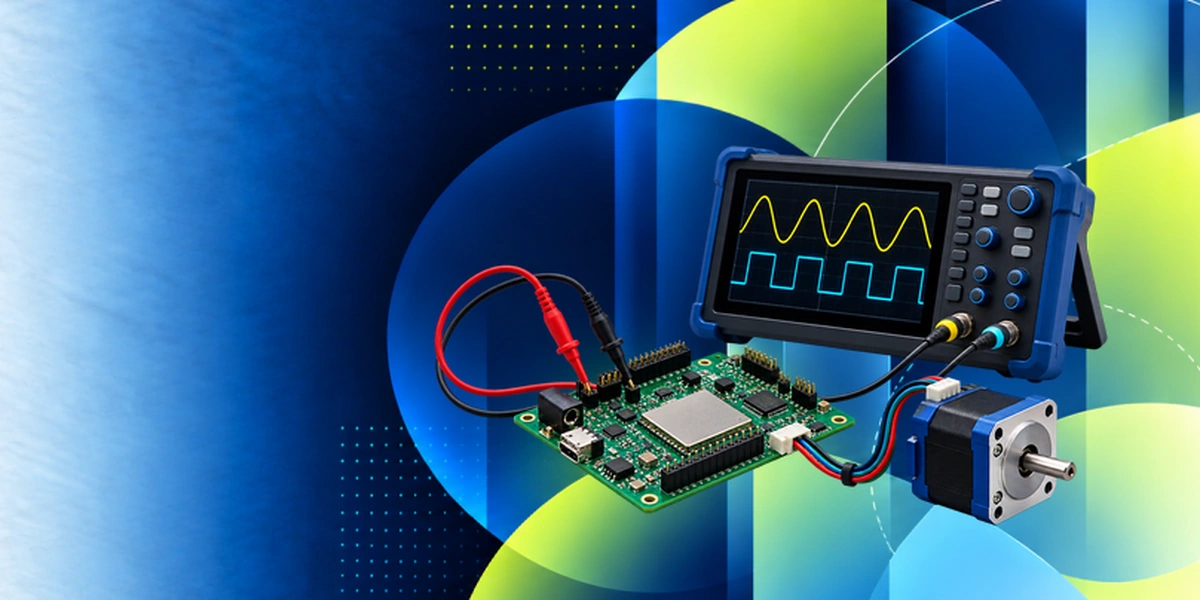
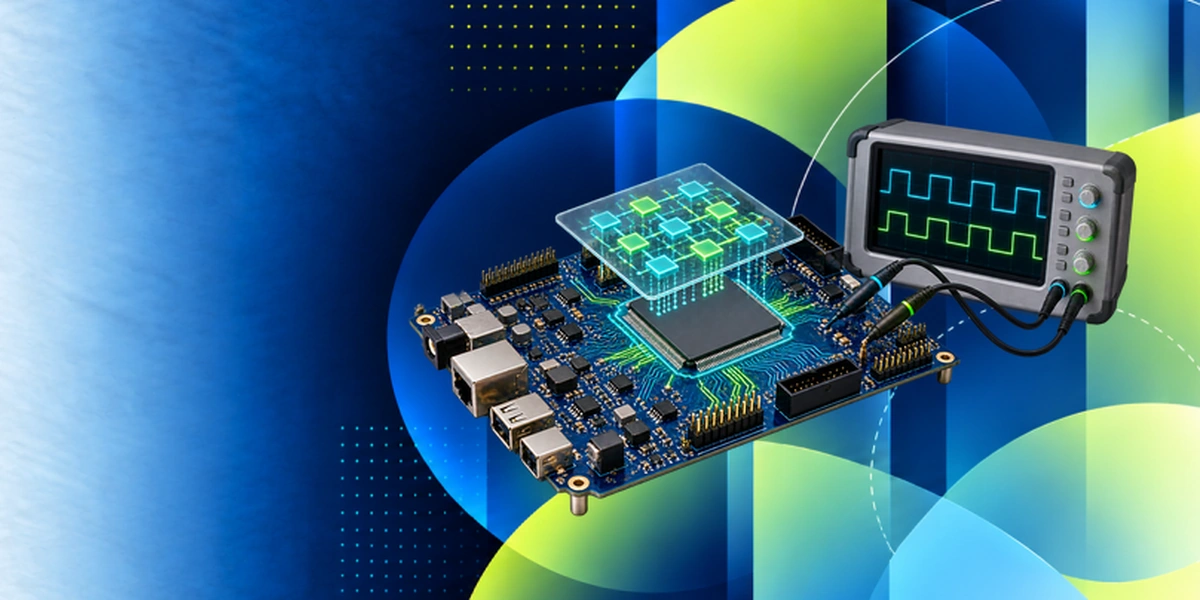
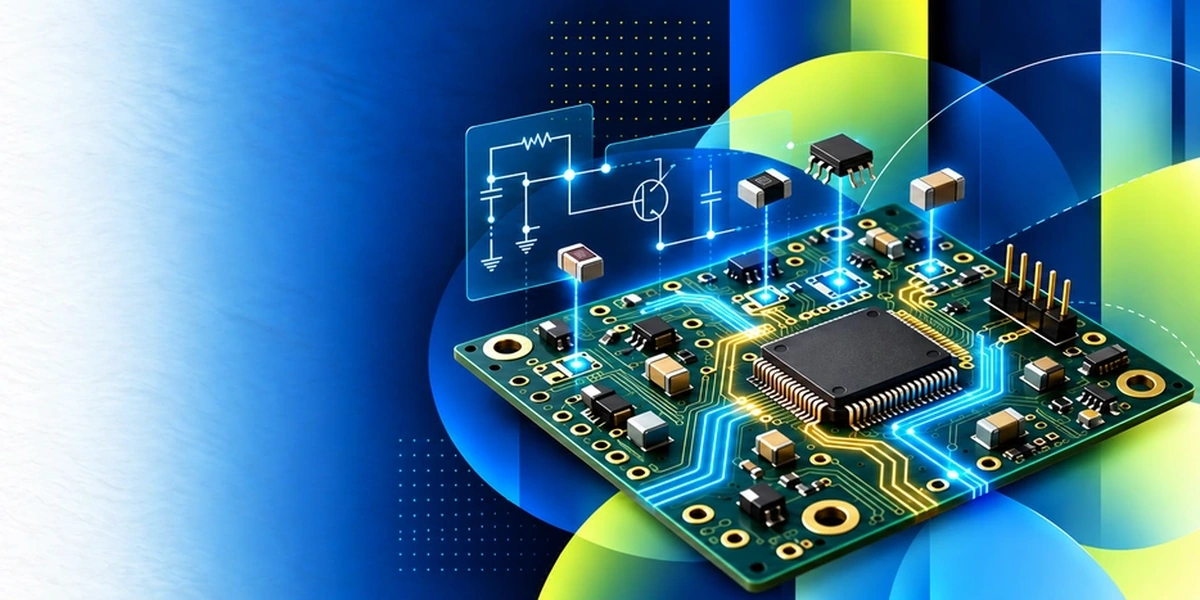
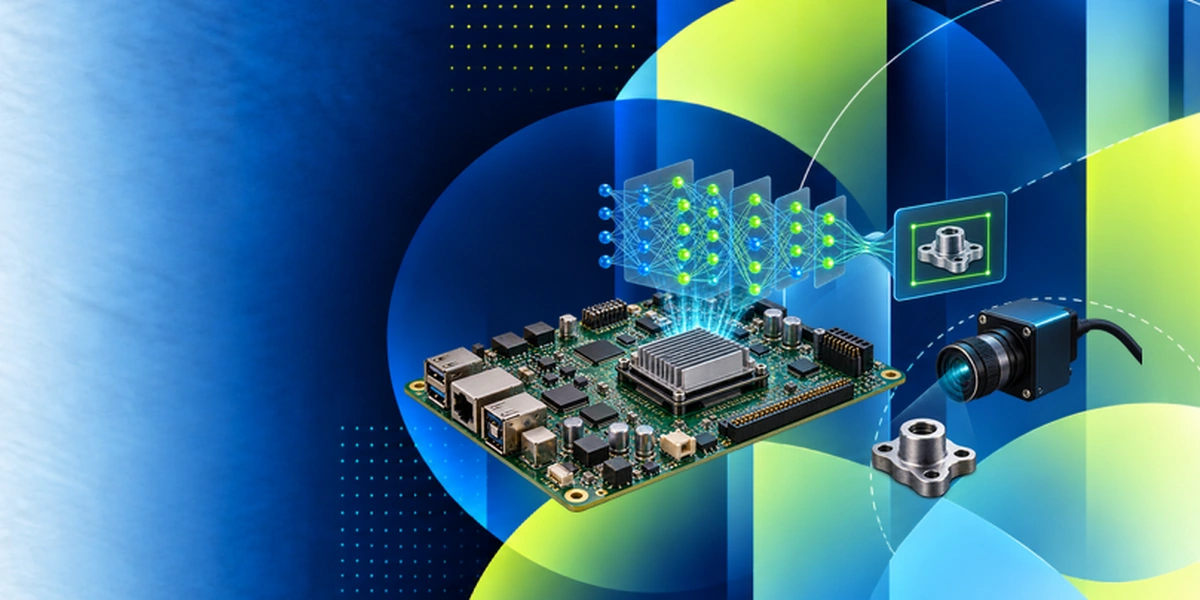
FPGA design follows microcontroller-based embedded work, adding programmable hardware to the team's options. After this course, the path moves to laying out the PCB the FPGA sits on, and ends with accelerating AI inference on FPGAs.
Why Choose Edstellar as Your FPGA Design for Embedded Systems Training Provider
Edstellar delivers FPGA training that sticks: guided hardware labs, timing-closure practice, and an implementation your teams build themselves.

EXPERT TRAINERS
YEARS DELIVERING
ORGANIZATIONS TRAINED
CERTIFIED
Tailored
FPGA scenarios, labs, and the capstone adapt to your devices, toolchains, and embedded applications.
Proven Methodology
A Diagnose, Standardize, Practice, Measure, Scale path moves teams from logic basics to a validated bitstream.
Practice-Based Learning
Guided labs have teams writing RTL, closing timing, and validating real hardware on dev boards.
Expert Trainers
Sessions are led by practitioners who ship FPGA designs in embedded products.
Global Scale
We deliver coordinated FPGA cohorts across regions, with consistent labs and tracked progress.
Measurable Outcomes
Capstone demos, lab assessments, and design reviews show exactly where your FPGA capability stands.
Connect FPGA Design Decisions With Verified Embedded Hardware Behavior
Edstellar develops FPGA capability through a progression from digital logic to a working embedded implementation. Teams write and simulate HDL, address timing constraints, and integrate processors and peripherals before exploring hardware-software partitioning. The final hardware demonstration is reviewed alongside verification evidence, timing decisions, and the explanation of design trade-offs.
- Step 01
Consult
We assess digital electronics familiarity and gaps in HDL, timing analysis, or hardware-software integration, establishing a common starting point for embedded engineers.
- Step 02
Plan
Digital logic and toolchain practice lead into RTL verification, synthesis and timing, IP integration, and co-design before the complete FPGA implementation.
- Step 03
Align
We align FPGA and embedded design expertise with hardware-engineering responsibilities, confirming suitable toolchains, development boards, and time for simulation and target debugging.
- Step 04
Customize
Sample FIFO, sensor-data, and DSP exercises reflect relevant embedded tasks while preserving the progression through testbenches, interfaces, timing constraints, and hardware validation.
- Step 05
Execute
Teams verify RTL, fix timing violations, and integrate AXI peripherals, receiving feedback on waveform interpretation, constraints, and hardware-software partitioning choices during practice.
- Step 06
Evaluate
We assess the bitstream demonstration and design explanation for verified functionality, supported timing closure, coherent IP integration, and evidence behind co-design performance comparisons.
Also from Edstellar
Talent assessments
Psychometric, behavioral, leadership and 360-degree assessment.
→Training needs analysis
Needs analysis, gap identification, and a training roadmap.
→L&D consulting
Learning strategy, content, technology and ROI measurement.
→OD consulting
Org design, succession planning and cultural change.
→Managed training services
Training outsourcing, vendor management, logistics and administration.
→Coaching solutions
Executive and manager coaching that keeps skills in use.
Start an RFP shaped to your needs.
Answer three quick questions about team size, scope, and how often you need the program run, then send the request from the last step. Everything you choose travels with it, so you only fill this in once.
How many team members need training?
FPGA Design Corporate Training for Embedded Systems Training Packages & Pricing
Where L&D holds an annual budget, license packages price the whole year at once instead of raising a purchase order per workshop. Hours and licenses are pooled across teams, programs and locations, so unused capacity is not stranded in one department.
Starter
120
trainee licenses64 hours of group training
Tailored for SMBs
Growth
320
trainee licenses160 hours of group training
Ideal for growing SMBs
Enterprise
800
trainee licenses400 hours of group training
Designed for large corporations
Custom
Unlimited
trainee licensesDuration set by the rollout
Multi-region and multi-year
Training Packages & Pricing
Choose the training format that works for your team. Pricing is customized based on your requirements, cohort size, and delivery needs.
Request FPGA Design for Embedded Systems Training for Your Team
Tell us about your team size, timelines, and delivery preference, and we will design a FPGA Design for Embedded Systems program around your hardware goals.