

Simulation and Discrete-Event Modeling Corporate Training
Build the simulation and discrete-event modeling skills your team needs to test decisions before they go live.
Develop data-driven decision modeling skills with Edstellar's Simulation & Discrete-Event Modeling corporate training program. In instructor-led sessions, your employees learn process simulation, discrete-event modeling, and scenario analysis, then practice on real-world use cases drawn from your operations. As the corporate training company enterprises trust for emerging-technology programs, we tailor every workshop to your processes, tools, and goals.
Instructor-led group trainingVirtual / on-site / off-site10 languagesDelivered inEnglish, Spanish, Mandarin, German, Arabic, Portuguese, Hindi, French, Japanese, Italian100+ countriesWe have delivered inUnited States, United Kingdom, India, Canada, Germany, France, Netherlands, UAE, Saudi Arabia, Singapore, Australia, Japan, Brazil, South Africa and 90+ more countries
How we build simulation-ready operations teams
THE EDSTELLAR SIMULATION & DISCRETE-EVENT MODELING CAPABILITY MODEL
Baseline your modeling skills
Assess how your team currently models processes and where simulation thinking is missing today.
Set one modeling standard
One shared language for entities, events, queues, and scenarios across your operations teams.
Build real models in labs
Guided hands-on labs turn your team's own process flows into working discrete-event models.
Prove the decision lift
Before-and-after exercises measure each analyst's skill in scenario analysis and model-based decisions.
Scale across the enterprise
One simulation capability rolls out across functions and cohorts as your modeling needs grow.





Need more than one program?Get a group quote
Trusted as a Leading Corporate Training Provider by
















Program Overview: What is Simulation and Discrete-Event Modeling Corporate Training?
Simulation & Discrete-Event Modeling is Edstellar's instructor-led technical program for operations, industrial engineering, and analytics teams who need to test decisions before spending on them. It covers simulation foundations, the discrete-event modeling core, process model building, what-if scenario analysis, and verification and validation. Participants learn to model operations and run experiments that inform real investments.
Training is hands-on with real modeling work from the first module. Participants build process models in guided labs, then design scenario and what-if experiments against realistic operations data, with instructors reviewing every model structure and assumption. Coaching focuses on verification, validation, and the simulation data pipeline so results stand up to scrutiny. The program closes with a capstone where each team delivers an end-to-end operations model for a real process.
Without simulation, operations decisions rest on gut feel and spreadsheets that flatten the randomness of the real world. Capacity plans overshoot, queues form where nobody expected, and the fix costs ten times what the experiment would have. This program teaches teams to model discrete events properly so they can stress-test decisions before committing capital.
The capstone hands each team a model that earns its keep: an end-to-end operations model of a real process, verified against historical data and documented so another analyst can re-run it. Instructors probe every assumption in a review session modeled on a project gate, and the model leaves the room as the team's first working simulation, ready to answer the next what-if question leadership asks.
Across six modules, your team moves from simulation fundamentals to an end-to-end capstone model. Sessions use real-world use cases, hands-on labs, and model templates, so every technique transfers directly to your operations.
Delivered as a hybrid instructor-led program, it fits around your calendar, with scheduling set along with you, and content tailored to your industry.
What's Included in this Workshop for Your Enterprise Teams
- 1
Simulation foundations
Core simulation concepts explained for operations professionals.
- 2
Discrete-event modeling core
Entities, events, queues, and resources in working models.
- 3
Hands-on model building
Build models of your team's own process flows in labs.
- 4
Scenario analysis
Design what-if experiments that compare decision options.
- 5
Capstone model
Deliver an end-to-end simulation of an operations process.
- Training delivered at any of your offices globally
- 10+ languages
- Schedule around your calendar
- Group size set along with you
- Run as one cohort or split into batches
- Instructor-led (virtual/onsite/hybrid)
- Recurring and annual options
- Trainer sourcing, matching and logistics
Build your team's skills. Anywhere in the world.
Real-world use cases
from day one
Instructor-led training
for your teams
Delivered globally
in 100+ countries


Enterprise Training Solutions Customized for Your Company
One partner for instructor-led corporate training, delivered the way your teams work.
Request a Training Quote- Customized Training Delivery
- Scale Your Training: Small to Large Teams
- In-person Onsite, Live Virtual or Hybrid Training Modes
- Plan from 2000+ Industry-ready Training Programs
- Hands-On Labs on Live Infrastructure, Led by Industry Experts
Simulation and Discrete-Event Modeling Course Topics and Program Outline
Six modules follow a clear learning path from simulation fundamentals to an end-to-end capstone model. Each session builds on the last, with hands-on labs that turn your team's own process flows into working discrete-event models.
Built by Edstellar with simulation modeling practitioners
Built by operations and analytics professionals who build and validate discrete-event simulation models in production, shaped around your stack and use cases.
Baseline each participant's simulation readiness before module 01 begins
Build strong simulation modeling foundations in instructor-led sessions
Reinforce skills through guided hands-on labs in simulation software
Apply simulation skills to real operations scenarios and a capstone project
A short pre-training assessment sets each participant's entry level, so the program starts where your team actually is. The rest is weighted toward hands-on practice: guided simulation software labs and realistic scenarios drawn from your team's work, not slides.
Delivered as
Entry level set by the assessment. Depth and schedule customized to your team.

Test your baseline process-mapping skills and spot the decisions where simulation thinking would pay off.
learna)What simulation is and when to use it
b)Continuous, discrete, and agent-based simulation
c)The modeling workflow: from process to experiment
d)Data needs and assumptions of a simulation study
e)Where simulation fits in operations decisions
Build a first working discrete-event model of a simple service process in a hands-on lab.
learna)Entities, attributes, and events
b)Queues, resources, and servers
c)Event scheduling and the simulation clock
d)Random variables and probability distributions
e)Hands-on lab: your first discrete-event model
Model one of your team's real process flows end to end in a guided hands-on lab.
practicea)Mapping process flows into model constructs
b)Modeling arrivals, routing, and priorities
c)Simulation tools covered: platforms and Python-based modeling
d)Handling failures, shifts, and shared resources
e)Hands-on lab: model your team's process flow
Design and run what-if experiments that compare capacity and scheduling options for a real-world use case.
practicea)Designing what-if scenarios
b)Experiment design and replication
c)Confidence intervals and output analysis
d)Bottleneck and sensitivity analysis
e)Hands-on lab: compare decision scenarios
Validate a simulation model against real operational data and document the assumptions behind it.
practicea)Verification: is the model built right
b)Validation: is the right model built
c)Fitting distributions to operational data
d)Common modeling pitfalls and how to avoid them
e)Hands-on lab: validate a model with real data
Deliver an end-to-end simulation of an operations process and present the model-backed recommendation.
applya)Scoping your capstone operations process
b)Building the end-to-end simulation model
c)Presenting model results to decision makers
d)Capstone review and feedback
Customize this program tailored to your team?
Tell us your training needs: what your team already works with, the level they’re at, and the topics you want them to focus on. We’ll adjust the modules, duration and hands-on labs, and send you a customized outline for your group.
Key Skills and Outcomes Your Team Will Gain
Your team will leave able to build discrete-event models of their own processes, run what-if scenarios, and back decisions with validated simulation evidence. Each outcome is practiced in hands-on labs and shown in the capstone.
Model a process end to end
Turn any operational process into a simulation model, from entities and flows to resources and queues.
Build discrete-event simulations
Work with events, event scheduling, and the simulation clock to build working discrete-event models.
Run what-if scenarios
Design experiments that compare capacity, staffing, and scheduling options before decisions go live.
Validate models against real data
Apply verification and validation techniques, and fit input distributions to your operational data.
Read simulation output with confidence
Use confidence intervals, bottleneck analysis, and sensitivity checks to interpret model results correctly.
Optimize resources and throughput
Find the resource levels and flow designs that lift throughput without overspending.
Present model-backed recommendations
Communicate simulation results to decision makers in clear business terms.
Teams that Benefit from this Simulation and Discrete-Event Modeling Group Training
This program is built for teams that plan and run operations, from operations analysts to engineers and planners. No prior simulation experience is needed; content adapts to each cohort, so every group practices the decisions their roles actually own.
Test changes before they go live.
Operations teams learn to model lines, cells, and shifts, so capacity and layout decisions are proven before money is spent.
Workflow friction
- Bottlenecks surface only after changes go live
- Capacity plans rest on static spreadsheets
- Improvement ideas stall without proof
How the program helps
- Validate changes before spending
- Size capacity with model evidence
- Prove improvement ideas faster
Practice use cases
- Line balancing
- Layout planning
- Shift design
Model flows before you commit resources.
Supply chain teams simulate networks, warehouses, and flows to test service levels against cost trade-offs.
Workflow friction
- Network changes are hard to test safely
- Peak demand strains warehouses and fleets
- Service-level trade-offs are hard to quantify
How the program helps
- Test network changes safely
- Plan for peak demand
- Quantify service-level trade-offs
Practice use cases
- Network design
- Warehouse simulation
- Demand scenarios
Add simulation to your analytics toolkit.
Analytics teams extend beyond descriptive and predictive work into prescriptive simulation that guides decisions.
Workflow friction
- Models stay descriptive, not decision-ready
- Optimization projects lack validation
- Stakeholders distrust black-box answers
How the program helps
- Move from insight to decision
- Validate optimization projects
- Communicate models clearly
Practice use cases
- Decision modeling
- Model validation
- Scenario dashboards
Each cohort works through role-relevant hands-on labs, then leaves with a working model of one of their own processes.
Prerequisites: No prior simulation experience is required; the program starts from fundamentals. What helps most is familiarity with your team's processes and comfort working with operational data. Basic spreadsheet or data skills are enough, and content adapts to each cohort's tooling and experience.
Operations Analyst to Simulation Modeler
The program takes analysts from simulation fundamentals to boardroom-ready decision models: foundation concepts, intermediate model building and scenario work, then advanced validation and a capstone model.
Analysts grow from mapping processes to owning validated simulation studies as the modules progress.
Mixed cohort, or several teams at once?
We can tailor the training to different teams, roles, and experience levels within the same program.
Certificate of Training Completion.
On successful completion, employees receive an Edstellar course completion certificate, recognizing their commitment to ongoing learning and professional development. It validates the skills they have built and motivates them to keep growing and contribute to organizational success.
Earned, not attended. Awarded on completion of all hands-on labs and the capstone project.

Training Delivery Modes: Virtual, Onsite and Hybrid
Every mode is shaped around your processes before delivery. The curriculum, hands-on labs, and capstone stay the same in each format, so what your team can do after training never depends on how you run it.
Hybrid Training
Live instruction across office and remote sessions, with hands-on labs coached throughout. Your team builds discrete-event models of their own processes with instructor guidance. Best for multi-site teams.
- Live instruction across office and remote sessions
- Hands-on labs with instructor coaching
- Real-world use cases and model templates
- Best for operations teams across sites and time zones

Onsite Training
Your instructor delivers at your facility, with labs set up for your operations team. Participants model their own process flows with direct coaching. Best for co-located teams.
- Instructor delivers at your facility
- Labs set up for your team and processes
- Direct coaching during model building
- Best for co-located teams wanting maximum interaction

Live Virtual Training
Live virtual sessions on Zoom or Microsoft Teams, with remote hands-on labs and screen-shared guidance through every model. Your team collaborates on simulation models in real time. Best for distributed operations teams.
- Live sessions on Zoom or Microsoft Teams
- Remote access to the simulation lab environment
- Screen-shared guidance through every model
- Best for distributed operations teams

Need a training format that works for your team?
Full days, half days across weeks, or split by module. Tell us the delivery window and we schedule the cohort around it.
Frequently Asked Questions
Share your team size, preferred dates, and delivery mode in the lead form. We reply with a tailored proposal covering scope, schedule, and pricing for your group.
Both. Choose live virtual sessions on Zoom or Teams, onsite delivery at your office, or a hybrid mix across sites and time zones.
The standard program runs 16 hours of instructor-led sessions, typically over two days. We can reshape the schedule around your calendar.
We recommend 12 to 20 analysts and engineers per cohort for strong lab support. Larger teams can run as parallel batches.
Yes. We shape process examples, lab data, and the capstone around your industry, processes, and operations goals before delivery.
Question not answered here?
Put it in the request. A training specialist answers it directly, within one business day.
Where this Training Fits in Your Team's learning path.
Discrete-event simulation builds on quantitative modelling, so your team learns those methods first. This course then simulates queues, processes and resource flows. The path moves on to digital twins that run simulations with live data, and finally standardises manufacturing twins with ISO 23247.


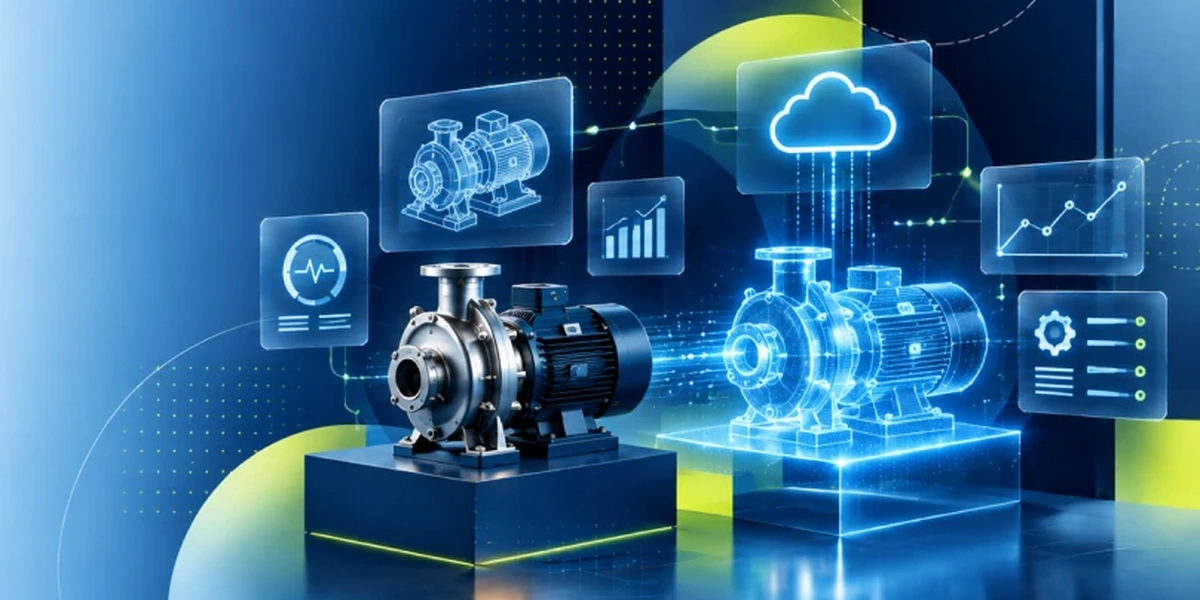

Why Choose Edstellar as Your Simulation and Discrete-Event Modeling Enterprise Training Provider
If your team needs to test decisions before they go live, start here. Tell us about your processes, timelines, and preferred delivery mode, and we will shape a program around them.

EXPERT TRAINERS
YEARS DELIVERING
ORGANIZATIONS TRAINED
CERTIFIED
Tailored
Content shaped around your simulation and discrete-event modeling use cases, so every session maps to your real simulation needs.
Proven Methodology
5+ years delivering corporate training to operations and analytics teams across industries and regions.
Practice-Based Learning
6 hands-on labs across 6 modules. Your team builds end-to-end process simulation models with instructor guidance.
Expert Trainers
5,000+ certified trainers matched to your simulation modeling, with a full trainer profile shared before your program is booked.
Global Scale
One simulation and discrete-event modeling program across your offices worldwide, in hybrid, onsite, or live virtual.
Measurable Outcomes
Baseline-to-capstone measurement and Skills Matrix reporting keep your simulation capability lift visible.
Also from Edstellar
Talent assessments
Psychometric, behavioral, leadership and 360-degree assessment.
→Training needs analysis
Needs analysis, gap identification, and a training roadmap.
→L&D consulting
Learning strategy, content, technology and ROI measurement.
→OD consulting
Org design, succession planning and cultural change.
→Managed training services
Training outsourcing, vendor management, logistics and administration.
→Coaching solutions
Executive and manager coaching that keeps skills in use.
Start an RFP shaped to your needs.
Answer three quick questions about team size, scope, and how often you need the program run, then send the request from the last step. Everything you choose travels with it, so you only fill this in once.
How many team members need training?
Simulation & Discrete-Event Modeling Training Packages & Pricing
Where L&D holds an annual budget, license packages price the whole year at once instead of raising a purchase order per workshop. Hours and licenses are pooled across teams, programs and locations, so unused capacity is not stranded in one department.
Starter
120
trainee licenses64 hours of group training
Tailored for SMBs
Growth
320
trainee licenses160 hours of group training
Ideal for growing SMBs
Enterprise
800
trainee licenses400 hours of group training
Designed for large corporations
Custom
Unlimited
trainee licensesDuration set by the rollout
Multi-region and multi-year
Training Packages & Pricing
Choose the training format that works for your team. Pricing is customized based on your requirements, cohort size, and delivery needs.
Request Simulation and Discrete-Event Modeling Training for Your Team
Share your team size, simulation goals, preferred delivery mode, and timelines. We will respond with a tailored training plan covering scope, schedule, and pricing, and confirm trainer availability. Book a discovery call or discussion to talk through your training requirement.