

Forensic Accounting Corporate Training
Detect fraud. Prove it. Fix the controls.
A 24 hour instructor led program that builds investigation grade fraud detection skills: statement red flags, forensic analytics, interviews, and defensible evidence handling.
Instructor-led group trainingVirtual / on-site / off-site10 languagesDelivered inEnglish, Spanish, Mandarin, German, Arabic, Portuguese, Hindi, French, Japanese, Italian100+ countriesWe have delivered inUnited States, United Kingdom, India, Canada, Germany, France, Netherlands, UAE, Saudi Arabia, Singapore, Australia, Japan, Brazil, South Africa and 90+ more countries
How we build a fraud resistant finance team
The Edstellar FINANCIAL FORENSICS Capability Model
Diagnose
Assess your team's fraud awareness and analytics maturity against your actual risk landscape.
Standardize
Build one shared vocabulary of fraud typologies, red flags, and evidence standards across the team.
Practice
Run guided forensic labs on ledgers and journals with live instructor troubleshooting.
Measure
Grade capstone investigations and lab outputs against a rubric for technique and defensibility.
Scale
Leave with repeatable analytics routines and monitoring plans the team can run after training.





Need more than one program?Get a group quote
Trusted as a Leading Corporate Training Provider by
















Program Overview: What is Forensic Accounting?
Forensic Accounting is Edstellar's instructor-led program for finance, audit, and compliance teams who need to detect and prove financial fraud. Participants study fraud typologies and financial statement red flags, apply data analytics to find anomalies, and learn investigation methods with proper evidence handling. The program closes with a full simulated investigation and a defensible report.
Training is hands-on across all six modules. Participants work real-style fraud datasets, trace anomalies through ledgers in guided labs, and practice interview and evidence-handling techniques under instructor coaching. Instructors with investigation experience review every finding, pushing teams to connect analytics to proof the way a real case demands. The final module is the capstone: run an end to end forensic investigation and present a defensible report in review.
Most fraud is found too late: red flags buried in statements go unnoticed, and teams without investigation skills hand weak cases to auditors or lawyers. Ad-hoc reviews miss patterns that analytics would catch in minutes. This program teaches your team to spot fraud early, gather evidence that holds up, and design controls that shrink the fraud window.
The capstone is the End to End Forensic Investigation: your team inherits a messy company dataset, follows the anomalies through the books, conducts mock interviews, and assembles an evidence package a prosecutor could rely on. They defend their findings and report in a review session. Participants return knowing what a fraud case actually takes to build, not just how to spot one.
The program covers occupational fraud categories, regulatory duties under SOX, FCPA, and company law, and the difference between audit and forensic scope. Labs build repeatable analytics routines for ledgers and journals, structured interview practice, workpaper standards, and fraud risk assessment by business cycle. The capstone takes an allegation from intake to report, with control remediation recommendations the team can implement immediately.
What's Included in this Workshop for Your Enterprise Teams
- 1
Fraud foundations
Typologies, regulatory duties, and evidence standards.
- 2
Statement red flags
Revenue, reserves, and disclosure manipulation patterns.
- 3
Forensic analytics labs
Benford, duplicates, sampling on real style ledgers.
- 4
Investigation craft
Interviews, evidence handling, and workpapers.
- 5
Capstone case
Full simulated investigation with a written report.
- 24 hours of live instructor led training
- Virtual, onsite, or hybrid delivery
- Forensic datasets and case drills
- Analytics templates and workbooks
- Capstone investigation with feedback
- Post program control remediation plan
Build your team's skills. Anywhere in the world.
Real-world use cases
from day one
Instructor-led training
for your teams
Delivered globally
in 100+ countries


Enterprise Training Solutions Customized for Your Company
One partner for instructor-led corporate training, delivered the way your teams work.
Request a Training Quote- Customized Training Delivery
- Scale Your Training: Small to Large Teams
- In-person Onsite, Live Virtual or Hybrid Training Modes
- Plan from 2000+ Industry-ready Training Programs
- Hands-On Labs on Live Infrastructure, Led by Industry Experts
Forensic Accounting Course Topics and Program Outline
Six modules build investigation capability step by step: fraud foundations and statement red flags, forensic data analytics, investigation methods and evidence handling, fraud risk assessment and control design, and a capstone where learners run a full simulated forensic investigation end to end.
Built by Edstellar with forensic accounting practitioners
Built by practitioners who run fraud investigations and forensic engagements in production, shaped around your stack and use cases.
We assess your team's fraud awareness and analytics maturity, then map the modules and datasets to your actual risk landscape.
Instructor led sessions teach fraud typologies, red flag reading, and evidence standards using real case patterns from financial crime.
Hands on labs run forensic analytics, interview drills, and evidence workpapers on simulated ledgers with live instructor guidance.
You close with a full simulated investigation and a defensible forensic report, then carry a remediation plan back to your team.
A 24 hour investigation grade journey from fraud awareness to a defensible forensic report.
Delivered as
Every cohort follows the same 24 hour plan, with datasets and case emphasis tuned to your industry during setup.

Guided lab: occupational fraud typologies and the fraud triangle with instructor review.
learna)Occupational fraud typologies and the fraud triangle
b)Regulatory landscape: SOX, FCPA, Companies Act duties
c)Evidence types and admissibility fundamentals
d)Forensic accountant vs auditor: scope differences
e)Chain of custody principles and documentation
Guided lab: revenue recognition manipulation patterns with instructor review.
learna)Revenue recognition manipulation patterns
b)Reserve and accrual abuse detection
c)Off balance sheet arrangements and related parties
d)Cash flow vs earnings divergence analysis
e)Reading footnotes and MD&A disclosures
Guided lab: benford analysis on payment ledgers with instructor review.
practicea)Benford analysis on payment ledgers
b)Duplicate testing and gap analysis
c)Stratified sampling for investigation support
d)Journal entry anomaly screening
e)Building repeatable forensic analytics routines
Guided lab: investigation planning and evidence maps with instructor review.
practicea)Investigation planning and evidence maps
b)Conducting investigative interviews
c)Digital evidence preservation basics
d)Workpaper standards and documentation
e)Drafting forensic findings for counsel
Guided lab: entity level fraud risk assessment with instructor review.
applya)Entity level fraud risk assessment
b)Revenue and procurement cycle risk mapping
c)Designing anti fraud detective controls
d)Whistleblower and reporting channel design
e)Monitoring plans and continuous auditing
Guided lab: case triage and scoping workshop with instructor review.
applya)Case triage and scoping workshop
b)Analytics and interview execution
c)Evidence review and findings synthesis
d)Forensic report writing and presentation
e)Control remediation recommendations
Customize this program tailored to your team?
Tell us your training needs: what your team already works with, the level they’re at, and the topics you want them to focus on. We’ll adjust the modules, duration and hands-on labs, and send you a customized outline for your group.
Key Skills and Outcomes Your Team Will Gain
Practical forensic skills your team applies from day one: spotting red flags, running analytics, handling evidence, and writing defensible reports.
Spot Financial Statement Red Flags
Read earnings, reserves, and disclosures like an investigator to detect revenue manipulation, reserve abuse, and related party games.
Run Forensic Data Analytics
Apply Benford analysis, duplicate testing, gap analysis, and sampling to payment ledgers and journal populations with repeatable routines.
Plan and Execute Investigations
Scope allegations, build evidence maps, conduct investigative interviews, and keep airtight workpapers through a full investigation.
Handle Evidence Defensively
Preserve chain of custody for digital and documentary evidence so findings stand up to counsel and regulator scrutiny.
Assess Fraud Risk by Cycle
Map fraud risk across revenue, procurement, and payroll cycles and prioritize detective controls where override risk is highest.
Design Anti Fraud Controls
Build detective controls, reporting channels, and monitoring plans that turn a one time review into a durable anti fraud program.
Write Forensic Reports
Draft clear, defensible forensic reports with findings, evidence references, and control remediation recommendations for leadership.
Teams that Benefit from this Forensic Accounting Group Training
Built for finance, audit, compliance, and legal teams that own fraud risk or investigations. Content adapts to role and experience so each cohort practices the workflows it owns.
Strengthen fraud detection in audit plans
Internal audit teams gain forensic analytics and red flag techniques that sharpen risk based audit planning and fraud oriented fieldwork.
Workflow friction
- Limited analytics tooling in audits
- Red flags missed in routine sampling
- Weak evidence documentation
How the program helps
- Run Benford and duplicate testing in audits
- Detect statement manipulation earlier
- Document fraud findings defensibly
Practice use cases
- Audit analytics labs
- Red flag screening
- Workpaper reviews
Build financial statement resilience
Controllers and finance managers learn to spot earnings manipulation and design detective controls that survive management override.
Workflow friction
- Pressure on reported earnings
- Complex related party structures
- Override of established controls
How the program helps
- Spot revenue and reserve manipulation
- Design stronger detective controls
- Triage suspicious journal entries
Practice use cases
- Statement review labs
- Control design
- Journal screening
Embed fraud risk into GRC programs
Compliance and risk teams learn fraud risk assessment methods and reporting channel design that integrate with enterprise risk frameworks.
Workflow friction
- Fraud risk seen as a side topic
- Reporting channels underused
- No continuous monitoring routine
How the program helps
- Run structured fraud risk assessments
- Design reporting channel workflows
- Monitor anti fraud program maturity
Practice use cases
- Risk assessment drills
- Channel design
- Monitoring plans
Sharpen evidence and reporting craft
Legal and investigations staff practice evidence handling, interview technique, and forensic report drafting that supports counsel and regulators.
Workflow friction
- Evidence mishandled early on
- Inconsistent interview records
- Reports lacking defensible logic
How the program helps
- Preserve chain of custody properly
- Conduct structured interviews
- Draft counsel ready forensic reports
Practice use cases
- Interview drills
- Evidence labs
- Report writing
Departments can mix within one cohort; labs adapt to each group's data and mandate.
Prerequisites: Best suited to finance, audit, compliance, or legal professionals. Familiarity with financial statements helps, but is not required. No prior fraud investigation experience is needed; the program adapts to each cohort's tools and industry context.
Analyst to Investigation Lead
Progress from fraud awareness through forensic analytics to leading a full investigation and writing defensible reports.
One program that grows with finance careers, from spotting red flags to leading investigations.
Mixed cohort, or several teams at once?
We can tailor the training to different teams, roles, and experience levels within the same program.
Certificate of Training Completion.
On successful completion, employees receive an Edstellar course completion certificate, recognizing their commitment to ongoing learning and professional development. It validates the skills they have built and motivates them to keep growing and contribute to organizational success.
Earned, not attended. Awarded on completion of all hands-on labs and the capstone project.

Training Delivery Modes: Virtual, Onsite and Hybrid
The full 24 hour Forensic Accounting program runs live with an instructor in the mode that fits your team.
Hybrid Training
Part of the team joins onsite while others attend live virtual, with shared labs and one instructor running every exercise.
- One instructor across both groups
- Shared forensic datasets and labs
- Unified capstone investigation teams
- Single schedule, no duplicated sessions

Onsite Training
The instructor delivers at your office so investigation teams can practice together on your examples and workflows.
- Practice on your own case examples
- Team based capstone investigation
- Direct instructor review of lab work
- Works around your audit calendar

Live Virtual Training
Live virtual sessions with screen shared labs, breakout investigation teams, and real time instructor troubleshooting.
- Live instructor, not recorded videos
- Breakout labs with instructor drop ins
- Same datasets as onsite delivery
- Fits distributed and regional teams

Need a training format that works for your team?
Full days, half days across weeks, or split by module. Tell us the delivery window and we schedule the cohort around it.
Learn from industry experts.
Every session is led by a practitioner who has run monitoring for models in production, not a generalist working from slides.

Venkatesan
Finance Management Trainer in Chennai
19+ years of Experience

Anshu
Taxation and Financial Reporting Trainer in Gurgaon
13+ years of Experience

Surendra
MS Outlook Trainer in Bangalore
7+ years of Experience
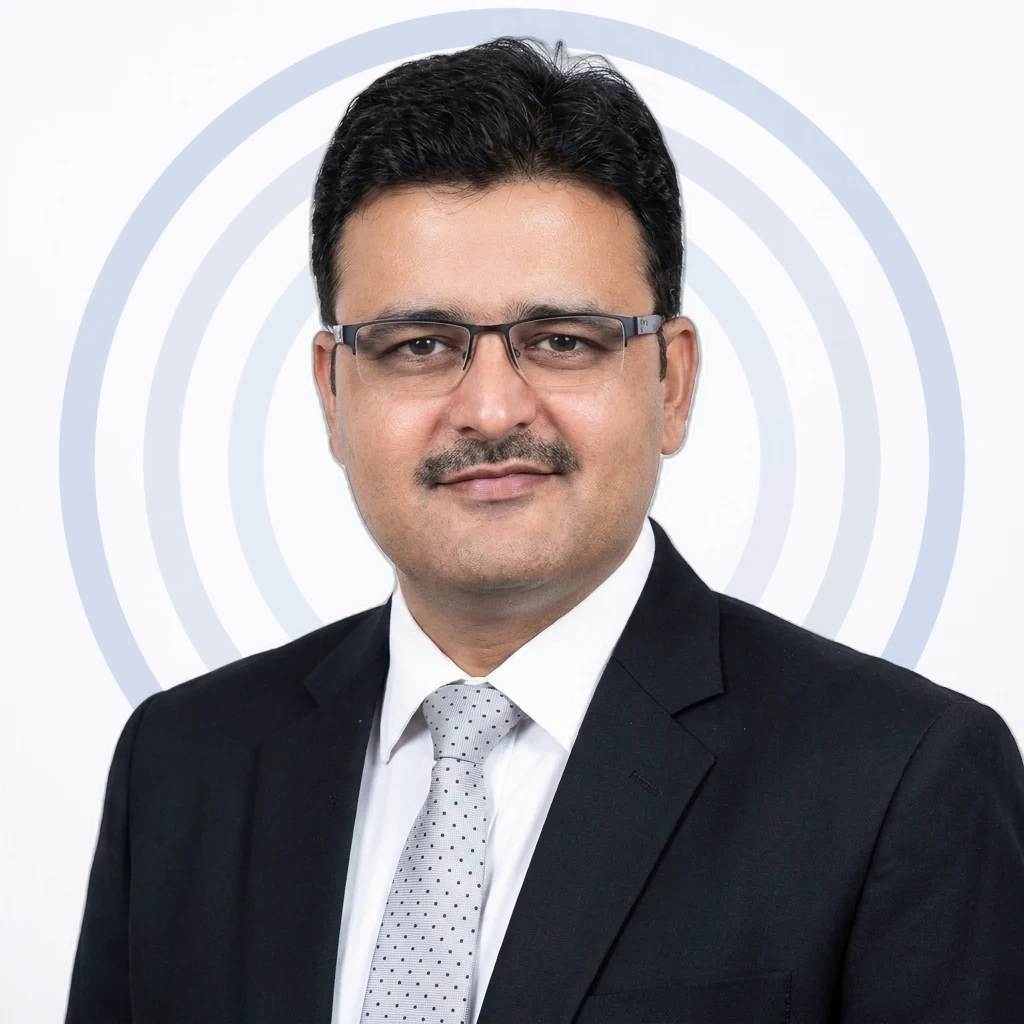
Amit
International Accounting Standards (IAS) Trainer in Dehradun
17+ years of Experience

Shambhu
Financial Accounting Trainer in Kolkata
40+ years of Experience
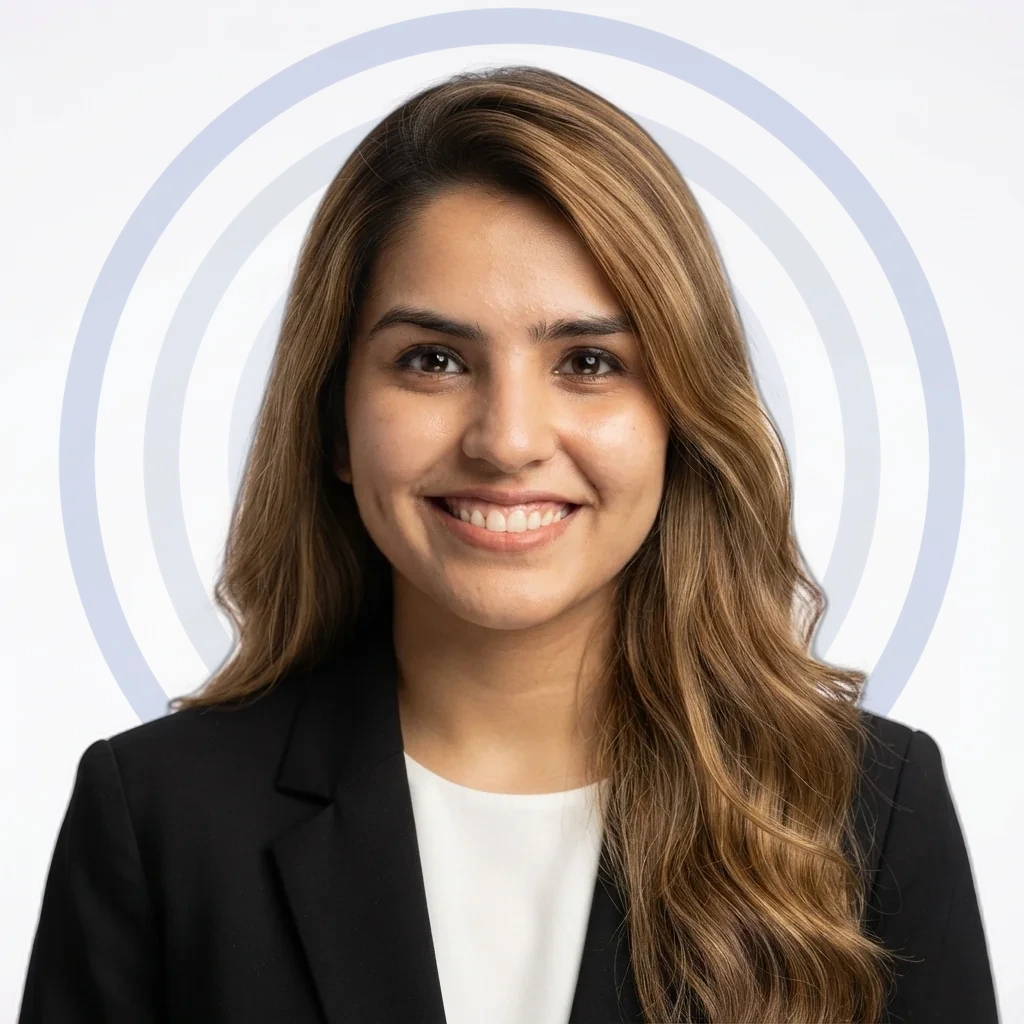
Minal
IFRS Trainer in Mumbai
11+ years of Experience

Dillon
Financial Planning Trainer in Mumbai
12+ years of Experience
Trainers are matched to your stack and delivery window at scheduling. We confirm your assigned trainer, with a full profile, before the program is booked.
Frequently Asked Questions
Share your team size and dates on the group quote form. A training advisor replies with pricing and a tailored outline for your Forensic Accounting cohort.
Yes. A short discovery call maps your fraud risk exposure and team roles so the curriculum emphasizes the modules that matter to you.
Yes. The program runs live virtual with an instructor, or onsite at your office. All 24 hours are instructor led in either mode.
Absolutely. Onsite delivery keeps exercises on your data examples and lets investigation teams practice together in one room.
The program runs 24 hours of instructor led training, typically across three to four days, with six modules and a capstone investigation.
Question not answered here?
Put it in the request. A training specialist answers it directly, within one business day.
Where this Training Fits in Your Team's learning path.
Forensic accounting builds on accounting and fraud awareness. Your team learns accounting basics and how fraud and controls work first, then investigates the books in this course, and finally pursues tax crime and financial fraud cases.




Why Choose Edstellar as Your Forensic Accounting Training Provider
Edstellar delivers instructor led Forensic Accounting training built around your fraud risk, your data, and your team's roles.

EXPERT TRAINERS
YEARS DELIVERING
ORGANIZATIONS TRAINED
CERTIFIED
Tailored
The Forensic Accounting curriculum is shaped to your industry, fraud risk profile, and roles, so every lab mirrors your real exposure.
Proven Methodology
A fixed assess, learn, practice, apply journey keeps 24 hours tightly structured, with each module feeding the capstone investigation.
Practice-Based Learning
Sixty five percent of program time is hands on labs: forensic analytics, interview drills, workpapers, and a live simulated case.
Expert Trainers
Sessions are led by forensic practitioners who have run real investigations, and they review every lab and capstone output.
Global Scale
One consistent program runs across regions and time zones in virtual, onsite, or hybrid mode with coordinated multi cohort delivery.
Measurable Outcomes
Learners leave with a graded capstone forensic report and a fraud control remediation plan you can track against afterwards.
Also from Edstellar
Talent assessments
Psychometric, behavioral, leadership and 360-degree assessment.
→Training needs analysis
Needs analysis, gap identification, and a training roadmap.
→L&D consulting
Learning strategy, content, technology and ROI measurement.
→OD consulting
Org design, succession planning and cultural change.
→Managed training services
Training outsourcing, vendor management, logistics and administration.
→Coaching solutions
Executive and manager coaching that keeps skills in use.
Start an RFP shaped to your needs.
Answer three quick questions about team size, scope, and how often you need the program run, then send the request from the last step. Everything you choose travels with it, so you only fill this in once.
How many team members need training?
Forensic Accounting Training Packages & Pricing
Where L&D holds an annual budget, license packages price the whole year at once instead of raising a purchase order per workshop. Hours and licenses are pooled across teams, programs and locations, so unused capacity is not stranded in one department.
Starter
120
trainee licenses64 hours of group training
Tailored for SMBs
Growth
320
trainee licenses160 hours of group training
Ideal for growing SMBs
Enterprise
800
trainee licenses400 hours of group training
Designed for large corporations
Custom
Unlimited
trainee licensesDuration set by the rollout
Multi-region and multi-year
Training Packages & Pricing
Choose the training format that works for your team. Pricing is customized based on your requirements, cohort size, and delivery needs.
Request Forensic Accounting Training for Your Team
Tell us your team size, preferred dates, and delivery mode. We will tailor the Forensic Accounting outline to your fraud risk profile.