

EU Cyber Resilience Act (CRA) for Product and Engineering Teams Corporate Training
Build CRA readiness across product and engineering teams with instructor-led training.
The EU Cyber Resilience Act sets binding cybersecurity duties for products with digital elements, from secure-by-design requirements to 24-hour ENISA reporting. This instructor-led program gives your product and engineering teams the workflows, labs, and documentation skills to meet every deadline with confidence.
Instructor-led group trainingVirtual / on-site / off-site10 languagesDelivered inEnglish, Spanish, Mandarin, German, Arabic, Portuguese, Hindi, French, Japanese, Italian100+ countriesWe have delivered inUnited States, United Kingdom, India, Canada, Germany, France, Netherlands, UAE, Saudi Arabia, Singapore, Australia, Japan, Brazil, South Africa and 90+ more countries
How we build a CRA-ready product and engineering team
The Edstellar EU CYBER RESILIENCE Capability Model
Diagnose
Assess where your product portfolio stands against CRA scope, categories, and timelines before training begins.
Standardize
Align every cohort on Annex I requirements, SBOM practice, and reporting duties with one shared compliance vocabulary.
Practice
Teams work guided labs on SBOMs, disclosure drills, and conformity files using their own product examples.
Measure
Skill checks and lab reviews show which teams can run CRA workflows and where gaps remain.
Scale
Roll the program across product lines with consistent content, so every team meets the same readiness bar.





Need more than one program?Get a group quote
Trusted as a Leading Corporate Training Provider by
















Program Overview: What is EU Cyber Resilience Act (CRA) for Product and Engineering Teams Corporate Training?
EU Cyber Resilience Act (CRA) for Product & Engineering Teams is Edstellar's instructor-led program for the engineers and product managers who must make products CRA-compliant. Participants learn the CRA's scope, timelines, and product categories, secure-by-design essential requirements, SBOMs and supply chain security, vulnerability handling with ENISA reporting, and conformity assessment with CE marking. The program is built for teams shipping connected products into the EU.
Training works on the team's actual products. Participants assess their own product lines against CRA categories and timelines, draft SBOMs and vulnerability handling processes for real components, and build the technical documentation a conformity assessment requires in guided labs. Instructors with product security experience review every artifact against the essential requirements. The program closes with a CRA readiness lab on a sample product.
Most product teams are unprepared for what the CRA demands: no SBOMs, vulnerability handling that is ad hoc, and documentation written for internal use that would not survive assessment. This program teaches engineering teams to build CRA compliance into the product lifecycle, from secure-by-design through post-market monitoring. Every lab works a requirement the team must meet.
The capstone is a CRA readiness assessment for a sample product: category determination, essential requirements gap analysis, SBOM, vulnerability handling and reporting procedures, and the documentation package for CE marking. The team defends its readiness position as they would to a market surveillance authority. They return with a template they can run across the whole product portfolio.
Enhance your team's readiness for the CRA's staggered deadlines. The 24-hour and 72-hour ENISA reporting duties are already live, and full application, including CE marking and five-year support periods, arrives in December 2027. Across six modules, your team practices the exact workflows regulators expect: classifying products, generating SBOMs, running disclosure drills, and assembling the technical file. Sessions are instructor-led and tailored to your stack, so the program fits your day-to-day work.
What's Included in this Workshop for Your Enterprise Teams
- 1
CRA scope and timelines
Classify your products and map every duty to its deadline.
- 2
Secure-by-design requirements
Turn Annex I requirements into build standards.
- 3
SBOM and supply chain labs
Generate SBOMs and track components in pipelines.
- 4
Disclosure and reporting drills
Practice the 24-hour ENISA reporting workflow.
- 5
Conformity documentation
Assemble the technical file and EU declaration.
- 6
Capstone readiness review
Run a full readiness review on a sample product.
- Instructor-led delivery in hybrid, onsite, or virtual formats
- 24 hours of live instruction across 6 modules
- Guided labs in every module with instructor coaching
- Capstone CRA readiness lab with instructor review
- Course materials, templates, and SBOM checklists
- Scheduling aligned to your team's calendar
Build your team's skills. Anywhere in the world.
Real-world use cases
from day one
Instructor-led training
for your teams
Delivered globally
in 100+ countries


Enterprise Training Solutions Customized for Your Company
One partner for instructor-led corporate training, delivered the way your teams work.
Request a Training Quote- Customized Training Delivery
- Scale Your Training: Small to Large Teams
- In-person Onsite, Live Virtual or Hybrid Training Modes
- Plan from 2000+ Industry-ready Training Programs
- Hands-On Labs on Live Infrastructure, Led by Industry Experts
EU Cyber Resilience Act (CRA) for Product and Engineering Teams Course Topics and Program Outline
Six instructor-led modules take your team from CRA scope and timelines through SBOMs, disclosure drills, and conformity documentation to a capstone readiness review.
Built by Edstellar with product security and EU regulatory practitioners
Built by engineers and compliance practitioners who ship connected products and run CRA readiness programs in production, shaped around your stack and use cases.
Pre-training skill checks map your team's CRA knowledge, product security habits, and incident reporting readiness.
Instructor-led sessions cover CRA scope, timelines, and product categories, plus the secure-by-design rules for connected products.
In guided labs your team generates SBOMs, runs disclosure drills, and practices the ENISA reporting workflow on realistic scenarios.
Your team drafts conformity documentation and completes a capstone readiness review, producing an audit-ready remediation plan.
From CRA classification to a capstone readiness review, every requirement is practiced in guided, instructor-led labs.
Delivered as
Delivered as a hybrid program of live instruction and guided labs, scheduled around your team's calendar in flexible batches.

Classify a set of sample products into CRA categories and map each one's duties and deadlines on a compliance timeline.
learna)Regulation (EU) 2024/2847: structure and who it binds
b)Products with digital elements: scope and exclusions
c)Default, important Class I and II, and critical product categories
d)Staggered deadlines: reporting from September 2026, full application December 2027
e)Roles and duties of manufacturers, importers, and distributors
Review a sample product's design against the essential requirements and draft the security requirements for its next release.
learna)Security requirements across the product lifecycle
b)Secure defaults, access control, and data protection
c)Protection against network and interface attacks
d)Shipping without known exploitable vulnerabilities
e)Security support periods of at least five years
Generate an SBOM for a sample application in a pipeline-style exercise, then validate it and flag risky components.
practicea)SBOM formats: SPDX and CycloneDX in practice
b)Generating SBOMs automatically in CI pipelines
c)Supplier component tracking and risk scoring
d)Managing third-party and open-source components
e)Keeping SBOMs current across product updates
Run a mock disclosure: triage an actively exploited vulnerability and draft the 24-hour and 72-hour ENISA notifications.
practicea)Coordinated vulnerability disclosure policies
b)24-hour early warning and 72-hour notification duties
c)The ENISA single reporting platform workflow
d)Severe incident triage and evidence capture
e)Handling vulnerabilities in third-party components
Draft a conformity file and EU declaration for a sample product, then check it against the assessment route for its category.
applya)Self-assessment versus third-party conformity routes
b)Technical documentation: what the file must contain
c)The EU declaration of conformity
d)CE marking and market surveillance
e)Penalties: up to 15 million euros or 2.5 percent of turnover
Complete a full CRA readiness review for a sample product and present your remediation plan for instructor feedback.
applya)Readiness review of a sample connected product
b)Gap analysis across the essential requirements
c)SBOM and disclosure process validation
d)Conformity file and declaration drafting
e)Instructor review and remediation planning
Customize this program tailored to your team?
Tell us your training needs: what your team already works with, the level they’re at, and the topics you want them to focus on. We’ll adjust the modules, duration and hands-on labs, and send you a customized outline for your group.
Key Skills and Outcomes Your Team Will Gain
Your team leaves the program able to run every CRA workflow regulators expect, from product classification to ENISA reporting.
Scope CRA coverage across your portfolio
Classify products with digital elements, apply the correct risk category, and map duties for manufacturers, importers, and distributors.
Apply Annex I secure-by-design requirements
Translate essential security requirements into build standards: secure defaults, access control, and protection against network attacks.
Generate and maintain SBOMs
Produce SPDX and CycloneDX software bills of materials in CI pipelines and track components across your supply chain.
Run coordinated vulnerability disclosure
Operate a disclosure policy with triage workflows, so actively exploited vulnerabilities are handled before the 24-hour clock runs out.
Report to ENISA on time
File early warnings within 24 hours and full notifications within 72 hours through the single reporting platform workflow.
Assemble conformity documentation
Build the technical file, EU declaration of conformity, and CE marking package that market surveillance expects.
Lead a CRA readiness review
Run a structured gap analysis across requirements and drive a remediation plan toward the December 2027 deadline.
Teams that Benefit from this EU Cyber Resilience Act (CRA) for Product and Engineering Teams Group Training
Product, engineering, legal, and audit teams carry different parts of CRA compliance, from secure builds to ENISA reporting. This program speaks to each role, and the content adapts to your team's responsibilities and experience, so every cohort practices the workflows it actually owns.
Turn CRA deadlines into a clear product roadmap
Product managers scope each release against CRA categories and timelines, so secure-by-design requirements enter the roadmap early, not as last-minute rework.
Workflow friction
- Unclear which products fall in scope
- Late security demands delaying launches
- No process for support period planning
How the program helps
- Map products to CRA risk categories
- Build timelines around the Dec 2027 deadline
- Write security requirements into PRDs
Practice use cases
- Product categorization
- Roadmap planning
- Security PRDs
- Support periods
Ship secure-by-design builds with audit-ready evidence
Engineers and security teams implement Annex I requirements in code, pipelines, and SBOMs, and run the disclosure drills that make the 24-hour reporting clock manageable.
Workflow friction
- Legacy code with unknown dependencies
- Manual SBOM work slowing releases
- No triage process for active exploits
How the program helps
- Embed secure defaults in every build
- Generate SBOMs inside CI pipelines
- Run disclosure and reporting drills
Practice use cases
- SBOM generation
- Secure defaults
- Disclosure drills
- Patch workflows
Own the conformity file and reporting duties
Legal and compliance teams draft the technical documentation, EU declarations, and disclosure policies that regulators and market surveillance authorities expect.
Workflow friction
- Scattered evidence across product teams
- Unclear reporting triggers and clocks
- Supplier contracts missing security terms
How the program helps
- Assemble audit-ready conformity files
- Draft disclosure and reporting policies
- Track duties across the supply chain
Practice use cases
- Conformity files
- EU declarations
- Reporting policies
- Supplier terms
Measure CRA readiness across the product portfolio
Risk and audit teams run readiness reviews and gap analyses, quantifying exposure across product lines so leadership can prioritize remediation before 2027.
Workflow friction
- No portfolio view of CRA exposure
- Inconsistent security evidence quality
- Hard to quantify non-compliance risk
How the program helps
- Run portfolio-wide readiness reviews
- Score gaps against Annex I controls
- Prioritize remediation with evidence
Practice use cases
- Gap analysis
- Readiness scoring
- Remediation plans
- Audit evidence
Each cohort is tuned to the roles in the room, so the labs mirror the CRA workflows your teams actually own.
Prerequisites: Product managers, engineers, and compliance professionals get the most from this program. Familiarity with your product's release process helps, but no prior regulatory experience is required. The instructor adapts every lab to your team's tools, product stack, and EU market exposure.
Product Team Member to CRA Readiness Lead
The program moves learners from CRA fundamentals through hands-on practice to leading a full readiness review.
A practical path for product and compliance careers, growing from CRA fundamentals to confident readiness leadership.
Mixed cohort, or several teams at once?
We can tailor the training to different teams, roles, and experience levels within the same program.
Certificate of Training Completion.
On successful completion, employees receive an Edstellar course completion certificate, recognizing their commitment to ongoing learning and professional development. It validates the skills they have built and motivates them to keep growing and contribute to organizational success.
Earned, not attended. Awarded on completion of all hands-on labs and the capstone project.

Training Delivery Modes: Virtual, Onsite and Hybrid
Choose how your team learns. Every format includes the same instructor-led sessions, guided labs, and materials.
Hybrid Training
Combine live virtual sessions with onsite lab days, so distributed teams learn together while practicing on local systems.
- Live instructor across virtual and onsite
- Flexible schedule for distributed teams
- Same labs and materials in every format
- Ideal for multi-site product teams

Onsite Training
Host the full program at your location, with labs tailored to your products and face-to-face coaching from the instructor.
- Instructor-led sessions at your office
- Labs using your own product examples
- Direct coaching during every exercise
- Best for focused team workshops

Live Virtual Training
Join live instructor-led sessions from anywhere, with interactive labs, breakout exercises, and full digital materials.
- Live instructor-led online sessions
- Interactive labs with real-time coaching
- Breakout rooms for team exercises
- No travel, same hands-on practice

Need a training format that works for your team?
Full days, half days across weeks, or split by module. Tell us the delivery window and we schedule the cohort around it.
Frequently Asked Questions
Share your team size and preferred dates through the request form, and a training advisor will send a tailored quote with scheduling options.
Yes. A short discovery call maps your product portfolio, CRA deadlines, and team roles so the program targets your actual gaps.
Yes. Live virtual sessions run with the same instructor, labs, and materials as onsite, with breakout rooms for team exercises.
Yes. Onsite delivery brings the instructor to your location, and labs can use your own product examples for maximum relevance.
The program runs 24 hours of instructor-led training, typically delivered across multiple days to fit your team's calendar.
Question not answered here?
Put it in the request. A training specialist answers it directly, within one business day.
Where this Training Fits in Your Team's learning path.
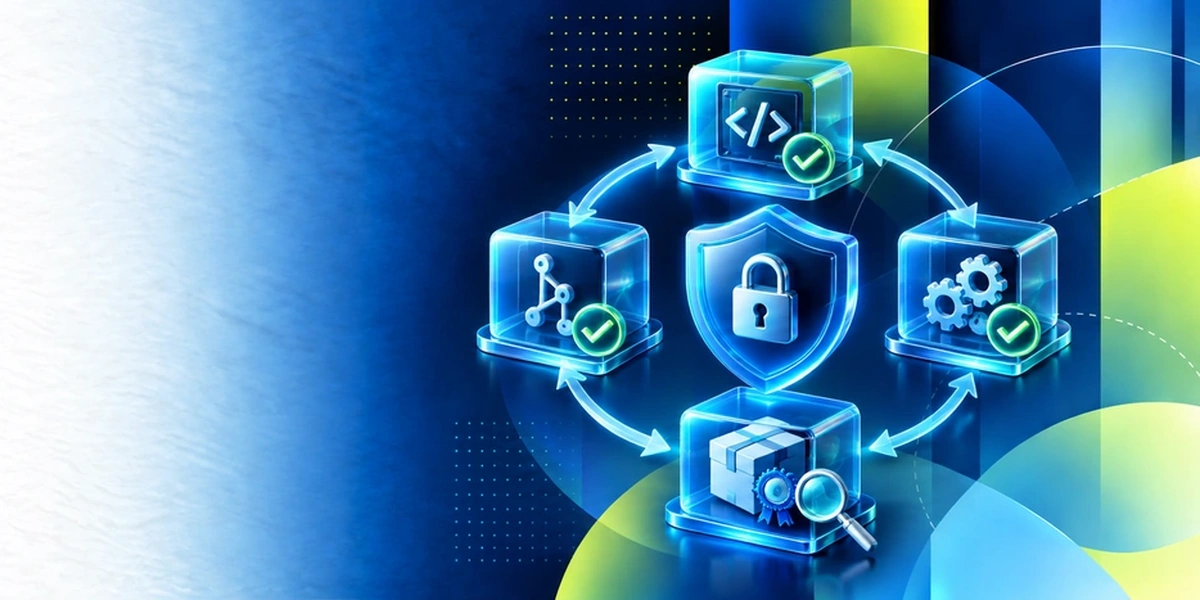
The EU Cyber Resilience Act sets security rules for products with digital elements, so your engineers need a secure SDLC and SBOM practice first. This course applies the CRA to product and engineering work. The last step covers NIS2, which applies to the organisations that operate those products.



Why Choose Edstellar as Your EU Cyber Resilience Act (CRA) for Product and Engineering Teams Training Provider
Edstellar designs every CRA cohort around your products, deadlines, and team roles, so training converts directly into readiness.

EXPERT TRAINERS
YEARS DELIVERING
ORGANIZATIONS TRAINED
CERTIFIED
Tailored
Cohorts work your own product examples, so CRA classification, SBOM labs, and disclosure drills map to the products your team ships.
Proven Methodology
A structured arc from CRA scope to capstone readiness review, built on instructor-led practice rather than legal lectures.
Practice-Based Learning
Every module runs guided labs: SBOM generation, ENISA reporting drills, and conformity file assembly with instructor coaching.
Expert Trainers
Instructors are practitioners in product security and EU regulation, matched to your team and delivery window before booking.
Global Scale
With 5,000+ certified trainers and 2,000+ courses, Edstellar delivers consistent CRA training across regions and product lines.
Measurable Outcomes
Skill checks and lab reviews track CRA readiness per team, so you can report progress and target remaining gaps.
Connect CRA Product Readiness to Secure Design and Traceable Conformity Evidence
Edstellar develops Cyber Resilience Act readiness through product scoping, security requirements, SBOMs, vulnerability handling, and conformity documentation. Teams connect engineering artifacts to sample product obligations before presenting a remediation plan. The final review evaluates evidence consistency and ownership, without treating the training file as an authorization to apply CE marking or enter the market.
- Step 01
Consult
We explore product and engineering responsibilities, identifying gaps in CRA scope, secure-design requirements, component visibility, vulnerability reporting, and conformity-file ownership.
- Step 02
Plan
We establish product categories and obligations before secure-by-design review and SBOM generation, then vulnerability handling and conformity documentation within a complete readiness review.
- Step 03
Align
We align product-security and compliance expertise with engineers, product managers, legal, and audit teams, introducing regulatory concepts through the release activities each function owns.
- Step 04
Customize
We tailor sample products, dependency inventories, exploited-vulnerability scenarios, and assessment files to relevant stacks, keeping notifications and declarations as practice documents rather than submissions.
- Step 05
Execute
Teams draft security requirements, validate SBOMs, triage mock disclosures, and assemble conformity files, receiving feedback on component evidence, reporting logic, and accountable remediation actions.
- Step 06
Evaluate
We assess the readiness review for supported product categorization, traceable security and supply-chain evidence, coherent vulnerability procedures, and a prioritized plan for closing documentation gaps.
Also from Edstellar
Talent assessments
Psychometric, behavioral, leadership and 360-degree assessment.
→Training needs analysis
Needs analysis, gap identification, and a training roadmap.
→L&D consulting
Learning strategy, content, technology and ROI measurement.
→OD consulting
Org design, succession planning and cultural change.
→Managed training services
Training outsourcing, vendor management, logistics and administration.
→Coaching solutions
Executive and manager coaching that keeps skills in use.
Start an RFP shaped to your needs.
Answer three quick questions about team size, scope, and how often you need the program run, then send the request from the last step. Everything you choose travels with it, so you only fill this in once.
How many team members need training?
EU Cyber Resilience Act (CRA) for Product & Engineering Teams Training Packages & Pricing
Where L&D holds an annual budget, license packages price the whole year at once instead of raising a purchase order per workshop. Hours and licenses are pooled across teams, programs and locations, so unused capacity is not stranded in one department.
Starter
120
trainee licenses64 hours of group training
Tailored for SMBs
Growth
320
trainee licenses160 hours of group training
Ideal for growing SMBs
Enterprise
800
trainee licenses400 hours of group training
Designed for large corporations
Custom
Unlimited
trainee licensesDuration set by the rollout
Multi-region and multi-year
Training Packages & Pricing
Choose the training format that works for your team. Pricing is customized based on your requirements, cohort size, and delivery needs.
Request EU Cyber Resilience Act (CRA) for Product and Engineering Teams Training for Your Team
Tell us about your product teams, EU market exposure, and preferred dates. A training advisor will design the right CRA program and share scheduling options.