
Functional Safety and Safety Instrumented Systems Corporate Training
Give your engineering teams the functional safety capability to design, verify, and maintain safety instrumented systems.
Build the functional safety engineering skills your plant needs. Edstellar's Functional Safety & Safety Instrumented Systems corporate training program helps your teams master safety lifecycles, design safety instrumented systems, and verify SIL targets through instructor-led sessions with hands-on labs. As the corporate training company enterprises trust for technical programs, we tailor every session to your processes, standards, and assets.
Instructor-led group trainingVirtual / on-site / off-site10 languagesDelivered inEnglish, Spanish, Mandarin, German, Arabic, Portuguese, Hindi, French, Japanese, Italian100+ countriesWe have delivered inUnited States, United Kingdom, India, Canada, Germany, France, Netherlands, UAE, Saudi Arabia, Singapore, Australia, Japan, Brazil, South Africa and 90+ more countries
How we build safety-ready engineering teams
THE EDSTELLAR FUNCTIONAL SAFETY & SIS CAPABILITY MODEL
Baseline safety fluency
Assess how your engineers rate hazard analysis, SIS concepts, and the safety decisions they already face.
Set one lifecycle standard
One shared language for the safety lifecycle, SIL determination, and verification across your engineering teams.
Practice in hands-on labs
Guided labs apply hazard studies, SIL calculations, and SIS design to your plant scenarios.
Prove the capability lift
Before-and-after exercises measure each participant's grasp of functional safety and SIS design.
Scale across your sites
One functional safety standard rolls out across plants and cohorts as your safety program grows.





Need more than one program?Get a group quote
Trusted as a Leading Corporate Training Provider by
















Program Overview: What is Functional Safety and Safety Instrumented Systems Corporate Training?
Functional Safety & Safety Instrumented Systems is Edstellar's instructor-led program for process safety and automation engineers responsible for protective systems. Participants master the functional safety lifecycle, hazard analysis, SIL determination, and SIS design with verification and reliability calculations. The program closes with a full SIS operations and maintenance lifecycle exercise in the capstone.
Training follows the safety lifecycle across eight modules. Participants perform hazard analyses, determine SIL ratings, design SIS architectures, and run verification calculations in guided workshops. Instructors with process safety experience review every analysis, coaching teams on the documentation discipline assessors expect. The final module is the capstone: operate and maintain a safety instrumented system through its complete lifecycle.
Safety instrumented systems fail when treated as install-and-forget: unverified designs, skipped proof tests, and documentation that cannot survive an assessment. The consequences of getting SIL wrong are measured in lives and licenses to operate. This program teaches your engineers to design, verify, and maintain SIS to the standard, with the rigor the safety lifecycle demands.
The capstone is the SIS operations and maintenance lifecycle exercise. Your team takes a safety instrumented function from requirements through design, verification, commissioning, and proof testing into operations, defending each step in review. They return with a lifecycle method they can apply to their own plants, ready to make their safety systems genuinely dependable.
Across eight modules, your engineering teams move from functional safety foundations to a full lifecycle capstone. Sessions use real plant scenarios, voting architectures, and SIL verification worksheets, so every method transfers directly to your operations.
Delivered as a hybrid instructor-led program, it fits around your calendar, with scheduling set along with you, and content tailored to your industry.
What's Included in this Workshop for Your Enterprise Teams
- 1
Safety lifecycle foundations
The IEC 61511 lifecycle from hazard analysis to decommissioning.
- 2
Hazard studies and LOPA
HAZOP and layers of protection analysis on realistic scenarios.
- 3
SIL determination and verification
Set SIL targets and verify them with PFDavg calculations.
- 4
SIS design labs
Design sensor, logic, and final element architectures in labs.
- 5
Proof testing and lifecycle care
Plan proof tests and manage the SIS through operations.
- Training delivered at any of your offices globally
- 10+ languages
- Schedule around your calendar
- Group size set along with you
- Run as one cohort or split into batches
- Instructor-led (virtual/onsite/hybrid)
- Recurring and annual options
- Trainer sourcing, matching and logistics
Build your team's skills. Anywhere in the world.
Real-world use cases
from day one
Instructor-led training
for your teams
Delivered globally
in 100+ countries


Enterprise Training Solutions Customized for Your Company
One partner for instructor-led corporate training, delivered the way your teams work.
Request a Training Quote- Customized Training Delivery
- Scale Your Training: Small to Large Teams
- In-person Onsite, Live Virtual or Hybrid Training Modes
- Plan from 2000+ Industry-ready Training Programs
- Hands-On Labs on Live Infrastructure, Led by Industry Experts
Functional Safety and Safety Instrumented Systems Course Topics and Program Outline
Eight modules follow a clear learning path from functional safety foundations to a full lifecycle capstone. Each session builds on the last, with hands-on labs that turn standards and calculations into working SIS designs.
Built by Edstellar with functional safety engineers
Built by engineers who design and validate safety instrumented systems in production, shaped around your stack and use cases.
Baseline each participant's functional safety readiness before module 01 begins
Build strong functional safety foundations in instructor-led sessions for your team
Reinforce skills through guided hands-on labs on SIL ratings, SIS design, and proof tests
Apply functional safety skills to real-world scenarios and a capstone SIS lifecycle project
A short pre-training assessment sets each participant's entry level, so the program starts where your team actually is. The rest is weighted toward hands-on practice: guided labs on SIL verification, SIS architecture, and proof testing, plus realistic scenarios drawn from your team's work, not slides.
Delivered as
Entry level set by the assessment. Depth and schedule customized to your team.

Map the safety lifecycle stages to your own plant processes and mark where independent protection currently sits.
learna)Why process safety incidents demand independent protection layers
b)IEC 61511, IEC 61508, and ISA 84: scope and how they fit together
c)The safety lifecycle: hazard analysis through decommissioning
d)Safety instrumented functions versus basic process control
e)Regulatory context: OSHA PSM and industry expectations
Work through a guided LOPA on a vessel overpressure scenario and calculate the required risk reduction.
learna)HAZOP structure: nodes, guide words, and team roles
b)Consequence and likelihood estimation methods
c)Risk matrices and calibrated risk graphs
d)Layers of protection analysis (LOPA) fundamentals
e)Determining the required risk reduction
Assign SIL targets to case-study scenarios using risk graphs, then defend the choice in a team review.
practicea)Safety integrity levels: what SIL 1 through SIL 4 require
b)Risk graph method for SIL selection
c)LOPA-based and calibrated SIL determination
d)Recording SIL targets in the safety requirements specification
Design a 1oo2 voting architecture for a high-level trip and justify redundancy and separation choices.
practicea)Sensor, logic solver, and final element subsystems
b)Redundancy and voting: 1oo1, 1oo2, and 2oo3 architectures
c)Common cause failures and how to limit them
d)Keeping the SIS separate from basic process control
e)Selecting hardware rated for safety duty
Calculate PFDavg for a safety loop and check whether the result meets the SIL target.
practicea)PFDavg and the SIL verification equation
b)Failure rate data: certified data versus generic databases
c)Proof test intervals and test coverage
d)Diagnostic coverage and safe failure fraction
Draft cause-and-effect matrix entries for a shutdown system from a process description.
learna)Writing a complete safety requirements specification
b)Cause-and-effect matrices for trip logic
c)Functional safety assessments and audit points
d)Management of change for SIS modifications
Plan a proof test sequence for a shutdown valve, including bypass permits and restoration checks.
practicea)Factory and site acceptance testing (FAT and SAT)
b)Commissioning checklists for safety loops
c)Proof test design, frequency, and records
d)Bypasses and maintenance overrides under permit control
Run the full lifecycle on a case plant: hazard study, SIL target, design, verification, and proof test plan.
applya)The operations phase: demands, spurious trips, and metrics
b)Maintenance strategies that preserve the SIL
c)Incident investigation and the lifecycle evidence file
d)Capstone: full lifecycle case from hazard study to verification
Customize this program tailored to your team?
Tell us your training needs: what your team already works with, the level they’re at, and the topics you want them to focus on. We’ll adjust the modules, duration and hands-on labs, and send you a customized outline for your group.
Key Skills and Outcomes Your Team Will Gain
Your engineering teams will leave able to run hazard studies, design safety instrumented systems, and verify SIL targets. Each outcome is practiced in hands-on labs and shown in the capstone.
Run hazard studies and LOPA
Apply HAZOP guide words and layers of protection analysis to identify where safety instrumented functions are needed.
Determine SIL targets
Use risk graphs and LOPA to assign defensible safety integrity levels to each safety function.
Design SIS architectures
Build sensor, logic solver, and final element architectures with the right voting and separation.
Verify SIL with PFDavg
Calculate PFDavg, choose proof test intervals, and confirm the design meets its SIL target.
Write safety requirements specifications
Produce complete SRS documents and cause-and-effect matrices that auditors can follow.
Plan proof testing
Design proof test procedures, manage bypass permits, and keep test records inspection-ready.
Manage the SIS lifecycle
Track demands, spurious trips, and maintenance evidence from commissioning through decommissioning.
Teams that Benefit from this Functional Safety and Safety Instrumented Systems Group Training
This program is built for engineering teams that own process safety, from process and instrumentation engineers to operations and maintenance leaders. No prior functional safety experience is needed; content adapts to each cohort, so every participant practices the tasks their role actually owns.
Own the safety lifecycle for your processes.
Process and safety engineers master hazard analysis, LOPA, and SIL determination, so every safety function starts from a defensible risk target.
Workflow friction
- Hazard studies vary in quality across units
- SIL targets are hard to defend in reviews
- Risk reduction claims lack documented evidence
How the program helps
- Run consistent, review-ready hazard studies
- Set SIL targets with clear methods
- Document risk reduction auditors accept
Practice use cases
- HAZOP facilitation
- LOPA workshops
- SIL studies
Design safety systems that meet their SIL.
Instrumentation and controls engineers design SIS architectures, verify SIL with PFDavg calculations, and write specifications that installers can build.
Workflow friction
- SIS designs mix control and safety logic
- Verification calculations feel opaque
- Proof test plans are inconsistent
How the program helps
- Separate safety logic from process control
- Verify SIL with confident calculations
- Standardize proof testing across loops
Practice use cases
- SIS design reviews
- SIL verification
- Cause-and-effect drafting
Keep safety systems effective for life.
Operations and maintenance leaders learn to manage bypasses, plan proof tests, and track lifecycle evidence, so the SIL survives years of operation.
Workflow friction
- Bypasses stay open longer than planned
- Proof tests slip against schedules
- Lifecycle evidence is scattered
How the program helps
- Control bypasses with tight permits
- Keep proof testing on schedule
- Hold one evidence file per safety function
Practice use cases
- Bypass management
- Proof test scheduling
- Lifecycle audits
Each cohort works through role-relevant labs, then leaves with SIS designs and verification worksheets for day-to-day decisions.
Prerequisites: This program is built for working engineers, not safety specialists: no prior functional safety experience is needed. What helps most is familiarity with your plant's processes, instrumentation, or control systems. Content adapts to each cohort's industry and experience, so process, instrumentation, and operations employees learn side by side.
Process Engineer to Functional Safety Leader
The program takes engineers from safety lifecycle basics to full SIS ownership: foundation concepts, intermediate hazard studies and design work, then advanced verification, proof testing, and a lifecycle capstone.
Engineers grow from running hazard studies to owning the full safety lifecycle as the modules progress.
Mixed cohort, or several teams at once?
We can tailor the training to different teams, roles, and experience levels within the same program.
Certificate of Training Completion.
On successful completion, employees receive an Edstellar course completion certificate, recognizing their commitment to ongoing learning and professional development. It validates the skills they have built and motivates them to keep growing and contribute to organizational success.
Earned, not attended. Awarded on completion of all hands-on labs and the capstone project.

Training Delivery Modes: Virtual, Onsite and Hybrid
Every mode is shaped around your processes before delivery. The curriculum, hands-on labs, and capstone stay the same in each format, so what your teams can do after training never depends on how you run it.
Hybrid Training
Live instruction across office and remote sessions, with hands-on labs and exercises coached throughout. Your engineers run hazard studies, design SIS architectures, and verify SIL targets with instructor guidance. Best for multi-site teams.
- Live instruction across office and remote sessions
- Hands-on labs with instructor coaching
- Real plant scenarios and SIS design exercises
- Best for engineering teams across sites and time zones

Onsite Training
Your instructor delivers at your facility, with labs set up for your engineering team. Participants run hazard studies, calculate PFDavg, and draft specifications with direct coaching. Best for co-located teams.
- Instructor delivers at your facility
- Labs set up for your team and processes
- Direct coaching during lab work
- Best for co-located teams wanting maximum interaction

Live Virtual Training
Live virtual sessions on Zoom or Microsoft Teams, with remote lab access and screen-shared guidance through every task. Your engineers collaborate on SIS design and verification in real time. Best for distributed engineering teams.
- Live sessions on Zoom or Microsoft Teams
- Remote access to the lab environment
- Screen-shared guidance through every task
- Best for distributed engineering teams

Need a training format that works for your team?
Full days, half days across weeks, or split by module. Tell us the delivery window and we schedule the cohort around it.
Learn from industry experts.
Every session is led by a practitioner who has run monitoring for models in production, not a generalist working from slides.

Vishnu
ISO 45001 / ISO 9001:2015 Trainer in Kollam
14+ years of Experience
Chihab
Workplace Safety Trainer in El Oued
6+ years of Experience

Suyash
HSE (Health, Safety & Environment) Trainer in Greater Noida
8+ years of Experience

Syed
NEBOSH Trainer in Basrah
8+ years of Experience

Sachin
ISO Trainer in Hyderabad
11+ years of Experience

Mohammed
ISO Trainer in Daman
16+ years of Experience

Ranvir
Environment Health and Safety Trainer in Gurgaon
9+ years of Experience
Trainers are matched to your stack and delivery window at scheduling. We confirm your assigned trainer, with a full profile, before the program is booked.
Frequently Asked Questions
Share your team size, preferred dates, and delivery mode in the lead form. We reply with a tailored proposal covering scope, schedule, and pricing for your group.
Both. Choose live virtual sessions on Zoom or Teams, onsite delivery at your office, or a hybrid mix across sites and time zones.
The standard program runs 24 hours of instructor-led sessions, typically over three days. We can reshape the schedule around your calendar.
We recommend 12 to 20 engineers per cohort for strong lab work. Larger engineering teams can run as parallel batches.
Yes. We shape hazard study cases, lab scenarios, and the capstone around your processes, assets, and standards before delivery.
Question not answered here?
Put it in the request. A training specialist answers it directly, within one business day.
Where this Training Fits in Your Team's learning path.
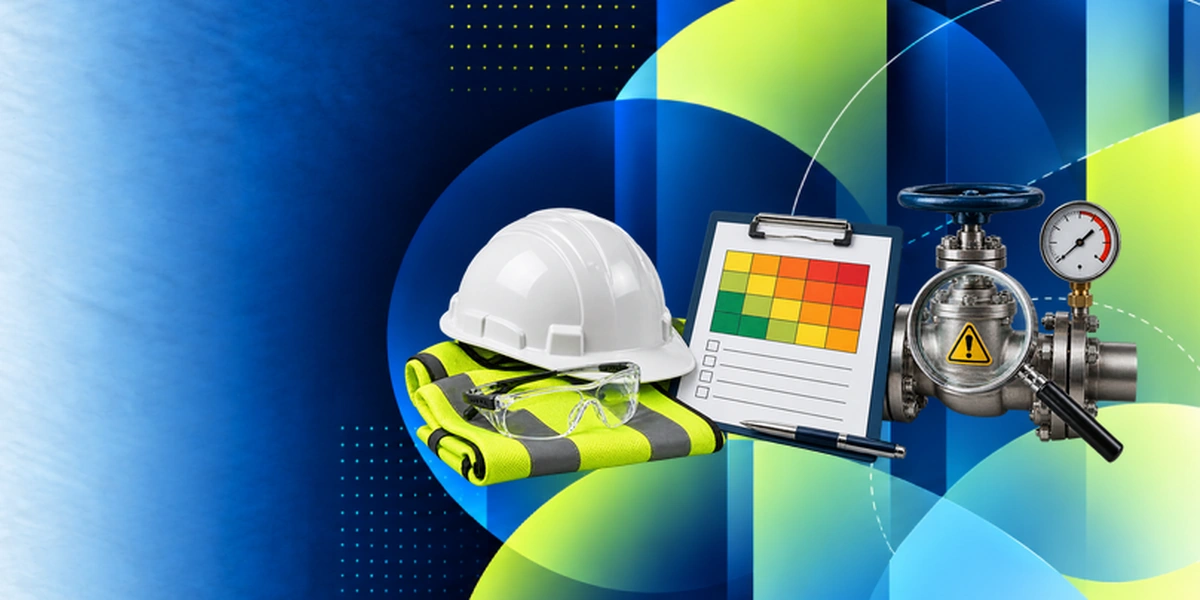
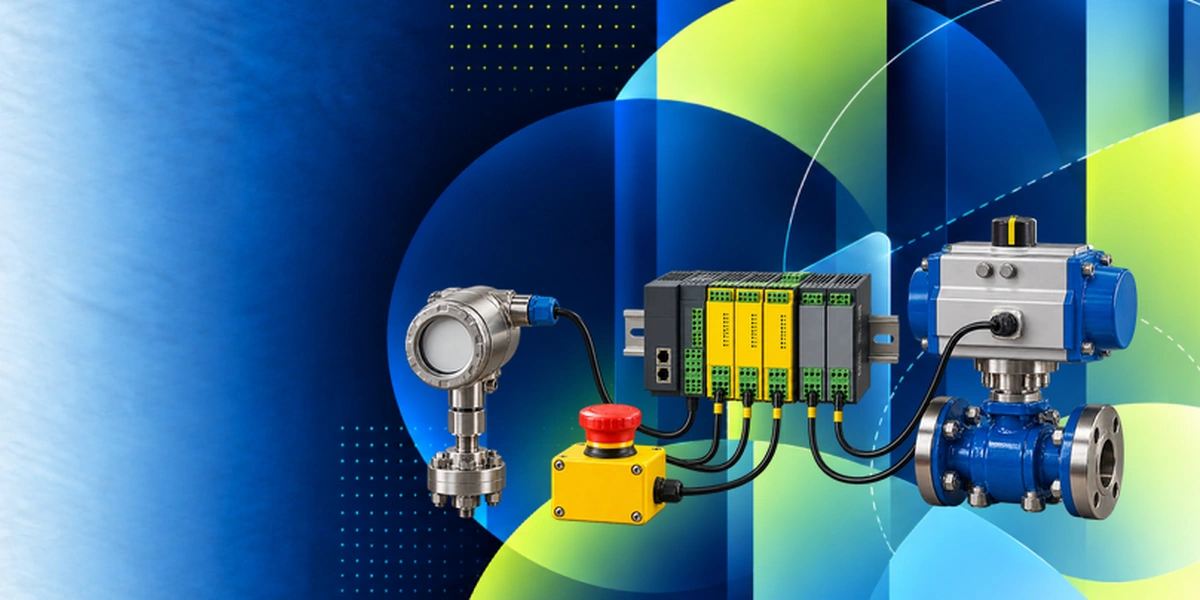
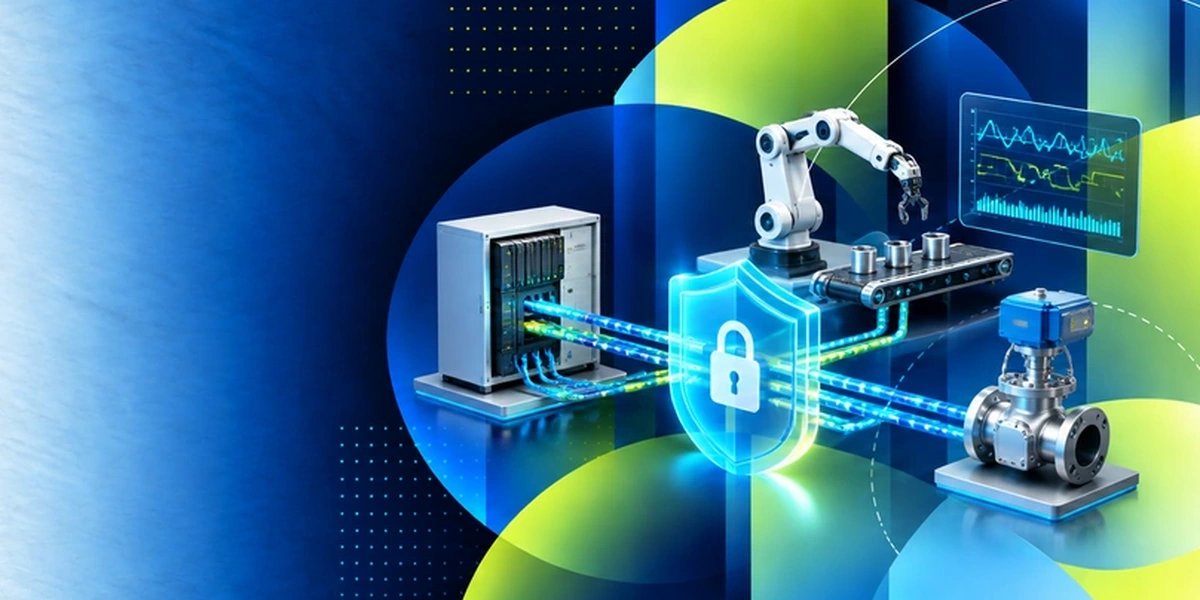
Functional safety and safety instrumented systems come third, after hazard assessment and process safety. Your team first identifies hazards, then sets required risk reduction through HAZOP and LOPA. Safety instrumented systems deliver that reduction, and the final step protects them against cyber threats in OT environments.

Why Choose Edstellar as Your Functional Safety and Safety Instrumented Systems Enterprise Training Provider
If your engineering teams need to design and verify safety instrumented systems with confidence, start here. Tell us about your processes, timelines, and preferred delivery mode, and we will shape a program around them.

EXPERT TRAINERS
YEARS DELIVERING
ORGANIZATIONS TRAINED
CERTIFIED
Tailored
Content shaped around SIL determination and SIS design use cases, mapped to your real functional safety and SIS work.
Proven Methodology
5+ years delivering corporate training to process safety and instrumentation engineers across industries and regions.
Practice-Based Learning
8 hands-on labs across 8 modules. Your team builds SIL verifications and SIS design architectures with instructor guidance.
Expert Trainers
5,000+ certified trainers matched to your SIS engineering, with a full trainer profile shared before your program is booked.
Global Scale
One functional safety and SIS program across your offices worldwide, in hybrid, onsite, or live virtual formats.
Measurable Outcomes
Baseline-to-capstone measurement and Skills Matrix reporting keep your functional safety and SIS capability lift visible.
Also from Edstellar
Talent assessments
Psychometric, behavioral, leadership and 360-degree assessment.
→Training needs analysis
Needs analysis, gap identification, and a training roadmap.
→L&D consulting
Learning strategy, content, technology and ROI measurement.
→OD consulting
Org design, succession planning and cultural change.
→Managed training services
Training outsourcing, vendor management, logistics and administration.
→Coaching solutions
Executive and manager coaching that keeps skills in use.
Start an RFP shaped to your needs.
Answer three quick questions about team size, scope, and how often you need the program run, then send the request from the last step. Everything you choose travels with it, so you only fill this in once.
How many team members need training?
Functional Safety & Safety Instrumented Systems Training Packages & Pricing
Where L&D holds an annual budget, license packages price the whole year at once instead of raising a purchase order per workshop. Hours and licenses are pooled across teams, programs and locations, so unused capacity is not stranded in one department.
Starter
120
trainee licenses64 hours of group training
Tailored for SMBs
Growth
320
trainee licenses160 hours of group training
Ideal for growing SMBs
Enterprise
800
trainee licenses400 hours of group training
Designed for large corporations
Custom
Unlimited
trainee licensesDuration set by the rollout
Multi-region and multi-year
Training Packages & Pricing
Choose the training format that works for your team. Pricing is customized based on your requirements, cohort size, and delivery needs.
Request Functional Safety and Safety Instrumented Systems Training for Your Team
Share your team size, safety goals, preferred delivery mode, and timelines. We will respond with a tailored training plan covering scope, schedule, and pricing, and confirm trainer availability.