

Manual Handling and Safe Lifting Corporate Training
Build your team's safe handling capability with interactive, instructor-led training.
Give your frontline teams the Manual Handling & Safe Lifting Corporate Training that prevents injuries before they happen. Edstellar, a corporate training company, delivers instructor-led programs where workers learn safe lifting technique, develop ergonomic habits, and build risk awareness through interactive practice sessions, tailored to your tasks and workplaces.
Instructor-led group trainingVirtual / on-site / off-site10 languagesDelivered inEnglish, Spanish, Mandarin, German, Arabic, Portuguese, Hindi, French, Japanese, Italian100+ countriesWe have delivered inUnited States, United Kingdom, India, Canada, Germany, France, Netherlands, UAE, Saudi Arabia, Singapore, Australia, Japan, Brazil, South Africa and 90+ more countries
How we build an injury-free team
The Edstellar SAFE HANDLING Capability Model
Diagnose
Map your team's handling tasks and injury patterns.
Standardize
Turn safe technique into repeatable handling routines.
Practice in sessions
Rehearse lifting and handling in guided practice sessions.
Measure
Track technique and near-misses with simple checks.
Scale
Roll safe handling across shifts, sites, and contractors.





Need more than one program?Get a group quote
Trusted as a Leading Corporate Training Provider by
















Program Overview: What is Manual Handling and Safe Lifting?
Understand your training needs around manual handling. This program gives your team practical safety capability: lifting with safe technique, using handling aids correctly, and spotting risky tasks early. It focuses on the handling your people do every day.
Enhance your team's Capability and Performance through interactive practice. Your team will work through kinetic lifting, ergonomic workstation setup, and TILE risk assessments, practicing real tasks in instructor-led sessions. Every technique is coached live, and the program closes with a personal safe handling plan.
Upskill and reskill warehouse, healthcare, and manual workers with one consistent handling standard. The program develops the Mindset and Culture habits that prevent injuries: thinking before lifting, asking for help, and looking out for colleagues.
Improve Collaboration and teamwork between workers and supervisors. The program ends with a capstone where each participant demonstrates safe technique and presents a handling plan for their work area.
What's Included in this Workshop for Your Enterprise Teams
- 1
Tailored handling readiness plan
Built around your tasks and workplaces.
- 2
Technique practice sessions
Guided practice on real handling tasks.
- 3
Ergonomic assessment guides
Workstation checklists to keep using.
- 4
TILE assessment templates
Risk assessment forms for your tasks.
- 5
Post-program support pack
Guides your team keeps using after training.
- Instructor-led delivery across live virtual, onsite, and hybrid sessions
- Coached practice sessions in every module
- Personal safe handling plan, built and reviewed with your team
- Flexible scheduling around your shifts
- Technique guides and TILE templates included
- Group size and batches set along with you
Build your team's skills. Anywhere in the world.
Real-world use cases
from day one
Instructor-led training
for your teams
Delivered globally
in 100+ countries


Enterprise Training Solutions Customized for Your Company
One partner for instructor-led corporate training, delivered the way your teams work.
Request a Training Quote- Customized Training Delivery
- Scale Your Training: Small to Large Teams
- In-person Onsite, Live Virtual or Hybrid Training Modes
- Plan from 2000+ Industry-ready Training Programs
- Hands-On Labs on Live Infrastructure, Led by Industry Experts
Manual Handling and Safe Lifting Course Topics and Program Outline
A 12-hour, instructor-led program: manual handling and safe lifting. Five modules cover technique, ergonomics, and risk assessment, with practice sessions and exercises built on real case studies.
Built by Edstellar with manual handling practitioners
Built by practitioners with frontline manual handling experience, shaped around your tasks and workplace.
A pre-program survey maps your team's handling tasks, injury history, and equipment before sessions begin.
Live instruction builds handling foundations across 4 hours: body mechanics, technique, and risk awareness.
Guided sessions rehearse aids, ergonomics, and TILE across 5 hours of hands-on practice.
The capstone applies every skill across 3 hours, closing with your safe handling plan.
From body mechanics to injury-free handling, every skill is rehearsed in practice sessions.
Delivered as
Delivered as a live, instructor-led program across virtual, onsite, and hybrid sessions, scheduled around your shifts in flexible batches.

Map the handling tasks in your work area.
learna)Musculoskeletal injury basics
b)Common handling injuries
c)Legal duties overview
d)Your body's limits
Practice the kinetic lift with instructor feedback.
learna)The kinetic lifting method
b)Posture and foot position
c)Gripping and carrying
d)Team lifts
Assess a workstation and recommend handling aids.
practicea)Trolleys, hoists, and conveyors
b)Workstation setup
c)Repetitive task design
d)Choosing the right aid
Complete a TILE assessment on a real task.
practicea)TILE assessment framework
b)Spotting high-risk tasks
c)Control measures
d)Reporting concerns
Demonstrate safe technique and present your handling plan.
applya)Your task risk register
b)Technique refresh drills
c)Coaching peers
d)Presenting your plan
Customize this program tailored to your team?
Tell us your training needs: what your team already works with, the level they’re at, and the topics you want them to focus on. We’ll adjust the modules, duration and hands-on labs, and send you a customized outline for your group.
Key Skills and Outcomes Your Team Will Gain
Your team builds job-ready handling skills across five modules. Practice sessions and the safe handling plan test every skill, so teams return able to lift, assess, and prevent.
Lift with safe technique
Use the kinetic method: posture, grip, and movement that protect your back.
Assess handling risks
Apply the TILE framework to spot risky tasks before someone gets hurt.
Use handling aids well
Choose and use trolleys, hoists, and conveyors instead of muscle.
Set up ergonomically
Arrange workstations and tasks to reduce strain across the shift.
Handle team lifts safely
Coordinate multi-person lifts with clear communication and timing.
Spot and report risks
Recognize high-risk handling and raise it before it causes injury.
Coach safe handling
Remind colleagues kindly and model the technique every shift.
Teams that Benefit from this Manual Handling and Safe Lifting Group Training
Built for warehouse, healthcare, and manual workers who lift, carry, and handle every day. Supervisors who oversee them benefit too. Content adapts to role and experience, so each cohort practices the handling tasks it owns.
Lift safely on every shift
Warehouse workers master safe technique for the lifts, carries, and pallet work that fill their days.
Workflow friction
- Back injuries sideline workers
- Rushing leads to bad lifts
- Heavy items handled alone
How the program helps
- Practice kinetic lifting
- Plan lifts before starting
- Ask for help with heavy loads
Practice use cases
- Lifting drills
- Pallet work
- Team lifts
Move patients without injury
Healthcare workers learn patient handling that protects both staff and patients: transfers, repositioning, and hoist use.
Workflow friction
- Patient transfers strain backs
- Hoists available but unused
- Awkward postures all shift
How the program helps
- Use hoists every time
- Transfer with technique
- Protect your posture
Practice use cases
- Patient transfers
- Hoist practice
- Posture
Handle materials the safe way
Manual workers build safe habits for loading, carrying, and repetitive handling across the workday.
Workflow friction
- Repetitive strain builds up
- Awkward loads handled solo
- Shortcuts become habits
How the program helps
- Vary tasks through the day
- Use aids for awkward loads
- Break the shortcut habit
Practice use cases
- Load handling
- Aid selection
- Habit coaching
Keep your crew injury-free
Supervisors learn to spot risky handling, coach technique, and act on TILE assessments.
Workflow friction
- Risky handling goes uncorrected
- Assessments filed and forgotten
- Production beats safety
How the program helps
- Correct technique kindly
- Act on assessments
- Put safety before speed
Practice use cases
- Coaching
- TILE reviews
- Safety leadership
Every cohort is tailored: tasks, aids, and the capstone reflect your workplace, equipment, and injury history.
Prerequisites: Best suited to warehouse, healthcare, and manual workers, plus the supervisors who oversee them. No prior training is needed, and no particular fitness level is required. The program adapts to each cohort's tasks and workplace, so every group practices the handling it does.
New Starter to Safe Handler
Grow from new starter to safe handler: understand handling risks and technique basics, practice with aids and ergonomics in guided sessions, and apply TILE assessment through a personal handling plan.
One program that grows with frontline careers, from first shift to seasoned safe handler.
Mixed cohort, or several teams at once?
We can tailor the training to different teams, roles, and experience levels within the same program.
Certificate of Training Completion.
On successful completion, employees receive an Edstellar course completion certificate, recognizing their commitment to ongoing learning and professional development. It validates the skills they have built and motivates them to keep growing and contribute to organizational success.
Earned, not attended. Awarded on completion of all hands-on labs and the capstone project.

Training Delivery Modes: Virtual, Onsite and Hybrid
Choose the format that fits your teams and shifts. Every mode is instructor-led and built around the same practice sessions, assessments, and handling plan.
Hybrid Training
Instructor-led sessions that blend live teaching with hands-on practice. Your team learns safe handling with an instructor, then practices technique on real tasks, whether joining from your site or remotely.
- Instructor-led live virtual sessions plus onsite practice
- Technique practice adapted to each setting
- Cohort continuity across both formats
- Scheduling built around shifts and rosters

Onsite Training
Run the full program at your site for maximum relevance. Practice sessions use your actual tasks, loads, and equipment.
- Delivered at your site or a venue you choose
- Your tasks and equipment in every session
- Direct cohort coaching and peer feedback
- Scheduling that respects shift patterns

Live Virtual Training
Join live virtual sessions with instructor-led demonstrations and guided practice. Small cohorts keep coaching personal, wherever your teams sit.
- Instructor-led live sessions with guided practice
- Small cohorts for personal coaching and feedback
- Digital guides and templates included
- Works across sites, shifts, and regions

Need a training format that works for your team?
Full days, half days across weeks, or split by module. Tell us the delivery window and we schedule the cohort around it.
Frequently Asked Questions
Share your team size, locations, and preferred format, and we will send a tailored proposal with schedule options. Tell us about your handling tasks so we can tailor the practice sessions.
Yes. Book a discovery call and we will map your team's handling tasks, injury history, and goals, then recommend the right modules and delivery format.
Yes. Live virtual sessions include instructor-led demonstrations and guided practice, with the same coaching and feedback as other formats.
Yes. Onsite delivery brings the instructor and practice sessions to your workplace, using your actual tasks, loads, and equipment for maximum relevance.
The program runs 12 hours across five modules, typically delivered as two days or four half-day sessions. We schedule it around your shifts.
Question not answered here?
Put it in the request. A training specialist answers it directly, within one business day.
Where this Training Fits in Your Team's learning path.
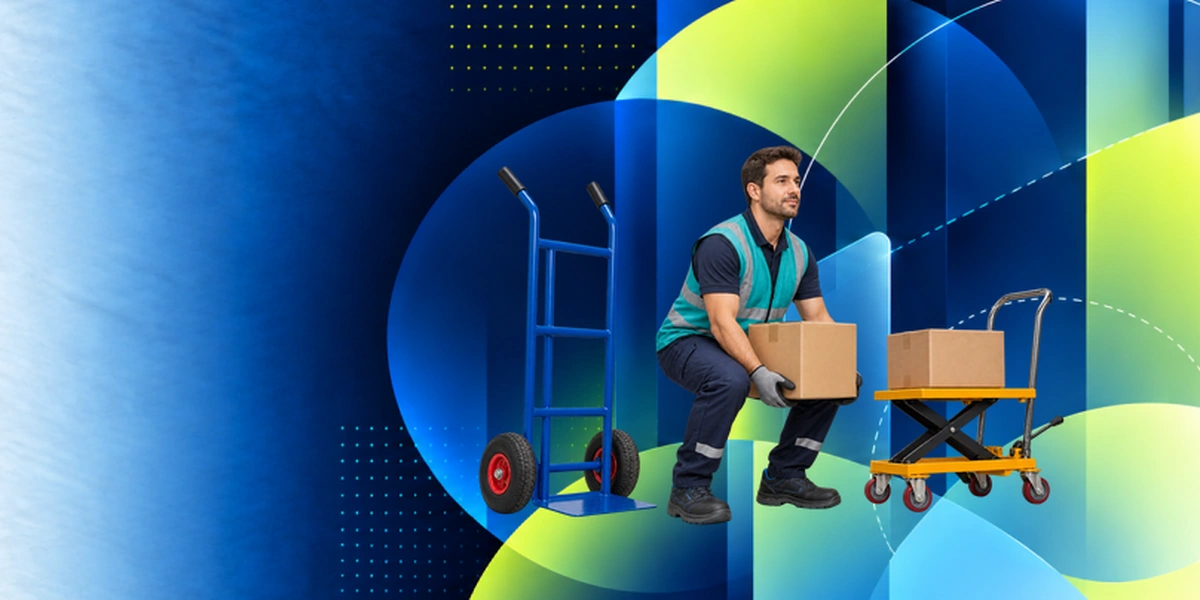
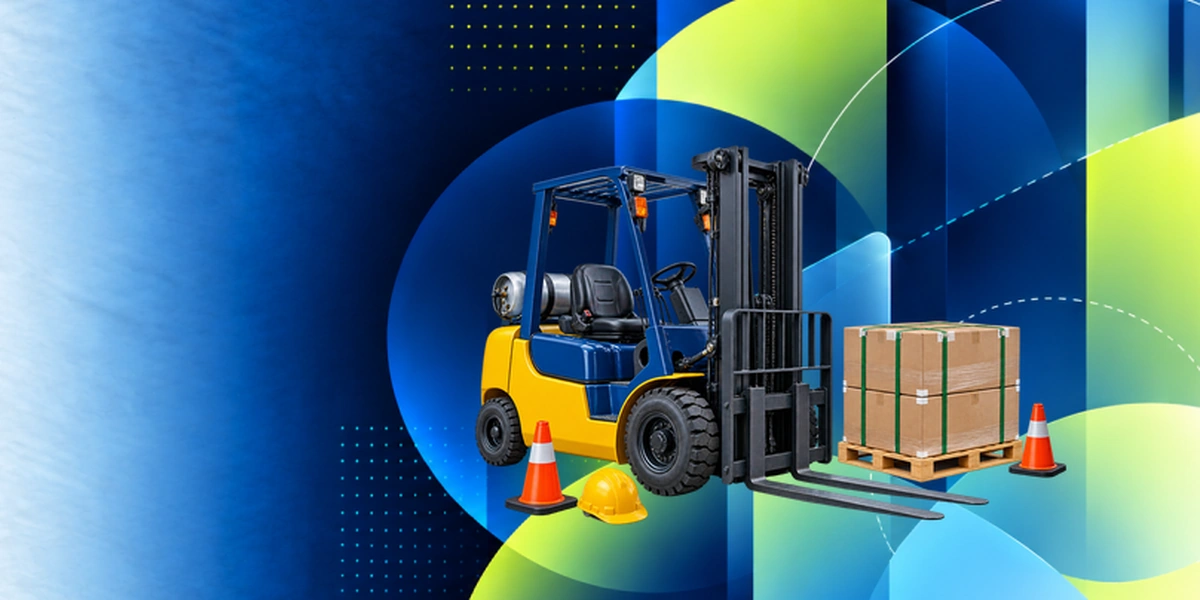
Manual handling and safe lifting come second, after safety essentials. Your team learns general hazard control first, then applies it to lifting and carrying. The path then widens into workplace ergonomics and ends with forklift and handling equipment when loads are too heavy for people.

Why Choose Edstellar as Your Corporate Training Provider for Manual Handling and Safe Lifting Course
Edstellar pairs deep safety expertise with a practice-first format, so your people train the way they will lift.

EXPERT TRAINERS
YEARS DELIVERING
ORGANIZATIONS TRAINED
CERTIFIED
Tailored
Tasks, aids, and the capstone reflect your workplace and equipment, so practice mirrors the handling your team does daily.
Proven Methodology
A structured path from awareness to injury-free handling, practiced in every module and proven in the capstone.
Practice-Based Learning
Practice sessions in every module turn safe technique into habits your team uses every shift.
Expert Trainers
Manual handling practitioners with frontline experience bring real workplace judgment to every session.
Global Scale
Consistent handling standards delivered across shifts, sites, and contractors in flexible batches.
Measurable Outcomes
Technique checks and TILE assessments show exactly how far each participant has come.
Practice Safer Manual Handling Through Task Assessment and Coached Technique
Edstellar connects manual-handling awareness with the tasks participants encounter at work. Guided practice combines kinetic lifting, workstation assessment, and handling-aid choices with TILE risk analysis. The final demonstration and personal handling plan are reviewed for technique, task-specific hazards, appropriate assistance, and the clarity of actions for reporting and addressing risks.
- Step 01
Consult
We explore handling tasks, workplace layouts, and participants' experience with aids and risk reporting to identify the situations that need assessment and supervised practice.
- Step 02
Plan
We map handling tasks before coached lifting and ergonomic review, then connect equipment choices and TILE assessment in the participant's safe-handling plan.
- Step 03
Align
We align manual-handling instruction with warehouse, healthcare, manual-work, and supervisory roles, confirming appropriate practice tasks and support so demonstrations reflect participants' needs and workplace conditions.
- Step 04
Customize
We adapt sample workstation and load scenarios to familiar tasks, retaining environmental and team-handling factors that participants must consider before choosing a handling approach.
- Step 05
Execute
Participants practice kinetic lifting, assess workstations, and complete TILE reviews under coaching, receiving feedback on technique, aid selection, team coordination, and recognition of unsafe conditions.
- Step 06
Evaluate
We assess the demonstration and handling plan for task-aware technique, reasoned use of aids or assistance, identified risks, and clear reporting and improvement actions.
Also from Edstellar
Talent assessments
Psychometric, behavioral, leadership and 360-degree assessment.
→Training needs analysis
Needs analysis, gap identification, and a training roadmap.
→L&D consulting
Learning strategy, content, technology and ROI measurement.
→OD consulting
Org design, succession planning and cultural change.
→Managed training services
Training outsourcing, vendor management, logistics and administration.
→Coaching solutions
Executive and manager coaching that keeps skills in use.
Start an RFP shaped to your needs.
Answer three quick questions about team size, scope, and how often you need the program run, then send the request from the last step. Everything you choose travels with it, so you only fill this in once.
How many team members need training?
Manual Handling & Safe Lifting Training Packages & Pricing
Where L&D holds an annual budget, license packages price the whole year at once instead of raising a purchase order per workshop. Hours and licenses are pooled across teams, programs and locations, so unused capacity is not stranded in one department.
Starter
120
trainee licenses64 hours of group training
Tailored for SMBs
Growth
320
trainee licenses160 hours of group training
Ideal for growing SMBs
Enterprise
800
trainee licenses400 hours of group training
Designed for large corporations
Custom
Unlimited
trainee licensesDuration set by the rollout
Multi-region and multi-year
Training Packages & Pricing
Choose the training format that works for your team. Pricing is customized based on your requirements, cohort size, and delivery needs.
Request Manual Handling and Safe Lifting Training for Your Team
Tell us your team size, workplaces, and timelines to receive a tailored training plan and quote. Book a discovery call to align on goals; we confirm availability and respond with a proposal.