

COBOL and Mainframe Application Modernization Corporate Training
COBOL & Mainframe Application Modernization Corporate Training
A 24-hour instructor-led program that teaches operations, development, and architecture teams to assess, refactor, and modernize COBOL mainframe applications through guided hands-on labs.
Instructor-led group trainingVirtual / on-site / off-site10 languagesDelivered inEnglish, Spanish, Mandarin, German, Arabic, Portuguese, Hindi, French, Japanese, Italian100+ countriesWe have delivered inUnited States, United Kingdom, India, Canada, Germany, France, Netherlands, UAE, Saudi Arabia, Singapore, Australia, Japan, Brazil, South Africa and 90+ more countries
How we build a modernization-ready team
The Edstellar COBOL & MAINFRAME MODERNIZATION Capability Model
Diagnose
Assess your team's COBOL and z/OS fluency plus your portfolio's size, age, and risk before training begins.
Standardize
Establish shared modernization language across operations, development, and architecture teams.
Practice
Run guided hands-on labs that refactor code, expose APIs, and assess real application portfolios.
Measure
Track modernization readiness through skills assessments, lab outcomes, and portfolio scoring.
Scale
Extend proven modernization patterns across the portfolio with governance that keeps them alive.





Need more than one program?Get a group quote
Trusted as a Leading Corporate Training Provider by
















Program Overview: What is COBOL and Mainframe Application Modernization?
COBOL & Mainframe Application Modernization is an instructor-led program for engineers, architects, and IT leaders responsible for mainframe estates. Over 24 hours and six modules, participants move from mainframe architecture and z/OS foundations through COBOL programming and JCL batch processing, CICS, IMS, and DB2 online systems, application assessment, and modernization strategy. The program covers API enablement, DevOps on z/OS, and hybrid integration, ending with an end-to-end modernization plan as the capstone.
Labs work with real mainframe concepts and tooling: reading and refactoring COBOL, tracing JCL batch flows, exposing transactions through APIs, and applying DevOps discipline to z/OS pipelines. Instructors with mainframe backgrounds guide the assessment work, teaching teams to evaluate applications for rehost, refactor, or replace decisions. Migration waves are planned incrementally, so risk stays manageable. The capstone asks each team to produce a complete modernization plan with a business case leadership can approve and fund.
Mainframes run the core of banking, insurance, and government, yet the teams that understand them are retiring faster than replacements arrive. Rip-and-replace efforts fail expensively when nobody understands what the COBOL actually does. This program builds the missing middle: engineers who respect the mainframe's reliability and can still carry it into hybrid, API-enabled architectures step by step.
The capstone is an end-to-end modernization plan: application assessment, strategy per workload, API enablement design, DevOps pipeline approach, migration waves, and a business case with costs and risks, presented to the instructor as if to the CIO. It is the document most organizations need but cannot produce internally. Participants return able to lead mainframe modernization with evidence and a fundable plan, instead of debating it for another budget cycle.
Over six modules, teams progress from mainframe foundations to a full capstone modernization plan. The program emphasizes safe refactoring, incremental migration waves, DevOps discipline on z/OS, and business cases that leadership can approve and fund.
What's Included in this Workshop for Your Enterprise Teams
- 1
Guided hands-on labs
Modernize COBOL code, wrap transactions in APIs, and assess portfolios in instructor-led labs.
- 2
Capstone project
Build a full modernization plan for a simulated legacy portfolio and defend it.
- 3
Sandbox environments
Practice on realistic mainframe sandboxes without touching production systems.
- 24 hours of instructor-led sessions, onsite or live virtual
- Hybrid delivery aligned to your operations calendar
- Pre-program skills assessment for each cohort
- Post-program modernization roadmap template
- Course materials and lab guides for every participant
- Scheduling aligned to your team's shifts
Build your team's skills. Anywhere in the world.
Real-world use cases
from day one
Instructor-led training
for your teams
Delivered globally
in 100+ countries


Enterprise Training Solutions Customized for Your Company
One partner for instructor-led corporate training, delivered the way your teams work.
Request a Training Quote- Customized Training Delivery
- Scale Your Training: Small to Large Teams
- In-person Onsite, Live Virtual or Hybrid Training Modes
- Plan from 2000+ Industry-ready Training Programs
- Hands-On Labs on Live Infrastructure, Led by Industry Experts
COBOL and Mainframe Application Modernization Course Topics and Program Outline
A 24-hour applied program: mainframe and z/OS foundations, COBOL and JCL, CICS/IMS/DB2 workloads, modernization strategy, API enablement, and a capstone modernization plan.
Built by Edstellar with mainframe modernization practitioners
Built by practitioners who operate z/OS estates and modernize COBOL portfolios in production environments, shaped around your stack and use cases.
We map your team's mainframe experience and inventory your COBOL portfolio so labs target your real applications.
Your team learns z/OS, COBOL, JCL, and transaction systems through guided instruction and sandbox exploration.
Teams refactor code, wrap CICS logic in APIs, and run modernization assessments in hands-on guided labs.
Your team ships a full modernization plan with waves, risk controls, and a business case ready to defend.
24 hours of instructor-led mainframe modernization ending in a portfolio modernization plan your team can execute.
Delivered as
Delivered hybrid, onsite, or live virtual across 3 full days or six half-day sessions, matched to your team's schedule.

Guided lab: explore a z/OS sandbox, browse data sets, and submit your first batch job.
learna)How mainframe hardware, LPARs, and z/OS are organized
b)TSO/ISPF navigation and data set conventions
c)z/OS storage, catalogs, and security basics
d)Batch vs online processing models
Guided lab: write and compile a COBOL program, then drive it through a JCL batch stream.
learna)COBOL program structure: divisions, sections, paragraphs
b)Data definitions, PICTURE clauses, and file handling
c)JCL syntax: JOB, EXEC, DD statements, and utilities
d)Scheduling, return codes, and batch troubleshooting
Guided lab: extend a CICS transaction that reads and updates DB2 data through tested calls.
practicea)CICS regions, transactions, and pseudo-conversational design
b)IMS hierarchies, DL/I calls, and message processing
c)DB2 for z/OS: tables, SQL, binds, and plans
d)Connecting batch, online, and database workloads
Guided lab: assess a sample portfolio and score each application against the 5 Rs.
practicea)Discovery: inventorying programs, copybooks, and dependencies
b)The 5 Rs: rehost, replatform, refactor, rewrite, retain
c)Risk, cost, and effort scoring for each application
d)Sequencing waves: quick wins before complex migrations
e)Tooling choices for analysis and automated conversion
Guided lab: wrap a CICS transaction in a REST API and test it end to end.
applya)Exposing COBOL/CICS logic as REST and web services
b)Mainframe DevOps: source control, pipelines, and automated testing
c)Data replication and hybrid cloud integration patterns
d)Security, monitoring, and performance in hybrid setups
e)Incremental migration: strangler patterns for legacy logic
Capstone lab: deliver a full modernization plan for a simulated legacy portfolio and defend it in an instructor review.
applya)Building the target architecture blueprint
b)Migration waves, rollback plans, and risk controls
c)Business case: cost, benefit, and timeline modeling
d)Presenting the plan to technical and business stakeholders
Customize this program tailored to your team?
Tell us your training needs: what your team already works with, the level they’re at, and the topics you want them to focus on. We’ll adjust the modules, duration and hands-on labs, and send you a customized outline for your group.
Key Skills and Outcomes Your Team Will Gain
Every outcome is practiced in guided labs and reinforced in the capstone, so your team leaves ready to modernize real COBOL estates.
Navigate z/OS confidently
Work with TSO/ISPF, data sets, and batch utilities to support daily mainframe operations.
Read and write COBOL
Interpret legacy COBOL programs, copybooks, and file handling to support maintenance work.
Run JCL batch streams
Build, submit, and troubleshoot JCL batch jobs with correct return code handling.
Support CICS, IMS, and DB2
Trace transactions and data flows across online regions and databases to resolve issues.
Assess modernization options
Score applications against the 5 Rs and sequence migration waves by risk and value.
Expose legacy as APIs
Wrap CICS transactions and COBOL logic in REST services for hybrid integration.
Plan portfolio migration
Produce an end-to-end modernization plan with waves, controls, and a defensible business case.
Teams that Benefit from this COBOL and Mainframe Application Modernization Group Training
Built for mainframe operations, development, and architecture teams that keep COBOL estates running and plan their future. Content adapts to role and experience so each cohort practices the workflows it owns.
Keep your z/OS estate stable while modernizing
Give operators and system programmers the z/OS, JCL, and batch skills to keep production reliable while migration waves proceed.
Workflow friction
- Aging staff with irreplaceable knowledge
- Brittle batch schedules
- Limited visibility into hybrid flows
How the program helps
- Faster batch incident resolution
- Cleaner change and release discipline
- Stronger monitoring of hybrid workloads
Practice use cases
- batch scheduling
- incident triage
- capacity checks
Modernize COBOL estates without breaking production
Help COBOL developers and analysts assess portfolios, refactor safely, and expose legacy logic as services.
Workflow friction
- Undocumented legacy dependencies
- Fear of changing running code
- Inconsistent modernization tooling
How the program helps
- Safer refactoring of COBOL code
- Reusable APIs from legacy logic
- Faster onboarding of new developers
Practice use cases
- code assessment
- API enablement
- automated testing
Set a defensible modernization roadmap
Equip architects to score the portfolio, sequence waves, and build business cases leadership will approve.
Workflow friction
- No shared modernization strategy
- Competing rehost vs rewrite claims
- Weak linkage to business value
How the program helps
- Prioritized migration wave plans
- Credible cost and risk estimates
- Architecture standards that stick
Practice use cases
- portfolio scoring
- wave sequencing
- business cases
Cohorts are grouped by role and mainframe experience so labs match the systems each team owns.
Prerequisites: This program suits operations staff, COBOL developers, analysts, and architects who work with mainframe estates. No prior modernization experience is required, though familiarity with z/OS or COBOL helps. Instructors adapt labs to your platforms, portfolio, and migration goals.
Mainframe Operator to Modernization Lead
Start with z/OS and COBOL fundamentals, advance through transactions, assessment, and API enablement, and finish able to lead a portfolio modernization plan.
One program that grows with mainframe careers, from z/OS basics to confident modernization practice.
Mixed cohort, or several teams at once?
We can tailor the training to different teams, roles, and experience levels within the same program.
Certificate of Training Completion.
On successful completion, employees receive an Edstellar course completion certificate, recognizing their commitment to ongoing learning and professional development. It validates the skills they have built and motivates them to keep growing and contribute to organizational success.
Earned, not attended. Awarded on completion of all hands-on labs and the capstone project.

Training Delivery Modes: Virtual, Onsite and Hybrid
Instructor-led delivery shaped to your operations calendar: live virtual for distributed teams, onsite for systems access, or hybrid for both.
Hybrid Training
A flexible mix of onsite systems sessions and live virtual labs, so mainframe teams learn without leaving their estates.
- Onsite systems access plus remote labs
- Shift-friendly scheduling across time zones
- Live instructor guidance in every session
- Same curriculum and labs in all formats

Onsite Training
Delivered at your facility with instructors working alongside your operations and development teams on your systems.
- Tailored to your mainframe estate and portfolio
- Direct observation of your batch and online workloads
- Team-wide alignment in one room
- Hands-on labs with your scenarios

Live Virtual Training
Fully interactive live virtual sessions with guided labs in shared mainframe sandboxes and small-group breakout work.
- Live instructor-led sessions, not recordings
- Guided labs in shared mainframe sandboxes
- Breakout rooms for role-based groups
- Scheduling across time zones

Need a training format that works for your team?
Full days, half days across weeks, or split by module. Tell us the delivery window and we schedule the cohort around it.
Frequently Asked Questions
Share your team size, mainframe estate, and delivery preference and we will return a tailored quote within one business day.
Yes. A discovery call with a training advisor helps us map your modernization priorities to the curriculum before you book.
Yes. Live virtual sessions run with guided labs in shared mainframe sandboxes and breakout rooms for role-based groups.
Yes. Onsite delivery is available at your facility, with instructors tailoring labs to your estate and portfolio.
The program runs 24 hours of instructor-led time, typically across 3 full days or six half-day sessions.
Question not answered here?
Put it in the request. A training specialist answers it directly, within one business day.
Where this Training Fits in Your Team's learning path.
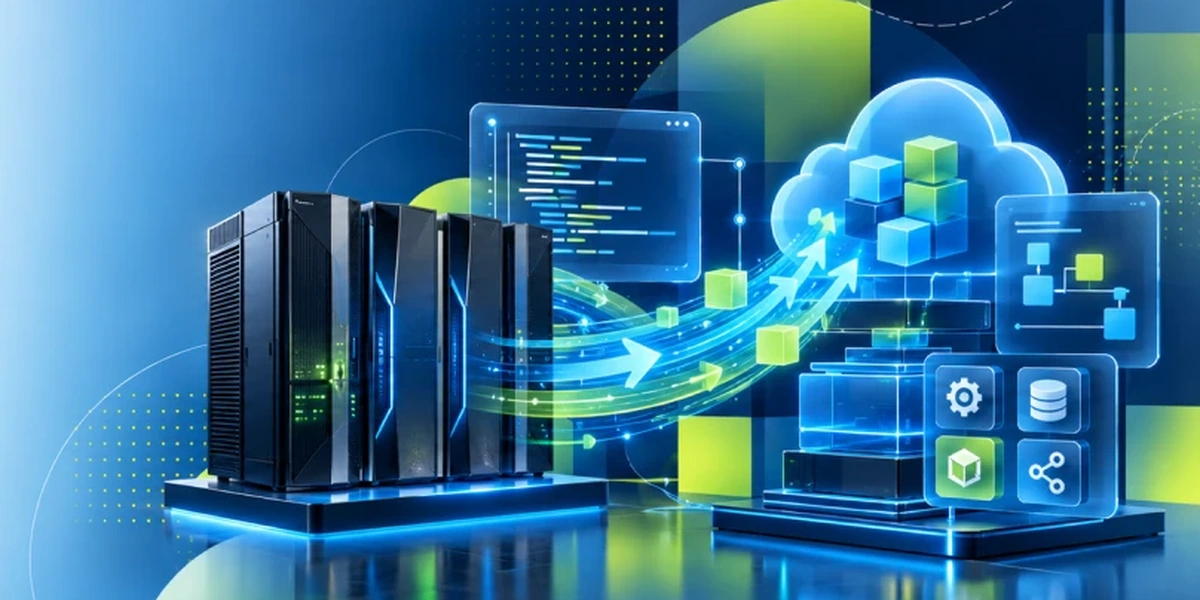
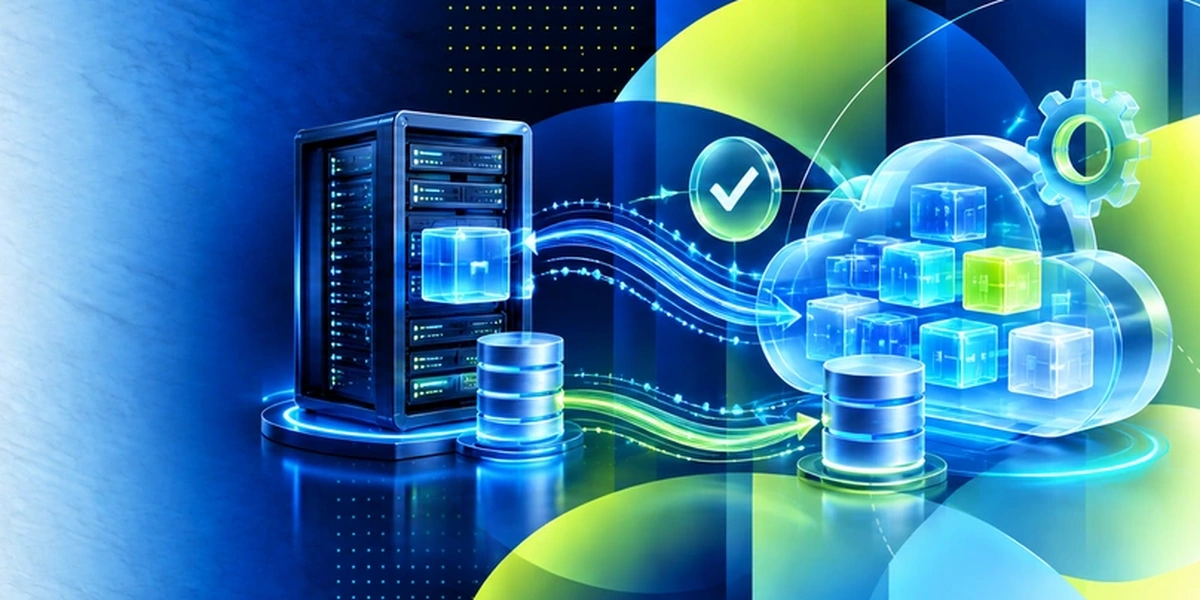
COBOL and mainframe modernisation builds on z/OS and JCL knowledge. Your team learns the platform, runs and reads batch JCL, then maintains and modernises COBOL code, and finally plans the move of selected workloads to the cloud.

Why Choose Edstellar as Your COBOL and Mainframe Application Modernization Training Provider
Edstellar delivers instructor-led mainframe modernization training built around your estate, your portfolio, and outcomes you can measure.

EXPERT TRAINERS
YEARS DELIVERING
ORGANIZATIONS TRAINED
CERTIFIED
Tailored
Modules, labs, and the capstone are tailored to your mainframe stack, COBOL portfolio, and migration goals.
Proven Methodology
Training follows a proven assess, learn, practice, apply arc that turns portfolio findings into executable migration waves.
Practice-Based Learning
Six guided labs and a capstone have teams refactoring COBOL, exposing APIs, and scoring real portfolios.
Expert Trainers
Sessions are led by mainframe practitioners who operate z/OS estates and modernize COBOL portfolios in production.
Global Scale
Consistent mainframe modernization programs delivered across regions, time zones, and multi-site enterprises.
Measurable Outcomes
Skills assessments, lab outcomes, and portfolio scores show exactly what each team can modernize next.
Connect Mainframe Foundations With Evidence-Based Application Modernization Choices
Edstellar guides teams from COBOL and z/OS fundamentals to portfolio assessment and hybrid integration. Participants practice batch and transaction workflows before evaluating modernization options and exposing a sample transaction through an API. The final plan links architectural choices to application evidence, operational dependencies, and a defensible modernization sequence.
- Step 01
Consult
We assess mainframe responsibilities and COBOL or z/OS familiarity to identify gaps in batch processing, transaction data, application assessment, and integration design.
- Step 02
Plan
We establish z/OS and COBOL batch foundations before CICS and DB2 work, portfolio assessment, and API integration, then assemble the modernization plan.
- Step 03
Align
We align mainframe instruction with operations, development, analysis, and architecture roles, confirming sandbox access and foundational support for unfamiliar platform components.
- Step 04
Customize
We adapt sample batch streams, transactions, and legacy portfolios to relevant modernization goals while preserving controlled data access and explicit application dependencies.
- Step 05
Execute
Participants compile COBOL, run JCL, extend transactions, and test REST integration, receiving feedback on execution behavior, data handling, and modernization reasoning.
- Step 06
Evaluate
We assess the portfolio plan for evidence-supported modernization choices, coherent dependencies, demonstrated integration concepts, and clearly explained migration priorities and trade-offs.
Also from Edstellar
Talent assessments
Psychometric, behavioral, leadership and 360-degree assessment.
→Training needs analysis
Needs analysis, gap identification, and a training roadmap.
→L&D consulting
Learning strategy, content, technology and ROI measurement.
→OD consulting
Org design, succession planning and cultural change.
→Managed training services
Training outsourcing, vendor management, logistics and administration.
→Coaching solutions
Executive and manager coaching that keeps skills in use.
Start an RFP shaped to your needs.
Answer three quick questions about team size, scope, and how often you need the program run, then send the request from the last step. Everything you choose travels with it, so you only fill this in once.
How many team members need training?
COBOL & Mainframe Application Modernization Training Training Packages & Pricing
Where L&D holds an annual budget, license packages price the whole year at once instead of raising a purchase order per workshop. Hours and licenses are pooled across teams, programs and locations, so unused capacity is not stranded in one department.
Starter
120
trainee licenses64 hours of group training
Tailored for SMBs
Growth
320
trainee licenses160 hours of group training
Ideal for growing SMBs
Enterprise
800
trainee licenses400 hours of group training
Designed for large corporations
Custom
Unlimited
trainee licensesDuration set by the rollout
Multi-region and multi-year
Training Packages & Pricing
Choose the training format that works for your team. Pricing is customized based on your requirements, cohort size, and delivery needs.
Request COBOL and Mainframe Application Modernization Training for Your Team
Tell us about your mainframe estate, portfolio size, and timelines and we will design a modernization program around your goals.