

AI in Agriculture Corporate Training
Learn to build practical AI for modern agriculture: crops, soil, water, and weather.
Edstellar's corporate training program for agriculture helps your teams develop real AI skills for the field. As a corporate training company serving agritech and food enterprises, we teach employees to turn sensor readings, drone imagery, and weather data into yield forecasts, crop monitoring alerts, and smarter irrigation plans. Every module pairs short technical briefings with guided labs, so your teams leave ready to apply AI in live growing conditions.
Instructor-led group trainingVirtual / on-site / off-site10 languagesDelivered inEnglish, Spanish, Mandarin, German, Arabic, Portuguese, Hindi, French, Japanese, Italian100+ countriesWe have delivered inUnited States, United Kingdom, India, Canada, Germany, France, Netherlands, UAE, Saudi Arabia, Singapore, Australia, Japan, Brazil, South Africa and 90+ more countries
How we build an AI-ready agronomy team
THE EDSTELLAR AI IN AGRICULTURE CAPABILITY MODEL
Assess current readiness
Skill and data-readiness checks map where your teams stand with AI and field data.
Set the AI playbook
One shared playbook for data capture, model use, and validation across agronomy teams.
Rehearse in guided labs
Guided labs cover crop vision, yield models, and irrigation controls, plus troubleshooting.
Prove capability lift
Lab-based checkpoints benchmark each participant's AI skills before and after.
Roll out across teams
One standard scales across batches, seasons, and sites as your AI program grows.





Need more than one program?Get a group quote
Trusted as a Leading Corporate Training Provider by
















Program Overview: What is AI in Agriculture Corporate Training?
AI in Agriculture Corporate Training is Edstellar's instructor-led technical program for agronomists, farm operations teams, and agritech professionals. Participants learn AI foundations for agriculture, field data and records, computer vision for crop monitoring, yield forecasts, and smart irrigation. The program closes with a capstone where each team builds an end-to-end farm AI solution.
Training is hands-on from the first module. Participants work with sensor feeds, drone and satellite imagery, and field records in guided labs built around farm scenarios. Instructors coach them through crop-health image classification, disease and pest detection workflows, yield forecasting models, and irrigation scheduling, reviewing every exercise with direct feedback. The program closes with a capstone where each team scopes a farm problem, prepares data, builds models, and validates a farm AI solution.
Farm teams sit on valuable data, soil sensors, imagery, weather records, but lack the skills to turn it into decisions. This program teaches agricultural professionals to build AI models for crop monitoring, yield prediction, and resource optimization. Every technique is practiced in labs, so the learning transfers to the next growing season.
Each cohort scopes a real farm problem, builds and tests a model, and defends the solution under assessment. It's the closest thing to a pilot without planting a single seed.
Across six modules, participants move from AI foundations to a full field-ready capstone. Labs use realistic crop, soil, and weather data, so every technique transfers directly to your operations. Agronomy specialists upskill and reskill together, building AI capability that survives staff and seasonal changes.
A flexible technical program, it fits around your operations and respects planting and harvest windows. Field teams keep working while they learn, and every insight connects back to day-to-day work in the field.
What's Included in this Workshop for Your Enterprise Teams
- 1
Crop monitoring models
Detect stress and disease from field imagery.
- 2
Yield forecasting techniques
Predict harvest outcomes from crop and weather data.
- 3
Smart irrigation planning
Optimize watering schedules with sensor data.
- 4
Field data pipelines
Prepare sensor and imagery feeds for modeling.
- 5
Agritech AI labs
Practice every technique in guided labs.
- Training delivered at any of your offices globally
- 10+ languages
- Schedule around your calendar
- Group size set along with you
- Run as one cohort or split into batches
- Instructor-led (virtual/onsite/hybrid)
- Recurring and annual options
- Trainer sourcing, matching and logistics
Build your team's skills. Anywhere in the world.
Real-world use cases
from day one
Instructor-led training
for your teams
Delivered globally
in 100+ countries


Enterprise Training Solutions Customized for Your Company
One partner for instructor-led corporate training, delivered the way your teams work.
Request a Training Quote- Customized Training Delivery
- Scale Your Training: Small to Large Teams
- In-person Onsite, Live Virtual or Hybrid Training Modes
- Plan from 2000+ Industry-ready Training Programs
- Hands-On Labs on Live Infrastructure, Led by Industry Experts
AI in Agriculture Course Topics and Program Outline
Six modules, five hands-on labs, and one capstone take your teams from AI foundations to a field-ready solution. The program is customized to your crops, regions, and data, with practical exercises built around the problems your fields face.
Designed by Edstellar and agritech specialists
Built by AI practitioners working with agricultural data in production, shaped to your crops before delivery.
Skill checks baseline your team's data literacy, agritech exposure, and field-data readiness before training begins.
Live instruction covers AI foundations for agriculture and agricultural data handling across 8 focused hours.
Guided labs build crop monitoring, yield forecasting, and irrigation optimization skill across 12 hours of supervised practice.
Your team delivers an end-to-end farm AI solution in a 4-hour capstone, reviewed against accuracy and field-readiness standards.
From AI foundations for agriculture to a capstone farm AI solution, every technique is practiced in guided labs.
Delivered as
Delivered as a hybrid program of live instruction and guided labs, scheduled around your team's calendar in flexible batches.

Explore sample farm datasets in the lab and map where AI fits your crop cycle.
learna)Machine learning concepts for agritech
b)Data types: sensors, imagery, weather, and records
c)Model lifecycle: train, test, and deploy
d)Technical baseline check and program roadmap
Clean and align sensor and imagery feeds, then run data quality checks.
learna)Soil, weather, and equipment sensor feeds
b)Drone and satellite imagery preparation
c)Structuring field records and trial data
d)Data quality checks and gap handling
Train a crop-stress detector on drone imagery and tune it for your crops.
practicea)Image classification for crop health
b)Disease and pest detection workflows
c)Growth stage and stand-count estimation
d)Model tuning for specific crops
Build a yield forecast from crop and weather data and validate it.
practicea)Forecasting inputs: crop, soil, and weather
b)Regression models for yield prediction
c)Time-series approaches for seasonal trends
d)Forecast validation against field outcomes
Build an irrigation scheduler from soil moisture data and test scenarios.
practicea)Irrigation scheduling from soil and weather data
b)Sensor integration and data pipelines
c)Input optimization for fertilizer and water
d)Troubleshooting models in changing conditions
Capstone lab: scope a farm AI project, build and validate the model, and present results.
applya)Problem scoping for a farm operation
b)Data preparation and model building
c)Testing, tuning, and validation
d)Solution presentation and review
Customize this program tailored to your team?
Tell us your training needs: what your team already works with, the level they’re at, and the topics you want them to focus on. We’ll adjust the modules, duration and hands-on labs, and send you a customized outline for your group.
Key Skills and Outcomes Your Team Will Gain
Your employees leave able to read field data, build models, and deploy AI solutions. These competencies are built and measured in labs, so learning transfers to real farm work.
Read agricultural data
Interpret sensor feeds, drone imagery, and weather records, and prepare them for modeling.
Build vision models
Train models that detect crop stress, disease, and growth stages from field imagery.
Forecast yields with data
Combine crop, soil, and weather inputs into yield forecasts and early risk signals.
Plan smarter irrigation
Turn soil moisture and weather data into irrigation schedules that save water and protect yield.
Optimize farm inputs
Target fertilizer and water applications to the zones and stages where they pay back most.
Troubleshoot AI models
Diagnose drift and bad inputs when field conditions change, and restore model reliability.
Deliver AI solutions
Scope, create, and present an end-to-end AI solution for a real farm operation.
Teams that Benefit from this AI in Agriculture Group Training
This program is built for agritech groups applying AI to crop production, from data specialists to field teams. Content adapts to role and experience, so each cross-functional cohort practices the workflows it owns.
Field data pipelines your models can trust.
Data engineers build ingestion and validation pipelines for sensor feeds, imagery, and field records, so agronomy AI trains on clean inputs.
Workflow friction
- Sensor feeds arriving in mismatched formats
- Imagery missing for critical growth stages
- No validation before data reaches models
How the program helps
- Standardize ingestion across sources
- Automate quality checks on feeds
- Catch gaps before models train
Practice use cases
- Sensor data labs
- Imagery QA drills
- Pipeline testing
Crop insights your specialists can defend.
Analytics teams turn crop imagery and weather data into monitoring dashboards and yield forecasts they can explain to the field.
Workflow friction
- Manual scouting misses early stress signals
- Season analysis stuck in spreadsheets
- Forecasts no one in the field trusts
How the program helps
- Automate stress and disease alerts
- Explain model outputs clearly
- Compare seasons with confidence
Practice use cases
- Vision model labs
- Alert tuning drills
- Forecast reviews
Agronomy AI that survives the field.
Software engineers integrate models into farm systems, monitor them in production, and keep them reliable as conditions change.
Workflow friction
- Models breaking when seasons shift
- No monitoring on deployed vision models
- Thresholds hard-coded and unowned
How the program helps
- Design resilient model pipelines
- Monitor models in production
- Version and test every update
Practice use cases
- Integration labs
- Monitoring drills
- Release testing
Connected fields that stay online.
Field IT teams keep sensors, gateways, and edge devices running, so data keeps flowing to models and dashboards.
Workflow friction
- Sensor outages going unnoticed for days
- Edge devices failing in harsh conditions
- Connectivity gaps breaking data flow
How the program helps
- Set up proactive device alerts
- Harden edge deployments
- Keep data flowing reliably
Practice use cases
- Device setup labs
- Alert drills
- Edge troubleshooting
Small groups keep every lab hands-on, giving your workforce real practice time.
Prerequisites: This program benefits agronomists, farm operations teams, and agritech professionals working with field data. Basic data literacy helps but is not required. Content adapts to each cohort's exposure, from first AI pilots to scaling programs.
Agronomist to Farm AI Lead
Tracks how agricultural professionals progress from AI fundamentals to leading farm AI programs across the program's learn, practice, and apply phases.
A program that grows with agritech careers, from AI fundamentals to leading farm AI programs.
Mixed cohort, or several teams at once?
We can tailor the training to different teams, roles, and experience levels within the same program.
Certificate of Training Completion.
On successful completion, employees receive an Edstellar course completion certificate, recognizing their commitment to ongoing learning and professional development. It validates the skills they have built and motivates them to keep growing and contribute to organizational success.
Earned, not attended. Awarded on completion of all hands-on labs and the capstone project.

Training Delivery Modes: Virtual, Onsite and Hybrid
Every mode is shaped to your crops and data before delivery. The curriculum, hands-on labs, and capstone stay the same across hybrid, onsite, and live virtual formats, so results stay consistent however you run it.
Hybrid Training
Hybrid delivery blends instructor-led sessions with hands-on labs, across virtual and office-based meetings. Your teams practice crop vision, forecasting, and irrigation models with coaching, on blended schedules that fit your seasons.
- Live instruction across onsite and virtual sessions
- Guided labs with instructor support
- Hands-on exercises on agritech AI tooling
- Best for flexible schedules with real interaction

Onsite Training
Your instructor delivers at your facility with labs set up for your teams. Every participant works through hands-on exercises with direct coaching. Best for co-located groups wanting maximum interaction.
- Instructor delivers at your facility
- Lab sessions on your data environment
- Direct coaching during technical exercises
- Best for co-located teams wanting maximum interaction

Live Virtual Training
Live virtual sessions run on Zoom or Teams with remote lab access. Breakout rooms support team exercises and instructor troubleshooting. Virtual and online training suits distributed teams, with e-learning and LMS access to all materials.
- Live sessions on your platform
- Cloud-based lab environments
- Screen-shared guidance through every lab
- Ideal for distributed teams across locations

Need a training format that works for your team?
Full days, half days across weeks, or split by module. Tell us the delivery window and we schedule the cohort around it.
Frequently Asked Questions
Share your team size, dates, and delivery mode in the lead form. We reply with a tailored proposal covering scope, schedule, and per-group pricing.
Agronomists, data specialists, software engineers, and field operations staff working with crop data. The pre-program check maps each participant's starting level, so content fits mixed backgrounds.
Yes. Remote-friendly formats include the full lab environment and instructor coaching, so distributed teams get the same hands-on practice as office-based groups.
Yes. Instructors can deliver at your offices or facilities worldwide, with labs configured for your teams. Hybrid combinations with virtual sessions are also available.
The program runs 24 hours across six modules, typically over three to four days. Scheduling is flexible and mutually agreed, planned around your planting and harvest windows.
Question not answered here?
Put it in the request. A training specialist answers it directly, within one business day.
Where this Training Fits in Your Team's learning path.
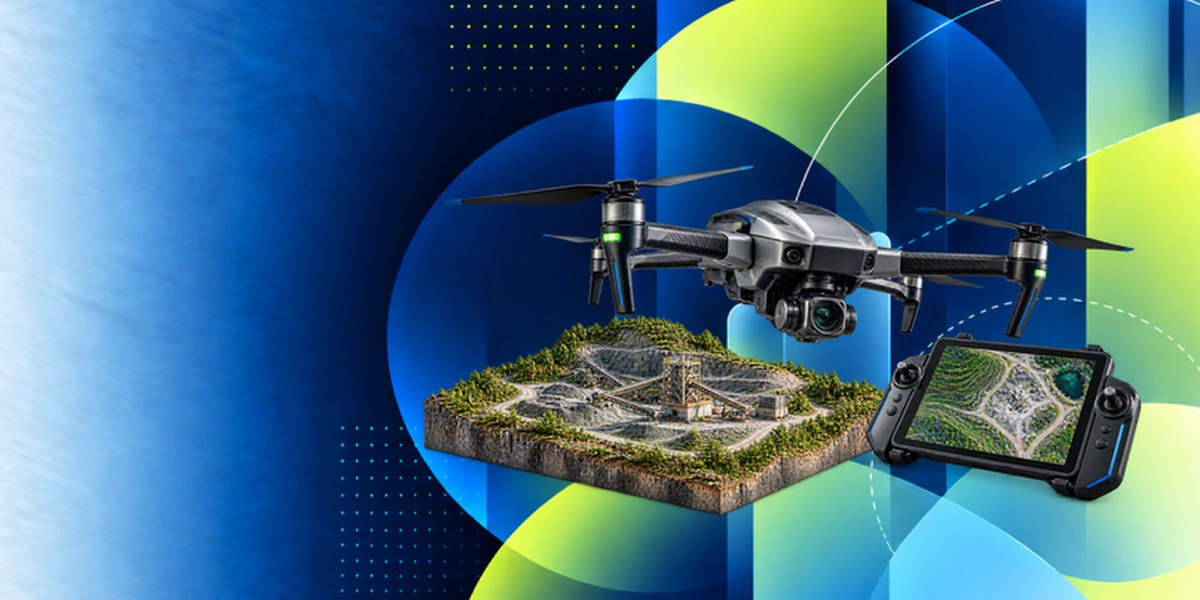
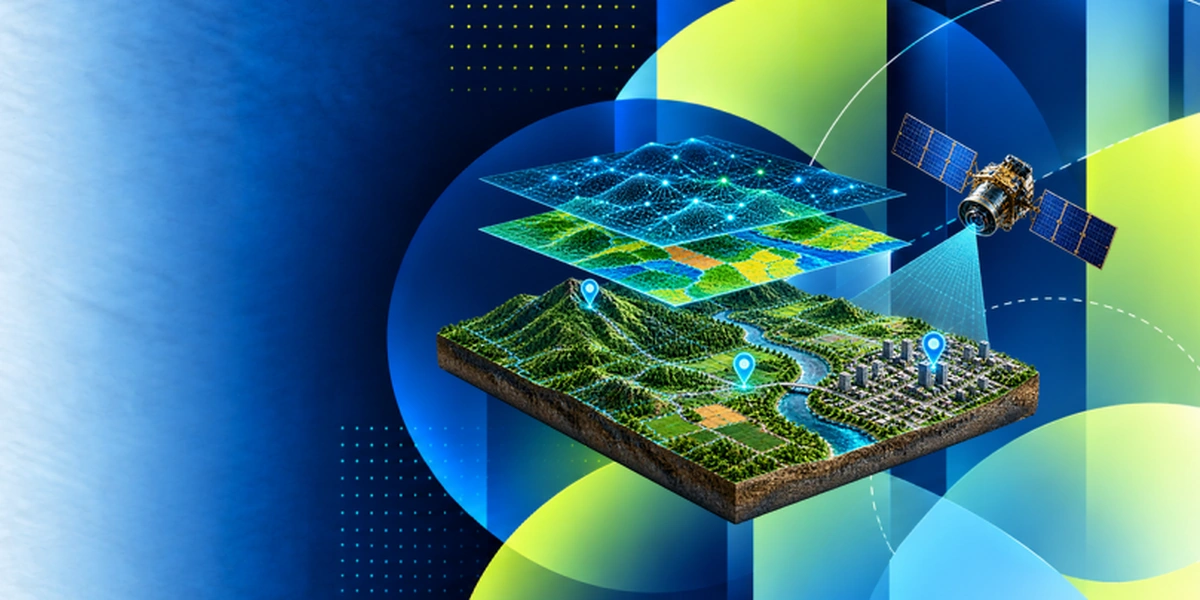
AI in agriculture builds on precision farming knowledge, so AI is applied to farm data your team already collects. With AI applied to crops and operations, your team moves to drone mapping and inspection, and finally to geospatial AI for analysing land at scale.


Why Choose Edstellar as Your AI in Agriculture Training Provider
If your teams need practical AI skills for agriculture, start here. Tell us about your crops, timelines, and preferred delivery mode, and we will shape the program around them.

EXPERT TRAINERS
YEARS DELIVERING
ORGANIZATIONS TRAINED
CERTIFIED
Tailored
Every program is shaped around your crops, regions, data sources, and goals before delivery.
Expert trainers
Practitioners from AI and agritech lead every session, and you receive a full trainer profile before booking.
Measurable outcomes
We track progress from baseline checks to the capstone, so your agronomy AI lift stays visible.
Global scale
Run one shared AI standard across sites and batches, in hybrid, onsite, or virtual formats.
Develop Agricultural AI Solutions From Field Data to Model Validation
Edstellar helps agriculture teams connect AI methods with the realities of field data and crop decisions. Participants align sensor and imagery records, build crop-monitoring models, forecast yields, and test irrigation scenarios. A farm-focused project brings these techniques together, with review of data quality, validation results, and operational assumptions.
- Step 01
Consult
We explore crop-cycle responsibilities and field-data experience to identify needs in sensor alignment, imagery analysis, yield prediction, irrigation modeling, or AI troubleshooting.
- Step 02
Plan
We build from agricultural AI and data readiness through crop vision, yield forecasting, and resource optimization before completing a validated farm-AI project.
- Step 03
Align
We align instruction with agronomy, farm operations, and agritech roles, adjusting data support while preserving the connection between modeled signals and field interpretation.
- Step 04
Customize
We tailor sample crops, imagery, weather records, and soil-moisture scenarios to familiar farming conditions while making data gaps and operational assumptions visible.
- Step 05
Execute
Participants clean field feeds, evaluate crop-stress detectors, and test forecasts and irrigation schedules, receiving feedback on data consistency, model errors, and scenario interpretation.
- Step 06
Evaluate
We assess the farm-AI project for a defined operational question, suitable data, credible validation, and a clear explanation of limitations before proposed field application.
Also from Edstellar
Talent assessments
Psychometric, behavioral, leadership and 360-degree assessment.
→Training needs analysis
Needs analysis, gap identification, and a training roadmap.
→L&D consulting
Learning strategy, content, technology and ROI measurement.
→OD consulting
Org design, succession planning and cultural change.
→Managed training services
Training outsourcing, vendor management, logistics and administration.
→Coaching solutions
Executive and manager coaching that keeps skills in use.
Start an RFP shaped to your needs.
Answer three quick questions about team size, scope, and how often you need the program run, then send the request from the last step. Everything you choose travels with it, so you only fill this in once.
How many team members need training?
AI in Agriculture Corporate Training Training Packages & Pricing
Where L&D holds an annual budget, license packages price the whole year at once instead of raising a purchase order per workshop. Hours and licenses are pooled across teams, programs and locations, so unused capacity is not stranded in one department.
Starter
120
trainee licenses64 hours of group training
Tailored for SMBs
Growth
320
trainee licenses160 hours of group training
Ideal for growing SMBs
Enterprise
800
trainee licenses400 hours of group training
Designed for large corporations
Custom
Unlimited
trainee licensesDuration set by the rollout
Multi-region and multi-year
Training Packages & Pricing
Choose the training format that works for your team. Pricing is customized based on your requirements, cohort size, and delivery needs.
Request AI in Agriculture Training for Your Team
Tell us your team size, crop challenges, preferred delivery mode, and timelines. We respond with scope, schedule, and pricing, and can start with a short discovery call to confirm availability.