

Green and Sustainable Transport Decarbonisation Corporate Training
Cut fleet and logistics emissions with a credible decarbonisation roadmap.
Instructor-led, lab-driven training that takes your teams from transport emission baselines to funded, reported decarbonisation plans.
Instructor-led group trainingVirtual / on-site / off-site10 languagesDelivered inEnglish, Spanish, Mandarin, German, Arabic, Portuguese, Hindi, French, Japanese, Italian100+ countriesWe have delivered inUnited States, United Kingdom, India, Canada, Germany, France, Netherlands, UAE, Saudi Arabia, Singapore, Australia, Japan, Brazil, South Africa and 90+ more countries
How we build a low-carbon transport team
The Edstellar SUSTAINABLE TRANSPORT DECARBONISATION Capability Model
Diagnose
Map transport emissions across fleets, logistics, and employee travel.
Standardize
Set one method for boundaries, factors, and reporting cadence.
Practice
Model levers and build roadmaps in guided hands-on labs.
Measure
Track reductions against targets with auditable data trails.
Scale
Roll the approach across depots, regions, and suppliers.





Need more than one program?Get a group quote
Trusted as a Leading Corporate Training Provider by
















Program Overview: What is Green and Sustainable Transport Decarbonisation?
Green & Sustainable Transport Decarbonisation is an instructor-led program for fleet and logistics leaders cutting emissions from transport operations. It covers transport emissions foundations, decarbonisation levers and fuel shifts, fleet transition planning, measurement and disclosure, and financing and stakeholder programs. Participants build transition plans through exercises grounded in realistic fleet data.
Training blends emissions science with fleet economics: participants model decarbonisation levers, compare fuel and vehicle shifts on cost and carbon, and build transition timelines for realistic fleets. Instructors with transport sustainability experience review their plans and coach them on the sequencing that keeps operations running. Measurement sessions cover the reporting standards funders and regulators require. The program closes with a capstone fleet decarbonisation strategy.
Transport is among the hardest sectors to decarbonize, and fleets that delay face rising fuel costs, tightening regulations, and customers asking hard questions. Transition plans built on slogans stall at the first budget review. This program grounds decarbonisation in numbers that finance teams accept.
The capstone is a fleet decarbonisation strategy for a realistic operation: emissions baseline, lever-by-lever abatement plan with costs and carbon impact, transition timeline, and a financing and stakeholder engagement plan. Instructors challenge the strategy's economics and feasibility the way a board would. Participants leave with a strategy ready for executive approval and a measurement framework to track it.
The program starts with emission boundaries and baselines, then works through the full decarbonisation toolkit: vehicle technology choices, total cost of ownership modelling, charging and depot infrastructure planning, and logistics optimisation. Measurement runs throughout, with the GHG Protocol, the GLEC framework, and disclosure practice aligned to CSRD and ISSB expectations. It closes with a capstone: a full fleet decarbonisation strategy with targets, phasing, and review rhythm.
What's Included in this Workshop for Your Enterprise Teams
- 1
Kickoff and baselines
Align on scope, data sources, and emission boundaries.
- 2
Fleet data deep dive
Work your own fleet profiles into the lab exercises.
- 3
Lever modelling labs
Compare electrification, fuels, and route changes.
- 4
Infrastructure planning
Size charging and depot needs for your duty cycles.
- 5
Disclosure practice
Draft transport disclosures reviewers can audit.
- 6
Business case review
Pressure-test incentive stacks and payback logic.
- 7
Capstone strategy
Build the roadmap and present it for feedback.
- 8
Post-program toolkit
Take templates and models back to your teams.
- Instructor-led sessions, virtual, onsite, or hybrid
- Hands-on labs with realistic fleet datasets
- TCO and emission factor modelling templates
- GLEC-aligned logistics calculation worksheets
- Disclosure drafting guides for CSRD and ISSB
- Capstone roadmap reviewed by your trainer
Build your team's skills. Anywhere in the world.
Real-world use cases
from day one
Instructor-led training
for your teams
Delivered globally
in 100+ countries


Enterprise Training Solutions Customized for Your Company
One partner for instructor-led corporate training, delivered the way your teams work.
Request a Training Quote- Customized Training Delivery
- Scale Your Training: Small to Large Teams
- In-person Onsite, Live Virtual or Hybrid Training Modes
- Plan from 2000+ Industry-ready Training Programs
- Hands-On Labs on Live Infrastructure, Led by Industry Experts
Green and Sustainable Transport Decarbonisation Course Topics and Program Outline
A 24-hour, lab-driven path from transport emission baselines to a funded, reported decarbonisation strategy.
Built by Edstellar with sustainability and transport decarbonisation practitioners
Built by practitioners who deliver fleet and logistics decarbonisation programs in production, shaped around your stack and use cases.
We review your fleet mix, data quality, and reporting maturity so the labs start from your reality.
Master emission boundaries, decarbonisation levers, and the standards behind credible transport reporting.
Model TCO, size charging, and draft disclosures in guided hands-on labs using realistic fleet data.
Build a funded fleet decarbonisation strategy with targets, phasing, and a review cadence.
Your teams leave with a funded decarbonisation roadmap for their own fleet, built and pressure-tested in the labs.
Delivered as
Sessions blend short concept bursts with extended guided labs, so every method is practiced on realistic fleet data before the capstone.

Boundary mapping lab: define scopes for a sample mixed fleet.
learna)Transport sector emission sources and profiles
b)Scope 1, 2, and 3 boundaries for fleets
c)Building a defensible baseline inventory
d)Fuel and activity data sources
TCO comparison lab: model battery electric against diesel on one route.
learna)The avoid-shift-improve framework
b)Vehicle electrification options and ranges
c)Alternative fuels: biofuels, RNG, and hydrogen
d)Eco-driving and route efficiency gains
Roadmap lab: sequence a 200-vehicle conversion across three depots.
practicea)Fleet segmentation by duty cycle
b)EV suitability and range analysis
c)Charging and depot infrastructure sizing
d)Procurement specs for low-emission vehicles
Disclosure pack lab: draft a transport section reviewers can audit.
practicea)GHG Protocol methods for transport emissions
b)The GLEC framework for logistics
c)CSRD and ISSB disclosure requirements
d)Building audit-ready data trails
Business case lab: stack incentives into a fundable proposal.
applya)Incentives, grants, and subsidy stacking
b)Carbon credits and insetting in transport
c)Supplier and carrier engagement programs
d)Internal carbon pricing mechanics
Capstone build: present a full fleet decarbonisation strategy for instructor review.
applya)Strategy synthesis across all levers
b)Target setting and interim milestones
c)Roadmap phasing and governance
d)Reporting and review cadence
Customize this program tailored to your team?
Tell us your training needs: what your team already works with, the level they’re at, and the topics you want them to focus on. We’ll adjust the modules, duration and hands-on labs, and send you a customized outline for your group.
Key Skills and Outcomes Your Team Will Gain
Practical skills your teams apply from the first lab: baselining transport emissions, modelling levers, planning fleet transitions, and reporting results stakeholders trust.
Transport emission baselining
Build Scope 1 and 3 baselines for fleets and logistics using GHG Protocol methods.
Decarbonisation lever analysis
Compare electrification, fuels, and operational levers on cost and carbon impact.
Fleet transition planning
Sequence vehicle replacements and charging rollouts by duty cycle.
TCO modelling
Build total-cost-of-ownership models for low-emission vehicle choices.
Emissions reporting
Prepare transport disclosures aligned with GLEC, CSRD, and ISSB expectations.
Incentive and finance stacking
Layer grants, credits, and pricing into fundable business cases.
Roadmap governance
Set targets, milestones, and review rhythms for decarbonisation programs.
Teams that Benefit from this Green and Sustainable Transport Decarbonisation Group Training
Fleet, logistics, sustainability, procurement, and finance teams who own parts of the transport footprint. Content adapts to role and experience, so each cohort practices the workflows it owns.
Turn transport targets into funded plans
Translate corporate climate targets into transport-specific roadmaps with credible numbers.
Workflow friction
- Patchy fleet data across regions
- Targets without delivery plans
- Disclosures auditors question
How the program helps
- Map fleet emissions to corporate targets
- Prioritise levers by cost per tonne
- Report progress stakeholders trust
Practice use cases
- Emission baselines
- Lever modelling
- Target tracking
Run the transition without disrupting service
Plan vehicle and infrastructure changes that keep routes, schedules, and uptime intact.
Workflow friction
- Range anxiety on long routes
- Depot power and space limits
- Downtime during vehicle swaps
How the program helps
- Sequence replacements by duty cycle
- Size charging for real operations
- Keep service levels during change
Practice use cases
- Duty cycle analysis
- Charging sizing
- Phased rollouts
Buy low-emission transport with confidence
Write specs and contracts that deliver lower emissions at defensible total cost.
Workflow friction
- Specs that lock out new tech
- Hidden infrastructure costs
- Supplier claims without proof
How the program helps
- Specify low-emission vehicle requirements
- Evaluate bids on TCO, not sticker price
- Contract for charging delivery
Practice use cases
- Green specs
- TCO evaluation
- Contract clauses
Disclose transport emissions that survive audit
Produce transport disclosures and business cases that finance and auditors accept.
Workflow friction
- Inconsistent calculation methods
- Assurance gaps in transport data
- Capex requests without payback logic
How the program helps
- Align disclosures with GLEC and ISSB
- Build audit-ready data trails
- Justify capex with carbon maths
Practice use cases
- Disclosure drafting
- Data assurance
- Carbon business cases
Departments can train together or in focused cohorts; the labs use each team's own fleet context.
Prerequisites: No prior sustainability reporting experience is needed. Familiarity with fleet operations, logistics, or ESG basics helps teams move faster through the labs. The program adapts to each cohort's vehicles, routes, and reporting context.
Fleet Analyst to Sustainability Lead
Analysts start with baselines and lever maths; with practice they own transition plans, disclosures, and program governance.
One program that grows with fleet and sustainability careers, from first baselines to confident program ownership.
Mixed cohort, or several teams at once?
We can tailor the training to different teams, roles, and experience levels within the same program.
Certificate of Training Completion.
On successful completion, employees receive an Edstellar course completion certificate, recognizing their commitment to ongoing learning and professional development. It validates the skills they have built and motivates them to keep growing and contribute to organizational success.
Earned, not attended. Awarded on completion of all hands-on labs and the capstone project.

Training Delivery Modes: Virtual, Onsite and Hybrid
Instructor-led delivery that flexes to your teams: join live online, gather at your site, or blend both across cohorts.
Hybrid Training
Split cohorts across live online sessions and in-person workshop days with one continuous lab thread.
- One curriculum across online and in-person days
- Shared lab environments for every participant
- Flexible scheduling across regions and shifts
- Single trainer team for the whole cohort

Onsite Training
Run the program at your depot or office with labs tuned to your fleet profiles and routes.
- Labs built on your fleet and route data
- Depot walkthroughs tied to charging plans
- Private cohorts for sensitive cost data
- Direct trainer access during capstone reviews

Live Virtual Training
Join live from anywhere with the same guided labs, breakout work, and instructor feedback.
- Live instructor delivery, not recorded video
- Cloud lab environments, no local setup
- Breakout rooms for team exercises
- Recorded recaps for revision between sessions

Need a training format that works for your team?
Full days, half days across weeks, or split by module. Tell us the delivery window and we schedule the cohort around it.
Frequently Asked Questions
Share team size, locations, and timelines through the request form and we respond with a tailored proposal.
Yes. A short call aligns the program to your fleet mix, data readiness, and reporting goals before you commit.
Yes. All sessions, labs, and the capstone run live online with the same instructor feedback as in person.
Yes. Onsite delivery uses your fleet data and can include depot walkthroughs for charging plans.
The program runs 24 hours of instructor-led training, usually across four to six days to suit your calendar.
Question not answered here?
Put it in the request. A training specialist answers it directly, within one business day.
Where this Training Fits in Your Team's learning path.
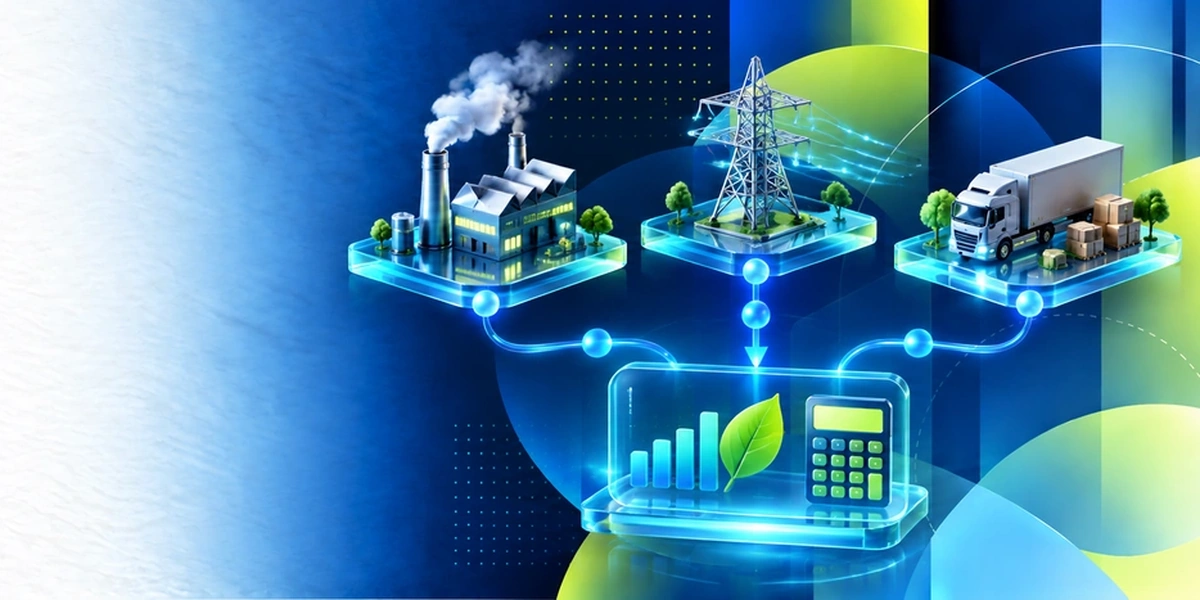
Transport decarbonisation builds on carbon accounting. Once your team can measure transport emissions, this stage covers cutting them through fleets, fuels and logistics choices. The path then widens to the supply chain and ends with a full net-zero roadmap.


Why Choose Edstellar as Your Green and Sustainable Transport Decarbonisation Corporate Training Provider
Edstellar delivers instructor-led corporate training built around your fleet reality: your vehicles, your routes, your reporting obligations.

EXPERT TRAINERS
YEARS DELIVERING
ORGANIZATIONS TRAINED
CERTIFIED
Tailored
Labs and examples are tuned to your fleet mix, routes, fuels, and reporting frameworks.
Proven Methodology
A repeatable baseline-to-roadmap method refined across enterprise transport programs.
Practice-Based Learning
Twelve guided labs build the models, disclosures, and strategies your teams keep.
Expert Trainers
Practitioners who have delivered fleet decarbonisation programs lead every session.
Global Scale
Cohorts run across regions and time zones with consistent labs and standards.
Measurable Outcomes
Capstone roadmaps and disclosure packs show exactly what each team can now deliver.
Connect Fleet Decarbonisation Choices With Cost, Carbon and Transition Evidence
Edstellar develops transport decarbonisation capability by connecting emissions boundaries with operational and financial choices. Participants compare vehicles and fuels, model route economics, and sequence depot transitions before preparing disclosure and funding cases. The final strategy is reviewed for transparent assumptions, workable phasing, and consistency between the emissions analysis and the proposed investments.
- Step 01
Consult
We explore fleet-emissions data gaps, uncertain technology comparisons, and transition constraints, establishing participants' logistics familiarity and the vehicles and routes they manage.
- Step 02
Plan
Emissions foundations lead into decarbonisation levers, vehicle and fuel comparisons, transition planning, reporting, and financing before the complete fleet strategy review.
- Step 03
Align
We align transport sustainability and fleet-economics expertise with operations and ESG responsibilities, clarifying reporting contexts and supporting teams new to emissions measurement.
- Step 04
Customize
Sample routes, mixed fleets, and depot constraints reflect relevant operating conditions, allowing TCO and transition comparisons without exposing confidential fleet contracts or commercial schedules.
- Step 05
Execute
Participants model vehicle alternatives, sequence conversions, and draft disclosure packs, receiving feedback on emissions boundaries, cost assumptions, operational continuity, and the use of incentives.
- Step 06
Evaluate
We assess the fleet strategy for a coherent baseline, justified cost and carbon comparisons, workable transition phases, and reporting and governance aligned with the proposed plan.
Also from Edstellar
Talent assessments
Psychometric, behavioral, leadership and 360-degree assessment.
→Training needs analysis
Needs analysis, gap identification, and a training roadmap.
→L&D consulting
Learning strategy, content, technology and ROI measurement.
→OD consulting
Org design, succession planning and cultural change.
→Managed training services
Training outsourcing, vendor management, logistics and administration.
→Coaching solutions
Executive and manager coaching that keeps skills in use.
Start an RFP shaped to your needs.
Answer three quick questions about team size, scope, and how often you need the program run, then send the request from the last step. Everything you choose travels with it, so you only fill this in once.
How many team members need training?
Green & Sustainable Transport Decarbonisation Training Training Packages & Pricing
Where L&D holds an annual budget, license packages price the whole year at once instead of raising a purchase order per workshop. Hours and licenses are pooled across teams, programs and locations, so unused capacity is not stranded in one department.
Starter
120
trainee licenses64 hours of group training
Tailored for SMBs
Growth
320
trainee licenses160 hours of group training
Ideal for growing SMBs
Enterprise
800
trainee licenses400 hours of group training
Designed for large corporations
Custom
Unlimited
trainee licensesDuration set by the rollout
Multi-region and multi-year
Training Packages & Pricing
Choose the training format that works for your team. Pricing is customized based on your requirements, cohort size, and delivery needs.
Request Green and Sustainable Transport Decarbonisation Training for Your Team
Share your team size, fleet profile, reporting goals, and timelines to receive a tailored training plan and quote. Book a discovery call to discuss your goals; we confirm availability and respond with a proposal.