

GraphQL Corporate Training
Learn to design GraphQL schemas, write precise queries, and tune API performance in live guided labs.
Edstellar, a corporate training company, delivers instructor-led GraphQL training that helps your team build secure, high-performing APIs through hands-on practice.
Instructor-led group trainingVirtual / on-site / off-site10 languagesDelivered inEnglish, Spanish, Mandarin, German, Arabic, Portuguese, Hindi, French, Japanese, Italian100+ countriesWe have delivered inUnited States, United Kingdom, India, Canada, Germany, France, Netherlands, UAE, Saudi Arabia, Singapore, Australia, Japan, Brazil, South Africa and 90+ more countries
How we build a GraphQL-ready team
The Edstellar GRAPHQL Capability Model
Diagnose GraphQL readiness
Skill checks map your team's API design fluency, schema habits, and performance tuning baseline.
Standardize schema conventions
Your team adopts shared SDL patterns, naming rules, and review checklists for consistent APIs.
Practice API labs
Guided labs build resolvers, mutations, and advanced patterns against realistic product scenarios.
Measure query performance
Assessments track gains in schema quality, resolver efficiency, and latency improvements.
Scale GraphQL adoption
Reusable labs and governance playbooks help adjacent teams adopt your GraphQL standards.





Need more than one program?Get a group quote
Trusted as a Leading Corporate Training Provider by
















Program Overview: What is GraphQL?
GraphQL is a hands-on program for developers who want to design APIs that give clients exactly the data they ask for. It covers GraphQL foundations and schema design, queries with arguments and fragments, mutations and resolvers, advanced schema patterns, and security, caching, and performance. Participants build working GraphQL APIs in labs throughout.
Training is code-first: participants design schemas, write queries and mutations, and wire resolvers to real data sources in every module. Instructors with production GraphQL experience review their schemas and coach them on the design decisions that keep APIs fast and maintainable. Security sessions cover the attacks that GraphQL endpoints invite. The program closes with a capstone production GraphQL API build.
REST endpoints multiply until every client need means another version, and over-fetching wastes bandwidth on every request. Teams that bolt GraphQL onto a bad data model get the worst of both worlds. This program teaches the schema thinking that makes GraphQL deliver on its promise.
The capstone is a production GraphQL API build: participants design the schema for a realistic domain, implement queries, mutations, and resolvers against live data, then harden the API with authentication, query cost limits, and caching. Instructors review the API the way a consuming team would, probing for N+1 traps and schema smells. Developers leave with an API they could deploy and the judgment to design the next one.
Your team practices on realistic product domains: sketching schemas, writing precise queries, wiring resolvers to data sources, and tuning performance. The capstone has each team ship, secure, and tune a complete GraphQL API with a working client integration, reviewed by the instructor.
What's Included in this Workshop for Your Enterprise Teams
- 1
Schema design
Model product domains in SDL with guided exercises.
- 2
Query mastery
Write precise queries with fragments and variables.
- 3
Resolver wiring
Connect mutations and resolvers to data sources.
- 4
Production hardening
Secure, cache, and tune APIs for real traffic.
- 5
Capstone build
Ship a complete API with instructor review.
- 24 hours of instructor-led training
- 6 modules with guided hands-on labs
- Capstone production API build
- Pre-program skill baseline check
- Session recordings and lab workbooks
- Tailored examples for your API stack
Build your team's skills. Anywhere in the world.
Real-world use cases
from day one
Instructor-led training
for your teams
Delivered globally
in 100+ countries


Enterprise Training Solutions Customized for Your Company
One partner for instructor-led corporate training, delivered the way your teams work.
Request a Training Quote- Customized Training Delivery
- Scale Your Training: Small to Large Teams
- In-person Onsite, Live Virtual or Hybrid Training Modes
- Plan from 2000+ Industry-ready Training Programs
- Hands-On Labs on Live Infrastructure, Led by Industry Experts
GraphQL Course Topics and Program Outline
A 24-hour hands-on program across 6 modules: schema design, queries, resolvers, advanced patterns, production hardening, and a capstone API build.
Built by Edstellar with API engineers
Built by engineers who design and operate GraphQL APIs in production, shaped around your stack and use cases.
Skill checks baseline your team's API fluency, schema design habits, and performance tuning awareness before training begins.
Instructor-led sessions build GraphQL fundamentals, schema design, and query shaping with live demos and guided walkthroughs.
Guided labs have your team wiring resolvers, mutations, and advanced schema patterns against realistic API scenarios.
A production-grade capstone has teams shipping, securing, and tuning a complete GraphQL API with instructor review.
From schema design to a production capstone, every technique is practiced in guided labs with instructor review.
Delivered as
Delivered as a hybrid program of live instruction and guided labs, scheduled around your team's calendar across 3 to 4 days or weekly sessions.

Sketch a schema for a sample product catalog in SDL, then explore it with introspection queries in a guided walkthrough.
learna)What GraphQL replaces in REST workflows
b)Schema Definition Language and core types
c)Object types, enums, and custom scalars
d)Schema-first design for product domains
e)Introspection and explorer tooling
Build a set of production-style queries with fragments and variables against a sample API, then refactor them for clarity.
learna)Fields, arguments, and variables
b)Aliases and reusable fragments
c)Directives for conditional fetching
d)Query shaping against a live API
e)Reading execution plans and responses
Implement mutations with resolvers wired to a sample data store, adding input validation and consistent error responses.
practicea)Input types and mutation design
b)Resolver functions and context
c)Connecting resolvers to data sources
d)Structured errors and validation
e)Idempotency and mutation safety
Add cursor pagination, a batching layer, and a realtime subscription to the practice API, then verify behavior end to end.
practicea)Interfaces, unions, and polymorphism
b)Cursor pagination for large lists
c)Batching and the N+1 problem
d)Subscriptions for realtime updates
e)Schema stitching and modularization
Harden the practice API with auth checks, query cost limits, and persisted queries, then measure latency before and after caching.
applya)Authentication and field-level authorization
b)Depth, cost, and rate limits
c)Persisted queries and allowlists
d)Caching strategies and cache keys
e)Monitoring, tracing, and alerting
Design and ship a complete GraphQL API with secured resolvers, tuned queries, and a working client integration for instructor review.
applya)Capstone brief and schema planning
b)Full resolver and mutation implementation
c)Security and performance hardening
d)Client integration and UI wiring
e)Build review and remediation plan
Customize this program tailored to your team?
Tell us your training needs: what your team already works with, the level they’re at, and the topics you want them to focus on. We’ll adjust the modules, duration and hands-on labs, and send you a customized outline for your group.
Key Skills and Outcomes Your Team Will Gain
By the end of this program, your team will design, build, and tune GraphQL APIs with confidence.
Design GraphQL schemas in SDL
Model product domains with object types, enums, and relationships using schema-first design practices.
Write efficient queries
Shape precise queries with arguments, variables, aliases, fragments, and directives for any client need.
Build mutations and resolvers
Implement input types, mutations, and resolver functions wired to data sources with structured errors.
Apply advanced schema patterns
Use interfaces, unions, pagination, batching, and subscriptions to handle complex API requirements.
Secure GraphQL APIs
Enforce authentication, field-level authorization, and query cost limits to protect production services.
Tune API performance
Fix N+1 problems, add caching layers, and use persisted queries to keep latency low under load.
Ship a production GraphQL API
Deliver a complete, secured, and tuned GraphQL API with a working client integration in the capstone.
Teams that Benefit from this GraphQL Group Training
This program serves front-end, mobile, backend, and platform engineers who design, build, or consume APIs. Content adapts to each cohort's roles and experience, so every team practices the GraphQL workflows it owns.
Ship data-driven UIs with precise GraphQL queries
Front-end teams learn to fetch exactly the data each view needs, cutting over-fetching and speeding up UI iteration cycles.
Workflow friction
- Over-fetching slows page loads
- Fragment sprawl across components
- Cache invalidation confusion
How the program helps
- Write precise queries with fragments
- Handle caching in client apps
- Debug API responses faster
Practice use cases
- Query shaping labs
- Fragment design
- Client caching
Build efficient mobile data layers on GraphQL
Mobile teams practice lean queries and offline-friendly patterns that respect battery, bandwidth, and device constraints.
Workflow friction
- Large payloads drain battery
- Spotty network interruptions
- Sync conflicts on devices
How the program helps
- Design lean mobile queries
- Apply offline-first patterns
- Reduce payload sizes
Practice use cases
- Mobile query labs
- Payload tuning
- Sync patterns
Design and operate secure GraphQL services
Backend teams build resolvers, secure schemas, and tune performance, turning GraphQL into a reliable production service.
Workflow friction
- Resolver N+1 slowdowns
- Expensive nested queries
- Auth gaps in schemas
How the program helps
- Author secure resolver logic
- Apply query cost controls
- Monitor API performance
Practice use cases
- Resolver labs
- Cost limit drills
- Hardening reviews
Standardize GraphQL across services and teams
Platform teams learn schema governance, federation-ready patterns, and shared tooling that keep GraphQL consistent at scale.
Workflow friction
- Schema drift across teams
- Inconsistent naming rules
- Breaking change risks
How the program helps
- Govern shared schema standards
- Plan modular schema growth
- Automate schema checks
Practice use cases
- Governance labs
- Schema reviews
- CI checks
Cohorts can mix roles or focus on one function; labs adapt to your team's APIs.
Prerequisites: This program benefits engineers with basic API or web development experience. Familiarity with REST concepts helps but is not required, and no prior GraphQL experience is needed. Labs adapt to each cohort's tools, languages, and context.
API consumer to GraphQL practitioner
Engineers enter at their current level and exit with production-ready GraphQL skills matched to their role.
One program that grows with API engineering careers, from schema basics to confident production practice.
Mixed cohort, or several teams at once?
We can tailor the training to different teams, roles, and experience levels within the same program.
Certificate of Training Completion.
On successful completion, employees receive an Edstellar course completion certificate, recognizing their commitment to ongoing learning and professional development. It validates the skills they have built and motivates them to keep growing and contribute to organizational success.
Earned, not attended. Awarded on completion of all hands-on labs and the capstone project.

Training Delivery Modes: Virtual, Onsite and Hybrid
Choose the delivery format that fits your team's schedule. Every mode includes the same guided labs and instructor coaching.
Hybrid Training
Instructor-led sessions mix onsite and virtual delivery with guided labs throughout. Teams build GraphQL schemas and resolvers while the instructor coaches and reviews work. Hybrid keeps scheduling flexible without losing live interaction.
- Live instruction across onsite and virtual sessions
- Guided labs with instructor coaching and reviews
- Real GraphQL workflows on your API scenarios
- Flexible scheduling without losing live interaction

Onsite Training
The instructor delivers the full program at your office with hands-on labs on your network. Teams collaborate in person on schema design and the capstone build, with direct coaching throughout each session.
- Instructor-led sessions at your office
- Hands-on labs on your systems and APIs
- In-person collaboration on the capstone
- Scheduling aligned to your working hours

Live Virtual Training
Live virtual sessions deliver the same curriculum through shared lab environments and screen-shared coaching. Your team joins from anywhere while the instructor reviews schemas, queries, and builds in real time.
- Live instructor-led online sessions
- Shared lab environments for every learner
- Real-time coaching and build reviews
- Recordings and materials for reference

Need a training format that works for your team?
Full days, half days across weeks, or split by module. Tell us the delivery window and we schedule the cohort around it.
Frequently Asked Questions
Share your team size, timelines, and delivery preference, and we will send a detailed per-group quote with batch options.
Yes. A short discovery call aligns the curriculum with your API stack, team roles, and timelines before we finalize the plan.
Yes. Live virtual sessions include the same guided labs and instructor coaching as onsite delivery, with shared workspaces.
Yes. Onsite delivery brings the instructor and lab environment to your office, scheduled around your team's working hours.
The program runs 24 hours across 6 modules, typically delivered over 3 to 4 days or spread across weeks for working teams.
Question not answered here?
Put it in the request. A training specialist answers it directly, within one business day.
Where this Training Fits in Your Team's learning path.
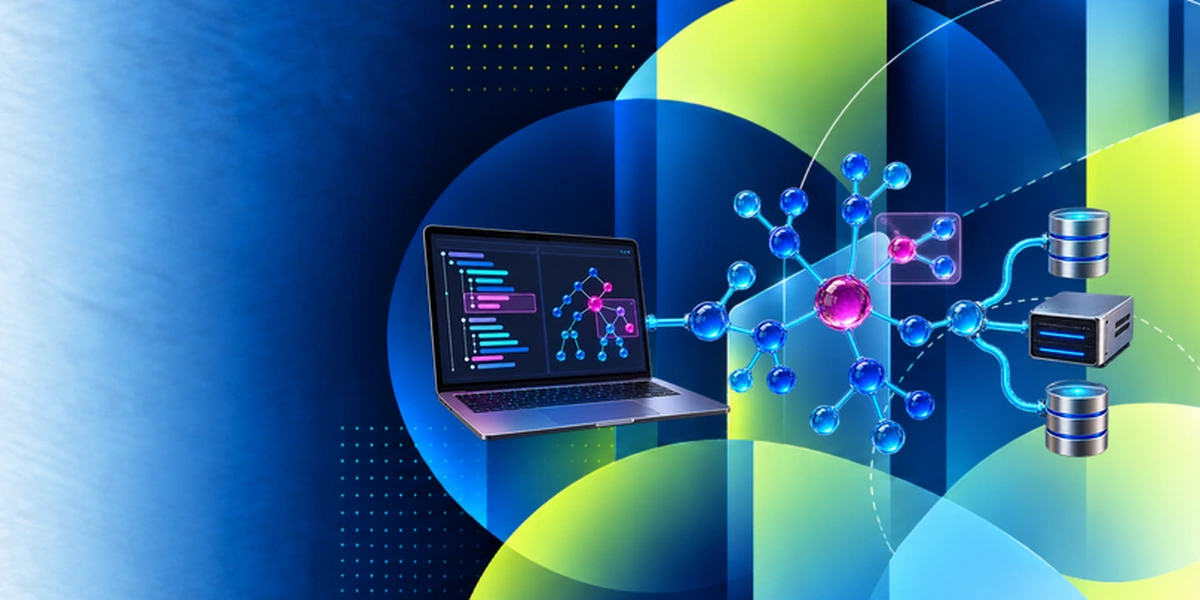
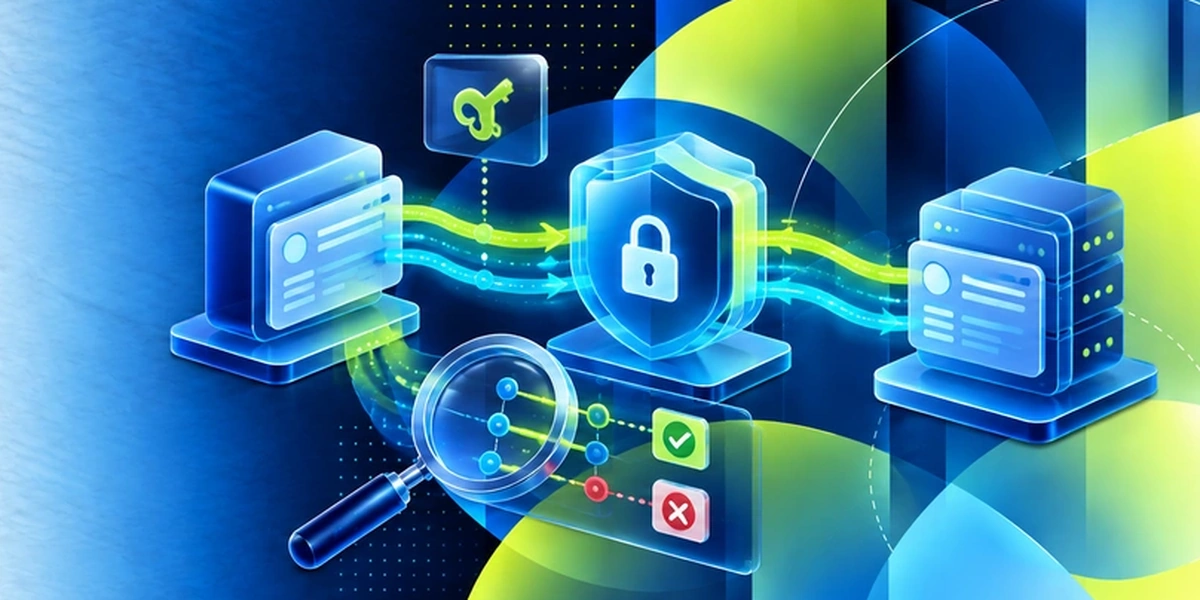
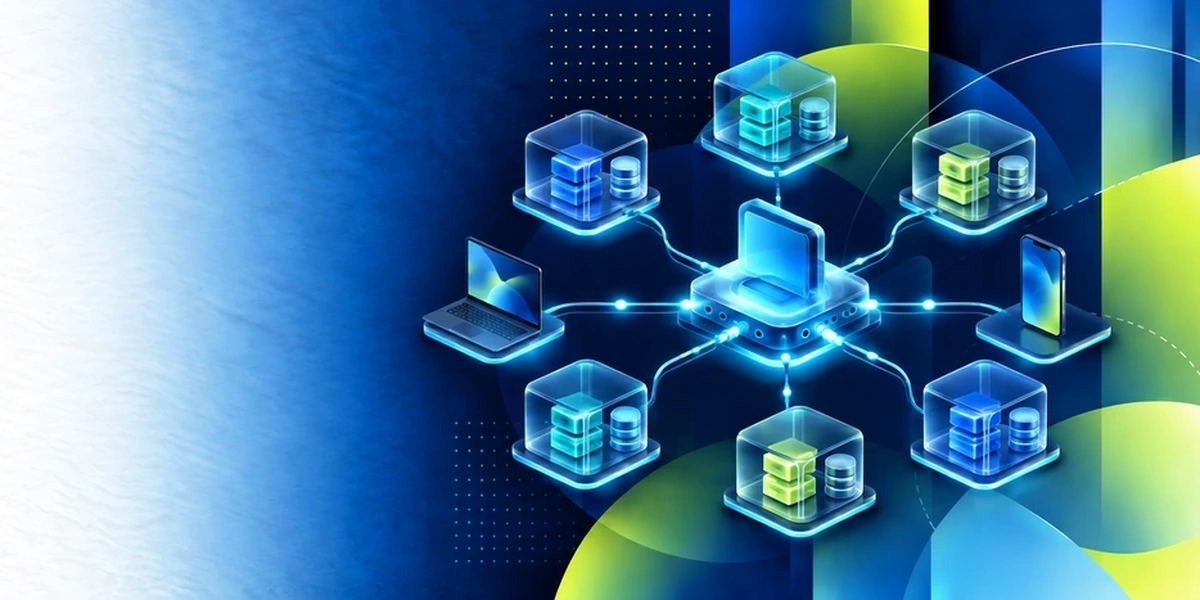
GraphQL fits once your team can build a Node.js back end and wants clients to request exactly the data they need. Developers learn schemas, resolvers and queries, then test and secure the GraphQL layer, and finally see how it fronts a set of microservices.

Why Choose Edstellar as Your GraphQL Training Provider
Edstellar delivers GraphQL training that fits your stack: tailored labs, practitioner instructors, and measurable skill gains across your engineering teams.

EXPERT TRAINERS
YEARS DELIVERING
ORGANIZATIONS TRAINED
CERTIFIED
Tailored
Every cohort's labs, schema examples, and capstone brief are tuned to your API stack, clients, and delivery standards.
Proven Methodology
A learn, practice, apply arc moves teams from schema basics to a reviewed production-grade API build in 24 hours.
Practice-Based Learning
Guided labs cover the majority of program time, so your team writes real resolvers and queries instead of watching slides.
Expert Trainers
Instructors are practitioners who design and operate GraphQL APIs in production, and they review every capstone build.
Global Scale
We deliver consistent GraphQL programs across regions and time zones, with labs adapted to each cohort's tooling.
Measurable Outcomes
Baseline and final assessments show concrete gains in schema design, resolver quality, and API performance tuning.
Build GraphQL APIs With Coherent Schemas and Tested Resolver Behavior
Edstellar develops GraphQL capability through an integrated API and client case. Engineers design schemas, implement queries and mutations, and connect resolvers before adding pagination, subscriptions, and security controls. The final API is reviewed for predictable behavior, maintainable structure, measured performance, and clear reasoning about authentication, query limits, and caching choices.
- Step 01
Consult
We assess API-development familiarity and identify gaps in schema design, resolver logic, or query performance, establishing the languages and tools participants use.
- Step 02
Plan
GraphQL foundations and SDL lead into queries, mutations and data wiring, advanced schema patterns, and security and performance work before the complete API build.
- Step 03
Align
We align GraphQL engineering expertise with web and API responsibilities, confirming suitable client and server tooling and support for participants new to schema-driven APIs.
- Step 04
Customize
Sample catalogs, mutations, and client flows reflect familiar application needs, preserving exercises in validation, pagination, subscriptions, and access checks without exposing production data.
- Step 05
Execute
Participants wire resolvers, implement batching, and measure caching behavior, receiving feedback on schema clarity, error responses, query cost, authentication, and client integration.
- Step 06
Evaluate
We assess the API for coherent schema and resolver behavior, functioning client flows, verified security checks, and performance conclusions supported by before-and-after measurements.
Also from Edstellar
Talent assessments
Psychometric, behavioral, leadership and 360-degree assessment.
→Training needs analysis
Needs analysis, gap identification, and a training roadmap.
→L&D consulting
Learning strategy, content, technology and ROI measurement.
→OD consulting
Org design, succession planning and cultural change.
→Managed training services
Training outsourcing, vendor management, logistics and administration.
→Coaching solutions
Executive and manager coaching that keeps skills in use.
Start an RFP shaped to your needs.
Answer three quick questions about team size, scope, and how often you need the program run, then send the request from the last step. Everything you choose travels with it, so you only fill this in once.
How many team members need training?
GraphQL Training Training Packages & Pricing
Where L&D holds an annual budget, license packages price the whole year at once instead of raising a purchase order per workshop. Hours and licenses are pooled across teams, programs and locations, so unused capacity is not stranded in one department.
Starter
120
trainee licenses64 hours of group training
Tailored for SMBs
Growth
320
trainee licenses160 hours of group training
Ideal for growing SMBs
Enterprise
800
trainee licenses400 hours of group training
Designed for large corporations
Custom
Unlimited
trainee licensesDuration set by the rollout
Multi-region and multi-year
Training Packages & Pricing
Choose the training format that works for your team. Pricing is customized based on your requirements, cohort size, and delivery needs.
Request GraphQL Training for Your Team
Share your team size, API stack, and timelines to receive a tailored training plan and quote. Book a discovery call to discuss your goals; we confirm availability and respond with a proposal.