

Apache Iceberg for Data Lakehouse Engineering Corporate Training
Instructor-led program for data, analytics, and platform teams building lakehouse pipelines.
Edstellar's instructor-led corporate training program helps your teams build, operate, and govern Apache Iceberg lakehouse pipelines, with guided hands-on labs on every core workflow from ingestion to optimization.
Instructor-led group trainingVirtual / on-site / off-site10 languagesDelivered inEnglish, Spanish, Mandarin, German, Arabic, Portuguese, Hindi, French, Japanese, Italian100+ countriesWe have delivered inUnited States, United Kingdom, India, Canada, Germany, France, Netherlands, UAE, Saudi Arabia, Singapore, Australia, Japan, Brazil, South Africa and 90+ more countries
How we build a confident Iceberg lakehouse team
The Edstellar DATA LAKEHOUSE ENGINEERING Capability Model
Diagnose
Assess your team's lakehouse maturity: current table formats, catalog tooling, and the data engineering workflows that need Iceberg discipline.
Standardize
Establish shared table definitions, partition conventions, and schema evolution rules so every Iceberg table in the estate behaves the same way.
Practice
Rehearse every core workflow in guided labs: table creation, ingestion, time travel, rollback, and compaction in realistic data scenarios.
Measure
Track table health signals your teams own: file counts, snapshot retention, query scan efficiency, and incremental consumer freshness.
Scale
Roll the operating model out across domains with maintenance routines, governance guardrails, and a lakehouse playbook the whole team follows.





Need more than one program?Get a group quote
Trusted as a Leading Corporate Training Provider by
















Program Overview: What is Apache Iceberg for Data Lakehouse Engineering?
Apache Iceberg for Data Lakehouse Engineering is a 24-hour program for data engineers and analytics teams moving to the lakehouse model. Participants work through six modules covering Iceberg architecture, table design, partition evolution, ingestion, time travel, and optimization and governance. Every module is taught against real lakehouse tooling, so concepts map directly to production workloads.
Training is hands-on from the first session: twelve guided labs have participants creating Iceberg tables, ingesting data, and running time-travel queries on live datasets. Instructors coach small cohorts through partition evolution, incremental reads, and compaction, with live feedback. Practice builds from single-table operations to multi-table pipelines, with troubleshooting clinics for common lakehouse failures. The program closes with a capstone in which each participant designs and builds a cloud lakehouse pipeline end to end.
Many teams store data in lakes they cannot query reliably or in warehouses whose costs balloon. Ad hoc partitioning rots, schema changes break downstream consumers, and recovery from bad writes is slow and manual. Engineers learn to apply Iceberg's hidden partitioning, snapshot isolation, and incremental reads so lakehouses stay fast, consistent, and governable.
Your engineers return having built a lakehouse that actually works, ingest, evolution, serving, hardening. The next ‘we should modernize our data platform’ conversation starts with experience, not slides.
Across six modules the program moves from lakehouse architecture and the Iceberg metadata model into applied workflows: table creation, batch and streaming ingestion, snapshot management, time travel, rollback, compaction, retention, and governance. Every module pairs concept delivery with instructor-guided labs so teams build real skills, not just awareness. The capstone asks teams to design, build, and present a full Iceberg lakehouse pipeline, including optimization and retention planning, so learning transfers directly to day-to-day work.
What's Included in this Workshop for Your Enterprise Teams
- 1
Guided hands-on labs
Every core Iceberg workflow practiced in a real lab environment.
- 2
Capstone build
Teams design and build a complete lakehouse pipeline end to end.
- 3
Skill assessment
Checkpoint exercises confirm each cohort can apply the workflows.
- 4
Takeaway playbook
Templates for table conventions, maintenance, and governance.
- Instructor-led sessions for your team or cohort
- Virtual, onsite, or hybrid delivery formats
- Scheduling built around your working hours
- Lab environment setup and access guidance
- Course workbook, lab handouts, and materials
- Post-training support for rollout questions
Build your team's skills. Anywhere in the world.
Real-world use cases
from day one
Instructor-led training
for your teams
Delivered globally
in 100+ countries


Enterprise Training Solutions Customized for Your Company
One partner for instructor-led corporate training, delivered the way your teams work.
Request a Training Quote- Customized Training Delivery
- Scale Your Training: Small to Large Teams
- In-person Onsite, Live Virtual or Hybrid Training Modes
- Plan from 2000+ Industry-ready Training Programs
- Hands-On Labs on Live Infrastructure, Led by Industry Experts
Apache Iceberg for Data Lakehouse Engineering Course Topics and Program Outline
A hands-on, instructor-led learning journey from Iceberg fundamentals to a production-grade data lakehouse, with guided labs in every module and a capstone build.
Built by Edstellar with data platform engineering expertise
Built by data platform engineers who run Iceberg lakehouses in production, shaped around your stack and use cases.
We map your team's lakehouse maturity, tooling, and data workflows so the program targets the gaps that matter most.
Instructors teach the Iceberg architecture, table format, and partitioning model through demos and guided discussion sessions.
Teams rehearse ingestion, time travel, rollback, and compaction in guided hands-on labs with instructor troubleshooting help.
Each team builds and presents a capstone lakehouse pipeline, then takes home a maintenance and governance playbook.
From first table to production-grade lakehouse in one guided program.
Delivered as
Sessions are instructor-led and paced for a working team, with lab time built into every module and the capstone scheduled across the final sessions.

Stand up a lab catalog and inspect Iceberg metadata files behind a sample table.
learna)Data lakehouse pattern: warehouse discipline on object storage
b)Iceberg metadata model: manifests, manifest lists, and snapshots
c)Catalog roles: REST, Hive, JDBC, and Nessie options
d)Engine and storage compatibility planning
Create versioned tables with evolving schemas and hidden partition transforms.
learna)Schema evolution rules and column operations
b)Hidden partitioning and transform functions
c)Sort order and file layout choices
d)Namespace and table lifecycle management
Build a repeatable ingestion workflow that writes batch and streaming data into Iceberg tables.
practicea)Creating Iceberg tables with Spark SQL
b)Batch ingestion: COPY and INSERT patterns
c)Streaming writes and micro-batch commits
d)Validating loaded data and metadata health
Recover from a bad write using rollback, then expose incremental change feeds to a consumer job.
practicea)Snapshot model and as-of queries
b)Rollback and cherry-pick operations
c)Incremental reads for downstream consumers
d)Audit-friendly data lineage habits
Tune a degraded table with compaction and cleanup, then define a maintenance schedule for it.
applya)Compaction: binpack and sort rewrite strategies
b)Orphan file cleanup and snapshot retention
c)Row-level deletes and merge-on-read patterns
d)Governance guardrails and table maintenance routines
Design, build, and present a complete Iceberg lakehouse pipeline with an optimization and retention plan.
applya)Lakehouse zone design: bronze, silver, and gold
b)End-to-end ingestion to production Iceberg tables
c)Incremental consumption for analytics and ML
d)Optimization, retention, and deployment hardening
Customize this program tailored to your team?
Tell us your training needs: what your team already works with, the level they’re at, and the topics you want them to focus on. We’ll adjust the modules, duration and hands-on labs, and send you a customized outline for your group.
Key Skills and Outcomes Your Team Will Gain
Your teams leave with practical, demonstrable skills they can apply to their lakehouse work immediately.
Iceberg table design
Design Iceberg tables with the right schema, partition transforms, and sort order for fast, stable queries.
Schema evolution in practice
Evolve production tables safely, adding and renaming columns without rewrites or downtime.
Batch and streaming ingestion
Load Iceberg tables from batch and streaming sources with reliable, repeatable ingestion workflows.
Snapshot and time travel workflows
Audit snapshots, run as-of queries, roll back bad writes, and expose incremental change feeds.
Table optimization
Apply compaction and layout strategies that keep file counts healthy and queries fast.
Retention and governance
Set snapshot retention, clean up orphan files, and enforce maintenance routines teams can trust.
Lakehouse pipeline design
Design and present an end-to-end lakehouse pipeline from ingestion zones to incremental consumers.
Teams that Benefit from this Apache Iceberg for Data Lakehouse Engineering Group Training
This program serves the data professionals who build and run analytics infrastructure. Content adapts to each cohort's role and experience level so every team practices the workflows it owns.
Build ingestion pipelines your team can trust
Data engineers own the write path into the lakehouse and the pipelines that keep tables fresh and reliable.
Workflow friction
- Fragile ingestion with no rollback safety
- Schema changes breaking downstream jobs
- Slow queries from poor table layout
How the program helps
- Create and evolve Iceberg tables with confidence
- Ingest batch and streaming data repeatably
- Validate data and metadata health after loads
Practice use cases
- Batch ingestion workflows
- Streaming write patterns
- Schema evolution drills
Query faster with tables designed for analytics
Analysts and BI developers benefit from well-partitioned tables, reliable history, and incremental data access.
Workflow friction
- Inconsistent data breaking reports
- No history when numbers change
- Slow dashboards from untuned tables
How the program helps
- Run time-travel queries for audit and debugging
- Consume incremental change feeds efficiently
- Design dashboards on stable, governed tables
Practice use cases
- As-of reporting queries
- Incremental extract patterns
- Dashboard source design
Operate the lakehouse like a product
Platform teams run catalogs, environments, and shared services the rest of the organization builds on.
Workflow friction
- Catalog sprawl and inconsistent setups
- No maintenance ownership for tables
- Ad-hoc tuning with no playbook
How the program helps
- Choose and run the right catalog option
- Plan storage, compute, and engine compatibility
- Standardize table conventions across domains
Practice use cases
- Catalog deployment planning
- Multi-team table standards
- Shared lab environments
Enforce governance without slowing delivery
Governance teams get auditable, time-travelled tables with retention policies they can verify.
Workflow friction
- No audit trail on data changes
- Retention policies living only on paper
- Compliance questions nobody can answer
How the program helps
- Audit table history with snapshot lineage
- Enforce retention and cleanup policies
- Document maintenance routines for compliance
Practice use cases
- Audit lineage reviews
- Retention policy design
- Governance guardrail checks
Each cohort's labs and capstone are tuned to the departments attending, using your tools, storage, and data scenarios.
Prerequisites: This program benefits data engineers, analytics engineers, BI developers, and platform team members who work with data pipelines or analytics tables. Familiarity with SQL and basic data formats helps but is not required, and no prior Iceberg experience is needed. Each cohort's labs adapt to the team's actual tools, storage, and use cases.
Data analyst to lakehouse engineer
Skills build from foundation table management through advanced production governance, mapped to the modules your teams complete.
A single program that grows with data careers, from lakehouse basics to confident production practice.
Mixed cohort, or several teams at once?
We can tailor the training to different teams, roles, and experience levels within the same program.
Certificate of Training Completion.
On successful completion, employees receive an Edstellar course completion certificate, recognizing their commitment to ongoing learning and professional development. It validates the skills they have built and motivates them to keep growing and contribute to organizational success.
Earned, not attended. Awarded on completion of all hands-on labs and the capstone project.

Training Delivery Modes: Virtual, Onsite and Hybrid
Choose the delivery format that fits your team's schedule and location. Every format includes the same instructor-led content and guided hands-on labs.
Hybrid Training
Combine in-person energy with remote flexibility: some team members join from the office while others attend live virtual sessions.
- Live instructor-led sessions across locations
- Same guided hands-on labs for everyone
- Flexible scheduling around your working hours
- Single cohort, one shared capstone build

Onsite Training
Bring the instructor to your office for focused, in-person sessions built around your team's data environment.
- Instructor delivers at your office location
- Labs tuned to your team's tools and data
- Team-wide whiteboard and design sessions
- Capstone built on your real scenarios

Live Virtual Training
Join live virtual sessions from anywhere with the same instructor guidance and hands-on lab access as onsite delivery.
- Live virtual instructor-led sessions
- Cloud lab environments provided
- Real-time troubleshooting with the trainer
- Digital workbook and lab handouts included

Need a training format that works for your team?
Full days, half days across weeks, or split by module. Tell us the delivery window and we schedule the cohort around it.
Frequently Asked Questions
Share your team size, preferred dates, and delivery format through the group quote form. A training advisor responds with a tailored proposal and availability.
Yes. A discovery call with a training advisor helps us understand your team's lakehouse goals and recommend the right program configuration.
Yes. Live virtual delivery includes the same instructor-led content, guided hands-on labs, and capstone as onsite or hybrid formats.
Yes. Onsite delivery brings the instructor to your location, with labs tuned to your team's tools, storage, and data scenarios.
The program runs 24 hours of instructor-led sessions, typically delivered across multiple days with guided hands-on labs in every module.
Question not answered here?
Put it in the request. A training specialist answers it directly, within one business day.
Where this Training Fits in Your Team's learning path.
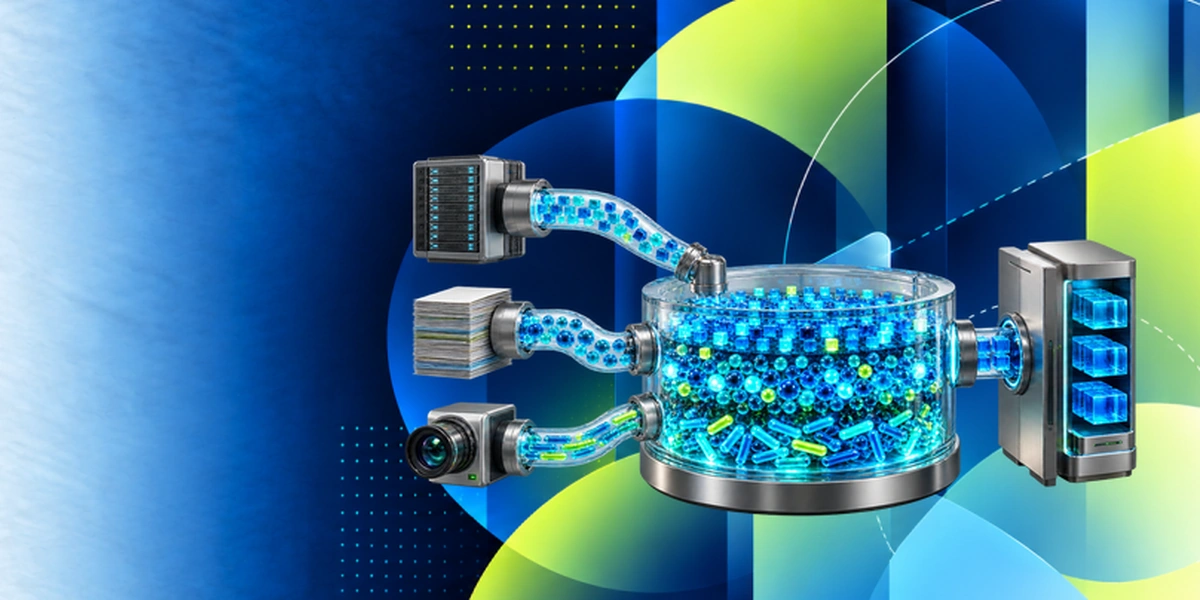
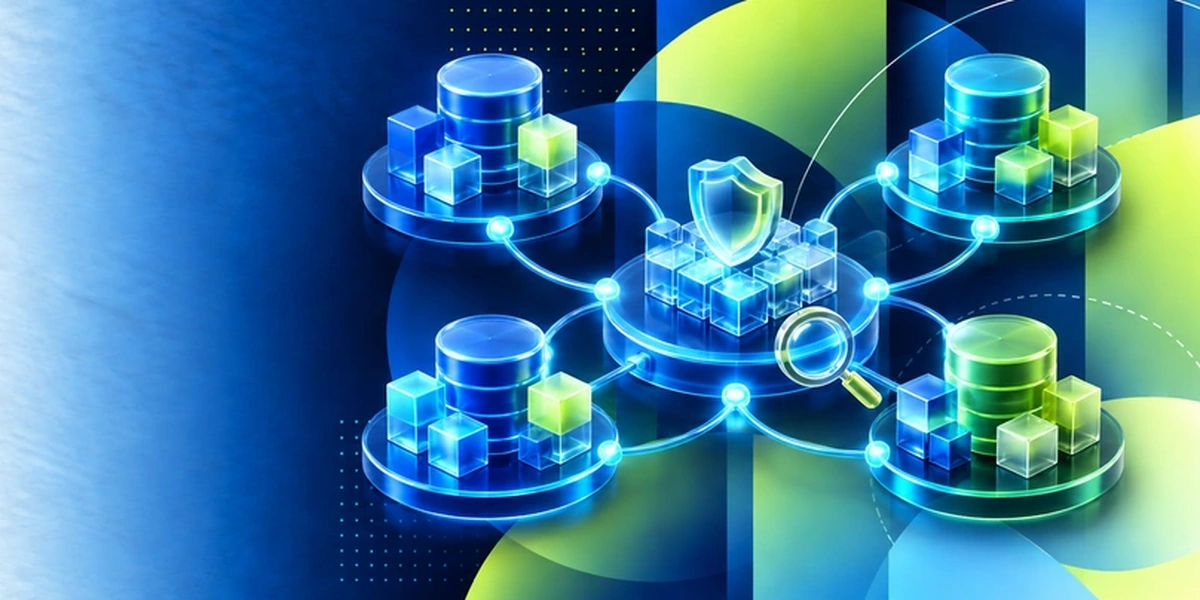
Iceberg tables sit on a data lake and are processed with engines like Spark, so those come first. Your team builds the lake, processes it with PySpark, engineers Iceberg tables, and then places the lakehouse within a modern data architecture.


Why Choose Edstellar as Your Apache Iceberg for Data Lakehouse Engineering Training Provider
Edstellar partners with enterprise data teams to build lasting lakehouse capability, combining expert instruction, hands-on practice, and measurable skill outcomes.

EXPERT TRAINERS
YEARS DELIVERING
ORGANIZATIONS TRAINED
CERTIFIED
Tailored
The program is customized to your stack, catalog choice, and data scenarios, so every lab mirrors your team's day-to-day work.
Proven Methodology
Our learn, practice, and apply structure moves teams from Iceberg concepts to production-ready skills with a repeatable methodology.
Practice-Based Learning
Guided hands-on labs in every module let teams rehearse ingestion, time travel, rollback, and optimization with real tools.
Expert Trainers
Sessions are led by data platform engineers who run Iceberg lakehouses in production and review your capstone with practical insight.
Global Scale
We deliver to distributed data teams worldwide, coordinating cohorts, lab environments, and schedules across regions and time zones.
Measurable Outcomes
Checkpoint exercises and a reviewed capstone build show exactly which lakehouse skills each team member can now apply.
Build Iceberg Lakehouse Pipelines With Evolution and Recovery Controls
Edstellar helps data teams connect Iceberg table design with the lifecycle of an analytical pipeline. Participants inspect metadata, evolve schemas and partitions, and practice ingestion, rollback, and incremental reads. A complete lakehouse build brings these capabilities together with an optimization and retention plan, supported by operational evidence.
- Step 01
Consult
We explore lakehouse and pipeline responsibilities to identify needs in Iceberg metadata, schema evolution, ingestion, snapshot recovery, incremental access, and table maintenance.
- Step 02
Plan
We connect lakehouse foundations with evolving tables and ingestion before practicing time travel, rollback, optimization, and governance in a complete pipeline.
- Step 03
Align
We align instruction with data engineers, analytics developers, and platform teams, introducing table-format concepts through a lab catalog and suitable sample data.
- Step 04
Customize
We tailor schema changes, bad-write incidents, and degraded-table scenarios to familiar analytics workflows while preserving explicit checks on snapshots, consumers, and retention choices.
- Step 05
Execute
Participants build ingestion, recover snapshots, and tune tables, receiving feedback on evolution behavior, incremental-read correctness, and the evidence behind compaction and maintenance decisions.
- Step 06
Evaluate
We assess the lakehouse pipeline for reliable ingestion, tested evolution and recovery, and an optimization and retention plan that accounts for downstream access needs.
Also from Edstellar
Talent assessments
Psychometric, behavioral, leadership and 360-degree assessment.
→Training needs analysis
Needs analysis, gap identification, and a training roadmap.
→L&D consulting
Learning strategy, content, technology and ROI measurement.
→OD consulting
Org design, succession planning and cultural change.
→Managed training services
Training outsourcing, vendor management, logistics and administration.
→Coaching solutions
Executive and manager coaching that keeps skills in use.
Start an RFP shaped to your needs.
Answer three quick questions about team size, scope, and how often you need the program run, then send the request from the last step. Everything you choose travels with it, so you only fill this in once.
How many team members need training?
Apache Iceberg for Data Lakehouse Engineering Training Packages & Pricing
Where L&D holds an annual budget, license packages price the whole year at once instead of raising a purchase order per workshop. Hours and licenses are pooled across teams, programs and locations, so unused capacity is not stranded in one department.
Starter
120
trainee licenses64 hours of group training
Tailored for SMBs
Growth
320
trainee licenses160 hours of group training
Ideal for growing SMBs
Enterprise
800
trainee licenses400 hours of group training
Designed for large corporations
Custom
Unlimited
trainee licensesDuration set by the rollout
Multi-region and multi-year
Training Packages & Pricing
Choose the training format that works for your team. Pricing is customized based on your requirements, cohort size, and delivery needs.
Request Apache Iceberg for Data Lakehouse Engineering Training for Your Team
Tell us about your team, preferred dates, and delivery format. A training advisor will schedule a discovery call and prepare a tailored training plan with availability and pricing.