
ANSYS Simulation (FEA and CFD) Corporate Training
Turn design decisions into evidence with ANSYS simulation your engineers trust.
Give your enterprise teams the simulation capability that cuts physical testing and design cycles. Edstellar's ANSYS Simulation (FEA & CFD) corporate training takes design and simulation engineers from ANSYS Workbench fundamentals to structural FEA and fluid CFD, practiced in guided hands-on labs. Your engineers mesh, solve, and validate real-world models with instructor feedback at every step.
Instructor-led group trainingVirtual / on-site / off-site10 languagesDelivered inEnglish, Spanish, Mandarin, German, Arabic, Portuguese, Hindi, French, Japanese, Italian100+ countriesWe have delivered inUnited States, United Kingdom, India, Canada, Germany, France, Netherlands, UAE, Saudi Arabia, Singapore, Australia, Japan, Brazil, South Africa and 90+ more countries
How we build a simulation-led design team
The Edstellar ANSYS SIMULATION Capability Model
Assess the gap
We map your team's simulation maturity: tools, meshing skill, and where physical testing slows design.
Set the modeling standard
Your teams adopt shared modeling practices for meshing, boundary conditions, and validation.
Practice in guided labs
Hands-on labs cover structural FEA and CFD workflows on realistic engineering models.
Measure the lift
Model accuracy, solve efficiency, and validation discipline show whether capability is rising.
Scale the practice
Simulation-led design spreads across teams and programs with one validated workflow.





Need more than one program?Get a group quote
Trusted as a Leading Corporate Training Provider by
















Program Overview: What is ANSYS Simulation (FEA and CFD)?
ANSYS Simulation (FEA & CFD) is a 28-hour instructor-led program for design and simulation engineers. It builds capability across structural finite element analysis and computational fluid dynamics: meshing, boundary conditions, solvers, and result validation. The program teaches simulation-led design that cuts physical testing and shortens development cycles.
Engineers learn by simulating. Each module pairs instructor-led concept sessions with guided hands-on labs in ANSYS Workbench: meshing real geometry, running static and thermal FEA, and modeling fluid flow with Fluent. Content adapts to your industry, products, and simulation tools, so every cohort practices on models like its own. Instructors review each lab and the capstone project, and engineers leave with workflows they can apply immediately.
The payoff is a team that designs with evidence instead of prototypes. Engineers return able to mesh complex geometry, choose the right solver, and validate results against real-world behavior. Faster, more confident design decisions mean fewer physical tests, shorter cycles, and products that perform as simulated.
By the final session, each cohort has delivered a coupled simulation project, reviewed by the instructor. That project, plus the lab workflows, gives every engineer a repeatable method for simulation-led design.
What's Included in this Workshop for Your Enterprise Teams
- 1
Workbench setup and workflow
Navigate ANSYS Workbench with confidence
- 2
Structural FEA labs
Mesh, solve, and validate structural models
- 3
Thermal and nonlinear FEA
Model heat, contact, and material behavior
- 4
CFD flow modeling
Set up and solve fluid simulations in Fluent
- 5
Capstone project
A coupled simulation reviewed by instructors
- Instructor-led (virtual/onsite/hybrid)
- Training delivered at any of your offices globally
- 10+ languages
- Schedule around your calendar
- Group size set along with you
- Run as one cohort or split into batches
- Trainer sourcing, matching and logistics
Build your team's skills. Anywhere in the world.
Real-world use cases
from day one
Instructor-led training
for your teams
Delivered globally
in 100+ countries


Enterprise Training Solutions Customized for Your Company
One partner for instructor-led corporate training, delivered the way your teams work.
Request a Training Quote- Customized Training Delivery
- Scale Your Training: Small to Large Teams
- In-person Onsite, Live Virtual or Hybrid Training Modes
- Plan from 2000+ Industry-ready Training Programs
- Hands-On Labs on Live Infrastructure, Led by Industry Experts
ANSYS Simulation (FEA and CFD) Course Topics and Program Outline
A 28-hour, six-module program that moves from Workbench foundations to a coupled capstone: structural FEA, thermal and nonlinear analysis, and CFD, all rehearsed in guided hands-on labs on realistic engineering models.
Built by Edstellar with simulation and ANSYS practitioner expertise
Built by simulation engineers who deliver FEA and CFD projects in production, shaped around your stack and use cases.
We map your team's simulation practice today: tools, meshing skill, and where physical testing slows design.
Three instructor-led hours cover the ANSYS environment, project setup, and geometry prep for analysis.
Guided hands-on labs build structural FEA and fluid CFD models on realistic engineering geometry with feedback.
The capstone has each cohort deliver and defend a coupled FEA-CFD project, reviewed with the instructor.
A 28-hour program with four guided labs and a coupled simulation capstone.
Delivered as
Delivered as a hybrid program of live instruction and guided labs, scheduled around your team's calendar in flexible batches.

Set up a Workbench project and prepare a CAD model for simulation.
learna)Workbench interface and project setup
b)Geometry import and preparation
c)Units, materials, and engineering data
d)Simulation workflow from CAD to results
e)Design process integration
Mesh a bracket model and run a linear static analysis.
practicea)Meshing strategies and sizing
b)Element types and selection
c)Boundary conditions and loads
d)Linear static analysis
e)Interpreting stress results
Run a thermal-structural analysis on an electronic housing.
practicea)Nonlinear material models
b)Contact and joint modeling
c)Steady-state thermal analysis
d)Modal and vibration analysis
e)Validating complex FEA models
Model internal flow through a valve and check convergence.
practicea)CFD workflow in Fluent
b)Turbulence modeling basics
c)Inlet, outlet, and wall conditions
d)Solver settings and convergence
e)Mesh quality for CFD
Simulate heat transfer in a liquid-cooled enclosure.
practicea)Multiphase flow modeling
b)Conjugate heat transfer
c)Transient CFD analysis
d)Model selection for real physics
e)Result validation techniques
Deliver a coupled simulation project and defend the results.
applya)Project scoping and model prep
b)Coupled FEA and CFD workflow
c)Validation against requirements
d)Result reporting and documentation
e)Capstone review and feedback
Customize this program tailored to your team?
Tell us your training needs: what your team already works with, the level they’re at, and the topics you want them to focus on. We’ll adjust the modules, duration and hands-on labs, and send you a customized outline for your group.
Key Skills and Outcomes Your Team Will Gain
By the end of the program, your engineers will simulate like practitioners: meshing real geometry, running FEA and CFD with the right models, and validating every result.
Set up ANSYS Workbench projects
Import CAD geometry, define materials, and configure projects so every analysis starts from a clean, repeatable setup.
Mesh for accurate results
Choose element types, sizing, and mesh controls that balance accuracy with solve time on real engineering geometry.
Run structural FEA with confidence
Model static, thermal, and nonlinear structural behavior, apply correct boundary conditions, and interpret stress results.
Model fluid flow in Fluent
Set up CFD domains, choose turbulence models, and drive solvers to convergence for internal and external flow problems.
Model multiphase heat transfer
Configure multiphase and conjugate heat transfer models that match the physics of your product's operating conditions.
Validate simulation results
Check mesh quality, verify convergence, and compare results against hand calculations and physical test data.
Deliver coupled projects
Combine FEA and CFD into validated simulation projects, and document results engineers can defend.
Teams that Benefit from this ANSYS Simulation (FEA and CFD) Group Training
This program is built for the people who own product simulation: design engineers and simulation engineers. Content adapts to role and experience so each cohort practices on the models it actually owns.
Design with simulation evidence
Design engineers learn to validate concepts with FEA and CFD before committing to physical prototypes.
Workflow friction
- Late failures found in testing
- Slow design cycles from rework
- Decisions made without data
How the program helps
- Fewer physical prototypes per design
- Faster design iteration cycles
- Confidence in design decisions
Practice use cases
- Structural validation
- Design iteration
- Failure prediction
Master FEA and CFD workflows
Simulation engineers deepen their ANSYS practice, from meshing strategy to coupled multiphysics projects.
Workflow friction
- Models that fail to converge
- Mesh quality issues
- Results nobody trusts
How the program helps
- Reliable models that converge
- Faster solve times
- Validated results stakeholders trust
Practice use cases
- FEA modeling
- CFD analysis
- Coupled simulation
Shorten development cycles
R&D teams use simulation to explore design space early, cutting the cost of late-stage changes.
Workflow friction
- Expensive late-stage redesigns
- Limited testing budgets
- Slow concept validation
How the program helps
- Early design space exploration
- Lower prototype costs
- Faster time to validated design
Practice use cases
- Concept screening
- Design optimization
- Test planning
Ship products that perform
Product engineers connect simulation to product requirements, so analysis answers the questions that matter.
Workflow friction
- Analysis disconnected from requirements
- Weak validation documentation
- Performance surprises in the field
How the program helps
- Analysis tied to requirements
- Defensible validation reports
- Better product performance
Practice use cases
- Requirements validation
- Performance analysis
- Design sign-off
Each cohort works through models from its own industry, then leaves with reusable simulation workflows for day-to-day work.
Prerequisites: This program suits design and simulation engineers who work with mechanical or fluid systems. Basic engineering mechanics helps but is not required; foundations are built from module one. Labs adapt to each cohort's products and ANSYS toolset, so engineers practice on models they recognize.
Design Engineer to Simulation Practitioner
The progression moves from Workbench foundations through FEA meshing and advanced analysis to CFD modeling and a coupled capstone project.
One program that grows with engineering careers, from simulation basics to confident FEA and CFD practice.
Mixed cohort, or several teams at once?
We can tailor the training to different teams, roles, and experience levels within the same program.
Certificate of Training Completion.
On successful completion, employees receive an Edstellar course completion certificate, recognizing their commitment to ongoing learning and professional development. It validates the skills they have built and motivates them to keep growing and contribute to organizational success.
Earned, not attended. Awarded on completion of all hands-on labs and the capstone project.

Training Delivery Modes: Virtual, Onsite and Hybrid
The program runs in three delivery modes. Every mode is instructor-led and includes the same guided hands-on labs.
Hybrid Training
The default format: instructor-led sessions combine live online teaching with onsite lab coaching at your facility.
- Same instructor across both groups
- Labs on your engineering models
- Flexible mix per team schedule
- One cohort, one standard

Onsite Training
The instructor delivers the full program at your site, with engineers practicing on their own CAD models and simulation setup.
- Instructor at your facility
- Practice on your own models
- Direct coaching in every lab
- Works with your ANSYS setup

Live Virtual Training
Live instructor-led sessions delivered online with dedicated simulation lab access and real-time instructor support.
- Live sessions, real-time interaction
- Lab access for every engineer
- Instructor support during solves
- Recordings and guides after sessions

Need a training format that works for your team?
Full days, half days across weeks, or split by module. Tell us the delivery window and we schedule the cohort around it.
Frequently Asked Questions
Share team size, preferred dates, and delivery mode in the lead form. We reply with a tailored proposal covering scope, schedule, and pricing.
Yes. Book a short discovery call and we will map your training needs, audience, and timelines before sharing a plan.
Yes. Live virtual sessions include dedicated simulation lab access with instructor support during every lab.
Yes. Onsite delivery lets engineers practice on their own CAD models with the instructor coaching every lab.
The standard program runs 28 hours, typically over four days. Duration can flex to your schedule and team availability.
Question not answered here?
Put it in the request. A training specialist answers it directly, within one business day.
Where this Training Fits in Your Team's learning path.
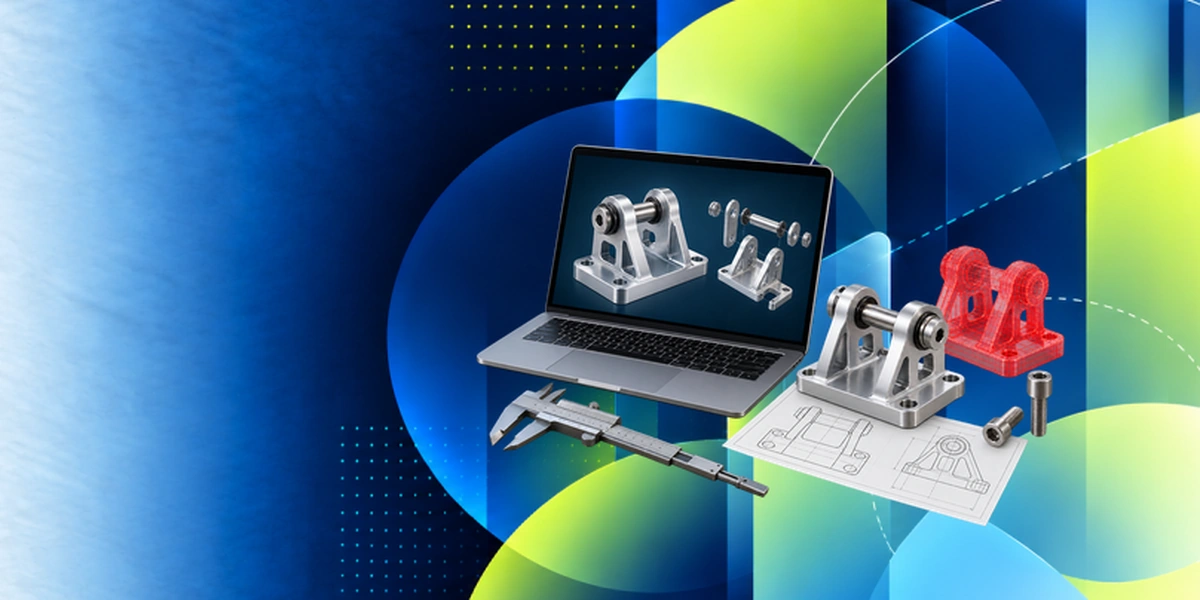
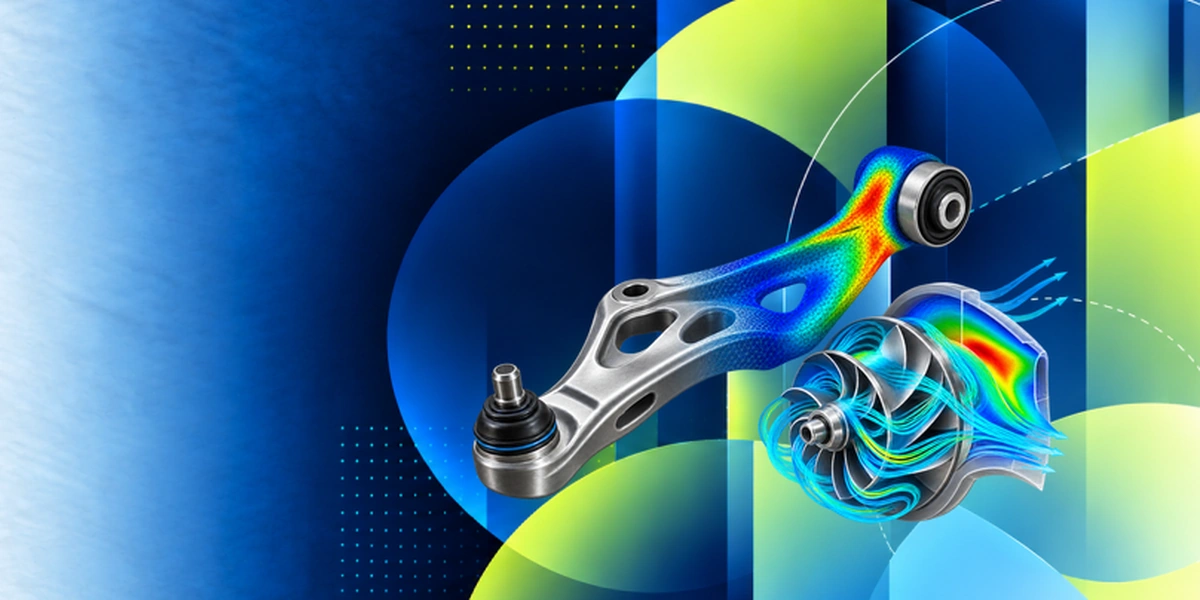
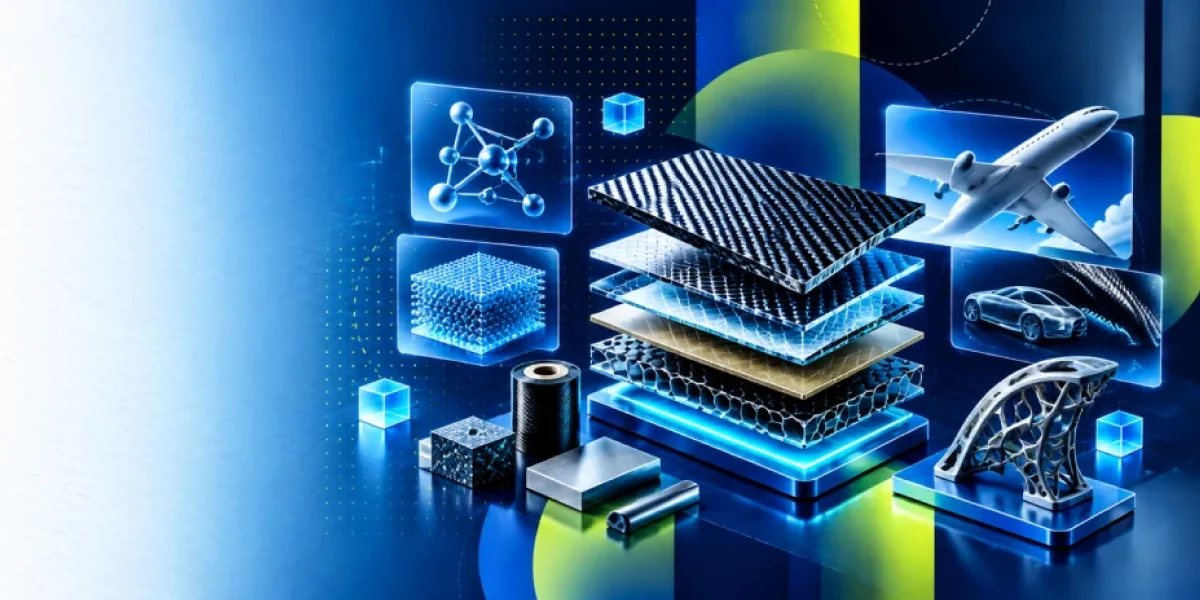
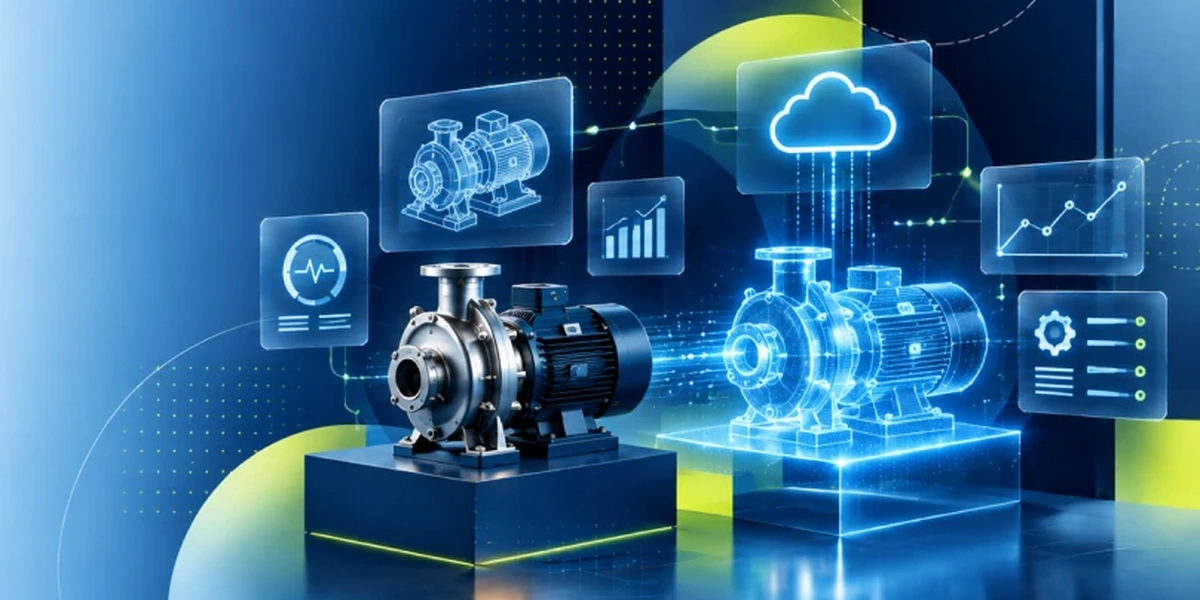
ANSYS simulation follows CAD modelling: your team models in SolidWorks, then simulates structural and flow behaviour in this course. The path then moves to advanced materials and composites, which simulation helps evaluate, and ends with digital twins that use simulation models.
Why Choose Edstellar as Your ANSYS Simulation (FEA and CFD) Training Provider
Edstellar is the corporate training partner engineering teams choose for ANSYS capability: instructor-led, lab-driven, and measured on simulation quality. With 5+ years of delivery experience, we match every cohort with practitioners who run FEA and CFD projects in production.

EXPERT TRAINERS
YEARS DELIVERING
ORGANIZATIONS TRAINED
CERTIFIED
Tailored
Labs and models adapt to your products and ANSYS toolset, so every exercise mirrors your engineers' real work.
Proven Methodology
A diagnose-to-scale path moves teams from ad-hoc analysis to consistent, validated simulation practice.
Practice-Based Learning
Six modules of guided labs and a capstone project keep your engineers simulating, not just watching.
Expert Trainers
Sessions are led by simulation practitioners who deliver FEA and CFD projects in production environments.
Global Scale
One consistent program delivered across your engineering sites worldwide, in 10+ languages.
Measurable Outcomes
Model accuracy, solve efficiency, and validation discipline show whether simulation capability is rising.
Connect ANSYS Simulation Choices With Meshes, Physics, and Validation
Edstellar helps engineers connect simulation setup with the evidence needed to interpret results. Participants prepare CAD, mesh structural models, examine thermal coupling, and simulate fluid and heat-transfer behavior. A coupled project brings these methods together, with review of physical assumptions, convergence, and the reasoning behind the conclusions presented.
- Step 01
Consult
We explore design and simulation responsibilities to identify needs in geometry preparation, meshing, structural analysis, flow modeling, coupled physics, and result validation.
- Step 02
Plan
We connect Workbench foundations with linear and advanced FEA, then develop Fluent and heat-transfer practice before completing a coupled simulation project.
- Step 03
Align
We align instruction with mechanical and fluid-system engineering contexts, adjusting foundational support while keeping physical assumptions and numerical checks explicit.
- Step 04
Customize
We tailor bracket, housing, valve, and cooling scenarios to familiar engineering problems while retaining suitable boundary-condition discussions and opportunities to inspect convergence.
- Step 05
Execute
Participants mesh models, run structural and fluid analyses, and compare thermal results, receiving feedback on setup choices, numerical behavior, and unsupported interpretations.
- Step 06
Evaluate
We assess the coupled project for coherent physics and mesh choices, documented convergence and validation, and conclusions that acknowledge the assumptions and limits of the simulation.
Also from Edstellar
Talent assessments
Psychometric, behavioral, leadership and 360-degree assessment.
→Training needs analysis
Needs analysis, gap identification, and a training roadmap.
→L&D consulting
Learning strategy, content, technology and ROI measurement.
→OD consulting
Org design, succession planning and cultural change.
→Managed training services
Training outsourcing, vendor management, logistics and administration.
→Coaching solutions
Executive and manager coaching that keeps skills in use.
Start an RFP shaped to your needs.
Answer three quick questions about team size, scope, and how often you need the program run, then send the request from the last step. Everything you choose travels with it, so you only fill this in once.
How many team members need training?
ANSYS Simulation (FEA & CFD) Training Training Packages & Pricing
Where L&D holds an annual budget, license packages price the whole year at once instead of raising a purchase order per workshop. Hours and licenses are pooled across teams, programs and locations, so unused capacity is not stranded in one department.
Starter
120
trainee licenses64 hours of group training
Tailored for SMBs
Growth
320
trainee licenses160 hours of group training
Ideal for growing SMBs
Enterprise
800
trainee licenses400 hours of group training
Designed for large corporations
Custom
Unlimited
trainee licensesDuration set by the rollout
Multi-region and multi-year
Training Packages & Pricing
Choose the training format that works for your team. Pricing is customized based on your requirements, cohort size, and delivery needs.
Request ANSYS Simulation (FEA and CFD) Training for Your Team
Tell us about your teams, your simulation goals, and your ANSYS toolset. We will design an ANSYS Simulation plan that fits your schedule and your models.