

Clutter Phenomenology Modeling and Simulation Corporate Training
Instructor-led clutter modeling training with hands-on labs for your sensor teams.
Model radar clutter with rigor. This 24-hour corporate training program covers clutter phenomenology, statistical models, simulation design, and validation through guided labs on realistic scenarios, ending with a complete simulation study capstone.
Instructor-led group trainingVirtual / on-site / off-site10 languagesDelivered inEnglish, Spanish, Mandarin, German, Arabic, Portuguese, Hindi, French, Japanese, Italian100+ countriesWe have delivered inUnited States, United Kingdom, India, Canada, Germany, France, Netherlands, UAE, Saudi Arabia, Singapore, Australia, Japan, Brazil, South Africa and 90+ more countries
How we build a modeling-ready team
THE EDSTELLAR CLUTTER MODELING CAPABILITY MODEL
Diagnose
We assess your modeling maturity, tool landscape, and team skills to set a clear baseline.
Standardize
Your team learns consistent modeling and validation standards for every study.
Practice
Guided labs on clutter models and simulations with realistic scenarios.
Measure
We review lab metrics on model fit, simulation accuracy, and documentation quality.
Scale
Graduates apply the same playbooks across programs, sensors, and teams.





Need more than one program?Get a group quote
Trusted as a Leading Corporate Training Provider by
















Program Overview: What is Clutter Phenomenology Modeling and Simulation?
Clutter Phenomenology Modeling and Simulation Corporate Training builds your team's ability to model radar clutter and simulate its effects on sensor performance. Participants learn clutter phenomenology, statistical models, simulation design, and validation through instructor-led sessions and hands-on labs.
The program starts with clutter phenomenology and radar signal basics, then moves into guided labs on building statistical clutter models and running simulations. Your team practices terrain modeling, sea and ground clutter characterization, and performance analysis in lab environments using realistic scenarios. Every module connects to sensor engineering tasks so your team leaves able to model clutter effects with confidence.
Engineers gain working skills in clutter statistics, simulation workflows, and model validation. The training covers measurement data, parameter estimation, and reporting so teams can keep models credible and results defensible.
A capstone lab has each team design and run a complete clutter simulation study for a realistic scenario, then present the findings for instructor review.
What's Included in this Workshop for Your Enterprise Teams
- 1
Customized curriculum
Modeling topics matched to your sensors
- 2
Hands-on modeling labs
Guided labs on clutter and simulation
- 3
Expert radar trainers
Instructors with sensor program experience
- 4
Flexible scheduling
Weekday, weekend, or split cohorts
- 5
Post-training support
Doubt-clearing sessions after delivery
- Instructor-led delivery
- Hybrid, onsite, or virtual cohorts
- Modeling lab environments
- Course workbook and lab guides
- Certificate of completion
- Post-training doubt-clearing
Build your team's skills. Anywhere in the world.
Real-world use cases
from day one
Instructor-led training
for your teams
Delivered globally
in 100+ countries


Enterprise Training Solutions Customized for Your Company
One partner for instructor-led corporate training, delivered the way your teams work.
Request a Training Quote- Customized Training Delivery
- Scale Your Training: Small to Large Teams
- In-person Onsite, Live Virtual or Hybrid Training Modes
- Plan from 2000+ Industry-ready Training Programs
- Hands-On Labs on Live Infrastructure, Led by Industry Experts
Clutter Phenomenology Modeling and Simulation Course Topics and Program Outline
This program covers clutter phenomenology, radar signals, statistical modeling, simulation, and validation, with guided labs in every module.
Built by Edstellar with radar systems expertise
Built by practitioners who model radar clutter for sensor programs, shaped around your stack and use cases.
We review your sensor programs, modeling maturity, and team skills to set clear, measurable goals for the program.
Instructor-led sessions cover phenomenology, radar signals, and statistics with live demos.
Your team builds clutter models and runs simulations in hands-on labs with instructor coaching.
Teams design and run a complete simulation study, then present findings for instructor review.
Every module pairs live instruction with hands-on modeling labs, so skills are proven in practice, not just in theory.
Delivered as
Delivered in hybrid, onsite, or live virtual modes over 3 to 4 days, with lab environments included and scheduling tailored to your teams.

Explore clutter datasets and characterize returns in the lab.
learna)Ground and sea clutter
b)Scattering mechanisms
c)Frequency effects
d)Polarization basics
Trace clutter through a processing chain in the lab.
learna)Waveforms and PRF
b)Matched filtering
c)Doppler processing
d)CFAR concepts
Fit distributions to clutter data in the lab.
practicea)Clutter distributions
b)Parameter estimation
c)Spatial correlation
d)Model selection
Build a terrain clutter scenario in the lab.
practicea)Scenario design
b)Terrain modeling
c)Sea state models
d)Simulation workflows
Validate a model against data in the lab.
practice_hfa)Validation methods
b)Goodness of fit
c)Sensitivity analysis
d)Reporting results
Deliver a documented simulation study ready for program review.
applya)Study design
b)Full simulation build
c)Analysis and validation
d)Findings presentation
Customize this program tailored to your team?
Tell us your training needs: what your team already works with, the level they’re at, and the topics you want them to focus on. We’ll adjust the modules, duration and hands-on labs, and send you a customized outline for your group.
Key Skills and Outcomes Your Team Will Gain
Your team will model clutter and run simulations with confidence, moving from ad hoc analysis to rigorous, defensible studies.
Grasp clutter basics
Understand sources and scattering behind radar clutter.
Trace signal paths
See how clutter enters radar processing chains.
Model statistically
Fit distributions and estimate parameters properly.
Design simulations
Build realistic clutter scenarios for system studies.
Validate models
Check models against data with rigorous methods.
Analyze results
Extract defensible findings from simulation runs.
Report findings
Present studies that programs can act on.
Teams that Benefit from this Clutter Phenomenology Modeling and Simulation Group Training
Radar engineers, signal processing teams, and modeling specialists who work with sensor performance will get the most from this program. Content adapts to each cohort's domain and experience, so every team practices the modeling workflows it owns.
Model clutter with rigor
Give radar teams credible clutter models for performance prediction.
Workflow friction
- Clutter models built ad hoc
- Parameters chosen by guesswork
- Results hard to reproduce
How the program helps
- Use validated statistics
- Estimate parameters properly
- Document model choices
Practice use cases
- Statistical labs
- Parameter drills
- Model docs
Simulate with confidence
Build simulation studies that stakeholders trust for decisions.
Workflow friction
- Simulations lack realism
- Scenarios poorly defined
- Validation skipped under pressure
How the program helps
- Design realistic scenarios
- Build repeatable workflows
- Validate against data
Practice use cases
- Scenario labs
- Workflow design
- Validation drills
Prove sensor performance
Support test teams with analysis grounded in solid clutter models.
Workflow friction
- Sensor tests surprise teams
- Performance claims unproven
- Analysis takes too long
How the program helps
- Predict detection ranges
- Analyze test results
- Report findings clearly
Practice use cases
- Analysis labs
- Test support
- Reporting
Cohorts are grouped by role and experience so labs match the modeling work your teams do every day.
Prerequisites: Radar engineers and signal processing teams benefit most. Familiarity with basic radar concepts and statistics helps, but is not required; no prior clutter modeling experience is needed. The program adapts to each cohort's sensors and tools.
Engineer to modeling specialist
Six skill rows trace the journey from clutter basics to study leadership, each mapped to the modules where it is taught and practiced.
One program that grows modeling careers, from first statistics to confident simulation studies.
Mixed cohort, or several teams at once?
We can tailor the training to different teams, roles, and experience levels within the same program.
Certificate of Training Completion.
On successful completion, employees receive an Edstellar course completion certificate, recognizing their commitment to ongoing learning and professional development. It validates the skills they have built and motivates them to keep growing and contribute to organizational success.
Earned, not attended. Awarded on completion of all hands-on labs and the capstone project.

Training Delivery Modes: Virtual, Onsite and Hybrid
Every mode is instructor-led and tailored to your team's real work before delivery. The curriculum, labs, and capstone stay the same across modes.
Hybrid Training
Instructor-led sessions combine live teaching with supervised hands-on modeling labs. Your team learns in one cohort, joining from the office or remotely.
- Live instruction with supervised modeling labs
- Join from the office or remotely in one cohort
- Same curriculum, labs, and capstone in every mode
- Scheduling built around your team's calendar

Onsite Training
We deliver at your office with labs tailored to your sensor context. Onsite cohorts suit engineering teams modeling together.
- Delivered at your office on your schedule
- Labs tailored to your sensor programs
- Ideal for engineering teams modeling together
- Direct access to instructors all day

Live Virtual Training
Join live instructor-led sessions over Zoom or Teams with cloud-based lab environments. Breakout rooms, screen sharing, and chat keep virtual cohorts fully engaged.
- Live sessions over Zoom or Teams
- Cloud-based modeling lab environments
- Breakout rooms and screen sharing for labs
- Chat and Q&A keep everyone engaged

Need a training format that works for your team?
Full days, half days across weeks, or split by module. Tell us the delivery window and we schedule the cohort around it.
Frequently Asked Questions
Share your team size and preferred dates through the lead form. We respond within one business day with pricing, trainer profile, and availability.
Yes. A short discovery call helps us understand your sensor programs, modeling goals, and timelines before we finalize the plan.
Yes. Live virtual cohorts run on Zoom or Teams with cloud-based modeling labs, breakout rooms, and full instructor interaction.
Yes. Onsite delivery works well for engineering teams; labs can be tailored to your sensor context.
The program runs 24 hours across 6 modules, typically delivered over 3 to 4 days. Schedules can be split into shorter sessions.
Question not answered here?
Put it in the request. A training specialist answers it directly, within one business day.
Where this Training Fits in Your Team's learning path.
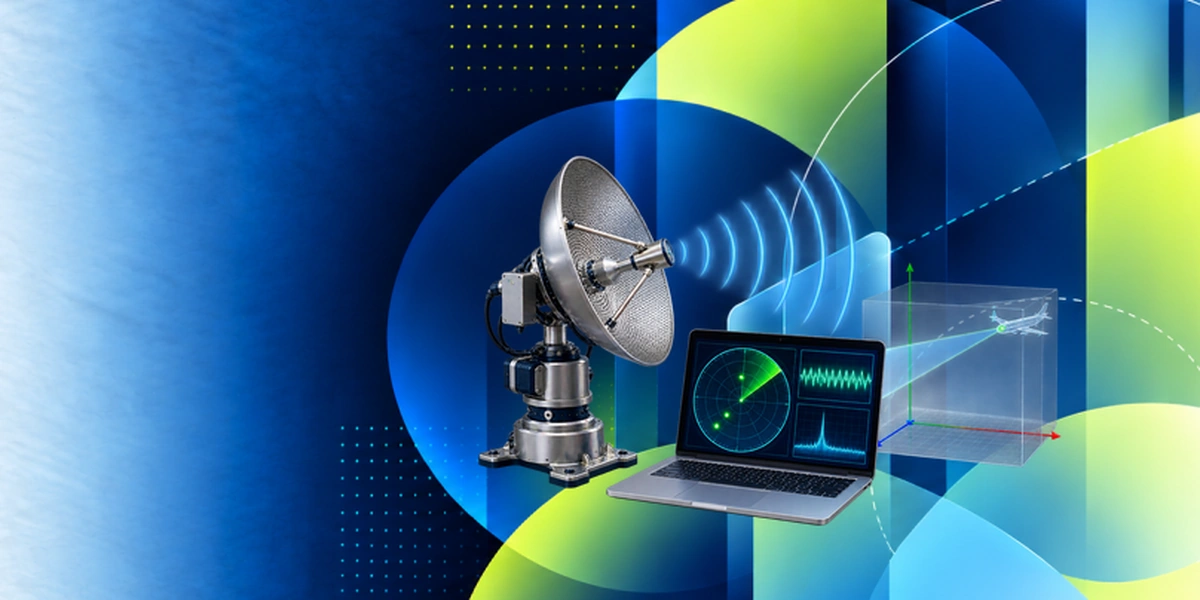
Clutter modelling is a specialist step that needs radar and RF engineering basics first. Your team learns radar principles, engineers RF systems, then models clutter in this course, and finally simulates complete radar systems where clutter models feed into wider performance studies.


Why Choose Edstellar as Your Clutter Phenomenology Modeling and Simulation Training Provider
Edstellar is a corporate training company that helps sensor teams master clutter modeling. With 5,000+ certified trainers and 2,000+ courses, we deliver tailored, hands-on programs that move skills from the classroom to the program.

EXPERT TRAINERS
YEARS DELIVERING
ORGANIZATIONS TRAINED
CERTIFIED
Tailored
We tailor every module and lab to your sensor types and scenarios, so your team practices real modeling work.
Proven Methodology
Our assess, learn, practice, apply flow moves teams from clutter theory to a validated simulation in one structured program.
Practice-Based Learning
Guided labs in every module put hands on real modeling tools, building the skills behind credible simulation studies.
Expert Trainers
Instructors who model radar clutter for sensor programs lead each session, bringing field-tested answers to your toughest questions.
Global Scale
We deliver consistent modeling training across regions and time zones, with cohorts scheduled around your teams.
Measurable Outcomes
Lab checkpoints and a capstone review show exactly how far each engineer has come, giving L&D clear evidence of skill gain.
Develop Radar Clutter Models Through Measured Assumptions and Simulation Validation
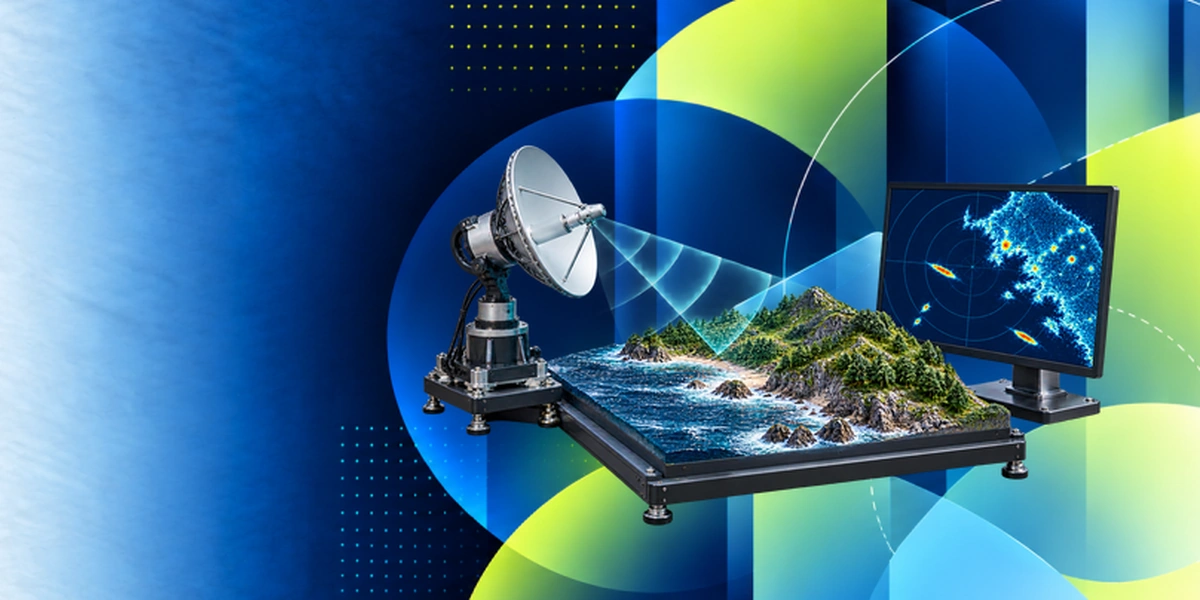
Edstellar connects clutter phenomenology with radar processing, statistical modeling, and terrain simulation. Participants characterize sample returns and fit candidate distributions before testing a model against data. The final simulation study emphasizes documented assumptions, validation evidence, and a clear explanation of where the model represents observed behavior and where limitations remain.
- Step 01
Consult
We review radar and statistics familiarity to identify gaps in clutter characterization, processing-chain interpretation, distribution fitting, and validation of simulation assumptions.
- Step 02
Plan
We establish clutter phenomena and radar signals before statistical models, terrain simulation, and validation, then consolidate the documented simulation study.
- Step 03
Align
We align radar modeling instruction with engineering and signal-processing roles, adapting sensor examples and analytical support to the cohort's tools and experience.
- Step 04
Customize
We tailor sample return datasets and terrain scenarios to relevant sensor contexts while keeping measurement conditions, modeling assumptions, and validation limits explicit.
- Step 05
Execute
Participants characterize returns, fit distributions, and build terrain simulations, receiving feedback on parameter choices, processing effects, and comparisons with observed data.
- Step 06
Evaluate
We assess the simulation study for transparent assumptions, appropriate model fit, reproducible validation evidence, and a balanced account of limitations and findings.
Also from Edstellar
Talent assessments
Psychometric, behavioral, leadership and 360-degree assessment.
→Training needs analysis
Needs analysis, gap identification, and a training roadmap.
→L&D consulting
Learning strategy, content, technology and ROI measurement.
→OD consulting
Org design, succession planning and cultural change.
→Managed training services
Training outsourcing, vendor management, logistics and administration.
→Coaching solutions
Executive and manager coaching that keeps skills in use.
Start an RFP shaped to your needs.
Answer three quick questions about team size, scope, and how often you need the program run, then send the request from the last step. Everything you choose travels with it, so you only fill this in once.
How many team members need training?
Clutter Phenomenology Modeling and Simulation Training Training Packages & Pricing
Where L&D holds an annual budget, license packages price the whole year at once instead of raising a purchase order per workshop. Hours and licenses are pooled across teams, programs and locations, so unused capacity is not stranded in one department.
Starter
120
trainee licenses64 hours of group training
Tailored for SMBs
Growth
320
trainee licenses160 hours of group training
Ideal for growing SMBs
Enterprise
800
trainee licenses400 hours of group training
Designed for large corporations
Custom
Unlimited
trainee licensesDuration set by the rollout
Multi-region and multi-year
Training Packages & Pricing
Choose the training format that works for your team. Pricing is customized based on your requirements, cohort size, and delivery needs.
Request Clutter Phenomenology Modeling and Simulation Training for Your Team
Tell us about your team size, sensor context, and preferred schedule. We will respond with a tailored training plan, trainer profile, and availability for your cohort.