13 Performance Management Activities, Games & Exercises for Employees
A curated guide to performance management games for teams, compiled by an L&D leader with 24+ years of experience linking training programs to measurable business performance outcomes.
13 Performance Management Activities, Games & Exercises for Employees
Content
Table of Content
Quick Overview
Continuous performance management beats annual reviews on engagement and execution.
The Pipeline Stage Diagnostic in this guide matches the symptom you see to the activity that fixes it.
Goal-setting, feedback, measurement, improvement, and debate are the five stages every team must master.
These performance management activities work across Marketing, Sales, Customer Service, HR, Operations, and IT functions.
A 30-minute debrief after each activity is what converts experience into transferable habit.
Performance management activities complement formal reviews; they do not replace them.
Performance management has moved well beyond the annual review form. For today's workforce, it is the operating discipline that links daily decisions to company strategy, surfaces friction early, and turns feedback into a habit rather than an event. Teams that get this rhythm right report higher engagement, faster decisions, and stronger retention; teams that do not quietly lose execution speed quarter after quarter. Structured performance management training is what builds the muscle that makes continuous performance management actually work.
The cost of getting it wrong is no longer abstract. Gallup's State of the Global Workplace puts global employee engagement at 20% in 2025, with an estimated 10 trillion dollars in lost productivity worldwide. The root cause is rarely talent or effort. It is goals that drift between quarters, feedback that arrives once a year, and metrics that measure activity instead of outcome, all of which erode performance long before any review cycle catches up.
This guide walks through 13 performance management activities and feedback games that L&D and people leaders can run live with their teams. Each of these performance management activities targets a specific gap in the performance cycle, from goal setting and feedback to measurement, continuous improvement, and constructive debate. Pair these activities with coaching and mentoring training and a real 30-minute debrief after each session, and you build the habits that turn one-off workshops into a permanent shift in how your teams operate.
Author Insight
"Performance management works best when it moves from annual reviews to ongoing conversations. The activities that drive the most value help managers practice giving feedback, setting expectations, and recognizing contributions in ways that feel genuine and motivating.
"
Subbaiah M U
✓ 24+ years of experience designing training systems that directly link learning initiatives to measurable employee performance and business outcomes.
Why Performance Management Matters Today
Performance management is no longer an annual ritual. The teams that outperform now treat it as a continuous operating discipline, one that aligns daily work with company strategy, surfaces problems early, and turns feedback into a habit rather than an event. The shift matters: when managers run frequent, structured conversations about goals and growth, employees report higher engagement, decisions move faster, and the gap between strategy and execution narrows.
The cost of a broken performance cycle compounds quickly. The American Psychological Association's Work in America 2023 survey found that more than half of employees experience reduced motivation and productivity when feedback and recognition are inconsistent. Goals that drift, conversations that get pushed to year-end, and metrics that measure activity instead of outcome quietly erode the team's ability to do its best work, and most leaders only notice once retention or revenue numbers slip.
Structured performance management activities are the fastest way to rebuild the muscle. Running an OKR Alignment Sprint takes 45 minutes and surfaces strategic disconnects no slide deck would catch. A Reverse Mentoring session reshapes how junior and senior staff give each other feedback in ways that persist long after the activity ends. Each format below targets a specific gap in the performance management cycle, from goal setting to feedback to measurement to continuous improvement.
The 13 activities below are designed for live teams, not theoretical case studies. Pick the ones that match the gap you actually see on your floor, run them with a real debrief, and the behavior change will follow.
"Feedback is the breakfast of champions. I firmly believe that providing clear feedback on a regular basis is the most cost-effective strategy for improving performance and instilling satisfaction. It can be done quickly, it costs nothing, and it can turn performance around fast."
Ken Blanchard
Co-Founder & Chief Spiritual Officer, Blanchard · California, USA
✔ Leadership expert renowned for performance coaching, employee development, feedback culture, and servant leadership.
13 Training Activities for Performance Management
The 13 performance management activities below are designed to help organizations drive accountability, continuous improvement, and stronger results across teams. Each includes an interactive demo, required materials, measurable learning outcomes, and expert facilitator guidance. Teams looking to deepen these skills further will benefit from managerial effectiveness training that reinforces the feedback and alignment habits these activities build.
👤 Age 18+👥 6+ Players⏱ 30-40 min
1. 360-Degree Feedback Workshop
A structured session where peers, managers, and direct reports exchange written feedback, the highest-impact performance practice per recent HR research. The multi-source format prevents one-sided narratives and gives the recipient a far more accurate self-view.
FeedbackGrowthMulti-source
🧭
1 Interactive Guided Demo
1
2
3
4
5
6
7
Step 6 of 7
👆
🧭
💬📝🔄
💬📝🔄📈🌱
🧭
💡🤝✨🏆
✨✨
💬📝🔄📈
🧭
💡🤝✨🏆
✨✨
💬📝🔄📈🌱
🧭
🎉🌟✨🎊💫
Plan Development Actions
Each participant commits to one growth behavior.
👆 Click anywhere to continue
2 Activity Details
🧭
A structured session where peers, managers, and direct reports exchange written feedback, the highest-impact performance practice per recent HR research. The multi-source format prevents one-sided narratives and gives the recipient a far more accurate self-view.
Players
👥 6+ Players
Recommended
Time
⏱ 30-40 min
Activity + debrief
Format
Team Game
Facilitated
Skill
Feedback
Primary outcome
What You'll Need
Prepare these items before the activity begins so the session runs smoothly.
📝
Feedback Forms
Required for activity
📋
Rating Templates
Required for activity
✉️
Envelopes
Required for activity
🖊️
Pens
Required for activity
Step-by-Step Walkthrough
1
Set the Frame
Explain the purpose: multi-source feedback gives a fuller picture than top-down reviews alone. Distribute anonymous rating forms to all participants.
5 min
2
Collect Multi-Source Input
Each participant completes feedback forms rating peers, their direct manager, and direct reports against the provided prompts.
10 min
3
Anonymize and Compile
Facilitator collects all completed forms and compiles each person's responses into a single anonymous summary before distribution.
5 min
4
Share and Reflect
Recipients review their compiled feedback summary silently, then share one pattern they found surprising and one they found validating.
10 min
5
Plan Development Actions
Each participant commits to one specific behavior change based on the feedback and states it to the group as a public commitment.
5 min
Ground Rules
✓ Do
Explain the goal and constraints before starting.
Give every participant a clear role or opportunity to contribute.
Keep the timer visible and the rules consistent.
Encourage teams to explain their reasoning.
Close with a structured debrief.
✕ Don't
Do not let one person dominate the activity.
Do not change the rules midway unless it is a planned variation.
Do not skip reflection after the activity.
Do not make the activity personal or uncomfortable.
Do not focus only on winning; focus on learning.
What Your Team Will Learn
These outcomes should be reinforced during the debrief.
🧠
Outcome
Feedback
Participants practice giving and receiving structured multi-source feedback.
🛠️
Outcome
Self-Awareness
Participants build an accurate picture of how their behavior is perceived.
🤝
Outcome
Growth
Participants identify targeted development areas from real peer input.
⏱
Outcome
Communication
Participants refine how they deliver honest, constructive observations.
💡
Outcome
Empathy
Participants consider how feedback lands for the recipient, not just the giver.
📊
Outcome
Accountability
Participants commit to a specific action and own it in front of their team.
Ways to Mix It Up
🔁
Repeat Round
Run a second round after debrief to test improved thinking.
🤐
Silent Mode
Add a short no-speaking phase to test non-verbal coordination.
💰
Budget Mode
Assign costs or limits to resources to force prioritization.
🌐
Virtual Edition
Adapt the activity using breakout rooms and shared documents.
🏆
Scored Challenge
Award points for creativity, teamwork, and quality of reasoning.
Debrief Questions
Use these prompts to convert the activity into workplace learning.
What did your team do first during 360-Degree Feedback Workshop?
Which assumption turned out to be wrong?
How did communication affect the result?
Where did the team lose time or clarity?
What workplace situation feels similar to this activity?
What would you change if you ran the activity again?
3 Tips for Facilitators
⏱
Time Box Clearly
Use a visible timer so participants feel the constraint and pace their decisions.
🧑🏫
Facilitate, Don't Solve
Guide with questions instead of giving answers.
📌
Capture Observations
Note communication patterns, decision points, and bottlenecks.
💬
Debrief Deeply
Reserve enough time to connect the activity to workplace behavior.
4 Real-World Applications
🎯
Quarterly Planning
Translate annual goals into focused, time-bound milestones.
📈
Performance Reviews
Anchor 1:1s to specific, measurable outcomes.
🤝
Team Alignment
Make individual work visible so the team can support each other.
🚀
Career Development
Turn reflection into structured, repeatable growth plans.
👤 Age 18+👥 6+ Players⏱ 30-40 min
2. OKR Alignment Sprint
Teams map individual OKRs up to department OKRs and then to company goals, making every role's contribution to organizational performance visible on a single wall. The misalignments that surface are often more valuable than the alignments; they are the conversations to have next.
AlignmentCascadeStrategy
🔗
1 Interactive Guided Demo
1
2
3
4
5
6
7
Step 1 of 7
👆
🔗
🎯📊⬆️
🎯📊⬆️✅🚀
🔗
📝🤝💡🏆
✨✨
🎯📊⬆️✅
🔗
📝🤝💡🏆
✨✨
🎯📊⬆️✅🚀
🔗
🎉🌟✨🎊💫
Welcome to OKR Alignment Sprint
Connect every goal to the bigger picture
👆 Click anywhere to continue
2 Activity Details
🔗
Teams map individual OKRs up to department OKRs and then to company goals, making every role's contribution to organizational performance visible on a single wall. The misalignments that surface are often more valuable than the alignments; they are the conversations to have next.
Players
👥 6+ Players
Recommended
Time
⏱ 30-40 min
Activity + debrief
Format
Team Game
Facilitated
Skill
Alignment
Primary outcome
What You'll Need
Prepare these items before the activity begins so the session runs smoothly.
📋
OKR Worksheets
Required for activity
🖊️
Markers
Required for activity
📌
Sticky Notes
Required for activity
🗺️
Alignment Map
Required for activity
Step-by-Step Walkthrough
1
Pull the Company OKRs
Write the organisation's top 3–5 objectives and key results on a wall or shared board where everyone can see them throughout the session.
5 min
2
Map the Department Layer
Each team places their department OKRs on the board beneath the company objective they support, using sticky notes or markers.
10 min
3
Add Individual OKRs
Each participant maps their personal goals to the appropriate department OKR, surfacing any goals that do not connect to the hierarchy.
10 min
4
Spot Misalignments
Facilitator guides the group to circle orphaned goals, duplicated efforts, or OKRs that conflict across teams.
10 min
5
Commit to the Map
Teams agree on specific adjustments to close gaps, remove orphaned goals, and resolve conflicts before the session ends.
10 min
Ground Rules
✓ Do
Explain the goal and constraints before starting.
Give every participant a clear role or opportunity to contribute.
Keep the timer visible and the rules consistent.
Encourage teams to explain their reasoning.
Close with a structured debrief.
✕ Don't
Do not let one person dominate the activity.
Do not change the rules midway unless it is a planned variation.
Do not skip reflection after the activity.
Do not make the activity personal or uncomfortable.
Do not focus only on winning; focus on learning.
What Your Team Will Learn
These outcomes should be reinforced during the debrief.
🧠
Outcome
Alignment
Participants connect individual work directly to organisational strategy.
🛠️
Outcome
Strategy
Participants see how cross-team OKRs interact and where they conflict.
🤝
Outcome
Goal Setting
Participants strengthen the quality and clarity of their own OKRs.
⏱
Outcome
Collaboration
Participants resolve misalignments through structured group dialogue.
💡
Outcome
Accountability
Participants own the gaps they uncover and commit to closing them.
📊
Outcome
Clarity
Participants leave with a shared map that makes priorities transparent.
Ways to Mix It Up
🔁
Repeat Round
Run a second round after debrief to test improved thinking.
🤐
Silent Mode
Add a short no-speaking phase to test non-verbal coordination.
💰
Budget Mode
Assign costs or limits to resources to force prioritization.
🌐
Virtual Edition
Adapt the activity using breakout rooms and shared documents.
🏆
Scored Challenge
Award points for creativity, teamwork, and quality of reasoning.
Debrief Questions
Use these prompts to convert the activity into workplace learning.
What did your team do first during OKR Alignment Sprint?
Which assumption turned out to be wrong?
How did communication affect the result?
Where did the team lose time or clarity?
What workplace situation feels similar to this activity?
What would you change if you ran the activity again?
3 Tips for Facilitators
⏱
Time Box Clearly
Use a visible timer so participants feel the constraint and pace their decisions.
🧑🏫
Facilitate, Don't Solve
Guide with questions instead of giving answers.
📌
Capture Observations
Note communication patterns, decision points, and bottlenecks.
💬
Debrief Deeply
Reserve enough time to connect the activity to workplace behavior.
4 Real-World Applications
🎯
Quarterly Planning
Translate annual goals into focused, time-bound milestones.
📈
Performance Reviews
Anchor 1:1s to specific, measurable outcomes.
🤝
Team Alignment
Make individual work visible so the team can support each other.
🚀
Career Development
Turn reflection into structured, repeatable growth plans.
👤 Age 18+👥 6+ Players⏱ 30-40 min
3. Goal-Setting Presentation
Each employee sets SMART goals and presents them to the team, creating peer accountability and shared visibility into individual targets that quietly raises the bar for everyone. Public commitment is what turns the plan into a contract with the team.
SMARTAccountabilityVisibility
🎤
1 Interactive Guided Demo
1
2
3
4
5
6
7
Step 1 of 7
👆
🎤
🎯📊🤝
🎯📊🤝✅📈
🎤
📝💡🚀🏆
✨✨
🎯📊🤝✅
🎤
📝💡🚀🏆
✨✨
🎯📊🤝✅📈
🎤
🎉🌟✨🎊💫
Welcome to Goal-Setting Presentation
Say your goals out loud and make them real
👆 Click anywhere to continue
2 Activity Details
🎤
Each employee sets SMART goals and presents them to the team, creating peer accountability and shared visibility into individual targets that quietly raises the bar for everyone. Public commitment is what turns the plan into a contract with the team.
Players
👥 6+ Players
Recommended
Time
⏱ 30-40 min
Activity + debrief
Format
Team Game
Facilitated
Skill
Goal Setting
Primary outcome
What You'll Need
Prepare these items before the activity begins so the session runs smoothly.
📋
SMART Goal Template
Required for activity
⏱️
Timer
Required for activity
📝
Peer Feedback Sheet
Required for activity
🖊️
Pens
Required for activity
Step-by-Step Walkthrough
1
Draft SMART Goals
Each participant writes one goal using the SMART framework: Specific, Measurable, Achievable, Relevant, and Time-bound.
10 min
2
Refine with a Peer
Pairs swap goals and challenge each other: "Is this actually measurable?" and "What does success look like at 90 days?"
5 min
3
Present to the Team
Each participant presents their goal in 90 seconds, stating what they will achieve, how they will measure it, and by when.
15 min
4
Field Challenges
The audience asks one sharp question per presenter to test the goal's clarity, ambition, and feasibility.
5 min
5
Lock In Commitments
Presenters revise their goal based on the feedback and state their final version aloud as a public commitment to the group.
5 min
Ground Rules
✓ Do
Explain the goal and constraints before starting.
Give every participant a clear role or opportunity to contribute.
Keep the timer visible and the rules consistent.
Encourage teams to explain their reasoning.
Close with a structured debrief.
✕ Don't
Do not let one person dominate the activity.
Do not change the rules midway unless it is a planned variation.
Do not skip reflection after the activity.
Do not make the activity personal or uncomfortable.
Do not focus only on winning; focus on learning.
What Your Team Will Learn
These outcomes should be reinforced during the debrief.
🧠
Outcome
Goal Setting
Participants write goals that are specific, measurable, and time-bound.
🛠️
Outcome
Accountability
Participants make public commitments that raise ownership.
🤝
Outcome
Communication
Participants practice articulating ambition clearly under time pressure.
⏱
Outcome
Clarity
Participants sharpen vague intentions into actionable targets.
💡
Outcome
Focus
Participants identify the single most impactful goal to prioritise.
📊
Outcome
Confidence
Participants build comfort presenting and defending their plans.
Ways to Mix It Up
🔁
Repeat Round
Run a second round after debrief to test improved thinking.
🤐
Silent Mode
Add a short no-speaking phase to test non-verbal coordination.
💰
Budget Mode
Assign costs or limits to resources to force prioritization.
🌐
Virtual Edition
Adapt the activity using breakout rooms and shared documents.
🏆
Scored Challenge
Award points for creativity, teamwork, and quality of reasoning.
Debrief Questions
Use these prompts to convert the activity into workplace learning.
What did your team do first during Goal-Setting Presentation?
Which assumption turned out to be wrong?
How did communication affect the result?
Where did the team lose time or clarity?
What workplace situation feels similar to this activity?
What would you change if you ran the activity again?
3 Tips for Facilitators
⏱
Time Box Clearly
Use a visible timer so participants feel the constraint and pace their decisions.
🧑🏫
Facilitate, Don't Solve
Guide with questions instead of giving answers.
📌
Capture Observations
Note communication patterns, decision points, and bottlenecks.
💬
Debrief Deeply
Reserve enough time to connect the activity to workplace behavior.
4 Real-World Applications
🎯
Quarterly Planning
Translate annual goals into focused, time-bound milestones.
📈
Performance Reviews
Anchor 1:1s to specific, measurable outcomes.
🤝
Team Alignment
Make individual work visible so the team can support each other.
🚀
Career Development
Turn reflection into structured, repeatable growth plans.
👤 Age 18+👥 6+ Players⏱ 30-40 min
4. Prioritization Pyramid
Employees arrange a task list into a pyramid within set timeframes, placing critical work at the top. Pairs compare approaches and discuss how prioritization choices affect performance outcomes.
PrioritizationTime ManagementDecision Making
🔺
1 Interactive Guided Demo
1
2
3
4
5
6
7
Step 1 of 7
👆
🔺
🔺📋🎯
📋⏱️📐🖊️⏱️
⏱️
📋✨🎯🤝
✨✨
📐✅🌟💡
🖊️
🎯🤝📌💡
✨✨
💡📋⏱️📐🖊️
🏆
🎉🌟✨🎊💫
Welcome to Prioritization Pyramid
Stack tasks by impact and act fast
👆 Click anywhere to continue
2 Activity Details
🔺
Employees arrange a task list into a pyramid within set timeframes, placing critical work at the top. Pairs compare approaches and discuss how prioritization choices affect performance outcomes.
Players
👥 6+ Players
Recommended
Time
⏱ 30-40 min
Activity + debrief
Format
Team Game
Facilitated
Skill
Prioritization
Primary outcome
What You'll Need
Prepare these items before the activity begins so the session runs smoothly.
📋
Task Cards
Required for activity
⏱️
Timer
Required for activity
📐
Pyramid Template
Required for activity
🖊️
Pens
Required for activity
Step-by-Step Walkthrough
1
Distribute Task Lists
Hand each pair a mixed list of urgent and routine tasks tied to a realistic scenario.
5 min
2
Build the Pyramid
Pairs arrange tasks into a pyramid with the most critical items at the top and less urgent ones at the base.
5 min
3
Apply Time Pressure
Set a strict timer to force quick reasoning and reveal how pressure shapes prioritization choices.
5 min
4
Present and Compare
Each pair presents their pyramid and explains the logic behind their top, middle, and base placements.
5 min
5
Debrief Outcomes
Discuss how prioritization methods varied and what real work scenarios mirror the exercise.
5 min
Ground Rules
✓ Do
Explain the goal and constraints before starting.
Give every participant a clear role or opportunity to contribute.
Keep the timer visible and the rules consistent.
Encourage teams to explain their reasoning.
Close with a structured debrief.
✕ Don't
Do not let one person dominate the activity.
Do not change the rules midway unless it is a planned variation.
Do not skip reflection after the activity.
Do not make the activity personal or uncomfortable.
Do not focus only on winning; focus on learning.
What Your Team Will Learn
These outcomes should be reinforced during the debrief.
🧠
Outcome
Prioritization
Participants practice this capability through the activity and reinforce it through discussion.
🛠️
Outcome
Time Management
Participants practice this capability through the activity and reinforce it through discussion.
🤝
Outcome
Decision Making
Participants practice this capability through the activity and reinforce it through discussion.
⏱
Outcome
Focus
Participants practice this capability through the activity and reinforce it through discussion.
💡
Outcome
Clarity
Participants practice this capability through the activity and reinforce it through discussion.
📊
Outcome
Strategy
Participants practice this capability through the activity and reinforce it through discussion.
Ways to Mix It Up
🔁
Repeat Round
Run a second round after debrief to test improved thinking.
🤐
Silent Mode
Add a short no-speaking phase to test non-verbal coordination.
💰
Budget Mode
Assign costs or limits to resources to force prioritization.
🌐
Virtual Edition
Adapt the activity using breakout rooms and shared documents.
🏆
Scored Challenge
Award points for creativity, teamwork, and quality of reasoning.
Debrief Questions
Use these prompts to convert the activity into workplace learning.
What did your team do first during Prioritization Pyramid?
Which assumption turned out to be wrong?
How did communication affect the result?
Where did the team lose time or clarity?
What workplace situation feels similar to this activity?
What would you change if you ran the activity again?
3 Tips for Facilitators
⏱
Time Box Clearly
Use a visible timer so participants feel the constraint and pace their decisions.
🧑🏫
Facilitate, Don't Solve
Guide with questions instead of giving answers.
📌
Capture Observations
Note communication patterns, decision points, and bottlenecks.
💬
Debrief Deeply
Reserve enough time to connect the activity to workplace behavior.
4 Real-World Applications
🎯
Quarterly Planning
Translate annual goals into focused, time-bound milestones.
📈
Performance Reviews
Anchor 1:1s to specific, measurable outcomes.
🤝
Team Alignment
Make individual work visible so the team can support each other.
🚀
Career Development
Turn reflection into structured, repeatable growth plans.
👤 Age 18+👥 8+ Players⏱ 40-60 min
5. Strategy Circle
Employees stand in a circle and share strategies that worked and those needing improvement. Feedback is sorted into Keep and Improve buckets, then turned into goals and implementation plans.
ReflectionStrategyGoal Setting
🔄
1 Interactive Guided Demo
1
2
3
4
5
6
7
Step 1 of 7
👆
🔄
⭕🎯🗺️
📋🖊️📌📝🖊️
🖊️
📋✨🎯🤝
✨✨
📌✅🌟💡
📝
🎯🤝📌💡
✨✨
💡📋🖊️📌📝
🏆
🎉🌟✨🎊💫
Welcome to Strategy Circle
Share wins and refine future strategies
👆 Click anywhere to continue
2 Activity Details
🔄
Employees stand in a circle and share strategies that worked and those needing improvement. Feedback is sorted into Keep and Improve buckets, then turned into goals and implementation plans.
Players
👥 8+ Players
Recommended
Time
⏱ 40-60 min
Activity + debrief
Format
Team Game
Facilitated
Skill
Reflection
Primary outcome
What You'll Need
Prepare these items before the activity begins so the session runs smoothly.
📋
Whiteboard
Required for activity
🖊️
Markers
Required for activity
📌
Sticky Notes
Required for activity
📝
Notebooks
Required for activity
Step-by-Step Walkthrough
1
Form the Circle
Gather the team in a circle so every voice has equal space to contribute.
5 min
2
Share Strategies
Each member shares one strategy from a recent project that worked and one that needs improvement.
5 min
3
Sort Feedback
Capture comments on a board and sort them into Keep and Improve columns for clarity.
5 min
4
Prioritize Insights
Group discusses the highest impact items and votes on which to carry forward.
5 min
5
Plan Implementation
Set specific goals and assign owners for applying insights in upcoming projects.
5 min
Ground Rules
✓ Do
Explain the goal and constraints before starting.
Give every participant a clear role or opportunity to contribute.
Keep the timer visible and the rules consistent.
Encourage teams to explain their reasoning.
Close with a structured debrief.
✕ Don't
Do not let one person dominate the activity.
Do not change the rules midway unless it is a planned variation.
Do not skip reflection after the activity.
Do not make the activity personal or uncomfortable.
Do not focus only on winning; focus on learning.
What Your Team Will Learn
These outcomes should be reinforced during the debrief.
🧠
Outcome
Reflection
Participants practice this capability through the activity and reinforce it through discussion.
🛠️
Outcome
Strategy
Participants practice this capability through the activity and reinforce it through discussion.
🤝
Outcome
Goal Setting
Participants practice this capability through the activity and reinforce it through discussion.
⏱
Outcome
Collaboration
Participants practice this capability through the activity and reinforce it through discussion.
💡
Outcome
Accountability
Participants practice this capability through the activity and reinforce it through discussion.
📊
Outcome
Growth
Participants practice this capability through the activity and reinforce it through discussion.
Ways to Mix It Up
🔁
Repeat Round
Run a second round after debrief to test improved thinking.
🤐
Silent Mode
Add a short no-speaking phase to test non-verbal coordination.
💰
Budget Mode
Assign costs or limits to resources to force prioritization.
🌐
Virtual Edition
Adapt the activity using breakout rooms and shared documents.
🏆
Scored Challenge
Award points for creativity, teamwork, and quality of reasoning.
Debrief Questions
Use these prompts to convert the activity into workplace learning.
What did your team do first during Strategy Circle?
Which assumption turned out to be wrong?
How did communication affect the result?
Where did the team lose time or clarity?
What workplace situation feels similar to this activity?
What would you change if you ran the activity again?
3 Tips for Facilitators
⏱
Time Box Clearly
Use a visible timer so participants feel the constraint and pace their decisions.
🧑🏫
Facilitate, Don't Solve
Guide with questions instead of giving answers.
📌
Capture Observations
Note communication patterns, decision points, and bottlenecks.
💬
Debrief Deeply
Reserve enough time to connect the activity to workplace behavior.
4 Real-World Applications
🎯
Quarterly Planning
Translate annual goals into focused, time-bound milestones.
📈
Performance Reviews
Anchor 1:1s to specific, measurable outcomes.
🤝
Team Alignment
Make individual work visible so the team can support each other.
🚀
Career Development
Turn reflection into structured, repeatable growth plans.
👤 Age 18+👥 6+ Players⏱ 20-30 min
6. Metric Match-Up
Pairs race to match KPI cards with the right actions or outcomes within a set time. A debrief explores why each pairing fits and how metrics shape performance decisions.
AnalyticsKPIsDecision Making
📊
1 Interactive Guided Demo
1
2
3
4
5
6
7
Step 1 of 7
👆
📊
📊🎯🔗
🃏📋⏱️🖊️📋
📋
✨🎯🤝📌
✨✨
⏱️✅🌟💡
🖊️
🎯🤝📌💡
✨✨
💡🃏📋⏱️🖊️
🏆
🎉🌟✨🎊💫
Welcome to Metric Match-Up
Match KPIs to actions that move them
👆 Click anywhere to continue
2 Activity Details
📊
Pairs race to match KPI cards with the right actions or outcomes within a set time. A debrief explores why each pairing fits and how metrics shape performance decisions.
Players
👥 6+ Players
Recommended
Time
⏱ 20-30 min
Activity + debrief
Format
Team Game
Facilitated
Skill
Analytics
Primary outcome
What You'll Need
Prepare these items before the activity begins so the session runs smoothly.
🃏
KPI Cards
Required for activity
📋
Action Cards
Required for activity
⏱️
Timer
Required for activity
🖊️
Pens
Required for activity
Step-by-Step Walkthrough
1
Prepare Card Sets
Lay out KPI cards alongside action and outcome cards covering common business scenarios.
5 min
2
Form Pairs
Split the group into pairs and explain the rules for matching cards under time pressure.
5 min
3
Run the Match
Pairs race the clock to pair each KPI with the action or outcome that drives it.
5 min
4
Review Matches
Walk through each pair's matches and discuss the reasoning behind correct and incorrect choices.
5 min
5
Connect to Work
Discuss how these metrics shape decisions and goals in the participants' real roles.
5 min
Ground Rules
✓ Do
Explain the goal and constraints before starting.
Give every participant a clear role or opportunity to contribute.
Keep the timer visible and the rules consistent.
Encourage teams to explain their reasoning.
Close with a structured debrief.
✕ Don't
Do not let one person dominate the activity.
Do not change the rules midway unless it is a planned variation.
Do not skip reflection after the activity.
Do not make the activity personal or uncomfortable.
Do not focus only on winning; focus on learning.
What Your Team Will Learn
These outcomes should be reinforced during the debrief.
🧠
Outcome
Analytics
Participants practice this capability through the activity and reinforce it through discussion.
🛠️
Outcome
KPIs
Participants practice this capability through the activity and reinforce it through discussion.
🤝
Outcome
Decision Making
Participants practice this capability through the activity and reinforce it through discussion.
⏱
Outcome
Teamwork
Participants practice this capability through the activity and reinforce it through discussion.
💡
Outcome
Insight
Participants practice this capability through the activity and reinforce it through discussion.
📊
Outcome
Performance
Participants practice this capability through the activity and reinforce it through discussion.
Ways to Mix It Up
🔁
Repeat Round
Run a second round after debrief to test improved thinking.
🤐
Silent Mode
Add a short no-speaking phase to test non-verbal coordination.
💰
Budget Mode
Assign costs or limits to resources to force prioritization.
🌐
Virtual Edition
Adapt the activity using breakout rooms and shared documents.
🏆
Scored Challenge
Award points for creativity, teamwork, and quality of reasoning.
Debrief Questions
Use these prompts to convert the activity into workplace learning.
What did your team do first during Metric Match-Up?
Which assumption turned out to be wrong?
How did communication affect the result?
Where did the team lose time or clarity?
What workplace situation feels similar to this activity?
What would you change if you ran the activity again?
3 Tips for Facilitators
⏱
Time Box Clearly
Use a visible timer so participants feel the constraint and pace their decisions.
🧑🏫
Facilitate, Don't Solve
Guide with questions instead of giving answers.
📌
Capture Observations
Note communication patterns, decision points, and bottlenecks.
💬
Debrief Deeply
Reserve enough time to connect the activity to workplace behavior.
4 Real-World Applications
🎯
Quarterly Planning
Translate annual goals into focused, time-bound milestones.
📈
Performance Reviews
Anchor 1:1s to specific, measurable outcomes.
🤝
Team Alignment
Make individual work visible so the team can support each other.
🚀
Career Development
Turn reflection into structured, repeatable growth plans.
👤 Age 18+👥 6+ Players⏱ 30-45 min
7. Empathy Mapping for Feedback
Small groups use an empathy map with Think, Feel, Say, and Do quadrants to analyze a feedback scenario from the recipient's view, then craft empathy driven feedback strategies.
EmpathyFeedbackCommunication
💗
1 Interactive Guided Demo
1
2
3
4
5
6
7
Step 1 of 7
👆
💗
❤️🗺️🤝
🗺️📋🖊️📌📋
📋
✨🎯🤝📌
✨✨
🖊️✅🌟💡
📌
🎯🤝💡📋
✨✨
💡🗺️📋🖊️📌
🏆
🎉🌟✨🎊💫
Welcome to Empathy Mapping for Feedback
See feedback through the recipient lens
👆 Click anywhere to continue
2 Activity Details
💗
Small groups use an empathy map with Think, Feel, Say, and Do quadrants to analyze a feedback scenario from the recipient's view, then craft empathy driven feedback strategies.
Players
👥 6+ Players
Recommended
Time
⏱ 30-45 min
Activity + debrief
Format
Team Game
Facilitated
Skill
Empathy
Primary outcome
What You'll Need
Prepare these items before the activity begins so the session runs smoothly.
🗺️
Empathy Maps
Required for activity
📋
Scenario Cards
Required for activity
🖊️
Pens
Required for activity
📌
Sticky Notes
Required for activity
Step-by-Step Walkthrough
1
Introduce the Map
Explain the four quadrants of the empathy map and how each reveals a layer of the recipient's experience.
5 min
2
Assign Scenarios
Give each group a realistic performance feedback scenario to analyze together.
5 min
3
Fill the Quadrants
Groups brainstorm what the recipient might think, feel, say, and do during the feedback conversation.
5 min
4
Present Findings
Each group shares their map and the emotional insights it revealed about the recipient.
5 min
5
Craft Strategies
Translate insights into empathy driven feedback approaches participants can use at work.
5 min
Ground Rules
✓ Do
Explain the goal and constraints before starting.
Give every participant a clear role or opportunity to contribute.
Keep the timer visible and the rules consistent.
Encourage teams to explain their reasoning.
Close with a structured debrief.
✕ Don't
Do not let one person dominate the activity.
Do not change the rules midway unless it is a planned variation.
Do not skip reflection after the activity.
Do not make the activity personal or uncomfortable.
Do not focus only on winning; focus on learning.
What Your Team Will Learn
These outcomes should be reinforced during the debrief.
🧠
Outcome
Empathy
Participants practice this capability through the activity and reinforce it through discussion.
🛠️
Outcome
Feedback
Participants practice this capability through the activity and reinforce it through discussion.
🤝
Outcome
Communication
Participants practice this capability through the activity and reinforce it through discussion.
⏱
Outcome
Awareness
Participants practice this capability through the activity and reinforce it through discussion.
💡
Outcome
Trust
Participants practice this capability through the activity and reinforce it through discussion.
📊
Outcome
Coaching
Participants practice this capability through the activity and reinforce it through discussion.
Ways to Mix It Up
🔁
Repeat Round
Run a second round after debrief to test improved thinking.
🤐
Silent Mode
Add a short no-speaking phase to test non-verbal coordination.
💰
Budget Mode
Assign costs or limits to resources to force prioritization.
🌐
Virtual Edition
Adapt the activity using breakout rooms and shared documents.
🏆
Scored Challenge
Award points for creativity, teamwork, and quality of reasoning.
Debrief Questions
Use these prompts to convert the activity into workplace learning.
What did your team do first during Empathy Mapping for Feedback?
Which assumption turned out to be wrong?
How did communication affect the result?
Where did the team lose time or clarity?
What workplace situation feels similar to this activity?
What would you change if you ran the activity again?
3 Tips for Facilitators
⏱
Time Box Clearly
Use a visible timer so participants feel the constraint and pace their decisions.
🧑🏫
Facilitate, Don't Solve
Guide with questions instead of giving answers.
📌
Capture Observations
Note communication patterns, decision points, and bottlenecks.
💬
Debrief Deeply
Reserve enough time to connect the activity to workplace behavior.
4 Real-World Applications
🎯
Quarterly Planning
Translate annual goals into focused, time-bound milestones.
📈
Performance Reviews
Anchor 1:1s to specific, measurable outcomes.
🤝
Team Alignment
Make individual work visible so the team can support each other.
🚀
Career Development
Turn reflection into structured, repeatable growth plans.
Ready to Roll Out Performance Management Workshops for Your Team?
Edstellar facilitators deliver all 13 activities live, on-site or virtually, fully tailored to your team's roles, schedules, and specific performance management challenges.
Small groups spot workflow bottlenecks, find root causes, and pitch solutions. The team votes for the most practical idea, trials it, and debriefs to capture lessons learned.
ImprovementInnovationProblem Solving
🚀
1 Interactive Guided Demo
1
2
3
4
5
6
7
8
Step 1 of 8
👆
🚀
🎭⚡💡
📋📌🖊️🗳️📌
📌
📋✨🎯🤝
✨✨
🖊️✅🌟💡
🗳️
🎯🤝📌💡
✨✨
💡📋📌🖊️🗳️
✨🎯🚀📌
🏆
🎉🌟✨🎊💫
Welcome to Continuous Improvement Challenge
Spot bottlenecks and ship better workflows
👆 Click anywhere to continue
2 Activity Details
🚀
Small groups spot workflow bottlenecks, find root causes, and pitch solutions. The team votes for the most practical idea, trials it, and debriefs to capture lessons learned.
Players
👥 6+ Players
Recommended
Time
⏱ 45-60 min
Activity + debrief
Format
Team Game
Facilitated
Skill
Improvement
Primary outcome
What You'll Need
Prepare these items before the activity begins so the session runs smoothly.
📋
Workflow Maps
Required for activity
📌
Sticky Notes
Required for activity
🖊️
Markers
Required for activity
🗳️
Voting Cards
Required for activity
Step-by-Step Walkthrough
1
Identify Bottlenecks
Each group surfaces workflow bottlenecks they have personally experienced in recent work.
5 min
2
Pick One Issue
Groups select the single bottleneck with the highest impact to tackle in this session.
5 min
3
Find Root Causes
Use five whys or similar techniques to dig past symptoms and reach the real cause.
5 min
4
Brainstorm Solutions
Generate multiple solutions, then outline implementation steps and the reasoning behind each.
5 min
5
Present and Vote
Groups pitch their proposals and the wider team votes on the most practical idea to trial.
5 min
6
Debrief Outcomes
After the trial, reflect on results, lessons learned, and how to scale the improvement.
5 min
Ground Rules
✓ Do
Explain the goal and constraints before starting.
Give every participant a clear role or opportunity to contribute.
Keep the timer visible and the rules consistent.
Encourage teams to explain their reasoning.
Close with a structured debrief.
✕ Don't
Do not let one person dominate the activity.
Do not change the rules midway unless it is a planned variation.
Do not skip reflection after the activity.
Do not make the activity personal or uncomfortable.
Do not focus only on winning; focus on learning.
What Your Team Will Learn
These outcomes should be reinforced during the debrief.
🧠
Outcome
Improvement
Participants practice this capability through the activity and reinforce it through discussion.
🛠️
Outcome
Innovation
Participants practice this capability through the activity and reinforce it through discussion.
🤝
Outcome
Problem Solving
Participants practice this capability through the activity and reinforce it through discussion.
⏱
Outcome
Ownership
Participants practice this capability through the activity and reinforce it through discussion.
💡
Outcome
Collaboration
Participants practice this capability through the activity and reinforce it through discussion.
📊
Outcome
Efficiency
Participants practice this capability through the activity and reinforce it through discussion.
Ways to Mix It Up
🔁
Repeat Round
Run a second round after debrief to test improved thinking.
🤐
Silent Mode
Add a short no-speaking phase to test non-verbal coordination.
💰
Budget Mode
Assign costs or limits to resources to force prioritization.
🌐
Virtual Edition
Adapt the activity using breakout rooms and shared documents.
🏆
Scored Challenge
Award points for creativity, teamwork, and quality of reasoning.
Debrief Questions
Use these prompts to convert the activity into workplace learning.
What did your team do first during Continuous Improvement Challenge?
Which assumption turned out to be wrong?
How did communication affect the result?
Where did the team lose time or clarity?
What workplace situation feels similar to this activity?
What would you change if you ran the activity again?
3 Tips for Facilitators
⏱
Time Box Clearly
Use a visible timer so participants feel the constraint and pace their decisions.
🧑🏫
Facilitate, Don't Solve
Guide with questions instead of giving answers.
📌
Capture Observations
Note communication patterns, decision points, and bottlenecks.
💬
Debrief Deeply
Reserve enough time to connect the activity to workplace behavior.
4 Real-World Applications
🎯
Quarterly Planning
Translate annual goals into focused, time-bound milestones.
📈
Performance Reviews
Anchor 1:1s to specific, measurable outcomes.
🤝
Team Alignment
Make individual work visible so the team can support each other.
🚀
Career Development
Turn reflection into structured, repeatable growth plans.
👤 Age 18+👥 6+ Players⏱ 45-60 min
9. Reverse Mentoring for Feedback
Senior and junior employees pair up to exchange structured two way feedback on leadership, collaboration, and growth, then share takeaways across generations.
MentoringFeedbackGrowth
🔁
1 Interactive Guided Demo
1
2
3
4
5
6
7
Step 1 of 7
👆
🔁
🔄👥🌱
📋🖊️📝⏱️🖊️
🖊️
📋✨🎯🤝
✨✨
📝✅🌟💡
⏱️
🎯🤝📌💡
✨✨
💡📋🖊️📝⏱️
🏆
🎉🌟✨🎊💫
Welcome to Reverse Mentoring for Feedback
Swap honest feedback across generations
👆 Click anywhere to continue
2 Activity Details
🔁
Senior and junior employees pair up to exchange structured two way feedback on leadership, collaboration, and growth, then share takeaways across generations.
Players
👥 6+ Players
Recommended
Time
⏱ 45-60 min
Activity + debrief
Format
Team Game
Facilitated
Skill
Mentoring
Primary outcome
What You'll Need
Prepare these items before the activity begins so the session runs smoothly.
📋
Feedback Templates
Required for activity
🖊️
Pens
Required for activity
📝
Reflection Sheets
Required for activity
⏱️
Timer
Required for activity
Step-by-Step Walkthrough
1
Pair Across Levels
Match each senior employee with a junior colleague from a different team where possible.
5 min
2
Share the Template
Distribute a structured template covering leadership, collaboration, and growth prompts.
5 min
3
Junior Feedback First
Junior staff offer respectful improvement feedback to their senior partner using the template.
5 min
4
Senior Feedback Next
Seniors return constructive guidance focused on growth, strengths, and development areas.
5 min
5
Share Takeaways
Reconvene the group, exchange key takeaways, and plan ongoing mentoring relationships.
5 min
Ground Rules
✓ Do
Explain the goal and constraints before starting.
Give every participant a clear role or opportunity to contribute.
Keep the timer visible and the rules consistent.
Encourage teams to explain their reasoning.
Close with a structured debrief.
✕ Don't
Do not let one person dominate the activity.
Do not change the rules midway unless it is a planned variation.
Do not skip reflection after the activity.
Do not make the activity personal or uncomfortable.
Do not focus only on winning; focus on learning.
What Your Team Will Learn
These outcomes should be reinforced during the debrief.
🧠
Outcome
Mentoring
Participants practice this capability through the activity and reinforce it through discussion.
🛠️
Outcome
Feedback
Participants practice this capability through the activity and reinforce it through discussion.
🤝
Outcome
Growth
Participants practice this capability through the activity and reinforce it through discussion.
⏱
Outcome
Communication
Participants practice this capability through the activity and reinforce it through discussion.
💡
Outcome
Respect
Participants practice this capability through the activity and reinforce it through discussion.
📊
Outcome
Learning
Participants practice this capability through the activity and reinforce it through discussion.
Ways to Mix It Up
🔁
Repeat Round
Run a second round after debrief to test improved thinking.
🤐
Silent Mode
Add a short no-speaking phase to test non-verbal coordination.
💰
Budget Mode
Assign costs or limits to resources to force prioritization.
🌐
Virtual Edition
Adapt the activity using breakout rooms and shared documents.
🏆
Scored Challenge
Award points for creativity, teamwork, and quality of reasoning.
Debrief Questions
Use these prompts to convert the activity into workplace learning.
What did your team do first during Reverse Mentoring for Feedback?
Which assumption turned out to be wrong?
How did communication affect the result?
Where did the team lose time or clarity?
What workplace situation feels similar to this activity?
What would you change if you ran the activity again?
3 Tips for Facilitators
⏱
Time Box Clearly
Use a visible timer so participants feel the constraint and pace their decisions.
🧑🏫
Facilitate, Don't Solve
Guide with questions instead of giving answers.
📌
Capture Observations
Note communication patterns, decision points, and bottlenecks.
💬
Debrief Deeply
Reserve enough time to connect the activity to workplace behavior.
4 Real-World Applications
🎯
Quarterly Planning
Translate annual goals into focused, time-bound milestones.
📈
Performance Reviews
Anchor 1:1s to specific, measurable outcomes.
🤝
Team Alignment
Make individual work visible so the team can support each other.
🚀
Career Development
Turn reflection into structured, repeatable growth plans.
👤 Age 18+👥 6+ Players⏱ 30-40 min
10. Challenge Sharing Circle
Employees share a recent performance challenge and the steps taken to overcome it; peers add perspective, suggest tweaks, and surface parallels in their own work. The circle quietly builds a culture where it is normal to name the hard week aloud.
PeerReflectionGrowth
💬
1 Interactive Guided Demo
1
2
3
4
5
6
7
Step 1 of 7
👆
💬
👥💡🔄
👥💡🔄✨🤝
💬
🌱📝🎯🏆
✨✨
👥💡🔄✨
💬
🌱📝🎯🏆
✨✨
👥💡🔄✨🤝
💬
🎉🌟✨🎊💫
Welcome to Challenge Sharing Circle
Learn from each other's hardest moments
👆 Click anywhere to continue
2 Activity Details
💬
Employees share a recent performance challenge and the steps taken to overcome it; peers add perspective, suggest tweaks, and surface parallels in their own work. The circle quietly builds a culture where it is normal to name the hard week aloud.
Players
👥 6+ Players
Recommended
Time
⏱ 30-40 min
Activity + debrief
Format
Team Game
Facilitated
Skill
Peer Learning
Primary outcome
What You'll Need
Prepare these items before the activity begins so the session runs smoothly.
🪙
Talking Token
Required for activity
📝
Reflection Sheets
Required for activity
🖊️
Pens
Required for activity
⏱️
Timer
Required for activity
Step-by-Step Walkthrough
1
Open the Circle
Set a confidentiality agreement and clarify the goal: learning from experience, not judgment. Introduce the talking token and how it works.
5 min
2
Name the Challenge
Each participant shares one recent performance challenge, describing the situation and what made it difficult.
5 min per person
3
Walk Through Steps
The presenter explains what actions they took, what worked, and where they got stuck.
3 min per person
4
Invite Peer Input
The circle offers one observation each: "Have you tried...?" or "I faced something similar and..."
5 min per person
5
Capture the Lessons
Facilitator records the most common patterns on the board so the group leaves with shared learning, not just individual stories.
5 min
Ground Rules
✓ Do
Explain the goal and constraints before starting.
Give every participant a clear role or opportunity to contribute.
Keep the timer visible and the rules consistent.
Encourage teams to explain their reasoning.
Close with a structured debrief.
✕ Don't
Do not let one person dominate the activity.
Do not change the rules midway unless it is a planned variation.
Do not skip reflection after the activity.
Do not make the activity personal or uncomfortable.
Do not focus only on winning; focus on learning.
What Your Team Will Learn
These outcomes should be reinforced during the debrief.
🧠
Outcome
Peer Learning
Participants build knowledge from shared real-world experience.
🛠️
Outcome
Reflection
Participants analyse what worked and what they would change.
🤝
Outcome
Communication
Participants practice articulating challenges clearly and concisely.
⏱
Outcome
Empathy
Participants recognise shared struggles and respond constructively.
💡
Outcome
Problem Solving
Participants generate alternative approaches from peer perspectives.
📊
Outcome
Resilience
Participants normalise setbacks and build confidence through shared stories.
Ways to Mix It Up
🔁
Repeat Round
Run a second round after debrief to test improved thinking.
🤐
Silent Mode
Add a short no-speaking phase to test non-verbal coordination.
💰
Budget Mode
Assign costs or limits to resources to force prioritization.
🌐
Virtual Edition
Adapt the activity using breakout rooms and shared documents.
🏆
Scored Challenge
Award points for creativity, teamwork, and quality of reasoning.
Debrief Questions
Use these prompts to convert the activity into workplace learning.
What did your team do first during Challenge Sharing Circle?
Which assumption turned out to be wrong?
How did communication affect the result?
Where did the team lose time or clarity?
What workplace situation feels similar to this activity?
What would you change if you ran the activity again?
3 Tips for Facilitators
⏱
Time Box Clearly
Use a visible timer so participants feel the constraint and pace their decisions.
🧑🏫
Facilitate, Don't Solve
Guide with questions instead of giving answers.
📌
Capture Observations
Note communication patterns, decision points, and bottlenecks.
💬
Debrief Deeply
Reserve enough time to connect the activity to workplace behavior.
4 Real-World Applications
🎯
Quarterly Planning
Translate annual goals into focused, time-bound milestones.
📈
Performance Reviews
Anchor 1:1s to specific, measurable outcomes.
🤝
Team Alignment
Make individual work visible so the team can support each other.
🚀
Career Development
Turn reflection into structured, repeatable growth plans.
👤 Age 18+👥 6+ Players⏱ 30-45 min
11. Real-Time Collaboration Lab
Cross functional teams use Teams, Slack, or Workspace to solve a time sensitive business challenge within 30 to 45 minutes, then debrief hybrid collaboration strategies.
CollaborationHybrid WorkCommunication
💻
1 Interactive Guided Demo
1
2
3
4
5
6
7
Step 1 of 7
👆
💻
⚡👥💻
💬💻📋⏱️💻
📋
✨🎯🤝📌
✨✨
⏱️✅🌟💡
💡
🤝📌📋✨
✨✨
✨💻💬📋⏱️
🏆
🎉🌟✨🎊💫
Welcome to Real-Time Collaboration Lab
Solve fast challenges using digital tools only
👆 Click anywhere to continue
2 Activity Details
💻
Cross functional teams use Teams, Slack, or Workspace to solve a time sensitive business challenge within 30 to 45 minutes, then debrief hybrid collaboration strategies.
Players
👥 6+ Players
Recommended
Time
⏱ 30-45 min
Activity + debrief
Format
Team Game
Facilitated
Skill
Collaboration
Primary outcome
What You'll Need
Prepare these items before the activity begins so the session runs smoothly.
💻
Laptops
Required for activity
💬
Chat Tools
Required for activity
📋
Challenge Brief
Required for activity
⏱️
Timer
Required for activity
Step-by-Step Walkthrough
1
Form Mixed Teams
Build cross functional teams that span departments, locations, and seniority levels.
5 min
2
Issue the Challenge
Share a realistic time sensitive business challenge with clear success criteria.
5 min
3
Collaborate Digitally
Teams brainstorm and coordinate only through Teams, Slack, or Workspace tools.
5 min
4
Deliver Solutions
Each team produces a documented solution within the 30 to 45 minute window.
5 min
5
Debrief Strategies
Discuss communication gaps, coordination wins, and how to make virtual contributions visible.
5 min
Ground Rules
✓ Do
Explain the goal and constraints before starting.
Give every participant a clear role or opportunity to contribute.
Keep the timer visible and the rules consistent.
Encourage teams to explain their reasoning.
Close with a structured debrief.
✕ Don't
Do not let one person dominate the activity.
Do not change the rules midway unless it is a planned variation.
Do not skip reflection after the activity.
Do not make the activity personal or uncomfortable.
Do not focus only on winning; focus on learning.
What Your Team Will Learn
These outcomes should be reinforced during the debrief.
🧠
Outcome
Collaboration
Participants practice this capability through the activity and reinforce it through discussion.
🛠️
Outcome
Hybrid Work
Participants practice this capability through the activity and reinforce it through discussion.
🤝
Outcome
Communication
Participants practice this capability through the activity and reinforce it through discussion.
⏱
Outcome
Adaptability
Participants practice this capability through the activity and reinforce it through discussion.
💡
Outcome
Teamwork
Participants practice this capability through the activity and reinforce it through discussion.
📊
Outcome
Decision Making
Participants practice this capability through the activity and reinforce it through discussion.
Ways to Mix It Up
🔁
Repeat Round
Run a second round after debrief to test improved thinking.
🤐
Silent Mode
Add a short no-speaking phase to test non-verbal coordination.
💰
Budget Mode
Assign costs or limits to resources to force prioritization.
🌐
Virtual Edition
Adapt the activity using breakout rooms and shared documents.
🏆
Scored Challenge
Award points for creativity, teamwork, and quality of reasoning.
Debrief Questions
Use these prompts to convert the activity into workplace learning.
What did your team do first during Real-Time Collaboration Lab?
Which assumption turned out to be wrong?
How did communication affect the result?
Where did the team lose time or clarity?
What workplace situation feels similar to this activity?
What would you change if you ran the activity again?
3 Tips for Facilitators
⏱
Time Box Clearly
Use a visible timer so participants feel the constraint and pace their decisions.
🧑🏫
Facilitate, Don't Solve
Guide with questions instead of giving answers.
📌
Capture Observations
Note communication patterns, decision points, and bottlenecks.
💬
Debrief Deeply
Reserve enough time to connect the activity to workplace behavior.
4 Real-World Applications
🎯
Quarterly Planning
Translate annual goals into focused, time-bound milestones.
📈
Performance Reviews
Anchor 1:1s to specific, measurable outcomes.
🤝
Team Alignment
Make individual work visible so the team can support each other.
🚀
Career Development
Turn reflection into structured, repeatable growth plans.
👤 Age 18+👥 6+ Players⏱ 30-40 min
12. Debate: Remote vs. Office Performance
Teams argue each side of a live performance-related debate, deliberately taking the position they disagree with, which surfaces hidden assumptions and sharpens critical thinking about how work actually gets measured. Often shifts opinions more than any one-sided briefing.
DebateCritical ThinkingPM
🏢
1 Interactive Guided Demo
1
2
3
4
5
6
7
Step 1 of 7
👆
🏢
💻⚖️💬
💻⚖️💬🎤🏠
🏢
🎯💡📊🏆
✨✨
💻⚖️💬🎤
🏢
🎯💡📊🏆
✨✨
💻⚖️💬🎤🏠
🏢
🎉🌟✨🎊💫
Welcome to Debate: Remote vs. Office Performance
Argue the side you don't believe in
👆 Click anywhere to continue
2 Activity Details
🏢
Teams argue each side of a live performance-related debate, deliberately taking the position they disagree with, which surfaces hidden assumptions and sharpens critical thinking about how work actually gets measured. Often shifts opinions more than any one-sided briefing.
Players
👥 6+ Players
Recommended
Time
⏱ 30-40 min
Activity + debrief
Format
Team Game
Facilitated
Skill
Critical Thinking
Primary outcome
What You'll Need
Prepare these items before the activity begins so the session runs smoothly.
📋
Position Brief Cards
Required for activity
⏱️
Timer
Required for activity
📝
Argument Sheets
Required for activity
🖊️
Pens
Required for activity
Step-by-Step Walkthrough
1
Frame the Motion
State the debate motion: "Remote workers deliver stronger individual performance than office-based workers." Explain the round structure and scoring criteria.
5 min
2
Assign the Sides
Divide into two teams and assign each team the position they personally disagree with, forcing genuine perspective-taking.
2 min
3
Prepare Arguments
Teams build their cases using evidence, examples, and logical frameworks within the time limit.
10 min
4
Run the Debate
Hold three rounds: opening statements (2 min each), rebuttals (2 min each), and closing arguments (1 min each).
15 min
5
Vote and Reflect
The full group votes on which team made the strongest argument, then discusses which assumptions the debate revealed about their own views.
8 min
Ground Rules
✓ Do
Explain the goal and constraints before starting.
Give every participant a clear role or opportunity to contribute.
Keep the timer visible and the rules consistent.
Encourage teams to explain their reasoning.
Close with a structured debrief.
✕ Don't
Do not let one person dominate the activity.
Do not change the rules midway unless it is a planned variation.
Do not skip reflection after the activity.
Do not make the activity personal or uncomfortable.
Do not focus only on winning; focus on learning.
What Your Team Will Learn
These outcomes should be reinforced during the debrief.
🧠
Outcome
Critical Thinking
Participants construct evidence-backed arguments under time pressure.
🛠️
Outcome
Communication
Participants practice structured verbal reasoning and rebuttal.
🤝
Outcome
Perspective-Taking
Participants argue a position they disagree with, building empathy.
⏱
Outcome
Argumentation
Participants structure opening, rebuttal, and closing moves.
💡
Outcome
Empathy
Participants surface assumptions they hold about colleagues' working styles.
📊
Outcome
Decision Making
Participants evaluate competing evidence before reaching a verdict.
Ways to Mix It Up
🔁
Repeat Round
Run a second round after debrief to test improved thinking.
🤐
Silent Mode
Add a short no-speaking phase to test non-verbal coordination.
💰
Budget Mode
Assign costs or limits to resources to force prioritization.
🌐
Virtual Edition
Adapt the activity using breakout rooms and shared documents.
🏆
Scored Challenge
Award points for creativity, teamwork, and quality of reasoning.
Debrief Questions
Use these prompts to convert the activity into workplace learning.
What did your team do first during Debate: Remote vs. Office Performance?
Which assumption turned out to be wrong?
How did communication affect the result?
Where did the team lose time or clarity?
What workplace situation feels similar to this activity?
What would you change if you ran the activity again?
3 Tips for Facilitators
⏱
Time Box Clearly
Use a visible timer so participants feel the constraint and pace their decisions.
🧑🏫
Facilitate, Don't Solve
Guide with questions instead of giving answers.
📌
Capture Observations
Note communication patterns, decision points, and bottlenecks.
💬
Debrief Deeply
Reserve enough time to connect the activity to workplace behavior.
4 Real-World Applications
🎯
Quarterly Planning
Translate annual goals into focused, time-bound milestones.
📈
Performance Reviews
Anchor 1:1s to specific, measurable outcomes.
🤝
Team Alignment
Make individual work visible so the team can support each other.
🚀
Career Development
Turn reflection into structured, repeatable growth plans.
👤 Age 18+👥 8+ Players⏱ 45-60 min
13. AI Ethics Debate
Employees split into two camps debating AI in performance management. One side defends benefits, the other highlights ethical risks, guided by realistic scenarios and counterpoints.
Performance ManagementEthicsAI
⚖️
1 Interactive Guided Demo
1
2
3
4
5
6
7
Step 1 of 7
👆
⚖️
🤖⚖️💭
📋⏱️📝🖊️⏱️
⏱️
📋✨🎯🤝
✨✨
📝✅🌟💡
🖊️
🎯🤝📌💡
✨✨
💡📋⏱️📝🖊️
🏆
🎉🌟✨🎊💫
Welcome to AI Ethics Debate
Debate AI fairness in performance reviews
👆 Click anywhere to continue
2 Activity Details
⚖️
Employees split into two camps debating AI in performance management. One side defends benefits, the other highlights ethical risks, guided by realistic scenarios and counterpoints.
Players
👥 8+ Players
Recommended
Time
⏱ 45-60 min
Activity + debrief
Format
Team Game
Facilitated
Skill
Performance Management
Primary outcome
What You'll Need
Prepare these items before the activity begins so the session runs smoothly.
📋
Scenario Briefs
Required for activity
⏱️
Timer
Required for activity
📝
Argument Sheets
Required for activity
🖊️
Pens
Required for activity
Step-by-Step Walkthrough
1
Form Two Camps
Split the group into pro AI and ethical risk teams and explain the debate format clearly.
5 min
2
Share Scenarios
Distribute realistic scenarios where AI makes questionable performance calls about employees.
5 min
3
Prepare Arguments
Teams research and prepare arguments backed by examples, data, and ethical frameworks.
5 min
4
Hold the Debate
Run timed rounds with opening statements, rebuttals, and counterpoints from each side.
5 min
5
Synthesize Guidelines
Facilitators guide a balanced wrap up and capture ethical implementation guidelines together.
5 min
Ground Rules
✓ Do
Explain the goal and constraints before starting.
Give every participant a clear role or opportunity to contribute.
Keep the timer visible and the rules consistent.
Encourage teams to explain their reasoning.
Close with a structured debrief.
✕ Don't
Do not let one person dominate the activity.
Do not change the rules midway unless it is a planned variation.
Do not skip reflection after the activity.
Do not make the activity personal or uncomfortable.
Do not focus only on winning; focus on learning.
What Your Team Will Learn
These outcomes should be reinforced during the debrief.
🧠
Outcome
Performance Management
Participants practice this capability through the activity and reinforce it through discussion.
🛠️
Outcome
Ethics
Participants practice this capability through the activity and reinforce it through discussion.
🤝
Outcome
AI
Participants practice this capability through the activity and reinforce it through discussion.
⏱
Outcome
Communication
Participants practice this capability through the activity and reinforce it through discussion.
💡
Outcome
Awareness
Participants practice this capability through the activity and reinforce it through discussion.
📊
Outcome
Judgment
Participants practice this capability through the activity and reinforce it through discussion.
Ways to Mix It Up
🔁
Repeat Round
Run a second round after debrief to test improved thinking.
🤐
Silent Mode
Add a short no-speaking phase to test non-verbal coordination.
💰
Budget Mode
Assign costs or limits to resources to force prioritization.
🌐
Virtual Edition
Adapt the activity using breakout rooms and shared documents.
🏆
Scored Challenge
Award points for creativity, teamwork, and quality of reasoning.
Debrief Questions
Use these prompts to convert the activity into workplace learning.
What did your team do first during AI Ethics Debate?
Which assumption turned out to be wrong?
How did communication affect the result?
Where did the team lose time or clarity?
What workplace situation feels similar to this activity?
What would you change if you ran the activity again?
3 Tips for Facilitators
⏱
Time Box Clearly
Use a visible timer so participants feel the constraint and pace their decisions.
🧑🏫
Facilitate, Don't Solve
Guide with questions instead of giving answers.
📌
Capture Observations
Note communication patterns, decision points, and bottlenecks.
💬
Debrief Deeply
Reserve enough time to connect the activity to workplace behavior.
4 Real-World Applications
🎯
Quarterly Planning
Translate annual goals into focused, time-bound milestones.
📈
Performance Reviews
Anchor 1:1s to specific, measurable outcomes.
🤝
Team Alignment
Make individual work visible so the team can support each other.
🚀
Career Development
Turn reflection into structured, repeatable growth plans.
"Telling people what we think of their performance doesn't help them thrive and excel, and telling people how we think they should improve actually hinders learning."
Marcus Buckingham
Founder, LoveThat · California, USA
✔ Workplace researcher and author focused on strengths-based leadership, employee engagement, and performance development.
Which Performance Management Skill Does Your Team Actually Need?
Not every team struggles at the same point in the performance management cycle. Use the table below to match the symptom you see in your team to the stage it belongs to, and to the activities that address it directly.
Stage
Signs Your Team Is Stuck Here
Best Activities
Works Best For
Goal Setting & Alignment
Goals set once a year and forgotten; OKRs don't connect to company strategy; KPIs conflict across departments.
Leadership teams, new managers, planning cycle kick-offs
Feedback Culture
Performance reviews are dreaded or skipped; feedback is only top-down; employees hear about problems at year-end not in real time.
360-Degree Feedback Workshop, Empathy Mapping for Feedback, Reverse Mentoring for Feedback
People managers, HR teams, high-potential cohorts
Measurement & Metrics
Team tracks activity not outcomes; dashboards exist but no one acts on them; "we can't measure that" is used to avoid accountability.
Metric Match-Up, Strategy Circle
Analytics, product, and operations teams
Continuous Improvement
Retrospectives produce the same action items each quarter; improvement suggestions disappear after meetings; teams optimise locally without cross-team consideration.
Match the row to the gap that shows up most often on your team and run two activities from that row over a single month. For teams with gaps across multiple stages, pair these sessions with instructor-led training to build a structured development path.
How Performance Management Skills Apply to Various Job Functions
1. Performance Management for Marketing Teams
Marketing teams operate against rapidly shifting KPIs, from CAC and pipeline contribution to brand lift. Performance management activities help marketing leaders translate campaign goals into individual OKRs, run feedback cycles that surface execution gaps quickly, and align teams around shared success metrics so creative and analytical roles pull in the same direction.
2. Performance Management for Sales Teams
Sales performance is intensely measurable but often poorly managed. Quota plans live in spreadsheets while real coaching disappears. Structured performance management activities give sales leaders a way to align quota with development priorities, run mid-quarter recalibration sessions, and build the feedback loop that turns top performers into repeatable systems rather than individual heroes.
3. Performance Management for Customer Service Teams
Customer service leaders juggle CSAT, AHT, FCR, and escalation rates. Performance management activities help frontline managers connect daily handle metrics to development goals, run debriefs that distinguish individual performance issues from systemic process gaps, and reinforce the behaviors that protect customer experience under pressure.
4. Performance Management for Human Resources Teams
HR teams own the performance management process itself, which makes it all the more important they model good practice internally. Activities such as 360-Degree Feedback Workshops and Reverse Mentoring help HR move beyond an annual review checkbox and into a continuous feedback culture that the rest of the organisation can learn from.
5. Performance Management for Operations Teams
Operations teams thrive on dashboards but often confuse activity with outcome. Performance management activities like Metric Match-Up and Continuous Improvement Challenge force operations leaders to retire vanity metrics, surface bottlenecks, and rebuild measurement systems that drive the right behaviour at the line level.
6. Performance Management for IT Teams
IT performance is hard to measure because outcomes are often invisible until something breaks. Performance management activities help IT leaders translate uptime, incident response, and roadmap delivery into observable individual goals, run blameless retros that drive improvement rather than finger-pointing, and align engineering effort with business priorities.
Conclusion
Performance management is one of the highest-leverage operating disciplines a company has. Done well, it aligns daily work to strategy, surfaces problems while they are still cheap to fix, and turns feedback into a habit that compounds quarter after quarter. The 13 activities in this guide are designed to make that discipline tangible, giving teams short, repeatable formats that build the goal setting, feedback, measurement, and improvement muscles formal reviews depend on.
Roll these out sequentially rather than all at once. Pick the single Skills Matrix stage where your team breaks down most often, run two activities from that row across a 30-day cycle, and only then move to the next stage. Pair each session with a 30-minute debrief and log the behavior change you observe; that is what converts a one-time workshop into permanent practice. For a wider view of where to focus next, our breakdown of how to identify skill gaps walks through the same diagnostic logic at the program level.
For organizations ready to scale this work, Edstellar delivers facilitator-led performance management programs across in-person, virtual, and hybrid teams, fully tailored to your roles, metrics, and review cadence. Combine these activities with structured performance management training and you build the kind of continuous, evidence-based performance culture that retains your strongest people and turns the rest into them.
Frequently Asked Questions
What are performance management activities for teams?
Performance management activities are structured exercises that build the everyday habits behind effective goal setting, feedback, measurement, and continuous improvement. They go beyond the annual review by giving teams short, repeatable formats to practice the conversations and behaviors that drive results. A 45-minute OKR Alignment Sprint, a 360-Degree Feedback Workshop, or a Metric Match-Up are all examples that reveal misalignment, build feedback fluency, and tighten the link between strategy and execution. Run with a real debrief, these activities convert abstract performance principles into transferable habits that show up in daily work.
Why do performance management activities matter for business performance?
Gallup's State of the Global Workplace puts global employee engagement at 20% in 2025, with an estimated 10 trillion dollars in lost productivity worldwide. The root cause is rarely talent or effort; it is broken performance management. Goals drift, feedback arrives once a year, and metrics measure activity instead of outcome. Structured activities rebuild the operating muscle that engagement depends on by creating regular touchpoints where alignment is checked, feedback is exchanged, and improvement is decided. Teams that practice these formats consistently outperform peers on retention, decision speed, and execution quality.
How do we choose the right performance management activity for our team?
Start with the symptom you see most often, not the activity that sounds interesting. Use the Skills Matrix above to map symptoms to one of five stages: Goal Setting & Alignment, Feedback Culture, Measurement & Metrics, Continuous Improvement, or Constructive Debate. If goals drift between quarters, run an OKR Alignment Sprint. If feedback only flows top-down, run a 360-Degree Feedback Workshop or Reverse Mentoring session. If retros produce the same action items every quarter, run a Continuous Improvement Challenge. Pick two activities from the matching row and run them across a single month before deciding what to try next.
How long should a typical performance management activity session last?
Most activities in this guide run between 30 and 60 minutes of facilitated time, with a separate 20 to 30-minute debrief that turns the experience into agreed actions. Shorter formats such as Metric Match-Up or Challenge Sharing Circle work well as 20 to 30-minute openers in a weekly team meeting. Longer formats such as OKR Alignment Sprints, 360-Degree Feedback Workshops, or full debates are better positioned as 60 to 90-minute standalone sessions inside quarterly planning. The session length matters less than the debrief; without it, even a great activity becomes a one-off event rather than a behavior change.
How often should we run performance management activities?
A useful cadence is one focused activity every two to four weeks, paired with a 30-minute debrief that converts the experience into action. This keeps goal alignment, feedback, and improvement habits embedded in daily workflows rather than treated as one-off events. Longer formats such as OKR Alignment Sprints or 360-Degree Feedback Workshops fit naturally into quarterly planning cycles, while shorter formats such as Metric Match-Up or Challenge Sharing Circles work well as 20-minute openers in weekly team meetings. The goal is consistency, not volume; one well-run activity per fortnight beats five rushed ones.
Do these activities work for remote and hybrid teams?
Yes. Every activity in this guide adapts cleanly to video calls and shared digital whiteboards such as Miro, Mural, or FigJam. Remote and hybrid teams often benefit more than co-located teams because the structured format compensates for the loss of incidental hallway feedback. A few practical adjustments help: use breakout rooms for small-group exercises, set explicit time boxes, and assign a dedicated note-taker so debrief insights are captured for absent team members. Activities such as Reverse Mentoring and 360-Degree Feedback Workshops have been shown to be equally effective across in-person, hybrid, and fully remote formats.
Can these activities be customised for specific industries or roles?
Yes, and they should be. The five Skills Matrix stages are universal, but the artifacts the activities run on top of (OKRs, KPIs, customer metrics, engineering scorecards) change by function. A sales team running Metric Match-Up will use pipeline-conversion and quota-attainment data; an engineering team will use cycle-time and incident-recovery data; an HR team will use eNPS and retention data. Replace the example metrics, target outcomes, and debate prompts with the language your team actually uses on Monday morning. Customisation is what makes the difference between a generic team-building exercise and a session that produces a real performance shift.
How do we measure success of these performance management activities?
Track both leading and lagging indicators. Leading indicators include feedback frequency, goal completion rates, retro action item closure, and post-session engagement pulse scores. Lagging indicators include quarterly OKR achievement, retention, internal mobility, and 360-degree review trend lines. Capture a short qualitative reflection from each participant after every session, log it, and review the patterns each quarter. The most reliable signal is behavioral change observed in normal meetings, including more candid feedback, clearer goal language, and faster identification of bottlenecks, which together indicate the habit is taking hold.
Should performance management activities replace formal performance reviews?
No. These activities complement formal reviews; they do not replace them. Formal reviews remain important for documenting performance, calibrating ratings, and making compensation decisions. What activities do is build the feedback muscle that reviews depend on. Without continuous practice, annual reviews collapse under their own weight because managers have not given regular feedback, employees have not had chance to course-correct, and goals set in January no longer reflect the work being done in December. Treat reviews as the formal checkpoint and activities as the everyday practice that makes those checkpoints accurate and useful.
Download the Performance Management Activity Playbook
Get all 13 activities with facilitator scripts, debrief prompts, and performance trackers in one ready-to-run guide for L&D teams.
Subbaiah M.U. is the Learning and Development Head at Edstellar, bringing over 24 years of experience in driving organizational learning strategy and workforce transformation.
Explore High-impact instructor-led training for your teams.
Unlock premium resources, tools, and frameworks designed for HR and learning professionals. Our L&D Hub gives you everything needed to elevate your organization's training approach.
.svg "edstellar")

.webp)

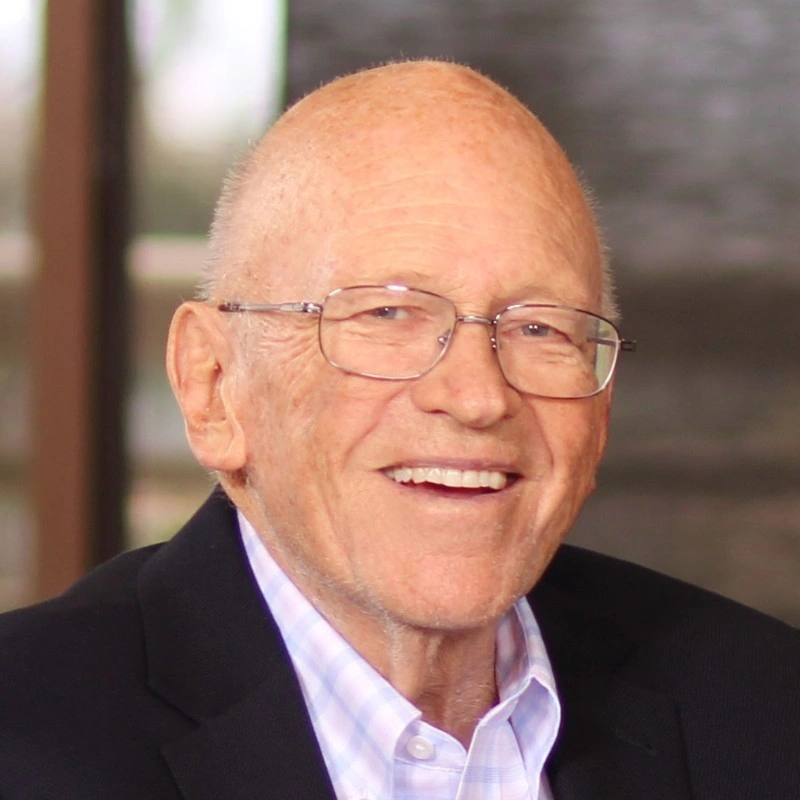

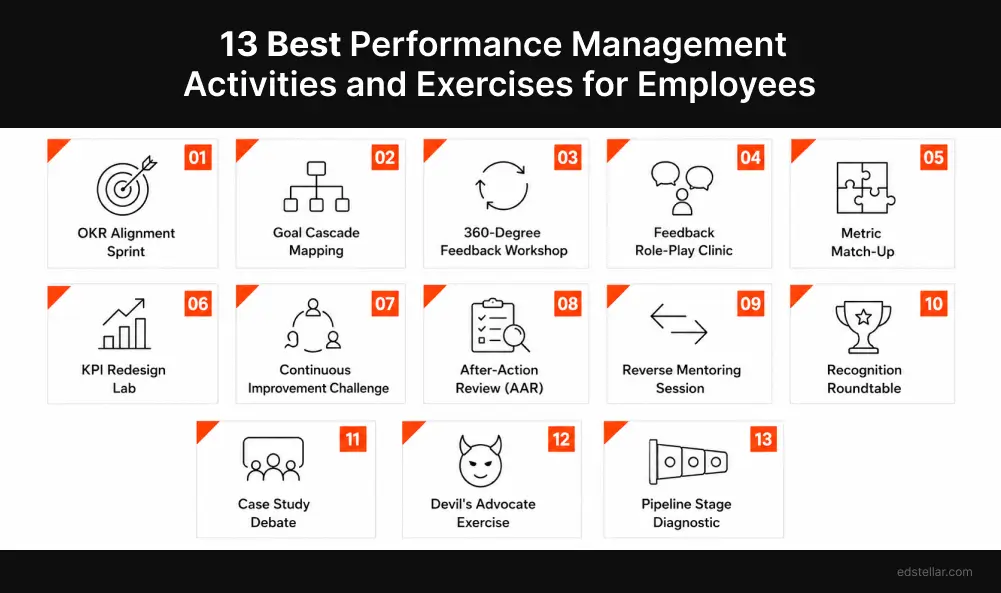
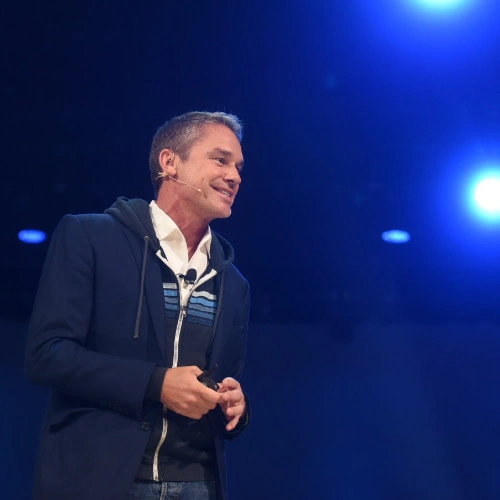


.svg "Click Here to Follow on Medium")
.svg)



.svg)


.svg)
.svg)
.svg)

.svg)