40 Leadership Activities, Games & Exercises for Employees
An expert-curated guide to leadership games for teams, reviewed by an L&D leader with 24+ years of experience who founded a consulting practice in leadership and communication training.
40 Leadership Activities, Games & Exercises for Employees
Content
Table of Content
Quick Overview
40 leadership activities cover every leadership transition, from IC-to-manager and emerging leader development, to senior executive presence and culture stewardship.
Each leadership activity includes an interactive demo, materials list, facilitator guide, and debrief prompts for workplace transfer.
Leadership games and exercises simulate real workplace pressure, time constraints, ambiguous data, and competing priorities in a safe environment.
Manager training activities and emerging leader exercises strengthen feedback culture, decision velocity, and team trust.
A Skills Matrix maps five common leadership transitions to the exact leadership activities that develop the capability fastest.
Structured frameworks like GROW, STAR, and Team Canvas turn one-off leadership exercises into reusable workplace tools.
Leadership activities, games, and exercises play a crucial role in developing leadership skills and people management capability that drive a team's success. Structured leadership activities give employees the deliberate practice they need to develop confident decision-making, sharper feedback delivery, and stronger team alignment before high-stakes leadership moments arrive. They help to foster creativity, improve decision-making, and build a positive work environment that encourages trust and inclusivity.
What are the main team leadership activities and why are they important? Such exercises help create a culture of collaboration, ensuring that every team member is aligned with the organization's goals and that L&D leaders have a defensible way of training ROI on every program they fund.
From classic problem-solving challenges to modern reflection exercises and emerging leader activities, the right mix of leadership activities and games can transform managers into confident leaders and teams into cohesive units that consistently deliver results. For complementary capability building, see Edstellar's guide to the leadership gaps most teams need to close first.
Author Insight
"Leadership is developed through experience, not instruction. The activities that build the strongest leaders put people in situations where they must make decisions, influence without authority, and take responsibility for outcomes. That's how you create leaders at every level.
"
Subbaiah M U
✓ 24+ years of L&D leadership with a founded consulting practice in leadership and communication training, building leaders from frontline to executive level.
Why Leadership Matters in 2026
Organizations worldwide grapple with an intricate web of challenges requiring sophisticated responses. Companies face overwhelming data streams, rapid AI integration, and volatile global markets while managing remote workforce dynamics and combating misinformation. These accelerated decision-making pressures create a complex environment where traditional reactive methods prove inadequate. The WEF report report identifies leadership and social influence as one of the top ten skills employers are investing in through 2030, precisely because leadership capability is the multiplier on every other team-level skill.
Critical thinking for adults in leadership positions becomes the cornerstone for navigating this complexity. This cognitive framework revolutionizes organizational operations by enabling systematic risk evaluation, evidence-based strategic planning, and innovative problem-solving methodologies. Teams equipped with these skills can effectively differentiate between correlation and causation, uncover underlying assumptions, and craft resilient strategies that drive breakthrough innovations.
The measurable impact is undeniable. The APA 2023 survey found that employees who lack confidence in their leaders report significantly higher stress and lower engagement, confirming that leadership development is a workforce health issue, not just a performance one. Organizations fostering strong analytical cultures consistently outperform competitors across essential performance indicators. They demonstrate superior decision-making capabilities, streamlined resource optimization, and enhanced resilience against market turbulence. The stark reality of 2026 reveals a clear divide: companies that embrace sophisticated analytical approaches achieve informed decision-making, strategic market positioning, and proactive planning that fuels long-term success and workforce engagement.
Meanwhile, organizations that neglect these capabilities find themselves trapped in cycles of poor judgments, resource misallocation, and missed market opportunities, ultimately relegating them to reactive crisis management rather than strategic leadership.
"To gauge the impact of team-building games on leadership skills, observe enhanced collaboration, communication, and problem-solving within the team. Track progress through feedback, both formal and informal. Look for increased initiative and confidence among team members. Ultimately, success is evident when these acquired skills positively influence day-to-day tasks and team dynamics."
Aman Kumar Subudhi
Mentor, eVidyaloka Trust · Odisha, India
✔ Mentor and educator focused on leadership development, collaboration, communication skills, and experiential learning.
40 Best Leadership Activities, Games & Exercises for Employees
The 40 leadership activities and leadership games for employees below are designed to help organizations develop confident, capable leaders who can guide teams through challenges and drive sustainable growth. Each leadership activity includes an interactive demo, required materials, measurable learning outcomes, and expert facilitator guidance to drive real workplace application.
👤 Age 18+👥 Teams of 4⏱ 30-45 min
1. Marshmallow Challenge
Teams build the tallest freestanding structure using spaghetti, tape, string, and one marshmallow on top. Fast prototyping reveals collaboration and decision habits. A foundational entry in any list of leadership activities for new managers.
CollaborationInnovationDecision Making
1 Interactive Guided Demo
Step 1 of 6
👆
🍡
🍡🗼🏗️
🍝🍡🩹🧵📏
🩹
📋✨🎯🤝
✨✨
🧵✅🌟💡
📏
🎯🤝📌💡
✨✨
🏆
🎉🌟✨🎊💫
Welcome to Marshmallow Challenge
Build the tallest tower topped with one marshmallow.
👆 Click anywhere to continue
2 Activity Details
🍡
Teams build the tallest freestanding structure using spaghetti, tape, string, and one marshmallow on top. Fast prototyping reveals collaboration and decision habits.
Players
👥 Teams of 4
Recommended
Time
⏱ 30-45 min
Activity + debrief
Format
Team Game
Facilitated
Skill
Collaboration
Primary outcome
What You'll Need
Prepare these items before the activity begins so the session runs smoothly.
🍝
Spaghetti
Required for activity
🍡
Marshmallows
Required for activity
🩹
Masking Tape
Required for activity
🧵
String
Required for activity
📏
Tape Measure
Required for activity
Step-by-Step Walkthrough
1
Distribute Kits
Give each team 20 sticks of spaghetti, 1 metre of tape, 1 metre of string, and 1 marshmallow.
5 min
2
Set the Timer
Teams have 18 minutes to build the tallest freestanding structure.
5 min
3
Place the Marshmallow
The marshmallow must sit on top of the structure when time ends.
5 min
4
Measure and Reflect
Measure heights and debrief what each team learned about iteration.
5 min
Ground Rules
✓ Do
Explain the goal and constraints before starting.
Give every participant a clear role or opportunity to contribute.
Keep the timer visible and the rules consistent.
Encourage teams to explain their reasoning.
Close with a structured debrief.
✕ Don't
Do not let one person dominate the activity.
Do not change the rules midway unless it is a planned variation.
Do not skip reflection after the activity.
Do not make the activity personal or uncomfortable.
Do not focus only on winning; focus on learning.
What Your Team Will Learn
These leadership outcomes should be reinforced during the debrief, where the value of all leadership activities is unlocked.
🧠
Outcome
Collaboration
Participants discover how shared problem-solving outperforms individual brilliance under realistic constraints.
🛠️
Outcome
Innovation
Participants reframe the problem to find a non-obvious solution that creates outsized value.
🤝
Outcome
Decision Making
Participants learn to frame the choice, weigh trade-offs, and commit before perfect information arrives.
⏱
Outcome
Prototyping
Participants test ideas cheaply and quickly rather than over-engineering before any feedback.
💡
Outcome
Resilience
Participants recover quickly from setbacks and resume forward motion without dwelling on the slip.
📊
Outcome
Time Management
Participants protect time for what matters and defend it from low-value interruptions.
Ways to Mix It Up
🔁
Repeat Round
Run a second round after debrief to test improved thinking.
🤐
Silent Mode
Add a short no-speaking phase to test non-verbal coordination.
💰
Budget Mode
Assign costs or limits to resources to force prioritization.
🌐
Virtual Edition
Adapt the leadership activity using breakout rooms and shared documents.
🏆
Scored Challenge
Award points for creativity, teamwork, and quality of reasoning.
Debrief Questions
Use these prompts to convert the leadership activity into workplace learning that transfers across all leadership activities.
What did your team do first during Marshmallow Challenge?
Which assumption turned out to be wrong?
How did communication affect the result?
Where did the team lose time or clarity?
What workplace situation feels similar to this activity?
What would you change if you ran the activity again?
3 Tips for Facilitators
⏱
Time Box Clearly
Use a visible timer so participants feel the constraint and pace their decisions.
🧑🏫
Facilitate, Don't Solve
Guide with questions instead of giving answers.
📌
Capture Observations
Note communication patterns, decision points, and bottlenecks.
💬
Debrief Deeply
Reserve enough time to connect the activity to workplace behavior.
4 Real-World Applications
🎯
Cross-Team Sprints
Rehearse fast prototype-and-test cycles before applying them to real product work.
📈
Workshop Openers
Open offsites with a hands-on activity that surfaces team collaboration habits in 30 minutes.
🤝
Onboarding Cohorts
Help new joiners experience how the team prototypes, iterates, and learns.
🚀
Innovation Days
Set the cultural tone for a hack day where speed of learning beats elegance of plan.
👤 Age 18+👥 8-12 Players⏱ 20-30 min
2. Human Knot
Standing in a circle, players grab two different hands across the group, then untangle without releasing. The puzzle builds patient problem-solving and trust. One of the most repeatable leadership exercises for team formation.
Problem SolvingPatienceTeamwork
1 Interactive Guided Demo
Step 1 of 6
👆
🤝
🪢👥🤝
🪑⏱️📓📸⏱️
⏱️
📋✨🎯🤝
✨✨
📓✅🌟💡
📸
🎯🤝📌💡
✨✨
🏆
🎉🌟✨🎊💫
Welcome to Human Knot
Untangle the human knot without letting go of hands.
👆 Click anywhere to continue
2 Activity Details
🤝
Standing in a circle, players grab two different hands across the group, then untangle without releasing. The puzzle builds patient problem-solving and trust.
Players
👥 8-12 Players
Recommended
Time
⏱ 20-30 min
Activity + debrief
Format
Team Game
Facilitated
Skill
Problem Solving
Primary outcome
What You'll Need
Prepare these items before the activity begins so the session runs smoothly.
🪑
Open Floor Space
Required for activity
⏱️
Timer
Required for activity
📓
Notebooks
Required for activity
📸
Camera
Required for activity
Step-by-Step Walkthrough
1
Form a Circle
Players stand shoulder to shoulder in a tight circle.
5 min
2
Grab Two Hands
Each player grabs two different hands across the circle.
5 min
3
Untangle Together
Step over and under arms without releasing grips.
5 min
4
Celebrate and Reflect
Once untangled, discuss how the group made decisions.
5 min
Ground Rules
✓ Do
Explain the goal and constraints before starting.
Give every participant a clear role or opportunity to contribute.
Keep the timer visible and the rules consistent.
Encourage teams to explain their reasoning.
Close with a structured debrief.
✕ Don't
Do not let one person dominate the activity.
Do not change the rules midway unless it is a planned variation.
Do not skip reflection after the activity.
Do not make the activity personal or uncomfortable.
Do not focus only on winning; focus on learning.
What Your Team Will Learn
These leadership outcomes should be reinforced during the debrief, where the value of all leadership activities is unlocked.
🧠
Outcome
Problem Solving
Participants break complex problems into solvable parts and test assumptions one at a time.
🛠️
Outcome
Patience
Participants resist the urge to jump in, allowing the team to find its own answer when it should.
🤝
Outcome
Teamwork
Participants align on roles, hand-offs, and shared rhythm so the team performs as a unit, not a crowd.
⏱
Outcome
Trust
Participants experience how transparency, consistency, and follow-through build psychological safety inside a team.
💡
Outcome
Communication
Participants practice expressing ideas with precision and confirming understanding before assuming alignment.
📊
Outcome
Flexibility
Participants adapt the plan without losing the goal when reality refuses to match the spreadsheet.
Ways to Mix It Up
🔁
Repeat Round
Run a second round after debrief to test improved thinking.
🤐
Silent Mode
Add a short no-speaking phase to test non-verbal coordination.
💰
Budget Mode
Assign costs or limits to resources to force prioritization.
🌐
Virtual Edition
Adapt the leadership activity using breakout rooms and shared documents.
🏆
Scored Challenge
Award points for creativity, teamwork, and quality of reasoning.
Debrief Questions
Use these prompts to convert the leadership activity into workplace learning that transfers across all leadership activities.
What did your team do first during Human Knot?
Which assumption turned out to be wrong?
How did communication affect the result?
Where did the team lose time or clarity?
What workplace situation feels similar to this activity?
What would you change if you ran the activity again?
3 Tips for Facilitators
⏱
Time Box Clearly
Use a visible timer so participants feel the constraint and pace their decisions.
🧑🏫
Facilitate, Don't Solve
Guide with questions instead of giving answers.
📌
Capture Observations
Note communication patterns, decision points, and bottlenecks.
💬
Debrief Deeply
Reserve enough time to connect the activity to workplace behavior.
4 Real-World Applications
🎯
Post-Restructure Bonding
Reset a team after a reorg with a physical activity that requires coordination.
📈
Cross-Function Workshops
Break down siloed thinking by forcing physical interdependence.
🤝
New-Team Kickoffs
Give a forming team a shared challenge they can only solve together.
🚀
Conflict-Reset Sessions
Re-establish working trust after a period of cross-team friction.
👤 Age 18+👥 6+ Players⏱ 15-30 min
3. Team Charter Workshop
New managers facilitate explicit norm-setting with their team (values, decision rights, meeting cadence, communication rules) codified into a living charter the team revisits each quarter. One of the highest-leverage things a new manager can do in their first month. A staple of leadership development activities for cross-functional teams.
NormsAlignmentTrust
1 Interactive Guided Demo
Step 1 of 6
👆
📜
🤝💬✍️
🤝💬✍️🎯📋
📜
💡🧭🌟🏆
✨✨
🤝💬✍️🎯
📜
💡🧭🌟🏆
✨✨
📜
🎉🌟✨🎊💫
Welcome to Team Charter Workshop
Get ready to begin Team Charter Workshop.
👆 Click anywhere to continue
2 Activity Details
📜
New managers facilitate explicit norm-setting with their team , values, decision rights, meeting cadence, communication rules , codified into a living charter the team revisits each quarter. One of the highest-leverage things a new manager can do in their first month.
Players
👥 6+ Players
Recommended
Time
⏱ 15-30 min
Activity + debrief
Format
Team Game
Facilitated
Skill
Alignment
Primary outcome
What You'll Need
Prepare these items before the activity begins so the session runs smoothly.
📋
Team Charter Template
Pre-printed canvas with sections
🖊️
Markers
Multiple colors per breakout group
📝
Sticky Notes
For draft norms and commitments
🪧
Flip Chart
For the final shared charter version
Step-by-Step Walkthrough
1
Open the Workshop
Set up the charter canvas and explain why an explicit team agreement multiplies every other team capability.
5 min
2
Surface the Values
Each member writes the values and behaviours they want this team to be known for, then the group converges on a shared set.
5 min
3
Define Decision Rights
Map who decides what, and who is consulted versus informed for each category of decision.
5 min
4
Set Communication Norms
Agree on response times, meeting cadence, and the protocol for raising disagreement without escalating it into conflict.
5 min
Ground Rules
✓ Do
Explain the goal and constraints before starting.
Give every participant a clear role or opportunity to contribute.
Keep the timer visible and the rules consistent.
Encourage teams to explain their reasoning.
Close with a structured debrief.
✕ Don't
Do not let one person dominate the activity.
Do not change the rules midway unless it is a planned variation.
Do not skip reflection after the activity.
Do not make the activity personal or uncomfortable.
Do not focus only on winning; focus on learning.
What Your Team Will Learn
These leadership outcomes should be reinforced during the debrief, where the value of all leadership activities is unlocked.
🧭
Outcome
Alignment
Participants converge on a shared understanding of goal, scope, and definition of success.
🤝
Outcome
Trust
Participants experience how transparency, consistency, and follow-through build psychological safety inside a team.
📋
Outcome
Role Clarity
Participants reduce confusion and rework by making explicit who owns what before the work begins.
💬
Outcome
Communication
Participants practice expressing ideas with precision and confirming understanding before assuming alignment.
✍️
Outcome
Commitment
Participants commit publicly in a way that increases the probability of follow-through.
📊
Outcome
Decision Making
Participants learn to frame the choice, weigh trade-offs, and commit before perfect information arrives.
Ways to Mix It Up
🔁
Repeat Round
Run a second round after debrief to test improved thinking.
🤐
Silent Mode
Add a short no-speaking phase to test non-verbal coordination.
💰
Budget Mode
Assign costs or limits to resources to force prioritization.
🌐
Virtual Edition
Adapt the leadership activity using breakout rooms and shared documents.
🏆
Scored Challenge
Award points for creativity, teamwork, and quality of reasoning.
Debrief Questions
Use these prompts to convert the leadership activity into workplace learning that transfers across all leadership activities.
What did your team do first during Team Charter Workshop?
Which assumption turned out to be wrong?
How did communication affect the result?
Where did the team lose time or clarity?
What workplace situation feels similar to this activity?
What would you change if you ran the activity again?
3 Tips for Facilitators
⏱
Time Box Clearly
Use a visible timer so participants feel the constraint and pace their decisions.
🧑🏫
Facilitate, Don't Solve
Guide with questions instead of giving answers.
📌
Capture Observations
Note communication patterns, decision points, and bottlenecks.
💬
Debrief Deeply
Reserve enough time to connect the activity to workplace behavior.
4 Real-World Applications
🎯
New Team Formation
Build the operating agreement a new team will use to decide and coordinate.
📈
Quarterly Resets
Refresh how the team works at the start of each major planning cycle.
🤝
Post-Restructure Realignment
Re-establish norms when reporting lines or scope shift mid-year.
🚀
Cross-Functional Squads
Build the working contract that lets a temporary squad outperform a permanent team.
👤 Age 18+👥 Pairs⏱ 60-90 min
4. GROW Coaching Exercises
Pairs coach each other through Goal, Reality, Options, Will. The framework strengthens listening, questioning, and self-directed action. Among the most flexible leadership games for hybrid teams.
CoachingListeningGrowth
1 Interactive Guided Demo
Step 1 of 6
👆
🌱
🌱🎯💬
📋🖊️⏱️📓🖊️
🖊️
📋✨🎯🤝
✨✨
⏱️✅🌟💡
📓
🎯🤝📌💡
✨✨
🏆
🎉🌟✨🎊💫
Welcome to GROW Coaching
Coach a peer through Goal, Reality, Options, Will.
👆 Click anywhere to continue
2 Activity Details
🌱
Pairs coach each other through Goal, Reality, Options, Will. The framework strengthens listening, questioning, and self-directed action.
Players
👥 Pairs
Recommended
Time
⏱ 60-90 min
Activity + debrief
Format
Team Game
Facilitated
Skill
Coaching
Primary outcome
What You'll Need
Prepare these items before the activity begins so the session runs smoothly.
📋
GROW Template
Required for activity
🖊️
Pens
Required for activity
⏱️
Timer
Required for activity
📓
Notebooks
Required for activity
Step-by-Step Walkthrough
1
Pair and Pick Goal
The coachee names one real goal to work on.
5 min
2
Explore Reality
The coach asks open questions about the current situation.
5 min
3
Generate Options
Brainstorm three or more possible options together.
5 min
4
Confirm Will
Coachee commits to one next action with a deadline.
5 min
Ground Rules
✓ Do
Explain the goal and constraints before starting.
Give every participant a clear role or opportunity to contribute.
Keep the timer visible and the rules consistent.
Encourage teams to explain their reasoning.
Close with a structured debrief.
✕ Don't
Do not let one person dominate the activity.
Do not change the rules midway unless it is a planned variation.
Do not skip reflection after the activity.
Do not make the activity personal or uncomfortable.
Do not focus only on winning; focus on learning.
What Your Team Will Learn
These leadership outcomes should be reinforced during the debrief, where the value of all leadership activities is unlocked.
🧠
Outcome
Coaching
Participants practice asking questions that unlock thinking instead of giving answers that close it.
🛠️
Outcome
Listening
Participants practice listening to understand rather than to reply, including the words and the subtext.
🤝
Outcome
Growth
Participants treat the activity as a rehearsal for the harder version they will face at work.
⏱
Outcome
Self-Awareness
Participants observe their own default patterns, biases, and triggers in a safe rehearsal setting.
💡
Outcome
Accountability
Participants practice owning a commitment publicly and following through without external prompting.
📊
Outcome
Trust
Participants experience how transparency, consistency, and follow-through build psychological safety inside a team.
Ways to Mix It Up
🔁
Repeat Round
Run a second round after debrief to test improved thinking.
🤐
Silent Mode
Add a short no-speaking phase to test non-verbal coordination.
💰
Budget Mode
Assign costs or limits to resources to force prioritization.
🌐
Virtual Edition
Adapt the leadership activity using breakout rooms and shared documents.
🏆
Scored Challenge
Award points for creativity, teamwork, and quality of reasoning.
Debrief Questions
Use these prompts to convert the leadership activity into workplace learning that transfers across all leadership activities.
What did your team do first during GROW Coaching?
Which assumption turned out to be wrong?
How did communication affect the result?
Where did the team lose time or clarity?
What workplace situation feels similar to this activity?
What would you change if you ran the activity again?
3 Tips for Facilitators
⏱
Time Box Clearly
Use a visible timer so participants feel the constraint and pace their decisions.
🧑🏫
Facilitate, Don't Solve
Guide with questions instead of giving answers.
📌
Capture Observations
Note communication patterns, decision points, and bottlenecks.
💬
Debrief Deeply
Reserve enough time to connect the activity to workplace behavior.
4 Real-World Applications
🎯
Weekly 1-on-1s
Give managers a repeatable structure for the developmental half of a 1-on-1.
📈
Career Conversations
Move career discussions from vague aspirations to specific next-step actions.
🤝
Performance Coaching
Help a stuck report find their own path forward instead of waiting for direction.
🚀
Manager Onboarding
Equip first-time managers with a coaching pattern they can use from day one.
👤 Age 18+👥 4-8 Players⏱ 45-60 min
5. Trust Battery Exercise
Leaders rate trust toward team members on a 0 to 100 battery and share specific reasons. Honest dialogue reveals what builds or drains trust. A high-impact addition to manager training activities.
TrustFeedbackSelf-Awareness
1 Interactive Guided Demo
Step 1 of 6
👆
🔋
🔋🤝⚡
📋🔋🖊️⏱️🔋
🖊️
📋✨🎯🤝
✨✨
⏱️✅🌟💡
💡
🤝📌📋✨
✨✨
🏆
🎉🌟✨🎊💫
Welcome to Trust Battery
Rate trust 0 to 100 and share what charges it up.
👆 Click anywhere to continue
2 Activity Details
🔋
Leaders rate trust toward team members on a 0 to 100 battery and share specific reasons. Honest dialogue reveals what builds or drains trust.
Players
👥 4-8 Players
Recommended
Time
⏱ 45-60 min
Activity + debrief
Format
Team Game
Facilitated
Skill
Trust
Primary outcome
What You'll Need
Prepare these items before the activity begins so the session runs smoothly.
🔋
Battery Cards
Required for activity
📋
Rating Sheets
Required for activity
🖊️
Pens
Required for activity
⏱️
Timer
Required for activity
Step-by-Step Walkthrough
1
Explain the Battery
Introduce the trust battery as a 0 to 100 gauge.
5 min
2
Rate Privately
Each person rates trust for their key collaborators.
5 min
3
Share One Pair
Each leader shares one rating with that person directly.
5 min
4
Agree on Charge
Identify one action that would raise the battery.
5 min
Ground Rules
✓ Do
Explain the goal and constraints before starting.
Give every participant a clear role or opportunity to contribute.
Keep the timer visible and the rules consistent.
Encourage teams to explain their reasoning.
Close with a structured debrief.
✕ Don't
Do not let one person dominate the activity.
Do not change the rules midway unless it is a planned variation.
Do not skip reflection after the activity.
Do not make the activity personal or uncomfortable.
Do not focus only on winning; focus on learning.
What Your Team Will Learn
These leadership outcomes should be reinforced during the debrief, where the value of all leadership activities is unlocked.
🧠
Outcome
Trust
Participants experience how transparency, consistency, and follow-through build psychological safety inside a team.
🛠️
Outcome
Feedback
Participants give and receive feedback that is specific, behavioural, and aimed at growth rather than judgment.
🤝
Outcome
Self-Awareness
Participants observe their own default patterns, biases, and triggers in a safe rehearsal setting.
⏱
Outcome
Honesty
Participants tell the truth about progress, gaps, and trade-offs, even when the picture is uncomfortable.
💡
Outcome
Repair
Participants restore trust and momentum after a breakdown rather than letting damage accumulate.
📊
Outcome
Accountability
Participants practice owning a commitment publicly and following through without external prompting.
Ways to Mix It Up
🔁
Repeat Round
Run a second round after debrief to test improved thinking.
🤐
Silent Mode
Add a short no-speaking phase to test non-verbal coordination.
💰
Budget Mode
Assign costs or limits to resources to force prioritization.
🌐
Virtual Edition
Adapt the leadership activity using breakout rooms and shared documents.
🏆
Scored Challenge
Award points for creativity, teamwork, and quality of reasoning.
Debrief Questions
Use these prompts to convert the leadership activity into workplace learning that transfers across all leadership activities.
What did your team do first during Trust Battery?
Which assumption turned out to be wrong?
How did communication affect the result?
Where did the team lose time or clarity?
What workplace situation feels similar to this activity?
What would you change if you ran the activity again?
3 Tips for Facilitators
⏱
Time Box Clearly
Use a visible timer so participants feel the constraint and pace their decisions.
🧑🏫
Facilitate, Don't Solve
Guide with questions instead of giving answers.
📌
Capture Observations
Note communication patterns, decision points, and bottlenecks.
💬
Debrief Deeply
Reserve enough time to connect the activity to workplace behavior.
4 Real-World Applications
🎯
Manager Onboarding
Help a new manager calibrate the trust they have actually earned vs assumed.
📈
Cross-Functional Reset
Rebuild trust between two functions that have been talking past each other.
🤝
Post-Mistake Recovery
Restore working trust after a public mistake, rather than letting it quietly erode.
🚀
Quarterly Health Checks
Make trust a measurable, talked-about variable rather than an unspoken one.
👤 Age 18+👥 4-10 Players⏱ 30-45 min
6. Start, Stop, Continue Game
Leaders give each other feedback in three buckets: what to start, stop, and keep doing. The simple structure makes feedback actionable. Pairs well with feedback-focused leadership activities.
FeedbackGrowthCommunication
1 Interactive Guided Demo
Step 1 of 6
👆
🚦
▶️⏹️🔄
📝🖊️⏱️📋🖊️
🖊️
📋✨🎯🤝
✨✨
⏱️✅🌟💡
📋
🤝📌💡✨
✨✨
🏆
🎉🌟✨🎊💫
Welcome to Start, Stop, Continue
Tell teammates what to start, stop, and keep doing.
👆 Click anywhere to continue
2 Activity Details
🚦
Leaders give each other feedback in three buckets: what to start, stop, and keep doing. The simple structure makes feedback actionable.
Players
👥 4-10 Players
Recommended
Time
⏱ 30-45 min
Activity + debrief
Format
Team Game
Facilitated
Skill
Feedback
Primary outcome
What You'll Need
Prepare these items before the activity begins so the session runs smoothly.
📝
Feedback Cards
Required for activity
🖊️
Pens
Required for activity
⏱️
Timer
Required for activity
📋
Ground Rules
Required for activity
Step-by-Step Walkthrough
1
Set the Frame
Explain start, stop, continue and ground rules.
5 min
2
Write in Silence
Each person writes feedback for one teammate at a time.
5 min
3
Share Live
Take turns reading feedback aloud to the person.
5 min
4
Pick One Action
Each receiver picks one item to act on this month.
5 min
Ground Rules
✓ Do
Explain the goal and constraints before starting.
Give every participant a clear role or opportunity to contribute.
Keep the timer visible and the rules consistent.
Encourage teams to explain their reasoning.
Close with a structured debrief.
✕ Don't
Do not let one person dominate the activity.
Do not change the rules midway unless it is a planned variation.
Do not skip reflection after the activity.
Do not make the activity personal or uncomfortable.
Do not focus only on winning; focus on learning.
What Your Team Will Learn
These leadership outcomes should be reinforced during the debrief, where the value of all leadership activities is unlocked.
🧠
Outcome
Feedback
Participants give and receive feedback that is specific, behavioural, and aimed at growth rather than judgment.
🛠️
Outcome
Growth
Participants treat the activity as a rehearsal for the harder version they will face at work.
🤝
Outcome
Communication
Participants practice expressing ideas with precision and confirming understanding before assuming alignment.
⏱
Outcome
Trust
Participants experience how transparency, consistency, and follow-through build psychological safety inside a team.
💡
Outcome
Accountability
Participants practice owning a commitment publicly and following through without external prompting.
📊
Outcome
Improvement
Participants treat every iteration as data and adjust before repeating the same mistake.
Ways to Mix It Up
🔁
Repeat Round
Run a second round after debrief to test improved thinking.
🤐
Silent Mode
Add a short no-speaking phase to test non-verbal coordination.
💰
Budget Mode
Assign costs or limits to resources to force prioritization.
🌐
Virtual Edition
Adapt the leadership activity using breakout rooms and shared documents.
🏆
Scored Challenge
Award points for creativity, teamwork, and quality of reasoning.
Debrief Questions
Use these prompts to convert the leadership activity into workplace learning that transfers across all leadership activities.
What did your team do first during Start, Stop, Continue?
Which assumption turned out to be wrong?
How did communication affect the result?
Where did the team lose time or clarity?
What workplace situation feels similar to this activity?
What would you change if you ran the activity again?
3 Tips for Facilitators
⏱
Time Box Clearly
Use a visible timer so participants feel the constraint and pace their decisions.
🧑🏫
Facilitate, Don't Solve
Guide with questions instead of giving answers.
📌
Capture Observations
Note communication patterns, decision points, and bottlenecks.
💬
Debrief Deeply
Reserve enough time to connect the activity to workplace behavior.
4 Real-World Applications
🎯
Retros
Run a sharper, more honest retro than the usual format invites.
📈
Quarterly Reviews
Convert quarterly reflection into specific behavioural changes.
🤝
Manager Feedback
Give the team a structured way to feed back to a manager who is willing to listen.
🚀
Process Audits
Decide what to keep, kill, and start in a workflow that has accumulated cruft.
👤 Age 18+👥 6+ Players⏱ 15-30 min
7. Shark Tank Leadership Challenge
Teams pitch creative solutions to a real leadership challenge (engagement, retention, productivity) to a panel of senior 'sharks' who probe, push back, and decide which idea gets funded. Builds creative confidence and the spine to defend a recommendation. A go-to choice when designing leadership training games for senior managers.
PitchPersuasionCreativity
1 Interactive Guided Demo
Step 1 of 6
👆
🦈
💡🎤💰
💡🎤💰🏆🎯
🦈
📊💼🚀⭐
✨✨
💡🎤💰🏆
🦈
📊💼🚀⭐
✨✨
🦈
🎉🌟✨🎊💫
Welcome to Shark Tank Leadership Challenge
Get ready to begin Shark Tank Leadership Challenge.
👆 Click anywhere to continue
2 Activity Details
🦈
Teams pitch creative solutions to a real leadership challenge , engagement, retention, productivity , to a panel of senior 'sharks' who probe, push back, and decide which idea gets funded. Builds creative confidence and the spine to defend a recommendation.
Players
👥 6+ Players
Recommended
Time
⏱ 15-30 min
Activity + debrief
Format
Team Game
Facilitated
Skill
Persuasion
Primary outcome
What You'll Need
Prepare these items before the activity begins so the session runs smoothly.
🦈
Shark Panel Briefing
Roles and evaluation criteria for the sharks
📊
Pitch Deck Templates
A simple 3-slide template per team
⏱️
Pitch Timer
Strict 3-minute pitch limit
🏆
Scoring Cards
For the sharks to score each pitch
Step-by-Step Walkthrough
1
Brief the Challenge
Present the real business challenge the teams will pitch solutions to, with the success criteria the sharks will judge against.
5 min
2
Build the Pitch
Each team builds a tight 3-minute pitch with the problem, the solution, the ROI, and the specific ask of the sharks.
5 min
3
Deliver to the Sharks
Teams pitch to a panel of senior 'sharks' under strict time pressure and visible scorecards.
5 min
4
Field the Questions
Sharks probe with hard questions; teams must defend, refine, or concede in real time without losing the room.
5 min
Ground Rules
✓ Do
Explain the goal and constraints before starting.
Give every participant a clear role or opportunity to contribute.
Keep the timer visible and the rules consistent.
Encourage teams to explain their reasoning.
Close with a structured debrief.
✕ Don't
Do not let one person dominate the activity.
Do not change the rules midway unless it is a planned variation.
Do not skip reflection after the activity.
Do not make the activity personal or uncomfortable.
Do not focus only on winning; focus on learning.
What Your Team Will Learn
These leadership outcomes should be reinforced during the debrief, where the value of all leadership activities is unlocked.
📖
Outcome
Storytelling
Participants frame ideas in a narrative that lands with both the head and the heart of the audience.
⚡
Outcome
Decisiveness
Participants commit before all information is in, with a plan to course-correct as more arrives.
🎯
Outcome
Influence
Participants build the case, find allies, and earn buy-in without formal authority.
💪
Outcome
Resilience
Participants recover quickly from setbacks and resume forward motion without dwelling on the slip.
🧠
Outcome
Strategy
Participants translate ambition into a sequence of decisions with clear criteria and trade-offs.
💬
Outcome
Communication
Participants practice expressing ideas with precision and confirming understanding before assuming alignment.
Ways to Mix It Up
🔁
Repeat Round
Run a second round after debrief to test improved thinking.
🤐
Silent Mode
Add a short no-speaking phase to test non-verbal coordination.
💰
Budget Mode
Assign costs or limits to resources to force prioritization.
🌐
Virtual Edition
Adapt the leadership activity using breakout rooms and shared documents.
🏆
Scored Challenge
Award points for creativity, teamwork, and quality of reasoning.
Debrief Questions
Use these prompts to convert the leadership activity into workplace learning that transfers across all leadership activities.
What did your team do first during Shark Tank Leadership Challenge?
Which assumption turned out to be wrong?
How did communication affect the result?
Where did the team lose time or clarity?
What workplace situation feels similar to this activity?
What would you change if you ran the activity again?
3 Tips for Facilitators
⏱
Time Box Clearly
Use a visible timer so participants feel the constraint and pace their decisions.
🧑🏫
Facilitate, Don't Solve
Guide with questions instead of giving answers.
📌
Capture Observations
Note communication patterns, decision points, and bottlenecks.
💬
Debrief Deeply
Reserve enough time to connect the activity to workplace behavior.
4 Real-World Applications
🎯
Strategic Investment Reviews
Practice the pitch-and-defend dynamic of a real funding conversation.
📈
Roadmap Defence
Build the muscle of defending a roadmap to skeptical leadership.
🤝
Cross-Functional Buy-In
Rehearse how to win backing from peers whose support you cannot demand.
🚀
Innovation Pitches
Surface the bets the org should make from people closest to the work.
👤 Age 18+👥 6-12 Players⏱ 30 min
8. Blind Square Rope Games
Blindfolded team members hold a rope and must form a perfect square. Verbal coordination tests trust, listening, and emergent leadership. Among the most engaging leadership team building exercises.
CommunicationTrustCoordination
1 Interactive Guided Demo
Step 1 of 6
👆
🟦
🧱🤐🤝
🪢😎📐⏱️😎
😎
📋✨🎯🤝
✨✨
📐✅🌟💡
⏱️
🎯🤝📌💡
✨✨
🏆
🎉🌟✨🎊💫
Welcome to Blind Square Rope
Form a perfect square blindfolded using only your voice.
👆 Click anywhere to continue
2 Activity Details
🟦
Blindfolded team members hold a rope and must form a perfect square. Verbal coordination tests trust, listening, and emergent leadership.
Players
👥 6-12 Players
Recommended
Time
⏱ 30 min
Activity + debrief
Format
Team Game
Facilitated
Skill
Communication
Primary outcome
What You'll Need
Prepare these items before the activity begins so the session runs smoothly.
🪢
Long Rope
Required for activity
😎
Blindfolds
Required for activity
📐
Measuring Tape
Required for activity
⏱️
Timer
Required for activity
Step-by-Step Walkthrough
1
Blindfold the Team
Each player puts on a blindfold and grips a long rope.
5 min
2
Set the Goal
Explain that the team must shape the rope into a perfect square.
5 min
3
Coordinate by Voice
Players talk through positions, edges, and corners without seeing.
5 min
4
Reveal and Debrief
Remove blindfolds, assess the shape, and discuss what worked.
5 min
Ground Rules
✓ Do
Explain the goal and constraints before starting.
Give every participant a clear role or opportunity to contribute.
Keep the timer visible and the rules consistent.
Encourage teams to explain their reasoning.
Close with a structured debrief.
✕ Don't
Do not let one person dominate the activity.
Do not change the rules midway unless it is a planned variation.
Do not skip reflection after the activity.
Do not make the activity personal or uncomfortable.
Do not focus only on winning; focus on learning.
What Your Team Will Learn
These leadership outcomes should be reinforced during the debrief, where the value of all leadership activities is unlocked.
🧠
Outcome
Communication
Participants practice expressing ideas with precision and confirming understanding before assuming alignment.
🛠️
Outcome
Trust
Participants experience how transparency, consistency, and follow-through build psychological safety inside a team.
🤝
Outcome
Coordination
Participants synchronize across roles and time zones so the team moves as one body, not many.
⏱
Outcome
Listening
Participants practice listening to understand rather than to reply, including the words and the subtext.
💡
Outcome
Patience
Participants resist the urge to jump in, allowing the team to find its own answer when it should.
📊
Outcome
Leadership
Participants step into the role of guiding others through ambiguity without claiming all the credit.
Ways to Mix It Up
🔁
Repeat Round
Run a second round after debrief to test improved thinking.
🤐
Silent Mode
Add a short no-speaking phase to test non-verbal coordination.
💰
Budget Mode
Assign costs or limits to resources to force prioritization.
🌐
Virtual Edition
Adapt the leadership activity using breakout rooms and shared documents.
🏆
Scored Challenge
Award points for creativity, teamwork, and quality of reasoning.
Debrief Questions
Use these prompts to convert the leadership activity into workplace learning that transfers across all leadership activities.
What did your team do first during Blind Square Rope?
Which assumption turned out to be wrong?
How did communication affect the result?
Where did the team lose time or clarity?
What workplace situation feels similar to this activity?
What would you change if you ran the activity again?
3 Tips for Facilitators
⏱
Time Box Clearly
Use a visible timer so participants feel the constraint and pace their decisions.
🧑🏫
Facilitate, Don't Solve
Guide with questions instead of giving answers.
📌
Capture Observations
Note communication patterns, decision points, and bottlenecks.
💬
Debrief Deeply
Reserve enough time to connect the activity to workplace behavior.
4 Real-World Applications
🎯
Cross-Team Briefings
Rehearse the muscle of giving precise instructions when the receiver cannot ask freely.
📈
Remote Collaboration
Build the discipline of clarity required when visual cues are absent.
🤝
Crisis Coordination
Practice coordinating under limited information, which mirrors real incident dynamics.
🚀
Onboarding Empathy
Help senior staff feel what new joiners experience with incomplete context.
Ready to Roll Out Leadership Workshops for Your Team?
Edstellar facilitators deliver all 40 activities live, on-site or virtually, fully tailored to your team's roles, schedules, and specific leadership transitions.
The team maps causes of a problem across categories such as People, Process, and Equipment. The diagram reveals root causes hiding behind symptoms. A core entry in problem-solving leadership activities for managers.
Root CauseProblem SolvingAnalysis
1 Interactive Guided Demo
Step 1 of 6
👆
🐟
🐟🔍🧩
📊📝🖍️📋📝
📝
📋✨🎯🤝
✨✨
🖍️✅🌟💡
📋
🤝📌💡✨
✨✨
🏆
🎉🌟✨🎊💫
Welcome to Fishbone Analysis
Map root causes across people, process, and tools.
👆 Click anywhere to continue
2 Activity Details
🐟
The team maps causes of a problem across categories such as People, Process, and Equipment. The diagram reveals root causes hiding behind symptoms.
Players
👥 4-10 Players
Recommended
Time
⏱ 60-90 min
Activity + debrief
Format
Team Game
Facilitated
Skill
Root Cause
Primary outcome
What You'll Need
Prepare these items before the activity begins so the session runs smoothly.
📊
Whiteboard
Required for activity
📝
Sticky Notes
Required for activity
🖍️
Markers
Required for activity
📋
Problem Brief
Required for activity
Step-by-Step Walkthrough
1
Define the Problem
Write the issue at the head of the fishbone diagram.
5 min
2
Add Categories
Label bones with People, Process, Equipment, and more.
5 min
3
Brainstorm Causes
Add possible causes under each category bone.
5 min
4
Pick Root Causes
Discuss and circle the most likely root causes.
5 min
Ground Rules
✓ Do
Explain the goal and constraints before starting.
Give every participant a clear role or opportunity to contribute.
Keep the timer visible and the rules consistent.
Encourage teams to explain their reasoning.
Close with a structured debrief.
✕ Don't
Do not let one person dominate the activity.
Do not change the rules midway unless it is a planned variation.
Do not skip reflection after the activity.
Do not make the activity personal or uncomfortable.
Do not focus only on winning; focus on learning.
What Your Team Will Learn
These leadership outcomes should be reinforced during the debrief, where the value of all leadership activities is unlocked.
🧠
Outcome
Root Cause
Participants resist surface-level fixes and trace the problem to the underlying mechanism producing it.
🛠️
Outcome
Problem Solving
Participants break complex problems into solvable parts and test assumptions one at a time.
🤝
Outcome
Analysis
Participants break information into components, weigh each, and surface the pattern that matters.
⏱
Outcome
Collaboration
Participants discover how shared problem-solving outperforms individual brilliance under realistic constraints.
💡
Outcome
Leadership
Participants step into the role of guiding others through ambiguity without claiming all the credit.
📊
Outcome
Clarity
Participants practice cutting ambiguity from instructions, decisions, and shared definitions of done.
Ways to Mix It Up
🔁
Repeat Round
Run a second round after debrief to test improved thinking.
🤐
Silent Mode
Add a short no-speaking phase to test non-verbal coordination.
💰
Budget Mode
Assign costs or limits to resources to force prioritization.
🌐
Virtual Edition
Adapt the leadership activity using breakout rooms and shared documents.
🏆
Scored Challenge
Award points for creativity, teamwork, and quality of reasoning.
Debrief Questions
Use these prompts to convert the leadership activity into workplace learning that transfers across all leadership activities.
What did your team do first during Fishbone Analysis?
Which assumption turned out to be wrong?
How did communication affect the result?
Where did the team lose time or clarity?
What workplace situation feels similar to this activity?
What would you change if you ran the activity again?
3 Tips for Facilitators
⏱
Time Box Clearly
Use a visible timer so participants feel the constraint and pace their decisions.
🧑🏫
Facilitate, Don't Solve
Guide with questions instead of giving answers.
📌
Capture Observations
Note communication patterns, decision points, and bottlenecks.
💬
Debrief Deeply
Reserve enough time to connect the activity to workplace behavior.
4 Real-World Applications
🎯
Quality Reviews
Trace recurring defects to underlying mechanisms rather than the most visible symptom.
📈
Customer Churn Analysis
Map the cluster of small failures that compound into a customer leaving.
🤝
Process Failures
Diagnose why a workflow keeps breaking despite repeated patches.
🚀
Post-Incident Reviews
Move past the obvious cause to the system that allowed the problem.
👤 Age 18+👥 5-20 Players⏱ 30-45 min
10. Dotmocracy
Team members place coloured dots on ideas to prioritise them quickly. The fast vote surfaces collective preference and avoids loudest voice wins. A reliable choice for consensus-building leadership games.
PrioritisationDecision MakingInclusion
1 Interactive Guided Demo
Step 1 of 6
👆
🟢
🟢🗳️🤝
📝🟢📊🖍️🟢
📊
📋✨🎯🤝
✨✨
🖍️✅🌟💡
💡
🤝📌📋✨
✨✨
🏆
🎉🌟✨🎊💫
Welcome to Dotmocracy
Vote with dots to surface top ideas in minutes.
👆 Click anywhere to continue
2 Activity Details
🟢
Team members place coloured dots on ideas to prioritise them quickly. The fast vote surfaces collective preference and avoids loudest voice wins.
Players
👥 5-20 Players
Recommended
Time
⏱ 30-45 min
Activity + debrief
Format
Team Game
Facilitated
Skill
Prioritisation
Primary outcome
What You'll Need
Prepare these items before the activity begins so the session runs smoothly.
🟢
Sticker Dots
Required for activity
📝
Idea Cards
Required for activity
📊
Whiteboard
Required for activity
🖍️
Markers
Required for activity
Step-by-Step Walkthrough
1
Post Ideas
Display all ideas on a wall or board.
5 min
2
Hand Out Dots
Give each person three to five sticker dots.
5 min
3
Vote Silently
Everyone places dots on the ideas they value most.
5 min
4
Discuss Top Picks
Review the top voted ideas and plan next steps.
5 min
Ground Rules
✓ Do
Explain the goal and constraints before starting.
Give every participant a clear role or opportunity to contribute.
Keep the timer visible and the rules consistent.
Encourage teams to explain their reasoning.
Close with a structured debrief.
✕ Don't
Do not let one person dominate the activity.
Do not change the rules midway unless it is a planned variation.
Do not skip reflection after the activity.
Do not make the activity personal or uncomfortable.
Do not focus only on winning; focus on learning.
What Your Team Will Learn
These leadership outcomes should be reinforced during the debrief, where the value of all leadership activities is unlocked.
🧠
Outcome
Prioritisation
Participants practice saying yes to the highest-leverage work and no to the merely urgent.
🛠️
Outcome
Decision Making
Participants learn to frame the choice, weigh trade-offs, and commit before perfect information arrives.
🤝
Outcome
Inclusion
Participants experience how to draw out quieter voices and design conversations where every perspective lands.
⏱
Outcome
Clarity
Participants practice cutting ambiguity from instructions, decisions, and shared definitions of done.
💡
Outcome
Speed
Participants experience how decisive action under uncertainty often outperforms a slower, more confident plan.
📊
Outcome
Buy-In
Participants build understanding and ownership early so execution does not stall on hidden resistance.
Ways to Mix It Up
🔁
Repeat Round
Run a second round after debrief to test improved thinking.
🤐
Silent Mode
Add a short no-speaking phase to test non-verbal coordination.
💰
Budget Mode
Assign costs or limits to resources to force prioritization.
🌐
Virtual Edition
Adapt the leadership activity using breakout rooms and shared documents.
🏆
Scored Challenge
Award points for creativity, teamwork, and quality of reasoning.
Debrief Questions
Use these prompts to convert the leadership activity into workplace learning that transfers across all leadership activities.
What did your team do first during Dotmocracy?
Which assumption turned out to be wrong?
How did communication affect the result?
Where did the team lose time or clarity?
What workplace situation feels similar to this activity?
What would you change if you ran the activity again?
3 Tips for Facilitators
⏱
Time Box Clearly
Use a visible timer so participants feel the constraint and pace their decisions.
🧑🏫
Facilitate, Don't Solve
Guide with questions instead of giving answers.
📌
Capture Observations
Note communication patterns, decision points, and bottlenecks.
💬
Debrief Deeply
Reserve enough time to connect the activity to workplace behavior.
4 Real-World Applications
🎯
Workshop Synthesis
Converge a divergent brainstorm into a clear, owned set of next steps.
📈
Roadmap Trade-Offs
Prioritise a long backlog when the team owns more than it can deliver.
🤝
Engagement Surveys
Decide which themes from a team survey deserve action this quarter.
🚀
Quarterly Retros
Help a team converge on the few improvement actions it will actually do.
👤 Age 18+👥 4-12 Players⏱ 60-90 min
11. Team Canvas
The team fills a large canvas covering purpose, goals, roles, values, and rules. The shared visual aligns leadership on what success looks like. Belongs in any catalogue of strategic leadership activities.
VisionAlignmentStrategy
1 Interactive Guided Demo
Step 1 of 6
👆
🖼️
🎨🗺️🎯
📝🖼️🖍️📌📷
🖍️
📋✨🎯🤝
✨✨
📌✅🌟💡
📷
🎯🤝📌💡
✨✨
🏆
🎉🌟✨🎊💫
Welcome to Team Canvas
Align on purpose, goals, roles, and team values together.
👆 Click anywhere to continue
2 Activity Details
🖼️
The team fills a large canvas covering purpose, goals, roles, values, and rules. The shared visual aligns leadership on what success looks like.
Players
👥 4-12 Players
Recommended
Time
⏱ 60-90 min
Activity + debrief
Format
Team Game
Facilitated
Skill
Vision
Primary outcome
What You'll Need
Prepare these items before the activity begins so the session runs smoothly.
🖼️
Canvas Template
Required for activity
📝
Sticky Notes
Required for activity
🖍️
Markers
Required for activity
📌
Push Pins
Required for activity
📷
Camera
Required for activity
Step-by-Step Walkthrough
1
Set Up the Canvas
Print or draw the team canvas template on a wall.
5 min
2
Fill Each Block
Work through purpose, goals, roles, values, and rules.
5 min
3
Discuss Tensions
Surface and discuss any conflicting ideas openly.
5 min
4
Agree and Sign
Confirm the final canvas and have everyone sign.
5 min
Ground Rules
✓ Do
Explain the goal and constraints before starting.
Give every participant a clear role or opportunity to contribute.
Keep the timer visible and the rules consistent.
Encourage teams to explain their reasoning.
Close with a structured debrief.
✕ Don't
Do not let one person dominate the activity.
Do not change the rules midway unless it is a planned variation.
Do not skip reflection after the activity.
Do not make the activity personal or uncomfortable.
Do not focus only on winning; focus on learning.
What Your Team Will Learn
These leadership outcomes should be reinforced during the debrief, where the value of all leadership activities is unlocked.
🧠
Outcome
Vision
Participants articulate a future state compelling enough to align day-to-day decisions.
🛠️
Outcome
Alignment
Participants converge on a shared understanding of goal, scope, and definition of success.
🤝
Outcome
Strategy
Participants translate ambition into a sequence of decisions with clear criteria and trade-offs.
⏱
Outcome
Clarity
Participants practice cutting ambiguity from instructions, decisions, and shared definitions of done.
💡
Outcome
Commitment
Participants commit publicly in a way that increases the probability of follow-through.
📊
Outcome
Culture
Participants experience how small everyday behaviours compound into team culture over weeks and months.
Ways to Mix It Up
🔁
Repeat Round
Run a second round after debrief to test improved thinking.
🤐
Silent Mode
Add a short no-speaking phase to test non-verbal coordination.
💰
Budget Mode
Assign costs or limits to resources to force prioritization.
🌐
Virtual Edition
Adapt the leadership activity using breakout rooms and shared documents.
🏆
Scored Challenge
Award points for creativity, teamwork, and quality of reasoning.
Debrief Questions
Use these prompts to convert the leadership activity into workplace learning that transfers across all leadership activities.
What did your team do first during Team Canvas?
Which assumption turned out to be wrong?
How did communication affect the result?
Where did the team lose time or clarity?
What workplace situation feels similar to this activity?
What would you change if you ran the activity again?
3 Tips for Facilitators
⏱
Time Box Clearly
Use a visible timer so participants feel the constraint and pace their decisions.
🧑🏫
Facilitate, Don't Solve
Guide with questions instead of giving answers.
📌
Capture Observations
Note communication patterns, decision points, and bottlenecks.
💬
Debrief Deeply
Reserve enough time to connect the activity to workplace behavior.
4 Real-World Applications
🎯
New Team Launches
Make the team's purpose, roles, and success metrics visible from day one.
📈
Quarterly Refreshes
Re-validate the team's purpose at each natural inflection point.
🤝
Reorg Transitions
Re-anchor a team whose scope or reporting just shifted.
🚀
Strategic Off-Sites
Convert a strategy off-site output into a team artefact that travels back to daily work.
👤 Age 18+👥 6+ Players⏱ 15-30 min
12. Lava River
Teams cross a marked 'lava' zone using a strictly limited number of platforms, forcing leadership emergence and resource allocation calls under real time pressure. The constraint surfaces who plans, who acts, and how the group recovers when a platform is misplaced. A widely-used physical leadership team building exercise.
PressureLeadershipResources
1 Interactive Guided Demo
Step 1 of 6
👆
🌋
🪨👣🤝
🪨👣🤝🏁🔥
🌋
🎯💡⚡🏆
✨✨
🪨👣🤝🏁
🌋
🎯💡⚡🏆
✨✨
🌋
🎉🌟✨🎊💫
Welcome to Lava River
Get ready to begin Lava River.
👆 Click anywhere to continue
2 Activity Details
🌋
Teams cross a marked 'lava' zone using a strictly limited number of platforms, forcing leadership emergence and resource allocation calls under real time pressure. The constraint surfaces who plans, who acts, and how the group recovers when a platform is misplaced.
Players
👥 6+ Players
Recommended
Time
⏱ 15-30 min
Activity + debrief
Format
Team Game
Facilitated
Skill
Coordination
Primary outcome
What You'll Need
Prepare these items before the activity begins so the session runs smoothly.
🟧
Floor Markers
Tape or cones to mark the lava boundary
🪵
Crossing Platforms
Limited number of pieces for the team to share
📐
Tape Measure
To define the river width consistently
⏱️
Timer
Crossing must happen within a time limit
Step-by-Step Walkthrough
1
Mark the River
Tape off the lava boundary so the constraint is physically visible and treat the floor as truly molten.
5 min
2
Distribute Platforms
Hand each team the limited number of platforms they must share to cross; constraints are unequal on purpose.
5 min
3
Plan the Crossing
Teams plan the sequence, the assignments, and the back-up plan before anyone steps onto the lava.
5 min
4
Execute the Move
Move together as one team; any fall resets the whole group to the starting bank, regardless of who slipped.
5 min
Ground Rules
✓ Do
Explain the goal and constraints before starting.
Give every participant a clear role or opportunity to contribute.
Keep the timer visible and the rules consistent.
Encourage teams to explain their reasoning.
Close with a structured debrief.
✕ Don't
Do not let one person dominate the activity.
Do not change the rules midway unless it is a planned variation.
Do not skip reflection after the activity.
Do not make the activity personal or uncomfortable.
Do not focus only on winning; focus on learning.
What Your Team Will Learn
These leadership outcomes should be reinforced during the debrief, where the value of all leadership activities is unlocked.
🔄
Outcome
Coordination
Participants synchronize across roles and time zones so the team moves as one body, not many.
💬
Outcome
Communication
Participants practice expressing ideas with precision and confirming understanding before assuming alignment.
🤝
Outcome
Trust
Participants experience how transparency, consistency, and follow-through build psychological safety inside a team.
🌀
Outcome
Adaptability
Participants change approach mid-activity based on new information without losing momentum.
👥
Outcome
Teamwork
Participants align on roles, hand-offs, and shared rhythm so the team performs as a unit, not a crowd.
🌟
Outcome
Leadership
Participants step into the role of guiding others through ambiguity without claiming all the credit.
Ways to Mix It Up
🔁
Repeat Round
Run a second round after debrief to test improved thinking.
🤐
Silent Mode
Add a short no-speaking phase to test non-verbal coordination.
💰
Budget Mode
Assign costs or limits to resources to force prioritization.
🌐
Virtual Edition
Adapt the leadership activity using breakout rooms and shared documents.
🏆
Scored Challenge
Award points for creativity, teamwork, and quality of reasoning.
Debrief Questions
Use these prompts to convert the leadership activity into workplace learning that transfers across all leadership activities.
What did your team do first during Lava River?
Which assumption turned out to be wrong?
How did communication affect the result?
Where did the team lose time or clarity?
What workplace situation feels similar to this activity?
What would you change if you ran the activity again?
3 Tips for Facilitators
⏱
Time Box Clearly
Use a visible timer so participants feel the constraint and pace their decisions.
🧑🏫
Facilitate, Don't Solve
Guide with questions instead of giving answers.
📌
Capture Observations
Note communication patterns, decision points, and bottlenecks.
💬
Debrief Deeply
Reserve enough time to connect the activity to workplace behavior.
4 Real-World Applications
🎯
Outdoor Team-Building
Run a physical activity that surfaces how the team really coordinates under pressure.
📈
Trust-Building Events
Give a team a low-stakes shared challenge that reveals how they support each other.
🤝
New-Team Bonding
Help a forming team experience their collective problem-solving habits early.
🚀
Conference Energizers
Break up sedentary workshop days with a movement-based collaboration moment.
👤 Age 18+👥 6+ Players⏱ 15-30 min
13. Crystal Team Challenge
Progressively harder tasks across multiple zones each require a different leader to step up, testing adaptive leadership style and the willingness to follow when it is someone else's turn to lead. Quietly exposes the team's habits around who defaults to taking charge. Among the most trust-building leadership games for teams.
AdaptiveProgressionLeadership
1 Interactive Guided Demo
Step 1 of 6
👆
💎
🎯🔄🏆
🎯🔄🏆⭐🧗
💎
💡🚀✨🤝
✨✨
🎯🔄🏆⭐
💎
💡🚀✨🤝
✨✨
💎
🎉🌟✨🎊💫
Welcome to Crystal Team Challenge
Get ready to begin Crystal Team Challenge.
👆 Click anywhere to continue
2 Activity Details
💎
Progressively harder tasks across multiple zones each require a different leader to step up, testing adaptive leadership style and the willingness to follow when it is someone else's turn to lead. Quietly exposes the team's habits around who defaults to taking charge.
Players
👥 6+ Players
Recommended
Time
⏱ 15-30 min
Activity + debrief
Format
Team Game
Facilitated
Skill
Problem Solving
Primary outcome
What You'll Need
Prepare these items before the activity begins so the session runs smoothly.
💎
Crystal Puzzle Pieces
A set per team, each member holds one
📝
Clue Cards
Partial information about the final pattern
🪟
Privacy Screen
Pieces hidden from other members
🧩
Solution Image
Revealed only at the end for verification
Step-by-Step Walkthrough
1
Enter Zone 1
Distribute the crystal puzzle pieces; each member sees only their own piece and a partial clue.
5 min
2
Rotate the Leader
One member at a time becomes the visible solver while the others give verbal-only input.
5 min
3
Tackle Zone 2
Puzzle complexity increases; leadership must rotate smoothly without losing the partial picture already built.
5 min
4
Hand Off in Zone 3
Final integration where every member contributes their partial knowledge into the completed crystal.
5 min
Ground Rules
✓ Do
Explain the goal and constraints before starting.
Give every participant a clear role or opportunity to contribute.
Keep the timer visible and the rules consistent.
Encourage teams to explain their reasoning.
Close with a structured debrief.
✕ Don't
Do not let one person dominate the activity.
Do not change the rules midway unless it is a planned variation.
Do not skip reflection after the activity.
Do not make the activity personal or uncomfortable.
Do not focus only on winning; focus on learning.
What Your Team Will Learn
These leadership outcomes should be reinforced during the debrief, where the value of all leadership activities is unlocked.
🧩
Outcome
Problem Solving
Participants break complex problems into solvable parts and test assumptions one at a time.
💬
Outcome
Communication
Participants practice expressing ideas with precision and confirming understanding before assuming alignment.
🌟
Outcome
Leadership
Participants step into the role of guiding others through ambiguity without claiming all the credit.
🤝
Outcome
Collaboration
Participants discover how shared problem-solving outperforms individual brilliance under realistic constraints.
🌀
Outcome
Adaptability
Participants change approach mid-activity based on new information without losing momentum.
👂
Outcome
Active Listening
Participants demonstrate they have understood before responding, using paraphrase and clarifying questions.
Ways to Mix It Up
🔁
Repeat Round
Run a second round after debrief to test improved thinking.
🤐
Silent Mode
Add a short no-speaking phase to test non-verbal coordination.
💰
Budget Mode
Assign costs or limits to resources to force prioritization.
🌐
Virtual Edition
Adapt the leadership activity using breakout rooms and shared documents.
🏆
Scored Challenge
Award points for creativity, teamwork, and quality of reasoning.
Debrief Questions
Use these prompts to convert the leadership activity into workplace learning that transfers across all leadership activities.
What did your team do first during Crystal Team Challenge?
Which assumption turned out to be wrong?
How did communication affect the result?
Where did the team lose time or clarity?
What workplace situation feels similar to this activity?
What would you change if you ran the activity again?
3 Tips for Facilitators
⏱
Time Box Clearly
Use a visible timer so participants feel the constraint and pace their decisions.
🧑🏫
Facilitate, Don't Solve
Guide with questions instead of giving answers.
📌
Capture Observations
Note communication patterns, decision points, and bottlenecks.
💬
Debrief Deeply
Reserve enough time to connect the activity to workplace behavior.
4 Real-World Applications
🎯
Information-Sharing Audits
Reveal where the team hoards information when it should circulate.
📈
Cross-Function Workshops
Force teams to verbalize partial knowledge and integrate fragments.
🤝
Onboarding Bootcamps
Help new joiners experience the team's collective intelligence pattern.
🚀
Strategy Workshops
Practice synthesizing partial inputs into a coherent shared picture.
👤 Age 18+👥 Teams of 6-10⏱ 30-45 min
14. Crocodile River Activity
Teams use limited resources, such as planks or mats, to cross a designated river without touching the ground. Strategy and shared decisions drive success. A practical leadership exercise for collaboration under pressure.
StrategyProblem SolvingTeamwork
1 Interactive Guided Demo
Step 1 of 6
👆
🐊
🐊🌊🪨
🪵🩹🪢⏱️🩹
🩹
📋✨🎯🤝
✨✨
🪢✅🌟💡
⏱️
🎯🤝📌💡
✨✨
🏆
🎉🌟✨🎊💫
Welcome to Crocodile River
Cross the river using only planks and quick thinking.
👆 Click anywhere to continue
2 Activity Details
🐊
Teams use limited resources, such as planks or mats, to cross a designated river without touching the ground. Strategy and shared decisions drive success.
Players
👥 Teams of 6-10
Recommended
Time
⏱ 30-45 min
Activity + debrief
Format
Team Game
Facilitated
Skill
Strategy
Primary outcome
What You'll Need
Prepare these items before the activity begins so the session runs smoothly.
🪵
Planks or Mats
Required for activity
🩹
Floor Tape
Required for activity
🪢
Rope
Required for activity
⏱️
Timer
Required for activity
Step-by-Step Walkthrough
1
Mark the River
Use tape or rope to mark the two banks and the river width.
5 min
2
Hand Out Planks
Give the team fewer planks than members to cross with.
5 min
3
Plan the Crossing
Strategise how to move everyone without touching the ground.
5 min
4
Execute and Debrief
Cross together, then discuss leadership choices made.
5 min
Ground Rules
✓ Do
Explain the goal and constraints before starting.
Give every participant a clear role or opportunity to contribute.
Keep the timer visible and the rules consistent.
Encourage teams to explain their reasoning.
Close with a structured debrief.
✕ Don't
Do not let one person dominate the activity.
Do not change the rules midway unless it is a planned variation.
Do not skip reflection after the activity.
Do not make the activity personal or uncomfortable.
Do not focus only on winning; focus on learning.
What Your Team Will Learn
These leadership outcomes should be reinforced during the debrief, where the value of all leadership activities is unlocked.
🧠
Outcome
Strategy
Participants translate ambition into a sequence of decisions with clear criteria and trade-offs.
🛠️
Outcome
Problem Solving
Participants break complex problems into solvable parts and test assumptions one at a time.
🤝
Outcome
Teamwork
Participants align on roles, hand-offs, and shared rhythm so the team performs as a unit, not a crowd.
⏱
Outcome
Risk Management
Participants build a calibrated view of risk and mitigation that scales with the size of the decision.
💡
Outcome
Communication
Participants practice expressing ideas with precision and confirming understanding before assuming alignment.
📊
Outcome
Resourcefulness
Participants accomplish more with less by improvising creatively within the available constraints.
Ways to Mix It Up
🔁
Repeat Round
Run a second round after debrief to test improved thinking.
🤐
Silent Mode
Add a short no-speaking phase to test non-verbal coordination.
💰
Budget Mode
Assign costs or limits to resources to force prioritization.
🌐
Virtual Edition
Adapt the leadership activity using breakout rooms and shared documents.
🏆
Scored Challenge
Award points for creativity, teamwork, and quality of reasoning.
Debrief Questions
Use these prompts to convert the leadership activity into workplace learning that transfers across all leadership activities.
What did your team do first during Crocodile River?
Which assumption turned out to be wrong?
How did communication affect the result?
Where did the team lose time or clarity?
What workplace situation feels similar to this activity?
What would you change if you ran the activity again?
3 Tips for Facilitators
⏱
Time Box Clearly
Use a visible timer so participants feel the constraint and pace their decisions.
🧑🏫
Facilitate, Don't Solve
Guide with questions instead of giving answers.
📌
Capture Observations
Note communication patterns, decision points, and bottlenecks.
💬
Debrief Deeply
Reserve enough time to connect the activity to workplace behavior.
4 Real-World Applications
🎯
Outdoor Off-Sites
Run a memorable, embodied team-coordination challenge.
📈
Cross-Function Workshops
Build the felt-sense of interdependence between teams that usually work parallel.
🤝
Leadership Programs
Give emerging leaders a public-but-safe stage to practice coordinating others.
🚀
Onboarding Bonding
Give a new cohort a shared, lightly stressful experience to bond over.
👤 Age 18+👥 Pairs⏱ 30-45 min
15. Active Listening Exercise
Pairs practise listening without interrupting, then summarise what they heard. The drill builds presence and stops the urge to jump to solutions. One of the best leadership skills exercises for any cohort.
ListeningEmpathyCommunication
1 Interactive Guided Demo
Step 1 of 6
👆
👂
👂🎯💬
⏱️📓🖊️📋📓
📓
📋✨🎯🤝
✨✨
🖊️✅🌟💡
📋
🤝📌💡✨
✨✨
🏆
🎉🌟✨🎊💫
Welcome to Active Listening
Listen fully, then mirror back what your partner said.
👆 Click anywhere to continue
2 Activity Details
👂
Pairs practise listening without interrupting, then summarise what they heard. The drill builds presence and stops the urge to jump to solutions.
Players
👥 Pairs
Recommended
Time
⏱ 30-45 min
Activity + debrief
Format
Team Game
Facilitated
Skill
Listening
Primary outcome
What You'll Need
Prepare these items before the activity begins so the session runs smoothly.
⏱️
Timer
Required for activity
📓
Notebooks
Required for activity
🖊️
Pens
Required for activity
📋
Topic Prompts
Required for activity
Step-by-Step Walkthrough
1
Pair and Pick Topic
Choose a low-stakes work topic to discuss.
5 min
2
Speaker Shares
Speaker talks for three minutes uninterrupted.
5 min
3
Listener Mirrors
Listener summarises what they heard, no advice.
5 min
4
Switch and Reflect
Swap roles, then reflect on what felt different.
5 min
Ground Rules
✓ Do
Explain the goal and constraints before starting.
Give every participant a clear role or opportunity to contribute.
Keep the timer visible and the rules consistent.
Encourage teams to explain their reasoning.
Close with a structured debrief.
✕ Don't
Do not let one person dominate the activity.
Do not change the rules midway unless it is a planned variation.
Do not skip reflection after the activity.
Do not make the activity personal or uncomfortable.
Do not focus only on winning; focus on learning.
What Your Team Will Learn
These leadership outcomes should be reinforced during the debrief, where the value of all leadership activities is unlocked.
🧠
Outcome
Listening
Participants practice listening to understand rather than to reply, including the words and the subtext.
🛠️
Outcome
Empathy
Participants build the habit of reading the emotion behind the words and naming what the other person is experiencing.
🤝
Outcome
Communication
Participants practice expressing ideas with precision and confirming understanding before assuming alignment.
⏱
Outcome
Presence
Participants show up fully focused, signalling that the conversation in front of them is the priority.
💡
Outcome
Trust
Participants experience how transparency, consistency, and follow-through build psychological safety inside a team.
📊
Outcome
Coaching
Participants practice asking questions that unlock thinking instead of giving answers that close it.
Ways to Mix It Up
🔁
Repeat Round
Run a second round after debrief to test improved thinking.
🤐
Silent Mode
Add a short no-speaking phase to test non-verbal coordination.
💰
Budget Mode
Assign costs or limits to resources to force prioritization.
🌐
Virtual Edition
Adapt the leadership activity using breakout rooms and shared documents.
🏆
Scored Challenge
Award points for creativity, teamwork, and quality of reasoning.
Debrief Questions
Use these prompts to convert the leadership activity into workplace learning that transfers across all leadership activities.
What did your team do first during Active Listening?
Which assumption turned out to be wrong?
How did communication affect the result?
Where did the team lose time or clarity?
What workplace situation feels similar to this activity?
What would you change if you ran the activity again?
3 Tips for Facilitators
⏱
Time Box Clearly
Use a visible timer so participants feel the constraint and pace their decisions.
🧑🏫
Facilitate, Don't Solve
Guide with questions instead of giving answers.
📌
Capture Observations
Note communication patterns, decision points, and bottlenecks.
💬
Debrief Deeply
Reserve enough time to connect the activity to workplace behavior.
4 Real-World Applications
🎯
Sales Coaching
Build the listening discipline that distinguishes consultative selling from feature dumping.
📈
1-on-1 Skill Building
Improve the listening half of every 1-on-1 a manager runs.
🤝
Customer Discovery
Train product teams to listen for unmet needs, not just feature requests.
🚀
Conflict Mediation
Equip leaders with the listening skills to surface and resolve cross-team friction.
👤 Age 18+👥 4-12 Players⏱ 90-120 min
16. Effective Feedback Workshop
Role-play scenarios and structured frameworks teach leaders to deliver clear, kind, and timely feedback. Practice builds skill that real reviews need. A staple feedback-culture leadership activity for managers.
FeedbackCoachingCommunication
1 Interactive Guided Demo
Step 1 of 6
👆
🎯
💬🌱🎯
📋🎬📓⏱️🖊️
🎬
📋✨🎯🤝
✨✨
📓✅🌟💡
⏱️
🎯🤝📌💡
✨✨
🏆
🎉🌟✨🎊💫
Welcome to Art of Effective Feedback
Practise clear, kind, timely feedback that lands well.
👆 Click anywhere to continue
2 Activity Details
🎯
Role-play scenarios and structured frameworks teach leaders to deliver clear, kind, and timely feedback. Practice builds skill that real reviews need.
Players
👥 4-12 Players
Recommended
Time
⏱ 90-120 min
Activity + debrief
Format
Team Game
Facilitated
Skill
Feedback
Primary outcome
What You'll Need
Prepare these items before the activity begins so the session runs smoothly.
📋
SBI Template
Required for activity
🎬
Scenario Cards
Required for activity
📓
Notebooks
Required for activity
⏱️
Timer
Required for activity
🖊️
Pens
Required for activity
Step-by-Step Walkthrough
1
Learn the Framework
Teach a model such as SBI: Situation, Behaviour, Impact.
5 min
2
Prepare a Case
Each leader prepares real feedback they need to give.
5 min
3
Role Play in Pairs
Practise delivery with a partner and a coach observer.
5 min
4
Refine and Commit
Refine wording and commit to delivering it this week.
5 min
Ground Rules
✓ Do
Explain the goal and constraints before starting.
Give every participant a clear role or opportunity to contribute.
Keep the timer visible and the rules consistent.
Encourage teams to explain their reasoning.
Close with a structured debrief.
✕ Don't
Do not let one person dominate the activity.
Do not change the rules midway unless it is a planned variation.
Do not skip reflection after the activity.
Do not make the activity personal or uncomfortable.
Do not focus only on winning; focus on learning.
What Your Team Will Learn
These leadership outcomes should be reinforced during the debrief, where the value of all leadership activities is unlocked.
🧠
Outcome
Feedback
Participants give and receive feedback that is specific, behavioural, and aimed at growth rather than judgment.
🛠️
Outcome
Coaching
Participants practice asking questions that unlock thinking instead of giving answers that close it.
🤝
Outcome
Communication
Participants practice expressing ideas with precision and confirming understanding before assuming alignment.
⏱
Outcome
Empathy
Participants build the habit of reading the emotion behind the words and naming what the other person is experiencing.
💡
Outcome
Growth
Participants treat the activity as a rehearsal for the harder version they will face at work.
📊
Outcome
Confidence
Participants build the calibrated self-assurance to act decisively and update their view when proven wrong.
Ways to Mix It Up
🔁
Repeat Round
Run a second round after debrief to test improved thinking.
🤐
Silent Mode
Add a short no-speaking phase to test non-verbal coordination.
💰
Budget Mode
Assign costs or limits to resources to force prioritization.
🌐
Virtual Edition
Adapt the leadership activity using breakout rooms and shared documents.
🏆
Scored Challenge
Award points for creativity, teamwork, and quality of reasoning.
Debrief Questions
Use these prompts to convert the leadership activity into workplace learning that transfers across all leadership activities.
What did your team do first during Art of Effective Feedback?
Which assumption turned out to be wrong?
How did communication affect the result?
Where did the team lose time or clarity?
What workplace situation feels similar to this activity?
What would you change if you ran the activity again?
3 Tips for Facilitators
⏱
Time Box Clearly
Use a visible timer so participants feel the constraint and pace their decisions.
🧑🏫
Facilitate, Don't Solve
Guide with questions instead of giving answers.
📌
Capture Observations
Note communication patterns, decision points, and bottlenecks.
💬
Debrief Deeply
Reserve enough time to connect the activity to workplace behavior.
4 Real-World Applications
🎯
Performance Calibrations
Lift the quality of every feedback conversation managers will run this cycle.
📈
Manager Onboarding
Equip new managers with a feedback pattern they can use from day one.
🤝
Sales Coaching
Improve the quality of the deal debriefs that drive sales rep growth.
🚀
Engineering Code Reviews
Translate the workshop's pattern into healthier code-review culture.
👤 Age 18+👥 6+ Players⏱ 15-30 min
17. Leadership Envelopes
Team members anonymously write appreciation notes inside envelopes, highlighting specific contributions and strengths. This builds gratitude, recognition, and team unity. A reliable leadership team building game for goal alignment.
RecognitionEmpathyTeam Morale
1 Interactive Guided Demo
Step 1 of 6
👆
✉️
🎭⚡💡
📝✉️🖊️📋✉️
🖊️
📋✨🎯🤝
✨✨
📋✅🌟💡
💡
🤝📌📋✨
✨✨
🏆
🎉🌟✨🎊💫
Welcome to Leadership Envelopes
Lift morale through anonymous, specific appreciation notes.
👆 Click anywhere to continue
2 Activity Details
✉️
Team members anonymously write appreciation notes inside envelopes, highlighting specific contributions and strengths. This builds gratitude, recognition, and team unity.
Players
👥 6+ Players
Recommended
Time
⏱ 15-30 min
Activity + debrief
Format
Team Game
Facilitated
Skill
Recognition
Primary outcome
What You'll Need
Prepare these items before the activity begins so the session runs smoothly.
✉️
Envelopes
Required for activity
📝
Note Cards
Required for activity
🖊️
Pens
Required for activity
📋
Name Labels
Required for activity
Step-by-Step Walkthrough
1
Hand Out Envelopes
Give each team member an envelope labelled with someone else's name.
5 min
2
Write Appreciation Notes
Each person writes a short, specific note describing a contribution they value.
5 min
3
Pass and Add
Rotate the envelopes around the group so everyone contributes to each person.
5 min
4
Read and Reflect
Each person opens their envelope, reads the notes, and shares one insight.
5 min
Ground Rules
✓ Do
Explain the goal and constraints before starting.
Give every participant a clear role or opportunity to contribute.
Keep the timer visible and the rules consistent.
Encourage teams to explain their reasoning.
Close with a structured debrief.
✕ Don't
Do not let one person dominate the activity.
Do not change the rules midway unless it is a planned variation.
Do not skip reflection after the activity.
Do not make the activity personal or uncomfortable.
Do not focus only on winning; focus on learning.
What Your Team Will Learn
These leadership outcomes should be reinforced during the debrief, where the value of all leadership activities is unlocked.
🧠
Outcome
Recognition
Participants experience how specific, timely recognition compounds into stronger team energy.
🛠️
Outcome
Empathy
Participants build the habit of reading the emotion behind the words and naming what the other person is experiencing.
🤝
Outcome
Trust
Participants experience how transparency, consistency, and follow-through build psychological safety inside a team.
⏱
Outcome
Communication
Participants practice expressing ideas with precision and confirming understanding before assuming alignment.
💡
Outcome
Morale
Participants see how leader behaviour shapes team energy and how small rituals lift it sustainably.
📊
Outcome
Inclusion
Participants experience how to draw out quieter voices and design conversations where every perspective lands.
Ways to Mix It Up
🔁
Repeat Round
Run a second round after debrief to test improved thinking.
🤐
Silent Mode
Add a short no-speaking phase to test non-verbal coordination.
💰
Budget Mode
Assign costs or limits to resources to force prioritization.
🌐
Virtual Edition
Adapt the leadership activity using breakout rooms and shared documents.
🏆
Scored Challenge
Award points for creativity, teamwork, and quality of reasoning.
Debrief Questions
Use these prompts to convert the leadership activity into workplace learning that transfers across all leadership activities.
What did your team do first during Leadership Envelopes?
Which assumption turned out to be wrong?
How did communication affect the result?
Where did the team lose time or clarity?
What workplace situation feels similar to this activity?
What would you change if you ran the activity again?
3 Tips for Facilitators
⏱
Time Box Clearly
Use a visible timer so participants feel the constraint and pace their decisions.
🧑🏫
Facilitate, Don't Solve
Guide with questions instead of giving answers.
📌
Capture Observations
Note communication patterns, decision points, and bottlenecks.
💬
Debrief Deeply
Reserve enough time to connect the activity to workplace behavior.
4 Real-World Applications
🎯
Recognition Programs
Make peer-to-peer recognition specific and embedded rather than vague and rare.
📈
Off-Site Closers
End an off-site on a note of mutual recognition and forward commitment.
🤝
Team-Health Sessions
Lift team morale and connection during a difficult period.
🚀
Quarterly Wrap-Ups
Close a quarter with structured peer appreciation tied to specific behaviours.
👤 Age 18+👥 Teams of 4-6⏱ 45 min
18. Tower of Power Game
Teams construct the tallest stable tower using only newspapers and tape. The build surfaces planning, delegation, and rapid course-correction skills. Among the most engaging leadership games for team building.
DelegationPlanningTeamwork
1 Interactive Guided Demo
Step 1 of 6
👆
🗼
🗼💪🏗️
📰🩹✂️📏🩹
🩹
📋✨🎯🤝
✨✨
✂️✅🌟💡
📏
🎯🤝📌💡
✨✨
🏆
🎉🌟✨🎊💫
Welcome to Tower of Power
Stack newspaper towers high without losing balance.
👆 Click anywhere to continue
2 Activity Details
🗼
Teams construct the tallest stable tower using only newspapers and tape. The build surfaces planning, delegation, and rapid course-correction skills.
Players
👥 Teams of 4-6
Recommended
Time
⏱ 45 min
Activity + debrief
Format
Team Game
Facilitated
Skill
Delegation
Primary outcome
What You'll Need
Prepare these items before the activity begins so the session runs smoothly.
📰
Newspapers
Required for activity
🩹
Tape
Required for activity
✂️
Scissors
Required for activity
📏
Tape Measure
Required for activity
Step-by-Step Walkthrough
1
Distribute Supplies
Give each team a stack of newspapers, tape, and scissors.
5 min
2
Plan the Design
Teams spend 5 minutes sketching a design before building.
5 min
3
Build the Tower
Construct the tallest freestanding tower within 30 minutes.
5 min
4
Stress Test
Measure each tower and apply a gentle stability test.
5 min
Ground Rules
✓ Do
Explain the goal and constraints before starting.
Give every participant a clear role or opportunity to contribute.
Keep the timer visible and the rules consistent.
Encourage teams to explain their reasoning.
Close with a structured debrief.
✕ Don't
Do not let one person dominate the activity.
Do not change the rules midway unless it is a planned variation.
Do not skip reflection after the activity.
Do not make the activity personal or uncomfortable.
Do not focus only on winning; focus on learning.
What Your Team Will Learn
These leadership outcomes should be reinforced during the debrief, where the value of all leadership activities is unlocked.
🧠
Outcome
Delegation
Participants hand off work with the context, authority, and trust required for the delegate to succeed.
🛠️
Outcome
Planning
Participants sequence work realistically, accounting for dependencies and the inevitable mid-course correction.
🤝
Outcome
Teamwork
Participants align on roles, hand-offs, and shared rhythm so the team performs as a unit, not a crowd.
⏱
Outcome
Creativity
Participants generate options beyond the first reasonable answer and combine ideas in unexpected ways.
💡
Outcome
Decision Making
Participants learn to frame the choice, weigh trade-offs, and commit before perfect information arrives.
📊
Outcome
Iteration
Participants improve through small, fast cycles instead of waiting for the perfect first attempt.
Ways to Mix It Up
🔁
Repeat Round
Run a second round after debrief to test improved thinking.
🤐
Silent Mode
Add a short no-speaking phase to test non-verbal coordination.
💰
Budget Mode
Assign costs or limits to resources to force prioritization.
🌐
Virtual Edition
Adapt the leadership activity using breakout rooms and shared documents.
🏆
Scored Challenge
Award points for creativity, teamwork, and quality of reasoning.
Debrief Questions
Use these prompts to convert the leadership activity into workplace learning that transfers across all leadership activities.
What did your team do first during Tower of Power?
Which assumption turned out to be wrong?
How did communication affect the result?
Where did the team lose time or clarity?
What workplace situation feels similar to this activity?
What would you change if you ran the activity again?
3 Tips for Facilitators
⏱
Time Box Clearly
Use a visible timer so participants feel the constraint and pace their decisions.
🧑🏫
Facilitate, Don't Solve
Guide with questions instead of giving answers.
📌
Capture Observations
Note communication patterns, decision points, and bottlenecks.
💬
Debrief Deeply
Reserve enough time to connect the activity to workplace behavior.
4 Real-World Applications
🎯
Strategy Prototyping
Practice fast build-test-iterate cycles before applying them to live strategy work.
📈
Cross-Function Workshops
Surface coordination habits between teams that rarely build something together.
🤝
Innovation Days
Set the cultural tone for hack days where the team learns by building.
🚀
New-Team Bonding
Give a forming team a shared making task that reveals how they actually work.
👤 Age 18+👥 Pairs, 6+ Players⏱ 30 min
19. Minefield Activity
One blindfolded player navigates a course of objects guided only by teammates' voices. The exercise builds trust, clarity, and precise instruction. A high-trust leadership exercise for navigating ambiguity.
TrustCommunicationGuidance
1 Interactive Guided Demo
Step 1 of 6
👆
💣
💣🚶🤝
😎🧸📍⏱️🧸
🧸
📋✨🎯🤝
✨✨
📍✅🌟💡
⏱️
🎯🤝📌💡
✨✨
🏆
🎉🌟✨🎊💫
Welcome to Minefield
Guide a blindfolded teammate through the minefield safely.
👆 Click anywhere to continue
2 Activity Details
💣
One blindfolded player navigates a course of objects guided only by teammates' voices. The exercise builds trust, clarity, and precise instruction.
Players
👥 Pairs, 6+ Players
Recommended
Time
⏱ 30 min
Activity + debrief
Format
Team Game
Facilitated
Skill
Trust
Primary outcome
What You'll Need
Prepare these items before the activity begins so the session runs smoothly.
😎
Blindfolds
Required for activity
🧸
Soft Obstacles
Required for activity
📍
Boundary Markers
Required for activity
⏱️
Timer
Required for activity
Step-by-Step Walkthrough
1
Set the Course
Scatter soft objects across the floor to act as mines.
5 min
2
Pair Up
One player is blindfolded while their partner stands at the edge.
5 min
3
Guide by Voice
The guide gives clear verbal directions to cross safely.
5 min
4
Switch and Reflect
Swap roles, then reflect on clarity and trust.
5 min
Ground Rules
✓ Do
Explain the goal and constraints before starting.
Give every participant a clear role or opportunity to contribute.
Keep the timer visible and the rules consistent.
Encourage teams to explain their reasoning.
Close with a structured debrief.
✕ Don't
Do not let one person dominate the activity.
Do not change the rules midway unless it is a planned variation.
Do not skip reflection after the activity.
Do not make the activity personal or uncomfortable.
Do not focus only on winning; focus on learning.
What Your Team Will Learn
These leadership outcomes should be reinforced during the debrief, where the value of all leadership activities is unlocked.
🧠
Outcome
Trust
Participants experience how transparency, consistency, and follow-through build psychological safety inside a team.
🛠️
Outcome
Communication
Participants practice expressing ideas with precision and confirming understanding before assuming alignment.
🤝
Outcome
Guidance
Participants point others toward the right question without forcing them to a predetermined answer.
⏱
Outcome
Listening
Participants practice listening to understand rather than to reply, including the words and the subtext.
💡
Outcome
Patience
Participants resist the urge to jump in, allowing the team to find its own answer when it should.
📊
Outcome
Empathy
Participants build the habit of reading the emotion behind the words and naming what the other person is experiencing.
Ways to Mix It Up
🔁
Repeat Round
Run a second round after debrief to test improved thinking.
🤐
Silent Mode
Add a short no-speaking phase to test non-verbal coordination.
💰
Budget Mode
Assign costs or limits to resources to force prioritization.
🌐
Virtual Edition
Adapt the leadership activity using breakout rooms and shared documents.
🏆
Scored Challenge
Award points for creativity, teamwork, and quality of reasoning.
Debrief Questions
Use these prompts to convert the leadership activity into workplace learning that transfers across all leadership activities.
What did your team do first during Minefield?
Which assumption turned out to be wrong?
How did communication affect the result?
Where did the team lose time or clarity?
What workplace situation feels similar to this activity?
What would you change if you ran the activity again?
3 Tips for Facilitators
⏱
Time Box Clearly
Use a visible timer so participants feel the constraint and pace their decisions.
🧑🏫
Facilitate, Don't Solve
Guide with questions instead of giving answers.
📌
Capture Observations
Note communication patterns, decision points, and bottlenecks.
💬
Debrief Deeply
Reserve enough time to connect the activity to workplace behavior.
4 Real-World Applications
🎯
Trust-Building Programs
Give a team a low-stakes high-trust task that reveals communication gaps.
📈
Cross-Function Workshops
Build felt trust between teams whose work depends on each other.
🤝
Leadership Programs
Have emerging leaders practice giving precise verbal direction under constraints.
🚀
Remote-Team Off-Sites
Create a physical bonding experience for distributed teams meeting in person.
👤 Age 18+👥 4+ Players⏱ 30-60 min
20. Leadership Pizza
Participants design a pizza where each slice represents a leadership quality. This visual exercise helps teams discuss essential traits and personal growth areas. A core self-awareness leadership activity for emerging leaders.
CreativitySelf-AwarenessVision
1 Interactive Guided Demo
Step 1 of 6
👆
🍕
🍕🎨💡
📄🖍️📋🖊️🖍️
🖍️
📋✨🎯🤝
✨✨
📋✅🌟💡
🖊️
🎯🤝📌💡
✨✨
🏆
🎉🌟✨🎊💫
Welcome to Leadership Pizza
Slice leadership into traits, then rate your strengths.
👆 Click anywhere to continue
2 Activity Details
🍕
Participants design a pizza where each slice represents a leadership quality. This visual exercise helps teams discuss essential traits and personal growth areas.
Players
👥 4+ Players
Recommended
Time
⏱ 30-60 min
Activity + debrief
Format
Team Game
Facilitated
Skill
Creativity
Primary outcome
What You'll Need
Prepare these items before the activity begins so the session runs smoothly.
📄
Paper Sheets
Required for activity
🖍️
Coloured Markers
Required for activity
📋
Trait List
Required for activity
🖊️
Pens
Required for activity
Step-by-Step Walkthrough
1
Draw the Pizza
Draw a circle divided into 6 to 8 slices on a sheet of paper.
5 min
2
Label the Slices
Label each slice with a leadership quality such as vision, empathy, or decisiveness.
5 min
3
Rate Yourself
Shade each slice from the centre outward based on your current strength.
5 min
4
Share and Plan
Discuss pizzas in pairs and choose one slice to grow.
5 min
Ground Rules
✓ Do
Explain the goal and constraints before starting.
Give every participant a clear role or opportunity to contribute.
Keep the timer visible and the rules consistent.
Encourage teams to explain their reasoning.
Close with a structured debrief.
✕ Don't
Do not let one person dominate the activity.
Do not change the rules midway unless it is a planned variation.
Do not skip reflection after the activity.
Do not make the activity personal or uncomfortable.
Do not focus only on winning; focus on learning.
What Your Team Will Learn
These leadership outcomes should be reinforced during the debrief, where the value of all leadership activities is unlocked.
🧠
Outcome
Creativity
Participants generate options beyond the first reasonable answer and combine ideas in unexpected ways.
🛠️
Outcome
Self-Awareness
Participants observe their own default patterns, biases, and triggers in a safe rehearsal setting.
🤝
Outcome
Vision
Participants articulate a future state compelling enough to align day-to-day decisions.
⏱
Outcome
Growth
Participants treat the activity as a rehearsal for the harder version they will face at work.
💡
Outcome
Reflection
Participants build the discipline of stepping back to learn, rather than rushing to the next task.
📊
Outcome
Feedback
Participants give and receive feedback that is specific, behavioural, and aimed at growth rather than judgment.
Ways to Mix It Up
🔁
Repeat Round
Run a second round after debrief to test improved thinking.
🤐
Silent Mode
Add a short no-speaking phase to test non-verbal coordination.
💰
Budget Mode
Assign costs or limits to resources to force prioritization.
🌐
Virtual Edition
Adapt the leadership activity using breakout rooms and shared documents.
🏆
Scored Challenge
Award points for creativity, teamwork, and quality of reasoning.
Debrief Questions
Use these prompts to convert the leadership activity into workplace learning that transfers across all leadership activities.
What did your team do first during Leadership Pizza?
Which assumption turned out to be wrong?
How did communication affect the result?
Where did the team lose time or clarity?
What workplace situation feels similar to this activity?
What would you change if you ran the activity again?
3 Tips for Facilitators
⏱
Time Box Clearly
Use a visible timer so participants feel the constraint and pace their decisions.
🧑🏫
Facilitate, Don't Solve
Guide with questions instead of giving answers.
📌
Capture Observations
Note communication patterns, decision points, and bottlenecks.
💬
Debrief Deeply
Reserve enough time to connect the activity to workplace behavior.
4 Real-World Applications
🎯
Leadership Development
Help leaders identify which leadership dimensions they over- and under-invest in.
📈
360 Debriefs
Translate 360-degree feedback into a clear self-development plan.
🤝
Career Conversations
Give a leader a visual map of where to grow next.
🚀
Coaching Sessions
Use the visualisation as the working artefact for ongoing coaching.
👤 Age 18+👥 Pairs, 6+ Players⏱ 45-60 min
21. Heard, Seen, Respected Game
In pairs, team members share moments they felt unheard or unseen. Listening without judgement builds empathy, psychological safety, and cohesion. A psychological safety leadership exercise for inclusive teams.
EmpathyInclusionListening
1 Interactive Guided Demo
Step 1 of 6
👆
🙌
🙌👀❤️
⏱️🪑📓🖊️🪑
🪑
📋✨🎯🤝
✨✨
📓✅🌟💡
🖊️
🎯🤝📌💡
✨✨
🏆
🎉🌟✨🎊💫
Welcome to Heard, Seen, Respected
Share unheard moments to build empathy and safety.
👆 Click anywhere to continue
2 Activity Details
🙌
In pairs, team members share moments they felt unheard or unseen. Listening without judgement builds empathy, psychological safety, and cohesion.
Players
👥 Pairs, 6+ Players
Recommended
Time
⏱ 45-60 min
Activity + debrief
Format
Team Game
Facilitated
Skill
Empathy
Primary outcome
What You'll Need
Prepare these items before the activity begins so the session runs smoothly.
⏱️
Timer
Required for activity
🪑
Chairs
Required for activity
📓
Reflection Cards
Required for activity
🖊️
Pens
Required for activity
Step-by-Step Walkthrough
1
Form Pairs
Split the group into pairs facing each other.
5 min
2
Share a Story
One person shares a time they felt unheard or unseen at work.
5 min
3
Listen Fully
The partner listens silently without interrupting or solving.
5 min
4
Switch and Debrief
Swap roles, then debrief insights as a full group.
5 min
Ground Rules
✓ Do
Explain the goal and constraints before starting.
Give every participant a clear role or opportunity to contribute.
Keep the timer visible and the rules consistent.
Encourage teams to explain their reasoning.
Close with a structured debrief.
✕ Don't
Do not let one person dominate the activity.
Do not change the rules midway unless it is a planned variation.
Do not skip reflection after the activity.
Do not make the activity personal or uncomfortable.
Do not focus only on winning; focus on learning.
What Your Team Will Learn
These leadership outcomes should be reinforced during the debrief, where the value of all leadership activities is unlocked.
🧠
Outcome
Empathy
Participants build the habit of reading the emotion behind the words and naming what the other person is experiencing.
🛠️
Outcome
Inclusion
Participants experience how to draw out quieter voices and design conversations where every perspective lands.
🤝
Outcome
Listening
Participants practice listening to understand rather than to reply, including the words and the subtext.
⏱
Outcome
Trust
Participants experience how transparency, consistency, and follow-through build psychological safety inside a team.
💡
Outcome
Safety
Participants create the conditions where it is safe to challenge, dissent, and admit being wrong.
📊
Outcome
Belonging
Participants experience first-hand how small inclusion behaviours change who feels free to contribute.
Ways to Mix It Up
🔁
Repeat Round
Run a second round after debrief to test improved thinking.
🤐
Silent Mode
Add a short no-speaking phase to test non-verbal coordination.
💰
Budget Mode
Assign costs or limits to resources to force prioritization.
🌐
Virtual Edition
Adapt the leadership activity using breakout rooms and shared documents.
🏆
Scored Challenge
Award points for creativity, teamwork, and quality of reasoning.
Debrief Questions
Use these prompts to convert the leadership activity into workplace learning that transfers across all leadership activities.
What did your team do first during Heard, Seen, Respected?
Which assumption turned out to be wrong?
How did communication affect the result?
Where did the team lose time or clarity?
What workplace situation feels similar to this activity?
What would you change if you ran the activity again?
3 Tips for Facilitators
⏱
Time Box Clearly
Use a visible timer so participants feel the constraint and pace their decisions.
🧑🏫
Facilitate, Don't Solve
Guide with questions instead of giving answers.
📌
Capture Observations
Note communication patterns, decision points, and bottlenecks.
💬
Debrief Deeply
Reserve enough time to connect the activity to workplace behavior.
4 Real-World Applications
🎯
Inclusion Programs
Build the personal repertoire of inclusive behaviours every leader needs.
📈
Manager Onboarding
Equip new managers with the listening and recognition skills that build belonging.
🤝
Post-Restructure Healing
Restore trust on a team that has experienced exclusion or being overlooked.
🚀
Customer Empathy
Apply the same listening pattern to customer interviews and account reviews.
👤 Age 18+👥 4-10 Players⏱ 60 min
22. Conflict Responses Exercise
Leaders self-assess their default conflict style across five modes and practise switching. Greater range improves outcomes under pressure. A reliable conflict-resolution leadership activity for managers.
ConflictAdaptabilitySelf-Awareness
1 Interactive Guided Demo
Step 1 of 6
👆
⚔️
⚔️🤝💬
📋🎬📓⏱️🎬
🎬
📋✨🎯🤝
✨✨
📓✅🌟💡
⏱️
🎯🤝📌💡
✨✨
🏆
🎉🌟✨🎊💫
Welcome to Conflict Responses
Spot your default conflict style and practise others.
👆 Click anywhere to continue
2 Activity Details
⚔️
Leaders self-assess their default conflict style across five modes and practise switching. Greater range improves outcomes under pressure.
Players
👥 4-10 Players
Recommended
Time
⏱ 60 min
Activity + debrief
Format
Team Game
Facilitated
Skill
Conflict
Primary outcome
What You'll Need
Prepare these items before the activity begins so the session runs smoothly.
Give every participant a clear role or opportunity to contribute.
Keep the timer visible and the rules consistent.
Encourage teams to explain their reasoning.
Close with a structured debrief.
✕ Don't
Do not let one person dominate the activity.
Do not change the rules midway unless it is a planned variation.
Do not skip reflection after the activity.
Do not make the activity personal or uncomfortable.
Do not focus only on winning; focus on learning.
What Your Team Will Learn
These leadership outcomes should be reinforced during the debrief, where the value of all leadership activities is unlocked.
🧠
Outcome
Conflict
Participants surface disagreement productively rather than smoothing it over until it explodes later.
🛠️
Outcome
Adaptability
Participants change approach mid-activity based on new information without losing momentum.
🤝
Outcome
Self-Awareness
Participants observe their own default patterns, biases, and triggers in a safe rehearsal setting.
⏱
Outcome
Empathy
Participants build the habit of reading the emotion behind the words and naming what the other person is experiencing.
💡
Outcome
Negotiation
Participants practice trading what they value less for what they value more without damaging the relationship.
📊
Outcome
Resilience
Participants recover quickly from setbacks and resume forward motion without dwelling on the slip.
Ways to Mix It Up
🔁
Repeat Round
Run a second round after debrief to test improved thinking.
🤐
Silent Mode
Add a short no-speaking phase to test non-verbal coordination.
💰
Budget Mode
Assign costs or limits to resources to force prioritization.
🌐
Virtual Edition
Adapt the leadership activity using breakout rooms and shared documents.
🏆
Scored Challenge
Award points for creativity, teamwork, and quality of reasoning.
Debrief Questions
Use these prompts to convert the leadership activity into workplace learning that transfers across all leadership activities.
What did your team do first during Conflict Responses?
Which assumption turned out to be wrong?
How did communication affect the result?
Where did the team lose time or clarity?
What workplace situation feels similar to this activity?
What would you change if you ran the activity again?
3 Tips for Facilitators
⏱
Time Box Clearly
Use a visible timer so participants feel the constraint and pace their decisions.
🧑🏫
Facilitate, Don't Solve
Guide with questions instead of giving answers.
📌
Capture Observations
Note communication patterns, decision points, and bottlenecks.
💬
Debrief Deeply
Reserve enough time to connect the activity to workplace behavior.
4 Real-World Applications
🎯
Manager Training
Equip leaders to recognise their own default conflict style and choose a better one.
📈
Cross-Team Mediation
Build the skills needed to mediate between teams in productive disagreement.
🤝
Performance Calibrations
Run a calibration session where strong views can clash without damaging the room.
🚀
Customer Escalations
Practice the calm, decisive response needed when a customer is in conflict mode.
👤 Age 18+👥 4-10 Players⏱ 45-60 min
23. What, So What, Now What Exercise
Groups work through a conflict in three stages: facts, impact, and next steps. The structure separates emotion from action and prevents blame. A reflection-driven leadership exercise for processing change.
ConflictReflectionDecision Making
1 Interactive Guided Demo
Step 1 of 6
👆
🔄
💭❓🚀
📋🖊️📊⏱️🖊️
🖊️
📋✨🎯🤝
✨✨
📊✅🌟💡
⏱️
🎯🤝📌💡
✨✨
🏆
🎉🌟✨🎊💫
Welcome to What, So What, Now What
Move conflict through facts, impact, and next steps.
👆 Click anywhere to continue
2 Activity Details
🔄
Groups work through a conflict in three stages: facts, impact, and next steps. The structure separates emotion from action and prevents blame.
Players
👥 4-10 Players
Recommended
Time
⏱ 45-60 min
Activity + debrief
Format
Team Game
Facilitated
Skill
Conflict
Primary outcome
What You'll Need
Prepare these items before the activity begins so the session runs smoothly.
📋
Three-Step Template
Required for activity
🖊️
Pens
Required for activity
📊
Whiteboard
Required for activity
⏱️
Timer
Required for activity
Step-by-Step Walkthrough
1
Describe What Happened
Each person shares facts of the situation without judgement.
5 min
2
Discuss So What
Explore the impact on people, work, and outcomes.
5 min
3
Decide Now What
Agree concrete next steps and owners.
5 min
4
Close the Loop
Schedule a follow-up to check on the commitments.
5 min
Ground Rules
✓ Do
Explain the goal and constraints before starting.
Give every participant a clear role or opportunity to contribute.
Keep the timer visible and the rules consistent.
Encourage teams to explain their reasoning.
Close with a structured debrief.
✕ Don't
Do not let one person dominate the activity.
Do not change the rules midway unless it is a planned variation.
Do not skip reflection after the activity.
Do not make the activity personal or uncomfortable.
Do not focus only on winning; focus on learning.
What Your Team Will Learn
These leadership outcomes should be reinforced during the debrief, where the value of all leadership activities is unlocked.
🧠
Outcome
Conflict
Participants surface disagreement productively rather than smoothing it over until it explodes later.
🛠️
Outcome
Reflection
Participants build the discipline of stepping back to learn, rather than rushing to the next task.
🤝
Outcome
Decision Making
Participants learn to frame the choice, weigh trade-offs, and commit before perfect information arrives.
⏱
Outcome
Empathy
Participants build the habit of reading the emotion behind the words and naming what the other person is experiencing.
💡
Outcome
Accountability
Participants practice owning a commitment publicly and following through without external prompting.
📊
Outcome
Repair
Participants restore trust and momentum after a breakdown rather than letting damage accumulate.
Ways to Mix It Up
🔁
Repeat Round
Run a second round after debrief to test improved thinking.
🤐
Silent Mode
Add a short no-speaking phase to test non-verbal coordination.
💰
Budget Mode
Assign costs or limits to resources to force prioritization.
🌐
Virtual Edition
Adapt the leadership activity using breakout rooms and shared documents.
🏆
Scored Challenge
Award points for creativity, teamwork, and quality of reasoning.
Debrief Questions
Use these prompts to convert the leadership activity into workplace learning that transfers across all leadership activities.
What did your team do first during What, So What, Now What?
Which assumption turned out to be wrong?
How did communication affect the result?
Where did the team lose time or clarity?
What workplace situation feels similar to this activity?
What would you change if you ran the activity again?
3 Tips for Facilitators
⏱
Time Box Clearly
Use a visible timer so participants feel the constraint and pace their decisions.
🧑🏫
Facilitate, Don't Solve
Guide with questions instead of giving answers.
📌
Capture Observations
Note communication patterns, decision points, and bottlenecks.
💬
Debrief Deeply
Reserve enough time to connect the activity to workplace behavior.
4 Real-World Applications
🎯
Post-Project Retros
Move past anecdotes to lessons learned and concrete next actions.
📈
Manager Reflections
Give managers a repeatable structure for after-action reviews.
🤝
Customer Journey Reviews
Convert customer-research findings into specific changes in product or service.
🚀
Quarterly Planning
Translate quarterly observations into the next quarter's focus.
👤 Age 18+👥 4-10 Players⏱ 45-60 min
24. Bright Blurry Blind Game
Participants sort conflict elements into bright, blurry, and blind buckets. The map reveals what is clear, uncertain, or completely missed. A perspective-taking leadership game for team empathy.
PerspectiveReflectionConflict
1 Interactive Guided Demo
Step 1 of 6
👆
🔍
💡🌫️🙈
📝📊🖍️📋📊
📊
📋✨🎯🤝
✨✨
🖍️✅🌟💡
📋
🤝📌💡✨
✨✨
🏆
🎉🌟✨🎊💫
Welcome to Bright Blurry Blind
Sort issues into bright, blurry, and blind buckets.
👆 Click anywhere to continue
2 Activity Details
🔍
Participants sort conflict elements into bright, blurry, and blind buckets. The map reveals what is clear, uncertain, or completely missed.
Players
👥 4-10 Players
Recommended
Time
⏱ 45-60 min
Activity + debrief
Format
Team Game
Facilitated
Skill
Perspective
Primary outcome
What You'll Need
Prepare these items before the activity begins so the session runs smoothly.
📝
Sticky Notes
Required for activity
📊
Whiteboard
Required for activity
🖍️
Markers
Required for activity
📋
Issue Brief
Required for activity
Step-by-Step Walkthrough
1
List Issue Elements
Write each part of the issue on a sticky note.
5 min
2
Sort the Stickies
Place each sticky into bright, blurry, or blind columns.
5 min
3
Discuss the Blind Spots
Focus discussion on items in the blind column.
5 min
4
Plan Next Step
Decide one action to clarify a blurry or blind item.
5 min
Ground Rules
✓ Do
Explain the goal and constraints before starting.
Give every participant a clear role or opportunity to contribute.
Keep the timer visible and the rules consistent.
Encourage teams to explain their reasoning.
Close with a structured debrief.
✕ Don't
Do not let one person dominate the activity.
Do not change the rules midway unless it is a planned variation.
Do not skip reflection after the activity.
Do not make the activity personal or uncomfortable.
Do not focus only on winning; focus on learning.
What Your Team Will Learn
These leadership outcomes should be reinforced during the debrief, where the value of all leadership activities is unlocked.
🧠
Outcome
Perspective
Participants zoom out to see the bigger picture before zooming back in to act on it.
🛠️
Outcome
Reflection
Participants build the discipline of stepping back to learn, rather than rushing to the next task.
🤝
Outcome
Conflict
Participants surface disagreement productively rather than smoothing it over until it explodes later.
⏱
Outcome
Awareness
Participants notice patterns in themselves and the team that usually run on autopilot.
💡
Outcome
Clarity
Participants practice cutting ambiguity from instructions, decisions, and shared definitions of done.
📊
Outcome
Collaboration
Participants discover how shared problem-solving outperforms individual brilliance under realistic constraints.
Ways to Mix It Up
🔁
Repeat Round
Run a second round after debrief to test improved thinking.
🤐
Silent Mode
Add a short no-speaking phase to test non-verbal coordination.
💰
Budget Mode
Assign costs or limits to resources to force prioritization.
🌐
Virtual Edition
Adapt the leadership activity using breakout rooms and shared documents.
🏆
Scored Challenge
Award points for creativity, teamwork, and quality of reasoning.
Debrief Questions
Use these prompts to convert the leadership activity into workplace learning that transfers across all leadership activities.
What did your team do first during Bright Blurry Blind?
Which assumption turned out to be wrong?
How did communication affect the result?
Where did the team lose time or clarity?
What workplace situation feels similar to this activity?
What would you change if you ran the activity again?
3 Tips for Facilitators
⏱
Time Box Clearly
Use a visible timer so participants feel the constraint and pace their decisions.
🧑🏫
Facilitate, Don't Solve
Guide with questions instead of giving answers.
📌
Capture Observations
Note communication patterns, decision points, and bottlenecks.
💬
Debrief Deeply
Reserve enough time to connect the activity to workplace behavior.
4 Real-World Applications
🎯
Performance Reviews
Help managers see their teams across full performance, including the blind spots.
📈
Strategy Sessions
Surface what the leadership team sees clearly, dimly, or not at all.
🤝
Customer Segmentation
Identify which customer segments the team understands deeply vs not at all.
🚀
Quarterly Health Checks
Map what is bright, blurry, and blind in the team's view of itself.
👤 Age 18+👥 4-10 Players⏱ 60 min
25. Team Discussions Exercise
The team holds an open discussion on recent work, choices, and emotions. Structured reflection builds alignment and strengthens relationships. A reflection leadership activity for continuous improvement.
ReflectionAlignmentLearning
1 Interactive Guided Demo
Step 1 of 6
👆
💭
💭🔍🤝
📋📊🖍️⏱️📊
📊
📋✨🎯🤝
✨✨
🖍️✅🌟💡
⏱️
🎯🤝📌💡
✨✨
🏆
🎉🌟✨🎊💫
Welcome to Reflection Discussions
Reflect on recent work, choices, and team emotions.
👆 Click anywhere to continue
2 Activity Details
💭
The team holds an open discussion on recent work, choices, and emotions. Structured reflection builds alignment and strengthens relationships.
Players
👥 4-10 Players
Recommended
Time
⏱ 60 min
Activity + debrief
Format
Team Game
Facilitated
Skill
Reflection
Primary outcome
What You'll Need
Prepare these items before the activity begins so the session runs smoothly.
📋
Question Cards
Required for activity
📊
Whiteboard
Required for activity
🖍️
Markers
Required for activity
⏱️
Timer
Required for activity
Step-by-Step Walkthrough
1
Set the Question
Pose one open question about a recent project.
5 min
2
Round Robin Share
Each person shares without being interrupted.
5 min
3
Look for Patterns
Note common themes and tensions on a board.
5 min
4
Agree One Change
Agree on one change to try in the next cycle.
5 min
Ground Rules
✓ Do
Explain the goal and constraints before starting.
Give every participant a clear role or opportunity to contribute.
Keep the timer visible and the rules consistent.
Encourage teams to explain their reasoning.
Close with a structured debrief.
✕ Don't
Do not let one person dominate the activity.
Do not change the rules midway unless it is a planned variation.
Do not skip reflection after the activity.
Do not make the activity personal or uncomfortable.
Do not focus only on winning; focus on learning.
What Your Team Will Learn
These leadership outcomes should be reinforced during the debrief, where the value of all leadership activities is unlocked.
🧠
Outcome
Reflection
Participants build the discipline of stepping back to learn, rather than rushing to the next task.
🛠️
Outcome
Alignment
Participants converge on a shared understanding of goal, scope, and definition of success.
🤝
Outcome
Learning
Participants extract usable lessons from the experience rather than just enjoying the activity.
⏱
Outcome
Empathy
Participants build the habit of reading the emotion behind the words and naming what the other person is experiencing.
💡
Outcome
Communication
Participants practice expressing ideas with precision and confirming understanding before assuming alignment.
📊
Outcome
Improvement
Participants treat every iteration as data and adjust before repeating the same mistake.
Ways to Mix It Up
🔁
Repeat Round
Run a second round after debrief to test improved thinking.
🤐
Silent Mode
Add a short no-speaking phase to test non-verbal coordination.
💰
Budget Mode
Assign costs or limits to resources to force prioritization.
🌐
Virtual Edition
Adapt the leadership activity using breakout rooms and shared documents.
🏆
Scored Challenge
Award points for creativity, teamwork, and quality of reasoning.
Debrief Questions
Use these prompts to convert the leadership activity into workplace learning that transfers across all leadership activities.
What did your team do first during Reflection Discussions?
Which assumption turned out to be wrong?
How did communication affect the result?
Where did the team lose time or clarity?
What workplace situation feels similar to this activity?
What would you change if you ran the activity again?
3 Tips for Facilitators
⏱
Time Box Clearly
Use a visible timer so participants feel the constraint and pace their decisions.
🧑🏫
Facilitate, Don't Solve
Guide with questions instead of giving answers.
📌
Capture Observations
Note communication patterns, decision points, and bottlenecks.
💬
Debrief Deeply
Reserve enough time to connect the activity to workplace behavior.
4 Real-World Applications
🎯
Decision Reviews
Convert a team discussion habit from rambling to structured reflection.
📈
Retros
Lift retro discussion quality by giving everyone a turn and a focused prompt.
🤝
Manager-Team Check-Ins
Replace status updates with substantive team reflection.
🚀
Cross-Function Workshops
Run a structured discussion that surfaces the views every function carries.
👤 Age 18+👥 4-10 Players⏱ 45-60 min
26. Impact and Effort Matrix
Teams plot initiatives on a 2 by 2 grid of impact and effort. The visual reveals quick wins, big bets, and projects worth dropping. A prioritization leadership exercise for project leaders.
PrioritisationStrategyDecision Making
1 Interactive Guided Demo
Step 1 of 6
👆
📊
💥💪📊
📝📊🖍️📋📊
🖍️
📋✨🎯🤝
✨✨
📋✅🌟💡
💡
🤝📌📋✨
✨✨
🏆
🎉🌟✨🎊💫
Welcome to Impact and Effort Matrix
Plot work on impact and effort to find quick wins.
👆 Click anywhere to continue
2 Activity Details
📊
Teams plot initiatives on a 2 by 2 grid of impact and effort. The visual reveals quick wins, big bets, and projects worth dropping.
Players
👥 4-10 Players
Recommended
Time
⏱ 45-60 min
Activity + debrief
Format
Team Game
Facilitated
Skill
Prioritisation
Primary outcome
What You'll Need
Prepare these items before the activity begins so the session runs smoothly.
📊
Whiteboard
Required for activity
📝
Sticky Notes
Required for activity
🖍️
Markers
Required for activity
📋
Project List
Required for activity
Step-by-Step Walkthrough
1
Draw the Matrix
Create a 2 by 2 grid with impact and effort axes.
5 min
2
List Initiatives
Write each candidate project on a sticky note.
5 min
3
Place on Grid
Discuss and place each sticky on the matrix.
5 min
4
Choose Quick Wins
Commit to ship the high impact, low effort items first.
5 min
Ground Rules
✓ Do
Explain the goal and constraints before starting.
Give every participant a clear role or opportunity to contribute.
Keep the timer visible and the rules consistent.
Encourage teams to explain their reasoning.
Close with a structured debrief.
✕ Don't
Do not let one person dominate the activity.
Do not change the rules midway unless it is a planned variation.
Do not skip reflection after the activity.
Do not make the activity personal or uncomfortable.
Do not focus only on winning; focus on learning.
What Your Team Will Learn
These leadership outcomes should be reinforced during the debrief, where the value of all leadership activities is unlocked.
🧠
Outcome
Prioritisation
Participants practice saying yes to the highest-leverage work and no to the merely urgent.
🛠️
Outcome
Strategy
Participants translate ambition into a sequence of decisions with clear criteria and trade-offs.
🤝
Outcome
Decision Making
Participants learn to frame the choice, weigh trade-offs, and commit before perfect information arrives.
⏱
Outcome
Focus
Participants practice protecting attention against interruption, scope creep, and competing priorities.
💡
Outcome
Speed
Participants experience how decisive action under uncertainty often outperforms a slower, more confident plan.
📊
Outcome
Clarity
Participants practice cutting ambiguity from instructions, decisions, and shared definitions of done.
Ways to Mix It Up
🔁
Repeat Round
Run a second round after debrief to test improved thinking.
🤐
Silent Mode
Add a short no-speaking phase to test non-verbal coordination.
💰
Budget Mode
Assign costs or limits to resources to force prioritization.
🌐
Virtual Edition
Adapt the leadership activity using breakout rooms and shared documents.
🏆
Scored Challenge
Award points for creativity, teamwork, and quality of reasoning.
Debrief Questions
Use these prompts to convert the leadership activity into workplace learning that transfers across all leadership activities.
What did your team do first during Impact and Effort Matrix?
Which assumption turned out to be wrong?
How did communication affect the result?
Where did the team lose time or clarity?
What workplace situation feels similar to this activity?
What would you change if you ran the activity again?
3 Tips for Facilitators
⏱
Time Box Clearly
Use a visible timer so participants feel the constraint and pace their decisions.
🧑🏫
Facilitate, Don't Solve
Guide with questions instead of giving answers.
📌
Capture Observations
Note communication patterns, decision points, and bottlenecks.
💬
Debrief Deeply
Reserve enough time to connect the activity to workplace behavior.
4 Real-World Applications
🎯
Roadmap Prioritisation
Make the impact-vs-effort trade-off explicit on every roadmap item.
📈
Backlog Triage
Quickly sort a long backlog into the few items worth doing first.
🤝
Process Improvement
Prioritise the small wins that punch above their effort, not the big bets that stall.
🚀
Cost-Reduction Sprints
Identify the cost-saving moves that deliver outsized return for the work involved.
👤 Age 18+👥 4-8 Players⏱ 60 min
27. Level of Influence
Teams map stakeholders by power and interest to plan engagement. The map ensures leaders invest time with the people who matter most. A power-mapping leadership activity for senior managers.
Stakeholder MappingStrategyInfluence
1 Interactive Guided Demo
Step 1 of 6
👆
🧭
📊💪👀
📋📊📝🖍️📊
📊
📋✨🎯🤝
✨✨
📝✅🌟💡
🖍️
🎯🤝📌💡
✨✨
🏆
🎉🌟✨🎊💫
Welcome to Level of Influence
Map stakeholders by power and interest to plan outreach.
👆 Click anywhere to continue
2 Activity Details
🧭
Teams map stakeholders by power and interest to plan engagement. The map ensures leaders invest time with the people who matter most.
Players
👥 4-8 Players
Recommended
Time
⏱ 60 min
Activity + debrief
Format
Team Game
Facilitated
Skill
Stakeholder Mapping
Primary outcome
What You'll Need
Prepare these items before the activity begins so the session runs smoothly.
📋
Stakeholder List
Required for activity
📊
Grid Template
Required for activity
📝
Sticky Notes
Required for activity
🖍️
Markers
Required for activity
Step-by-Step Walkthrough
1
List Stakeholders
Identify everyone who shapes or feels the project outcome.
5 min
2
Score Each
Rate each on power and interest from low to high.
5 min
3
Plot the Map
Place stakeholders on a 2 by 2 power-interest grid.
5 min
4
Plan Engagement
Decide how often to inform, consult, or partner with each.
5 min
Ground Rules
✓ Do
Explain the goal and constraints before starting.
Give every participant a clear role or opportunity to contribute.
Keep the timer visible and the rules consistent.
Encourage teams to explain their reasoning.
Close with a structured debrief.
✕ Don't
Do not let one person dominate the activity.
Do not change the rules midway unless it is a planned variation.
Do not skip reflection after the activity.
Do not make the activity personal or uncomfortable.
Do not focus only on winning; focus on learning.
What Your Team Will Learn
These leadership outcomes should be reinforced during the debrief, where the value of all leadership activities is unlocked.
🧠
Outcome
Stakeholder Mapping
Participants map who has influence, who has interest, and who must be brought along for the decision to stick.
🛠️
Outcome
Strategy
Participants translate ambition into a sequence of decisions with clear criteria and trade-offs.
🤝
Outcome
Influence
Participants build the case, find allies, and earn buy-in without formal authority.
⏱
Outcome
Communication
Participants practice expressing ideas with precision and confirming understanding before assuming alignment.
💡
Outcome
Planning
Participants sequence work realistically, accounting for dependencies and the inevitable mid-course correction.
📊
Outcome
Politics
Participants navigate organizational dynamics constructively, without cynicism or naivety.
Ways to Mix It Up
🔁
Repeat Round
Run a second round after debrief to test improved thinking.
🤐
Silent Mode
Add a short no-speaking phase to test non-verbal coordination.
💰
Budget Mode
Assign costs or limits to resources to force prioritization.
🌐
Virtual Edition
Adapt the leadership activity using breakout rooms and shared documents.
🏆
Scored Challenge
Award points for creativity, teamwork, and quality of reasoning.
Debrief Questions
Use these prompts to convert the leadership activity into workplace learning that transfers across all leadership activities.
What did your team do first during Level of Influence?
Which assumption turned out to be wrong?
How did communication affect the result?
Where did the team lose time or clarity?
What workplace situation feels similar to this activity?
What would you change if you ran the activity again?
3 Tips for Facilitators
⏱
Time Box Clearly
Use a visible timer so participants feel the constraint and pace their decisions.
🧑🏫
Facilitate, Don't Solve
Guide with questions instead of giving answers.
📌
Capture Observations
Note communication patterns, decision points, and bottlenecks.
💬
Debrief Deeply
Reserve enough time to connect the activity to workplace behavior.
4 Real-World Applications
🎯
Stakeholder Mapping
Make explicit who actually shapes a decision, not just who is at the table.
📈
Change Management
Map who must be brought along for a change initiative to actually stick.
🤝
Cross-Function Initiatives
Surface the hidden allies and blockers behind any cross-team push.
🚀
Career Strategy
Help leaders understand the influence map that shapes their own advancement.
👤 Age 18+👥 Individual, 4+⏱ 45-60 min
28. Explore Your Values Exercise
Leaders sort value cards to identify the principles guiding their decisions. Sharing top values builds self-knowledge and team understanding. A values-clarity leadership exercise for emerging leaders.
Self-AwarenessValuesReflection
1 Interactive Guided Demo
Step 1 of 6
👆
🎁
🎁🎁🎁
🃏📓🖊️⏱️📓
📓
📋✨🎯🤝
✨✨
🖊️✅🌟💡
⏱️
🎯🤝📌💡
✨✨
🏆
🎉🌟✨🎊💫
Welcome to Explore Your Values
Sort value cards to find the principles you lead by.
👆 Click anywhere to continue
2 Activity Details
🎁
Leaders sort value cards to identify the principles guiding their decisions. Sharing top values builds self-knowledge and team understanding.
Players
👥 Individual, 4+
Recommended
Time
⏱ 45-60 min
Activity + debrief
Format
Team Game
Facilitated
Skill
Self-Awareness
Primary outcome
What You'll Need
Prepare these items before the activity begins so the session runs smoothly.
🃏
Value Cards
Required for activity
📓
Notebooks
Required for activity
🖊️
Pens
Required for activity
⏱️
Timer
Required for activity
Step-by-Step Walkthrough
1
Spread the Cards
Lay out a deck of 40 to 60 value cards.
5 min
2
Sort to Ten
Pick the ten values that resonate most.
5 min
3
Narrow to Five
Reduce to the five values you live by.
5 min
4
Share the Top Three
Share top three values with the group and explain why.
5 min
Ground Rules
✓ Do
Explain the goal and constraints before starting.
Give every participant a clear role or opportunity to contribute.
Keep the timer visible and the rules consistent.
Encourage teams to explain their reasoning.
Close with a structured debrief.
✕ Don't
Do not let one person dominate the activity.
Do not change the rules midway unless it is a planned variation.
Do not skip reflection after the activity.
Do not make the activity personal or uncomfortable.
Do not focus only on winning; focus on learning.
What Your Team Will Learn
These leadership outcomes should be reinforced during the debrief, where the value of all leadership activities is unlocked.
🧠
Outcome
Self-Awareness
Participants observe their own default patterns, biases, and triggers in a safe rehearsal setting.
🛠️
Outcome
Values
Participants articulate the principles that guide their choices, especially when those choices are hard.
🤝
Outcome
Reflection
Participants build the discipline of stepping back to learn, rather than rushing to the next task.
⏱
Outcome
Authenticity
Participants lead from a centre of clear values rather than performing a role they do not fully own.
💡
Outcome
Communication
Participants practice expressing ideas with precision and confirming understanding before assuming alignment.
📊
Outcome
Trust
Participants experience how transparency, consistency, and follow-through build psychological safety inside a team.
Ways to Mix It Up
🔁
Repeat Round
Run a second round after debrief to test improved thinking.
🤐
Silent Mode
Add a short no-speaking phase to test non-verbal coordination.
💰
Budget Mode
Assign costs or limits to resources to force prioritization.
🌐
Virtual Edition
Adapt the leadership activity using breakout rooms and shared documents.
🏆
Scored Challenge
Award points for creativity, teamwork, and quality of reasoning.
Debrief Questions
Use these prompts to convert the leadership activity into workplace learning that transfers across all leadership activities.
What did your team do first during Explore Your Values?
Which assumption turned out to be wrong?
How did communication affect the result?
Where did the team lose time or clarity?
What workplace situation feels similar to this activity?
What would you change if you ran the activity again?
3 Tips for Facilitators
⏱
Time Box Clearly
Use a visible timer so participants feel the constraint and pace their decisions.
🧑🏫
Facilitate, Don't Solve
Guide with questions instead of giving answers.
📌
Capture Observations
Note communication patterns, decision points, and bottlenecks.
💬
Debrief Deeply
Reserve enough time to connect the activity to workplace behavior.
4 Real-World Applications
🎯
Leadership Development
Help leaders articulate the values that should drive their choices.
📈
Onboarding Reflection
Give new managers a structured way to reflect on the leader they want to be.
🤝
Post-Crisis Reflection
Re-anchor a team on principles after a period of reactive firefighting.
🚀
Career Conversations
Move career discussions from titles to underlying values and motivations.
👤 Age 18+👥 Individual, 4+⏱ 60-90 min
29. Leadership Coat of Arms
Leaders design a personal coat of arms with symbols for values, strengths, and goals. The visual builds identity and makes leadership style tangible. A self-identity leadership activity for executive presence.
IdentityCreativitySelf-Awareness
1 Interactive Guided Demo
Step 1 of 6
👆
🛡️
🛡️🎨✨
📄🖍️📋🖊️🖍️
🖍️
📋✨🎯🤝
✨✨
📋✅🌟💡
🖊️
🎯🤝📌💡
✨✨
🏆
🎉🌟✨🎊💫
Welcome to Leadership Coat of Arms
Design a crest showing your values, strengths, goals.
👆 Click anywhere to continue
2 Activity Details
🛡️
Leaders design a personal coat of arms with symbols for values, strengths, and goals. The visual builds identity and makes leadership style tangible.
Players
👥 Individual, 4+
Recommended
Time
⏱ 60-90 min
Activity + debrief
Format
Team Game
Facilitated
Skill
Identity
Primary outcome
What You'll Need
Prepare these items before the activity begins so the session runs smoothly.
📄
Paper Sheets
Required for activity
🖍️
Coloured Markers
Required for activity
📋
Symbol Examples
Required for activity
🖊️
Pens
Required for activity
Step-by-Step Walkthrough
1
Divide the Shield
Draw a shield split into four quadrants.
5 min
2
Fill Each Quadrant
Add symbols for values, strengths, motto, and goal.
5 min
3
Add Colour
Colour the crest to reflect personality.
5 min
4
Share the Story
Present your coat of arms and the story behind it.
5 min
Ground Rules
✓ Do
Explain the goal and constraints before starting.
Give every participant a clear role or opportunity to contribute.
Keep the timer visible and the rules consistent.
Encourage teams to explain their reasoning.
Close with a structured debrief.
✕ Don't
Do not let one person dominate the activity.
Do not change the rules midway unless it is a planned variation.
Do not skip reflection after the activity.
Do not make the activity personal or uncomfortable.
Do not focus only on winning; focus on learning.
What Your Team Will Learn
These leadership outcomes should be reinforced during the debrief, where the value of all leadership activities is unlocked.
🧠
Outcome
Identity
Participants clarify how they want to be perceived as a leader and align behaviour to it.
🛠️
Outcome
Creativity
Participants generate options beyond the first reasonable answer and combine ideas in unexpected ways.
🤝
Outcome
Self-Awareness
Participants observe their own default patterns, biases, and triggers in a safe rehearsal setting.
⏱
Outcome
Storytelling
Participants frame ideas in a narrative that lands with both the head and the heart of the audience.
💡
Outcome
Values
Participants articulate the principles that guide their choices, especially when those choices are hard.
📊
Outcome
Confidence
Participants build the calibrated self-assurance to act decisively and update their view when proven wrong.
Ways to Mix It Up
🔁
Repeat Round
Run a second round after debrief to test improved thinking.
🤐
Silent Mode
Add a short no-speaking phase to test non-verbal coordination.
💰
Budget Mode
Assign costs or limits to resources to force prioritization.
🌐
Virtual Edition
Adapt the leadership activity using breakout rooms and shared documents.
🏆
Scored Challenge
Award points for creativity, teamwork, and quality of reasoning.
Debrief Questions
Use these prompts to convert the leadership activity into workplace learning that transfers across all leadership activities.
What did your team do first during Leadership Coat of Arms?
Which assumption turned out to be wrong?
How did communication affect the result?
Where did the team lose time or clarity?
What workplace situation feels similar to this activity?
What would you change if you ran the activity again?
3 Tips for Facilitators
⏱
Time Box Clearly
Use a visible timer so participants feel the constraint and pace their decisions.
🧑🏫
Facilitate, Don't Solve
Guide with questions instead of giving answers.
📌
Capture Observations
Note communication patterns, decision points, and bottlenecks.
💬
Debrief Deeply
Reserve enough time to connect the activity to workplace behavior.
4 Real-World Applications
🎯
Leadership Off-Sites
Give a leadership team a visual artefact that captures their shared identity.
📈
Manager Onboarding
Help new managers articulate the leader they want to be before reality blurs it.
🤝
Personal Branding
Build a concrete narrative leaders can use in stakeholder meetings and interviews.
🚀
Coaching Programs
Use the artefact as the working reference point for ongoing development.
👤 Age 18+👥 5-12 Players⏱ 90-120 min
30. Purpose and Culture Workshop
Teams collaboratively define purpose, identity, and the behaviours that define how they work. The session anchors decisions in shared meaning. A purpose-setting leadership exercise for leadership teams.
CultureVisionIdentity
1 Interactive Guided Demo
Step 1 of 6
👆
🏛️
🎯🧭🌟
📋📝🖍️📊📷
📝
📋✨🎯🤝
✨✨
🖍️✅🌟💡
📊
🎯🤝📌💡
✨✨
🏆
🎉🌟✨🎊💫
Welcome to Purpose and Culture
Co-create purpose and the behaviours your team lives by.
👆 Click anywhere to continue
2 Activity Details
🏛️
Teams collaboratively define purpose, identity, and the behaviours that define how they work. The session anchors decisions in shared meaning.
Players
👥 5-12 Players
Recommended
Time
⏱ 90-120 min
Activity + debrief
Format
Team Game
Facilitated
Skill
Culture
Primary outcome
What You'll Need
Prepare these items before the activity begins so the session runs smoothly.
📋
Charter Template
Required for activity
📝
Sticky Notes
Required for activity
🖍️
Markers
Required for activity
📊
Flip Chart
Required for activity
📷
Camera
Required for activity
Step-by-Step Walkthrough
1
Surface Purpose
Discuss why the team exists and who it serves.
5 min
2
Name Identity
Capture what makes this team distinct.
5 min
3
Define Behaviours
Agree the five behaviours everyone commits to.
5 min
4
Publish the Charter
Write a short charter and share with the wider org.
5 min
Ground Rules
✓ Do
Explain the goal and constraints before starting.
Give every participant a clear role or opportunity to contribute.
Keep the timer visible and the rules consistent.
Encourage teams to explain their reasoning.
Close with a structured debrief.
✕ Don't
Do not let one person dominate the activity.
Do not change the rules midway unless it is a planned variation.
Do not skip reflection after the activity.
Do not make the activity personal or uncomfortable.
Do not focus only on winning; focus on learning.
What Your Team Will Learn
These leadership outcomes should be reinforced during the debrief, where the value of all leadership activities is unlocked.
🧠
Outcome
Culture
Participants experience how small everyday behaviours compound into team culture over weeks and months.
🛠️
Outcome
Vision
Participants articulate a future state compelling enough to align day-to-day decisions.
🤝
Outcome
Identity
Participants clarify how they want to be perceived as a leader and align behaviour to it.
⏱
Outcome
Commitment
Participants commit publicly in a way that increases the probability of follow-through.
💡
Outcome
Alignment
Participants converge on a shared understanding of goal, scope, and definition of success.
📊
Outcome
Trust
Participants experience how transparency, consistency, and follow-through build psychological safety inside a team.
Ways to Mix It Up
🔁
Repeat Round
Run a second round after debrief to test improved thinking.
🤐
Silent Mode
Add a short no-speaking phase to test non-verbal coordination.
💰
Budget Mode
Assign costs or limits to resources to force prioritization.
🌐
Virtual Edition
Adapt the leadership activity using breakout rooms and shared documents.
🏆
Scored Challenge
Award points for creativity, teamwork, and quality of reasoning.
Debrief Questions
Use these prompts to convert the leadership activity into workplace learning that transfers across all leadership activities.
What did your team do first during Purpose and Culture?
Which assumption turned out to be wrong?
How did communication affect the result?
Where did the team lose time or clarity?
What workplace situation feels similar to this activity?
What would you change if you ran the activity again?
3 Tips for Facilitators
⏱
Time Box Clearly
Use a visible timer so participants feel the constraint and pace their decisions.
🧑🏫
Facilitate, Don't Solve
Guide with questions instead of giving answers.
📌
Capture Observations
Note communication patterns, decision points, and bottlenecks.
💬
Debrief Deeply
Reserve enough time to connect the activity to workplace behavior.
4 Real-World Applications
🎯
Strategy Off-Sites
Anchor a strategy refresh in a renewed read of purpose and culture.
📈
Post-Reorg Reset
Re-establish cultural anchor points after a major organisational change.
🤝
Leadership Team Alignment
Get a leadership team to a shared, owned articulation of what the org stands for.
🚀
Onboarding Programs
Help new joiners experience and contribute to the culture from day one.
👤 Age 18+👥 4-10 Players⏱ 40-60 min
31. STAR Framework
Leaders share stories using Situation, Task, Action, Result. The structure surfaces transferable lessons and helps the team learn from real cases. A communication-driven leadership exercise for team building.
StorytellingReflectionCoaching
1 Interactive Guided Demo
Step 1 of 6
👆
⭐
⭐📋🎯
📋🖊️⏱️📓🖊️
🖊️
📋✨🎯🤝
✨✨
⏱️✅🌟💡
📓
🎯🤝📌💡
✨✨
🏆
🎉🌟✨🎊💫
Welcome to STAR Framework
Share leadership stories in Situation, Task, Action, Result.
👆 Click anywhere to continue
2 Activity Details
⭐
Leaders share stories using Situation, Task, Action, Result. The structure surfaces transferable lessons and helps the team learn from real cases.
Players
👥 4-10 Players
Recommended
Time
⏱ 40-60 min
Activity + debrief
Format
Team Game
Facilitated
Skill
Storytelling
Primary outcome
What You'll Need
Prepare these items before the activity begins so the session runs smoothly.
📋
STAR Template
Required for activity
🖊️
Pens
Required for activity
⏱️
Timer
Required for activity
📓
Notebooks
Required for activity
Step-by-Step Walkthrough
1
Pick a Story
Each leader chooses a recent leadership challenge to share.
5 min
2
Structure with STAR
Outline Situation, Task, Action, Result before speaking.
5 min
3
Share with the Group
Tell the story in under five minutes.
5 min
4
Extract Lessons
The group names one transferable lesson from each story.
5 min
Ground Rules
✓ Do
Explain the goal and constraints before starting.
Give every participant a clear role or opportunity to contribute.
Keep the timer visible and the rules consistent.
Encourage teams to explain their reasoning.
Close with a structured debrief.
✕ Don't
Do not let one person dominate the activity.
Do not change the rules midway unless it is a planned variation.
Do not skip reflection after the activity.
Do not make the activity personal or uncomfortable.
Do not focus only on winning; focus on learning.
What Your Team Will Learn
These leadership outcomes should be reinforced during the debrief, where the value of all leadership activities is unlocked.
🧠
Outcome
Storytelling
Participants frame ideas in a narrative that lands with both the head and the heart of the audience.
🛠️
Outcome
Reflection
Participants build the discipline of stepping back to learn, rather than rushing to the next task.
🤝
Outcome
Coaching
Participants practice asking questions that unlock thinking instead of giving answers that close it.
⏱
Outcome
Communication
Participants practice expressing ideas with precision and confirming understanding before assuming alignment.
💡
Outcome
Learning
Participants extract usable lessons from the experience rather than just enjoying the activity.
📊
Outcome
Empathy
Participants build the habit of reading the emotion behind the words and naming what the other person is experiencing.
Ways to Mix It Up
🔁
Repeat Round
Run a second round after debrief to test improved thinking.
🤐
Silent Mode
Add a short no-speaking phase to test non-verbal coordination.
💰
Budget Mode
Assign costs or limits to resources to force prioritization.
🌐
Virtual Edition
Adapt the leadership activity using breakout rooms and shared documents.
🏆
Scored Challenge
Award points for creativity, teamwork, and quality of reasoning.
Debrief Questions
Use these prompts to convert the leadership activity into workplace learning that transfers across all leadership activities.
What did your team do first during STAR Framework?
Which assumption turned out to be wrong?
How did communication affect the result?
Where did the team lose time or clarity?
What workplace situation feels similar to this activity?
What would you change if you ran the activity again?
3 Tips for Facilitators
⏱
Time Box Clearly
Use a visible timer so participants feel the constraint and pace their decisions.
🧑🏫
Facilitate, Don't Solve
Guide with questions instead of giving answers.
📌
Capture Observations
Note communication patterns, decision points, and bottlenecks.
💬
Debrief Deeply
Reserve enough time to connect the activity to workplace behavior.
4 Real-World Applications
🎯
Behavioural Interviews
Give the team a shared interview language for assessing past behaviour.
📈
Performance Calibrations
Anchor performance conversations in specific situations, actions, and results.
🤝
Promotion Cases
Help leaders build promotion cases that hold up under cross-team scrutiny.
🚀
Career Storytelling
Equip team members to tell their career story in a structure that lands.
👤 Age 18+👥 Pairs⏱ 30-50 min
32. Team of Two
Pairs hold a structured conversation about strengths, growth areas, and working styles. The exchange builds trust and unlocks better collaboration. A trust-building leadership team building game for pairs.
TrustCommunicationCollaboration
1 Interactive Guided Demo
Step 1 of 6
👆
👥
👯🤝💬
📓⏱️🖊️🪑⏱️
⏱️
📋✨🎯🤝
✨✨
🖊️✅🌟💡
🪑
🎯🤝📌💡
✨✨
🏆
🎉🌟✨🎊💫
Welcome to Team of Two
Pair up and trade strengths, gaps, and working styles.
👆 Click anywhere to continue
2 Activity Details
👥
Pairs hold a structured conversation about strengths, growth areas, and working styles. The exchange builds trust and unlocks better collaboration.
Players
👥 Pairs
Recommended
Time
⏱ 30-50 min
Activity + debrief
Format
Team Game
Facilitated
Skill
Trust
Primary outcome
What You'll Need
Prepare these items before the activity begins so the session runs smoothly.
📓
Conversation Cards
Required for activity
⏱️
Timer
Required for activity
🖊️
Pens
Required for activity
🪑
Quiet Space
Required for activity
Step-by-Step Walkthrough
1
Form Pairs
Match partners who do not usually collaborate closely.
5 min
2
Trade Strengths
Each person shares two strengths and two growth areas.
5 min
3
Discuss Style
Compare communication and working preferences.
5 min
4
Agree on Support
Agree on one way to support each other this month.
5 min
Ground Rules
✓ Do
Explain the goal and constraints before starting.
Give every participant a clear role or opportunity to contribute.
Keep the timer visible and the rules consistent.
Encourage teams to explain their reasoning.
Close with a structured debrief.
✕ Don't
Do not let one person dominate the activity.
Do not change the rules midway unless it is a planned variation.
Do not skip reflection after the activity.
Do not make the activity personal or uncomfortable.
Do not focus only on winning; focus on learning.
What Your Team Will Learn
These leadership outcomes should be reinforced during the debrief, where the value of all leadership activities is unlocked.
🧠
Outcome
Trust
Participants experience how transparency, consistency, and follow-through build psychological safety inside a team.
🛠️
Outcome
Communication
Participants practice expressing ideas with precision and confirming understanding before assuming alignment.
🤝
Outcome
Collaboration
Participants discover how shared problem-solving outperforms individual brilliance under realistic constraints.
⏱
Outcome
Empathy
Participants build the habit of reading the emotion behind the words and naming what the other person is experiencing.
💡
Outcome
Coaching
Participants practice asking questions that unlock thinking instead of giving answers that close it.
📊
Outcome
Feedback
Participants give and receive feedback that is specific, behavioural, and aimed at growth rather than judgment.
Ways to Mix It Up
🔁
Repeat Round
Run a second round after debrief to test improved thinking.
🤐
Silent Mode
Add a short no-speaking phase to test non-verbal coordination.
💰
Budget Mode
Assign costs or limits to resources to force prioritization.
🌐
Virtual Edition
Adapt the leadership activity using breakout rooms and shared documents.
🏆
Scored Challenge
Award points for creativity, teamwork, and quality of reasoning.
Debrief Questions
Use these prompts to convert the leadership activity into workplace learning that transfers across all leadership activities.
What did your team do first during Team of Two?
Which assumption turned out to be wrong?
How did communication affect the result?
Where did the team lose time or clarity?
What workplace situation feels similar to this activity?
What would you change if you ran the activity again?
3 Tips for Facilitators
⏱
Time Box Clearly
Use a visible timer so participants feel the constraint and pace their decisions.
🧑🏫
Facilitate, Don't Solve
Guide with questions instead of giving answers.
📌
Capture Observations
Note communication patterns, decision points, and bottlenecks.
💬
Debrief Deeply
Reserve enough time to connect the activity to workplace behavior.
4 Real-World Applications
🎯
Mentorship Programs
Pair team members for short, focused, high-trust conversations.
📈
Cross-Function Bonding
Build trust between members of different functions through 1-on-1 conversation.
🤝
Conference Networking
Replace shallow networking with a structured pair conversation.
🚀
New-Hire Buddy Systems
Anchor a new joiner with a structured first conversation with a peer.
👤 Age 18+👥 Cross-team, 6+⏱ 40-60 min
33. What I Need From You
Leaders from different teams clearly state what they need from each other to succeed. Direct asks reduce friction and align cross-functional work. A needs-expression leadership exercise for team alignment.
AlignmentCommunicationCross-Functional
1 Interactive Guided Demo
Step 1 of 6
👆
🗣️
🙋🤝💬
📋🖊️📊⏱️🖊️
🖊️
📋✨🎯🤝
✨✨
📊✅🌟💡
⏱️
🎯🤝📌💡
✨✨
🏆
🎉🌟✨🎊💫
Welcome to What I Need From You
State clear asks across teams to unblock work fast.
👆 Click anywhere to continue
2 Activity Details
🗣️
Leaders from different teams clearly state what they need from each other to succeed. Direct asks reduce friction and align cross-functional work.
Players
👥 Cross-team, 6+
Recommended
Time
⏱ 40-60 min
Activity + debrief
Format
Team Game
Facilitated
Skill
Alignment
Primary outcome
What You'll Need
Prepare these items before the activity begins so the session runs smoothly.
📋
Request Sheets
Required for activity
🖊️
Pens
Required for activity
📊
Flip Chart
Required for activity
⏱️
Timer
Required for activity
Step-by-Step Walkthrough
1
Form Team Pods
Group leaders by function or team they represent.
5 min
2
Draft Top Asks
Each pod drafts three direct requests for another team.
5 min
3
Share and Respond
Pods exchange asks and respond yes, no, or with conditions.
5 min
4
Commit and Track
Capture commitments and assign owners for follow-up.
5 min
Ground Rules
✓ Do
Explain the goal and constraints before starting.
Give every participant a clear role or opportunity to contribute.
Keep the timer visible and the rules consistent.
Encourage teams to explain their reasoning.
Close with a structured debrief.
✕ Don't
Do not let one person dominate the activity.
Do not change the rules midway unless it is a planned variation.
Do not skip reflection after the activity.
Do not make the activity personal or uncomfortable.
Do not focus only on winning; focus on learning.
What Your Team Will Learn
These leadership outcomes should be reinforced during the debrief, where the value of all leadership activities is unlocked.
🧠
Outcome
Alignment
Participants converge on a shared understanding of goal, scope, and definition of success.
🛠️
Outcome
Communication
Participants practice expressing ideas with precision and confirming understanding before assuming alignment.
🤝
Outcome
Cross-Functional
Participants find common ground across functions whose incentives and vocabularies often pull apart.
⏱
Outcome
Accountability
Participants practice owning a commitment publicly and following through without external prompting.
💡
Outcome
Trust
Participants experience how transparency, consistency, and follow-through build psychological safety inside a team.
📊
Outcome
Decision Making
Participants learn to frame the choice, weigh trade-offs, and commit before perfect information arrives.
Ways to Mix It Up
🔁
Repeat Round
Run a second round after debrief to test improved thinking.
🤐
Silent Mode
Add a short no-speaking phase to test non-verbal coordination.
💰
Budget Mode
Assign costs or limits to resources to force prioritization.
🌐
Virtual Edition
Adapt the leadership activity using breakout rooms and shared documents.
🏆
Scored Challenge
Award points for creativity, teamwork, and quality of reasoning.
Debrief Questions
Use these prompts to convert the leadership activity into workplace learning that transfers across all leadership activities.
What did your team do first during What I Need From You?
Which assumption turned out to be wrong?
How did communication affect the result?
Where did the team lose time or clarity?
What workplace situation feels similar to this activity?
What would you change if you ran the activity again?
3 Tips for Facilitators
⏱
Time Box Clearly
Use a visible timer so participants feel the constraint and pace their decisions.
🧑🏫
Facilitate, Don't Solve
Guide with questions instead of giving answers.
📌
Capture Observations
Note communication patterns, decision points, and bottlenecks.
💬
Debrief Deeply
Reserve enough time to connect the activity to workplace behavior.
4 Real-World Applications
🎯
Cross-Function Workshops
Surface the specific asks that go unspoken between functions.
📈
Manager-Direct Conversations
Move ambiguous expectations into specific, named requests.
🤝
Internal-Customer Sessions
Help internal service teams understand what their internal customers actually need.
🚀
Quarterly Realignment
Refresh the working agreement between teams at each major planning cycle.
👤 Age 18+👥 Individual, 5+⏱ 45-60 min
34. Circles of Influence
Participants draw three concentric circles to map what they control, influence, and only react to. The exercise sharpens focus and energy allocation. A self-awareness leadership activity for senior managers.
FocusStrategySelf-Awareness
1 Interactive Guided Demo
Step 1 of 6
👆
🌐
⭕🌊💪
📄🖊️🖍️📋🖊️
🖊️
📋✨🌐🤝
✨✨
🖍️✅🌟💡
📋
🤝📌💡✨
✨✨
🏆
🎉🌟✨🎊💫
Welcome to Circles of Influence
Map what you control, influence, and only react to.
👆 Click anywhere to continue
2 Activity Details
🌐
Participants draw three concentric circles to map what they control, influence, and only react to. The exercise sharpens focus and energy allocation.
Players
👥 Individual, 5+
Recommended
Time
⏱ 45-60 min
Activity + debrief
Format
Team Game
Facilitated
Skill
Focus
Primary outcome
What You'll Need
Prepare these items before the activity begins so the session runs smoothly.
📄
Paper Sheets
Required for activity
🖊️
Pens
Required for activity
🖍️
Coloured Pencils
Required for activity
📋
Reflection Prompts
Required for activity
Step-by-Step Walkthrough
1
Draw the Circles
Draw three concentric circles labelled control, influence, and concern.
5 min
2
Fill Each Ring
List current issues in the ring that best fits.
5 min
3
Shift Energy
Move attention from the outer ring to the inner ring.
5 min
4
Set One Action
Commit to one action inside your circle of control.
5 min
Ground Rules
✓ Do
Explain the goal and constraints before starting.
Give every participant a clear role or opportunity to contribute.
Keep the timer visible and the rules consistent.
Encourage teams to explain their reasoning.
Close with a structured debrief.
✕ Don't
Do not let one person dominate the activity.
Do not change the rules midway unless it is a planned variation.
Do not skip reflection after the activity.
Do not make the activity personal or uncomfortable.
Do not focus only on winning; focus on learning.
What Your Team Will Learn
These leadership outcomes should be reinforced during the debrief, where the value of all leadership activities is unlocked.
🧠
Outcome
Focus
Participants practice protecting attention against interruption, scope creep, and competing priorities.
🛠️
Outcome
Strategy
Participants translate ambition into a sequence of decisions with clear criteria and trade-offs.
🤝
Outcome
Self-Awareness
Participants observe their own default patterns, biases, and triggers in a safe rehearsal setting.
⏱
Outcome
Prioritisation
Participants practice saying yes to the highest-leverage work and no to the merely urgent.
💡
Outcome
Resilience
Participants recover quickly from setbacks and resume forward motion without dwelling on the slip.
📊
Outcome
Agency
Participants own their outcomes rather than waiting to be told what to do or who is to blame.
Ways to Mix It Up
🔁
Repeat Round
Run a second round after debrief to test improved thinking.
🤐
Silent Mode
Add a short no-speaking phase to test non-verbal coordination.
💰
Budget Mode
Assign costs or limits to resources to force prioritization.
🌐
Virtual Edition
Adapt the leadership activity using breakout rooms and shared documents.
🏆
Scored Challenge
Award points for creativity, teamwork, and quality of reasoning.
Debrief Questions
Use these prompts to convert the leadership activity into workplace learning that transfers across all leadership activities.
What did your team do first during Circles of Influence?
Which assumption turned out to be wrong?
How did communication affect the result?
Where did the team lose time or clarity?
What workplace situation feels similar to this activity?
What would you change if you ran the activity again?
3 Tips for Facilitators
⏱
Time Box Clearly
Use a visible timer so participants feel the constraint and pace their decisions.
🧑🏫
Facilitate, Don't Solve
Guide with questions instead of giving answers.
📌
Capture Observations
Note communication patterns, decision points, and bottlenecks.
💬
Debrief Deeply
Reserve enough time to connect the activity to workplace behavior.
4 Real-World Applications
🎯
Stress Management
Help leaders refocus on what they can actually affect during anxious periods.
📈
Change Initiatives
Identify which parts of a change a team can influence and which they must adapt to.
🤝
Career Planning
Refocus career conversations on the dimensions a person can actually shape.
🚀
Strategy Reviews
Separate the strategic moves the team can make from the externalities it must absorb.
👤 Age 18+👥 6-12 Players⏱ 40-60 min
35. The Pirate Ship Exercise
Each team member chooses a pirate role that reflects their working style. The crew then solves a fictional mission together to surface team roles. A get-to-know-you leadership game for team formation.
Role ClarityTeam BuildingCollaboration
1 Interactive Guided Demo
Step 1 of 6
👆
🏴☠️
🏴☠️⛵🗺️
🗺️🏴☠️⚓📓🏴☠️
⚓
📋✨🎯🤝
✨✨
📓✅🌟💡
💡
🤝📌📋✨
✨✨
🏆
🎉🌟✨🎊💫
Welcome to Pirate Ship Exercise
Pick a pirate role and sail through the mission together.
👆 Click anywhere to continue
2 Activity Details
🏴☠️
Each team member chooses a pirate role that reflects their working style. The crew then solves a fictional mission together to surface team roles.
Players
👥 6-12 Players
Recommended
Time
⏱ 40-60 min
Activity + debrief
Format
Team Game
Facilitated
Skill
Role Clarity
Primary outcome
What You'll Need
Prepare these items before the activity begins so the session runs smoothly.
🏴☠️
Role Cards
Required for activity
🗺️
Mission Brief
Required for activity
⚓
Props
Required for activity
📓
Notebooks
Required for activity
Step-by-Step Walkthrough
1
Choose Roles
Players pick pirate roles such as captain, navigator, or lookout.
5 min
2
Read the Mission
Share a scenario describing the voyage and its risks.
5 min
3
Solve Together
Crew debates and decides next steps in character.
5 min
4
Reflect on Roles
Discuss how each pirate role mirrored real workplace habits.
5 min
Ground Rules
✓ Do
Explain the goal and constraints before starting.
Give every participant a clear role or opportunity to contribute.
Keep the timer visible and the rules consistent.
Encourage teams to explain their reasoning.
Close with a structured debrief.
✕ Don't
Do not let one person dominate the activity.
Do not change the rules midway unless it is a planned variation.
Do not skip reflection after the activity.
Do not make the activity personal or uncomfortable.
Do not focus only on winning; focus on learning.
What Your Team Will Learn
These leadership outcomes should be reinforced during the debrief, where the value of all leadership activities is unlocked.
🧠
Outcome
Role Clarity
Participants reduce confusion and rework by making explicit who owns what before the work begins.
🛠️
Outcome
Team Building
Participants strengthen the underlying relationships that make every other team capability easier.
🤝
Outcome
Collaboration
Participants discover how shared problem-solving outperforms individual brilliance under realistic constraints.
⏱
Outcome
Self-Awareness
Participants observe their own default patterns, biases, and triggers in a safe rehearsal setting.
💡
Outcome
Creativity
Participants generate options beyond the first reasonable answer and combine ideas in unexpected ways.
📊
Outcome
Storytelling
Participants frame ideas in a narrative that lands with both the head and the heart of the audience.
Ways to Mix It Up
🔁
Repeat Round
Run a second round after debrief to test improved thinking.
🤐
Silent Mode
Add a short no-speaking phase to test non-verbal coordination.
💰
Budget Mode
Assign costs or limits to resources to force prioritization.
🌐
Virtual Edition
Adapt the leadership activity using breakout rooms and shared documents.
🏆
Scored Challenge
Award points for creativity, teamwork, and quality of reasoning.
Debrief Questions
Use these prompts to convert the leadership activity into workplace learning that transfers across all leadership activities.
What did your team do first during Pirate Ship Exercise?
Which assumption turned out to be wrong?
How did communication affect the result?
Where did the team lose time or clarity?
What workplace situation feels similar to this activity?
What would you change if you ran the activity again?
3 Tips for Facilitators
⏱
Time Box Clearly
Use a visible timer so participants feel the constraint and pace their decisions.
🧑🏫
Facilitate, Don't Solve
Guide with questions instead of giving answers.
📌
Capture Observations
Note communication patterns, decision points, and bottlenecks.
💬
Debrief Deeply
Reserve enough time to connect the activity to workplace behavior.
4 Real-World Applications
🎯
New Team Bonding
Help a forming team build identity around a playful shared metaphor.
📈
Manager Off-Sites
Lower the stakes on a manager off-site so harder conversations become possible.
🤝
Quarterly Energizers
Inject playful energy into a quarterly review that would otherwise be flat.
🚀
Conflict-Reset Sessions
Reset a tense team dynamic with a low-stakes, high-trust shared activity.
👤 Age 18+👥 4-10 Players⏱ 45-60 min
36. Role Definition Workshop
Team members rotate meeting roles such as facilitator, timekeeper, and note-taker. Practising each role builds versatile communication skills. A role-clarity leadership exercise for effective management.
FacilitationCommunicationOwnership
1 Interactive Guided Demo
Step 1 of 6
👆
🪑
🎭📋👥
📋⏱️📝🖊️⏱️
⏱️
📋✨🎯🤝
✨✨
📝✅🌟💡
🖊️
🎯🤝📌💡
✨✨
🏆
🎉🌟✨🎊💫
Welcome to Meeting Roles
Rotate roles each meeting to grow facilitation skills.
👆 Click anywhere to continue
2 Activity Details
🪑
Team members rotate meeting roles such as facilitator, timekeeper, and note-taker. Practising each role builds versatile communication skills.
Players
👥 4-10 Players
Recommended
Time
⏱ 45-60 min
Activity + debrief
Format
Team Game
Facilitated
Skill
Facilitation
Primary outcome
What You'll Need
Prepare these items before the activity begins so the session runs smoothly.
📋
Role Cards
Required for activity
⏱️
Timer
Required for activity
📝
Meeting Notes
Required for activity
🖊️
Pens
Required for activity
Step-by-Step Walkthrough
1
List Roles
Define facilitator, timekeeper, scribe, and decision tracker.
5 min
2
Assign Rotations
Plan who plays each role across the next four meetings.
5 min
3
Run the Meeting
Each person practises their role during a live meeting.
5 min
4
Debrief and Adjust
Capture what worked and refine before the next round.
5 min
Ground Rules
✓ Do
Explain the goal and constraints before starting.
Give every participant a clear role or opportunity to contribute.
Keep the timer visible and the rules consistent.
Encourage teams to explain their reasoning.
Close with a structured debrief.
✕ Don't
Do not let one person dominate the activity.
Do not change the rules midway unless it is a planned variation.
Do not skip reflection after the activity.
Do not make the activity personal or uncomfortable.
Do not focus only on winning; focus on learning.
What Your Team Will Learn
These leadership outcomes should be reinforced during the debrief, where the value of all leadership activities is unlocked.
🧠
Outcome
Facilitation
Participants run conversations that surface the best thinking in the room, not just the loudest.
🛠️
Outcome
Communication
Participants practice expressing ideas with precision and confirming understanding before assuming alignment.
🤝
Outcome
Ownership
Participants treat the outcome as theirs to solve, not someone else's to deliver.
⏱
Outcome
Time Management
Participants protect time for what matters and defend it from low-value interruptions.
💡
Outcome
Listening
Participants practice listening to understand rather than to reply, including the words and the subtext.
📊
Outcome
Decision Tracking
Participants make decisions retrievable so the team learns from them rather than relitigating them.
Ways to Mix It Up
🔁
Repeat Round
Run a second round after debrief to test improved thinking.
🤐
Silent Mode
Add a short no-speaking phase to test non-verbal coordination.
💰
Budget Mode
Assign costs or limits to resources to force prioritization.
🌐
Virtual Edition
Adapt the leadership activity using breakout rooms and shared documents.
🏆
Scored Challenge
Award points for creativity, teamwork, and quality of reasoning.
Debrief Questions
Use these prompts to convert the leadership activity into workplace learning that transfers across all leadership activities.
What did your team do first during Meeting Roles?
Which assumption turned out to be wrong?
How did communication affect the result?
Where did the team lose time or clarity?
What workplace situation feels similar to this activity?
What would you change if you ran the activity again?
3 Tips for Facilitators
⏱
Time Box Clearly
Use a visible timer so participants feel the constraint and pace their decisions.
🧑🏫
Facilitate, Don't Solve
Guide with questions instead of giving answers.
📌
Capture Observations
Note communication patterns, decision points, and bottlenecks.
💬
Debrief Deeply
Reserve enough time to connect the activity to workplace behavior.
4 Real-World Applications
🎯
New Team Formation
Make role boundaries explicit before they cause friction.
📈
Cross-Function Initiatives
Define decision rights for a temporary team that crosses functions.
🤝
Post-Reorg Clarity
Re-establish who owns what after reporting lines shift.
🚀
Meeting Effectiveness
Define meeting roles (driver, decider, contributor) so meetings actually decide.
👤 Age 18+👥 5-10 Players⏱ 60-90 min
37. Alignment and Autonomy Workshop
Teams map decisions on a grid showing how much alignment and autonomy each requires. The map clarifies where leaders should set guardrails or step back. A strategic-alignment leadership activity for management teams.
Decision MakingEmpowermentStrategy
1 Interactive Guided Demo
Step 1 of 6
👆
⚖️
⚖️🎯🤝
📊🖍️📝📋🖍️
🖍️
📋✨🎯🤝
✨✨
📝✅🌟💡
📋
🤝📌💡✨
✨✨
🏆
🎉🌟✨🎊💫
Welcome to Alignment & Autonomy
Decide where to align tightly and where to grant autonomy.
👆 Click anywhere to continue
2 Activity Details
⚖️
Teams map decisions on a grid showing how much alignment and autonomy each requires. The map clarifies where leaders should set guardrails or step back.
Players
👥 5-10 Players
Recommended
Time
⏱ 60-90 min
Activity + debrief
Format
Team Game
Facilitated
Skill
Decision Making
Primary outcome
What You'll Need
Prepare these items before the activity begins so the session runs smoothly.
📊
Whiteboard
Required for activity
🖍️
Markers
Required for activity
📝
Sticky Notes
Required for activity
📋
Decision List
Required for activity
Step-by-Step Walkthrough
1
Draw the Grid
Create a 2 by 2 grid with alignment and autonomy axes.
5 min
2
Plot Decisions
Place current decisions on the grid based on the team's experience.
5 min
3
Spot Imbalance
Identify decisions stuck in low alignment or low autonomy.
5 min
4
Reset the Rules
Agree new guardrails for each cluster of decisions.
5 min
Ground Rules
✓ Do
Explain the goal and constraints before starting.
Give every participant a clear role or opportunity to contribute.
Keep the timer visible and the rules consistent.
Encourage teams to explain their reasoning.
Close with a structured debrief.
✕ Don't
Do not let one person dominate the activity.
Do not change the rules midway unless it is a planned variation.
Do not skip reflection after the activity.
Do not make the activity personal or uncomfortable.
Do not focus only on winning; focus on learning.
What Your Team Will Learn
These leadership outcomes should be reinforced during the debrief, where the value of all leadership activities is unlocked.
🧠
Outcome
Decision Making
Participants learn to frame the choice, weigh trade-offs, and commit before perfect information arrives.
🛠️
Outcome
Empowerment
Participants give others the authority and air-cover to decide without permission.
🤝
Outcome
Strategy
Participants translate ambition into a sequence of decisions with clear criteria and trade-offs.
⏱
Outcome
Clarity
Participants practice cutting ambiguity from instructions, decisions, and shared definitions of done.
💡
Outcome
Trust
Participants experience how transparency, consistency, and follow-through build psychological safety inside a team.
📊
Outcome
Accountability
Participants practice owning a commitment publicly and following through without external prompting.
Ways to Mix It Up
🔁
Repeat Round
Run a second round after debrief to test improved thinking.
🤐
Silent Mode
Add a short no-speaking phase to test non-verbal coordination.
💰
Budget Mode
Assign costs or limits to resources to force prioritization.
🌐
Virtual Edition
Adapt the leadership activity using breakout rooms and shared documents.
🏆
Scored Challenge
Award points for creativity, teamwork, and quality of reasoning.
Debrief Questions
Use these prompts to convert the leadership activity into workplace learning that transfers across all leadership activities.
What did your team do first during Alignment & Autonomy?
Which assumption turned out to be wrong?
How did communication affect the result?
Where did the team lose time or clarity?
What workplace situation feels similar to this activity?
What would you change if you ran the activity again?
3 Tips for Facilitators
⏱
Time Box Clearly
Use a visible timer so participants feel the constraint and pace their decisions.
🧑🏫
Facilitate, Don't Solve
Guide with questions instead of giving answers.
📌
Capture Observations
Note communication patterns, decision points, and bottlenecks.
💬
Debrief Deeply
Reserve enough time to connect the activity to workplace behavior.
4 Real-World Applications
🎯
Distributed-Team Operating Models
Find the balance point where teams move fast but stay aligned.
📈
Manager Operating Cadence
Design the cadence of check-ins that gives teams autonomy without losing alignment.
🤝
OKR Reviews
Use the framework to debug where OKRs are losing alignment or capping autonomy.
🚀
Cross-Function Coordination
Decide what must be decided centrally vs left to local teams.
👤 Age 18+👥 4-12 Players⏱ 45 min
38. 15% Solutions
Participants brainstorm small actions they can take with current resources and authority. The exercise unlocks momentum without waiting for permission. A creative-problem-solving leadership exercise for any cohort.
AgencyInnovationMomentum
1 Interactive Guided Demo
Step 1 of 6
👆
💡
💡🔬🚀
📝🖊️⏱️📋🖊️
🖊️
📋✨🎯🤝
✨✨
⏱️✅🌟💡
📋
🤝📌💡✨
✨✨
🏆
🎉🌟✨🎊💫
Welcome to 15% Solutions
List small wins you can ship without asking permission.
👆 Click anywhere to continue
2 Activity Details
💡
Participants brainstorm small actions they can take with current resources and authority. The exercise unlocks momentum without waiting for permission.
Players
👥 4-12 Players
Recommended
Time
⏱ 45 min
Activity + debrief
Format
Team Game
Facilitated
Skill
Agency
Primary outcome
What You'll Need
Prepare these items before the activity begins so the session runs smoothly.
📝
Sticky Notes
Required for activity
🖊️
Pens
Required for activity
⏱️
Timer
Required for activity
📋
Action Sheet
Required for activity
Step-by-Step Walkthrough
1
Frame the Challenge
Pick a problem the team currently feels stuck on.
5 min
2
List 15% Actions
Each person lists actions they can take with current resources.
5 min
3
Share and Combine
Pool ideas in small groups and merge similar ones.
5 min
4
Commit to One
Each person commits to ship one action this week.
5 min
Ground Rules
✓ Do
Explain the goal and constraints before starting.
Give every participant a clear role or opportunity to contribute.
Keep the timer visible and the rules consistent.
Encourage teams to explain their reasoning.
Close with a structured debrief.
✕ Don't
Do not let one person dominate the activity.
Do not change the rules midway unless it is a planned variation.
Do not skip reflection after the activity.
Do not make the activity personal or uncomfortable.
Do not focus only on winning; focus on learning.
What Your Team Will Learn
These leadership outcomes should be reinforced during the debrief, where the value of all leadership activities is unlocked.
🧠
Outcome
Agency
Participants own their outcomes rather than waiting to be told what to do or who is to blame.
🛠️
Outcome
Innovation
Participants reframe the problem to find a non-obvious solution that creates outsized value.
🤝
Outcome
Momentum
Participants protect the small wins that keep a team moving when the larger goal is far away.
⏱
Outcome
Initiative
Participants act before being asked when they see a problem worth solving.
💡
Outcome
Focus
Participants practice protecting attention against interruption, scope creep, and competing priorities.
📊
Outcome
Accountability
Participants practice owning a commitment publicly and following through without external prompting.
Ways to Mix It Up
🔁
Repeat Round
Run a second round after debrief to test improved thinking.
🤐
Silent Mode
Add a short no-speaking phase to test non-verbal coordination.
💰
Budget Mode
Assign costs or limits to resources to force prioritization.
🌐
Virtual Edition
Adapt the leadership activity using breakout rooms and shared documents.
🏆
Scored Challenge
Award points for creativity, teamwork, and quality of reasoning.
Debrief Questions
Use these prompts to convert the leadership activity into workplace learning that transfers across all leadership activities.
What did your team do first during 15% Solutions?
Which assumption turned out to be wrong?
How did communication affect the result?
Where did the team lose time or clarity?
What workplace situation feels similar to this activity?
What would you change if you ran the activity again?
3 Tips for Facilitators
⏱
Time Box Clearly
Use a visible timer so participants feel the constraint and pace their decisions.
🧑🏫
Facilitate, Don't Solve
Guide with questions instead of giving answers.
📌
Capture Observations
Note communication patterns, decision points, and bottlenecks.
💬
Debrief Deeply
Reserve enough time to connect the activity to workplace behavior.
4 Real-World Applications
🎯
Stuck-Project Workshops
Find the small step forward when the larger plan feels blocked.
📈
Innovation Days
Surface the modest changes individuals can make without permission.
🤝
Manager Coaching
Help managers identify the small experiments they can run inside existing constraints.
🚀
Quarterly Planning
Layer in the small bets alongside the big ones to keep momentum.
👤 Age 18+👥 5+ Players⏱ 30-60 min
39. Your Favorite Manager Activity
Leaders reflect on and share qualities of the most effective managers they have worked with. The group distils common traits to model in their own leadership. A reflection leadership activity for manager development.
Self-AwarenessMentorshipReflection
1 Interactive Guided Demo
Step 1 of 6
👆
🌟
⭐👔💡
📓🖊️📊🖍️🖊️
🖊️
📋✨🎯🤝
✨✨
📊✅🌟💡
🖍️
🎯🤝📌💡
✨✨
🏆
🎉🌟✨🎊💫
Welcome to Your Favorite Manager
Reflect on great managers and model their best traits.
👆 Click anywhere to continue
2 Activity Details
🌟
Leaders reflect on and share qualities of the most effective managers they have worked with. The group distils common traits to model in their own leadership.
Players
👥 5+ Players
Recommended
Time
⏱ 30-60 min
Activity + debrief
Format
Team Game
Facilitated
Skill
Self-Awareness
Primary outcome
What You'll Need
Prepare these items before the activity begins so the session runs smoothly.
📓
Notebooks
Required for activity
🖊️
Pens
Required for activity
📊
Flip Chart
Required for activity
🖍️
Markers
Required for activity
Step-by-Step Walkthrough
1
Reflect Individually
Each participant lists qualities of their favourite manager.
5 min
2
Share Stories
Take turns sharing one story that illustrates a standout quality.
5 min
3
Identify Patterns
As a group, identify common traits across all the stories.
5 min
4
Commit to Practice
Each leader chooses one trait to practise in the coming month.
5 min
Ground Rules
✓ Do
Explain the goal and constraints before starting.
Give every participant a clear role or opportunity to contribute.
Keep the timer visible and the rules consistent.
Encourage teams to explain their reasoning.
Close with a structured debrief.
✕ Don't
Do not let one person dominate the activity.
Do not change the rules midway unless it is a planned variation.
Do not skip reflection after the activity.
Do not make the activity personal or uncomfortable.
Do not focus only on winning; focus on learning.
What Your Team Will Learn
These leadership outcomes should be reinforced during the debrief, where the value of all leadership activities is unlocked.
🧠
Outcome
Self-Awareness
Participants observe their own default patterns, biases, and triggers in a safe rehearsal setting.
🛠️
Outcome
Mentorship
Participants invest in someone else's growth as deliberately as their own.
🤝
Outcome
Reflection
Participants build the discipline of stepping back to learn, rather than rushing to the next task.
⏱
Outcome
Empathy
Participants build the habit of reading the emotion behind the words and naming what the other person is experiencing.
💡
Outcome
Vision
Participants articulate a future state compelling enough to align day-to-day decisions.
📊
Outcome
Modelling
Participants understand that what leaders do, not what they say, sets the team standard.
Ways to Mix It Up
🔁
Repeat Round
Run a second round after debrief to test improved thinking.
🤐
Silent Mode
Add a short no-speaking phase to test non-verbal coordination.
💰
Budget Mode
Assign costs or limits to resources to force prioritization.
🌐
Virtual Edition
Adapt the leadership activity using breakout rooms and shared documents.
🏆
Scored Challenge
Award points for creativity, teamwork, and quality of reasoning.
Debrief Questions
Use these prompts to convert the leadership activity into workplace learning that transfers across all leadership activities.
What did your team do first during Your Favorite Manager?
Which assumption turned out to be wrong?
How did communication affect the result?
Where did the team lose time or clarity?
What workplace situation feels similar to this activity?
What would you change if you ran the activity again?
3 Tips for Facilitators
⏱
Time Box Clearly
Use a visible timer so participants feel the constraint and pace their decisions.
🧑🏫
Facilitate, Don't Solve
Guide with questions instead of giving answers.
📌
Capture Observations
Note communication patterns, decision points, and bottlenecks.
💬
Debrief Deeply
Reserve enough time to connect the activity to workplace behavior.
4 Real-World Applications
🎯
Manager Onboarding
Help new managers articulate the leader they want to be by reflecting on the best ones they've had.
📈
Leadership Development
Distill the patterns from great-manager experiences into specific present-day behaviours.
🤝
Culture Workshops
Surface what the team actually values in leadership rather than the org's stated values.
🚀
Coaching Conversations
Use a positive reference point as the working material for ongoing development.
👤 Age 18+👥 6+ Players⏱ 45-60 min
40. Playing with Status
Role-play scenarios let participants experience high and low status positions. The exercise reveals how hierarchy shapes communication and decision-making. A status-awareness leadership exercise for executive leaders.
InfluenceEmpathyCommunication
1 Interactive Guided Demo
Step 1 of 6
👆
🎭
👑🎭🪜
🃏🎬📓🪑🎬
🎬
📋✨🎯🤝
✨✨
📓✅🌟💡
🪑
🎯🤝📌💡
✨✨
🏆
🎉🌟✨🎊💫
Welcome to Playing with Status
Role-play status to feel how hierarchy shifts dynamics.
👆 Click anywhere to continue
2 Activity Details
🎭
Role-play scenarios let participants experience high and low status positions. The exercise reveals how hierarchy shapes communication and decision-making.
Players
👥 6+ Players
Recommended
Time
⏱ 45-60 min
Activity + debrief
Format
Team Game
Facilitated
Skill
Influence
Primary outcome
What You'll Need
Prepare these items before the activity begins so the session runs smoothly.
🃏
Status Cards
Required for activity
🎬
Scenario Prompts
Required for activity
📓
Notebooks
Required for activity
🪑
Open Space
Required for activity
Step-by-Step Walkthrough
1
Assign Status Cards
Deal each participant a card showing a status level from 1 to 10.
5 min
2
Run the Scene
Players act out a workplace scenario expressing their status.
5 min
3
Guess the Order
Observers rank players by perceived status.
5 min
4
Debrief Insights
Discuss how status changed behaviour and what leaders can learn.
5 min
Ground Rules
✓ Do
Explain the goal and constraints before starting.
Give every participant a clear role or opportunity to contribute.
Keep the timer visible and the rules consistent.
Encourage teams to explain their reasoning.
Close with a structured debrief.
✕ Don't
Do not let one person dominate the activity.
Do not change the rules midway unless it is a planned variation.
Do not skip reflection after the activity.
Do not make the activity personal or uncomfortable.
Do not focus only on winning; focus on learning.
What Your Team Will Learn
These leadership outcomes should be reinforced during the debrief, where the value of all leadership activities is unlocked.
🧠
Outcome
Influence
Participants build the case, find allies, and earn buy-in without formal authority.
🛠️
Outcome
Empathy
Participants build the habit of reading the emotion behind the words and naming what the other person is experiencing.
🤝
Outcome
Communication
Participants practice expressing ideas with precision and confirming understanding before assuming alignment.
⏱
Outcome
Awareness
Participants notice patterns in themselves and the team that usually run on autopilot.
💡
Outcome
Adaptability
Participants change approach mid-activity based on new information without losing momentum.
📊
Outcome
Power Dynamics
Participants see who holds influence in a room and how that shapes what gets said and decided.
Ways to Mix It Up
🔁
Repeat Round
Run a second round after debrief to test improved thinking.
🤐
Silent Mode
Add a short no-speaking phase to test non-verbal coordination.
💰
Budget Mode
Assign costs or limits to resources to force prioritization.
🌐
Virtual Edition
Adapt the leadership activity using breakout rooms and shared documents.
🏆
Scored Challenge
Award points for creativity, teamwork, and quality of reasoning.
Debrief Questions
Use these prompts to convert the leadership activity into workplace learning that transfers across all leadership activities.
What did your team do first during Playing with Status?
Which assumption turned out to be wrong?
How did communication affect the result?
Where did the team lose time or clarity?
What workplace situation feels similar to this activity?
What would you change if you ran the activity again?
3 Tips for Facilitators
⏱
Time Box Clearly
Use a visible timer so participants feel the constraint and pace their decisions.
🧑🏫
Facilitate, Don't Solve
Guide with questions instead of giving answers.
📌
Capture Observations
Note communication patterns, decision points, and bottlenecks.
💬
Debrief Deeply
Reserve enough time to connect the activity to workplace behavior.
4 Real-World Applications
🎯
Leadership Development
Help leaders see how the status signals they send shape what their team feels free to say.
📈
Inclusion Programs
Surface the subtle hierarchies that determine who actually contributes in meetings.
🤝
Meeting Effectiveness
Lift meeting quality by adjusting the status dynamics that suppress dissenting voices.
🚀
Executive Coaching
Train senior leaders to flex their status signals based on what the moment requires.
"Leadership is not about pulling people to follow your path. It's about shining enough light for them to find their own route."
Adam Grant
Professor of Management and Psychology, The Wharton School · Pennsylvania, USA
✔ Organizational psychologist and bestselling author specializing in leadership, workplace culture, motivation, and human potential.
Which Leadership Transition Is Your Team Actually Navigating?
Most leadership training, including generic team building leadership activities for corporate teams, fails because it targets the wrong transition. A first-time manager doesn't need the same leadership activities as a director stepping into a VP role. The right development track for each level, starting with manager training for new supervisors, is what turns a promotion into a sustained capability lift. The 40 leadership activities in this guide are grouped by the transition they develop, so L&D teams can choose precisely rather than pick the most familiar exercise. Use the table below to identify your team's primary leadership transition, then run the group leadership exercises for managers listed in that row first.
Leadership Transition
Symptoms in the Workplace
Best Activities
Works Best For
IC to Manager (First-Time Leader)
New manager still doing IC work, avoiding delegation, struggling with peer-to-boss transition.
GROW Coaching Exercises, Team Charter Workshop, Trust Battery Exercise
Newly promoted managers, supervisor cohorts
Feedback & Coaching Culture
Feedback avoided, 1-on-1s skipped, performance issues not addressed until review time.
Effective Feedback Workshop, Start Stop Continue, Active Listening Exercise
Existing manager cohorts, high-trust teams
Manager to Director (Cross-Functional Lead)
Director stuck managing teams of teams, struggling to influence peers, slow on strategic decisions.
Shark Tank Leadership Challenge, Impact and Effort Matrix, Level of Influence
Leadership Pizza, Leadership Coat of Arms, Purpose and Culture Workshop
Senior directors, VP candidates
Team Identity & Culture Building
Team lacks shared purpose, conflicts unresolved, low psychological safety, weak alignment on priorities.
Team Canvas, Heard Seen Respected, Conflict Responses Exercise, STAR Framework
New teams, post-restructure teams, cross-functional projects
Building a Leadership Operating System: Capabilities, Rituals, Measurement
Running a leadership workshop, or a single succession planning session, once is a start, not a system. Leadership activities and games produce their highest ROI not as one-off events but as part of a structured operating system. The organizations that sustain measurably better leadership over time are the ones that have operationalized three components: a clear capability ladder, a recurring practice ritual, and an honest measurement loop, often anchored by mentoring training that gives every manager a development partner. Without these three elements in place, even the best leadership activities fade within six weeks as default management habits reassert themselves. This is why operationalizing leadership activities, rather than treating them as one-off training events, is the single highest-leverage decision an L&D team can make.
A capability ladder defines what "good leadership" looks like at each level: a first-time manager runs effective 1-on-1s and delegates with clarity; a senior manager builds psychological safety and runs through-the-team feedback loops; a director sets strategy and influences peer leaders; a VP shapes culture and develops next-level leaders. Edstellar's leadership training programs build the higher rungs of this ladder through facilitated practice. Each rung in the capability ladder maps cleanly to a subset of the leadership activities in this guide, and the right leadership activities for each rung accelerate the transition by months. The table below shows how to connect each leadership activity to a capability level, a practice ritual, and a measurement signal that fits into existing team rhythms without adding calendar overhead.
Conclusion
The 40 leadership activities in this guide are not a catalogue, they are a development toolkit. Each leadership activity targets a specific transition point in the leadership journey, from the first-time-manager challenge of letting go of IC work, to the senior-executive task of building shared purpose across hundreds of people. Running the right leadership activities for the right transition is what separates training that changes behaviour from training that passes the time. Start with the Skills Matrix to identify your team's primary leadership transition, then run the corresponding three or four activities back to back with a structured debrief after each one.
Sustainable leadership development requires more than a single workshop, it requires a Leadership Operating System: a clear capability ladder, a recurring practice ritual, and an honest measurement loop. Gallup research research consistently shows that managers account for at least 70 percent of the variance in team engagement, which means the investment in structured leadership activities pays a dividend that compounds across every team the leader will ever run. For organizations building end-to-end leadership capability programs, Edstellar's leadership coaching guide provides the diagnostic and development infrastructure to embed leadership training at scale.
The best leadership activities for emerging managers in workplace settings combine structured exercises, facilitated debrief, and a leadership framework that travels back to the team's day-to-day work. Beyond the activities themselves, programs that link leadership development to talent mobility see the highest retention impact. Edstellar's facilitators are experienced in designing and delivering full leadership development programs, from a single 90-minute first-time-manager session to a multi-year executive development track. Request a quote to discuss the leadership gaps your team faces and the program design that will close them fastest.
"I believe that leadership thrives on trust, and as leaders, it is important for us to create an open and transparent work environment where employees feel valued, empowered, and heard."
Gowri Shankar Subramanian
CEO, Aspire Systems · Singapore
✔ Technology leader focused on trust-based leadership, employee engagement, organizational culture, and business transformation.
Frequently Asked Questions
What are leadership activities?
Leadership activities are structured exercises, games, and workshops designed to give employees deliberate practice in the behaviours that distinguish effective leaders, making clear decisions, giving constructive feedback, building trust, and aligning teams around shared goals. Examples from this guide include the GROW Coaching Exercises, Trust Battery Exercise, Shark Tank Leadership Challenge, and Active Listening Exercise, each targeting a specific leadership capability. Unlike passive lectures, leadership activities create real-time conditions where participants must perform leadership behaviours, not just describe them, which is where the learning actually transfers to the workplace.
Why use leadership exercises and games at work?
Leadership exercises replace passive learning with active practice, the only format that builds the behavioural muscle memory required for confident leadership under real workplace pressure. Teams that regularly run leadership games develop shared vocabulary, faster decision cycles, and clearer feedback norms, all of which compound into stronger team performance over time. The World Economic Forum's Future of Jobs 2025 report confirms that leadership and social influence is among the top skills employers are investing in, precisely because leadership capability is a measurable driver of business performance. The ROI shows up in lower attrition, faster project delivery, and stronger engagement scores in trained teams.
What are the best leadership activities for emerging managers in the workplace?
The best leadership activities for emerging managers in workplace settings are the ones that match the specific transition your new managers are navigating, not the most entertaining activity in isolation. For first-time managers learning to delegate, run GROW Coaching Exercises and Define Roles in a Meeting. For managers learning to give feedback, use the Effective Feedback Workshop and Start, Stop, Continue Game. For managers building team identity, run the Team Charter Workshop and Leadership Coat of Arms Exercise. The Skills Matrix section maps five common leadership transitions, IC-to-Manager, Manager-to-Director, and beyond, directly to the leadership activities that resolve them fastest.
How long should a leadership development session last?
A single leadership activity runs 30 to 60 minutes, followed by a mandatory 15-minute debrief. The debrief is non-negotiable because it is where behaviour transfers from the activity back to real workplace situations. A focused half-day workshop covering three to four activities, including supervisor training games and feedback drills along a single theme, runs three to four hours. Full-day or multi-day programs are most effective when facilitated by a trained instructor who can adapt the debrief to what actually emerged during each activity. Cutting the debrief consistently halves the lasting impact of the program, regardless of how engaging the activity itself was.
What group size works for these leadership exercises?
Most leadership activities in this guide work for groups of 6 to 15 participants per session. Pair-based exercises like the Trust Battery Exercise and Team of Two scale to any group size by running multiple pairs simultaneously, which makes them fun leadership games for new supervisors and large cohorts alike. Team-based activities such as Shark Tank Leadership Challenge, Lava River, and Crystal Team Challenge work best with 8 to 12 participants in a single group. For larger cohorts, split into parallel sub-groups with a shared debrief at the end. For company-wide leadership development rollouts, one facilitator per sub-group of 10 to 12 participants ensures active participation and prevents the dynamic from collapsing into passive observation.
What are the best leadership training games for remote teams and hybrid groups?
The most effective leadership games for remote and hybrid teams are activities that translate cleanly to digital collaboration tools without losing the trust-building or feedback dynamic that makes in-person sessions work. GROW Coaching Exercises, Active Listening Exercise, and Dotmocracy run well in virtual breakout rooms with shared documents. Team Canvas and Leadership Pizza adapt to virtual whiteboards. The Trust Battery Exercise and Start, Stop, Continue Game work in any video platform with simple visual aids. Edstellar's facilitators are experienced in delivering the full 40-activity set in virtual, hybrid, and in-person formats.
What does leadership training cost?
The cost of leadership training depends on group size, delivery format, and whether the session is a one-off workshop or part of an ongoing leadership development program. A single 90-minute facilitated workshop for one team typically falls in the low four figures for virtual delivery and slightly higher for on-site sessions. Multi-cohort programs scale efficiently because the same facilitator can run consecutive sessions, and the leadership framework carries forward between cohorts. For accurate budgeting, request a quote based on your team count, the specific leadership gaps you want to address, and the program duration that fits your business cycle.
Can leadership exercises be customised for specific industries?
Yes, and customisation is what separates leadership training that changes behaviour from training that is forgotten within a week. The most effective approach is to replace generic scenarios inside each activity with situations drawn from the leader's actual team. For a manufacturing team, role-play scenarios become real shift-handover decisions. For a software team, the Shark Tank Leadership Challenge becomes a real product pitch exercise. For professional services, Effective Feedback Workshop uses real client-account scenarios. Edstellar's facilitators work with L&D teams before each session to embed industry-specific context into every leadership activity, debrief prompt, and learning outcome.
How do you get executive buy-in for leadership development?
Anchor the conversation in a business outcome the executive already owns, not in the leadership training itself. If attrition among new managers is high, frame the leadership program as a retention initiative. If decision velocity is slow, frame it as a delegation-readiness program. Quantifying the cost helps: the American Psychological Association's 2023 Work in America survey found that employees who lack confidence in their leadership report significantly higher stress and lower engagement, both of which carry measurable productivity costs. Offering a low-commitment pilot of a single 90-minute session almost always converts sceptical executives, because the behavioural shift is visible within one session.
How do I measure the success of leadership training?
Measure at three levels: behavioural, team, and business. At the behavioural level, use brief pre- and post-session self-assessments asking participants to rate confidence in specific leadership skills such as giving feedback, making delegation decisions, and running effective team meetings. At the team level, track engagement scores, manager-effectiveness ratings, and the frequency of escalated decisions in the four to six weeks following training. At the business level, correlate leadership training participation with retention rates, project on-time delivery, and 360-degree feedback scores in trained versus untrained cohorts. Gallup's State of the Global Workplace research shows that managers account for at least 70 percent of the variance in team engagement, so leadership investment compounds directly into measurable business outcomes.
How does facilitated leadership training compare to self-paced e-learning?
E-learning is effective for building conceptual knowledge: what situational leadership is, how to structure a 1-on-1, or why psychological safety matters. Facilitated leadership activities are effective for building behavioural muscle memory: the automatic habit of asking before telling, giving feedback in the moment, and making decisions under real time pressure. These are learned through repetition under realistic social pressure, which a video module cannot replicate. The strongest leadership programs combine both, e-learning to establish the vocabulary and the framework, followed by facilitated leadership activities to practice applying that framework in conditions close enough to real work to transfer back to the team.
Not Sure Which Leadership Activities Fit Your Team?
Edstellar's L&D consultants help you map the right activities to your team's specific leadership transitions, design a multi-session program, and embed measurement from day one.
Subbaiah M.U. is the Learning and Development Head at Edstellar, bringing over 24 years of experience in driving organizational learning strategy and workforce transformation.
Explore High-impact instructor-led training for your teams.
Unlock premium resources, tools, and frameworks designed for HR and learning professionals. Our L&D Hub gives you everything needed to elevate your organization's training approach.
.svg "edstellar")

.webp)



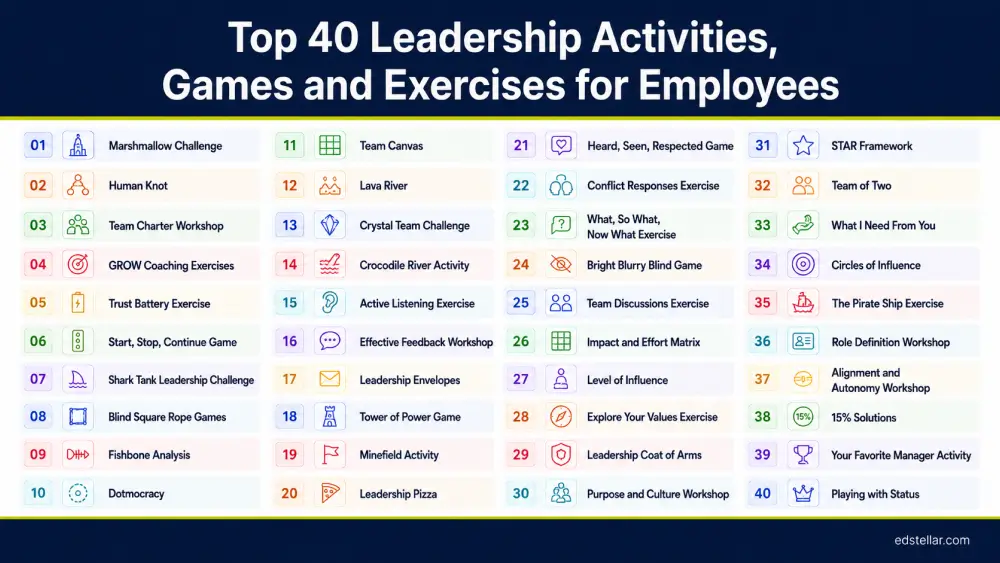
.webp)
.webp)
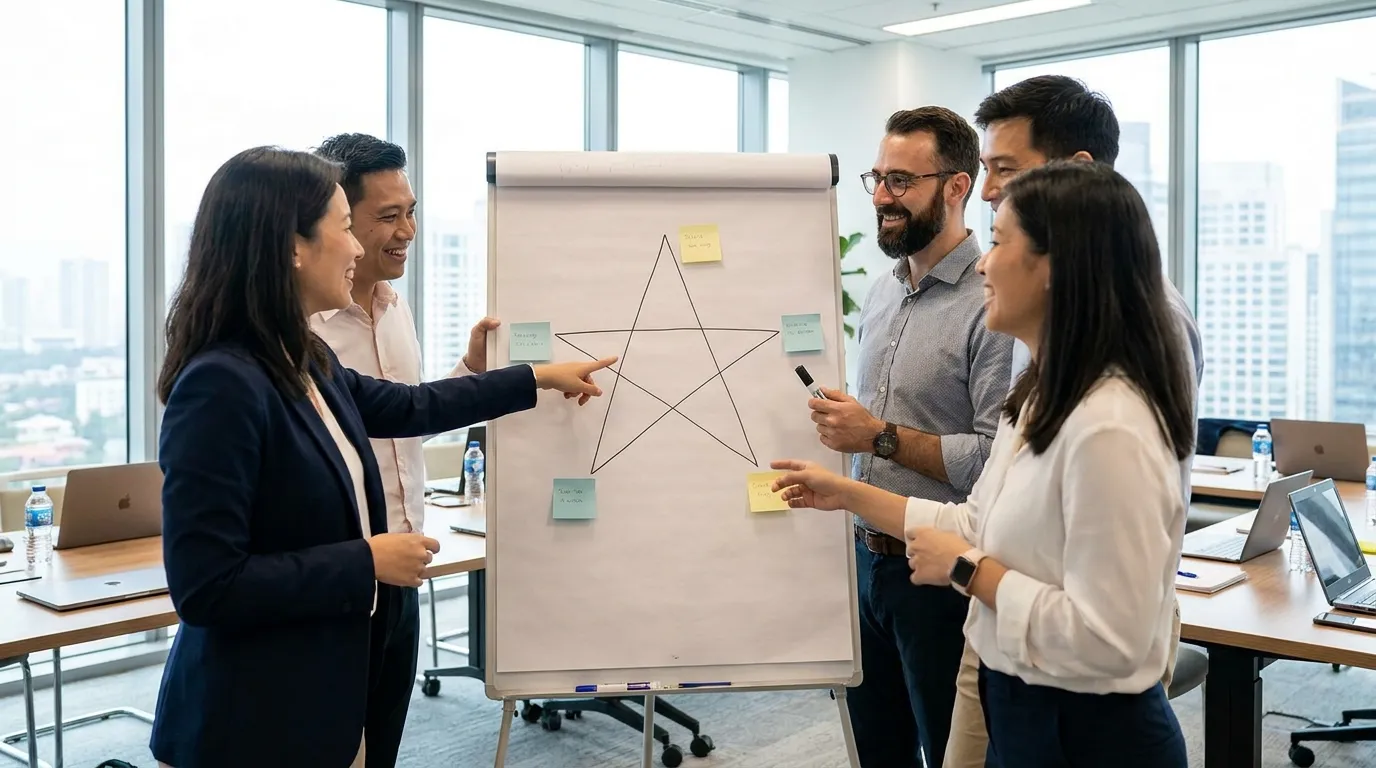




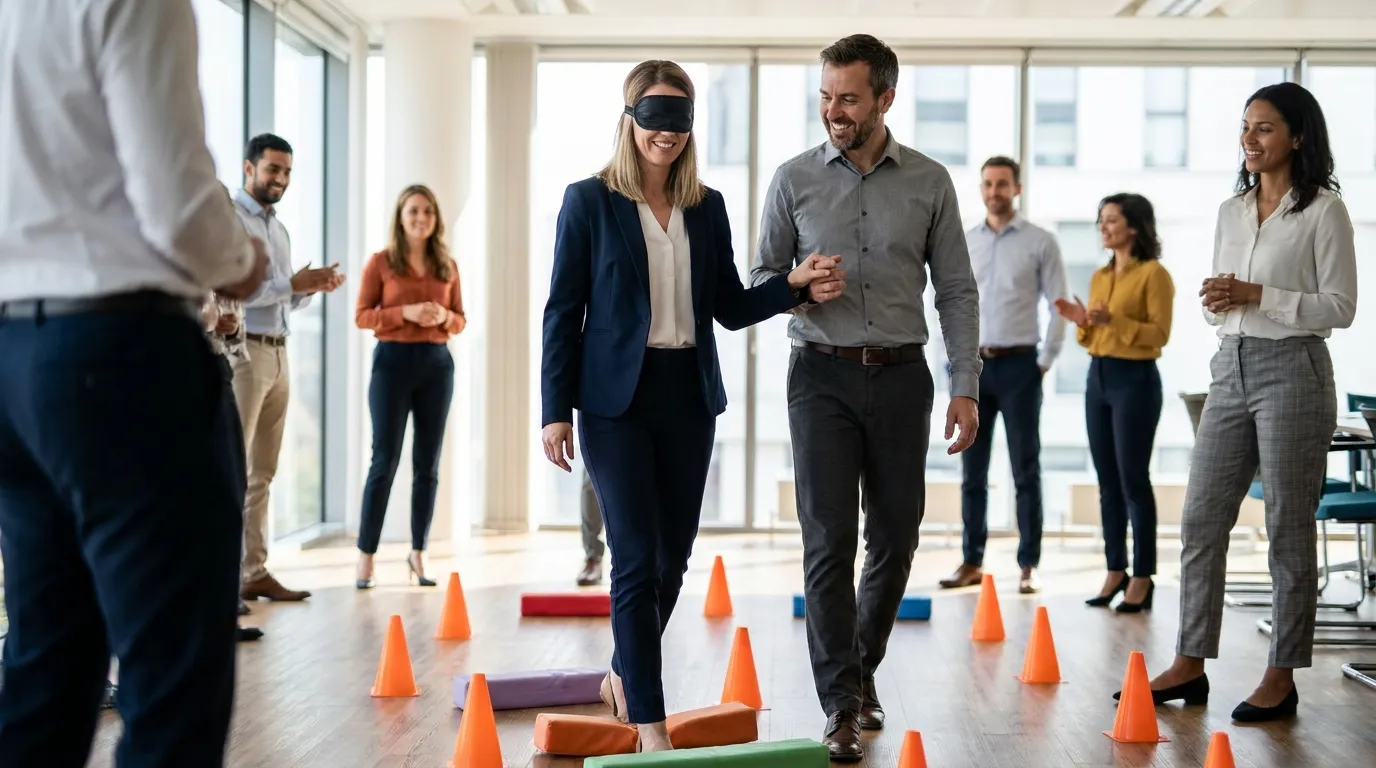


.webp)





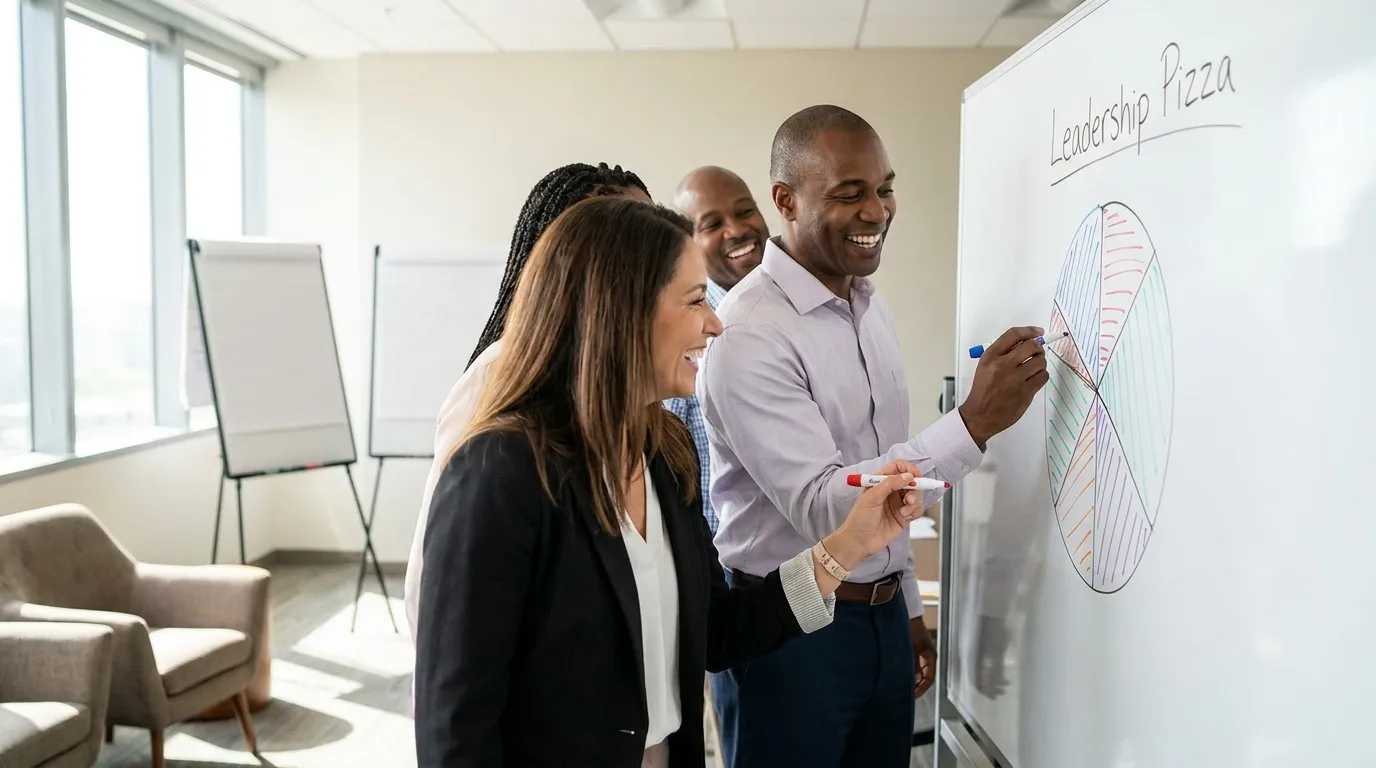

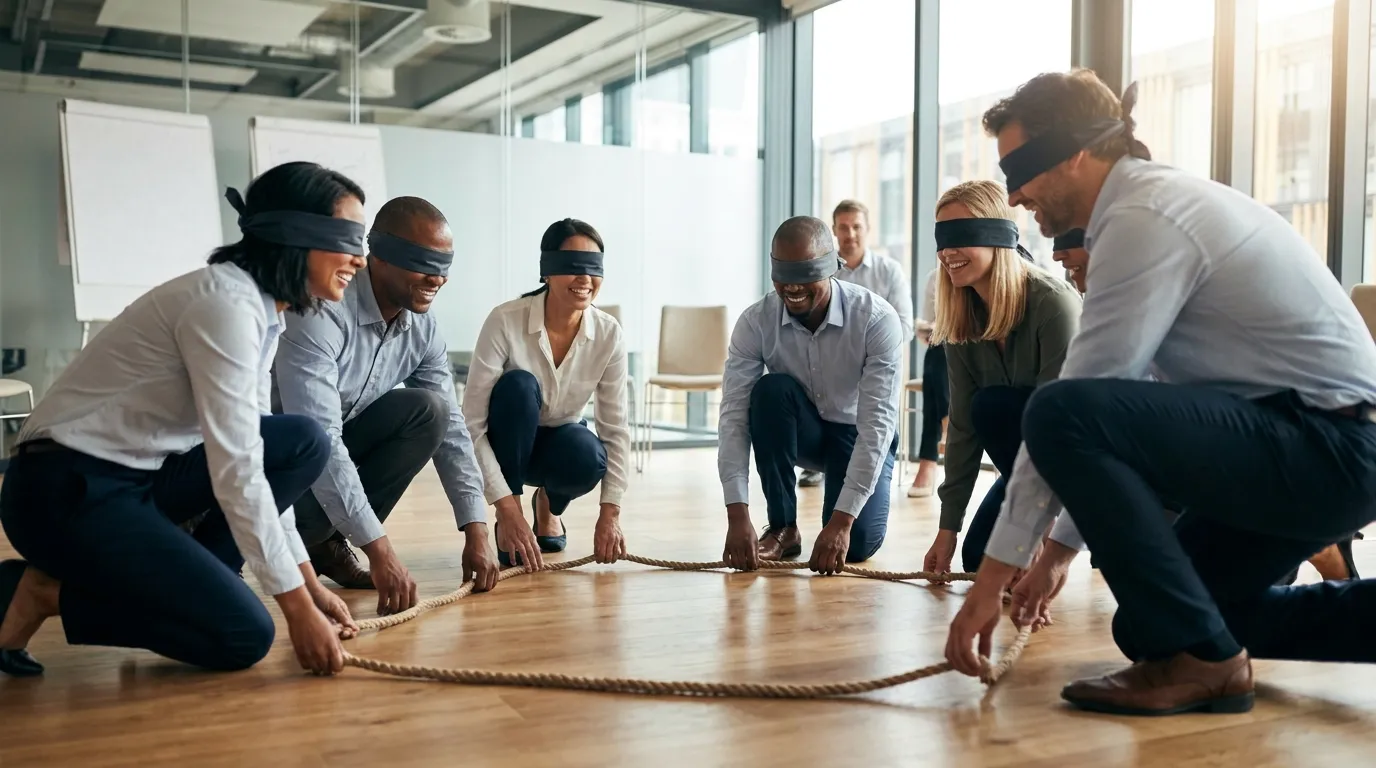



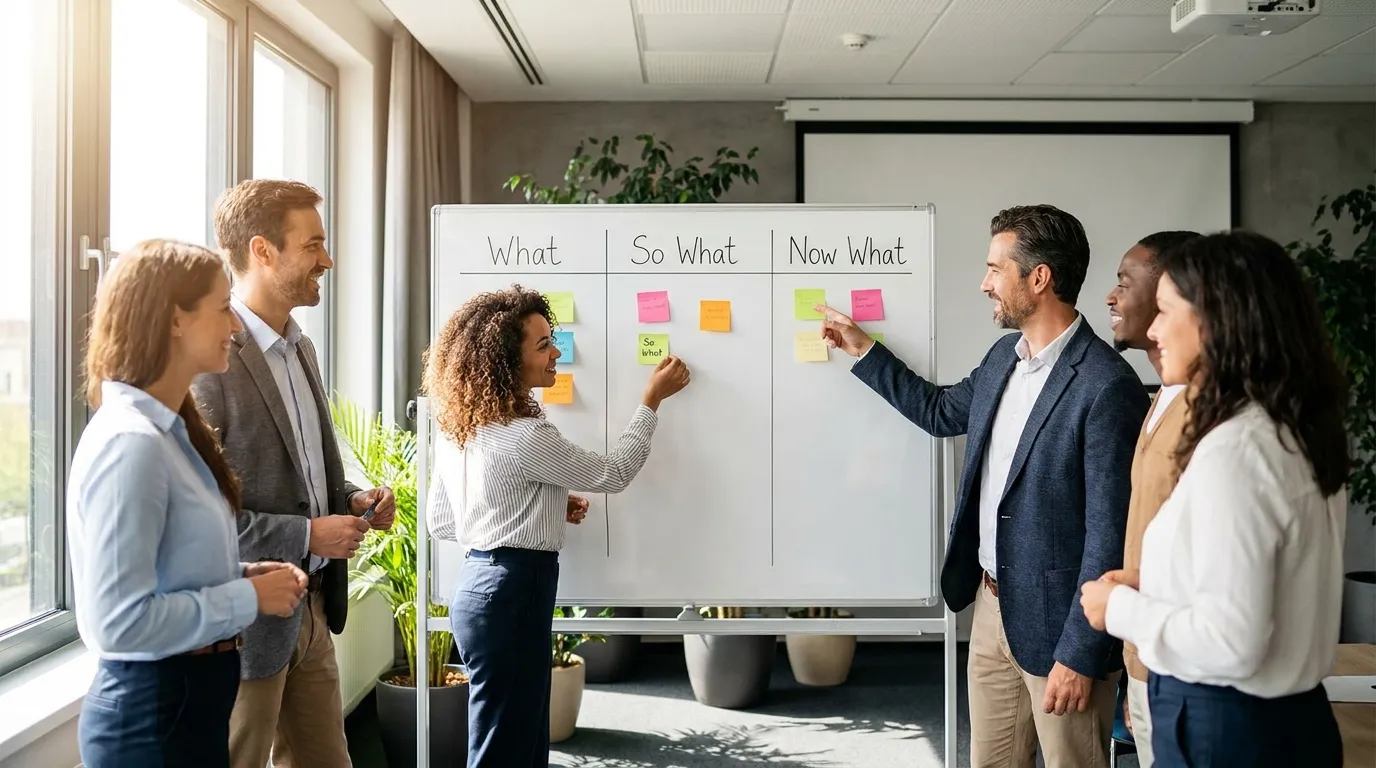



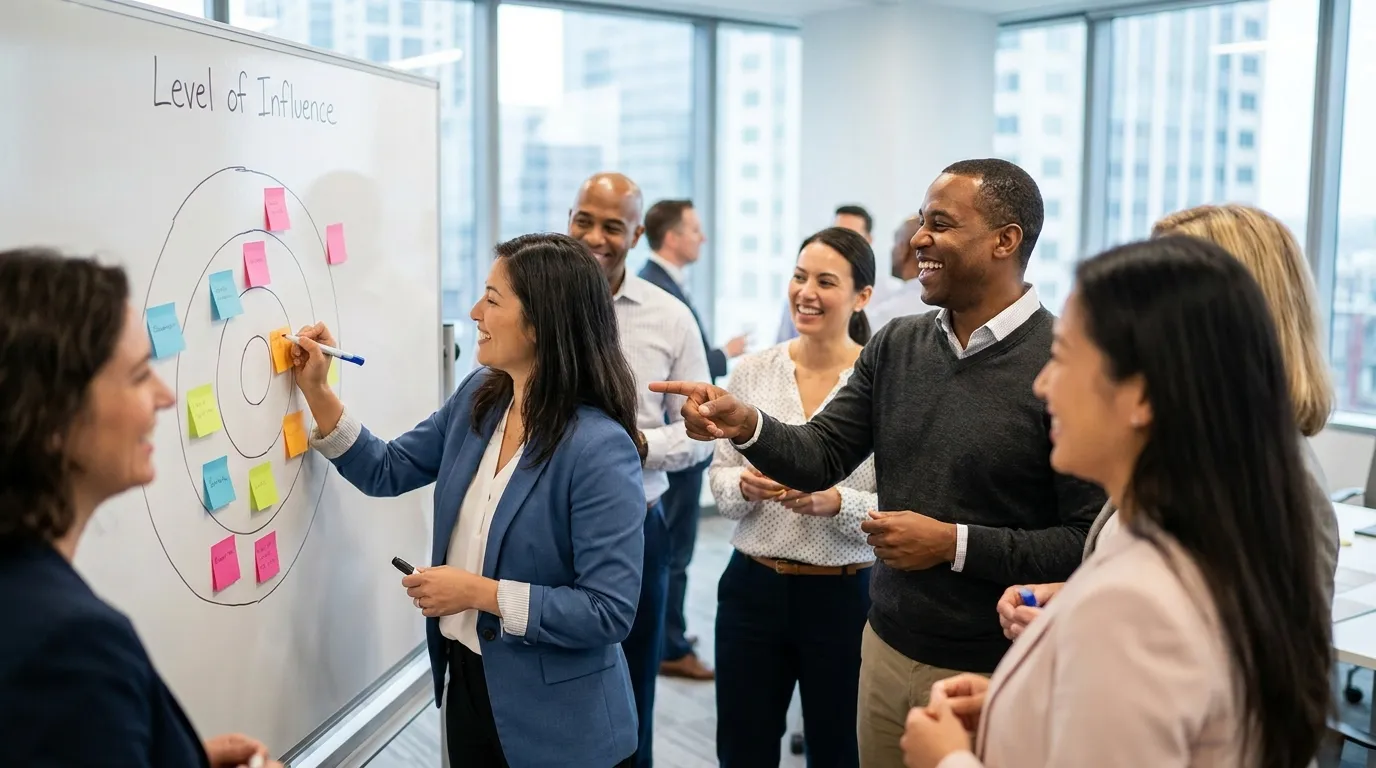
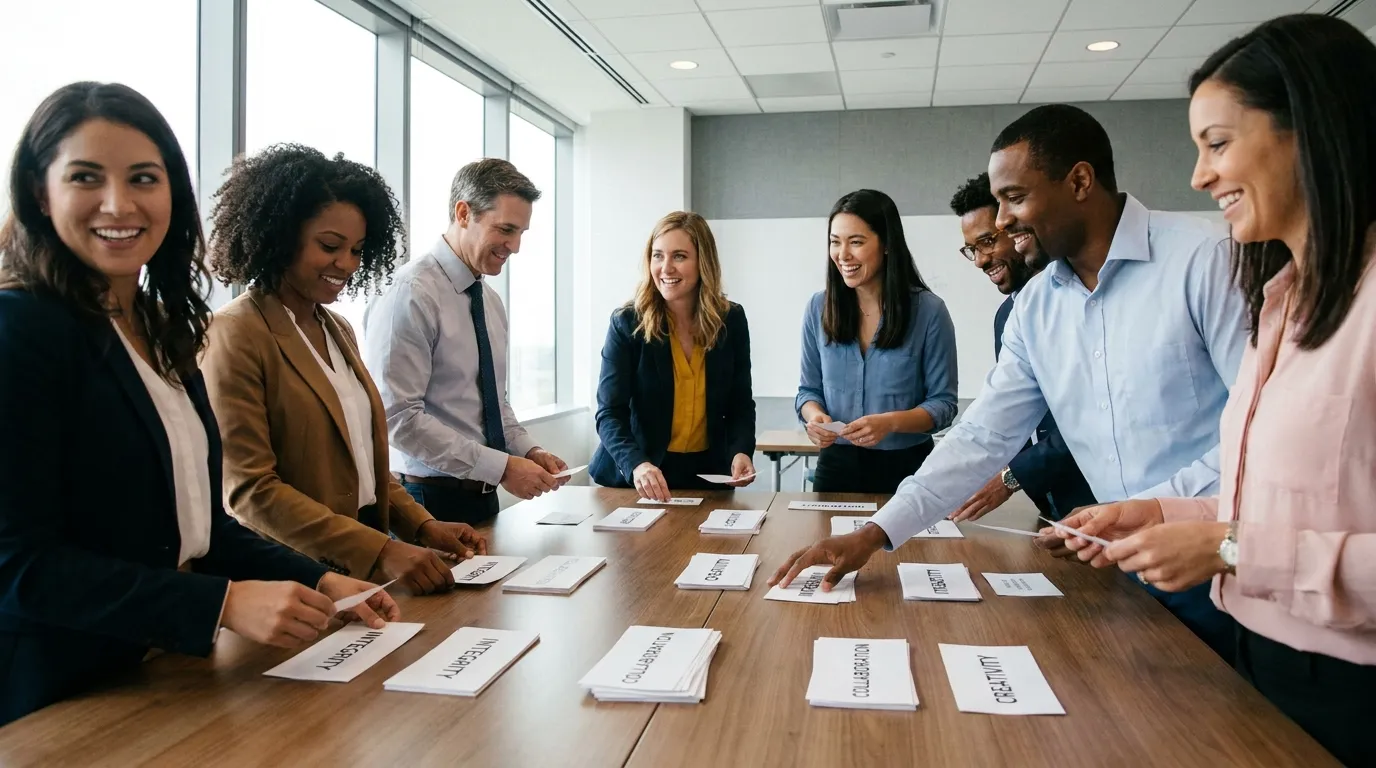

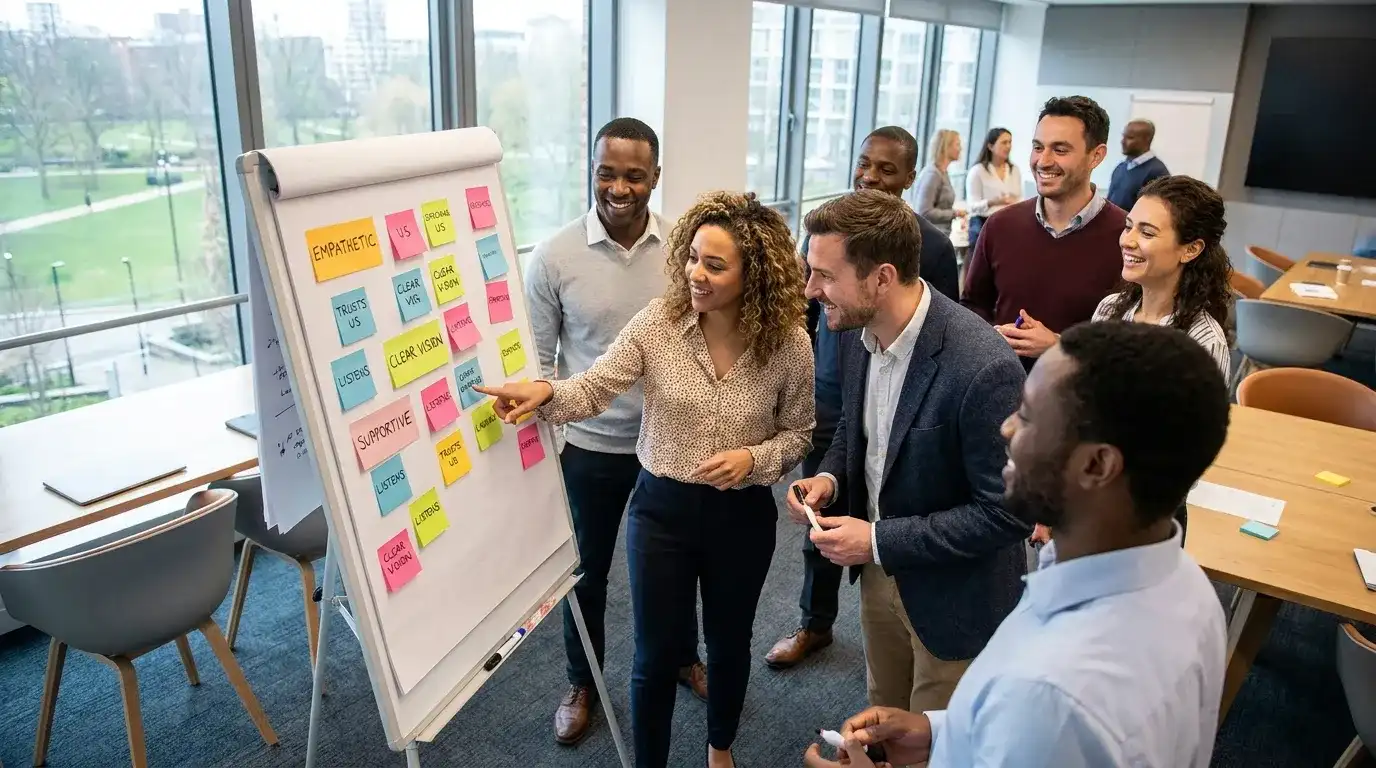




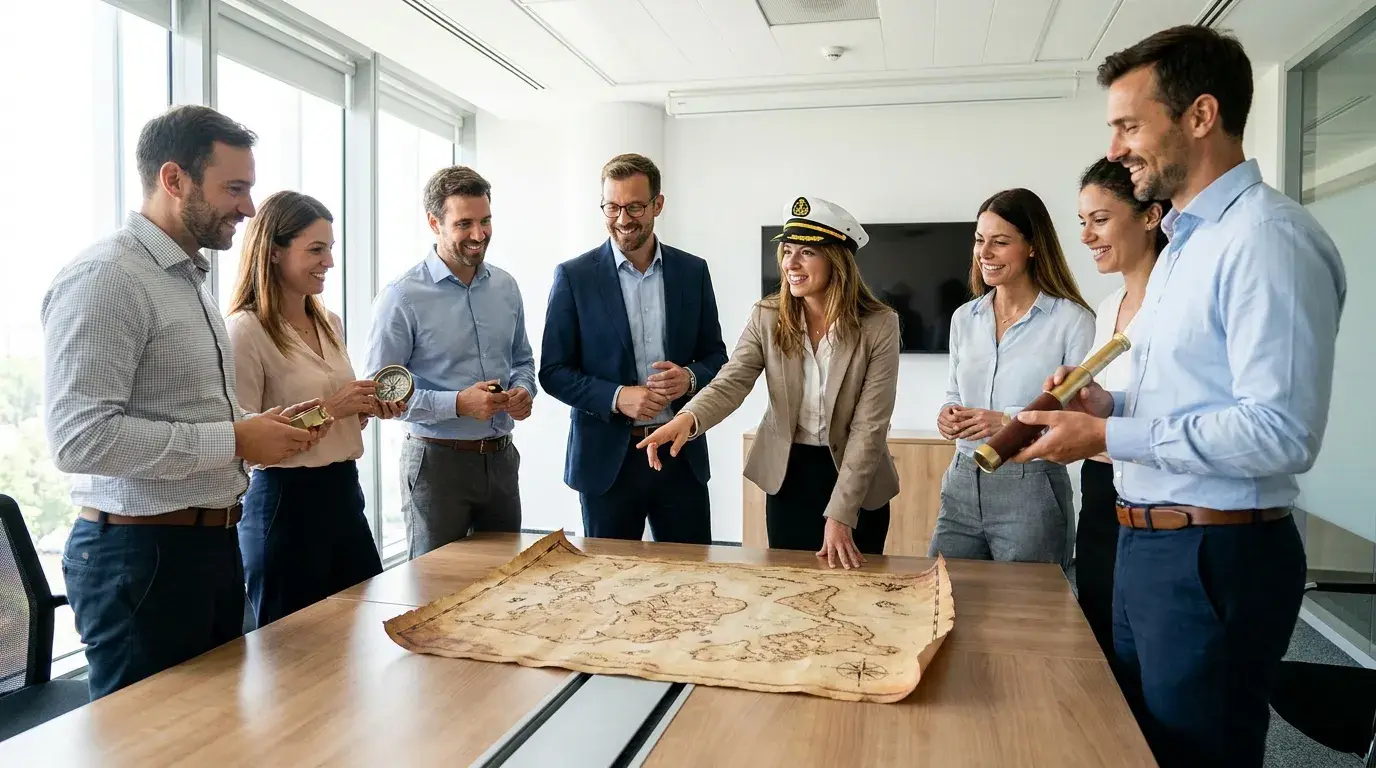









.svg "Click Here to Follow on Medium")
.svg)



.svg)


.svg)
.svg)
.svg)

.svg)