14 Stress Management Activities, Games & Exercises for Employees
An expert-curated guide to the best stress management games for the workplace, reviewed by an L&D leader with 24+ years of experience in employee engagement, wellbeing, and training operations at scale.
14 Stress Management Activities, Games & Exercises for Employees
Content
Table of Content
Quick Overview
Structured stress management activities boost focus, resilience, and workplace productivity.
Quick stress management activities like deep breathing, stretching, and mindfulness deliver immediate relief in minutes.
Group games like Calm Jenga and Stress-Free Bingo turn stress relief into shared team habits.
Movement-based breaks such as Walk-and-Talk and Nature Micro-Break Challenges reset mood and energy.
Role-play simulations and laughter therapy strengthen emotional regulation under pressure.
Consistent practice converts short exercises into long-term coping strategies and measurable team resilience.
Workplace stress has become one of the defining challenges of modern professional life, often amplified by constant workplace change, and how organizations manage it directly shapes employee performance, retention, and overall well-being.
According to the American Psychological Association's 2023 Work survey, 77% of workers reported experiencing work-related stress in the previous month, and more than half cited negative impacts ranging from emotional exhaustion to reduced motivation. Unaddressed stress doesn't just drain morale; it compounds into higher turnover, absenteeism, and disengagement that quietly erode business performance.
Structured stress management workshops, games, and exercises offer a practical antidote. Beyond short-term relief, these activities build emotional resilience, sharpen focus under pressure, and strengthen team cohesion. Together, these qualities form the foundation of a workforce that can sustain demanding workloads rather than collapse under them. Embedding these practices consistently is what turns a one-off wellness session into a lasting performance habit.
"If you employ human beings, you have to care for their well-being. It's not a nice to have, it's not a good to have, it's nonnegotiable. It is a baseline requirement for today's workforce."
Jen Fisher
Founder & CEO, The Wellbeing Team, Deloitte · Miami, USA
✔ Workplace well-being strategist and leadership advisor focused on employee experience, burnout prevention, mental health, and sustainable workforce performance.
Why Workplace Stress Management Matters in 2026
In a demanding work environment, stress can quickly become a barrier to both personal well-being and business performance, and structured stress management activities are how L&D teams close that gap. Gallup's 2024 Workplace report found that 41% of employees worldwide experienced significant daily stress. That figure, one of the highest the study has ever recorded, signals that workplace pressure is not easing despite years of wellness investment.
The business cost is significant. Unmanaged workplace stress translates directly into lost productivity, higher absenteeism, rising healthcare expenses, and accelerated turnover, costs that quietly erode margins year over year. For HR and L&D leaders, the question is no longer whether to invest in workplace stress management, but how to do it in a way that produces measurable, lasting outcomes.
Equipping employees with the right tools, from mindfulness practices to role-based simulations, improves mental health, sharpens decision-making under pressure, and builds a more resilient, engaged workforce. Organizations rolling out a structured stress management training program consistently report stronger team performance within the first quarter.
This guide walks through 14 practical training activities that help employees better manage stress and thrive in any work environment.
Author Insight
"Stress management isn't solved by a single workshop. The real impact comes when organizations embed practical, repeatable activities into daily team routines that help employees pause, reset, and build long term resilience under pressure.
"
Subbaiah M U
✓ 24+ years of L&D leadership with deep experience in designing employee wellbeing and engagement programs across large, fast paced teams.
14 Stress Relief Activities for the Modern Workplace
The 14 facilitator-tested stress management activities below are structured for easy delivery across in-person, hybrid, and remote teams, with clear outcomes you can measure against engagement and productivity benchmarks. Each activity includes an interactive demo, recommended materials, time and team size, and the workplace skill it sharpens.
👤 Age 18+👥 1+ Players⏱ 5-10 min
1. Deep Breathing Breaks
Practice focused breathing techniques like 4-7-8 to calm the mind, regulate the nervous system, and quickly reset focus during high-pressure workplace moments.
BreathingCalmFocus
1 Interactive Guided Demo
1
2
3
4
5
6
7
8
Step 1 of 8
👆
🌬️
🫁🌬️🧘
🪑⏱️🤫💧⏱️
⏱️
📋✨🎯🤝
✨✨
🤫✅🌟💡
💧
🎯🤝📌💡
✨✨
💡🪑⏱️🤫💧
📋🎯🚀📌
🏆
🎉🌟✨🎊💫
Welcome to Deep Breathing Breaks
Breathe deeply, slow the mind, reset focus fast.
👆 Click anywhere to continue
2 Activity Details
🌬️
Practice focused breathing techniques like 4-7-8 to calm the mind, regulate the nervous system, and quickly reset focus during high-pressure workplace moments.
Players
👥 1+ Players
Recommended
Time
⏱ 5-10 min
Activity + debrief
Format
Team Game
Facilitated
Skill
Calm
Primary outcome
What You'll Need
Prepare these items before the activity begins so the session runs smoothly.
🪑
Comfortable Chair
Required for activity
⏱️
Timer
Required for activity
🤫
Quiet Space
Required for activity
💧
Water Bottle
Required for activity
Step-by-Step Walkthrough
1
Settle In
Choose a calm area and sit comfortably with a straight back, feet flat on the floor, and hands resting on knees or lap.
5 min
2
Inhale for 4
Close your eyes and slowly inhale through the nose for a count of four, drawing air gently into the belly.
5 min
3
Hold for 7
Hold the breath gently for seven counts, keeping shoulders relaxed and the chest soft.
5 min
4
Exhale for 8
Exhale fully through the mouth for a count of eight, releasing tension with the outbreath.
5 min
5
Repeat the Cycle
Perform four to five full cycles until the mind feels clear and the body feels calm.
5 min
6
Reflect
Notice mental clarity and emotional state, and consider what distracted you during the practice.
5 min
Ground Rules
✓ Do
Guide participants through each breath count slowly and clearly.
Ensure the environment is quiet and free from distractions.
Demonstrate the 4-7-8 technique yourself before participants begin.
Encourage participants to close their eyes if they feel comfortable.
Allow a moment of silence after each cycle for reflection.
✕ Don't
Do not rush through the breathing cycles.
Do not force participants to breathe deeper than feels natural.
Do not hold the session in a noisy or high-traffic area.
Do not skip the reflection discussion after the exercise.
Do not pressure anyone who feels uncomfortable closing their eyes.
What Your Team Will Learn
These outcomes should be reinforced during the debrief.
🧠
Outcome
Calm
Employees learn to activate the parasympathetic nervous system through controlled breathing, achieving immediate stress relief.
🛠️
Outcome
Focus
The 4-7-8 technique trains the mind to anchor on a single task, sharpening concentration under pressure.
🤝
Outcome
Clarity
By slowing the breath, employees clear mental fog and approach tasks with renewed mental clarity.
⏱
Outcome
Resilience
Regular practice builds the ability to self-regulate during high-stress moments in the workplace.
💡
Outcome
Patience
Holding the breath and exhaling slowly develops tolerance for discomfort and the ability to pause before reacting.
📊
Outcome
Recovery
Employees gain a portable recovery tool they can use instantly to reset after stressful events.
Ways to Mix It Up
🔁
Repeat Round
Run a second round after debrief to test improved thinking.
🤐
Silent Mode
Add a short no-speaking phase to test non-verbal coordination.
💰
Budget Mode
Assign costs or limits to resources to force prioritization.
🌐
Virtual Edition
Adapt the activity using breakout rooms and shared documents.
🏆
Scored Challenge
Award points for creativity, teamwork, and quality of reasoning.
Debrief Questions
Use these prompts to convert the activity into workplace learning.
Did you find it challenging to focus on your breath? What distracted you?
Did you feel an improvement in your mental clarity or emotional state?
3 Tips for Facilitators
⚡
Create Calm First
Model calm body language yourself before beginning; your demeanor sets the room's tone.
🔢
Pace the Count Aloud
Count the 4-7-8 beats slowly and steadily so participants can follow without guessing.
💧
Watch for Dizziness
Advise participants to return to normal breathing if they feel lightheaded at any point.
🤫
Silence Is Key
Eliminate background noise before starting; even small distractions break the exercise.
4 Real-World Applications
⚡
Pre-Meeting Reset
Use before high-stakes presentations or difficult conversations to calm nerves instantly.
⏱
Deadline Pressure
Apply during crunch periods to maintain focus and prevent overwhelm from escalating.
🤝
Conflict De-escalation
Breathe before responding in tense situations to avoid reactive, stress-driven decisions.
🌅
Morning Routine
Start the workday with a breathing cycle to anchor a calm, productive tone from the start.
👤 Age 18+👥 1+ Players⏱ 2-5 min
2. Mindfulness Meditation (2-Minute Version)
A two-minute focused exercise where employees attend to breath and bodily sensations, making it one of the fastest stress management activities to reduce tension on demand.
MindfulnessAwarenessCalm
1 Interactive Guided Demo
1
2
3
4
5
6
7
8
Step 1 of 8
👆
🧘
🧘🌸💭
⏱️🪑🎧🕯️🪑
🪑
📋✨🎯🤝
✨✨
🎧✅🌟💡
🕯️
🎯🤝📌💡
✨✨
💡⏱️🪑🎧🕯️
📋🎯🚀📌
🏆
🎉🌟✨🎊💫
Welcome to Mindfulness Meditation
Pause, breathe, and return fully to the present.
👆 Click anywhere to continue
2 Activity Details
🧘
A two-minute focused exercise where employees attend to breath and bodily sensations, providing a fast, effective way to reduce stress and return to the present moment.
Players
👥 1+ Players
Recommended
Time
⏱ 2-5 min
Activity + debrief
Format
Team Game
Facilitated
Skill
Mindfulness
Primary outcome
What You'll Need
Prepare these items before the activity begins so the session runs smoothly.
⏱️
Timer
Required for activity
🪑
Quiet Chair
Required for activity
🎧
Headphones
Required for activity
🕯️
Calming Ambience
Required for activity
Step-by-Step Walkthrough
1
Choose a Spot
Find a distraction-free seat where you can sit undisturbed for the next two minutes.
5 min
2
Set the Timer
Set a timer for two minutes so you can fully relax without checking the clock.
5 min
3
Sit Tall
Sit with feet flat, back straight, and hands resting on the lap or desk.
5 min
4
Soften the Gaze
Close the eyes or soften the gaze, and take a few slow, deep breaths.
5 min
5
Anchor in Breath
Focus on the sensation of air at the nostrils or the chest rising and falling.
5 min
6
Refocus Gently
If the mind wanders, gently bring attention back to the breath without judgment.
5 min
Ground Rules
✓ Do
Set a timer before beginning so participants are free from time anxiety.
Guide participants to sit comfortably with a straight back and relaxed shoulders.
Speak softly and calmly throughout the exercise.
Reassure participants that wandering thoughts are completely normal.
Allow a quiet transition period before participants return to work.
✕ Don't
Do not use loud or abrupt sounds to signal the end of the session.
Do not pressure participants to achieve any particular mental state.
Do not allow interruptions during the 2-minute mindfulness window.
Do not skip the reflection question at the end of the exercise.
Do not hold the session during noisy or high-distraction periods.
What Your Team Will Learn
These outcomes should be reinforced during the debrief.
🧠
Outcome
Mindfulness
Employees develop the ability to anchor attention in the present moment, reducing rumination and anxiety.
🛠️
Outcome
Calm
Two minutes of focused breathing activates the body's relaxation response, quickly reducing cortisol levels.
🤝
Outcome
Focus
By quieting mental chatter, employees return to work with sharper attention and reduced cognitive overload.
⏱
Outcome
Awareness
Participants become more conscious of how stress manifests in their body, enabling earlier intervention.
💡
Outcome
Patience
Regular mindfulness practice builds tolerance for ambiguity and discomfort in challenging workplace situations.
📊
Outcome
Clarity
A momentary mental reset improves decision-making quality by clearing stress-induced cognitive bias.
Ways to Mix It Up
🔁
Repeat Round
Run a second round after debrief to test improved thinking.
🤐
Silent Mode
Add a short no-speaking phase to test non-verbal coordination.
💰
Budget Mode
Assign costs or limits to resources to force prioritization.
🌐
Virtual Edition
Adapt the activity using breakout rooms and shared documents.
🏆
Scored Challenge
Award points for creativity, teamwork, and quality of reasoning.
Debrief Questions
Use these prompts to convert the activity into workplace learning.
Did the meditation make you feel more present and less overwhelmed? How might this help you approach your next task more effectively?
What is the best time in your workday to use this practice? Could it help you refocus after a stressful meeting or prepare for an important task?
3 Tips for Facilitators
🎙️
Use a Soft Voice
Speak slowly and calmly throughout; your vocal tone directly shapes the room's energy.
🌊
Normalize Distraction
Remind participants that a wandering mind is normal and not a sign of failure.
🔔
Avoid Abrupt Endings
Use a soft bell or a gentle voice to close; never a jarring alarm or sudden noise.
🔗
Bridge to Work
Ask one question linking the experience to a real work challenge before participants resume.
4 Real-World Applications
⚡
Pre-Task Focus
Use before complex or creative work requiring deep concentration and mental clarity.
🤝
Post-Meeting Reset
Recover mental clarity after back-to-back meetings with a shared 2-minute pause.
⏱
Stress Spike Response
Apply immediately when stress levels rise unexpectedly during an intense workday.
🌅
Team Kickoffs
Open team meetings with a mindfulness pause to align energy and improve group focus.
👤 Age 18+👥 1+ Players⏱ 10-15 min
3. Stretching Sessions
Guided stretches for neck, shoulders, back, and wrists are among the simplest stress management activities for relieving physical strain from prolonged sitting.
MobilityEnergyRecovery
1 Interactive Guided Demo
1
2
3
4
5
6
7
8
Step 1 of 8
👆
🙆
🙆💪🧘
🪑🧘⏱️💧👕
🧘
📋✨🎯🤝
✨✨
⏱️✅🌟💡
💧
🎯🤝📌💡
✨✨
👕🪑🧘⏱️💧
💡🚀📌🤝
🏆
🎉🌟✨🎊💫
Welcome to Stretching Sessions
Stretch tension out, boost circulation, refresh the body.
👆 Click anywhere to continue
2 Activity Details
🙆
Guided stretches for neck, shoulders, back, and wrists relieve physical strain from prolonged sitting, improving circulation and refreshing both body and mind.
Players
👥 1+ Players
Recommended
Time
⏱ 10-15 min
Activity + debrief
Format
Team Game
Facilitated
Skill
Mobility
Primary outcome
What You'll Need
Prepare these items before the activity begins so the session runs smoothly.
🪑
Sturdy Chair
Required for activity
🧘
Yoga Mat
Required for activity
⏱️
Timer
Required for activity
💧
Water Bottle
Required for activity
👕
Comfortable Clothing
Required for activity
Step-by-Step Walkthrough
1
Find Space
Choose a comfortable area with enough room to move arms and torso freely without obstacles.
5 min
2
Neck Stretch
Tilt the head gently to the right for ten seconds, then repeat on the left side.
5 min
3
Shoulder Rolls
Roll the shoulders forward for ten seconds, then backward for another ten seconds.
5 min
4
Forward Fold
From a seated position, reach gently toward the toes and hold for ten to fifteen seconds.
5 min
5
Wrist Release
Extend one arm and gently pull the fingers back for five to ten seconds per hand.
5 min
6
Spinal Twist
Sit upright, place the right hand on the chair back, twist right for ten seconds, then repeat left.
5 min
Ground Rules
✓ Do
Demonstrate each stretch clearly before participants attempt it.
Remind participants to breathe deeply throughout each stretch.
Allow participants to modify stretches based on personal comfort.
Keep stretches gentle and within a pain-free range of motion.
Use a timer so participants hold each stretch for the correct duration.
✕ Don't
Do not push participants to stretch beyond their comfort zone.
Do not rush between stretches without adequate hold time.
Do not allow participants to bounce during static stretches.
Do not ignore signs of physical discomfort or strain.
Do not skip the cool-down and reflection at the end of the session.
What Your Team Will Learn
These outcomes should be reinforced during the debrief.
🧠
Outcome
Mobility
Participants improve their range of motion in key tension areas, reducing stiffness caused by prolonged sitting.
🛠️
Outcome
Energy
Increased blood circulation from stretching re-energizes the body, combating mid-day fatigue and sluggishness.
🤝
Outcome
Calm
Combining movement with deep breathing activates the body's relaxation response, reducing stress hormones.
⏱
Outcome
Focus
Physical tension relief clears mental distractions, helping employees return to tasks with renewed concentration.
💡
Outcome
Recovery
Stretching helps the body physically recover from postural strain, preventing long-term discomfort and injury.
📊
Outcome
Posture
Regular practice corrects postural imbalances from desk work, improving confidence and reducing back pain.
Ways to Mix It Up
🔁
Repeat Round
Run a second round after debrief to test improved thinking.
🤐
Silent Mode
Add a short no-speaking phase to test non-verbal coordination.
💰
Budget Mode
Assign costs or limits to resources to force prioritization.
🌐
Virtual Edition
Adapt the activity using breakout rooms and shared documents.
🏆
Scored Challenge
Award points for creativity, teamwork, and quality of reasoning.
Debrief Questions
Use these prompts to convert the activity into workplace learning.
Which specific areas of your body (e.g., neck, shoulders, back) felt the most tension before stretching, and how do they feel now?
When during your workday do you feel the most physical discomfort or mental fatigue, and how can you schedule a quick stretching break to alleviate it?
3 Tips for Facilitators
🧍
Demonstrate First
Show each stretch yourself before participants attempt it; visual guidance prevents injury.
💨
Cue the Breath
Remind participants to exhale during each stretch to deepen the release and relaxation.
🔄
Offer Modifications
Always provide an easier alternative for participants with physical limitations or discomfort.
👁️
Watch for Strain
Observe participants for signs of pain and intervene gently; no stretch should ever hurt.
4 Real-World Applications
⚡
Mid-Day Energy Boost
Schedule stretching breaks to combat afternoon fatigue and restore focus after desk work.
🏠
Remote Work Routine
Build stretching into home office schedules to counteract prolonged sedentary work habits.
🤝
Post-Meeting Recovery
Stretch after long, stressful meetings to release physical tension before the next task.
🌅
Onboarding Programs
Introduce stretching as a healthy workplace habit from an employee's very first day.
👤 Age 18+👥 1+ Players⏱ 5-10 min
4. Laughter Yoga
Voluntary laughter combined with yogic breathing, clinically shown to reduce stress hormones and increasingly common in corporate wellness programs across India, the US, and the UK.
BreathworkEnergyWellness
1 Interactive Guided Demo
1
2
3
4
5
6
7
8
Step 1 of 8
👆
🤣
😄💨⚡
🧘💨⚡🌟😄
🤣
🌈🤸✨🏆
✨✨
🧘💨⚡🌟
🤣
🌈🤸✨🏆
✨✨
🧘💨⚡🌟😄
😄🧘💨⚡
🤣
🎉🌟✨🎊💫
Welcome to Laughter Yoga
Get ready to begin Laughter Yoga.
👆 Click anywhere to continue
2 Activity Details
🌬️
Voluntary laughter combined with yogic breathing, clinically shown to reduce stress hormones and increasingly common in corporate wellness programs across India, the US, and the UK. Awkward for the first thirty seconds, then surprisingly effective for the next thirty minutes.
Players
👥 1+ Players
Recommended
Time
⏱ 5-10 min
Activity + debrief
Format
Team Game
Facilitated
Skill
Calm
Primary outcome
What You'll Need
Prepare these items before the activity begins so the session runs smoothly.
🪑
Comfortable Chair
Required for activity
⏱️
Timer
Required for activity
🤐
Quiet Space
Required for activity
💧
Water Bottle
Required for activity
Step-by-Step Walkthrough
1
Warm Up the Breath
Choose a calm area and sit comfortably with a straight back, feet flat on the floor, and hands resting on knees or lap.
5 min
2
Gentle Laughter
Close your eyes and slowly inhale through the nose for a count of four, drawing air gently into the belly.
5 min
3
Big Belly Laughter
Hold the breath gently for seven counts, keeping shoulders relaxed and the chest soft.
5 min
4
Cool Down Breathing
Exhale fully through the mouth for a count of eight, releasing tension with the outbreath.
5 min
5
Reflect on Energy
Perform four to five full cycles until the mind feels clear and the body feels calm.
5 min
6
Reflect
Notice mental clarity and emotional state, and consider what distracted you during the practice.
5 min
Ground Rules
✓ Do
Guide participants through each breath count slowly and clearly.
Ensure the environment is quiet and free from distractions.
Demonstrate the 4-7-8 technique yourself before participants begin.
Encourage participants to close their eyes if they feel comfortable.
Allow a moment of silence after each cycle for reflection.
✕ Don't
Do not rush through the breathing cycles.
Do not force participants to breathe deeper than feels natural.
Do not hold the session in a noisy or high-traffic area.
Do not skip the reflection discussion after the exercise.
Do not pressure anyone who feels uncomfortable closing their eyes.
What Your Team Will Learn
These outcomes should be reinforced during the debrief.
🧠
Outcome
Calm
Employees learn to activate the parasympathetic nervous system through controlled breathing, achieving immediate stress relief.
🛠️
Outcome
Focus
The 4-7-8 technique trains the mind to anchor on a single task, sharpening concentration under pressure.
🤝
Outcome
Clarity
By slowing the breath, employees clear mental fog and approach tasks with renewed mental clarity.
⏱
Outcome
Resilience
Regular practice builds the ability to self-regulate during high-stress moments in the workplace.
💡
Outcome
Patience
Holding the breath and exhaling slowly develops tolerance for discomfort and the ability to pause before reacting.
📊
Outcome
Recovery
Employees gain a portable recovery tool they can use instantly to reset after stressful events.
Ways to Mix It Up
🔁
Repeat Round
Run a second round after debrief to test improved thinking.
🤐
Silent Mode
Add a short no-speaking phase to test non-verbal coordination.
💰
Budget Mode
Assign costs or limits to resources to force prioritization.
🌐
Virtual Edition
Adapt the activity using breakout rooms and shared documents.
🏆
Scored Challenge
Award points for creativity, teamwork, and quality of reasoning.
Debrief Questions
Use these prompts to convert the activity into workplace learning.
Did you find it challenging to focus on your breath? What distracted you?
Did you feel an improvement in your mental clarity or emotional state?
3 Tips for Facilitators
⚡
Create Calm First
Model calm body language yourself before beginning; your demeanor sets the room's tone.
🔢
Pace the Count Aloud
Count the 4-7-8 beats slowly and steadily so participants can follow without guessing.
💧
Watch for Dizziness
Advise participants to return to normal breathing if they feel lightheaded at any point.
🤫
Silence Is Key
Eliminate background noise before starting; even small distractions break the exercise.
4 Real-World Applications
⚡
Pre-Meeting Reset
Use before high-stakes presentations or difficult conversations to calm nerves instantly.
⏱
Deadline Pressure
Apply during crunch periods to maintain focus and prevent overwhelm from escalating.
🤝
Conflict De-escalation
Breathe before responding in tense situations to avoid reactive, stress-driven decisions.
🌅
Morning Routine
Start the workday with a breathing cycle to anchor a calm, productive tone from the start.
👤 Age 18+👥 1-4 Players⏱ 5-10 min
5. Walk-and-Talk Breaks
Light walking paired with casual conversation helps employees decompress, clear the mind, and return to work with fresh focus and a calmer mood.
MovementConnectionReset
1 Interactive Guided Demo
1
2
3
4
5
6
7
8
Step 1 of 8
👆
🚶
🚶💬🌳
👟💧⏱️🌳💧
💧
📋✨🎯🤝
✨✨
⏱️✅🌟💡
🌳
🎯🤝📌💡
✨✨
💡👟💧⏱️🌳
📋🎯🚀📌
🏆
🎉🌟✨🎊💫
Welcome to Walk-and-Talk Breaks
Walk, chat lightly, return with clearer focus.
👆 Click anywhere to continue
2 Activity Details
🚶
Light walking paired with casual conversation helps employees decompress, clear the mind, and return to work with fresh focus and a calmer mood.
Players
👥 1-4 Players
Recommended
Time
⏱ 5-10 min
Activity + debrief
Format
Team Game
Facilitated
Skill
Movement
Primary outcome
What You'll Need
Prepare these items before the activity begins so the session runs smoothly.
👟
Walking Shoes
Required for activity
💧
Water Bottle
Required for activity
⏱️
Timer
Required for activity
🌳
Outdoor Path
Required for activity
Step-by-Step Walkthrough
1
Pick a Partner
Decide whether to walk alone or invite a colleague along for the break.
5 min
2
Choose a Path
Select a safe, quiet path such as a hallway, park, or office campus loop.
5 min
3
Set the Duration
Plan a five to ten minute walk so it fits easily between work blocks.
5 min
4
Keep It Light
Walk at a comfortable pace and keep conversation light, positive, and non-work related.
5 min
5
Notice Surroundings
Tune in to footsteps, the breeze, colors, and small details along the route.
5 min
6
Re-Enter Calm
After the break, take a deep breath and mentally prepare for the next task.
5 min
Ground Rules
✓ Do
Keep conversation light, positive, and unrelated to work stressors.
Walk at a comfortable, relaxed pace without any time pressure.
Choose a safe and pleasant route inside or outside the office.
Encourage participants to notice their surroundings mindfully as they walk.
Set a clear return time so participants feel secure and unrushed.
✕ Don't
Do not discuss stressful work topics or unresolved conflicts during the walk.
Do not walk in hazardous, noisy, or high-traffic areas.
Do not extend the break beyond the agreed time without informing the team.
Do not make the walk feel like a formal meeting or structured activity.
Do not pressure employees to talk if they prefer quiet, reflective walking.
What Your Team Will Learn
These outcomes should be reinforced during the debrief.
🧠
Outcome
Movement
Light physical activity increases blood flow and oxygen to the brain, improving energy and cognitive function.
🛠️
Outcome
Calm
Stepping away from the desk and changing environment provides an immediate mental and physical reset.
🤝
Outcome
Focus
Physical movement clears mental fatigue, allowing employees to return to tasks with renewed attention.
⏱
Outcome
Connection
Casual conversation during walks strengthens peer relationships and reduces feelings of workplace isolation.
💡
Outcome
Energy
Short bursts of activity combat mid-day energy dips, improving sustained performance throughout the day.
📊
Outcome
Recovery
Employees gain a simple, no-cost stress recovery method that requires no equipment or preparation.
Ways to Mix It Up
🔁
Repeat Round
Run a second round after debrief to test improved thinking.
🤐
Silent Mode
Add a short no-speaking phase to test non-verbal coordination.
💰
Budget Mode
Assign costs or limits to resources to force prioritization.
🌐
Virtual Edition
Adapt the activity using breakout rooms and shared documents.
🏆
Scored Challenge
Award points for creativity, teamwork, and quality of reasoning.
Debrief Questions
Use these prompts to convert the activity into workplace learning.
If you walked with a colleague, how did the conversation impact your mood or perspective?
Did taking a break from your workspace help clear your mind or provide a new perspective on a current challenge?
3 Tips for Facilitators
🚫
Set a No-Work Rule
Explicitly state work topics are off-limits to protect the break as genuine mental recovery.
🗺️
Choose Route Wisely
Select a path that is quiet and pleasant, away from high-stress workplace environments.
🧘
Solo Is Fine
Affirm that walking alone with quiet reflection is equally valid and beneficial.
🌬️
Return Refreshed
Encourage one deep breath before re-entering the workspace to carry the calm inside.
4 Real-World Applications
⚡
Peer Support Check-Ins
Use as an informal wellbeing check-in between colleagues during high-pressure periods.
🤝
Creative Problem-Solving
Walk to generate fresh perspectives on challenges that feel stuck at the desk.
⏱
Team Bonding
Build casual connections outside formal meetings to strengthen team cohesion naturally.
🌅
Hybrid Workplace Wellness
Encourage in-office teams to step away from desks regularly as a structured habit.
👤 Age 18+👥 1+ Players⏱ 5-10 min
6. Gratitude Jar
Employees write daily gratitude notes that get shared aloud at the end of the week, reducing the negativity bias the news cycle reinforces and quietly building a more supportive team culture. The compounding effect over a quarter is larger than most teams expect.
PositivityCultureWellbeing
1 Interactive Guided Demo
1
2
3
4
5
6
7
8
Step 1 of 8
👆
🫙
📝💛🌟
📝💛🌟🤝✨
🫙
💌🌸💖🏆
✨✨
📝💛🌟🤝
🫙
💌🌸💖🏆
✨✨
📝💛🌟🤝✨
✨📝💛🌟
🫙
🎉🌟✨🎊💫
Welcome to Gratitude Jar
Get ready to begin Gratitude Jar.
👆 Click anywhere to continue
2 Activity Details
🌬️
Employees write daily gratitude notes that get shared aloud at the end of the week, reducing the negativity bias the news cycle reinforces and quietly building a more supportive team culture. The compounding effect over a quarter is larger than most teams expect.
Players
👥 1+ Players
Recommended
Time
⏱ 5-10 min
Activity + debrief
Format
Team Game
Facilitated
Skill
Calm
Primary outcome
What You'll Need
Prepare these items before the activity begins so the session runs smoothly.
🪑
Comfortable Chair
Required for activity
⏱️
Timer
Required for activity
🤐
Quiet Space
Required for activity
💧
Water Bottle
Required for activity
Step-by-Step Walkthrough
1
Set Up the Jar
Choose a calm area and sit comfortably with a straight back, feet flat on the floor, and hands resting on knees or lap.
5 min
2
Write Daily Notes
Close your eyes and slowly inhale through the nose for a count of four, drawing air gently into the belly.
5 min
3
Add to the Jar
Hold the breath gently for seven counts, keeping shoulders relaxed and the chest soft.
5 min
4
Share in the Weekly Pull
Exhale fully through the mouth for a count of eight, releasing tension with the outbreath.
5 min
5
Reflect on Patterns
Perform four to five full cycles until the mind feels clear and the body feels calm.
5 min
6
Reflect
Notice mental clarity and emotional state, and consider what distracted you during the practice.
5 min
Ground Rules
✓ Do
Guide participants through each breath count slowly and clearly.
Ensure the environment is quiet and free from distractions.
Demonstrate the 4-7-8 technique yourself before participants begin.
Encourage participants to close their eyes if they feel comfortable.
Allow a moment of silence after each cycle for reflection.
✕ Don't
Do not rush through the breathing cycles.
Do not force participants to breathe deeper than feels natural.
Do not hold the session in a noisy or high-traffic area.
Do not skip the reflection discussion after the exercise.
Do not pressure anyone who feels uncomfortable closing their eyes.
What Your Team Will Learn
These outcomes should be reinforced during the debrief.
🧠
Outcome
Calm
Employees learn to activate the parasympathetic nervous system through controlled breathing, achieving immediate stress relief.
🛠️
Outcome
Focus
The 4-7-8 technique trains the mind to anchor on a single task, sharpening concentration under pressure.
🤝
Outcome
Clarity
By slowing the breath, employees clear mental fog and approach tasks with renewed mental clarity.
⏱
Outcome
Resilience
Regular practice builds the ability to self-regulate during high-stress moments in the workplace.
💡
Outcome
Patience
Holding the breath and exhaling slowly develops tolerance for discomfort and the ability to pause before reacting.
📊
Outcome
Recovery
Employees gain a portable recovery tool they can use instantly to reset after stressful events.
Ways to Mix It Up
🔁
Repeat Round
Run a second round after debrief to test improved thinking.
🤐
Silent Mode
Add a short no-speaking phase to test non-verbal coordination.
💰
Budget Mode
Assign costs or limits to resources to force prioritization.
🌐
Virtual Edition
Adapt the activity using breakout rooms and shared documents.
🏆
Scored Challenge
Award points for creativity, teamwork, and quality of reasoning.
Debrief Questions
Use these prompts to convert the activity into workplace learning.
Did you find it challenging to focus on your breath? What distracted you?
Did you feel an improvement in your mental clarity or emotional state?
3 Tips for Facilitators
⚡
Create Calm First
Model calm body language yourself before beginning; your demeanor sets the room's tone.
🔢
Pace the Count Aloud
Count the 4-7-8 beats slowly and steadily so participants can follow without guessing.
💧
Watch for Dizziness
Advise participants to return to normal breathing if they feel lightheaded at any point.
🤫
Silence Is Key
Eliminate background noise before starting; even small distractions break the exercise.
4 Real-World Applications
⚡
Pre-Meeting Reset
Use before high-stakes presentations or difficult conversations to calm nerves instantly.
⏱
Deadline Pressure
Apply during crunch periods to maintain focus and prevent overwhelm from escalating.
🤝
Conflict De-escalation
Breathe before responding in tense situations to avoid reactive, stress-driven decisions.
🌅
Morning Routine
Start the workday with a breathing cycle to anchor a calm, productive tone from the start.
👤 Age 18+👥 1+ Players⏱ 5-10 min
7. Visualization Exercises
Employees mentally escape to a peaceful place using imagination, vividly picturing calming scenes to distance themselves from workplace pressures and restore inner balance.
Employees mentally escape to a peaceful place using imagination, vividly picturing calming scenes to distance themselves from workplace pressures and restore inner balance.
Players
👥 1+ Players
Recommended
Time
⏱ 5-10 min
Activity + debrief
Format
Team Game
Facilitated
Skill
Imagination
Primary outcome
What You'll Need
Prepare these items before the activity begins so the session runs smoothly.
🪑
Comfortable Chair
Required for activity
🎧
Headphones
Required for activity
🎵
Ambient Soundtrack
Required for activity
⏱️
Timer
Required for activity
Step-by-Step Walkthrough
1
Get Comfortable
Choose comfortable seating in a space without interruptions for the next few minutes.
5 min
2
Breathe Deeply
Close the eyes and take several slow, deep breaths to settle the body.
5 min
3
Picture a Place
Visualize a calming place such as a beach, forest, or favorite vacation spot.
5 min
4
Add Details
Focus on details like colors, sounds, smells, and the sensations on your skin.
5 min
5
Step Inside
Picture yourself fully enjoying the place, feeling relaxed and completely at ease.
5 min
6
Return Slowly
After two to three minutes, gently refocus on your surroundings and open the eyes.
5 min
Ground Rules
✓ Do
Speak slowly and use descriptive, sensory-rich language to guide the visualization.
Give participants enough time to fully build their mental image.
Use a calm, soothing tone of voice throughout the exercise.
Allow participants to freely choose their own peaceful scene or place.
Play soft ambient sounds in the background to enhance immersion.
✕ Don't
Do not rush the visualization or cut the exercise short.
Do not use stressful or complex scenarios as the mental backdrop.
Do not force participants to share their personal visualization aloud.
Do not allow interruptions or distractions during the session.
Do not skip the grounding step at the end of the exercise.
What Your Team Will Learn
These outcomes should be reinforced during the debrief.
🧠
Outcome
Calm
Mentally escaping to a peaceful scene activates relaxation responses, lowering heart rate and stress hormones.
🛠️
Outcome
Imagination
Employees strengthen the mind's ability to create vivid, positive mental experiences as a coping resource.
Regular practice builds a personal mental toolkit employees can draw on during high-pressure moments.
💡
Outcome
Awareness
Participants become more aware of how their thoughts and mental images influence their emotional state.
📊
Outcome
Recovery
Visualization provides rapid psychological recovery from stressful events without requiring physical movement.
Ways to Mix It Up
🔁
Repeat Round
Run a second round after debrief to test improved thinking.
🤐
Silent Mode
Add a short no-speaking phase to test non-verbal coordination.
💰
Budget Mode
Assign costs or limits to resources to force prioritization.
🌐
Virtual Edition
Adapt the activity using breakout rooms and shared documents.
🏆
Scored Challenge
Award points for creativity, teamwork, and quality of reasoning.
Debrief Questions
Use these prompts to convert the activity into workplace learning.
What specific details of your visualization (e.g., sounds, colors, or sensations) made you feel most relaxed or positive? Why?
Did imagining this scene help you feel distant from your stressors? What was the most significant shift in your mental state?
3 Tips for Facilitators
🖼️
Paint the Scene Slowly
Describe sensory details (sounds, warmth, textures) slowly to deepen immersion.
🗺️
Give Full Freedom
Let participants choose their own peaceful place; personal choice deepens the effect.
🎵
Use Ambient Sound
Low background music or nature sounds significantly enhance the visualization experience.
🌱
Ground at the End
Always guide participants back gently before opening eyes; never end abruptly.
4 Real-World Applications
⚡
Interview Preparation
Visualize successful outcomes before high-stakes conversations or performance reviews.
🤝
Burnout Prevention
Use as a regular mental escape during intense work periods to sustain long-term energy.
⏱
Pre-Launch Anxiety
Reduce pre-project launch nerves with a brief guided visualization session.
🌅
Leadership Resilience
Help leaders recharge mentally between demanding meetings and critical decisions.
Ready to roll out stress management workshops for your team?
Edstellar facilitators deliver all 14 activities live, on-site or virtually, fully tailored to your team's roles, schedules, and specific stress challenges.
Guided laughter exercises move employees from fake to genuine laughter, releasing endorphins, lifting mood, and easing tension through shared, playful release.
Players
👥 5+ Players
Recommended
Time
⏱ 15-20 min
Activity + debrief
Format
Team Game
Facilitated
Skill
Joy
Primary outcome
What You'll Need
Prepare these items before the activity begins so the session runs smoothly.
🟢
Open Space
Required for activity
🎤
Facilitator
Required for activity
⏱️
Timer
Required for activity
🎵
Upbeat Music
Required for activity
Step-by-Step Walkthrough
1
Form a Circle
Gather employees in a comfortable circle, sitting or standing with room to move.
5 min
2
Explain the Why
Facilitator explains the benefits of laughter for reducing stress and boosting mood.
5 min
3
Start Fake Laughter
Begin with deliberate fake laughter and invite everyone to mimic the sound.
5 min
4
Let It Turn Real
Though awkward at first, the fake laughter naturally becomes genuine within a few minutes.
5 min
5
Add Playful Moves
Introduce clapping, chanting, and light movements like high-fives while laughing.
5 min
6
Wind Down and Share
After ten to fifteen minutes, facilitate a short group discussion about how everyone feels.
5 min
Ground Rules
✓ Do
Lead by example; the facilitator should laugh first and laugh freely.
Keep the atmosphere safe, inclusive, and completely free of judgment.
Gradually escalate from fake laughter to playful physical movements and chanting.
Allow genuine laughter to emerge naturally without forcing or overproducing it.
End with a calm wind-down and a brief sharing circle about the experience.
✕ Don't
Do not make jokes at anyone's expense or allow mocking laughter.
Do not force participants who feel genuinely uncomfortable to continue.
Do not hold sessions in formal, high-tension, or conservative environments.
Do not skip the emotional benefits discussion at the end of the session.
Do not allow laughter to become directed at individuals rather than shared freely.
What Your Team Will Learn
These outcomes should be reinforced during the debrief.
🧠
Outcome
Joy
Laughter exercises trigger endorphin release, creating genuine feelings of happiness and emotional lightness.
🛠️
Outcome
Mood
Even forced laughter shifts neurological and physiological responses, measurably improving mood and positivity.
🤝
Outcome
Connection
Shared laughter dissolves social barriers, building warmth and psychological safety within the team.
⏱
Outcome
Energy
The physical act of laughing increases oxygen intake and heart rate, providing a natural energy boost.
💡
Outcome
Calm
Post-laughter relaxation lowers cortisol and muscle tension, leaving participants calmer than before the session.
📊
Outcome
Resilience
Teams that laugh together regularly demonstrate greater emotional resilience during high-pressure periods.
Ways to Mix It Up
🔁
Repeat Round
Run a second round after debrief to test improved thinking.
🤐
Silent Mode
Add a short no-speaking phase to test non-verbal coordination.
💰
Budget Mode
Assign costs or limits to resources to force prioritization.
🌐
Virtual Edition
Adapt the activity using breakout rooms and shared documents.
🏆
Scored Challenge
Award points for creativity, teamwork, and quality of reasoning.
Debrief Questions
Use these prompts to convert the activity into workplace learning.
How did you feel before and after the laughter exercise?
Did the fake laughter eventually become genuine for you? How did that affect your stress levels?
How can laughter be incorporated into your daily routine to manage stress?
3 Tips for Facilitators
🎤
Go First, Go Loud
Lead enthusiastically; hesitant facilitation kills the energy and stops laughter from spreading.
📈
Build Gradually
Start with quiet chuckling and slowly escalate to full, physical laughter exercises.
🚫
No Targets
Establish clearly that laughter is always shared and never directed at any individual.
🌬️
End With Calm
Close with 60 seconds of deep breathing to transition smoothly from laughter to calm.
4 Real-World Applications
⚡
Team Morale Boosters
Run during periods of low team energy or sustained pressure to lift collective mood.
🤝
Onboarding Ice-Breakers
Use to reduce new-hire anxiety and rapidly build rapport within the existing team.
⏱
End-of-Quarter Celebrations
Incorporate into recognition events to reinforce shared positive team experiences.
🌅
Mental Health Awareness Days
Feature as a fun, accessible activity demonstrating the power of positive emotion.
👤 Age 18+👥 3-8 Players⏱ 20-30 min
9. Calm Jenga
A creative twist on Jenga where each block features a stress management tip or question, blending mindful reflection with playful focus under building tension.
GameMindfulnessReflection
1 Interactive Guided Demo
1
2
3
4
5
6
7
8
Step 1 of 8
👆
🧱
🪵🧘🤝
✏️🧱📋🪑🧱
📋
✨🎯🤝📌
✨✨
🪑✅🌟💡
💡
🤝📌📋✨
✨✨
✨🧱✏️📋🪑
🎯🚀📌🤝
🏆
🎉🌟✨🎊💫
Welcome to Calm Jenga
Stack blocks, share tips, stay calm under pressure.
👆 Click anywhere to continue
2 Activity Details
🧱
A creative twist on Jenga where each block features a stress management tip or question, blending mindful reflection with playful focus under building tension.
Players
👥 3-8 Players
Recommended
Time
⏱ 20-30 min
Activity + debrief
Format
Team Game
Facilitated
Skill
Mindfulness
Primary outcome
What You'll Need
Prepare these items before the activity begins so the session runs smoothly.
🧱
Jenga Set
Required for activity
✏️
Marker Pens
Required for activity
📋
Tip Question List
Required for activity
🪑
Table and Chairs
Required for activity
Step-by-Step Walkthrough
1
Prepare the Tower
Write stress management tips or questions on each Jenga block before play begins.
5 min
2
Gather Around
Arrange employees around the tower in a comfortable space where everyone can reach.
5 min
3
Explain the Rules
Players pull a block, read it aloud, then answer the question or share the tip before stacking on top.
5 min
4
Reflect Together
Encourage players to consider how each tip might apply to real work situations.
5 min
5
Mind the Tension
As the tower wobbles, point out the symbolism between building blocks and real-life stress.
5 min
6
Debrief the Fall
If the tower falls, discuss how the rising tension felt and what helped people stay calm.
5 min
Ground Rules
✓ Do
Write diverse and thought-provoking questions or tips on each Jenga block.
Encourage everyone to answer openly and thoughtfully before placing their block.
Highlight the metaphor of tower instability as a parallel to rising workplace pressure.
Keep the tone supportive and non-judgmental throughout the game.
Allow adequate time for reflection and discussion after the tower falls.
✕ Don't
Do not allow the game to become overly competitive at the expense of reflection.
Do not skip reading or answering the question on each block pulled.
Do not pressure participants to share if they feel uncomfortable.
Do not ignore the emotional dynamics as tension builds during play.
Do not rush through the debrief; it is the most valuable part of the activity.
What Your Team Will Learn
These outcomes should be reinforced during the debrief.
🧠
Outcome
Mindfulness
Players practice staying calm and present under increasing physical and emotional pressure.
🛠️
Outcome
Focus
The physical precision required to pull blocks without toppling the tower trains focused attention.
🤝
Outcome
Resilience
Participants experience and discuss how to maintain composure as stakes and instability increase.
⏱
Outcome
Connection
Shared laughter, tension, and reflection strengthen team bonds and normalize stress conversations.
💡
Outcome
Patience
Carefully extracting blocks without rushing trains deliberate, patient decision-making under pressure.
📊
Outcome
Reflection
Stress-tip blocks prompt meaningful discussion about personal stress management strategies and approaches.
Ways to Mix It Up
🔁
Repeat Round
Run a second round after debrief to test improved thinking.
🤐
Silent Mode
Add a short no-speaking phase to test non-verbal coordination.
💰
Budget Mode
Assign costs or limits to resources to force prioritization.
🌐
Virtual Edition
Adapt the activity using breakout rooms and shared documents.
🏆
Scored Challenge
Award points for creativity, teamwork, and quality of reasoning.
Debrief Questions
Use these prompts to convert the activity into workplace learning.
How did you manage your stress as the tower became more unstable?
Did reflecting on the tips or answering the questions help you think more clearly about your stress management techniques?
How can you apply what you learned from the tips during the game to handle stress in your daily work?
3 Tips for Facilitators
✍️
Write Questions Well
Prepare blocks with a mix of reflective prompts and practical stress management tips.
🗼
Use the Tension
When the tower wobbles, name it: ask participants to notice how they feel right now, for a live mindfulness moment.
🛡️
Keep It Safe
Ensure the play space allows blocks to fall freely without causing disruption.
⏸️
Pause After the Fall
When the tower collapses, pause before debriefing to let the physical experience settle.
4 Real-World Applications
⚡
Team-Building Events
Use as a structured icebreaker that naturally opens conversations about workplace pressure.
🤝
Stress Management Workshops
Incorporate into formal stress management training for experiential learning.
⏱
Leadership Offsites
Use in leadership programs to build emotional awareness and composure under pressure.
🌅
Department Check-Ins
Run quarterly to normalize conversations about stress and shared coping strategies.
👤 Age 18+👥 6+ Players⏱ 30-45 min
10. Stress-Free Bingo
A playful group activity where employees complete daily stress-relief tasks and mark bingo squares, helping integrate healthy habits into everyday work routines.
GameHabitsWellbeing
1 Interactive Guided Demo
1
2
3
4
5
6
7
8
Step 1 of 8
👆
🎟️
🎟️🌸🏆
🎟️✏️🏆📋📅
✏️
📋✨🎟️🤝
✨✨
📋✅🌟💡
📅
🎟️🤝📌💡
✨✨
💡🎟️✏️🏆📋
✨🎟️🚀📌
🏆
🎉🌟✨🎊💫
Welcome to Stress-Free Bingo
Play bingo, build healthy stress-relief habits daily.
👆 Click anywhere to continue
2 Activity Details
🎟️
A playful group activity where employees complete daily stress-relief tasks and mark bingo squares, helping integrate healthy habits into everyday work routines.
Players
👥 6+ Players
Recommended
Time
⏱ 30-45 min
Activity + debrief
Format
Team Game
Facilitated
Skill
Habits
Primary outcome
What You'll Need
Prepare these items before the activity begins so the session runs smoothly.
🎟️
Bingo Cards
Required for activity
✏️
Pens or Markers
Required for activity
🏆
Small Prizes
Required for activity
📋
Activity List
Required for activity
📅
Tracking Sheet
Required for activity
Step-by-Step Walkthrough
1
Gather the Team
Bring employees together in a comfortable space to introduce the bingo activity.
5 min
2
Build the Cards
Create bingo cards filled with stress-relief actions like walking, breathing, stretching, gratitude, and meditation.
5 min
3
Hand Them Out
Distribute bingo cards to each participant and explain how to mark off completed squares.
5 min
4
Play Through the Day
Participants complete activities during the day or week and mark matching squares as they go.
5 min
5
Aim to Win
Goal is to complete a row, column, or the entire card to win the round.
5 min
6
Share Wins
Encourage participants to share which activities helped them most and why.
5 min
Ground Rules
✓ Do
Create varied bingo cards with a mix of easy and more challenging stress-relief tasks.
Celebrate all completions, not just the first person to complete a row.
Allow participants sufficient time across the day to complete each activity naturally.
Use small, meaningful rewards to motivate participation and engagement.
Facilitate a group discussion at the end to share experiences and insights.
✕ Don't
Do not make the tasks too demanding or time-consuming for the workday.
Do not focus solely on competition at the expense of the learning experience.
Do not allow the stress-relief activities to feel like additional work obligations.
Do not skip the group debrief; it reinforces long-term habit formation.
Do not penalize participants who complete fewer squares than others.
What Your Team Will Learn
These outcomes should be reinforced during the debrief.
Consistent engagement with stress-relief tasks improves overall emotional and physical wellbeing over time.
🤝
Outcome
Connection
Sharing bingo progress and experiences builds camaraderie and a shared commitment to workplace wellness.
⏱
Outcome
Focus
Completing structured micro-tasks throughout the day maintains cognitive engagement and reduces burnout risk.
💡
Outcome
Mood
Daily positive actions from the bingo card create an upward spiral of mood improvement and motivation.
📊
Outcome
Resilience
Regular practice of multiple stress-relief strategies strengthens the team's collective resilience over time.
Ways to Mix It Up
🔁
Repeat Round
Run a second round after debrief to test improved thinking.
🤐
Silent Mode
Add a short no-speaking phase to test non-verbal coordination.
💰
Budget Mode
Assign costs or limits to resources to force prioritization.
🌐
Virtual Edition
Adapt the activity using breakout rooms and shared documents.
🏆
Scored Challenge
Award points for creativity, teamwork, and quality of reasoning.
Debrief Questions
Use these prompts to convert the activity into workplace learning.
Which activities did you find most effective for managing stress throughout the week?
How did completing these daily activities impact your stress levels?
Can you identify any stress-relief techniques from the Bingo card that you might incorporate into your routine?
3 Tips for Facilitators
🃏
Design Cards Well
Mix quick wins with slightly longer activities to keep participants engaged throughout.
📣
Check In Daily
Touch base with participants during the day to maintain momentum and motivation.
🏅
Celebrate Effort
Acknowledge every completed square, not just winning rows, to reinforce healthy habits.
💬
Debrief With Questions
Ask which activities surprised participants most in terms of their calming effect.
4 Real-World Applications
⚡
Monthly Wellness Programs
Run as part of structured employee wellness challenges across departments.
🤝
Team Retreats
Use during team-building weeks or wellness retreats to encourage healthy group habits.
⏱
Remote Team Engagement
Adapt for virtual teams using shared digital bingo cards for distributed groups.
🌅
Habit Formation Campaigns
Use to embed new stress-relief habits systematically across the organization.
👤 Age 18+👥 6+ Players⏱ 15-20 min
11. Silent Ball
Employees pass a soft ball in complete silence, focusing fully on the motion to sharpen mindfulness, presence, and concentration in a calm, playful group setting.
FocusMindfulnessTeam
1 Interactive Guided Demo
1
2
3
4
5
6
7
8
Step 1 of 8
👆
🎾
🏐🤐🎯
🟢🎾⏱️📋🎾
⏱️
📋✨🎯🤝
✨✨
📋✅🌟💡
💡
🤝📌📋✨
✨✨
✨🎾🟢⏱️📋
🎯🚀📌🤝
🏆
🎉🌟✨🎊💫
Welcome to Silent Ball
Pass the ball silently, stay fully present together.
👆 Click anywhere to continue
2 Activity Details
🎾
Employees pass a soft ball in complete silence, focusing fully on the motion to sharpen mindfulness, presence, and concentration in a calm, playful group setting.
Players
👥 6+ Players
Recommended
Time
⏱ 15-20 min
Activity + debrief
Format
Team Game
Facilitated
Skill
Focus
Primary outcome
What You'll Need
Prepare these items before the activity begins so the session runs smoothly.
🎾
Soft Ball
Required for activity
🟢
Open Space
Required for activity
⏱️
Timer
Required for activity
📋
Reflection Prompts
Required for activity
Step-by-Step Walkthrough
1
Form a Circle
Arrange employees in a circle and provide one soft ball to start the game.
5 min
2
Explain the Silence Rule
Players pass the ball in complete silence; anyone speaking, laughing, or dropping it is temporarily out.
5 min
3
Anchor in the Body
Focus on breathing, the weight of the ball, and the movement of each pass.
5 min
4
Stay Present
Stay fully present in the moment, releasing thoughts of work or distractions.
5 min
5
Raise the Challenge
Gradually speed up passes or add a second ball to increase the focus required.
5 min
6
Reflect Together
Bring everyone together afterward and discuss how focused presence felt and how to apply it at work.
5 min
Ground Rules
✓ Do
Establish the silence rule clearly and calmly before the game begins.
Encourage participants to focus on their breathing while passing the ball.
Gradually increase difficulty by speeding up passes or adding a second ball.
Use elimination gently; have those who break silence observe and reflect.
Connect the experience of silence and focus to real stress management in the debrief.
✕ Don't
Do not use a ball that is too hard, heavy, or difficult to catch safely.
Do not allow whispering or non-verbal communication once the game has started.
Do not eliminate participants in a way that feels punishing or embarrassing.
Do not rush the reflection discussion after the game ends.
Do not skip connecting the activity's silence and focus to stress management principles.
What Your Team Will Learn
These outcomes should be reinforced during the debrief.
🧠
Outcome
Focus
Complete silence forces participants to anchor fully in the present moment, strengthening attentional control.
🛠️
Outcome
Mindfulness
Passing the ball in silence is a practical mindfulness exercise that trains present-moment awareness.
🤝
Outcome
Team
Coordinated non-verbal passing builds trust and heightens sensitivity to colleagues' non-verbal cues.
⏱
Outcome
Calm
The quiet, focused environment naturally lowers anxiety and creates a shared sense of collective calm.
💡
Outcome
Awareness
Participants become more conscious of their impulse to speak or react, strengthening self-regulation.
Run a second round after debrief to test improved thinking.
🤐
Silent Mode
Add a short no-speaking phase to test non-verbal coordination.
💰
Budget Mode
Assign costs or limits to resources to force prioritization.
🌐
Virtual Edition
Adapt the activity using breakout rooms and shared documents.
🏆
Scored Challenge
Award points for creativity, teamwork, and quality of reasoning.
Debrief Questions
Use these prompts to convert the activity into workplace learning.
How did it feel to focus solely on passing the ball?
Did the silence and concentration help you become more mindful of the present moment?
How can you apply this focused mindfulness to manage stress in your everyday work?
3 Tips for Facilitators
🤫
Model Silence First
Begin passing the ball yourself in complete silence before participants join in.
🫁
Cue Mindfulness
Remind participants to focus on their breath and the ball's weight between passes.
💡
Eliminate Gently
Use elimination as a learning moment and ask what broke the participant's focus.
🔗
Debrief the Silence
Discuss how silence felt (uncomfortable, peaceful, or focusing) to connect to stress relief.
4 Real-World Applications
⚡
Mindfulness Workshops
Use as a practical demonstration of present-moment focus within formal training sessions.
🤝
Focus Training
Include in concentration programs for teams doing demanding cognitive or creative work.
⏱
Post-Conflict Reset
Use to restore calm and shared focus after team disagreements or high-tension situations.
🌅
Cross-Team Engagement
Run cross-department to build silent trust and heighten non-verbal communication skills.
👤 Age 18+👥 1+ Players⏱ 5-10 min
12. Nature Micro-Break Challenge
Teams commit to five minutes of nature exposure each workday for a week and track mood shifts before and after, leveraging biophilic design research that has held up across dozens of studies. The data the team collects on itself is more persuasive than any benefits memo.
WellnessHabitMood
1 Interactive Guided Demo
1
2
3
4
5
6
7
8
Step 1 of 8
👆
🌿
🌳🌞😌
🌳🌞😌🍃🌸
🌿
🦋🌱💚🏆
✨✨
🌳🌞😌🍃
🌿
🦋🌱💚🏆
✨✨
🌳🌞😌🍃🌸
🌸🌳🌞😌
🌿
🎉🌟✨🎊💫
Welcome to Nature Micro-Break Challenge
Get ready to begin Nature Micro-Break Challenge.
👆 Click anywhere to continue
2 Activity Details
🌬️
Teams commit to five minutes of nature exposure each workday for a week and track mood shifts before and after, leveraging biophilic design research that has held up across dozens of studies. The data the team collects on itself is more persuasive than any benefits memo.
Players
👥 1+ Players
Recommended
Time
⏱ 5-10 min
Activity + debrief
Format
Team Game
Facilitated
Skill
Calm
Primary outcome
What You'll Need
Prepare these items before the activity begins so the session runs smoothly.
🪑
Comfortable Chair
Required for activity
⏱️
Timer
Required for activity
🤐
Quiet Space
Required for activity
💧
Water Bottle
Required for activity
Step-by-Step Walkthrough
1
Pick the Outdoor Spot
Choose a calm area and sit comfortably with a straight back, feet flat on the floor, and hands resting on knees or lap.
5 min
2
Set the 5-Min Window
Close your eyes and slowly inhale through the nose for a count of four, drawing air gently into the belly.
5 min
3
Take the Break
Hold the breath gently for seven counts, keeping shoulders relaxed and the chest soft.
5 min
4
Log the Mood
Exhale fully through the mouth for a count of eight, releasing tension with the outbreath.
5 min
5
Compare Across the Week
Perform four to five full cycles until the mind feels clear and the body feels calm.
5 min
6
Reflect
Notice mental clarity and emotional state, and consider what distracted you during the practice.
5 min
Ground Rules
✓ Do
Guide participants through each breath count slowly and clearly.
Ensure the environment is quiet and free from distractions.
Demonstrate the 4-7-8 technique yourself before participants begin.
Encourage participants to close their eyes if they feel comfortable.
Allow a moment of silence after each cycle for reflection.
✕ Don't
Do not rush through the breathing cycles.
Do not force participants to breathe deeper than feels natural.
Do not hold the session in a noisy or high-traffic area.
Do not skip the reflection discussion after the exercise.
Do not pressure anyone who feels uncomfortable closing their eyes.
What Your Team Will Learn
These outcomes should be reinforced during the debrief.
🧠
Outcome
Calm
Employees learn to activate the parasympathetic nervous system through controlled breathing, achieving immediate stress relief.
🛠️
Outcome
Focus
The 4-7-8 technique trains the mind to anchor on a single task, sharpening concentration under pressure.
🤝
Outcome
Clarity
By slowing the breath, employees clear mental fog and approach tasks with renewed mental clarity.
⏱
Outcome
Resilience
Regular practice builds the ability to self-regulate during high-stress moments in the workplace.
💡
Outcome
Patience
Holding the breath and exhaling slowly develops tolerance for discomfort and the ability to pause before reacting.
📊
Outcome
Recovery
Employees gain a portable recovery tool they can use instantly to reset after stressful events.
Ways to Mix It Up
🔁
Repeat Round
Run a second round after debrief to test improved thinking.
🤐
Silent Mode
Add a short no-speaking phase to test non-verbal coordination.
💰
Budget Mode
Assign costs or limits to resources to force prioritization.
🌐
Virtual Edition
Adapt the activity using breakout rooms and shared documents.
🏆
Scored Challenge
Award points for creativity, teamwork, and quality of reasoning.
Debrief Questions
Use these prompts to convert the activity into workplace learning.
Did you find it challenging to focus on your breath? What distracted you?
Did you feel an improvement in your mental clarity or emotional state?
3 Tips for Facilitators
⚡
Create Calm First
Model calm body language yourself before beginning; your demeanor sets the room's tone.
🔢
Pace the Count Aloud
Count the 4-7-8 beats slowly and steadily so participants can follow without guessing.
💧
Watch for Dizziness
Advise participants to return to normal breathing if they feel lightheaded at any point.
🤫
Silence Is Key
Eliminate background noise before starting; even small distractions break the exercise.
4 Real-World Applications
⚡
Pre-Meeting Reset
Use before high-stakes presentations or difficult conversations to calm nerves instantly.
⏱
Deadline Pressure
Apply during crunch periods to maintain focus and prevent overwhelm from escalating.
🤝
Conflict De-escalation
Breathe before responding in tense situations to avoid reactive, stress-driven decisions.
🌅
Morning Routine
Start the workday with a breathing cycle to anchor a calm, productive tone from the start.
👤 Age 18+👥 1+ Players⏱ 5-10 min
13. Freeze Frames
The team spontaneously freezes in expressive poses on cue, releasing tension through play and shared laughter that resets the room more effectively than a coffee break, in only two minutes.
SpontaneityPlayRelease
1 Interactive Guided Demo
1
2
3
4
5
6
7
8
Step 1 of 8
👆
📸
🎭📸😂
🎭❄️😂✨🤸
📸
⚡😄🌟🏆
✨✨
🎭❄️😂✨
📸
⚡😄🌟🏆
✨✨
🎭❄️😂✨🤸
🤸🎭❄️😂
📸
🎉🌟✨🎊💫
Welcome to Freeze Frames
Get ready to begin Freeze Frames.
👆 Click anywhere to continue
2 Activity Details
🌬️
The team spontaneously freezes in expressive poses on cue, releasing tension through play and shared laughter that resets the room better than another coffee break. A two-minute reset that is unreasonably effective for the energy it costs.
Players
👥 1+ Players
Recommended
Time
⏱ 5-10 min
Activity + debrief
Format
Team Game
Facilitated
Skill
Calm
Primary outcome
What You'll Need
Prepare these items before the activity begins so the session runs smoothly.
🪑
Comfortable Chair
Required for activity
⏱️
Timer
Required for activity
🤐
Quiet Space
Required for activity
💧
Water Bottle
Required for activity
Step-by-Step Walkthrough
1
Set the Cue Word
Choose a calm area and sit comfortably with a straight back, feet flat on the floor, and hands resting on knees or lap.
5 min
2
Move Freely
Close your eyes and slowly inhale through the nose for a count of four, drawing air gently into the belly.
5 min
3
Freeze on Cue
Hold the breath gently for seven counts, keeping shoulders relaxed and the chest soft.
5 min
4
Notice the Frame
Exhale fully through the mouth for a count of eight, releasing tension with the outbreath.
5 min
5
Laugh and Continue
Perform four to five full cycles until the mind feels clear and the body feels calm.
5 min
6
Reflect
Notice mental clarity and emotional state, and consider what distracted you during the practice.
5 min
Ground Rules
✓ Do
Guide participants through each breath count slowly and clearly.
Ensure the environment is quiet and free from distractions.
Demonstrate the 4-7-8 technique yourself before participants begin.
Encourage participants to close their eyes if they feel comfortable.
Allow a moment of silence after each cycle for reflection.
✕ Don't
Do not rush through the breathing cycles.
Do not force participants to breathe deeper than feels natural.
Do not hold the session in a noisy or high-traffic area.
Do not skip the reflection discussion after the exercise.
Do not pressure anyone who feels uncomfortable closing their eyes.
What Your Team Will Learn
These outcomes should be reinforced during the debrief.
🧠
Outcome
Calm
Employees learn to activate the parasympathetic nervous system through controlled breathing, achieving immediate stress relief.
🛠️
Outcome
Focus
The 4-7-8 technique trains the mind to anchor on a single task, sharpening concentration under pressure.
🤝
Outcome
Clarity
By slowing the breath, employees clear mental fog and approach tasks with renewed mental clarity.
⏱
Outcome
Resilience
Regular practice builds the ability to self-regulate during high-stress moments in the workplace.
💡
Outcome
Patience
Holding the breath and exhaling slowly develops tolerance for discomfort and the ability to pause before reacting.
📊
Outcome
Recovery
Employees gain a portable recovery tool they can use instantly to reset after stressful events.
Ways to Mix It Up
🔁
Repeat Round
Run a second round after debrief to test improved thinking.
🤐
Silent Mode
Add a short no-speaking phase to test non-verbal coordination.
💰
Budget Mode
Assign costs or limits to resources to force prioritization.
🌐
Virtual Edition
Adapt the activity using breakout rooms and shared documents.
🏆
Scored Challenge
Award points for creativity, teamwork, and quality of reasoning.
Debrief Questions
Use these prompts to convert the activity into workplace learning.
Did you find it challenging to focus on your breath? What distracted you?
Did you feel an improvement in your mental clarity or emotional state?
3 Tips for Facilitators
⚡
Create Calm First
Model calm body language yourself before beginning; your demeanor sets the room's tone.
🔢
Pace the Count Aloud
Count the 4-7-8 beats slowly and steadily so participants can follow without guessing.
💧
Watch for Dizziness
Advise participants to return to normal breathing if they feel lightheaded at any point.
🤫
Silence Is Key
Eliminate background noise before starting; even small distractions break the exercise.
4 Real-World Applications
⚡
Pre-Meeting Reset
Use before high-stakes presentations or difficult conversations to calm nerves instantly.
⏱
Deadline Pressure
Apply during crunch periods to maintain focus and prevent overwhelm from escalating.
🤝
Conflict De-escalation
Breathe before responding in tense situations to avoid reactive, stress-driven decisions.
🌅
Morning Routine
Start the workday with a breathing cycle to anchor a calm, productive tone from the start.
👤 Age 18+👥 4+ Players⏱ 30-45 min
14. Emotional Role Play
Employees simulate realistic stressful scenarios in pairs or small teams, practicing emotional regulation, active listening, and resilience in a safe, supportive setting.
Employees simulate realistic stressful scenarios in pairs or small teams, practicing emotional regulation, active listening, and resilience in a safe, supportive setting.
Players
👥 4+ Players
Recommended
Time
⏱ 30-45 min
Activity + debrief
Format
Team Game
Facilitated
Skill
Resilience
Primary outcome
What You'll Need
Prepare these items before the activity begins so the session runs smoothly.
📋
Scenario Cards
Required for activity
⏱️
Timer
Required for activity
🪑
Chairs in Pairs
Required for activity
📝
Notebooks
Required for activity
🎤
Facilitator
Required for activity
Step-by-Step Walkthrough
1
Set the Scene
Gather employees and present realistic stressful scenarios such as a client complaint, missed deadline, or project failure.
5 min
2
Form Teams
Divide everyone into pairs or small teams to play through each scenario.
5 min
3
Assign Roles
Assign roles like the stressed employee, client, colleague, or manager for the scene.
5 min
4
Play It Out
The stressed employee reacts naturally while others respond according to their assigned role.
5 min
5
Apply Techniques
Use deep breathing, active listening, and positive reframing to regulate emotions in real time.
5 min
6
Rotate and Debrief
Rotate roles so everyone practices, then debrief on what techniques worked best.
5 min
Ground Rules
✓ Do
Provide realistic but manageable scenarios appropriate for the group's experience.
Ensure everyone has a chance to play the role of the stressed employee.
Encourage emotional regulation techniques actively during each scenario.
Create a safe, non-judgmental space where all participants feel respected.
Debrief thoroughly after each round to reinforce emotional regulation skills.
✕ Don't
Do not use scenarios that feel personally triggering or unnecessarily realistic.
Do not allow observers to laugh at or mock the participant in the stressed role.
Do not skip the rotation so that all participants experience both roles.
Do not rush the debrief; it is the most critical learning moment of the activity.
Do not ignore signs that a participant is genuinely distressed during a scenario.
What Your Team Will Learn
These outcomes should be reinforced during the debrief.
🧠
Outcome
Resilience
Participants practice bouncing back from simulated high-stress situations, strengthening emotional resilience.
🛠️
Outcome
Empathy
Role-playing different perspectives deepens understanding of how stress affects colleagues differently.
🤝
Outcome
Calm
Practicing regulation techniques in a safe setting builds confidence to apply them in real high-pressure moments.
⏱
Outcome
Communication
Participants develop clearer, more composed communication strategies for emotionally charged workplace conversations.
💡
Outcome
Focus
Scenario-based practice trains the ability to remain solution-focused rather than overwhelmed by emotional stress.
📊
Outcome
Confidence
Successfully managing a simulated stressful scenario builds self-efficacy and confidence for real-world situations.
Ways to Mix It Up
🔁
Repeat Round
Run a second round after debrief to test improved thinking.
🤐
Silent Mode
Add a short no-speaking phase to test non-verbal coordination.
💰
Budget Mode
Assign costs or limits to resources to force prioritization.
🌐
Virtual Edition
Adapt the activity using breakout rooms and shared documents.
🏆
Scored Challenge
Award points for creativity, teamwork, and quality of reasoning.
Debrief Questions
Use these prompts to convert the activity into workplace learning.
How did you feel when playing the role of a stressed employee? Were you able to regulate your emotions?
What techniques did you use to manage your emotional stress during the scenario?
How can these techniques help you in real-life workplace situations where stress is high?
3 Tips for Facilitators
📋
Brief Participants Fully
Ensure all participants understand the scenario and their role clearly before starting.
👁️
Observe, Don't Intervene
Watch emotional responses closely but resist stepping in unless genuinely necessary.
🔁
Debrief Every Round
After each rotation, ask what regulation technique was used and what effect it had.
🛡️
Create Psychological Safety
Remind participants this is a practice space where there are no wrong responses.
4 Real-World Applications
⚡
Customer Service Training
Simulate difficult client interactions to build composure and emotional regulation.
🤝
Conflict Resolution Workshops
Practice managing emotional reactions in tense team discussions or disagreements.
⏱
Leadership Development
Prepare managers to handle team stress, emotional crises, and difficult conversations.
🌅
HR & People Management
Help HR professionals navigate emotionally charged feedback and sensitive employee situations.
"Burnout is not solved by resilience training alone. Recovery can begin when organizations change the conditions that create chronic stress."
Jennifer Moss
International Speaker & Journalist, Jennifer Moss Inc · Ontario, Canada
✔ Global workplace expert, author, and speaker specializing in burnout prevention, employee well-being, mental health, and organizational culture transformation.
The 90-Day Stress Management Framework
The activities only deliver results when deployed with structure and tracked against the right signals. The framework below pairs a 90-day phased rollout with a four-category measurement model so L&D teams can launch a stress management program, prove its impact, and secure ongoing budget within a single quarter.
90-Day Rollout Plan
Phased rollouts outperform big-bang launches because they capture early data, build manager buy-in, and avoid program fatigue. The three phases below give L&D teams a tested cadence to follow.
Phase
Weeks
Focus
Key Actions
1
Weeks 1 to 4
Pilot and Learn
Pick two low-friction activities such as Deep Breathing Breaks and Walk-and-Talk Breaks.
Run weekly with one team of 8 to 15.
Collect a short pulse survey after each session to identify what resonates.
2
Weeks 5 to 8
Expand and Standardize
Extend to two or three additional teams.
Add mid-engagement activities such as Mindfulness Meditation, Gratitude Jar, or Stress-Free Bingo.
Document one-page facilitator guides and track participation rates.
3
Weeks 9 to 12
Measure and Embed
Compare absenteeism, eNPS, and focus scores against a pre-program baseline.
Share results with leadership to secure ongoing budget.
Embed activities into onboarding and weekly team rhythms.
Measure Workplace Stress Management
Programs lose budget when no one can prove they worked. Track the four categories below to build a defensible case for ongoing investment, and tie each one to a single quarterly dashboard you share openly with managers.
Lags six to twelve months; secures multi-year program investment
Teams that pair this 90-day rollout with disciplined measurement consistently report stronger engagement, lower absenteeism, and measurable focus-time gains within a single quarter, building the internal case for expansion across more teams. Pairing the rollout with instructor-led corporate training programs accelerates results and gives managers the facilitation skills they need to sustain the program long after launch.
Choose Your Activity
Not sure which activity to start with? Use the matrix below to pick the right exercise based on the time you have, your team setup, and the outcome you want.
If you have...
Best Activities
Format
2 to 5 minutes at a desk
Deep Breathing Breaks, Stretching Sessions, Gratitude Jar
Deep Breathing, Mindfulness Meditation, Visualization Exercises, Virtual Stress-Free Bingo
Virtual-friendly
A high-energy reset
Laughter Yoga, Laughter Therapy, Freeze Frames
Group facilitated
Deeper skill-building
Emotional Role Play, Visualization Exercises, Mindfulness Meditation
Workshop-style
Conclusion
Workplace stress management is no longer an HR side project; it is a core driver of retention, engagement, and business performance. The 14 activities above give L&D teams a flexible toolkit they can deploy across in-person, hybrid, and remote teams, with each exercise designed to deliver measurable improvements in focus, resilience, and morale. Run consistently, these stress reduction techniques shift workplace stress management from a wellness checkbox to a competitive advantage.
For the strongest results, start with two or three low-friction activities such as deep breathing breaks, walk-and-talk sessions, or gratitude shares, and build a regular cadence that respects working hours. Track participation, mood, and team output across a single quarter, then expand the program with role-based simulations and structured workshops once your team sees the value. Pairing stress management with complementary practice such as critical thinking activities and problem solving activities further sharpens decision-making under pressure and builds the cognitive resilience modern teams need. This staged rollout pairs naturally with broader employee wellness programs and reinforces a culture where workplace mental health, productivity, and trust grow together.
At Edstellar, we deliver instructor-led corporate training and coaching that address the upskilling and talent transformation needs of organizations worldwide. With over 1500 tailored programs across technical, behavioral, management, and leadership disciplines, including emotional intelligence training, we go beyond standard delivery by weaving stress management strategies, employee resilience training, and corporate wellbeing practices into every program. Empower your teams to thrive under pressure and build a more engaged, high-performing workforce.
Frequently Asked Questions
Why are workplace stress management activities important in 2026?
With nearly half of employees worldwide reporting high daily stress, structured stress management activities help organizations reduce burnout, sharpen focus, and protect productivity. Well-run programs improve retention, lower absenteeism, and strengthen team morale, all of which translate into measurable business outcomes for HR and L&D leaders.
How often should employees practice stress management exercises?
Short daily practices of 2 to 10 minutes work best for sustaining the habit, paired with one longer group session every week or two. Most L&D teams see the strongest results when sessions are scheduled during work hours rather than added on top of an already-full day.
Which stress management activities work best for remote and hybrid teams?
Deep breathing, guided meditation, visualization, gratitude shares, and virtual Stress-Free Bingo all translate cleanly to distributed setups. For hybrid teams, pair one short daily practice with a monthly synchronous group session so that remote and in-person employees stay equally engaged across the program.
How long does it take to see measurable results from a stress management program?
Engagement and energy indicators typically shift within four to six weeks of consistent practice, while absenteeism and retention impact usually surface after one to two quarters. A phased 90-day rollout makes it easier to capture both early signals and lagging metrics within a single budget cycle.
How can HR and L&D leaders justify the budget for stress management training?
Track a small set of measurable signals from day one, such as eNPS, focused work time, sick-day usage, and voluntary turnover, then compare them quarter over quarter against a pre-program baseline. Tying program activity directly to retention and productivity metrics is what consistently secures multi-year funding.
Download the Stress Management Activity Playbook
Get all 14 activities with facilitator scripts, debrief prompts, and outcome trackers in one ready-to-run guide for L&D teams.
Subbaiah M.U. is the Learning and Development Head at Edstellar, bringing over 24 years of experience in driving organizational learning strategy and workforce transformation.
Explore High-impact instructor-led training for your teams.
Unlock premium resources, tools, and frameworks designed for HR and learning professionals. Our L&D Hub gives you everything needed to elevate your organization's training approach.
.svg "edstellar")

.webp)



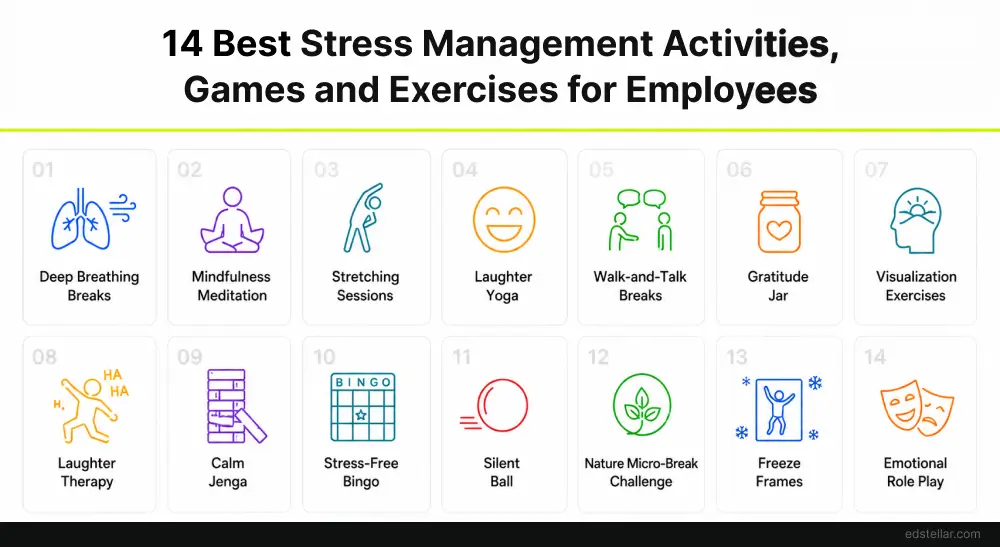
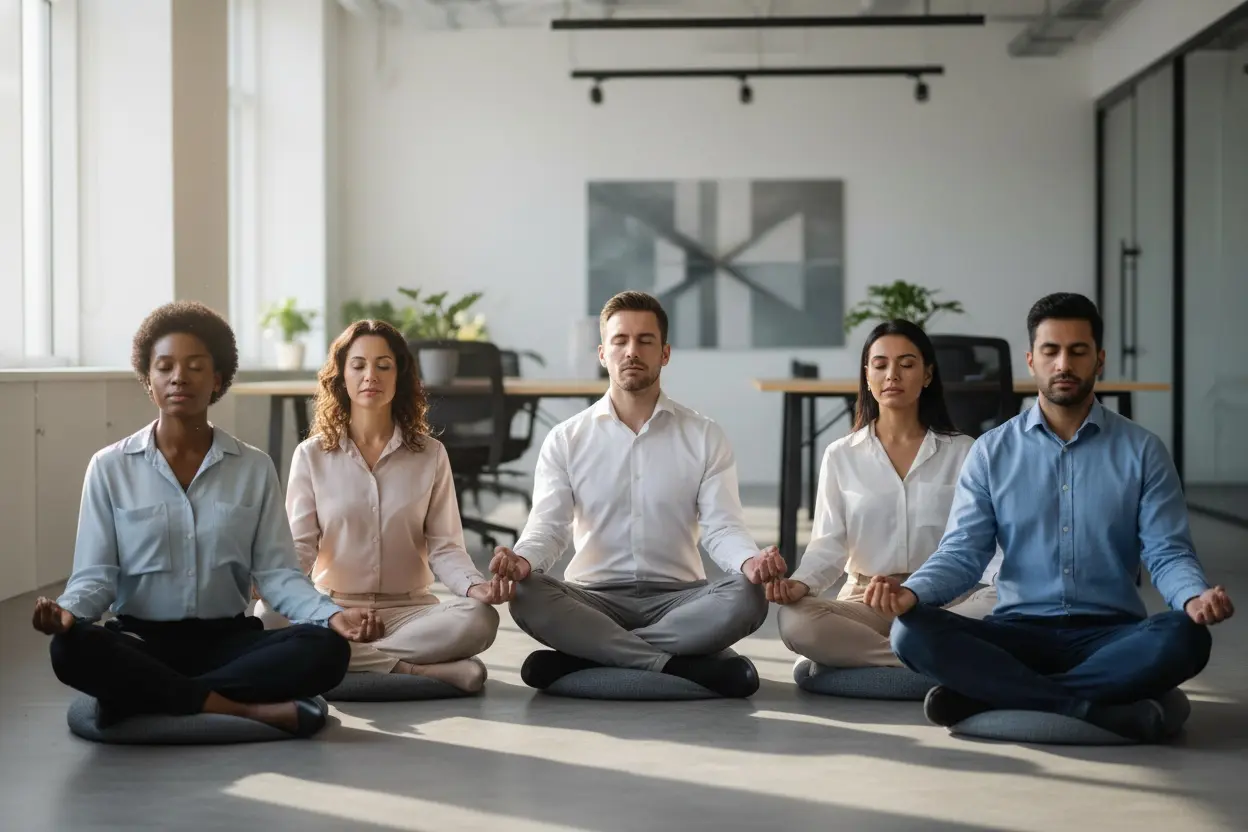
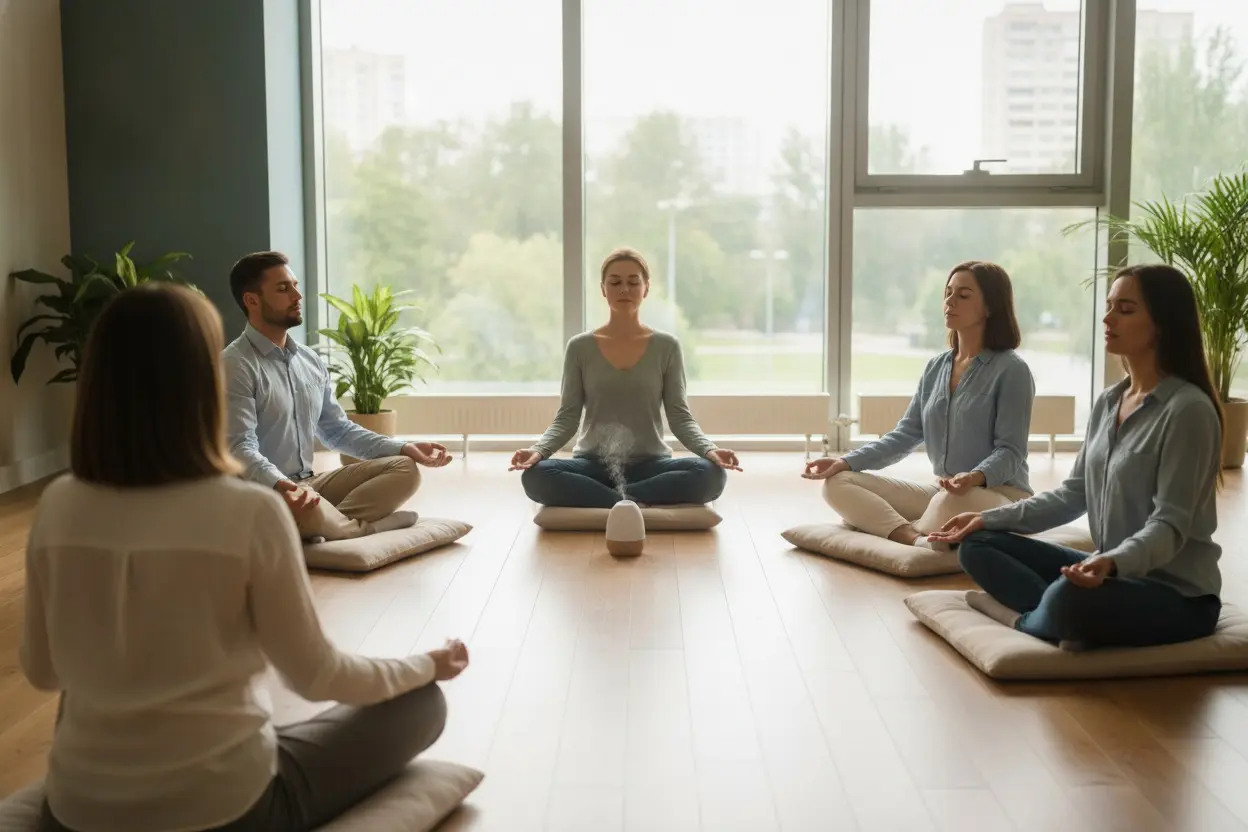
.webp)

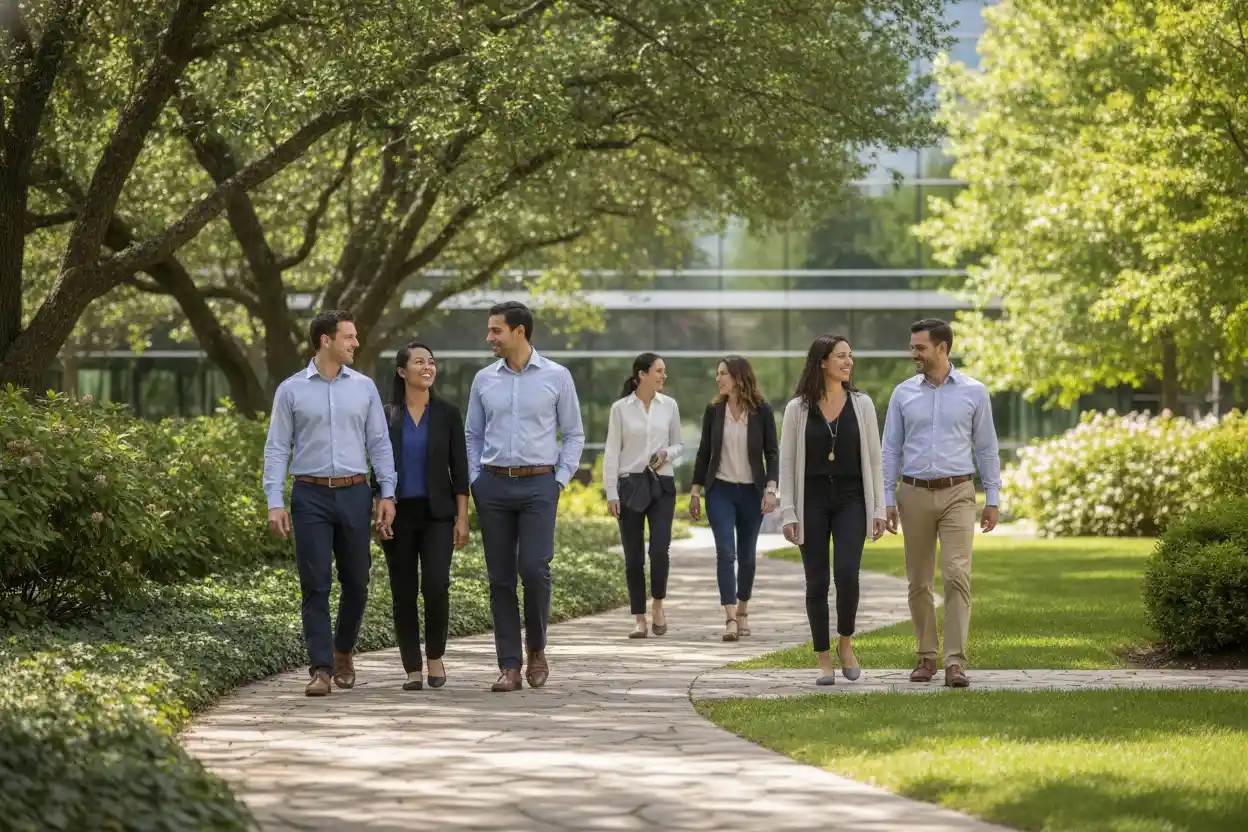

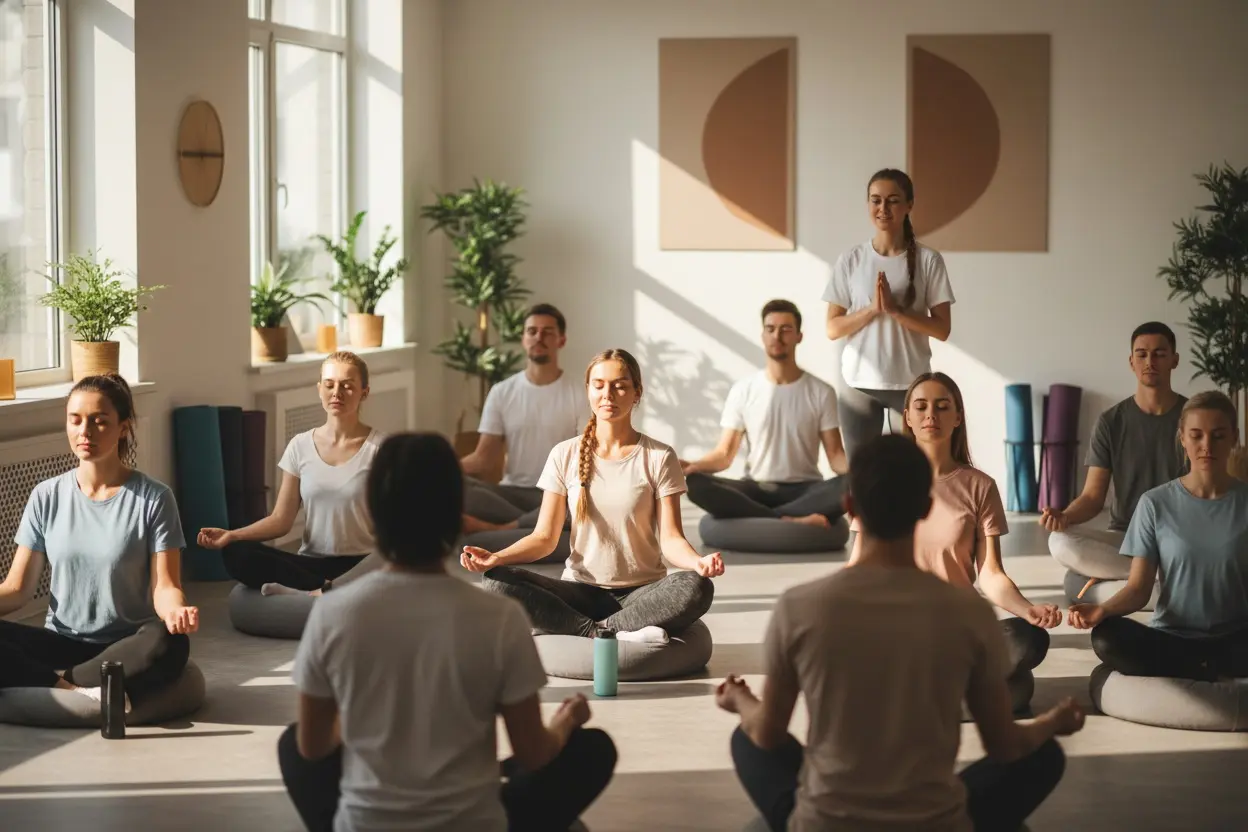




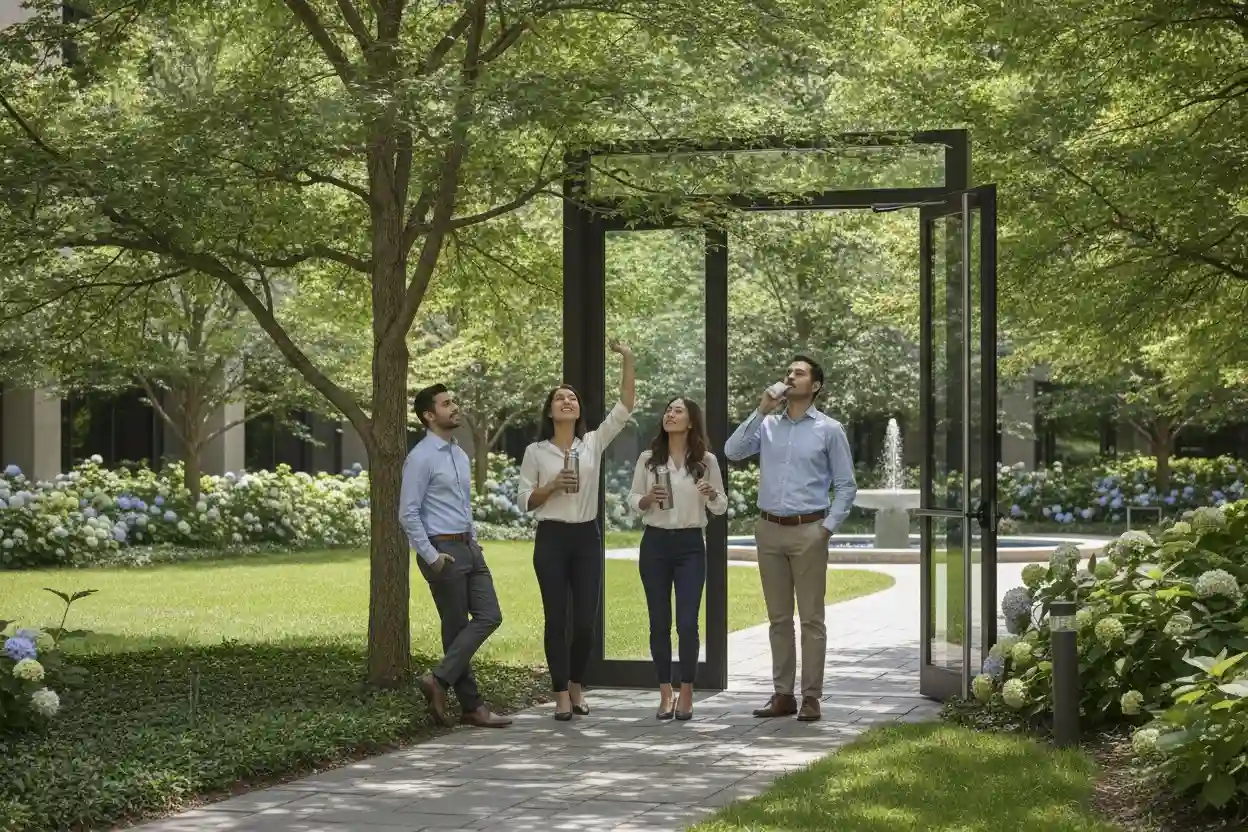
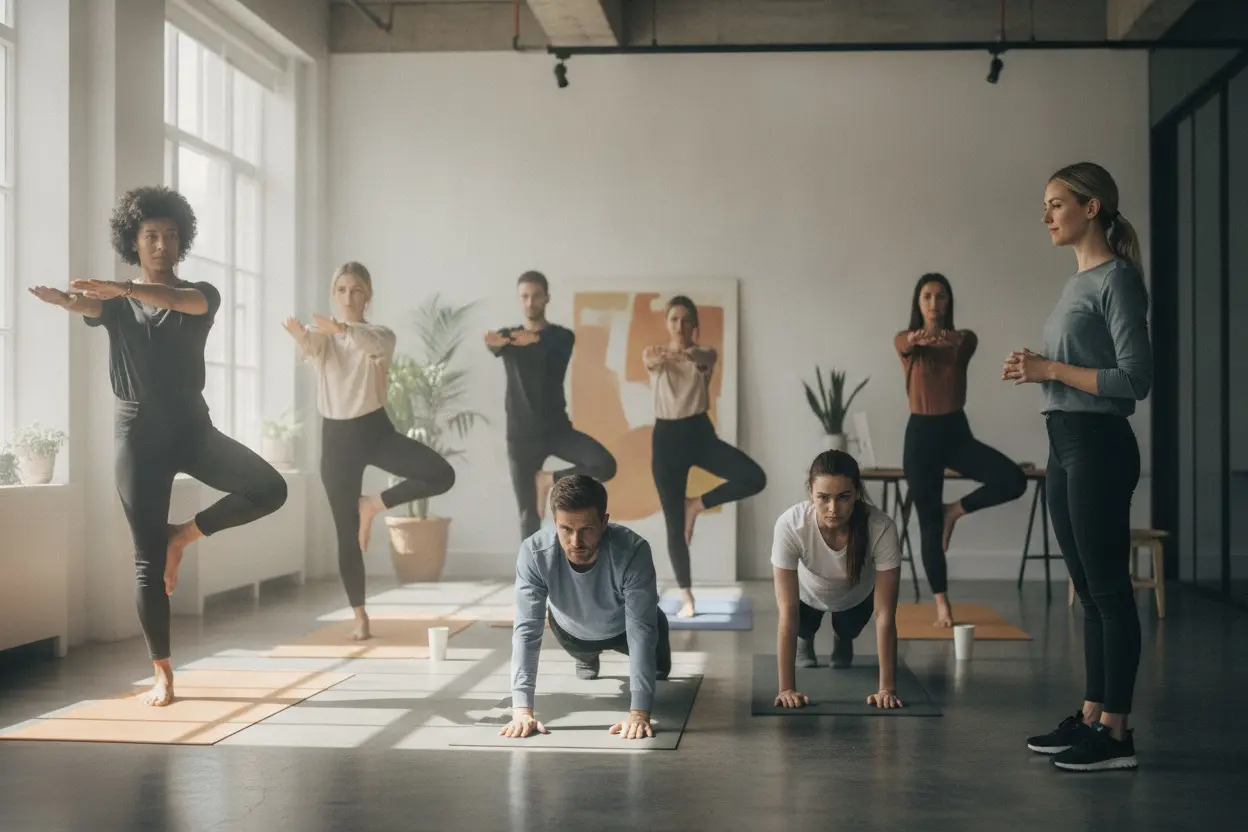



.svg "Click Here to Follow on Medium")
.svg)



.svg)


.svg)
.svg)
.svg)

.svg)