17 Sales Training Activities, Games & Exercises for Employees
An expert-curated guide to the best games for sales teams, reviewed by an L&D leader with 24+ years of experience currently heading B2B sales and training strategy for 500+ global enterprises.
17 Sales Training Activities, Games & Exercises for Employees
Content
Table of Content
Quick Overview
Sales activities sharpen pitching, objection handling, and closing skills under realistic pressure.
Role-play, call reviews, and feedback loops accelerate rep development and confidence.
Games like Shark Tank, Jeopardy, and Bingo make learning competitive and memorable.
Team bonding events build trust, culture, and resilience across high-pressure sales environments.
Regular quarterly cadence keeps teams aligned, motivated, and continuously improving.
Sales leaders in 2026 are being asked to lift win rates, shorten ramp time, and protect pipeline health while buyer cycles get longer and deal committees get bigger. The teams that hit quota consistently are not the ones doing more ride-alongs or watching more recorded calls; they are the ones running deliberate, repeatable practice on the specific moments where deals stall, slip, or die. Structured sales training activities create that practice loop at the team level instead of leaving rep development to chance and individual hustle.
The activities in this guide are designed for L&D, enablement, and sales managers who need their AEs, SDRs, and CSMs to get measurably better at discovery, objection handling, demo storytelling, negotiation, and closing. Each one is built around live reps and time-boxed rounds so people leave with reusable skills, not just notes. Pair them with a strong feedback culture and an internal coaching cadence to compound the impact across quarters.
According to Gallup's State of the Global Workplace 2024, only 23 percent of employees worldwide are engaged at work, and disengaged reps directly cost pipeline and renewals. Investing in active listening training alongside the practical activities below gives your team the listening discipline that separates top closers from average ones. The 17 activities that follow give you a ready-to-run library to install that discipline across the floor.
Author Insight
"Sales teams learn best by doing. The most effective training recreates real selling scenarios and pushes teams to think on their feet. When it feels like practice rather than a lecture, sales professionals retain more and apply what they learn from the very next call.
"
Subbaiah M U
✓ 24+ years of L&D leadership currently heading B2B sales strategy and training operations, serving 500+ global enterprises across sales and learning functions.
Why Sales Activities Matter in 2026?
Modern B2B selling has shifted from a relationship game to a process game, and ride-alongs alone no longer build the muscle memory reps need. Buyers do most of their evaluation before a rep ever joins a call, which means the few live conversations a seller gets must convert at a much higher rate than five years ago. Structured sales training activities give your team the reps to handle those high-stakes moments without burning real pipeline as practice ground.
Live, time-boxed practice changes behavior in a way that recorded call libraries and slide-based enablement cannot. When an SDR runs a cold-call gauntlet, when an AE defends pricing in a Shark Tank format, or when a CSM rehearses an expansion conversation in front of peers, the feedback is immediate, specific, and easier to act on the next day. According to the World Economic Forum's Future of Jobs 2025 report, communication, persuasion, and active listening are among the fastest-growing skills employers are hiring for; Sales training activities are one of the few interventions that train all three at once.
Activities also create something a recorded course cannot: a shared language across the team. Once your reps have collectively run objection-handling drills and call reviews, they start critiquing each other's deals using the same framework, which compresses coaching time for managers and lifts the average rep faster than 1:1 coaching alone. Pairing these sales training activities with instructor-led training services turns your team into a self-improving system instead of a collection of solo performers.
"Sales-specific emotional intelligence is more essential to success than education, experience, industry awareness, product knowledge, skills, or raw IQ."
Jeb Blount
CEO, Sales Gravy · Georgia, USA
✔ Sales leadership expert focused on prospecting, emotional intelligence, negotiation, and high-performance sales teams.
17 Effective Sales Training Activities, Games & Exercises
The 17 sales training activities below are designed to help L&D and enablement teams build high-performing sales floors that pitch with confidence, handle objections cleanly, and close more deals. Each of these sales training activities includes an interactive demo, required materials, measurable learning outcomes, and facilitator guidance you can run on-site or virtually.
👤 Age 18+👥 4+ Players⏱ 20-30 min
1. Role-Play Scenarios
Reps act out realistic sales situations to practice pitching, discovery, and closing while teammates observe, deliver feedback, and refine technique through repetition.
PitchingCommunicationFeedback
1 Interactive Guided Demo
1
2
3
4
5
6
Step 1 of 6
👆
🎭
🎭💬🤝
📄👥💼📝⏱️
👥
📋✨🎯🤝
✨✨
💼✅🌟💡
📝
🎯🤝📌💡
✨✨
🏆
🎉🌟✨🎊💫
Welcome to Role-Play Scenarios
Act out real sales calls and refine technique.
👆 Click anywhere to continue
2 Activity Details
🎭
Reps act out realistic sales situations to practice pitching, discovery, and closing while teammates observe, deliver feedback, and refine technique through repetition.
Players
👥 4+ Players
Recommended
Time
⏱ 20-30 min
Activity + debrief
Format
Team Game
Facilitated
Skill
Pitching
Primary outcome
What You'll Need
Prepare these items before the activity begins so the session runs smoothly.
📄
Scenario Scripts
Required for activity
👥
Role Descriptions
Required for activity
💼
Mock Pitches
Required for activity
📝
Feedback Forms
Required for activity
⏱️
Timer
Required for activity
Step-by-Step Walkthrough
1
Set the Scenario
Gather the team and assign scripts, customer personas, and mock sales pitches that reflect real deal situations.
5 min
2
Run the Role-Play
Pair reps as buyer and seller and run through the scenario while others observe tone, questioning, and objection responses.
5 min
3
Peer Feedback
Open the floor to teammates for constructive feedback on strengths, gaps, and alternate approaches.
5 min
4
Rotate and Repeat
Rotate roles and scenarios so every rep practices both selling and buying perspectives.
5 min
Ground Rules
✓ Do
Explain the goal and constraints before starting.
Give every participant a clear role or opportunity to contribute.
Keep the timer visible and the rules consistent.
Encourage teams to explain their reasoning.
Close with a structured debrief.
✕ Don't
Do not let one person dominate the activity.
Do not change the rules midway unless it is a planned variation.
Do not skip reflection after the activity.
Do not make the activity personal or uncomfortable.
Do not focus only on winning; focus on learning.
What Your Team Will Learn
These outcomes should be reinforced during the debrief.
🧠
Outcome
Pitching
Participants practice this capability through the activity and reinforce it through discussion.
🛠️
Outcome
Communication
Participants practice this capability through the activity and reinforce it through discussion.
🤝
Outcome
Objection Handling
Participants practice this capability through the activity and reinforce it through discussion.
⏱
Outcome
Confidence
Participants practice this capability through the activity and reinforce it through discussion.
💡
Outcome
Active Listening
Participants practice this capability through the activity and reinforce it through discussion.
📊
Outcome
Persuasion
Participants practice this capability through the activity and reinforce it through discussion.
Ways to Mix It Up
🔁
Repeat Round
Run a second round after debrief to test improved thinking.
🤐
Silent Mode
Add a short no-speaking phase to test non-verbal coordination.
💰
Budget Mode
Assign costs or limits to resources to force prioritization.
🌐
Virtual Edition
Adapt the activity using breakout rooms and shared documents.
🏆
Scored Challenge
Award points for creativity, teamwork, and quality of reasoning.
Debrief Questions
Use these prompts to convert the activity into workplace learning.
What did your team do first during Role-Play Scenarios?
Which assumption turned out to be wrong?
How did communication affect the result?
Where did the team lose time or clarity?
What workplace situation feels similar to this activity?
What would you change if you ran the activity again?
3 Tips for Facilitators
⏱
Time Box Clearly
Use a visible timer so participants feel the constraint and pace their decisions.
🧑🏫
Facilitate, Don't Solve
Guide with questions instead of giving answers.
📌
Capture Observations
Note communication patterns, decision points, and bottlenecks.
💬
Debrief Deeply
Reserve enough time to connect the activity to workplace behavior.
4 Real-World Applications
🎯
Quarterly Planning
Translate annual goals into focused, time-bound milestones.
📈
Performance Reviews
Anchor 1:1s to specific, measurable outcomes.
🤝
Team Alignment
Make individual work visible so the team can support each other.
🚀
Career Development
Turn reflection into structured, repeatable growth plans.
👤 Age 18+👥 4+ Players⏱ 30-45 min
2. Objection-Handling Drills
Reps practice quick, confident responses to the most common buyer pushbacks around price, timing, and need, building resilience under pressure.
ObjectionsResilienceNegotiation
1 Interactive Guided Demo
1
2
3
4
5
6
Step 1 of 6
👆
🛡️
🛡️💬🎯
📄📋📝🎙️⏱️
📋
✨🎯🤝📌
✨✨
📝✅🌟💡
🎙️
🎯🤝📌💡
✨✨
🏆
🎉🌟✨🎊💫
Welcome to Objection-Handling Drills
Tackle tough buyer pushbacks with calm confidence.
👆 Click anywhere to continue
2 Activity Details
🛡️
Reps practice quick, confident responses to the most common buyer pushbacks around price, timing, and need, building resilience under pressure.
Players
👥 4+ Players
Recommended
Time
⏱ 30-45 min
Activity + debrief
Format
Team Game
Facilitated
Skill
Objection Handling
Primary outcome
What You'll Need
Prepare these items before the activity begins so the session runs smoothly.
📄
Objection Scripts
Required for activity
📋
Role Guidelines
Required for activity
📝
Feedback Forms
Required for activity
🎙️
Optional Recorder
Required for activity
⏱️
Timer
Required for activity
Step-by-Step Walkthrough
1
List the Objections
Brief the team on common objections like price, timing, authority, and competitive comparisons.
5 min
2
Pair Up
Split into pairs or small groups and assign each a specific objection to tackle.
5 min
3
Run the Drill
One person plays the customer pressing the objection while the other defends and reframes the value.
5 min
4
Swap and Debrief
Rotate roles, capture the best responses, and share top techniques with the wider group.
5 min
Ground Rules
✓ Do
Explain the goal and constraints before starting.
Give every participant a clear role or opportunity to contribute.
Keep the timer visible and the rules consistent.
Encourage teams to explain their reasoning.
Close with a structured debrief.
✕ Don't
Do not let one person dominate the activity.
Do not change the rules midway unless it is a planned variation.
Do not skip reflection after the activity.
Do not make the activity personal or uncomfortable.
Do not focus only on winning; focus on learning.
What Your Team Will Learn
These outcomes should be reinforced during the debrief.
🧠
Outcome
Objection Handling
Participants practice this capability through the activity and reinforce it through discussion.
🛠️
Outcome
Negotiation
Participants practice this capability through the activity and reinforce it through discussion.
🤝
Outcome
Resilience
Participants practice this capability through the activity and reinforce it through discussion.
⏱
Outcome
Confidence
Participants practice this capability through the activity and reinforce it through discussion.
💡
Outcome
Persuasion
Participants practice this capability through the activity and reinforce it through discussion.
📊
Outcome
Active Listening
Participants practice this capability through the activity and reinforce it through discussion.
Ways to Mix It Up
🔁
Repeat Round
Run a second round after debrief to test improved thinking.
🤐
Silent Mode
Add a short no-speaking phase to test non-verbal coordination.
💰
Budget Mode
Assign costs or limits to resources to force prioritization.
🌐
Virtual Edition
Adapt the activity using breakout rooms and shared documents.
🏆
Scored Challenge
Award points for creativity, teamwork, and quality of reasoning.
Debrief Questions
Use these prompts to convert the activity into workplace learning.
What did your team do first during Objection-Handling Drills?
Which assumption turned out to be wrong?
How did communication affect the result?
Where did the team lose time or clarity?
What workplace situation feels similar to this activity?
What would you change if you ran the activity again?
3 Tips for Facilitators
⏱
Time Box Clearly
Use a visible timer so participants feel the constraint and pace their decisions.
🧑🏫
Facilitate, Don't Solve
Guide with questions instead of giving answers.
📌
Capture Observations
Note communication patterns, decision points, and bottlenecks.
💬
Debrief Deeply
Reserve enough time to connect the activity to workplace behavior.
4 Real-World Applications
🎯
Quarterly Planning
Translate annual goals into focused, time-bound milestones.
📈
Performance Reviews
Anchor 1:1s to specific, measurable outcomes.
🤝
Team Alignment
Make individual work visible so the team can support each other.
🚀
Career Development
Turn reflection into structured, repeatable growth plans.
👤 Age 18+👥 3+ Players⏱ 10-15 min
3. Sell Me This Pen
Reps grab a random everyday object and have 60 seconds to make it sound essential, sharpening improvisation, persuasion, and grace under pressure.
PersuasionImprovIcebreaker
1 Interactive Guided Demo
1
2
3
4
5
6
Step 1 of 6
👆
🖊️
🖊️💬💰
📓🖊️🍶⏱️📝
🍶
📋✨🎯🤝
✨✨
⏱️✅🌟💡
📝
🎯🤝📌💡
✨✨
🏆
🎉🌟✨🎊💫
Welcome to Sell Me This Pen
Sell a random object in sixty fast seconds.
👆 Click anywhere to continue
2 Activity Details
🖊️
Reps grab a random everyday object and have 60 seconds to make it sound essential, sharpening improvisation, persuasion, and grace under pressure.
Players
👥 3+ Players
Recommended
Time
⏱ 10-15 min
Activity + debrief
Format
Team Game
Facilitated
Skill
Persuasion
Primary outcome
What You'll Need
Prepare these items before the activity begins so the session runs smoothly.
🖊️
Pens
Required for activity
📓
Notebooks
Required for activity
🍶
Water Bottles
Required for activity
⏱️
Timer
Required for activity
📝
Score Cards
Required for activity
Step-by-Step Walkthrough
1
Hand Out Items
Give each rep a random everyday object like a pen, bottle, or notebook.
5 min
2
Sixty Second Pitch
Each rep has 60 seconds to pitch the object, highlighting necessity, features, and benefits.
5 min
3
Throw Objections
Teammates pose tough objections to test how reps adapt under pressure.
5 min
4
Rotate the Items
Swap items each round so everyone faces a fresh selling challenge.
5 min
Ground Rules
✓ Do
Explain the goal and constraints before starting.
Give every participant a clear role or opportunity to contribute.
Keep the timer visible and the rules consistent.
Encourage teams to explain their reasoning.
Close with a structured debrief.
✕ Don't
Do not let one person dominate the activity.
Do not change the rules midway unless it is a planned variation.
Do not skip reflection after the activity.
Do not make the activity personal or uncomfortable.
Do not focus only on winning; focus on learning.
What Your Team Will Learn
These outcomes should be reinforced during the debrief.
🧠
Outcome
Persuasion
Participants practice this capability through the activity and reinforce it through discussion.
🛠️
Outcome
Improvisation
Participants practice this capability through the activity and reinforce it through discussion.
🤝
Outcome
Confidence
Participants practice this capability through the activity and reinforce it through discussion.
⏱
Outcome
Creativity
Participants practice this capability through the activity and reinforce it through discussion.
💡
Outcome
Objection Handling
Participants practice this capability through the activity and reinforce it through discussion.
📊
Outcome
Storytelling
Participants practice this capability through the activity and reinforce it through discussion.
Ways to Mix It Up
🔁
Repeat Round
Run a second round after debrief to test improved thinking.
🤐
Silent Mode
Add a short no-speaking phase to test non-verbal coordination.
💰
Budget Mode
Assign costs or limits to resources to force prioritization.
🌐
Virtual Edition
Adapt the activity using breakout rooms and shared documents.
🏆
Scored Challenge
Award points for creativity, teamwork, and quality of reasoning.
Debrief Questions
Use these prompts to convert the activity into workplace learning.
What did your team do first during Sell Me This Pen?
Which assumption turned out to be wrong?
How did communication affect the result?
Where did the team lose time or clarity?
What workplace situation feels similar to this activity?
What would you change if you ran the activity again?
3 Tips for Facilitators
⏱
Time Box Clearly
Use a visible timer so participants feel the constraint and pace their decisions.
🧑🏫
Facilitate, Don't Solve
Guide with questions instead of giving answers.
📌
Capture Observations
Note communication patterns, decision points, and bottlenecks.
💬
Debrief Deeply
Reserve enough time to connect the activity to workplace behavior.
4 Real-World Applications
🎯
Quarterly Planning
Translate annual goals into focused, time-bound milestones.
📈
Performance Reviews
Anchor 1:1s to specific, measurable outcomes.
🤝
Team Alignment
Make individual work visible so the team can support each other.
🚀
Career Development
Turn reflection into structured, repeatable growth plans.
👤 Age 18+👥 4+ Players⏱ 20-30 min
4. Cold Call Gauntlet
Reps take turns making live (or realistically simulated) cold calls while teammates score them on a rubric and call out the moves that worked or stalled. Immediate, high-stakes practice that compresses weeks of solo reps into a single morning.
PracticePressureFeedback
1 Interactive Guided Demo
1
2
3
4
5
6
Step 1 of 6
👆
📞
📞⚡🎯
📋📞🗒️⏱️✏️
📞
⚡📊🗣️⏱️
✨✨
📊✅⭐📝
🔁
💡🎯📞📈
✨✨
🏆
🎉🌟✨🎊💫
Welcome to Cold Call Gauntlet
Live cold calls scored by peers in rapid rounds.
👆 Click anywhere to continue
2 Activity Details
📞
Reps take turns making live (or realistically simulated) cold calls while teammates score them on a rubric and call out the moves that worked or stalled. Immediate, high-stakes practice that compresses weeks of solo reps into a single morning.
Players
👥 4+ Players
Recommended
Time
⏱ 20-30 min
Activity + debrief
Format
Team Game
Facilitated
Skill
Pitching
Primary outcome
What You'll Need
Prepare these items before the activity begins so the session runs smoothly.
📞
Scenario Scripts
Required for activity
📞
Role Descriptions
Required for activity
📞
Mock Pitches
Required for activity
📞
Feedback Forms
Required for activity
📞
Timer
Required for activity
Step-by-Step Walkthrough
1
Set the Rubric
Gather the team and assign scripts, customer personas, and mock sales pitches that reflect real deal situations.
5 min
2
Dial the First Lead
Pair reps as buyer and seller and run through the scenario while others observe tone, questioning, and objection responses.
5 min
3
Score in Real Time
Open the floor to teammates for constructive feedback on strengths, gaps, and alternate approaches.
5 min
4
Coach the Rep
Rotate roles and scenarios so every rep practices both selling and buying perspectives.
5 min
Ground Rules
✓ Do
Explain the goal and constraints before starting.
Give every participant a clear role or opportunity to contribute.
Keep the timer visible and the rules consistent.
Encourage teams to explain their reasoning.
Close with a structured debrief.
✕ Don't
Do not let one person dominate the activity.
Do not change the rules midway unless it is a planned variation.
Do not skip reflection after the activity.
Do not make the activity personal or uncomfortable.
Do not focus only on winning; focus on learning.
What Your Team Will Learn
These outcomes should be reinforced during the debrief.
🧠
Outcome
Pitching
Participants practice this capability through the activity and reinforce it through discussion.
🛠️
Outcome
Communication
Participants practice this capability through the activity and reinforce it through discussion.
🤝
Outcome
Objection Handling
Participants practice this capability through the activity and reinforce it through discussion.
⏱
Outcome
Confidence
Participants practice this capability through the activity and reinforce it through discussion.
💡
Outcome
Active Listening
Participants practice this capability through the activity and reinforce it through discussion.
📊
Outcome
Persuasion
Participants practice this capability through the activity and reinforce it through discussion.
Ways to Mix It Up
🔁
Repeat Round
Run a second round after debrief to test improved thinking.
🤐
Silent Mode
Add a short no-speaking phase to test non-verbal coordination.
💰
Budget Mode
Assign costs or limits to resources to force prioritization.
🌐
Virtual Edition
Adapt the activity using breakout rooms and shared documents.
🏆
Scored Challenge
Award points for creativity, teamwork, and quality of reasoning.
Debrief Questions
Use these prompts to convert the activity into workplace learning.
What did your team do first during Cold Call Gauntlet?
Which assumption turned out to be wrong?
How did communication affect the result?
Where did the team lose time or clarity?
What workplace situation feels similar to this activity?
What would you change if you ran the activity again?
3 Tips for Facilitators
⏱
Time Box Clearly
Use a visible timer so participants feel the constraint and pace their decisions.
🧑🏫
Facilitate, Don't Solve
Guide with questions instead of giving answers.
📌
Capture Observations
Note communication patterns, decision points, and bottlenecks.
💬
Debrief Deeply
Reserve enough time to connect the activity to workplace behavior.
4 Real-World Applications
🎯
Quarterly Planning
Translate annual goals into focused, time-bound milestones.
📈
Performance Reviews
Anchor 1:1s to specific, measurable outcomes.
🤝
Team Alignment
Make individual work visible so the team can support each other.
🚀
Career Development
Turn reflection into structured, repeatable growth plans.
👤 Age 18+👥 4+ Players⏱ 30-45 min
5. Call Review and Analysis
Teams listen back to recorded sales calls together and dissect tone, pacing, and questioning to surface what worked and what to improve next time.
CoachingListeningAnalysis
1 Interactive Guided Demo
1
2
3
4
5
6
Step 1 of 6
👆
🎧
📞📝🔍
🎙️🔊📝📊⏱️
🔊
📋✨🎯🤝
✨✨
📝✅🌟💡
📊
🎯🤝📌💡
✨✨
🏆
🎉🌟✨🎊💫
Welcome to Call Review and Analysis
Replay real calls and coach each other better.
👆 Click anywhere to continue
2 Activity Details
🎧
Teams listen back to recorded sales calls together and dissect tone, pacing, and questioning to surface what worked and what to improve next time.
Players
👥 4+ Players
Recommended
Time
⏱ 30-45 min
Activity + debrief
Format
Team Game
Facilitated
Skill
Coaching
Primary outcome
What You'll Need
Prepare these items before the activity begins so the session runs smoothly.
🎙️
Recording Device
Required for activity
🔊
Playback Setup
Required for activity
📝
Feedback Forms
Required for activity
📊
Scorecards
Required for activity
⏱️
Timer
Required for activity
Step-by-Step Walkthrough
1
Pick the Calls
Select a variety of recorded sales calls covering wins, losses, and tricky objections.
5 min
2
Listen Together
Play the recordings as a group and focus on tone, pacing, questioning, and active listening.
5 min
3
Mark the Moments
Pause at key moments so reps can flag turning points and decision triggers in the conversation.
5 min
4
Coach and Improve
Wrap with shared takeaways and concrete adjustments each rep will trial on their next live call.
5 min
Ground Rules
✓ Do
Explain the goal and constraints before starting.
Give every participant a clear role or opportunity to contribute.
Keep the timer visible and the rules consistent.
Encourage teams to explain their reasoning.
Close with a structured debrief.
✕ Don't
Do not let one person dominate the activity.
Do not change the rules midway unless it is a planned variation.
Do not skip reflection after the activity.
Do not make the activity personal or uncomfortable.
Do not focus only on winning; focus on learning.
What Your Team Will Learn
These outcomes should be reinforced during the debrief.
🧠
Outcome
Coaching
Participants practice this capability through the activity and reinforce it through discussion.
🛠️
Outcome
Active Listening
Participants practice this capability through the activity and reinforce it through discussion.
🤝
Outcome
Analysis
Participants practice this capability through the activity and reinforce it through discussion.
⏱
Outcome
Communication
Participants practice this capability through the activity and reinforce it through discussion.
💡
Outcome
Discovery
Participants practice this capability through the activity and reinforce it through discussion.
📊
Outcome
Self-Awareness
Participants practice this capability through the activity and reinforce it through discussion.
Ways to Mix It Up
🔁
Repeat Round
Run a second round after debrief to test improved thinking.
🤐
Silent Mode
Add a short no-speaking phase to test non-verbal coordination.
💰
Budget Mode
Assign costs or limits to resources to force prioritization.
🌐
Virtual Edition
Adapt the activity using breakout rooms and shared documents.
🏆
Scored Challenge
Award points for creativity, teamwork, and quality of reasoning.
Debrief Questions
Use these prompts to convert the activity into workplace learning.
What did your team do first during Call Review and Analysis?
Which assumption turned out to be wrong?
How did communication affect the result?
Where did the team lose time or clarity?
What workplace situation feels similar to this activity?
What would you change if you ran the activity again?
3 Tips for Facilitators
⏱
Time Box Clearly
Use a visible timer so participants feel the constraint and pace their decisions.
🧑🏫
Facilitate, Don't Solve
Guide with questions instead of giving answers.
📌
Capture Observations
Note communication patterns, decision points, and bottlenecks.
💬
Debrief Deeply
Reserve enough time to connect the activity to workplace behavior.
4 Real-World Applications
🎯
Quarterly Planning
Translate annual goals into focused, time-bound milestones.
📈
Performance Reviews
Anchor 1:1s to specific, measurable outcomes.
🤝
Team Alignment
Make individual work visible so the team can support each other.
🚀
Career Development
Turn reflection into structured, repeatable growth plans.
👤 Age 18+👥 5+ Players⏱ 45-60 min
6. Customer Journey Mapping
Teams visually map each stage of the buyer journey from awareness to retention to spot friction, missed touchpoints, and ways to strengthen the experience.
StrategyCustomerMapping
1 Interactive Guided Demo
1
2
3
4
5
6
Step 1 of 6
👆
🗺️
🗺️🛒🛤️
📋🟨🖊️💻📊
🟨
📋✨🎯🤝
✨✨
🖊️✅🌟💡
💻
🎯🤝📌💡
✨✨
🏆
🎉🌟✨🎊💫
Welcome to Customer Journey Mapping
Map the buyer journey and uncover hidden friction.
👆 Click anywhere to continue
2 Activity Details
🗺️
Teams visually map each stage of the buyer journey from awareness to retention to spot friction, missed touchpoints, and ways to strengthen the experience.
Players
👥 5+ Players
Recommended
Time
⏱ 45-60 min
Activity + debrief
Format
Team Game
Facilitated
Skill
Strategy
Primary outcome
What You'll Need
Prepare these items before the activity begins so the session runs smoothly.
📋
Whiteboard
Required for activity
🟨
Sticky Notes
Required for activity
🖊️
Markers
Required for activity
💻
Mapping Tool
Required for activity
📊
Persona Sheets
Required for activity
Step-by-Step Walkthrough
1
Define the Stages
List the core journey stages such as Awareness, Consideration, Purchase, and Retention.
5 min
2
Map Touchpoints
Small groups capture each touchpoint, channel, and emotion on a whiteboard or digital canvas.
5 min
3
Spot Friction
Highlight gaps, drop-offs, and moments where the customer feels lost or undervalued.
5 min
4
Design Fixes
Brainstorm specific improvements per stage and assign owners to test them next quarter.
5 min
Ground Rules
✓ Do
Explain the goal and constraints before starting.
Give every participant a clear role or opportunity to contribute.
Keep the timer visible and the rules consistent.
Encourage teams to explain their reasoning.
Close with a structured debrief.
✕ Don't
Do not let one person dominate the activity.
Do not change the rules midway unless it is a planned variation.
Do not skip reflection after the activity.
Do not make the activity personal or uncomfortable.
Do not focus only on winning; focus on learning.
What Your Team Will Learn
These outcomes should be reinforced during the debrief.
🧠
Outcome
Strategy
Participants practice this capability through the activity and reinforce it through discussion.
🛠️
Outcome
Customer Empathy
Participants practice this capability through the activity and reinforce it through discussion.
🤝
Outcome
Process Thinking
Participants practice this capability through the activity and reinforce it through discussion.
⏱
Outcome
Collaboration
Participants practice this capability through the activity and reinforce it through discussion.
💡
Outcome
Analysis
Participants practice this capability through the activity and reinforce it through discussion.
📊
Outcome
Alignment
Participants practice this capability through the activity and reinforce it through discussion.
Ways to Mix It Up
🔁
Repeat Round
Run a second round after debrief to test improved thinking.
🤐
Silent Mode
Add a short no-speaking phase to test non-verbal coordination.
💰
Budget Mode
Assign costs or limits to resources to force prioritization.
🌐
Virtual Edition
Adapt the activity using breakout rooms and shared documents.
🏆
Scored Challenge
Award points for creativity, teamwork, and quality of reasoning.
Debrief Questions
Use these prompts to convert the activity into workplace learning.
What did your team do first during Customer Journey Mapping?
Which assumption turned out to be wrong?
How did communication affect the result?
Where did the team lose time or clarity?
What workplace situation feels similar to this activity?
What would you change if you ran the activity again?
3 Tips for Facilitators
⏱
Time Box Clearly
Use a visible timer so participants feel the constraint and pace their decisions.
🧑🏫
Facilitate, Don't Solve
Guide with questions instead of giving answers.
📌
Capture Observations
Note communication patterns, decision points, and bottlenecks.
💬
Debrief Deeply
Reserve enough time to connect the activity to workplace behavior.
4 Real-World Applications
🎯
Quarterly Planning
Translate annual goals into focused, time-bound milestones.
📈
Performance Reviews
Anchor 1:1s to specific, measurable outcomes.
🤝
Team Alignment
Make individual work visible so the team can support each other.
🚀
Career Development
Turn reflection into structured, repeatable growth plans.
👤 Age 18+👥 4+ Players⏱ 20-30 min
7. The Sales Sleuth
Partners roleplay prospect and seller across personality and objection types (analytical, expressive, skeptical, hostile), swapping roles each round to internalize buyer empathy. The rotation forces sellers to feel the pitch from every seat in the room.
RoleplayAdaptObjections
1 Interactive Guided Demo
1
2
3
4
5
6
Step 1 of 6
👆
🕴️
🕴️🔄🧠
🧑💼📇📝⏱️🗒️
🕴️
🎯🗣️👂🤝
✨✨
🔄🧑💼🗣️👥
🔍
📊💡📌📝
✨✨
🏆
🎉🌟✨🎊💫
Welcome to The Sales Sleuth
Walk a mile in every buyer persona by rotating seats.
👆 Click anywhere to continue
2 Activity Details
🕴️
Partners roleplay prospect and seller across personality and objection types (analytical, expressive, skeptical, hostile), swapping roles each round to internalize buyer empathy. The rotation forces sellers to feel the pitch from every seat in the room.
Players
👥 4+ Players
Recommended
Time
⏱ 20-30 min
Activity + debrief
Format
Team Game
Facilitated
Skill
Pitching
Primary outcome
What You'll Need
Prepare these items before the activity begins so the session runs smoothly.
🕴️
Scenario Scripts
Required for activity
🕴️
Role Descriptions
Required for activity
🕴️
Mock Pitches
Required for activity
🕴️
Feedback Forms
Required for activity
🕴️
Timer
Required for activity
Step-by-Step Walkthrough
1
Pick a Persona
Gather the team and assign scripts, customer personas, and mock sales pitches that reflect real deal situations.
5 min
2
Open the Call
Pair reps as buyer and seller and run through the scenario while others observe tone, questioning, and objection responses.
5 min
3
Handle the Objection
Open the floor to teammates for constructive feedback on strengths, gaps, and alternate approaches.
5 min
4
Swap Roles
Rotate roles and scenarios so every rep practices both selling and buying perspectives.
5 min
Ground Rules
✓ Do
Explain the goal and constraints before starting.
Give every participant a clear role or opportunity to contribute.
Keep the timer visible and the rules consistent.
Encourage teams to explain their reasoning.
Close with a structured debrief.
✕ Don't
Do not let one person dominate the activity.
Do not change the rules midway unless it is a planned variation.
Do not skip reflection after the activity.
Do not make the activity personal or uncomfortable.
Do not focus only on winning; focus on learning.
What Your Team Will Learn
These outcomes should be reinforced during the debrief.
🧠
Outcome
Pitching
Participants practice this capability through the activity and reinforce it through discussion.
🛠️
Outcome
Communication
Participants practice this capability through the activity and reinforce it through discussion.
🤝
Outcome
Objection Handling
Participants practice this capability through the activity and reinforce it through discussion.
⏱
Outcome
Confidence
Participants practice this capability through the activity and reinforce it through discussion.
💡
Outcome
Active Listening
Participants practice this capability through the activity and reinforce it through discussion.
📊
Outcome
Persuasion
Participants practice this capability through the activity and reinforce it through discussion.
Ways to Mix It Up
🔁
Repeat Round
Run a second round after debrief to test improved thinking.
🤐
Silent Mode
Add a short no-speaking phase to test non-verbal coordination.
💰
Budget Mode
Assign costs or limits to resources to force prioritization.
🌐
Virtual Edition
Adapt the activity using breakout rooms and shared documents.
🏆
Scored Challenge
Award points for creativity, teamwork, and quality of reasoning.
Debrief Questions
Use these prompts to convert the activity into workplace learning.
What did your team do first during The Sales Sleuth?
Which assumption turned out to be wrong?
How did communication affect the result?
Where did the team lose time or clarity?
What workplace situation feels similar to this activity?
What would you change if you ran the activity again?
3 Tips for Facilitators
⏱
Time Box Clearly
Use a visible timer so participants feel the constraint and pace their decisions.
🧑🏫
Facilitate, Don't Solve
Guide with questions instead of giving answers.
📌
Capture Observations
Note communication patterns, decision points, and bottlenecks.
💬
Debrief Deeply
Reserve enough time to connect the activity to workplace behavior.
4 Real-World Applications
🎯
Quarterly Planning
Translate annual goals into focused, time-bound milestones.
📈
Performance Reviews
Anchor 1:1s to specific, measurable outcomes.
🤝
Team Alignment
Make individual work visible so the team can support each other.
🚀
Career Development
Turn reflection into structured, repeatable growth plans.
👤 Age 18+👥 4+ Players⏱ 20-30 min
8. 30-Second Elevator Pitch Challenge
Teams craft and deliver a thirty-second value proposition that peers score on clarity, hook, and call to action. The artificial time constraint forces every word to earn its place and produces a working pitch the team can actually use the next day.
PitchClarityValue
1 Interactive Guided Demo
1
2
3
4
5
6
Step 1 of 6
👆
⏱️
⏱️🎤💡
🧑💼📇🗒️⏱️✏️
📝
🪝💎📊📣
✨✨
🎤⏱️📊⭐
✂️
🎯🪝📣📈
✨✨
🏆
🎉🌟✨🎊💫
Welcome to 30-Second Elevator Pitch Challenge
Build a 30-second pitch that earns its place in the deal.
👆 Click anywhere to continue
2 Activity Details
⏱️
Teams craft and deliver a thirty-second value proposition that peers score on clarity, hook, and call to action. The artificial time constraint forces every word to earn its place and produces a working pitch the team can actually use the next day.
Players
👥 4+ Players
Recommended
Time
⏱ 20-30 min
Activity + debrief
Format
Team Game
Facilitated
Skill
Pitching
Primary outcome
What You'll Need
Prepare these items before the activity begins so the session runs smoothly.
⏱️
Scenario Scripts
Required for activity
⏱️
Role Descriptions
Required for activity
⏱️
Mock Pitches
Required for activity
⏱️
Feedback Forms
Required for activity
⏱️
Timer
Required for activity
Step-by-Step Walkthrough
1
Frame the Audience
Gather the team and assign scripts, customer personas, and mock sales pitches that reflect real deal situations.
5 min
2
Draft the Pitch
Pair reps as buyer and seller and run through the scenario while others observe tone, questioning, and objection responses.
5 min
3
Deliver in 30s
Open the floor to teammates for constructive feedback on strengths, gaps, and alternate approaches.
5 min
4
Peer Score
Rotate roles and scenarios so every rep practices both selling and buying perspectives.
5 min
Ground Rules
✓ Do
Explain the goal and constraints before starting.
Give every participant a clear role or opportunity to contribute.
Keep the timer visible and the rules consistent.
Encourage teams to explain their reasoning.
Close with a structured debrief.
✕ Don't
Do not let one person dominate the activity.
Do not change the rules midway unless it is a planned variation.
Do not skip reflection after the activity.
Do not make the activity personal or uncomfortable.
Do not focus only on winning; focus on learning.
What Your Team Will Learn
These outcomes should be reinforced during the debrief.
🧠
Outcome
Pitching
Participants practice this capability through the activity and reinforce it through discussion.
🛠️
Outcome
Communication
Participants practice this capability through the activity and reinforce it through discussion.
🤝
Outcome
Objection Handling
Participants practice this capability through the activity and reinforce it through discussion.
⏱
Outcome
Confidence
Participants practice this capability through the activity and reinforce it through discussion.
💡
Outcome
Active Listening
Participants practice this capability through the activity and reinforce it through discussion.
📊
Outcome
Persuasion
Participants practice this capability through the activity and reinforce it through discussion.
Ways to Mix It Up
🔁
Repeat Round
Run a second round after debrief to test improved thinking.
🤐
Silent Mode
Add a short no-speaking phase to test non-verbal coordination.
💰
Budget Mode
Assign costs or limits to resources to force prioritization.
🌐
Virtual Edition
Adapt the activity using breakout rooms and shared documents.
🏆
Scored Challenge
Award points for creativity, teamwork, and quality of reasoning.
Debrief Questions
Use these prompts to convert the activity into workplace learning.
What did your team do first during 30-Second Elevator Pitch Challenge?
Which assumption turned out to be wrong?
How did communication affect the result?
Where did the team lose time or clarity?
What workplace situation feels similar to this activity?
What would you change if you ran the activity again?
3 Tips for Facilitators
⏱
Time Box Clearly
Use a visible timer so participants feel the constraint and pace their decisions.
🧑🏫
Facilitate, Don't Solve
Guide with questions instead of giving answers.
📌
Capture Observations
Note communication patterns, decision points, and bottlenecks.
💬
Debrief Deeply
Reserve enough time to connect the activity to workplace behavior.
4 Real-World Applications
🎯
Quarterly Planning
Translate annual goals into focused, time-bound milestones.
📈
Performance Reviews
Anchor 1:1s to specific, measurable outcomes.
🤝
Team Alignment
Make individual work visible so the team can support each other.
🚀
Career Development
Turn reflection into structured, repeatable growth plans.
Ready to Roll Out Sales Training Workshops for Your Team?
Edstellar facilitators deliver all 17 activities live, on-site or virtually, fully tailored to your team's roles, schedules, and specific sales challenges.
Reps deliver prepared pitches in front of the team and receive instant feedback on clarity, delivery, body language, and persuasive impact.
PresentationFeedbackDelivery
1 Interactive Guided Demo
1
2
3
4
5
6
Step 1 of 6
👆
🗣️
⚡🎤💬
⏱️📝🎙️📋📺
📝
📋✨🎯🤝
✨✨
🎙️✅🌟💡
📋
🤝📌💡✨
✨✨
🏆
🎉🌟✨🎊💫
Welcome to Real-Time Pitch Feedback
Deliver pitches, capture instant peer feedback.
👆 Click anywhere to continue
2 Activity Details
🗣️
Reps deliver prepared pitches in front of the team and receive instant feedback on clarity, delivery, body language, and persuasive impact.
Players
👥 4+ Players
Recommended
Time
⏱ 60-120 min
Activity + debrief
Format
Team Game
Facilitated
Skill
Presentation
Primary outcome
What You'll Need
Prepare these items before the activity begins so the session runs smoothly.
⏱️
Timer
Required for activity
📝
Feedback Forms
Required for activity
🎙️
Optional Recorder
Required for activity
📋
Score Rubric
Required for activity
📺
Display Screen
Required for activity
Step-by-Step Walkthrough
1
Prep the Pitch
Reps prepare a 1 to 3 minute pitch on a chosen product or service.
5 min
2
Deliver Live
Each rep presents to the team while peers observe delivery, clarity, body language, and tone.
5 min
3
Instant Feedback
Teammates share immediate, specific feedback on what landed and what to adjust.
5 min
4
Iterate Fast
Reps rework the pitch on the spot and deliver a second improved version.
5 min
Ground Rules
✓ Do
Explain the goal and constraints before starting.
Give every participant a clear role or opportunity to contribute.
Keep the timer visible and the rules consistent.
Encourage teams to explain their reasoning.
Close with a structured debrief.
✕ Don't
Do not let one person dominate the activity.
Do not change the rules midway unless it is a planned variation.
Do not skip reflection after the activity.
Do not make the activity personal or uncomfortable.
Do not focus only on winning; focus on learning.
What Your Team Will Learn
These outcomes should be reinforced during the debrief.
🧠
Outcome
Presentation
Participants practice this capability through the activity and reinforce it through discussion.
🛠️
Outcome
Confidence
Participants practice this capability through the activity and reinforce it through discussion.
🤝
Outcome
Clarity
Participants practice this capability through the activity and reinforce it through discussion.
⏱
Outcome
Body Language
Participants practice this capability through the activity and reinforce it through discussion.
💡
Outcome
Feedback Culture
Participants practice this capability through the activity and reinforce it through discussion.
📊
Outcome
Persuasion
Participants practice this capability through the activity and reinforce it through discussion.
Ways to Mix It Up
🔁
Repeat Round
Run a second round after debrief to test improved thinking.
🤐
Silent Mode
Add a short no-speaking phase to test non-verbal coordination.
💰
Budget Mode
Assign costs or limits to resources to force prioritization.
🌐
Virtual Edition
Adapt the activity using breakout rooms and shared documents.
🏆
Scored Challenge
Award points for creativity, teamwork, and quality of reasoning.
Debrief Questions
Use these prompts to convert the activity into workplace learning.
What did your team do first during Real-Time Pitch Feedback?
Which assumption turned out to be wrong?
How did communication affect the result?
Where did the team lose time or clarity?
What workplace situation feels similar to this activity?
What would you change if you ran the activity again?
3 Tips for Facilitators
⏱
Time Box Clearly
Use a visible timer so participants feel the constraint and pace their decisions.
🧑🏫
Facilitate, Don't Solve
Guide with questions instead of giving answers.
📌
Capture Observations
Note communication patterns, decision points, and bottlenecks.
💬
Debrief Deeply
Reserve enough time to connect the activity to workplace behavior.
4 Real-World Applications
🎯
Quarterly Planning
Translate annual goals into focused, time-bound milestones.
📈
Performance Reviews
Anchor 1:1s to specific, measurable outcomes.
🤝
Team Alignment
Make individual work visible so the team can support each other.
🚀
Career Development
Turn reflection into structured, repeatable growth plans.
👤 Age 18+👥 6+ Players⏱ 45-60 min
10. Shark Tank Pitch Competition
Small teams invent a mock product and pitch it to a panel of investor judges, blending creativity, collaboration, and high-stakes presentation skills.
PitchingCreativityTeamwork
1 Interactive Guided Demo
1
2
3
4
5
6
Step 1 of 6
👆
🦈
🦈🎤💰
💻📦⏱️📋🏆
📦
📋✨🎯🤝
✨✨
⏱️✅🌟💡
📋
🤝📌💡✨
✨✨
🏆
🎉🌟✨🎊💫
Welcome to Shark Tank Pitch Competition
Invent a product, pitch the sharks, win the room.
👆 Click anywhere to continue
2 Activity Details
🦈
Small teams invent a mock product and pitch it to a panel of investor judges, blending creativity, collaboration, and high-stakes presentation skills.
Players
👥 6+ Players
Recommended
Time
⏱ 45-60 min
Activity + debrief
Format
Team Game
Facilitated
Skill
Presentation
Primary outcome
What You'll Need
Prepare these items before the activity begins so the session runs smoothly.
💻
Slides
Required for activity
📦
Mock Products
Required for activity
⏱️
Timer
Required for activity
📋
Judge Rubric
Required for activity
🏆
Winner Prize
Required for activity
Step-by-Step Walkthrough
1
Form Teams
Split into small teams of 3 to 4 reps with mixed strengths and experience.
5 min
2
Invent a Product
Teams design a creative mock product or service with target buyer, value, and price.
5 min
3
Pitch the Sharks
Teams present to a judge panel of senior managers acting as investors.
5 min
4
Score and Coach
Judges score on creativity, feasibility, and delivery, then share concrete coaching points.
5 min
Ground Rules
✓ Do
Explain the goal and constraints before starting.
Give every participant a clear role or opportunity to contribute.
Keep the timer visible and the rules consistent.
Encourage teams to explain their reasoning.
Close with a structured debrief.
✕ Don't
Do not let one person dominate the activity.
Do not change the rules midway unless it is a planned variation.
Do not skip reflection after the activity.
Do not make the activity personal or uncomfortable.
Do not focus only on winning; focus on learning.
What Your Team Will Learn
These outcomes should be reinforced during the debrief.
🧠
Outcome
Presentation
Participants practice this capability through the activity and reinforce it through discussion.
🛠️
Outcome
Creativity
Participants practice this capability through the activity and reinforce it through discussion.
🤝
Outcome
Teamwork
Participants practice this capability through the activity and reinforce it through discussion.
⏱
Outcome
Confidence
Participants practice this capability through the activity and reinforce it through discussion.
💡
Outcome
Persuasion
Participants practice this capability through the activity and reinforce it through discussion.
📊
Outcome
Strategic Thinking
Participants practice this capability through the activity and reinforce it through discussion.
Ways to Mix It Up
🔁
Repeat Round
Run a second round after debrief to test improved thinking.
🤐
Silent Mode
Add a short no-speaking phase to test non-verbal coordination.
💰
Budget Mode
Assign costs or limits to resources to force prioritization.
🌐
Virtual Edition
Adapt the activity using breakout rooms and shared documents.
🏆
Scored Challenge
Award points for creativity, teamwork, and quality of reasoning.
Debrief Questions
Use these prompts to convert the activity into workplace learning.
What did your team do first during Shark Tank Pitch Competition?
Which assumption turned out to be wrong?
How did communication affect the result?
Where did the team lose time or clarity?
What workplace situation feels similar to this activity?
What would you change if you ran the activity again?
3 Tips for Facilitators
⏱
Time Box Clearly
Use a visible timer so participants feel the constraint and pace their decisions.
🧑🏫
Facilitate, Don't Solve
Guide with questions instead of giving answers.
📌
Capture Observations
Note communication patterns, decision points, and bottlenecks.
💬
Debrief Deeply
Reserve enough time to connect the activity to workplace behavior.
4 Real-World Applications
🎯
Quarterly Planning
Translate annual goals into focused, time-bound milestones.
📈
Performance Reviews
Anchor 1:1s to specific, measurable outcomes.
🤝
Team Alignment
Make individual work visible so the team can support each other.
🚀
Career Development
Turn reflection into structured, repeatable growth plans.
👤 Age 18+👥 3+ Players⏱ 5-10 min
11. Daily Micro-Pitch Exercise
Each day a rep delivers a short 2 to 3 minute pitch on a randomly assigned product or topic, sharpening verbal agility and on-the-spot thinking.
PitchingImprovConfidence
1 Interactive Guided Demo
1
2
3
4
5
6
Step 1 of 6
👆
🎤
📅🎤⚡
📦🎲⏱️📝🏆
🎲
📋✨🎯🤝
✨✨
⏱️✅🌟💡
📝
🎯🤝📌💡
✨✨
🏆
🎉🌟✨🎊💫
Welcome to Daily Micro-Pitch Exercise
Pitch a random product in two crisp minutes.
👆 Click anywhere to continue
2 Activity Details
🎤
Each day a rep delivers a short 2 to 3 minute pitch on a randomly assigned product or topic, sharpening verbal agility and on-the-spot thinking.
Players
👥 3+ Players
Recommended
Time
⏱ 5-10 min
Activity + debrief
Format
Team Game
Facilitated
Skill
Pitching
Primary outcome
What You'll Need
Prepare these items before the activity begins so the session runs smoothly.
📦
Product List
Required for activity
🎲
Random Selector
Required for activity
⏱️
Timer
Required for activity
📝
Feedback Cards
Required for activity
🏆
Small Prize
Required for activity
Step-by-Step Walkthrough
1
Random Topic
Randomly assign a product, service, or scenario to the rep for the day.
5 min
2
Two-Minute Pitch
The rep delivers a 2 to 3 minute pitch covering value, target audience, and a clear call to action.
5 min
3
Quick Feedback
Teammates offer one strength and one tweak to lift the pitch next time.
5 min
4
Add Competition
Score pitches across the week and reward the top performer to keep energy high.
5 min
Ground Rules
✓ Do
Explain the goal and constraints before starting.
Give every participant a clear role or opportunity to contribute.
Keep the timer visible and the rules consistent.
Encourage teams to explain their reasoning.
Close with a structured debrief.
✕ Don't
Do not let one person dominate the activity.
Do not change the rules midway unless it is a planned variation.
Do not skip reflection after the activity.
Do not make the activity personal or uncomfortable.
Do not focus only on winning; focus on learning.
What Your Team Will Learn
These outcomes should be reinforced during the debrief.
🧠
Outcome
Pitching
Participants practice this capability through the activity and reinforce it through discussion.
🛠️
Outcome
Improvisation
Participants practice this capability through the activity and reinforce it through discussion.
🤝
Outcome
Confidence
Participants practice this capability through the activity and reinforce it through discussion.
⏱
Outcome
Storytelling
Participants practice this capability through the activity and reinforce it through discussion.
💡
Outcome
Persuasion
Participants practice this capability through the activity and reinforce it through discussion.
📊
Outcome
Clarity
Participants practice this capability through the activity and reinforce it through discussion.
Ways to Mix It Up
🔁
Repeat Round
Run a second round after debrief to test improved thinking.
🤐
Silent Mode
Add a short no-speaking phase to test non-verbal coordination.
💰
Budget Mode
Assign costs or limits to resources to force prioritization.
🌐
Virtual Edition
Adapt the activity using breakout rooms and shared documents.
🏆
Scored Challenge
Award points for creativity, teamwork, and quality of reasoning.
Debrief Questions
Use these prompts to convert the activity into workplace learning.
What did your team do first during Daily Micro-Pitch Exercise?
Which assumption turned out to be wrong?
How did communication affect the result?
Where did the team lose time or clarity?
What workplace situation feels similar to this activity?
What would you change if you ran the activity again?
3 Tips for Facilitators
⏱
Time Box Clearly
Use a visible timer so participants feel the constraint and pace their decisions.
🧑🏫
Facilitate, Don't Solve
Guide with questions instead of giving answers.
📌
Capture Observations
Note communication patterns, decision points, and bottlenecks.
💬
Debrief Deeply
Reserve enough time to connect the activity to workplace behavior.
4 Real-World Applications
🎯
Quarterly Planning
Translate annual goals into focused, time-bound milestones.
📈
Performance Reviews
Anchor 1:1s to specific, measurable outcomes.
🤝
Team Alignment
Make individual work visible so the team can support each other.
🚀
Career Development
Turn reflection into structured, repeatable growth plans.
👤 Age 18+👥 4+ Players⏱ 30-45 min
12. Personality Tests
Reps take assessments like DISC or Myers-Briggs and discuss results to deepen self-awareness, sharpen communication, and unlock stronger team dynamics.
Self-AwarenessTeam DynamicsCommunication
1 Interactive Guided Demo
1
2
3
4
5
6
Step 1 of 6
👆
🧩
🧩🧠📋
📝📋🖊️📊💬
📋
✨🎯🤝📌
✨✨
🖊️✅🌟💡
📊
🎯🤝📌💡
✨✨
🏆
🎉🌟✨🎊💫
Welcome to Personality Tests
Map team styles, unlock stronger collaboration.
👆 Click anywhere to continue
2 Activity Details
🧩
Reps take assessments like DISC or Myers-Briggs and discuss results to deepen self-awareness, sharpen communication, and unlock stronger team dynamics.
Players
👥 4+ Players
Recommended
Time
⏱ 30-45 min
Activity + debrief
Format
Team Game
Facilitated
Skill
Self-Awareness
Primary outcome
What You'll Need
Prepare these items before the activity begins so the session runs smoothly.
📝
Assessment Links
Required for activity
📋
Result Sheets
Required for activity
🖊️
Pens
Required for activity
📊
Style Chart
Required for activity
💬
Discussion Guide
Required for activity
Step-by-Step Walkthrough
1
Pick the Test
Choose a credible assessment like DISC, Myers-Briggs, or a sales-specific styles tool.
5 min
2
Take and Score
Reps complete the assessment individually and capture their primary style.
5 min
3
Share Results
Open a group discussion on each style and what energises or drains each rep.
5 min
4
Apply to Selling
Agree on how to flex style with buyers and teammates for better outcomes.
5 min
Ground Rules
✓ Do
Explain the goal and constraints before starting.
Give every participant a clear role or opportunity to contribute.
Keep the timer visible and the rules consistent.
Encourage teams to explain their reasoning.
Close with a structured debrief.
✕ Don't
Do not let one person dominate the activity.
Do not change the rules midway unless it is a planned variation.
Do not skip reflection after the activity.
Do not make the activity personal or uncomfortable.
Do not focus only on winning; focus on learning.
What Your Team Will Learn
These outcomes should be reinforced during the debrief.
🧠
Outcome
Self-Awareness
Participants practice this capability through the activity and reinforce it through discussion.
🛠️
Outcome
Team Dynamics
Participants practice this capability through the activity and reinforce it through discussion.
🤝
Outcome
Communication
Participants practice this capability through the activity and reinforce it through discussion.
⏱
Outcome
Empathy
Participants practice this capability through the activity and reinforce it through discussion.
💡
Outcome
Collaboration
Participants practice this capability through the activity and reinforce it through discussion.
📊
Outcome
Adaptability
Participants practice this capability through the activity and reinforce it through discussion.
Ways to Mix It Up
🔁
Repeat Round
Run a second round after debrief to test improved thinking.
🤐
Silent Mode
Add a short no-speaking phase to test non-verbal coordination.
💰
Budget Mode
Assign costs or limits to resources to force prioritization.
🌐
Virtual Edition
Adapt the activity using breakout rooms and shared documents.
🏆
Scored Challenge
Award points for creativity, teamwork, and quality of reasoning.
Debrief Questions
Use these prompts to convert the activity into workplace learning.
What did your team do first during Personality Tests?
Which assumption turned out to be wrong?
How did communication affect the result?
Where did the team lose time or clarity?
What workplace situation feels similar to this activity?
What would you change if you ran the activity again?
3 Tips for Facilitators
⏱
Time Box Clearly
Use a visible timer so participants feel the constraint and pace their decisions.
🧑🏫
Facilitate, Don't Solve
Guide with questions instead of giving answers.
📌
Capture Observations
Note communication patterns, decision points, and bottlenecks.
💬
Debrief Deeply
Reserve enough time to connect the activity to workplace behavior.
4 Real-World Applications
🎯
Quarterly Planning
Translate annual goals into focused, time-bound milestones.
📈
Performance Reviews
Anchor 1:1s to specific, measurable outcomes.
🤝
Team Alignment
Make individual work visible so the team can support each other.
🚀
Career Development
Turn reflection into structured, repeatable growth plans.
👤 Age 18+👥 6+ Players⏱ 20-30 min
13. Sales Trivia
Teams compete in a fast quiz covering product, market, and sales technique questions, reinforcing knowledge through friendly rivalry and quick recall.
TriviaKnowledgeTeam Game
1 Interactive Guided Demo
1
2
3
4
5
6
Step 1 of 6
👆
🧠
❓🧠🏆
❓📋📺🔔🏆
📋
✨🎯🤝📌
✨✨
📺✅🌟💡
🔔
🎯🤝📌💡
✨✨
🏆
🎉🌟✨🎊💫
Welcome to Sales Trivia
Race rivals through fast sales trivia rounds.
👆 Click anywhere to continue
2 Activity Details
🧠
Teams compete in a fast quiz covering product, market, and sales technique questions, reinforcing knowledge through friendly rivalry and quick recall.
Players
👥 6+ Players
Recommended
Time
⏱ 20-30 min
Activity + debrief
Format
Team Game
Facilitated
Skill
Product Knowledge
Primary outcome
What You'll Need
Prepare these items before the activity begins so the session runs smoothly.
❓
Quiz Questions
Required for activity
📋
Scoreboard
Required for activity
📺
Display Screen
Required for activity
🔔
Buzzers
Required for activity
🏆
Small Prizes
Required for activity
Step-by-Step Walkthrough
1
Build the Quiz
Prepare questions on products, market trends, and sales techniques across difficulty levels.
5 min
2
Form Teams
Divide the group into balanced competing teams of 3 to 4 reps each.
5 min
3
Play Rounds
Run rounds using multiple choice, true or false, and rapid-fire formats while keeping score.
5 min
4
Crown Winners
Tally scores, recap key learnings, and reward the winning team with a small prize.
5 min
Ground Rules
✓ Do
Explain the goal and constraints before starting.
Give every participant a clear role or opportunity to contribute.
Keep the timer visible and the rules consistent.
Encourage teams to explain their reasoning.
Close with a structured debrief.
✕ Don't
Do not let one person dominate the activity.
Do not change the rules midway unless it is a planned variation.
Do not skip reflection after the activity.
Do not make the activity personal or uncomfortable.
Do not focus only on winning; focus on learning.
What Your Team Will Learn
These outcomes should be reinforced during the debrief.
🧠
Outcome
Product Knowledge
Participants practice this capability through the activity and reinforce it through discussion.
🛠️
Outcome
Market Insight
Participants practice this capability through the activity and reinforce it through discussion.
🤝
Outcome
Quick Recall
Participants practice this capability through the activity and reinforce it through discussion.
⏱
Outcome
Teamwork
Participants practice this capability through the activity and reinforce it through discussion.
💡
Outcome
Engagement
Participants practice this capability through the activity and reinforce it through discussion.
📊
Outcome
Confidence
Participants practice this capability through the activity and reinforce it through discussion.
Ways to Mix It Up
🔁
Repeat Round
Run a second round after debrief to test improved thinking.
🤐
Silent Mode
Add a short no-speaking phase to test non-verbal coordination.
💰
Budget Mode
Assign costs or limits to resources to force prioritization.
🌐
Virtual Edition
Adapt the activity using breakout rooms and shared documents.
🏆
Scored Challenge
Award points for creativity, teamwork, and quality of reasoning.
Debrief Questions
Use these prompts to convert the activity into workplace learning.
What did your team do first during Sales Trivia?
Which assumption turned out to be wrong?
How did communication affect the result?
Where did the team lose time or clarity?
What workplace situation feels similar to this activity?
What would you change if you ran the activity again?
3 Tips for Facilitators
⏱
Time Box Clearly
Use a visible timer so participants feel the constraint and pace their decisions.
🧑🏫
Facilitate, Don't Solve
Guide with questions instead of giving answers.
📌
Capture Observations
Note communication patterns, decision points, and bottlenecks.
💬
Debrief Deeply
Reserve enough time to connect the activity to workplace behavior.
4 Real-World Applications
🎯
Quarterly Planning
Translate annual goals into focused, time-bound milestones.
📈
Performance Reviews
Anchor 1:1s to specific, measurable outcomes.
🤝
Team Alignment
Make individual work visible so the team can support each other.
🚀
Career Development
Turn reflection into structured, repeatable growth plans.
👤 Age 18+👥 6+ Players⏱ 30-60 min
14. Sales Jeopardy
Reps answer in question form across categories like product features and customer profiles, reinforcing core sales knowledge through a familiar game format.
TriviaKnowledgeGame
1 Interactive Guided Demo
1
2
3
4
5
6
Step 1 of 6
👆
🎲
❓🎮🏆
📋📇📊🖊️🔔
📇
📋✨🎯🤝
✨✨
📊✅🌟💡
🖊️
🎯🤝📌💡
✨✨
🏆
🎉🌟✨🎊💫
Welcome to Sales Jeopardy
Answer in question form, win the sales board.
👆 Click anywhere to continue
2 Activity Details
🎲
Reps answer in question form across categories like product features and customer profiles, reinforcing core sales knowledge through a familiar game format.
Players
👥 6+ Players
Recommended
Time
⏱ 30-60 min
Activity + debrief
Format
Team Game
Facilitated
Skill
Knowledge
Primary outcome
What You'll Need
Prepare these items before the activity begins so the session runs smoothly.
📋
Game Board
Required for activity
📇
Question Cards
Required for activity
📊
Score Sheet
Required for activity
🖊️
Markers
Required for activity
🔔
Buzzers
Required for activity
Step-by-Step Walkthrough
1
Build the Board
Set categories like Product Features, Sales Techniques, Market Knowledge, and Customer Profiles.
5 min
2
Pick and Play
Teams pick a category and point value, then answer the clue in question form.
5 min
3
Score Each Round
Award points for correct answers and deduct for incorrect ones to keep stakes real.
5 min
4
Recap Learnings
Wrap by recapping the trickiest questions and the strongest team insights.
5 min
Ground Rules
✓ Do
Explain the goal and constraints before starting.
Give every participant a clear role or opportunity to contribute.
Keep the timer visible and the rules consistent.
Encourage teams to explain their reasoning.
Close with a structured debrief.
✕ Don't
Do not let one person dominate the activity.
Do not change the rules midway unless it is a planned variation.
Do not skip reflection after the activity.
Do not make the activity personal or uncomfortable.
Do not focus only on winning; focus on learning.
What Your Team Will Learn
These outcomes should be reinforced during the debrief.
🧠
Outcome
Knowledge
Participants practice this capability through the activity and reinforce it through discussion.
🛠️
Outcome
Quick Thinking
Participants practice this capability through the activity and reinforce it through discussion.
🤝
Outcome
Teamwork
Participants practice this capability through the activity and reinforce it through discussion.
⏱
Outcome
Engagement
Participants practice this capability through the activity and reinforce it through discussion.
💡
Outcome
Recall
Participants practice this capability through the activity and reinforce it through discussion.
📊
Outcome
Confidence
Participants practice this capability through the activity and reinforce it through discussion.
Ways to Mix It Up
🔁
Repeat Round
Run a second round after debrief to test improved thinking.
🤐
Silent Mode
Add a short no-speaking phase to test non-verbal coordination.
💰
Budget Mode
Assign costs or limits to resources to force prioritization.
🌐
Virtual Edition
Adapt the activity using breakout rooms and shared documents.
🏆
Scored Challenge
Award points for creativity, teamwork, and quality of reasoning.
Debrief Questions
Use these prompts to convert the activity into workplace learning.
What did your team do first during Sales Jeopardy?
Which assumption turned out to be wrong?
How did communication affect the result?
Where did the team lose time or clarity?
What workplace situation feels similar to this activity?
What would you change if you ran the activity again?
3 Tips for Facilitators
⏱
Time Box Clearly
Use a visible timer so participants feel the constraint and pace their decisions.
🧑🏫
Facilitate, Don't Solve
Guide with questions instead of giving answers.
📌
Capture Observations
Note communication patterns, decision points, and bottlenecks.
💬
Debrief Deeply
Reserve enough time to connect the activity to workplace behavior.
4 Real-World Applications
🎯
Quarterly Planning
Translate annual goals into focused, time-bound milestones.
📈
Performance Reviews
Anchor 1:1s to specific, measurable outcomes.
🤝
Team Alignment
Make individual work visible so the team can support each other.
🚀
Career Development
Turn reflection into structured, repeatable growth plans.
👤 Age 18+👥 5+ Players⏱ 60-120 min
15. Sales Bingo
Reps mark off sales actions like cold calls, demos, and closed deals on a bingo card, gamifying daily activity and driving healthy competition.
GamificationMotivationActivity
1 Interactive Guided Demo
1
2
3
4
5
6
Step 1 of 6
👆
🎯
🎯📋🏆
📋🖊️📺🏆📢
🖊️
📋✨🎯🤝
✨✨
📺✅🌟💡
📢
🎯🤝📌💡
✨✨
🏆
🎉🌟✨🎊💫
Welcome to Sales Bingo
Mark sales wins on a live bingo board.
👆 Click anywhere to continue
2 Activity Details
🎯
Reps mark off sales actions like cold calls, demos, and closed deals on a bingo card, gamifying daily activity and driving healthy competition.
Players
👥 5+ Players
Recommended
Time
⏱ 60-120 min
Activity + debrief
Format
Team Game
Facilitated
Skill
Activity Drive
Primary outcome
What You'll Need
Prepare these items before the activity begins so the session runs smoothly.
📋
Bingo Cards
Required for activity
🖊️
Markers
Required for activity
📺
Tracking Board
Required for activity
🏆
Prizes
Required for activity
📢
Announcement Channel
Required for activity
Step-by-Step Walkthrough
1
Create Cards
Fill each bingo card with sales actions such as cold call, demo booked, or deal closed.
5 min
2
Set the Window
Define the timeframe, whether a day, week, or sprint, and share clear rules.
5 min
3
Play It Out
Reps mark squares as they complete each activity throughout the day or week.
5 min
4
Reward Wins
Recognise the first full row and the first full card with prizes and team shout-outs.
5 min
Ground Rules
✓ Do
Explain the goal and constraints before starting.
Give every participant a clear role or opportunity to contribute.
Keep the timer visible and the rules consistent.
Encourage teams to explain their reasoning.
Close with a structured debrief.
✕ Don't
Do not let one person dominate the activity.
Do not change the rules midway unless it is a planned variation.
Do not skip reflection after the activity.
Do not make the activity personal or uncomfortable.
Do not focus only on winning; focus on learning.
What Your Team Will Learn
These outcomes should be reinforced during the debrief.
🧠
Outcome
Activity Drive
Participants practice this capability through the activity and reinforce it through discussion.
🛠️
Outcome
Motivation
Participants practice this capability through the activity and reinforce it through discussion.
🤝
Outcome
Engagement
Participants practice this capability through the activity and reinforce it through discussion.
⏱
Outcome
Teamwork
Participants practice this capability through the activity and reinforce it through discussion.
💡
Outcome
Consistency
Participants practice this capability through the activity and reinforce it through discussion.
📊
Outcome
Healthy Competition
Participants practice this capability through the activity and reinforce it through discussion.
Ways to Mix It Up
🔁
Repeat Round
Run a second round after debrief to test improved thinking.
🤐
Silent Mode
Add a short no-speaking phase to test non-verbal coordination.
💰
Budget Mode
Assign costs or limits to resources to force prioritization.
🌐
Virtual Edition
Adapt the activity using breakout rooms and shared documents.
🏆
Scored Challenge
Award points for creativity, teamwork, and quality of reasoning.
Debrief Questions
Use these prompts to convert the activity into workplace learning.
What did your team do first during Sales Bingo?
Which assumption turned out to be wrong?
How did communication affect the result?
Where did the team lose time or clarity?
What workplace situation feels similar to this activity?
What would you change if you ran the activity again?
3 Tips for Facilitators
⏱
Time Box Clearly
Use a visible timer so participants feel the constraint and pace their decisions.
🧑🏫
Facilitate, Don't Solve
Guide with questions instead of giving answers.
📌
Capture Observations
Note communication patterns, decision points, and bottlenecks.
💬
Debrief Deeply
Reserve enough time to connect the activity to workplace behavior.
4 Real-World Applications
🎯
Quarterly Planning
Translate annual goals into focused, time-bound milestones.
📈
Performance Reviews
Anchor 1:1s to specific, measurable outcomes.
🤝
Team Alignment
Make individual work visible so the team can support each other.
🚀
Career Development
Turn reflection into structured, repeatable growth plans.
👤 Age 18+👥 4+ Players⏱ 60-120 min
16. Escape Room Adventure
Teams solve puzzles together under a strict time limit, mirroring the collaboration and quick thinking sales teams need to crack tough deals.
PuzzlesTeamworkPressure
1 Interactive Guided Demo
1
2
3
4
5
6
Step 1 of 6
👆
🔐
🔐🗝️⏰
⏱️🔐📝📸🏆
📝
📋✨🎯🤝
✨✨
📸✅🌟💡
💡
🤝📌📋✨
✨✨
🏆
🎉🌟✨🎊💫
Welcome to Escape Room Adventure
Crack puzzles together before the clock hits zero.
👆 Click anywhere to continue
2 Activity Details
🔐
Teams solve puzzles together under a strict time limit, mirroring the collaboration and quick thinking sales teams need to crack tough deals.
Players
👥 4+ Players
Recommended
Time
⏱ 60-120 min
Activity + debrief
Format
Team Game
Facilitated
Skill
Problem Solving
Primary outcome
What You'll Need
Prepare these items before the activity begins so the session runs smoothly.
🔐
Escape Room Booking
Required for activity
⏱️
Timer
Required for activity
📝
Debrief Sheet
Required for activity
📸
Camera
Required for activity
🏆
Team Prize
Required for activity
Step-by-Step Walkthrough
1
Book the Room
Reserve a local escape room with a theme and difficulty fit for the team.
5 min
2
Brief the Team
Walk through the rules, the time limit, and the goal before the clock starts.
5 min
3
Solve Together
Teams collaborate on puzzles, split tasks, and communicate fast to beat the clock.
5 min
4
Debrief the Run
Reflect on what worked, what stalled, and how the lessons apply to live deals.
5 min
Ground Rules
✓ Do
Explain the goal and constraints before starting.
Give every participant a clear role or opportunity to contribute.
Keep the timer visible and the rules consistent.
Encourage teams to explain their reasoning.
Close with a structured debrief.
✕ Don't
Do not let one person dominate the activity.
Do not change the rules midway unless it is a planned variation.
Do not skip reflection after the activity.
Do not make the activity personal or uncomfortable.
Do not focus only on winning; focus on learning.
What Your Team Will Learn
These outcomes should be reinforced during the debrief.
🧠
Outcome
Problem Solving
Participants practice this capability through the activity and reinforce it through discussion.
🛠️
Outcome
Teamwork
Participants practice this capability through the activity and reinforce it through discussion.
🤝
Outcome
Pressure Handling
Participants practice this capability through the activity and reinforce it through discussion.
⏱
Outcome
Communication
Participants practice this capability through the activity and reinforce it through discussion.
💡
Outcome
Creativity
Participants practice this capability through the activity and reinforce it through discussion.
📊
Outcome
Trust
Participants practice this capability through the activity and reinforce it through discussion.
Ways to Mix It Up
🔁
Repeat Round
Run a second round after debrief to test improved thinking.
🤐
Silent Mode
Add a short no-speaking phase to test non-verbal coordination.
💰
Budget Mode
Assign costs or limits to resources to force prioritization.
🌐
Virtual Edition
Adapt the activity using breakout rooms and shared documents.
🏆
Scored Challenge
Award points for creativity, teamwork, and quality of reasoning.
Debrief Questions
Use these prompts to convert the activity into workplace learning.
What did your team do first during Escape Room Adventure?
Which assumption turned out to be wrong?
How did communication affect the result?
Where did the team lose time or clarity?
What workplace situation feels similar to this activity?
What would you change if you ran the activity again?
3 Tips for Facilitators
⏱
Time Box Clearly
Use a visible timer so participants feel the constraint and pace their decisions.
🧑🏫
Facilitate, Don't Solve
Guide with questions instead of giving answers.
📌
Capture Observations
Note communication patterns, decision points, and bottlenecks.
💬
Debrief Deeply
Reserve enough time to connect the activity to workplace behavior.
4 Real-World Applications
🎯
Quarterly Planning
Translate annual goals into focused, time-bound milestones.
📈
Performance Reviews
Anchor 1:1s to specific, measurable outcomes.
🤝
Team Alignment
Make individual work visible so the team can support each other.
🚀
Career Development
Turn reflection into structured, repeatable growth plans.
👤 Age 18+👥 5+ Players⏱ Ongoing
17. Workplace Recognition
Build a regular ritual of calling out teammates for wins, effort, and behaviours that drive the culture, reinforcing morale, motivation, and belonging.
CultureMoraleMotivation
1 Interactive Guided Demo
1
2
3
4
5
6
Step 1 of 6
👆
🏆
🏆⭐🎉
📝🏆📢🎁📅
📢
📋✨🎯🤝
✨✨
🎁✅🌟💡
📅
🎯🤝📌💡
✨✨
🎉
🎉🌟✨🎊💫
Welcome to Workplace Recognition
Celebrate wins, fuel a culture of recognition.
👆 Click anywhere to continue
2 Activity Details
🏆
Build a regular ritual of calling out teammates for wins, effort, and behaviours that drive the culture, reinforcing morale, motivation, and belonging.
Players
👥 5+ Players
Recommended
Time
⏱ Ongoing
Activity + debrief
Format
Team Game
Facilitated
Skill
Culture
Primary outcome
What You'll Need
Prepare these items before the activity begins so the session runs smoothly.
🏆
Recognition Board
Required for activity
📝
Nomination Cards
Required for activity
📢
Announcement Channel
Required for activity
🎁
Small Rewards
Required for activity
📅
Recurring Slot
Required for activity
Step-by-Step Walkthrough
1
Set the System
Choose a format such as a recognition board, weekly shout-outs, or a peer-nominated award.
5 min
2
Explain the Rules
Share clear criteria so recognition stays specific, meaningful, and tied to behaviours.
5 min
3
Make It Routine
Run recognition every week or sprint and protect the time on the calendar.
5 min
4
Refresh and Reward
Track participation, refresh the format quarterly, and reward standout contributors.
5 min
Ground Rules
✓ Do
Explain the goal and constraints before starting.
Give every participant a clear role or opportunity to contribute.
Keep the timer visible and the rules consistent.
Encourage teams to explain their reasoning.
Close with a structured debrief.
✕ Don't
Do not let one person dominate the activity.
Do not change the rules midway unless it is a planned variation.
Do not skip reflection after the activity.
Do not make the activity personal or uncomfortable.
Do not focus only on winning; focus on learning.
What Your Team Will Learn
These outcomes should be reinforced during the debrief.
🧠
Outcome
Culture
Participants practice this capability through the activity and reinforce it through discussion.
🛠️
Outcome
Morale
Participants practice this capability through the activity and reinforce it through discussion.
🤝
Outcome
Motivation
Participants practice this capability through the activity and reinforce it through discussion.
⏱
Outcome
Belonging
Participants practice this capability through the activity and reinforce it through discussion.
💡
Outcome
Retention
Participants practice this capability through the activity and reinforce it through discussion.
📊
Outcome
Engagement
Participants practice this capability through the activity and reinforce it through discussion.
Ways to Mix It Up
🔁
Repeat Round
Run a second round after debrief to test improved thinking.
🤐
Silent Mode
Add a short no-speaking phase to test non-verbal coordination.
💰
Budget Mode
Assign costs or limits to resources to force prioritization.
🌐
Virtual Edition
Adapt the activity using breakout rooms and shared documents.
🏆
Scored Challenge
Award points for creativity, teamwork, and quality of reasoning.
Debrief Questions
Use these prompts to convert the activity into workplace learning.
What did your team do first during Workplace Recognition?
Which assumption turned out to be wrong?
How did communication affect the result?
Where did the team lose time or clarity?
What workplace situation feels similar to this activity?
What would you change if you ran the activity again?
3 Tips for Facilitators
⏱
Time Box Clearly
Use a visible timer so participants feel the constraint and pace their decisions.
🧑🏫
Facilitate, Don't Solve
Guide with questions instead of giving answers.
📌
Capture Observations
Note communication patterns, decision points, and bottlenecks.
💬
Debrief Deeply
Reserve enough time to connect the activity to workplace behavior.
4 Real-World Applications
🎯
Quarterly Planning
Translate annual goals into focused, time-bound milestones.
📈
Performance Reviews
Anchor 1:1s to specific, measurable outcomes.
🤝
Team Alignment
Make individual work visible so the team can support each other.
🚀
Career Development
Turn reflection into structured, repeatable growth plans.
"Sales is an outcome, not a goal. It's a function of doing numerous things right, starting from the moment you target a potential prospect until you finalize the deal."
Jill Konrath
Chief Activator, What's Really Possible · Minnesota, USA
✔ Sales strategist helping organizations accelerate revenue growth through modern selling and buyer-focused approaches.
Which Sales Skill Does Your Team Actually Need?
Sales performance gaps cluster around five stages of the deal cycle. The problem is rarely uniform. SDRs can struggle to open while AEs close cleanly, or a team books meetings easily but hemorrhages deals in the negotiation room. Identify where revenue is leaking, then target the activities that address that specific stage.
Stage 1: Prospecting and Outbound (SDRs and BDRs)
When SDRs hit dial targets but convert fewer than 3% of calls into booked meetings, the gap is almost never about volume; it is opener mechanics and rejection recovery. Reps who have not been trained to handle a hard “no” in the first fifteen seconds default to pitching on autopilot, which buyers hear in the first breath. The symptom shows up in call recordings as a long, uninterrupted monologue followed by silence.
Cold Call Gauntlet is the fastest fix: reps take five live attempts under peer observation, receive immediate feedback on tone and hook, and re-run the opener the same session. Pair it with Daily Micro-Pitch Exercise to compress the value statement below thirty seconds, and use Sales Trivia to build the product fluency that makes confident openers possible in the first place.
Stage 2: Discovery and Demo Storytelling (New AEs and Full-Cycle Reps)
Pipeline that fills fast but stalls after the first call is a discovery problem disguised as a pipeline problem. Reps who skip straight to features signal to buyers that they are not listening, and buyers who do not feel heard do not advance. The diagnostic tells you this gap exists when you see a high first-meeting-to-demo conversion rate paired with a low demo-to-proposal rate.
Role-Play Scenarios puts reps into the buyer seat and forces them to field questions from a peer playing a skeptical CFO, building the instinct to ask before presenting. The Sales Sleuth trains reps to surface the emotional and business drivers buried underneath the stated need. For demo storytelling specifically, 30-Second Elevator Pitch compresses the value narrative to its load-bearing elements; if a rep cannot tell the story in thirty seconds, they cannot arm a champion to tell it internally without them.
Stage 3: Objection Handling and Negotiation (Mid-Tenure AEs and Enterprise Reps)
The clearest signal for this gap is mid-cycle stall: the deal has executive support, the proposal is out, and nothing moves. Reps in this situation either go silent waiting for the buyer to re-engage, or they discount preemptively to create urgency that backfires. Either path signals that the rep has not rehearsed how to reframe value under pressure.
Objection-Handling Drills expose reps to the twelve most common stall responses in rapid succession, building a muscle-memory response library rather than a scripted one. Sell Me This Pen is deliberately harder than real calls; if a rep can build value for an object with no inherent use case for the buyer, price objections on real products become manageable. Shark Tank Pitch Competition teaches reps to defend pricing under investor-style scrutiny, which directly transfers to multi-stakeholder enterprise negotiations.
Stage 4: Closing and Pipeline Hygiene (AEs in the Final 30 Days, Sales Managers)
Forecasts that swing by more than 20% quarter over quarter point to two intertwined problems: reps are not qualifying out bad-fit deals early enough, and stage definitions mean different things to different people on the team. When everyone’s “Stage 4” is a different degree of commitment, the forecast is fiction.
Call Review and Analysis builds the habit of self-coaching: reps listen to their own late-stage calls and score them against a shared criteria before a manager does, which surfaces self-awareness faster than top-down feedback alone. Sales Bingo creates a shared vocabulary around the behaviors that signal real buyer commitment versus polite engagement. For the closing moment itself, Role-Play Scenarios focused specifically on mutual close plans teach reps to own the timeline rather than wait for the buyer to set one.
Stage 5: Account Expansion and Retention (CSMs and Account Managers)
When gross retention is healthy but net retention is flat, the expansion motion is absent rather than failing. CSMs who see their role as support rather than sales rarely initiate cross-sell conversations, not because they lack the relationship but because they have not practiced the language of business impact in a customer context.
Customer Journey Mapping reframes the customer relationship around outcomes the customer is trying to achieve, not features they are currently using, so expansion becomes a natural next step rather than a separate sales motion. Personality Tests help CSMs recognize how different stakeholders prefer to receive new information, which determines whether a growth conversation lands as helpful advice or unwanted upsell. Pair both with Workplace Recognition to maintain the trust baseline that makes any commercial conversation possible.
Pick the stage where your revenue is leaking most visibly and run two activities from that stage across a single month. For teams with gaps at more than one stage, pair these sessions with instructor-led training services and reinforce listening habits with active listening training so the new behaviors carry into live calls.
Conclusion
Sales performance is a behavior problem, not a content problem. Most reps have already read the playbook, watched the recordings, and sat in QBRs; what they need is structured, repeatable practice that turns knowledge into reflex on a real call. The 17 activities in this guide give L&D and sales enablement teams a ready library to install that practice habit across SDRs, AEs, and CSMs.
Roll these out the same way you would roll out any pipeline initiative: pick the two skill gaps with the biggest forecast impact, schedule four sessions over a month, and measure the change in opener-to-meeting conversion, demo-to-proposal rate, or win rate. For revenue-facing teams who also touch customers post-sale, the practices in our critical thinking activities guide pair well with this one, because sharper analysis upstream means cleaner discovery and fewer stuck deals downstream.
When you are ready to scale, Edstellar can run these activities live for your team with experienced sales facilitators, or bundle them into a longer program through instructor-led training services. Reinforce the soft-skill backbone with business communication skills training so every rep on the floor pitches, listens, and closes from the same playbook.
Frequently Asked Questions
What are sales training activities?
Sales training activities are structured, time-boxed exercises where reps practice specific sales moments (cold opens, discovery, objection handling, demos, negotiation, closing) in front of peers with immediate feedback. Unlike e-learning modules or shadowing recorded calls, they force live reps to perform, get coached, and try again in the same session. That practice-feedback loop is what converts knowledge from playbooks into behavior on real customer calls.
Why use sales activities instead of just more coaching?
1:1 coaching is high quality but does not scale; a manager with eight reps can only sit in on so many calls a week. Sales activities scale practice at the team level so every rep gets ten to fifteen reps in a single afternoon rather than one or two a quarter. They also create a shared scoring language across the team so peer coaching becomes accurate and consistent between manager sessions.
How do I choose the right activity for my team's biggest gap?
Start from your funnel data, not the activity menu. If meetings booked per dial is low, run Cold Call Gauntlet and Daily Micro-Pitch. If deals stall after discovery, run The Sales Sleuth and Role-Play Scenarios. If late-stage slippage is the issue, run Objection-Handling Drills and Call Review and Analysis. The Skills Matrix above maps every common revenue leak to two or three activities that fix it.
How long should a sales training session last?
Plan 45 to 90 minutes per activity for full effect: ten minutes to set up, thirty to sixty minutes of rounds and rotations, and ten to twenty minutes of debrief. Skip the debrief and you lose most of the learning; that is where reps articulate what they will do differently on tomorrow's calls. Running two activities back-to-back in a half-day session works well for kickoffs or quarterly resets.
What group size do these activities work for?
Most of these activities run cleanly with six to fifteen reps, which matches the size of a typical sales pod or regional team. For very small teams (under six), rotate facilitator and observer roles so everyone still gets airtime. For larger groups (twenty to fifty), break into pods of six to eight running the same activity in parallel and bring everyone together for the final debrief and recognition.
Do these activities work for remote and hybrid sales teams?
Yes, with small tweaks. Cold Call Gauntlet, Role-Play Scenarios, Real-Time Pitch Feedback, and Sales Jeopardy translate directly to Zoom or Teams with breakout rooms. Use a shared scorecard in Google Sheets or Miro so peer scoring stays visible, and record consenting rounds so reps can rewatch their own performance. Reserve high-energy formats like Shark Tank or Escape Room for in-person quarterly off-sites where energy compounds.
What does it cost to run sales training activities?
Running them internally is mostly a time cost: a manager-led session typically uses two to four hours of facilitator prep and ninety minutes of team time. Bringing in an external facilitator for a custom workshop generally ranges from a few thousand dollars for a single session to a structured program priced per cohort. The right comparison is not workshop cost; it is the ROI of one extra closed deal per rep per quarter, which usually pays back the entire program inside the first month.
Can these activities be customized for our industry or sales motion?
Yes, and they should be. Swap generic prospect personas for the specific ICP your team sells to (CFOs in mid-market manufacturing, RevOps leaders at Series B SaaS, hospital procurement, etc.), use your real objection library, and pull deal scenarios from your CRM. Activities like Customer Journey Mapping and Call Review and Analysis become dramatically more useful when they are anchored in your team's actual pipeline rather than generic examples.
How do I get manager buy-in for running sales activities?
Sales managers are forecast-driven, so frame activities in pipeline terms, not training terms. Show them which stage in their funnel is leaking (low meeting conversion, demo-to-proposal drop, late-stage slippage), tie one activity to that specific leak, and commit to measuring the metric before and after. Most managers will give you ninety minutes if you can credibly show it will move one number on their dashboard.
How do I measure success after a sales training activity?
Pick one leading and one lagging indicator before the session. Leading examples: opener-to-meeting conversion, discovery-call-to-next-step rate, demo-to-proposal rate, or objection rebuttal usage in recorded calls. Lagging examples: win rate, ACV, sales cycle length, or ramp time for new hires. Re-measure thirty and sixty days after the session and share the delta with the team so the practice habit reinforces itself.
How do sales training activities compare to a sales certification course?
They serve different purposes. Certification courses (MEDDIC, Challenger, Sandler) install a methodology; activities install behavior change against that methodology. The best programs use both: a short course or workshop to teach the framework, then a recurring activity cadence (one session every two to four weeks) so reps actually run the framework on live calls. Without the activity layer, certification scores stay high while win rates stay flat.
Download the Sales Activity Playbook
Get all 17 activities with facilitator scripts, debrief prompts, and pipeline-impact trackers in one ready-to-run guide for L&D and sales enablement teams.
Subbaiah M.U. is the Learning and Development Head at Edstellar, bringing over 24 years of experience in driving organizational learning strategy and workforce transformation.
Explore High-impact instructor-led training for your teams.
Unlock premium resources, tools, and frameworks designed for HR and learning professionals. Our L&D Hub gives you everything needed to elevate your organization's training approach.
.svg "edstellar")

.webp)



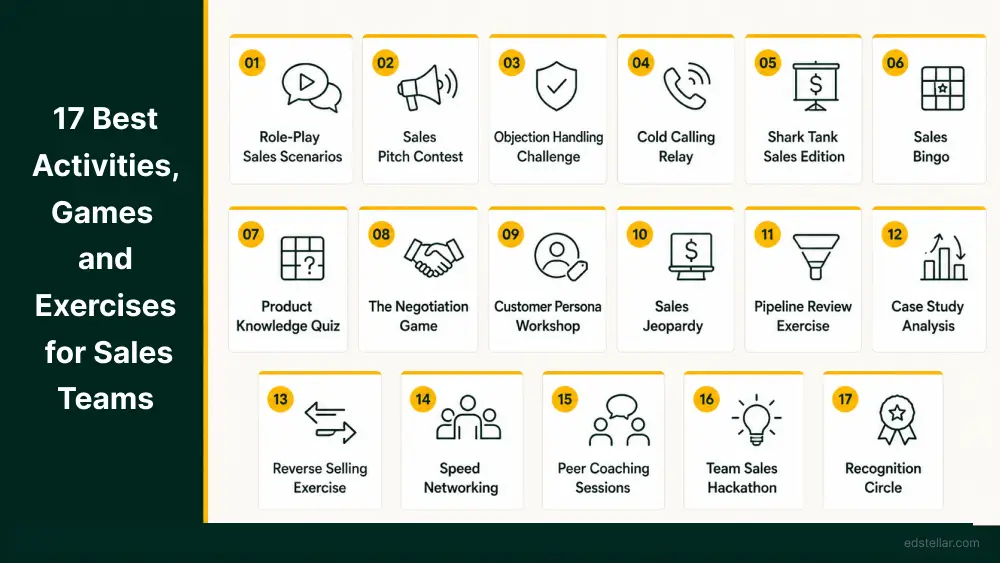





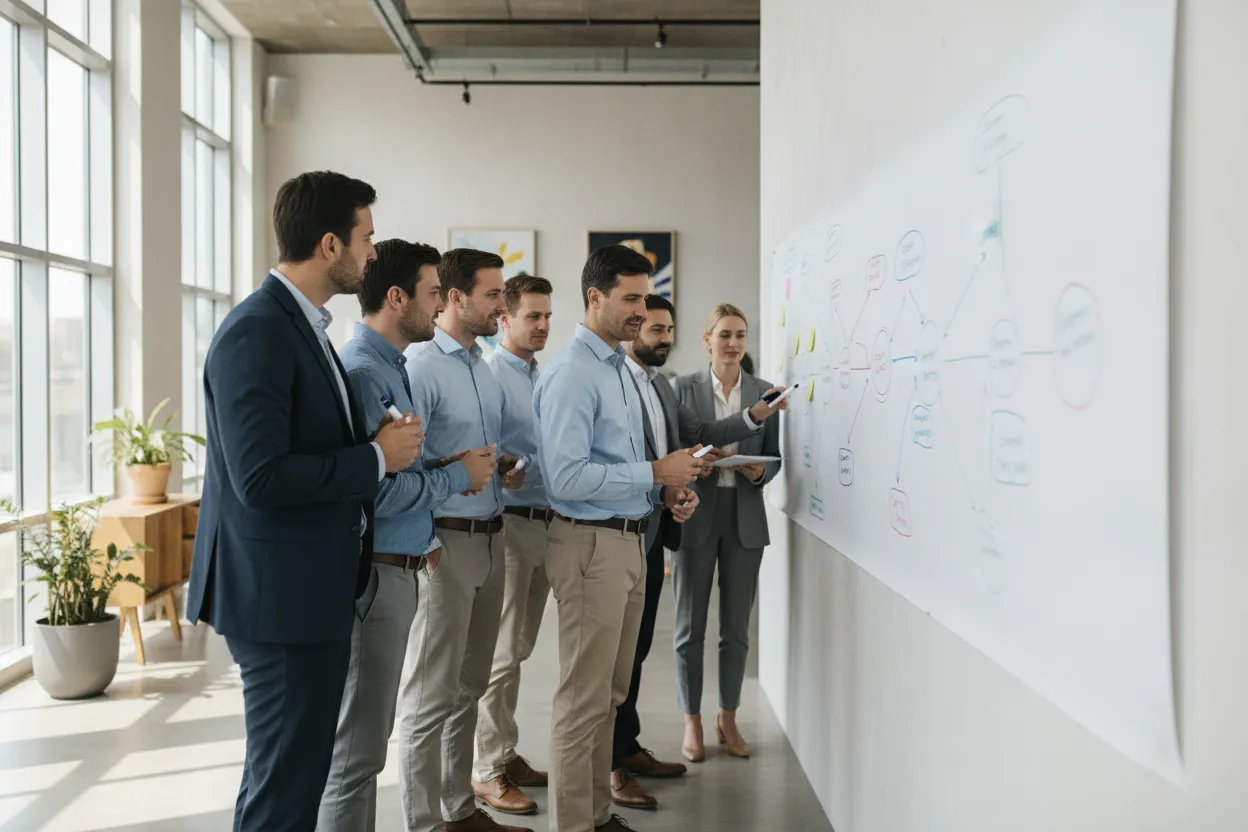














.svg "Click Here to Follow on Medium")
.svg)



.svg)


.svg)
.svg)
.svg)

.svg)