20 Communication Activities, Games & Exercises for Employees
A curated guide to communication games for the workplace, compiled by an L&D leader with 24+ years of experience who founded a consulting practice specializing in communication training.
20 Communication Activities, Games & Exercises for Employees
Content
Table of Content
Quick Overview
Structured communication activities can reclaim up to 25 hours of productive time per worker each week.
Mix verbal communication games with non-verbal and written communication activities to build well-rounded communicators.
Active listening, communication activities, and empathy build the foundation of every effective workplace conversation.
Role reversal and persuasion games among these communication activities sharpen perspective-taking and conflict resolution.
Light competition, real scenarios, and humor keep communication training games memorable and effective.
Make team collaboration a daily habit through consistent communication activities and practice.
Run consistently, communication activities are one of the most targeted investments an organization can make turning workplace communication from a desirable soft skill into a measurable business asset. According to Grammarly's 2025 'Productivity Shift' report, effective communication can save workers up to 25.2 hours per week, with 96% of AI-fluent workers who communicate effectively reporting higher productivity. The World Economic Forum also ranks communication and collaboration among the top skills employers will prioritize through 2030, making structured training more urgent than ever.
Organizations are increasingly investing in structured training programs that include activities and exercises aimed at improving verbal and written communication, active listening, conflict resolution, and collaboration. By prioritizing these workplace communication activities, companies enhance team effectiveness, efficiency, and overall productivity, fostering a more connected and successful workplace.
The 20 communication activities below include active listening exercises, verbal games, and persuasion activities spanning all organizational levels. These communication activities target every level of business interaction. Each is crafted to address a specific aspect of communication: from building emotional intelligence and empathy to sharpening clarity, persuasiveness, and the ability to give and receive feedback under pressure.
These communication activities are designed to be practical and engaging, creating a dynamic environment that drives real skill development. When communication practice becomes part of regular training cadence, organizations see measurable gains in teamwork, reduction in misunderstandings, and stronger leadership at every level.
Author Insight
"Communication skills improve when people practice listening, giving feedback, and expressing ideas under real pressure. The best activities create moments of productive discomfort where participants discover their blind spots and walk away with one habit they can change immediately. "
Subbaiah M U
✓ 24+ years of L&D leadership with a founded consulting practice in communication training, designing engagement programs that build effective communication across teams.
Why Communication Matters in 2026
Poor communication is one of the most expensive silent costs in business, and structured communication activities are one of the few interventions with measurable ROI against it. According to a report by Grammarly and Harris Poll, miscommunication costs businesses with 100 or more employees an average of $420,000 per year, with larger enterprises losing significantly more a gap that structured communication activities are designed to close.
Digital overload compounds the problem, which is why short, repeatable communication activities now outperform one-off classroom training as a development format. Employees navigate an average of 11 different communication tools daily, yet McKinsey research shows that workers spend 19% of their time simply searching for information or tracking down colleagues; time that structured business communication training directly recovers. Organizations that invest in regular communication activities across listening, feedback, and written formats are 3.5 times more likely to outperform their industry peers, according to research by Towers Watson.
Strong communicators close deals faster, resolve conflicts earlier, and align teams around goals with less friction and rework, and the right communication activities are how those behaviors get built. The gap between high-communication and low-communication organizations is widening as remote and hybrid work becomes permanent. Companies that invest in structured communication skills training now are building a durable competitive advantage that plays out in every customer interaction, cross-functional project, and leadership decision.
The gap between high-communication and low-communication teams shows up in retention, too, and recurring communication activities are one of the most cost-effective ways to close it. Employees who feel unheard or misunderstood disengage faster and leave sooner; according to Gallup research, disengaged employees cost the global economy $8.9 trillion in lost productivity annually. Organizations that build active listening training and communication clarity as everyday practices keep their best people longer and spend far less on replacement hiring.
"Communication skills improve when people practice listening, giving feedback, and expressing ideas under real pressure."
Simon Sinek
Founder, The Curve · New York, USA
✔ Leadership thinker and bestselling author specializing in communication, purpose-driven leadership, and organizational culture.
20 Effective Communication Activities, Games & Exercises for Teams
Built for hybrid teams, the 20 communication activities below help organizations strengthen team collaboration and foster clearer, more effective communication across every level of the business. Each of these communication activities targets a specific workplace breakdown teams commonly face. Each of these communication activities includes an interactive demo, required materials, measurable learning outcomes, and expert facilitator guidance.
👤 Age 18+👥 Even Pairs⏱ 20-30 min
1. Active Listening Pairs
Partners take turns sharing stories and paraphrasing them back, building deeper listening, empathy, and mutual understanding.
Active ListeningEmpathyParaphrasing
1 Interactive Guided Demo
1
2
3
4
5
6
7
8
Step 1 of 8
👆
👂
👂🎯💬
🪑⏱️📝🖊️⏱️
⏱️
📋✨🎯🤝
✨✨
📝✅🌟💡
🖊️
🎯🤝📌💡
✨✨
💡🪑⏱️📝🖊️
📋🎯🚀📌
🏆
🎉🌟✨🎊💫
Welcome to Active Listening Pairs
Listen deeply, then mirror the meaning back.
👆 Click anywhere to continue
2 Activity Details
👂
Partners take turns sharing stories and paraphrasing them back, building deeper listening, empathy, and mutual understanding.
Players
👥 Even Pairs
Recommended
Time
⏱ 20-30 min
Activity + debrief
Format
Team Game
Facilitated
Skill
Active Listening
Primary outcome
What You'll Need
Prepare these items before the activity begins so the session runs smoothly.
🪑
Chairs
Required for activity
⏱️
Timer
Required for activity
📝
Notepads
Required for activity
🖊️
Pens
Required for activity
Step-by-Step Walkthrough
1
Settle the Room
Gather employees in a comfortable, focused room where pairs can talk without overhearing each other.
5 min
2
Pair Up and Assign Roles
Pair participants and assign one as the speaker and the other as the listener for the first round.
5 min
3
Share a Story
Speaker shares a personal or professional story while the listener focuses fully on understanding it.
5 min
4
Paraphrase It Back
Listener paraphrases the story in their own words to confirm understanding and catch any missed details.
5 min
5
Swap Roles
Switch roles with a new story so both partners experience speaking and listening.
5 min
6
Debrief the Experience
Lead a brief discussion on what active listening felt like and how paraphrasing changed the conversation.
5 min
Ground Rules
✓ Do
Explain the goal and constraints before starting.
Give every participant a clear role or opportunity to contribute.
Keep the timer visible and the rules consistent.
Encourage teams to explain their reasoning.
Close with a structured debrief.
✕ Don't
Do not let one person dominate the activity.
Do not change the rules midway unless it is a planned variation.
Do not skip reflection after the activity.
Do not make the activity personal or uncomfortable.
Do not focus only on winning; focus on learning.
What Your Team Will Learn
These outcomes should be reinforced during the debrief.
🧠
Outcome
Active Listening
Participants practice this capability through the activity and reinforce it through discussion.
🛠️
Outcome
Empathy
Participants practice this capability through the activity and reinforce it through discussion.
🤝
Outcome
Paraphrasing
Participants practice this capability through the activity and reinforce it through discussion.
⏱
Outcome
Trust
Participants practice this capability through the activity and reinforce it through discussion.
💡
Outcome
Clarity
Participants practice this capability through the activity and reinforce it through discussion.
📊
Outcome
Connection
Participants practice this capability through the activity and reinforce it through discussion.
Ways to Mix It Up
🔁
Repeat Round
Run a second round after debrief to test improved thinking.
🤐
Silent Mode
Add a short no-speaking phase to test non-verbal coordination.
💰
Budget Mode
Assign costs or limits to resources to force prioritization.
🌐
Virtual Edition
Adapt the activity using breakout rooms and shared documents.
🏆
Scored Challenge
Award points for creativity, teamwork, and quality of reasoning.
Debrief Questions
Use these prompts to convert the activity into workplace learning.
What did your team do first during Active Listening Pairs?
Which assumption turned out to be wrong?
How did communication affect the result?
Where did the team lose time or clarity?
What workplace situation feels similar to this activity?
What would you change if you ran the activity again?
3 Tips for Facilitators
⏱
Time Box Clearly
Use a visible timer so participants feel the constraint and pace their decisions.
🧑🏫
Facilitate, Don't Solve
Guide with questions instead of giving answers.
📌
Capture Observations
Note communication patterns, decision points, and bottlenecks.
💬
Debrief Deeply
Reserve enough time to connect the activity to workplace behavior.
4 Real-World Applications
🎯
Quarterly Planning
Translate annual goals into focused, time-bound milestones.
📈
Performance Reviews
Anchor 1:1s to specific, measurable outcomes.
🤝
Team Alignment
Make individual work visible so the team can support each other.
🚀
Career Development
Turn reflection into structured, repeatable growth plans.
👤 Age 18+👥 6+ Players⏱ 20-30 min
2. Listen and Draw
One person describes a hidden image while teammates sketch it from words alone, testing precision, attention, and active listening.
Active ListeningClarityFocus
1 Interactive Guided Demo
1
2
3
4
5
6
7
8
9
Step 1 of 9
👆
✏️
👂✏️🖼️
📄✏️🖼️⏱️📋
🖼️
📋✨🎯🤝
✨✨
⏱️✅🌟💡
📋
🤝📌💡✨
✨✨
💡✏️📄🖼️⏱️
✨🎯🚀📌
🎯✏️📄🖼️⏱️
🏆
🎉🌟✨🎊💫
Welcome to Listen and Draw
Sketch what you hear, word by word.
👆 Click anywhere to continue
2 Activity Details
✏️
One person describes a hidden image while teammates sketch it from words alone, testing precision, attention, and active listening.
Players
👥 6+ Players
Recommended
Time
⏱ 20-30 min
Activity + debrief
Format
Team Game
Facilitated
Skill
Active Listening
Primary outcome
What You'll Need
Prepare these items before the activity begins so the session runs smoothly.
✏️
Pencils
Required for activity
📄
Paper
Required for activity
🖼️
Reference Image
Required for activity
⏱️
Timer
Required for activity
📋
Clipboards
Required for activity
Step-by-Step Walkthrough
1
Set the Space
Gather employees in a large, comfortable area so everyone has room to draw without distractions.
5 min
2
Hand Out Supplies
Distribute a pencil and paper to each participant so they are ready to capture the description.
5 min
3
Describe the Image
Trainer describes an original image using clear, precise language about shapes, positions, and how objects connect.
5 min
4
Set a Time Limit
Optionally set a time limit to add focus and urgency to the drawing round.
5 min
5
Reveal and Compare
Reveal the original image and compare it with each participant's drawing to see how close they came.
5 min
6
Pick a Winner
Declare the participant whose drawing most closely matches the original as the winner.
5 min
7
Debrief Together
Discuss what caused differences, moments of clarity, and how attention to detail shaped the results.
5 min
Ground Rules
✓ Do
Explain the goal and constraints before starting.
Give every participant a clear role or opportunity to contribute.
Keep the timer visible and the rules consistent.
Encourage teams to explain their reasoning.
Close with a structured debrief.
✕ Don't
Do not let one person dominate the activity.
Do not change the rules midway unless it is a planned variation.
Do not skip reflection after the activity.
Do not make the activity personal or uncomfortable.
Do not focus only on winning; focus on learning.
What Your Team Will Learn
These outcomes should be reinforced during the debrief.
🧠
Outcome
Active Listening
Participants practice this capability through the activity and reinforce it through discussion.
🛠️
Outcome
Clarity
Participants practice this capability through the activity and reinforce it through discussion.
🤝
Outcome
Focus
Participants practice this capability through the activity and reinforce it through discussion.
⏱
Outcome
Interpretation
Participants practice this capability through the activity and reinforce it through discussion.
💡
Outcome
Teamwork
Participants practice this capability through the activity and reinforce it through discussion.
📊
Outcome
Precision
Participants practice this capability through the activity and reinforce it through discussion.
Ways to Mix It Up
🔁
Repeat Round
Run a second round after debrief to test improved thinking.
🤐
Silent Mode
Add a short no-speaking phase to test non-verbal coordination.
💰
Budget Mode
Assign costs or limits to resources to force prioritization.
🌐
Virtual Edition
Adapt the activity using breakout rooms and shared documents.
🏆
Scored Challenge
Award points for creativity, teamwork, and quality of reasoning.
Debrief Questions
Use these prompts to convert the activity into workplace learning.
What did your team do first during Listen and Draw?
Which assumption turned out to be wrong?
How did communication affect the result?
Where did the team lose time or clarity?
What workplace situation feels similar to this activity?
What would you change if you ran the activity again?
3 Tips for Facilitators
⏱
Time Box Clearly
Use a visible timer so participants feel the constraint and pace their decisions.
🧑🏫
Facilitate, Don't Solve
Guide with questions instead of giving answers.
📌
Capture Observations
Note communication patterns, decision points, and bottlenecks.
💬
Debrief Deeply
Reserve enough time to connect the activity to workplace behavior.
4 Real-World Applications
🎯
Quarterly Planning
Translate annual goals into focused, time-bound milestones.
📈
Performance Reviews
Anchor 1:1s to specific, measurable outcomes.
🤝
Team Alignment
Make individual work visible so the team can support each other.
🚀
Career Development
Turn reflection into structured, repeatable growth plans.
👤 Age 18+👥 6+ Players⏱ 10-15 min
3. Broken Telephone
A whispered message travels down a line and is revealed at the end, showing how clarity fades without active listening.
ClarityActive ListeningPrecision
1 Interactive Guided Demo
1
2
3
4
5
6
7
8
Step 1 of 8
👆
📞
📞🔁🗣️
📝⏱️🪑📋⏱️
⏱️
📋✨🎯🤝
✨✨
🪑✅🌟💡
📋
🤝📌💡✨
✨✨
💡📝⏱️🪑📋
✨🎯🚀📌
🏆
🎉🌟✨🎊💫
Welcome to Broken Telephone
Whisper it forward, watch the message change.
👆 Click anywhere to continue
2 Activity Details
📞
A whispered message travels down a line and is revealed at the end, showing how clarity fades without active listening.
Players
👥 6+ Players
Recommended
Time
⏱ 10-15 min
Activity + debrief
Format
Team Game
Facilitated
Skill
Clarity
Primary outcome
What You'll Need
Prepare these items before the activity begins so the session runs smoothly.
📝
Message Card
Required for activity
⏱️
Timer
Required for activity
🪑
Open Space
Required for activity
📋
Clipboard
Required for activity
Step-by-Step Walkthrough
1
Line Everyone Up
Arrange employees in a straight line with each person facing the back of the person ahead.
5 min
2
Share the Secret
Trainer secretly shares a fun, interesting message with the first employee in the line.
5 min
3
Pass It Down
First employee whispers the message to the person behind them in a single quiet pass.
5 min
4
Keep It Moving
Each employee in turn passes the message to the next person using only a whisper.
5 min
5
Announce the Ending
When the message reaches the last employee, they say it aloud for the whole group to hear.
5 min
6
Reveal the Original
Trainer reveals the original message so the group can compare it with the final version.
5 min
Ground Rules
✓ Do
Explain the goal and constraints before starting.
Give every participant a clear role or opportunity to contribute.
Keep the timer visible and the rules consistent.
Encourage teams to explain their reasoning.
Close with a structured debrief.
✕ Don't
Do not let one person dominate the activity.
Do not change the rules midway unless it is a planned variation.
Do not skip reflection after the activity.
Do not make the activity personal or uncomfortable.
Do not focus only on winning; focus on learning.
What Your Team Will Learn
These outcomes should be reinforced during the debrief.
🧠
Outcome
Clarity
Participants practice this capability through the activity and reinforce it through discussion.
🛠️
Outcome
Active Listening
Participants practice this capability through the activity and reinforce it through discussion.
🤝
Outcome
Precision
Participants practice this capability through the activity and reinforce it through discussion.
⏱
Outcome
Focus
Participants practice this capability through the activity and reinforce it through discussion.
💡
Outcome
Humor
Participants practice this capability through the activity and reinforce it through discussion.
📊
Outcome
Awareness
Participants practice this capability through the activity and reinforce it through discussion.
Ways to Mix It Up
🔁
Repeat Round
Run a second round after debrief to test improved thinking.
🤐
Silent Mode
Add a short no-speaking phase to test non-verbal coordination.
💰
Budget Mode
Assign costs or limits to resources to force prioritization.
🌐
Virtual Edition
Adapt the activity using breakout rooms and shared documents.
🏆
Scored Challenge
Award points for creativity, teamwork, and quality of reasoning.
Debrief Questions
Use these prompts to convert the activity into workplace learning.
What did your team do first during Broken Telephone?
Which assumption turned out to be wrong?
How did communication affect the result?
Where did the team lose time or clarity?
What workplace situation feels similar to this activity?
What would you change if you ran the activity again?
3 Tips for Facilitators
⏱
Time Box Clearly
Use a visible timer so participants feel the constraint and pace their decisions.
🧑🏫
Facilitate, Don't Solve
Guide with questions instead of giving answers.
📌
Capture Observations
Note communication patterns, decision points, and bottlenecks.
💬
Debrief Deeply
Reserve enough time to connect the activity to workplace behavior.
4 Real-World Applications
🎯
Quarterly Planning
Translate annual goals into focused, time-bound milestones.
📈
Performance Reviews
Anchor 1:1s to specific, measurable outcomes.
🤝
Team Alignment
Make individual work visible so the team can support each other.
🚀
Career Development
Turn reflection into structured, repeatable growth plans.
👤 Age 18+👥 6+ Players⏱ 20-30 min
4. Back-to-Back Drawing
Pairs sit back-to-back; one describes an image using only shapes, sizes, and positions while the other draws blind, testing verbal precision and patient listening. The reveal compares the two pictures and surfaces every assumption and shortcut in the speaker's instructions.
PrecisionVerbalListening
1 Interactive Guided Demo
1
2
3
4
5
6
7
8
9
Step 1 of 9
👆
🖼️
📝👂🎨
📝👂🎨🖼️📏
✏️
🔺🟢💬🏆
✨✨
📝👂🎨🖼️
✏️
🔺🟢💬🏆
✨✨
📝👂🎨🖼️📏
📏📝👂🎨
📝👂🎨🖼️📏
✏️
🎉🌟✨🎊💫
Welcome to Back-to-Back Drawing
Draw what your partner describes, without looking.
👆 Click anywhere to continue
2 Activity Details
✏️
Pairs sit back-to-back; one describes an image using only shapes, sizes, and positions while the other draws blind, testing verbal precision and patient listening. The reveal compares the two pictures and surfaces every assumption and shortcut in the speaker's instructions.
Players
👥 6+ Players
Recommended
Time
⏱ 20-30 min
Activity + debrief
Format
Team Game
Facilitated
Skill
Active Listening
Primary outcome
What You'll Need
Prepare these items before the activity begins so the session runs smoothly.
✏️
Pencils
Required for activity
✏️
Paper
Required for activity
✏️
Reference Image
Required for activity
✏️
Timer
Required for activity
✏️
Clipboards
Required for activity
Step-by-Step Walkthrough
1
Pair Up Back-to-Back
Gather employees in a large, comfortable area so everyone has room to draw without distractions.
5 min
2
Describe the Image
Distribute a pencil and paper to each participant so they are ready to capture the description.
5 min
3
Draw What You Hear
Trainer describes an original image using clear, precise language about shapes, positions, and how objects connect.
5 min
4
Compare the Results
Optionally set a time limit to add focus and urgency to the drawing round.
5 min
5
Swap Roles and Retry
Reveal the original image and compare it with each participant's drawing to see how close they came.
5 min
6
Pick a Winner
Declare the participant whose drawing most closely matches the original as the winner.
5 min
7
Debrief Together
Discuss what caused differences, moments of clarity, and how attention to detail shaped the results.
5 min
Ground Rules
✓ Do
Explain the goal and constraints before starting.
Give every participant a clear role or opportunity to contribute.
Keep the timer visible and the rules consistent.
Encourage teams to explain their reasoning.
Close with a structured debrief.
✕ Don't
Do not let one person dominate the activity.
Do not change the rules midway unless it is a planned variation.
Do not skip reflection after the activity.
Do not make the activity personal or uncomfortable.
Do not focus only on winning; focus on learning.
What Your Team Will Learn
These outcomes should be reinforced during the debrief.
🧠
Outcome
Active Listening
Participants practice this capability through the activity and reinforce it through discussion.
🛠️
Outcome
Clarity
Participants practice this capability through the activity and reinforce it through discussion.
🤝
Outcome
Focus
Participants practice this capability through the activity and reinforce it through discussion.
⏱
Outcome
Interpretation
Participants practice this capability through the activity and reinforce it through discussion.
💡
Outcome
Teamwork
Participants practice this capability through the activity and reinforce it through discussion.
📊
Outcome
Precision
Participants practice this capability through the activity and reinforce it through discussion.
Ways to Mix It Up
🔁
Repeat Round
Run a second round after debrief to test improved thinking.
🤐
Silent Mode
Add a short no-speaking phase to test non-verbal coordination.
💰
Budget Mode
Assign costs or limits to resources to force prioritization.
🌐
Virtual Edition
Adapt the activity using breakout rooms and shared documents.
🏆
Scored Challenge
Award points for creativity, teamwork, and quality of reasoning.
Debrief Questions
Use these prompts to convert the activity into workplace learning.
What did your team do first during Back-to-Back Drawing?
Which assumption turned out to be wrong?
How did communication affect the result?
Where did the team lose time or clarity?
What workplace situation feels similar to this activity?
What would you change if you ran the activity again?
3 Tips for Facilitators
⏱
Time Box Clearly
Use a visible timer so participants feel the constraint and pace their decisions.
🧑🏫
Facilitate, Don't Solve
Guide with questions instead of giving answers.
📌
Capture Observations
Note communication patterns, decision points, and bottlenecks.
💬
Debrief Deeply
Reserve enough time to connect the activity to workplace behavior.
4 Real-World Applications
🎯
Quarterly Planning
Translate annual goals into focused, time-bound milestones.
📈
Performance Reviews
Anchor 1:1s to specific, measurable outcomes.
🤝
Team Alignment
Make individual work visible so the team can support each other.
🚀
Career Development
Turn reflection into structured, repeatable growth plans.
👤 Age 18+👥 Even Pairs⏱ 20-30 min
5. Minefield
A blindfolded teammate crosses an obstacle course guided only by a partner's voice, building trust and precise verbal direction.
TrustPrecisionVerbal Guidance
1 Interactive Guided Demo
1
2
3
4
5
6
7
8
Step 1 of 8
👆
💣
💣🚶🤝
🧣🧸⏱️📏🏁
🧸
📋✨🎯🤝
✨✨
⏱️✅🌟💡
📏
🎯🤝📌💡
✨✨
🏁🧣🧸⏱️📏
💡🚀📌🤝
🏆
🎉🌟✨🎊💫
Welcome to Minefield
Guide your partner safely with words alone.
👆 Click anywhere to continue
2 Activity Details
💣
A blindfolded teammate crosses an obstacle course guided only by a partner's voice, building trust and precise verbal direction.
Players
👥 Even Pairs
Recommended
Time
⏱ 20-30 min
Activity + debrief
Format
Team Game
Facilitated
Skill
Trust
Primary outcome
What You'll Need
Prepare these items before the activity begins so the session runs smoothly.
🧣
Blindfolds
Required for activity
🧸
Soft Obstacles
Required for activity
⏱️
Timer
Required for activity
📏
Boundary Tape
Required for activity
🏁
Finish Marker
Required for activity
Step-by-Step Walkthrough
1
Build the Course
Choose a large area and set up the minefield with soft obstacles spread across the floor.
5 min
2
Form Pairs
Divide employees into two-person teams so each pair has a navigator and a walker.
5 min
3
Blindfold the Walker
One partner is the navigator while the other is blindfolded and placed at the starting point.
5 min
4
Guide With Words
Navigator gives precise verbal directions like three steps forward and two steps right to steer the walker.
5 min
5
Reset on Contact
If the blindfolded employee touches an obstacle, the pair restarts from the beginning.
5 min
6
Cross the Finish
The team that reaches the finish line with the fastest time wins the round.
5 min
Ground Rules
✓ Do
Explain the goal and constraints before starting.
Give every participant a clear role or opportunity to contribute.
Keep the timer visible and the rules consistent.
Encourage teams to explain their reasoning.
Close with a structured debrief.
✕ Don't
Do not let one person dominate the activity.
Do not change the rules midway unless it is a planned variation.
Do not skip reflection after the activity.
Do not make the activity personal or uncomfortable.
Do not focus only on winning; focus on learning.
What Your Team Will Learn
These outcomes should be reinforced during the debrief.
🧠
Outcome
Trust
Participants practice this capability through the activity and reinforce it through discussion.
🛠️
Outcome
Precision
Participants practice this capability through the activity and reinforce it through discussion.
🤝
Outcome
Verbal Guidance
Participants practice this capability through the activity and reinforce it through discussion.
⏱
Outcome
Focus
Participants practice this capability through the activity and reinforce it through discussion.
💡
Outcome
Teamwork
Participants practice this capability through the activity and reinforce it through discussion.
📊
Outcome
Confidence
Participants practice this capability through the activity and reinforce it through discussion.
Ways to Mix It Up
🔁
Repeat Round
Run a second round after debrief to test improved thinking.
🤐
Silent Mode
Add a short no-speaking phase to test non-verbal coordination.
💰
Budget Mode
Assign costs or limits to resources to force prioritization.
🌐
Virtual Edition
Adapt the activity using breakout rooms and shared documents.
🏆
Scored Challenge
Award points for creativity, teamwork, and quality of reasoning.
Debrief Questions
Use these prompts to convert the activity into workplace learning.
What did your team do first during Minefield?
Which assumption turned out to be wrong?
How did communication affect the result?
Where did the team lose time or clarity?
What workplace situation feels similar to this activity?
What would you change if you ran the activity again?
3 Tips for Facilitators
⏱
Time Box Clearly
Use a visible timer so participants feel the constraint and pace their decisions.
🧑🏫
Facilitate, Don't Solve
Guide with questions instead of giving answers.
📌
Capture Observations
Note communication patterns, decision points, and bottlenecks.
💬
Debrief Deeply
Reserve enough time to connect the activity to workplace behavior.
4 Real-World Applications
🎯
Quarterly Planning
Translate annual goals into focused, time-bound milestones.
📈
Performance Reviews
Anchor 1:1s to specific, measurable outcomes.
🤝
Team Alignment
Make individual work visible so the team can support each other.
🚀
Career Development
Turn reflection into structured, repeatable growth plans.
👤 Age 18+👥 Even Pairs⏱ 20-30 min
6. Wordless Acting
One partner reads a script while the other expresses a hidden emotion through body language alone, sharpening non-verbal fluency.
Non-VerbalEmpathyExpression
1 Interactive Guided Demo
1
2
3
4
5
6
7
8
9
Step 1 of 9
👆
🎭
🤐🎭🎬
📜🎴⏱️🪑🎴
🎴
📋✨🎯🤝
✨✨
⏱️✅🌟💡
🪑
🎯🤝📌💡
✨✨
💡📜🎴⏱️🪑
📋🎯🚀📌
✨📜🎴⏱️🪑
🏆
🎉🌟✨🎊💫
Welcome to Wordless Acting
Show the feeling, no words needed.
👆 Click anywhere to continue
2 Activity Details
🎭
One partner reads a script while the other expresses a hidden emotion through body language alone, sharpening non-verbal fluency.
Players
👥 Even Pairs
Recommended
Time
⏱ 20-30 min
Activity + debrief
Format
Team Game
Facilitated
Skill
Non-Verbal Communication
Primary outcome
What You'll Need
Prepare these items before the activity begins so the session runs smoothly.
📜
Scripts
Required for activity
🎴
Emotion Cards
Required for activity
⏱️
Timer
Required for activity
🪑
Chairs
Required for activity
Step-by-Step Walkthrough
1
Pair the Players
Divide employees into pairs so each duo can rehearse and perform together.
5 min
2
Assign Roles
Assign Partner A as the reader and Partner B as the non-verbal communicator for the scene.
5 min
3
Hand Out Scripts
Distribute a short script so each pair has the same lines to work from.
5 min
4
Read and Watch
Partner A reads the lines aloud while watching Partner B closely for cues.
5 min
5
Slip a Secret Emotion
Give Partner B a secret emotion on paper such as rushing, boredom, or guilt to perform silently.
5 min
6
Perform the Scene
Work through the script together with Partner A speaking and Partner B expressing only through body language.
5 min
7
Guess the Feeling
Partner A guesses the hidden emotion based purely on body language and facial cues.
5 min
Ground Rules
✓ Do
Explain the goal and constraints before starting.
Give every participant a clear role or opportunity to contribute.
Keep the timer visible and the rules consistent.
Encourage teams to explain their reasoning.
Close with a structured debrief.
✕ Don't
Do not let one person dominate the activity.
Do not change the rules midway unless it is a planned variation.
Do not skip reflection after the activity.
Do not make the activity personal or uncomfortable.
Do not focus only on winning; focus on learning.
What Your Team Will Learn
These outcomes should be reinforced during the debrief.
🧠
Outcome
Non-Verbal
Participants practice this capability through the activity and reinforce it through discussion.
🛠️
Outcome
Empathy
Participants practice this capability through the activity and reinforce it through discussion.
🤝
Outcome
Expression
Participants practice this capability through the activity and reinforce it through discussion.
⏱
Outcome
Observation
Participants practice this capability through the activity and reinforce it through discussion.
💡
Outcome
Creativity
Participants practice this capability through the activity and reinforce it through discussion.
📊
Outcome
Connection
Participants practice this capability through the activity and reinforce it through discussion.
Ways to Mix It Up
🔁
Repeat Round
Run a second round after debrief to test improved thinking.
🤐
Silent Mode
Add a short no-speaking phase to test non-verbal coordination.
💰
Budget Mode
Assign costs or limits to resources to force prioritization.
🌐
Virtual Edition
Adapt the activity using breakout rooms and shared documents.
🏆
Scored Challenge
Award points for creativity, teamwork, and quality of reasoning.
Debrief Questions
Use these prompts to convert the activity into workplace learning.
What did your team do first during Wordless Acting?
Which assumption turned out to be wrong?
How did communication affect the result?
Where did the team lose time or clarity?
What workplace situation feels similar to this activity?
What would you change if you ran the activity again?
3 Tips for Facilitators
⏱
Time Box Clearly
Use a visible timer so participants feel the constraint and pace their decisions.
🧑🏫
Facilitate, Don't Solve
Guide with questions instead of giving answers.
📌
Capture Observations
Note communication patterns, decision points, and bottlenecks.
💬
Debrief Deeply
Reserve enough time to connect the activity to workplace behavior.
4 Real-World Applications
🎯
Quarterly Planning
Translate annual goals into focused, time-bound milestones.
📈
Performance Reviews
Anchor 1:1s to specific, measurable outcomes.
🤝
Team Alignment
Make individual work visible so the team can support each other.
🚀
Career Development
Turn reflection into structured, repeatable growth plans.
👤 Age 18+👥 5+ Players⏱ 30-45 min
7. Convince Me
Employees write persuasive pieces on passionate topics, swap subjects midway, and pitch to teammates for the most convincing piece.
PersuasionCreativityWriting
1 Interactive Guided Demo
1
2
3
4
5
6
7
8
9
Step 1 of 9
👆
🗣️
💬🎯💡
📝🖊️⏱️🗳️🖊️
🖊️
📋✨🎯🤝
✨✨
⏱️✅🌟💡
🗳️
🎯🤝📌💡
✨✨
💡📝🖊️⏱️🗳️
📋🎯🚀📌
✨📝🖊️⏱️🗳️
🏆
🎉🌟✨🎊💫
Welcome to Convince Me
Pitch any topic, then pitch the swap.
👆 Click anywhere to continue
2 Activity Details
🗣️
Employees write persuasive pieces on passionate topics, swap subjects midway, and pitch to teammates for the most convincing piece.
Players
👥 5+ Players
Recommended
Time
⏱ 30-45 min
Activity + debrief
Format
Team Game
Facilitated
Skill
Persuasion
Primary outcome
What You'll Need
Prepare these items before the activity begins so the session runs smoothly.
📝
Notepads
Required for activity
🖊️
Pens
Required for activity
⏱️
Timer
Required for activity
🗳️
Vote Cards
Required for activity
Step-by-Step Walkthrough
1
Form Small Teams
Divide employees into small teams so everyone has a peer audience to pitch to.
5 min
2
Pick a Passion Topic
Each employee chooses a topic they feel passionate about and want to argue for.
5 min
3
Write a Persuasive Piece
Write a persuasive piece in any format such as essay, song, or poem within the set time.
5 min
4
Swap Topics Midway
Halfway through, swap topics with a teammate and adapt your persuasive style to the new subject.
5 min
5
Read Aloud
When time expires, read pieces aloud to the group with full conviction.
5 min
6
Give Feedback
Offer constructive feedback and respectful counterpoints to each pitch.
5 min
7
Vote the Winner
Employees vote on the most convincing piece across the round.
5 min
Ground Rules
✓ Do
Explain the goal and constraints before starting.
Give every participant a clear role or opportunity to contribute.
Keep the timer visible and the rules consistent.
Encourage teams to explain their reasoning.
Close with a structured debrief.
✕ Don't
Do not let one person dominate the activity.
Do not change the rules midway unless it is a planned variation.
Do not skip reflection after the activity.
Do not make the activity personal or uncomfortable.
Do not focus only on winning; focus on learning.
What Your Team Will Learn
These outcomes should be reinforced during the debrief.
🧠
Outcome
Persuasion
Participants practice this capability through the activity and reinforce it through discussion.
🛠️
Outcome
Creativity
Participants practice this capability through the activity and reinforce it through discussion.
🤝
Outcome
Writing
Participants practice this capability through the activity and reinforce it through discussion.
⏱
Outcome
Adaptability
Participants practice this capability through the activity and reinforce it through discussion.
💡
Outcome
Confidence
Participants practice this capability through the activity and reinforce it through discussion.
📊
Outcome
Communication
Participants practice this capability through the activity and reinforce it through discussion.
Ways to Mix It Up
🔁
Repeat Round
Run a second round after debrief to test improved thinking.
🤐
Silent Mode
Add a short no-speaking phase to test non-verbal coordination.
💰
Budget Mode
Assign costs or limits to resources to force prioritization.
🌐
Virtual Edition
Adapt the activity using breakout rooms and shared documents.
🏆
Scored Challenge
Award points for creativity, teamwork, and quality of reasoning.
Debrief Questions
Use these prompts to convert the activity into workplace learning.
What did your team do first during Convince Me?
Which assumption turned out to be wrong?
How did communication affect the result?
Where did the team lose time or clarity?
What workplace situation feels similar to this activity?
What would you change if you ran the activity again?
3 Tips for Facilitators
⏱
Time Box Clearly
Use a visible timer so participants feel the constraint and pace their decisions.
🧑🏫
Facilitate, Don't Solve
Guide with questions instead of giving answers.
📌
Capture Observations
Note communication patterns, decision points, and bottlenecks.
💬
Debrief Deeply
Reserve enough time to connect the activity to workplace behavior.
4 Real-World Applications
🎯
Quarterly Planning
Translate annual goals into focused, time-bound milestones.
📈
Performance Reviews
Anchor 1:1s to specific, measurable outcomes.
🤝
Team Alignment
Make individual work visible so the team can support each other.
🚀
Career Development
Turn reflection into structured, repeatable growth plans.
Ready to Roll Out Communication Workshops for Your Team?
Edstellar facilitators deliver all 20 activities live, on-site or virtually, fully tailored to your team's roles, schedules, and specific communication challenges.
Teams argue one side of a topic then flip and argue the opposite, building empathy, persuasion, and flexible thinking.
PersuasionEmpathyCommunication
1 Interactive Guided Demo
1
2
3
4
5
6
7
8
9
10
Step 1 of 10
👆
⚖️
🔄🎭👀
📋📝⏱️🪑📊
📝
📋✨🎯🤝
✨✨
⏱️✅🌟💡
🪑
🎯🤝📌💡
✨✨
📊📋📝⏱️🪑
💡🚀📌🤝
✨📋📝⏱️🪑
🎯
✨🤝📌💡
✨✨
🏆
🎉🌟✨🎊💫
Welcome to Role Reversal Debate
Argue both sides, see the full picture.
👆 Click anywhere to continue
2 Activity Details
⚖️
Teams argue one side of a topic then flip and argue the opposite, building empathy, persuasion, and flexible thinking.
Players
👥 6+ Players
Recommended
Time
⏱ 30-45 min
Activity + debrief
Format
Team Game
Facilitated
Skill
Persuasion
Primary outcome
What You'll Need
Prepare these items before the activity begins so the session runs smoothly.
📋
Topic Briefs
Required for activity
📝
Notepads
Required for activity
⏱️
Timer
Required for activity
🪑
Chairs
Required for activity
📊
Scoreboard
Required for activity
Step-by-Step Walkthrough
1
Form Two Teams
Divide employees into teams of at least two participants each to debate the topic.
5 min
2
Set the Topic
Assign a debate topic with two clear opposing viewpoints for the teams to argue.
5 min
3
Research and Prepare
Teams research their assigned side and build arguments grounded in facts and persuasive strategy.
5 min
4
Present First Round
Teams present their initial arguments using persuasive techniques and logical reasoning.
5 min
5
Switch Sides
Instruct the teams to switch sides and argue the opposite viewpoint from scratch.
5 min
6
Counter and Adapt
Teams present counterarguments and adapt their persuasive strategies to the new position.
5 min
7
Reflect Together
Hold a group discussion about how viewpoints shifted and what adaptation felt like.
5 min
8
Vote on Best Case
Optionally vote on which arguments felt most compelling across the rounds.
5 min
Ground Rules
✓ Do
Explain the goal and constraints before starting.
Give every participant a clear role or opportunity to contribute.
Keep the timer visible and the rules consistent.
Encourage teams to explain their reasoning.
Close with a structured debrief.
✕ Don't
Do not let one person dominate the activity.
Do not change the rules midway unless it is a planned variation.
Do not skip reflection after the activity.
Do not make the activity personal or uncomfortable.
Do not focus only on winning; focus on learning.
What Your Team Will Learn
These outcomes should be reinforced during the debrief.
🧠
Outcome
Persuasion
Participants practice this capability through the activity and reinforce it through discussion.
🛠️
Outcome
Empathy
Participants practice this capability through the activity and reinforce it through discussion.
🤝
Outcome
Communication
Participants practice this capability through the activity and reinforce it through discussion.
⏱
Outcome
Adaptability
Participants practice this capability through the activity and reinforce it through discussion.
💡
Outcome
Logic
Participants practice this capability through the activity and reinforce it through discussion.
📊
Outcome
Confidence
Participants practice this capability through the activity and reinforce it through discussion.
Ways to Mix It Up
🔁
Repeat Round
Run a second round after debrief to test improved thinking.
🤐
Silent Mode
Add a short no-speaking phase to test non-verbal coordination.
💰
Budget Mode
Assign costs or limits to resources to force prioritization.
🌐
Virtual Edition
Adapt the activity using breakout rooms and shared documents.
🏆
Scored Challenge
Award points for creativity, teamwork, and quality of reasoning.
Debrief Questions
Use these prompts to convert the activity into workplace learning.
What did your team do first during Role Reversal Debate?
Which assumption turned out to be wrong?
How did communication affect the result?
Where did the team lose time or clarity?
What workplace situation feels similar to this activity?
What would you change if you ran the activity again?
3 Tips for Facilitators
⏱
Time Box Clearly
Use a visible timer so participants feel the constraint and pace their decisions.
🧑🏫
Facilitate, Don't Solve
Guide with questions instead of giving answers.
📌
Capture Observations
Note communication patterns, decision points, and bottlenecks.
💬
Debrief Deeply
Reserve enough time to connect the activity to workplace behavior.
4 Real-World Applications
🎯
Quarterly Planning
Translate annual goals into focused, time-bound milestones.
📈
Performance Reviews
Anchor 1:1s to specific, measurable outcomes.
🤝
Team Alignment
Make individual work visible so the team can support each other.
🚀
Career Development
Turn reflection into structured, repeatable growth plans.
👤 Age 18+👥 6+ Players⏱ 30-45 min
9. Taboo
Teams describe a target word without using forbidden clue words, building precise vocabulary, creativity, and team chemistry under pressure.
VocabularyCreativityTeamwork
1 Interactive Guided Demo
1
2
3
4
5
6
7
8
9
10
Step 1 of 10
👆
🤐
🚫🃏💬
🎴⏱️📊🔔🖊️
⏱️
📋✨🎯🤝
✨✨
📊✅🌟💡
🔔
🎯🤝📌💡
✨✨
🖊️🎴⏱️📊🔔
💡🚀📌🤝
📋🎴⏱️📊🔔
✨
🎯🤝📌💡
✨✨
🏆
🎉🌟✨🎊💫
Welcome to Taboo
Describe the word, dodge the forbidden clues.
👆 Click anywhere to continue
2 Activity Details
🤐
Teams describe a target word without using forbidden clue words, building precise vocabulary, creativity, and team chemistry under pressure.
Players
👥 6+ Players
Recommended
Time
⏱ 30-45 min
Activity + debrief
Format
Team Game
Facilitated
Skill
Vocabulary
Primary outcome
What You'll Need
Prepare these items before the activity begins so the session runs smoothly.
🎴
Word Cards
Required for activity
⏱️
Timer
Required for activity
📊
Scoreboard
Required for activity
🔔
Buzzer
Required for activity
🖊️
Markers
Required for activity
Step-by-Step Walkthrough
1
Form Teams
Gather employees and divide them into small teams ready to play.
5 min
2
Build the Cards
Each team prepares a card set with target words and three to five forbidden taboo words per card.
5 min
3
Swap the Decks
Opposing teams create cards for the describing team so the selection stays challenging.
5 min
4
Describe the Word
Each round, a describing team member picks an opposing team card and describes the main word without using taboo words.
5 min
5
Guess Against the Clock
Teammates guess the main word while a timer adds urgency and excitement.
5 min
6
Rotate and Score
Rotate roles so every member describes and guesses, and add double point or themed rounds to mix things up.
5 min
7
Steal and Strategise
Opposing team can steal points if they guess the word when the describing team fails, and bonus clues cost earned points.
5 min
8
Debrief the Round
After rounds, hold a brief discussion on strategies that worked and what to improve.
5 min
Ground Rules
✓ Do
Explain the goal and constraints before starting.
Give every participant a clear role or opportunity to contribute.
Keep the timer visible and the rules consistent.
Encourage teams to explain their reasoning.
Close with a structured debrief.
✕ Don't
Do not let one person dominate the activity.
Do not change the rules midway unless it is a planned variation.
Do not skip reflection after the activity.
Do not make the activity personal or uncomfortable.
Do not focus only on winning; focus on learning.
What Your Team Will Learn
These outcomes should be reinforced during the debrief.
🧠
Outcome
Vocabulary
Participants practice this capability through the activity and reinforce it through discussion.
🛠️
Outcome
Creativity
Participants practice this capability through the activity and reinforce it through discussion.
🤝
Outcome
Teamwork
Participants practice this capability through the activity and reinforce it through discussion.
⏱
Outcome
Quick Thinking
Participants practice this capability through the activity and reinforce it through discussion.
💡
Outcome
Focus
Participants practice this capability through the activity and reinforce it through discussion.
📊
Outcome
Strategy
Participants practice this capability through the activity and reinforce it through discussion.
Ways to Mix It Up
🔁
Repeat Round
Run a second round after debrief to test improved thinking.
🤐
Silent Mode
Add a short no-speaking phase to test non-verbal coordination.
💰
Budget Mode
Assign costs or limits to resources to force prioritization.
🌐
Virtual Edition
Adapt the activity using breakout rooms and shared documents.
🏆
Scored Challenge
Award points for creativity, teamwork, and quality of reasoning.
Debrief Questions
Use these prompts to convert the activity into workplace learning.
What did your team do first during Taboo?
Which assumption turned out to be wrong?
How did communication affect the result?
Where did the team lose time or clarity?
What workplace situation feels similar to this activity?
What would you change if you ran the activity again?
3 Tips for Facilitators
⏱
Time Box Clearly
Use a visible timer so participants feel the constraint and pace their decisions.
🧑🏫
Facilitate, Don't Solve
Guide with questions instead of giving answers.
📌
Capture Observations
Note communication patterns, decision points, and bottlenecks.
💬
Debrief Deeply
Reserve enough time to connect the activity to workplace behavior.
4 Real-World Applications
🎯
Quarterly Planning
Translate annual goals into focused, time-bound milestones.
📈
Performance Reviews
Anchor 1:1s to specific, measurable outcomes.
🤝
Team Alignment
Make individual work visible so the team can support each other.
🚀
Career Development
Turn reflection into structured, repeatable growth plans.
👤 Age 18+👥 6+ Players⏱ 20-30 min
10. Story Round Robin
Teams build a story one silent sentence at a time, then read it aloud to find the most creative and seamless narrative.
CreativityCollaborationWriting
1 Interactive Guided Demo
1
2
3
4
5
6
7
8
9
10
Step 1 of 10
👆
📖
📖🔄✨
📄🖊️⏱️🔔🖊️
🖊️
📋✨🎯🤝
✨✨
⏱️✅🌟💡
🔔
🎯🤝📌💡
✨✨
💡📄🖊️⏱️🔔
📋🎯🚀📌
✨📄🖊️⏱️🔔
🎯
✨🤝📌💡
✨✨
🏆
🎉🌟✨🎊💫
Welcome to Story Round Robin
Add one sentence, pass the story on.
👆 Click anywhere to continue
2 Activity Details
📖
Teams build a story one silent sentence at a time, then read it aloud to find the most creative and seamless narrative.
Players
👥 6+ Players
Recommended
Time
⏱ 20-30 min
Activity + debrief
Format
Team Game
Facilitated
Skill
Collaboration
Primary outcome
What You'll Need
Prepare these items before the activity begins so the session runs smoothly.
📄
Paper
Required for activity
🖊️
Pens
Required for activity
⏱️
Timer
Required for activity
🔔
Bell
Required for activity
Step-by-Step Walkthrough
1
Form Small Teams
Arrange employees into smaller teams so the story can travel around quickly.
5 min
2
Hand Out Materials
Provide paper and a pen for each team to write their unfolding story.
5 min
3
Give a Starter Line
Give a starting sentence such as Once upon a time to launch every team's story.
5 min
4
Write One Sentence
Each team member writes one sentence within a short time limit without editing what came before.
5 min
5
Stay Silent
No editing of others' sentences and no talking during the writing rounds.
5 min
6
Pass the Paper
When the time limit hits, pass the paper to the next teammate to continue the story.
5 min
7
Read Aloud
After everyone contributes, each team reads its full story aloud to the group.
5 min
8
Pick a Winner
Judge the stories and crown the team with the most creative and compelling narrative.
5 min
Ground Rules
✓ Do
Explain the goal and constraints before starting.
Give every participant a clear role or opportunity to contribute.
Keep the timer visible and the rules consistent.
Encourage teams to explain their reasoning.
Close with a structured debrief.
✕ Don't
Do not let one person dominate the activity.
Do not change the rules midway unless it is a planned variation.
Do not skip reflection after the activity.
Do not make the activity personal or uncomfortable.
Do not focus only on winning; focus on learning.
What Your Team Will Learn
These outcomes should be reinforced during the debrief.
🧠
Outcome
Creativity
Participants practice this capability through the activity and reinforce it through discussion.
🛠️
Outcome
Collaboration
Participants practice this capability through the activity and reinforce it through discussion.
🤝
Outcome
Writing
Participants practice this capability through the activity and reinforce it through discussion.
⏱
Outcome
Imagination
Participants practice this capability through the activity and reinforce it through discussion.
💡
Outcome
Focus
Participants practice this capability through the activity and reinforce it through discussion.
📊
Outcome
Teamwork
Participants practice this capability through the activity and reinforce it through discussion.
Ways to Mix It Up
🔁
Repeat Round
Run a second round after debrief to test improved thinking.
🤐
Silent Mode
Add a short no-speaking phase to test non-verbal coordination.
💰
Budget Mode
Assign costs or limits to resources to force prioritization.
🌐
Virtual Edition
Adapt the activity using breakout rooms and shared documents.
🏆
Scored Challenge
Award points for creativity, teamwork, and quality of reasoning.
Debrief Questions
Use these prompts to convert the activity into workplace learning.
What did your team do first during Story Round Robin?
Which assumption turned out to be wrong?
How did communication affect the result?
Where did the team lose time or clarity?
What workplace situation feels similar to this activity?
What would you change if you ran the activity again?
3 Tips for Facilitators
⏱
Time Box Clearly
Use a visible timer so participants feel the constraint and pace their decisions.
🧑🏫
Facilitate, Don't Solve
Guide with questions instead of giving answers.
📌
Capture Observations
Note communication patterns, decision points, and bottlenecks.
💬
Debrief Deeply
Reserve enough time to connect the activity to workplace behavior.
4 Real-World Applications
🎯
Quarterly Planning
Translate annual goals into focused, time-bound milestones.
📈
Performance Reviews
Anchor 1:1s to specific, measurable outcomes.
🤝
Team Alignment
Make individual work visible so the team can support each other.
🚀
Career Development
Turn reflection into structured, repeatable growth plans.
👤 Age 18+👥 6+ Players⏱ 20-30 min
11. Question Web
Players toss a ball of yarn while asking and answering questions, weaving a literal web that reveals deeper team connections.
QuestioningConnectionCuriosity
1 Interactive Guided Demo
1
2
3
4
5
6
7
8
9
Step 1 of 9
👆
🕸️
🕸️❓🤝
🧶🪑⏱️📝🪑
🪑
📋✨🎯🤝
✨✨
⏱️✅🌟💡
📝
🎯🤝📌💡
✨✨
💡🧶🪑⏱️📝
📋🎯🚀📌
✨🧶🪑⏱️📝
🏆
🎉🌟✨🎊💫
Welcome to Question Web
Toss the yarn, weave the team together.
👆 Click anywhere to continue
2 Activity Details
🕸️
Players toss a ball of yarn while asking and answering questions, weaving a literal web that reveals deeper team connections.
Players
👥 6+ Players
Recommended
Time
⏱ 20-30 min
Activity + debrief
Format
Team Game
Facilitated
Skill
Questioning
Primary outcome
What You'll Need
Prepare these items before the activity begins so the session runs smoothly.
🧶
Ball of Yarn
Required for activity
🪑
Open Space
Required for activity
⏱️
Timer
Required for activity
📝
Question Prompts
Required for activity
Step-by-Step Walkthrough
1
Gather the Team
Gather the team in a spacious, comfortable area where everyone can stand in a loose circle.
5 min
2
Bring the Yarn
Provide a single ball of yarn that will become the connecting web across the team.
5 min
3
Start the Web
One employee holds the yarn end, asks a personal or professional question, and tosses the ball to another.
5 min
4
Catch and Continue
Next employee catches the yarn, answers, holds their strand, asks a fresh question, and tosses on.
5 min
5
Keep the Pattern
Continue with each employee catching, holding, answering, asking, and tossing the ball forward.
5 min
6
Include Everyone
Ensure every person participates so the yarn web fully connects the team.
5 min
7
Reflect on the Web
Gather the team to discuss the connections, insights, and what the web revealed about cohesion.
5 min
Ground Rules
✓ Do
Explain the goal and constraints before starting.
Give every participant a clear role or opportunity to contribute.
Keep the timer visible and the rules consistent.
Encourage teams to explain their reasoning.
Close with a structured debrief.
✕ Don't
Do not let one person dominate the activity.
Do not change the rules midway unless it is a planned variation.
Do not skip reflection after the activity.
Do not make the activity personal or uncomfortable.
Do not focus only on winning; focus on learning.
What Your Team Will Learn
These outcomes should be reinforced during the debrief.
🧠
Outcome
Questioning
Participants practice this capability through the activity and reinforce it through discussion.
🛠️
Outcome
Connection
Participants practice this capability through the activity and reinforce it through discussion.
🤝
Outcome
Curiosity
Participants practice this capability through the activity and reinforce it through discussion.
⏱
Outcome
Active Listening
Participants practice this capability through the activity and reinforce it through discussion.
💡
Outcome
Empathy
Participants practice this capability through the activity and reinforce it through discussion.
📊
Outcome
Teamwork
Participants practice this capability through the activity and reinforce it through discussion.
Ways to Mix It Up
🔁
Repeat Round
Run a second round after debrief to test improved thinking.
🤐
Silent Mode
Add a short no-speaking phase to test non-verbal coordination.
💰
Budget Mode
Assign costs or limits to resources to force prioritization.
🌐
Virtual Edition
Adapt the activity using breakout rooms and shared documents.
🏆
Scored Challenge
Award points for creativity, teamwork, and quality of reasoning.
Debrief Questions
Use these prompts to convert the activity into workplace learning.
What did your team do first during Question Web?
Which assumption turned out to be wrong?
How did communication affect the result?
Where did the team lose time or clarity?
What workplace situation feels similar to this activity?
What would you change if you ran the activity again?
3 Tips for Facilitators
⏱
Time Box Clearly
Use a visible timer so participants feel the constraint and pace their decisions.
🧑🏫
Facilitate, Don't Solve
Guide with questions instead of giving answers.
📌
Capture Observations
Note communication patterns, decision points, and bottlenecks.
💬
Debrief Deeply
Reserve enough time to connect the activity to workplace behavior.
4 Real-World Applications
🎯
Quarterly Planning
Translate annual goals into focused, time-bound milestones.
📈
Performance Reviews
Anchor 1:1s to specific, measurable outcomes.
🤝
Team Alignment
Make individual work visible so the team can support each other.
🚀
Career Development
Turn reflection into structured, repeatable growth plans.
👤 Age 18+👥 6+ Players⏱ 20-30 min
12. Birthday Lineup
Without speaking, the group arranges itself in order of birth month and day, exercising precise nonverbal coordination through gestures, eye contact, and improvised signals. A simple constraint that quickly exposes who leads, who follows, and how clarity emerges from silence.
NonverbalCoordinationListening
1 Interactive Guided Demo
1
2
3
4
5
6
7
8
9
Step 1 of 9
👆
🎂
🤐📅👥
🤐📅👥🎉👀
🎂
🤝✋🎈🏆
✨✨
🤐📅👥🎉
🎂
🤝✋🎈🏆
✨✨
🤐📅👥🎉👀
👀🤐📅👥
🤐📅👥🎉👀
🎂
🎉🌟✨🎊💫
Welcome to Birthday Lineup
Arrange yourselves by birthday without speaking a word.
👆 Click anywhere to continue
2 Activity Details
✏️
Without speaking, the group arranges itself in order of birth month and day, exercising precise nonverbal coordination through gestures, eye contact, and improvised signals. A simple constraint that quickly exposes who leads, who follows, and how clarity emerges from silence.
Players
👥 6+ Players
Recommended
Time
⏱ 20-30 min
Activity + debrief
Format
Team Game
Facilitated
Skill
Active Listening
Primary outcome
What You'll Need
Prepare these items before the activity begins so the session runs smoothly.
🎂
Pencils
Required for activity
🎂
Paper
Required for activity
🎂
Reference Image
Required for activity
🎂
Timer
Required for activity
🎂
Clipboards
Required for activity
Step-by-Step Walkthrough
1
Set the No-Talk Rule
Gather employees in a large, comfortable area so everyone has room to draw without distractions.
5 min
2
Establish a Signal System
Distribute a pencil and paper to each participant so they are ready to capture the description.
5 min
3
Form the Line
Trainer describes an original image using clear, precise language about shapes, positions, and how objects connect.
5 min
4
Verify the Order
Optionally set a time limit to add focus and urgency to the drawing round.
5 min
5
Debrief the Signals
Reveal the original image and compare it with each participant's drawing to see how close they came.
5 min
6
Pick a Winner
Declare the participant whose drawing most closely matches the original as the winner.
5 min
7
Debrief Together
Discuss what caused differences, moments of clarity, and how attention to detail shaped the results.
5 min
Ground Rules
✓ Do
Explain the goal and constraints before starting.
Give every participant a clear role or opportunity to contribute.
Keep the timer visible and the rules consistent.
Encourage teams to explain their reasoning.
Close with a structured debrief.
✕ Don't
Do not let one person dominate the activity.
Do not change the rules midway unless it is a planned variation.
Do not skip reflection after the activity.
Do not make the activity personal or uncomfortable.
Do not focus only on winning; focus on learning.
What Your Team Will Learn
These outcomes should be reinforced during the debrief.
🧠
Outcome
Active Listening
Participants practice this capability through the activity and reinforce it through discussion.
🛠️
Outcome
Clarity
Participants practice this capability through the activity and reinforce it through discussion.
🤝
Outcome
Focus
Participants practice this capability through the activity and reinforce it through discussion.
⏱
Outcome
Interpretation
Participants practice this capability through the activity and reinforce it through discussion.
💡
Outcome
Teamwork
Participants practice this capability through the activity and reinforce it through discussion.
📊
Outcome
Precision
Participants practice this capability through the activity and reinforce it through discussion.
Ways to Mix It Up
🔁
Repeat Round
Run a second round after debrief to test improved thinking.
🤐
Silent Mode
Add a short no-speaking phase to test non-verbal coordination.
💰
Budget Mode
Assign costs or limits to resources to force prioritization.
🌐
Virtual Edition
Adapt the activity using breakout rooms and shared documents.
🏆
Scored Challenge
Award points for creativity, teamwork, and quality of reasoning.
Debrief Questions
Use these prompts to convert the activity into workplace learning.
What did your team do first during Birthday Lineup?
Which assumption turned out to be wrong?
How did communication affect the result?
Where did the team lose time or clarity?
What workplace situation feels similar to this activity?
What would you change if you ran the activity again?
3 Tips for Facilitators
⏱
Time Box Clearly
Use a visible timer so participants feel the constraint and pace their decisions.
🧑🏫
Facilitate, Don't Solve
Guide with questions instead of giving answers.
📌
Capture Observations
Note communication patterns, decision points, and bottlenecks.
💬
Debrief Deeply
Reserve enough time to connect the activity to workplace behavior.
4 Real-World Applications
🎯
Quarterly Planning
Translate annual goals into focused, time-bound milestones.
📈
Performance Reviews
Anchor 1:1s to specific, measurable outcomes.
🤝
Team Alignment
Make individual work visible so the team can support each other.
🚀
Career Development
Turn reflection into structured, repeatable growth plans.
👤 Age 18+👥 8+ Players⏱ 15-20 min
13. Silent Line-Up
Without speaking or writing, the team lines up in birthday order using only gestures and expressions, sharpening non-verbal teamwork.
Non-VerbalTeamworkProblem Solving
1 Interactive Guided Demo
1
2
3
4
5
6
7
8
9
Step 1 of 9
👆
🤫
🤐📏👥
⏱️📅📏🪑📅
📅
📋✨🎯🤝
✨✨
📏✅🌟💡
🪑
🎯🤝📌💡
✨✨
💡⏱️📅📏🪑
📋🎯🚀📌
✨⏱️📅📏🪑
🏆
🎉🌟✨🎊💫
Welcome to Silent Line-Up
Sort the line in silence, gestures only.
👆 Click anywhere to continue
2 Activity Details
🤫
Without speaking or writing, the team lines up in birthday order using only gestures and expressions, sharpening non-verbal teamwork.
Players
👥 8+ Players
Recommended
Time
⏱ 15-20 min
Activity + debrief
Format
Team Game
Facilitated
Skill
Non-Verbal Communication
Primary outcome
What You'll Need
Prepare these items before the activity begins so the session runs smoothly.
⏱️
Timer
Required for activity
📅
Month Cards
Required for activity
📏
Floor Tape
Required for activity
🪑
Open Space
Required for activity
Step-by-Step Walkthrough
1
Open the Space
Gather the team in a spacious area with plenty of room to move and rearrange.
5 min
2
Explain the Task
Explain that the team must line up by birthdays from January to December without speaking or writing.
5 min
3
Set the Rule
State clearly that only non-verbal cues like gestures and expressions are allowed.
5 min
4
Add a Timer
Optionally set a time limit to add urgency and challenge to the line-up.
5 min
5
Observe the Strategy
Observe how employees use gestures and expressions to signal birth months and positions.
5 min
6
Review the Line
When time ends or the team signals completion, walk the line and check the order together.
5 min
7
Debrief Strategies
Discuss the non-verbal strategies that worked, the challenges, and what could improve next time.
5 min
Ground Rules
✓ Do
Explain the goal and constraints before starting.
Give every participant a clear role or opportunity to contribute.
Keep the timer visible and the rules consistent.
Encourage teams to explain their reasoning.
Close with a structured debrief.
✕ Don't
Do not let one person dominate the activity.
Do not change the rules midway unless it is a planned variation.
Do not skip reflection after the activity.
Do not make the activity personal or uncomfortable.
Do not focus only on winning; focus on learning.
What Your Team Will Learn
These outcomes should be reinforced during the debrief.
🧠
Outcome
Non-Verbal
Participants practice this capability through the activity and reinforce it through discussion.
🛠️
Outcome
Teamwork
Participants practice this capability through the activity and reinforce it through discussion.
🤝
Outcome
Problem Solving
Participants practice this capability through the activity and reinforce it through discussion.
⏱
Outcome
Observation
Participants practice this capability through the activity and reinforce it through discussion.
💡
Outcome
Creativity
Participants practice this capability through the activity and reinforce it through discussion.
📊
Outcome
Patience
Participants practice this capability through the activity and reinforce it through discussion.
Ways to Mix It Up
🔁
Repeat Round
Run a second round after debrief to test improved thinking.
🤐
Silent Mode
Add a short no-speaking phase to test non-verbal coordination.
💰
Budget Mode
Assign costs or limits to resources to force prioritization.
🌐
Virtual Edition
Adapt the activity using breakout rooms and shared documents.
🏆
Scored Challenge
Award points for creativity, teamwork, and quality of reasoning.
Debrief Questions
Use these prompts to convert the activity into workplace learning.
What did your team do first during Silent Line-Up?
Which assumption turned out to be wrong?
How did communication affect the result?
Where did the team lose time or clarity?
What workplace situation feels similar to this activity?
What would you change if you ran the activity again?
3 Tips for Facilitators
⏱
Time Box Clearly
Use a visible timer so participants feel the constraint and pace their decisions.
🧑🏫
Facilitate, Don't Solve
Guide with questions instead of giving answers.
📌
Capture Observations
Note communication patterns, decision points, and bottlenecks.
💬
Debrief Deeply
Reserve enough time to connect the activity to workplace behavior.
4 Real-World Applications
🎯
Quarterly Planning
Translate annual goals into focused, time-bound milestones.
📈
Performance Reviews
Anchor 1:1s to specific, measurable outcomes.
🤝
Team Alignment
Make individual work visible so the team can support each other.
🚀
Career Development
Turn reflection into structured, repeatable growth plans.
👤 Age 18+👥 6+ Players⏱ 20-30 min
14. Beach Ball Questions
Open-ended questions are written all over a beach ball; whoever catches it answers whichever question their right thumb touches, sparking authentic sharing and quick rapport. The randomness lowers the stakes and accelerates how fast a group goes from cool to connected.
IcebreakerSharingEnergy
1 Interactive Guided Demo
1
2
3
4
5
6
7
8
9
Step 1 of 9
👆
🏐
❓💬🌞
❓💬🌞🎉🙋
🏐
🎯💡🤝🏆
✨✨
❓💬🌞🎉
🏐
🎯💡🤝🏆
✨✨
❓💬🌞🎉🙋
🙋❓💬🌞
❓💬🌞🎉🙋
🏐
🎉🌟✨🎊💫
Welcome to Beach Ball Questions
Catch the ball and answer the question your thumb lands on.
👆 Click anywhere to continue
2 Activity Details
✏️
Open-ended questions are written all over a beach ball; whoever catches it answers whichever question their right thumb touches, sparking authentic sharing and quick rapport. The randomness lowers the stakes and accelerates how fast a group goes from cool to connected.
Players
👥 6+ Players
Recommended
Time
⏱ 20-30 min
Activity + debrief
Format
Team Game
Facilitated
Skill
Active Listening
Primary outcome
What You'll Need
Prepare these items before the activity begins so the session runs smoothly.
🏐
Pencils
Required for activity
🏐
Paper
Required for activity
🏐
Reference Image
Required for activity
🏐
Timer
Required for activity
🏐
Clipboards
Required for activity
Step-by-Step Walkthrough
1
Prepare the Ball
Gather employees in a large, comfortable area so everyone has room to draw without distractions.
5 min
2
Form the Circle
Distribute a pencil and paper to each participant so they are ready to capture the description.
5 min
3
Toss and Answer
Trainer describes an original image using clear, precise language about shapes, positions, and how objects connect.
5 min
4
Follow-Up Questions
Optionally set a time limit to add focus and urgency to the drawing round.
5 min
5
Reflect on Themes
Reveal the original image and compare it with each participant's drawing to see how close they came.
5 min
6
Pick a Winner
Declare the participant whose drawing most closely matches the original as the winner.
5 min
7
Debrief Together
Discuss what caused differences, moments of clarity, and how attention to detail shaped the results.
5 min
Ground Rules
✓ Do
Explain the goal and constraints before starting.
Give every participant a clear role or opportunity to contribute.
Keep the timer visible and the rules consistent.
Encourage teams to explain their reasoning.
Close with a structured debrief.
✕ Don't
Do not let one person dominate the activity.
Do not change the rules midway unless it is a planned variation.
Do not skip reflection after the activity.
Do not make the activity personal or uncomfortable.
Do not focus only on winning; focus on learning.
What Your Team Will Learn
These outcomes should be reinforced during the debrief.
🧠
Outcome
Active Listening
Participants practice this capability through the activity and reinforce it through discussion.
🛠️
Outcome
Clarity
Participants practice this capability through the activity and reinforce it through discussion.
🤝
Outcome
Focus
Participants practice this capability through the activity and reinforce it through discussion.
⏱
Outcome
Interpretation
Participants practice this capability through the activity and reinforce it through discussion.
💡
Outcome
Teamwork
Participants practice this capability through the activity and reinforce it through discussion.
📊
Outcome
Precision
Participants practice this capability through the activity and reinforce it through discussion.
Ways to Mix It Up
🔁
Repeat Round
Run a second round after debrief to test improved thinking.
🤐
Silent Mode
Add a short no-speaking phase to test non-verbal coordination.
💰
Budget Mode
Assign costs or limits to resources to force prioritization.
🌐
Virtual Edition
Adapt the activity using breakout rooms and shared documents.
🏆
Scored Challenge
Award points for creativity, teamwork, and quality of reasoning.
Debrief Questions
Use these prompts to convert the activity into workplace learning.
What did your team do first during Beach Ball Questions?
Which assumption turned out to be wrong?
How did communication affect the result?
Where did the team lose time or clarity?
What workplace situation feels similar to this activity?
What would you change if you ran the activity again?
3 Tips for Facilitators
⏱
Time Box Clearly
Use a visible timer so participants feel the constraint and pace their decisions.
🧑🏫
Facilitate, Don't Solve
Guide with questions instead of giving answers.
📌
Capture Observations
Note communication patterns, decision points, and bottlenecks.
💬
Debrief Deeply
Reserve enough time to connect the activity to workplace behavior.
4 Real-World Applications
🎯
Quarterly Planning
Translate annual goals into focused, time-bound milestones.
📈
Performance Reviews
Anchor 1:1s to specific, measurable outcomes.
🤝
Team Alignment
Make individual work visible so the team can support each other.
🚀
Career Development
Turn reflection into structured, repeatable growth plans.
👤 Age 18+👥 6+ Players⏱ 45-60 min
15. The Elephant List
Teams surface unspoken obstacles on sticky notes, sort them by control, influence, or accept, then plan action on what matters.
HonestyProblem SolvingPrioritisation
1 Interactive Guided Demo
1
2
3
4
5
6
7
8
9
10
11
Step 1 of 11
👆
🐘
🐘📋💬
📝🖊️📊🗳️⏱️
🖊️
📋✨🎯🤝
✨✨
📊✅🌟💡
🗳️
🎯🤝📌💡
✨✨
⏱️📝🖊️📊🗳️
💡🚀📌🤝
📋📝🖊️📊🗳️
✨
🎯🤝📌💡
✨✨
🎯💬✅🌟
🏆
🎉🌟✨🎊💫
Welcome to The Elephant List
Name the elephant, then plan the next move.
👆 Click anywhere to continue
2 Activity Details
🐘
Teams surface unspoken obstacles on sticky notes, sort them by control, influence, or accept, then plan action on what matters.
Players
👥 6+ Players
Recommended
Time
⏱ 45-60 min
Activity + debrief
Format
Team Game
Facilitated
Skill
Conflict Resolution
Primary outcome
What You'll Need
Prepare these items before the activity begins so the session runs smoothly.
📝
Sticky Notes
Required for activity
🖊️
Markers
Required for activity
📊
Flip Charts
Required for activity
🗳️
Vote Dots
Required for activity
⏱️
Timer
Required for activity
Step-by-Step Walkthrough
1
Open the Room
Gather the team in a spacious room so everyone has space to think and contribute.
5 min
2
Hand Out Sticky Notes
Distribute sticky notes, called elephant sheets, so each member can capture their obstacles.
5 min
3
Define Elephants
Explain that elephants are obstacles or issues that block the team but often go unspoken.
5 min
4
Write the Elephants
Team members write one elephant per sticky note within a five minute writing window with no names required.
5 min
5
Sort With CIA
Introduce the Control, Influence, Accept framework and mark each note as C, I, or A.
5 min
6
Read and Cluster
Trainer collects sticky notes, reads them aloud, and records each on flip charts labelled C, I, and A.
5 min
7
Vote and Reclassify
If notes pile up or time is short, the team votes on priority and checks if any A items can become C or I.
5 min
8
Work the Four Ws
For each C and I elephant, discuss the Why, What, Who, and When to define agreed actions.
5 min
9
Plan the Follow Up
Create a detailed implementation plan and agree how the trainer will keep coaching the team.
5 min
Ground Rules
✓ Do
Explain the goal and constraints before starting.
Give every participant a clear role or opportunity to contribute.
Keep the timer visible and the rules consistent.
Encourage teams to explain their reasoning.
Close with a structured debrief.
✕ Don't
Do not let one person dominate the activity.
Do not change the rules midway unless it is a planned variation.
Do not skip reflection after the activity.
Do not make the activity personal or uncomfortable.
Do not focus only on winning; focus on learning.
What Your Team Will Learn
These outcomes should be reinforced during the debrief.
🧠
Outcome
Honesty
Participants practice this capability through the activity and reinforce it through discussion.
🛠️
Outcome
Problem Solving
Participants practice this capability through the activity and reinforce it through discussion.
🤝
Outcome
Prioritisation
Participants practice this capability through the activity and reinforce it through discussion.
⏱
Outcome
Trust
Participants practice this capability through the activity and reinforce it through discussion.
💡
Outcome
Collaboration
Participants practice this capability through the activity and reinforce it through discussion.
📊
Outcome
Accountability
Participants practice this capability through the activity and reinforce it through discussion.
Ways to Mix It Up
🔁
Repeat Round
Run a second round after debrief to test improved thinking.
🤐
Silent Mode
Add a short no-speaking phase to test non-verbal coordination.
💰
Budget Mode
Assign costs or limits to resources to force prioritization.
🌐
Virtual Edition
Adapt the activity using breakout rooms and shared documents.
🏆
Scored Challenge
Award points for creativity, teamwork, and quality of reasoning.
Debrief Questions
Use these prompts to convert the activity into workplace learning.
What did your team do first during The Elephant List?
Which assumption turned out to be wrong?
How did communication affect the result?
Where did the team lose time or clarity?
What workplace situation feels similar to this activity?
What would you change if you ran the activity again?
3 Tips for Facilitators
⏱
Time Box Clearly
Use a visible timer so participants feel the constraint and pace their decisions.
🧑🏫
Facilitate, Don't Solve
Guide with questions instead of giving answers.
📌
Capture Observations
Note communication patterns, decision points, and bottlenecks.
💬
Debrief Deeply
Reserve enough time to connect the activity to workplace behavior.
4 Real-World Applications
🎯
Quarterly Planning
Translate annual goals into focused, time-bound milestones.
📈
Performance Reviews
Anchor 1:1s to specific, measurable outcomes.
🤝
Team Alignment
Make individual work visible so the team can support each other.
🚀
Career Development
Turn reflection into structured, repeatable growth plans.
👤 Age 18+👥 5+ Players⏱ 15-20 min
16. The No Yes or No Game
Players answer questions without ever saying yes or no, sharpening quick thinking, awareness, and creative conversation.
Quick ThinkingAwarenessConversation
1 Interactive Guided Demo
1
2
3
4
5
6
7
8
9
Step 1 of 9
👆
🚫
🚫💬🧠
📝⏱️🪑📊⏱️
⏱️
📋✨🎯🤝
✨✨
🪑✅🌟💡
📊
🎯🤝📌💡
✨✨
💡📝⏱️🪑📊
📋🎯🚀📌
✨📝⏱️🪑📊
🏆
🎉🌟✨🎊💫
Welcome to The No Yes or No Game
Answer anything, just never say yes or no.
👆 Click anywhere to continue
2 Activity Details
🚫
Players answer questions without ever saying yes or no, sharpening quick thinking, awareness, and creative conversation.
Players
👥 5+ Players
Recommended
Time
⏱ 15-20 min
Activity + debrief
Format
Team Game
Facilitated
Skill
Quick Thinking
Primary outcome
What You'll Need
Prepare these items before the activity begins so the session runs smoothly.
📝
Question Prompts
Required for activity
⏱️
Timer
Required for activity
🪑
Chairs
Required for activity
📊
Scoreboard
Required for activity
Step-by-Step Walkthrough
1
Gather the Group
Gather employees in a comfortable, focused space where everyone can hear each question clearly.
5 min
2
Pick the Questioner
Choose one employee to be the questioner for the round.
5 min
3
Ask Anything
Questioner asks any employee any question they like.
5 min
4
Answer Without Yes or No
Chosen employee must respond without saying the words yes or no.
5 min
5
Out on a Slip
If an employee uses yes or no, they are out and another takes over as responder.
5 min
6
Keep the Pressure
Questioning continues with the same questioner until an employee responds incorrectly.
5 min
7
Crown the Survivor
Continue until one employee remains who never said yes or no, then celebrate the winner.
5 min
Ground Rules
✓ Do
Explain the goal and constraints before starting.
Give every participant a clear role or opportunity to contribute.
Keep the timer visible and the rules consistent.
Encourage teams to explain their reasoning.
Close with a structured debrief.
✕ Don't
Do not let one person dominate the activity.
Do not change the rules midway unless it is a planned variation.
Do not skip reflection after the activity.
Do not make the activity personal or uncomfortable.
Do not focus only on winning; focus on learning.
What Your Team Will Learn
These outcomes should be reinforced during the debrief.
🧠
Outcome
Quick Thinking
Participants practice this capability through the activity and reinforce it through discussion.
🛠️
Outcome
Awareness
Participants practice this capability through the activity and reinforce it through discussion.
🤝
Outcome
Conversation
Participants practice this capability through the activity and reinforce it through discussion.
⏱
Outcome
Vocabulary
Participants practice this capability through the activity and reinforce it through discussion.
💡
Outcome
Focus
Participants practice this capability through the activity and reinforce it through discussion.
📊
Outcome
Confidence
Participants practice this capability through the activity and reinforce it through discussion.
Ways to Mix It Up
🔁
Repeat Round
Run a second round after debrief to test improved thinking.
🤐
Silent Mode
Add a short no-speaking phase to test non-verbal coordination.
💰
Budget Mode
Assign costs or limits to resources to force prioritization.
🌐
Virtual Edition
Adapt the activity using breakout rooms and shared documents.
🏆
Scored Challenge
Award points for creativity, teamwork, and quality of reasoning.
Debrief Questions
Use these prompts to convert the activity into workplace learning.
What did your team do first during The No Yes or No Game?
Which assumption turned out to be wrong?
How did communication affect the result?
Where did the team lose time or clarity?
What workplace situation feels similar to this activity?
What would you change if you ran the activity again?
3 Tips for Facilitators
⏱
Time Box Clearly
Use a visible timer so participants feel the constraint and pace their decisions.
🧑🏫
Facilitate, Don't Solve
Guide with questions instead of giving answers.
📌
Capture Observations
Note communication patterns, decision points, and bottlenecks.
💬
Debrief Deeply
Reserve enough time to connect the activity to workplace behavior.
4 Real-World Applications
🎯
Quarterly Planning
Translate annual goals into focused, time-bound milestones.
📈
Performance Reviews
Anchor 1:1s to specific, measurable outcomes.
🤝
Team Alignment
Make individual work visible so the team can support each other.
🚀
Career Development
Turn reflection into structured, repeatable growth plans.
👤 Age 18+👥 5+ Players⏱ 20-30 min
17. Stand Up for Fillers
Speakers present short topics while teammates stand up every time they hear a filler word, building mindful, crisp speech.
ClarityPublic SpeakingMindfulness
1 Interactive Guided Demo
1
2
3
4
5
6
7
8
Step 1 of 8
👆
🎤
🚫🗣️💪
⏱️📋🪑📊📋
📋
✨🎯🤝📌
✨✨
🪑✅🌟💡
📊
🎯🤝📌💡
✨✨
💡⏱️📋🪑📊
✨🎯🚀📌
🏆
🎉🌟✨🎊💫
Welcome to Stand Up for Fillers
Speak clean, drop the ums and ahs.
👆 Click anywhere to continue
2 Activity Details
🎤
Speakers present short topics while teammates stand up every time they hear a filler word, building mindful, crisp speech.
Players
👥 5+ Players
Recommended
Time
⏱ 20-30 min
Activity + debrief
Format
Team Game
Facilitated
Skill
Verbal Clarity
Primary outcome
What You'll Need
Prepare these items before the activity begins so the session runs smoothly.
⏱️
Timer
Required for activity
📋
Topic Cards
Required for activity
🪑
Chairs
Required for activity
📊
Scoreboard
Required for activity
Step-by-Step Walkthrough
1
Gather the Group
Gather employees in a spacious area where everyone can see the speaker and stand up easily.
5 min
2
Assign Topics
Assign each employee an easy, engaging topic to talk about for a few minutes.
5 min
3
Prep for Three Minutes
Allow three minutes for participants to organise their thoughts before they speak.
5 min
4
Speak Filler Free
Each speaker talks for two to three minutes while avoiding fillers like um, uh, like, you know, and so.
5 min
5
Stand on a Filler
The team listens carefully and stands up together the moment they hear a filler word.
5 min
6
Rotate Speakers
Repeat the round so every employee gets a chance to practise filler-free speaking.
5 min
Ground Rules
✓ Do
Explain the goal and constraints before starting.
Give every participant a clear role or opportunity to contribute.
Keep the timer visible and the rules consistent.
Encourage teams to explain their reasoning.
Close with a structured debrief.
✕ Don't
Do not let one person dominate the activity.
Do not change the rules midway unless it is a planned variation.
Do not skip reflection after the activity.
Do not make the activity personal or uncomfortable.
Do not focus only on winning; focus on learning.
What Your Team Will Learn
These outcomes should be reinforced during the debrief.
🧠
Outcome
Clarity
Participants practice this capability through the activity and reinforce it through discussion.
🛠️
Outcome
Public Speaking
Participants practice this capability through the activity and reinforce it through discussion.
🤝
Outcome
Mindfulness
Participants practice this capability through the activity and reinforce it through discussion.
⏱
Outcome
Confidence
Participants practice this capability through the activity and reinforce it through discussion.
💡
Outcome
Vocabulary
Participants practice this capability through the activity and reinforce it through discussion.
📊
Outcome
Self Awareness
Participants practice this capability through the activity and reinforce it through discussion.
Ways to Mix It Up
🔁
Repeat Round
Run a second round after debrief to test improved thinking.
🤐
Silent Mode
Add a short no-speaking phase to test non-verbal coordination.
💰
Budget Mode
Assign costs or limits to resources to force prioritization.
🌐
Virtual Edition
Adapt the activity using breakout rooms and shared documents.
🏆
Scored Challenge
Award points for creativity, teamwork, and quality of reasoning.
Debrief Questions
Use these prompts to convert the activity into workplace learning.
What did your team do first during Stand Up for Fillers?
Which assumption turned out to be wrong?
How did communication affect the result?
Where did the team lose time or clarity?
What workplace situation feels similar to this activity?
What would you change if you ran the activity again?
3 Tips for Facilitators
⏱
Time Box Clearly
Use a visible timer so participants feel the constraint and pace their decisions.
🧑🏫
Facilitate, Don't Solve
Guide with questions instead of giving answers.
📌
Capture Observations
Note communication patterns, decision points, and bottlenecks.
💬
Debrief Deeply
Reserve enough time to connect the activity to workplace behavior.
4 Real-World Applications
🎯
Quarterly Planning
Translate annual goals into focused, time-bound milestones.
📈
Performance Reviews
Anchor 1:1s to specific, measurable outcomes.
🤝
Team Alignment
Make individual work visible so the team can support each other.
🚀
Career Development
Turn reflection into structured, repeatable growth plans.
👤 Age 18+👥 5+ Players⏱ 15-20 min
18. Memory Test
Trainer reads a word list, distracts the team, and then asks them to recall as many words as possible, training focus and retention.
MemoryFocusRetention
1 Interactive Guided Demo
1
2
3
4
5
6
7
8
9
Step 1 of 9
👆
🧠
🧠📷💡
📋📝🖊️⏱️📊
📝
📋✨🎯🤝
✨✨
🖊️✅🌟💡
⏱️
🎯🤝📌💡
✨✨
📊📋📝🖊️⏱️
💡🚀📌🤝
✨📋📝🖊️⏱️
🏆
🎉🌟✨🎊💫
Welcome to Memory Test
Hear the list, beat the distraction, recall it.
👆 Click anywhere to continue
2 Activity Details
🧠
Trainer reads a word list, distracts the team, and then asks them to recall as many words as possible, training focus and retention.
Players
👥 5+ Players
Recommended
Time
⏱ 15-20 min
Activity + debrief
Format
Team Game
Facilitated
Skill
Memory
Primary outcome
What You'll Need
Prepare these items before the activity begins so the session runs smoothly.
📋
Word List
Required for activity
📝
Notepads
Required for activity
🖊️
Pens
Required for activity
⏱️
Timer
Required for activity
📊
Scoreboard
Required for activity
Step-by-Step Walkthrough
1
Gather the Group
Gather all employees together in one room where they can hear the trainer clearly.
5 min
2
Set the Rules
Tell employees the trainer will read a word list, they must listen carefully, and no writing is allowed.
5 min
3
Explain the Goal
Explain that the activity tests memory retention under pressure.
5 min
4
Read the Words
Trainer reads a list of random words slowly and clearly to the group.
5 min
5
Distract the Team
After reading, the trainer discusses an unrelated topic for at least one minute to distract the team.
5 min
6
Write From Memory
Once the distraction ends, employees write down every word they can remember.
5 min
7
Score and Reflect
Trainer reviews the results, announces the winner, and discusses retention strategies.
5 min
Ground Rules
✓ Do
Explain the goal and constraints before starting.
Give every participant a clear role or opportunity to contribute.
Keep the timer visible and the rules consistent.
Encourage teams to explain their reasoning.
Close with a structured debrief.
✕ Don't
Do not let one person dominate the activity.
Do not change the rules midway unless it is a planned variation.
Do not skip reflection after the activity.
Do not make the activity personal or uncomfortable.
Do not focus only on winning; focus on learning.
What Your Team Will Learn
These outcomes should be reinforced during the debrief.
🧠
Outcome
Memory
Participants practice this capability through the activity and reinforce it through discussion.
🛠️
Outcome
Focus
Participants practice this capability through the activity and reinforce it through discussion.
🤝
Outcome
Retention
Participants practice this capability through the activity and reinforce it through discussion.
⏱
Outcome
Attention
Participants practice this capability through the activity and reinforce it through discussion.
💡
Outcome
Resilience
Participants practice this capability through the activity and reinforce it through discussion.
📊
Outcome
Self Awareness
Participants practice this capability through the activity and reinforce it through discussion.
Ways to Mix It Up
🔁
Repeat Round
Run a second round after debrief to test improved thinking.
🤐
Silent Mode
Add a short no-speaking phase to test non-verbal coordination.
💰
Budget Mode
Assign costs or limits to resources to force prioritization.
🌐
Virtual Edition
Adapt the activity using breakout rooms and shared documents.
🏆
Scored Challenge
Award points for creativity, teamwork, and quality of reasoning.
Debrief Questions
Use these prompts to convert the activity into workplace learning.
What did your team do first during Memory Test?
Which assumption turned out to be wrong?
How did communication affect the result?
Where did the team lose time or clarity?
What workplace situation feels similar to this activity?
What would you change if you ran the activity again?
3 Tips for Facilitators
⏱
Time Box Clearly
Use a visible timer so participants feel the constraint and pace their decisions.
🧑🏫
Facilitate, Don't Solve
Guide with questions instead of giving answers.
📌
Capture Observations
Note communication patterns, decision points, and bottlenecks.
💬
Debrief Deeply
Reserve enough time to connect the activity to workplace behavior.
4 Real-World Applications
🎯
Quarterly Planning
Translate annual goals into focused, time-bound milestones.
📈
Performance Reviews
Anchor 1:1s to specific, measurable outcomes.
🤝
Team Alignment
Make individual work visible so the team can support each other.
🚀
Career Development
Turn reflection into structured, repeatable growth plans.
👤 Age 18+👥 5+ Players⏱ 20-30 min
19. Penny, for Your Thoughts
Teammates draw a year from a box and share a memory tied to it, sparking reflection, listening, and team connection.
ReflectionEmpathyStorytelling
1 Interactive Guided Demo
1
2
3
4
5
6
7
8
9
Step 1 of 9
👆
🪙
🪙💭💬
📦📄🖊️🪑⏱️
📄
📋✨🎯🤝
✨✨
🖊️✅🌟💡
🪑
🎯🤝📌💡
✨✨
⏱️📦📄🖊️🪑
💡🚀📌🤝
📋📦📄🖊️🪑
🏆
🎉🌟✨🎊💫
Welcome to Penny, for Your Thoughts
Pick a year, share a memory that matters.
👆 Click anywhere to continue
2 Activity Details
🪙
Teammates draw a year from a box and share a memory tied to it, sparking reflection, listening, and team connection.
Players
👥 5+ Players
Recommended
Time
⏱ 20-30 min
Activity + debrief
Format
Team Game
Facilitated
Skill
Reflection
Primary outcome
What You'll Need
Prepare these items before the activity begins so the session runs smoothly.
📦
Year Box
Required for activity
📄
Year Slips
Required for activity
🖊️
Markers
Required for activity
🪑
Chairs
Required for activity
⏱️
Timer
Required for activity
Step-by-Step Walkthrough
1
Form a Circle
Arrange teams in a circle so everyone can see and hear each speaker clearly.
5 min
2
Prep the Year Box
Fill a box with paper slips, each marked with a specific year, ready to draw from.
5 min
3
Explain the Rules
Tell employees they will draw a paper and share a thought, memory, or experience tied to that year.
5 min
4
Handle Far-Back Years
If a year is before someone's birth, they share a significant life event from a nearby year instead.
5 min
5
Start the Draw
Have a volunteer or chosen employee draw first to set the tone for sharing.
5 min
6
Rotate Around
Each employee takes turns drawing a year and sharing their story with the group.
5 min
7
Hold Respectful Space
Maintain a respectful and attentive environment so every story is heard fully.
5 min
Ground Rules
✓ Do
Explain the goal and constraints before starting.
Give every participant a clear role or opportunity to contribute.
Keep the timer visible and the rules consistent.
Encourage teams to explain their reasoning.
Close with a structured debrief.
✕ Don't
Do not let one person dominate the activity.
Do not change the rules midway unless it is a planned variation.
Do not skip reflection after the activity.
Do not make the activity personal or uncomfortable.
Do not focus only on winning; focus on learning.
What Your Team Will Learn
These outcomes should be reinforced during the debrief.
🧠
Outcome
Reflection
Participants practice this capability through the activity and reinforce it through discussion.
🛠️
Outcome
Empathy
Participants practice this capability through the activity and reinforce it through discussion.
🤝
Outcome
Storytelling
Participants practice this capability through the activity and reinforce it through discussion.
⏱
Outcome
Active Listening
Participants practice this capability through the activity and reinforce it through discussion.
💡
Outcome
Connection
Participants practice this capability through the activity and reinforce it through discussion.
📊
Outcome
Trust
Participants practice this capability through the activity and reinforce it through discussion.
Ways to Mix It Up
🔁
Repeat Round
Run a second round after debrief to test improved thinking.
🤐
Silent Mode
Add a short no-speaking phase to test non-verbal coordination.
💰
Budget Mode
Assign costs or limits to resources to force prioritization.
🌐
Virtual Edition
Adapt the activity using breakout rooms and shared documents.
🏆
Scored Challenge
Award points for creativity, teamwork, and quality of reasoning.
Debrief Questions
Use these prompts to convert the activity into workplace learning.
What did your team do first during Penny, for Your Thoughts?
Which assumption turned out to be wrong?
How did communication affect the result?
Where did the team lose time or clarity?
What workplace situation feels similar to this activity?
What would you change if you ran the activity again?
3 Tips for Facilitators
⏱
Time Box Clearly
Use a visible timer so participants feel the constraint and pace their decisions.
🧑🏫
Facilitate, Don't Solve
Guide with questions instead of giving answers.
📌
Capture Observations
Note communication patterns, decision points, and bottlenecks.
💬
Debrief Deeply
Reserve enough time to connect the activity to workplace behavior.
4 Real-World Applications
🎯
Quarterly Planning
Translate annual goals into focused, time-bound milestones.
📈
Performance Reviews
Anchor 1:1s to specific, measurable outcomes.
🤝
Team Alignment
Make individual work visible so the team can support each other.
🚀
Career Development
Turn reflection into structured, repeatable growth plans.
👤 Age 18+👥 6+ Players⏱ 15-20 min
20. The Name Game
Each person adds an adjective starting with their own initial and repeats everyone before them, building memory and connection.
MemoryIcebreakerAttention
1 Interactive Guided Demo
1
2
3
4
5
6
7
8
Step 1 of 8
👆
🏷️
🏷️💭🤝
🪑📝⏱️🖊️📝
📝
📋✨🎯🤝
✨✨
⏱️✅🌟💡
🖊️
🎯🤝📌💡
✨✨
💡🪑📝⏱️🖊️
📋🎯🚀📌
🏆
🎉🌟✨🎊💫
Welcome to The Name Game
Adjective plus name, remember the whole circle.
👆 Click anywhere to continue
2 Activity Details
🏷️
Each person adds an adjective starting with their own initial and repeats everyone before them, building memory and connection.
Players
👥 6+ Players
Recommended
Time
⏱ 15-20 min
Activity + debrief
Format
Team Game
Facilitated
Skill
Memory
Primary outcome
What You'll Need
Prepare these items before the activity begins so the session runs smoothly.
🪑
Open Space
Required for activity
📝
Name Tags
Required for activity
⏱️
Timer
Required for activity
🖊️
Markers
Required for activity
Step-by-Step Walkthrough
1
Form a Circle
Arrange employees in a circle so everyone can see and hear each other clearly.
5 min
2
Introduce With an Adjective
Each employee introduces themselves using an adjective that starts with the same letter as their name.
5 min
3
Repeat the Chain
Each employee repeats every previous participant's adjective and name before adding their own.
5 min
4
Keep Order Tight
Maintain the correct name and adjective order as the chain grows around the circle.
5 min
5
Keep It Fresh
Avoid duplicate adjectives so the chain stays unique and challenging.
5 min
6
Stay Relaxed
Encourage a relaxed atmosphere where mistakes are okay and teammates can help each other out.
5 min
Ground Rules
✓ Do
Explain the goal and constraints before starting.
Give every participant a clear role or opportunity to contribute.
Keep the timer visible and the rules consistent.
Encourage teams to explain their reasoning.
Close with a structured debrief.
✕ Don't
Do not let one person dominate the activity.
Do not change the rules midway unless it is a planned variation.
Do not skip reflection after the activity.
Do not make the activity personal or uncomfortable.
Do not focus only on winning; focus on learning.
What Your Team Will Learn
These outcomes should be reinforced during the debrief.
🧠
Outcome
Memory
Participants practice this capability through the activity and reinforce it through discussion.
🛠️
Outcome
Icebreaker
Participants practice this capability through the activity and reinforce it through discussion.
🤝
Outcome
Attention
Participants practice this capability through the activity and reinforce it through discussion.
⏱
Outcome
Connection
Participants practice this capability through the activity and reinforce it through discussion.
💡
Outcome
Confidence
Participants practice this capability through the activity and reinforce it through discussion.
📊
Outcome
Focus
Participants practice this capability through the activity and reinforce it through discussion.
Ways to Mix It Up
🔁
Repeat Round
Run a second round after debrief to test improved thinking.
🤐
Silent Mode
Add a short no-speaking phase to test non-verbal coordination.
💰
Budget Mode
Assign costs or limits to resources to force prioritization.
🌐
Virtual Edition
Adapt the activity using breakout rooms and shared documents.
🏆
Scored Challenge
Award points for creativity, teamwork, and quality of reasoning.
Debrief Questions
Use these prompts to convert the activity into workplace learning.
What did your team do first during The Name Game?
Which assumption turned out to be wrong?
How did communication affect the result?
Where did the team lose time or clarity?
What workplace situation feels similar to this activity?
What would you change if you ran the activity again?
3 Tips for Facilitators
⏱
Time Box Clearly
Use a visible timer so participants feel the constraint and pace their decisions.
🧑🏫
Facilitate, Don't Solve
Guide with questions instead of giving answers.
📌
Capture Observations
Note communication patterns, decision points, and bottlenecks.
💬
Debrief Deeply
Reserve enough time to connect the activity to workplace behavior.
4 Real-World Applications
🎯
Quarterly Planning
Translate annual goals into focused, time-bound milestones.
📈
Performance Reviews
Anchor 1:1s to specific, measurable outcomes.
🤝
Team Alignment
Make individual work visible so the team can support each other.
🚀
Career Development
Turn reflection into structured, repeatable growth plans.
"Effective communication requires recognizing what kind of conversation is occurring, and then matching each other."
Charles Duhigg
Author, Penguin Random House · New York, USA
✔ Pulitzer Prize-winning journalist and author focused on communication, habits, productivity, and behavioral science.
Which Communication Skill Does Your Team Actually Need?
Not every team needs the same communication activities. Use the five scenarios below to identify where your team's communication most frequently breaks down, then select the communication activities from that stage for a focused workshop.
Communication Scenario
Symptoms You Will See
Activities to Run
Works Best For
1. One-on-One Conversations
Managers give the same correction three times; direct reports say they never received it. Conversations end with surface agreement and zero follow-through.
Run two or three communication activities from the right stage as a focused session, using the symptom descriptions above to match your team's most frequent breakdown to the right stage, then run two or three activities from that stage as a focused session. Edstellar's influence and impact training and training needs analysis service give L&D teams the diagnostic tools and specialist programs to move from one-off activities to a sustained communication development plan.
Conclusion
Effective communication is not a soft skill; it is a business-critical capability, and structured communication activities are the practical way teams build it. The 20 activities above give organizations a structured way to build active listening, clarity, empathy, and non-verbal awareness across every team level. When communication improves, collaboration accelerates, conflict decreases, and customer satisfaction rises. These outcomes do not happen through passive training; they require deliberate, repeated practice in realistic scenarios, which is exactly what structured workplace communication activities deliver.
The most effective rollout strategy for communication activities is to start with a diagnostic: identify the specific communication breakdown your team faces most often, whether that is unclear written messages, weak listening in meetings, or conflict that escalates unnecessarily. Match two or three communication activities to that gap, run them in a focused session, and debrief thoroughly. For teams looking to build on this foundation, employee training best practices and measuring training ROI provide the frameworks to turn one-off sessions into a sustained communication culture.
Whether your L&D team needs team building communication activities for offices, virtual communication activities for distributed teams, or specialist programs like intercultural communication training, Edstellar's certified facilitators deliver across 160+ countries, fully customized to your organization's industry, culture, and specific team dynamics.
Frequently Asked Questions
What are the best communication activities for employees in the workplace?
Communication activities are structured exercises and games that give employees deliberate practice in the skills that make workplace communication effective: active listening, verbal clarity, non-verbal awareness, written precision, and the ability to navigate difficult conversations. Unlike passive training, these communication activities create situations where participants must communicate under real constraints, which is how behavioral habits actually change. Examples include Active Listening Pairs, Role Reversal Debate, Back-to-Back Drawing, and The Elephant List, each targeting a different communication breakdown that teams commonly face.
Why are communication activities important for workplace teams?
Poor communication is one of the most measurable drags on organizational performance. Miscommunication costs businesses with 100 or more employees an average of $420,000 per year in rework, missed deadlines, and staff turnover. Beyond the financial cost, teams with weak communication norms experience slower decision-making, higher interpersonal conflict, and lower psychological safety. Structured communication activities work because they replace vague advice like "communicate better" with specific, practiced behaviors, giving employees a concrete reference point for what good communication looks and feels like in their actual work context.
How do I choose the right communication activity for my team's goal?
Start with the specific breakdown, not the activity. If your team struggles with listening in 1:1s and feedback conversations, run Active Listening Pairs or Penny, for Your Thoughts. If the problem is meetings where only two or three people dominate, use Question Web or Story Round Robin. If cross-functional presentations miss the mark, Back-to-Back Drawing and Convince Me address the root cause of assumed context. For conflict avoidance, The Elephant List and Role Reversal Debate are the highest-transfer options. The Skills Matrix section above maps each of the five most common communication scenarios directly to the communication activities that fix them.
How long should a communication training session last?
A focused single-activity session runs 45 to 75 minutes, including setup, the activity itself, and a structured debrief. The debrief is not optional; it is where the behavioral insight transfers from the game to the workplace, and cutting it short consistently reduces the lasting impact of the session. For a half-day workshop covering three to four communication activities across a single communication theme, plan for three to four hours. Full-day programs that address multiple communication scenarios across a team are most effective when facilitated by a trained instructor who can adapt the debrief to what actually emerged during each activity.
What group sizes work best for these communication activities?
Most communication activities in this list work for groups of 6 to 30 participants. Pair-based activities like Active Listening Pairs and Back-to-Back Drawing scale to any group size by running multiple pairs simultaneously. Group activities like Question Web, Story Round Robin, and Birthday Lineup work best with 8 to 20 participants in a single group; larger groups can be split into parallel teams with a shared debrief at the end. For activities that involve open sharing, such as The Elephant List and Role Reversal Debate, smaller groups of 8 to 12 tend to produce richer discussion and safer psychological conditions for honest participation.
What are the best communication games for remote and hybrid teams?
Yes, the majority of these communication activities adapt well to virtual delivery with minor facilitation adjustments. Story Round Robin, Question Web, Taboo, and Penny, for Your Thoughts all run effectively on video platforms using breakout rooms, shared documents, or collaborative whiteboards. Activities that rely on physical non-verbal cues, such as Minefield and Silent Line-Up, require a physical setting but can be replaced with virtual equivalents for distributed teams. Broken Telephone is particularly effective for remote teams because it makes the compounding cost of miscommunication across written channels immediately visible. Edstellar's facilitators are experienced in delivering all 20 activities in virtual and hybrid formats.
Can these communication activities be customised for specific industries or job roles?
Yes, and customization is what separates training that changes behavior from training that is forgotten by the following Monday. The most effective customization involves replacing the generic scenarios inside each activity with situations drawn from the team's actual work. For a sales team, Convince Me becomes a structured pitch exercise with real objections. For a healthcare team, Role Reversal Debate addresses patient communication dynamics. For a technology team, Back-to-Back Drawing uses technical concepts as the shared reference. Edstellar's facilitators work with L&D teams before each session to embed industry-specific context into every one of these communication activities, debrief prompt, and learning outcome.
How do I get manager buy-in for communication training?
The most effective approach is to anchor the conversation in a business outcome the manager already cares about, not in the training itself. If a team is experiencing high meeting overhead, frame the session as a meeting efficiency initiative. If there is a pattern of escalated conflicts or missed handoffs, frame it as a collaboration quality initiative. Quantifying the current cost helps: miscommunication at $420,000 per year for a 100-person company is a number managers respond to. Offering a low-commitment pilot, one 60-minute session with a specific team and a clear debrief, almost always converts skeptical managers because the results are visible within a single session.
How do I measure improvement in workplace communication after training?
Measure at three levels: behavioral, team, and business. At the behavioral level, use brief pre- and post-session self-assessments asking participants to rate their confidence in specific skills such as paraphrasing, non-verbal awareness, or giving feedback. At the team level, track meeting duration, follow-up action completion rates, and the frequency of miscommunication-driven rework over the following four to six weeks. At the business level, correlate communication training participation with engagement scores, conflict escalation rates, and employee retention in trained versus untrained teams. Edstellar's training programs include built-in measurement frameworks and can integrate with your existing L&D reporting tools to track these outcomes over time.
How do communication activities compare to e-learning courses on the same topic?
E-learning courses are effective for building conceptual knowledge: understanding what active listening means, why non-verbal cues matter, or how conflict escalation happens. Communication activities are effective for building behavioral muscle memory: the automatic habit of pausing to paraphrase, the instinct to check for understanding before moving on, and the confidence to raise a difficult topic in a group setting. These are learned through repetition under social pressure, which a video module cannot replicate. The strongest communication development programs combine both: e-learning to establish the framework and shared vocabulary, followed by facilitated activities to practice applying that framework in conditions close enough to real work to transfer.
Download the Communication Activity Playbook
Get all 20 activities with facilitator scripts, debrief prompts, and communication skill trackers in one ready-to-run guide for L&D teams.
Subbaiah M.U. is the Learning and Development Head at Edstellar, bringing over 24 years of experience in driving organizational learning strategy and workforce transformation.
Explore High-impact instructor-led training for your teams.
Unlock premium resources, tools, and frameworks designed for HR and learning professionals. Our L&D Hub gives you everything needed to elevate your organization's training approach.
.svg "edstellar")

.webp)



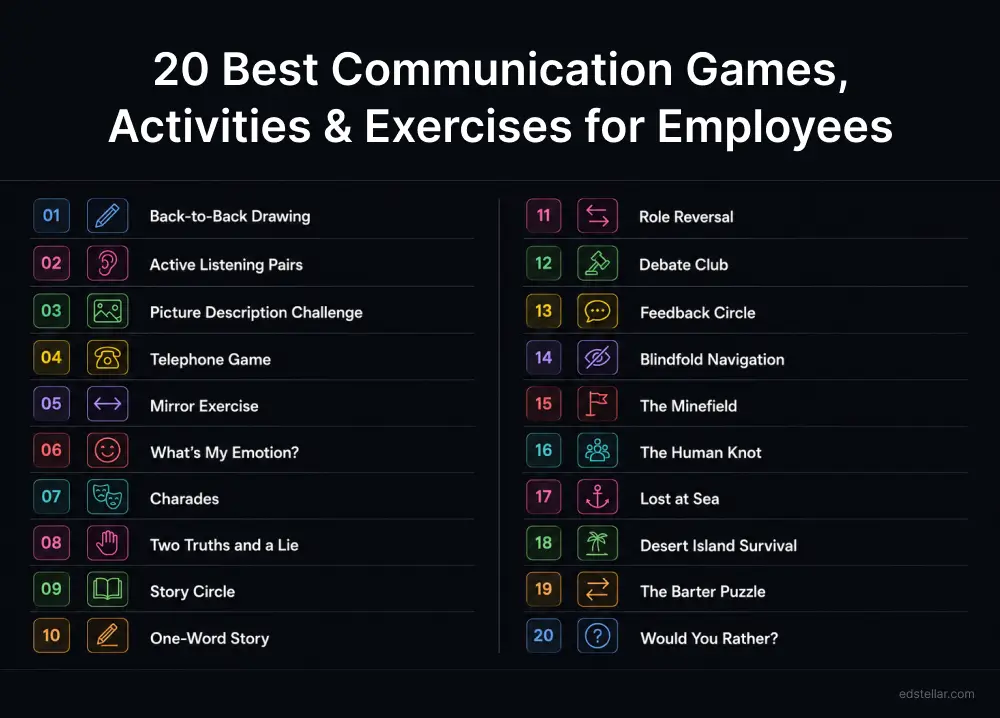











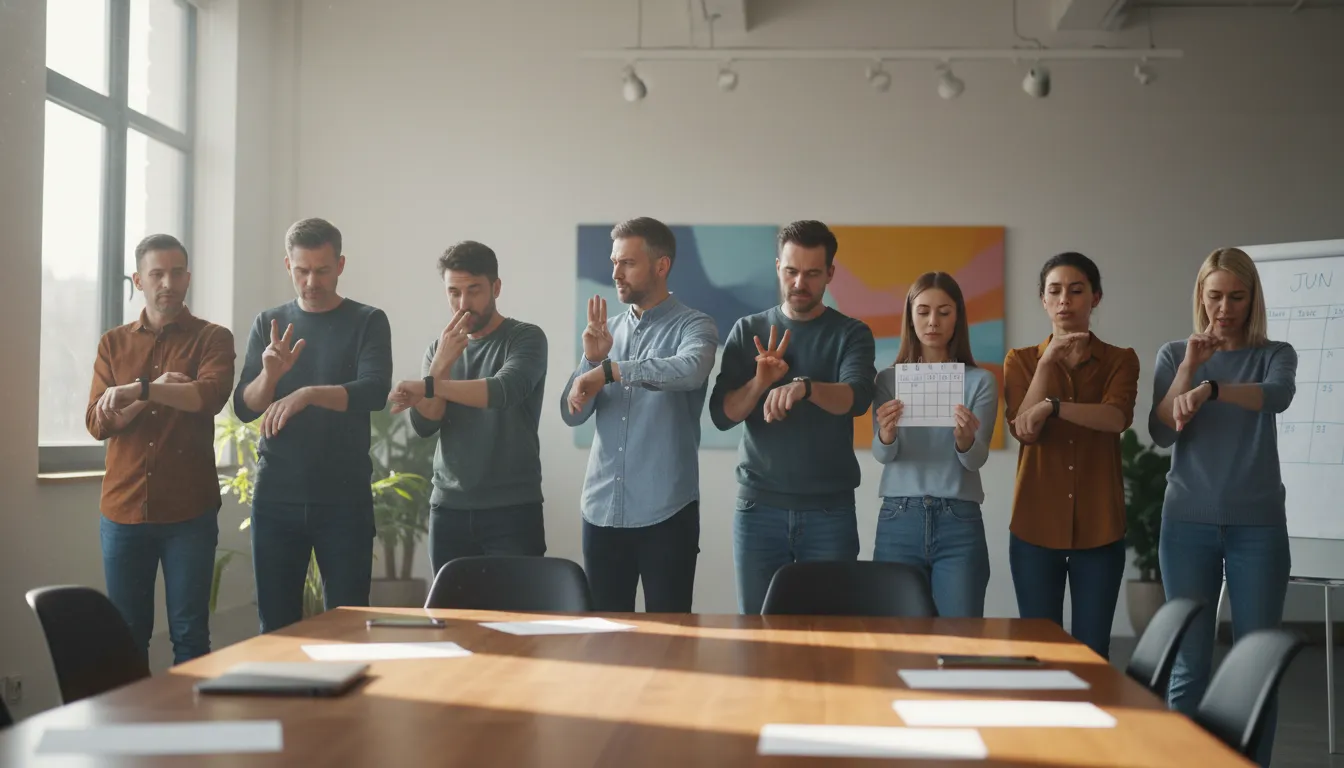
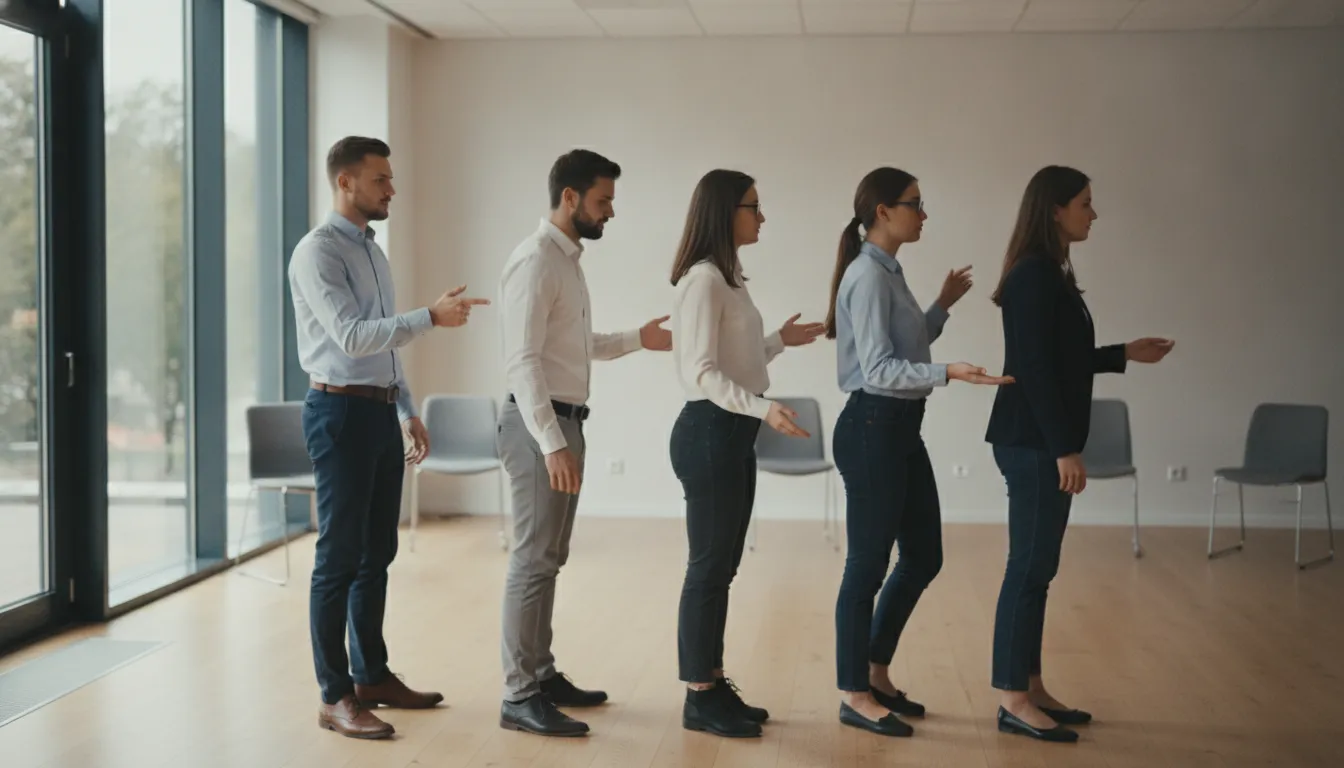
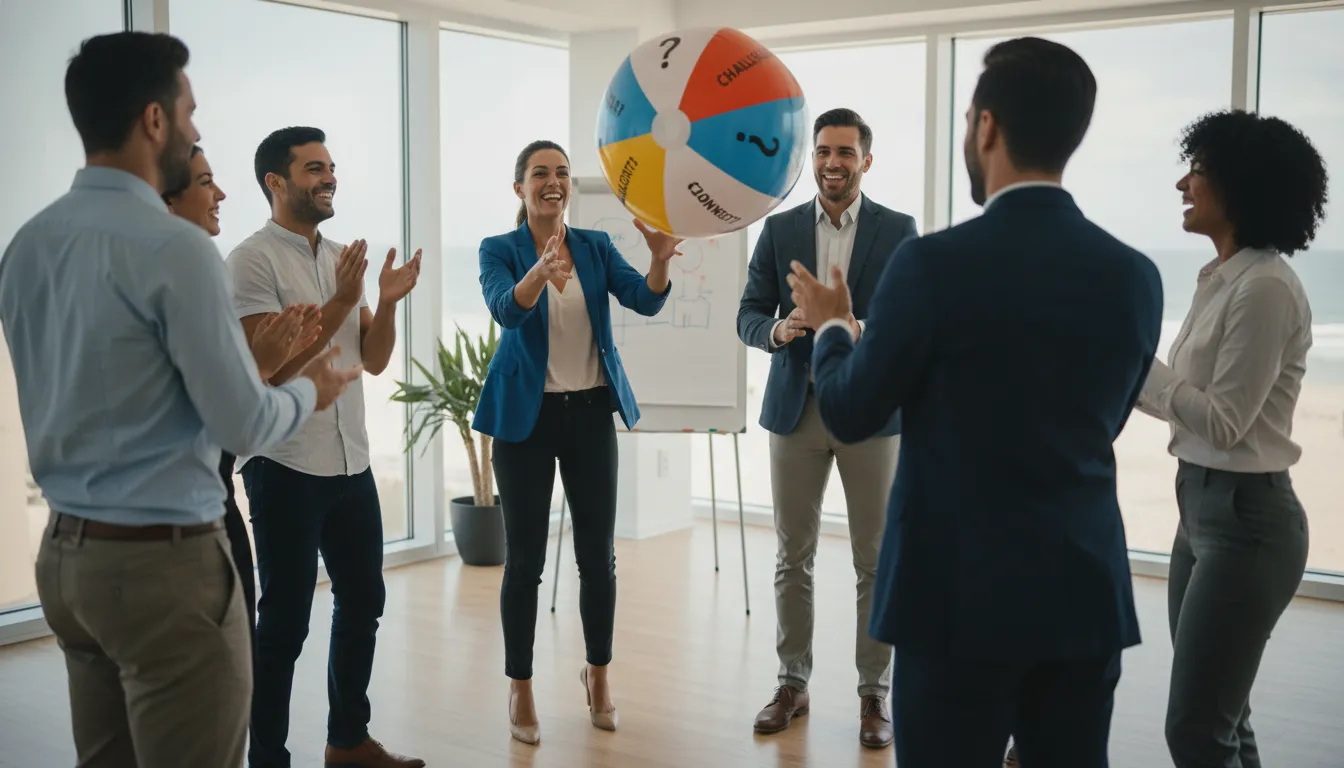
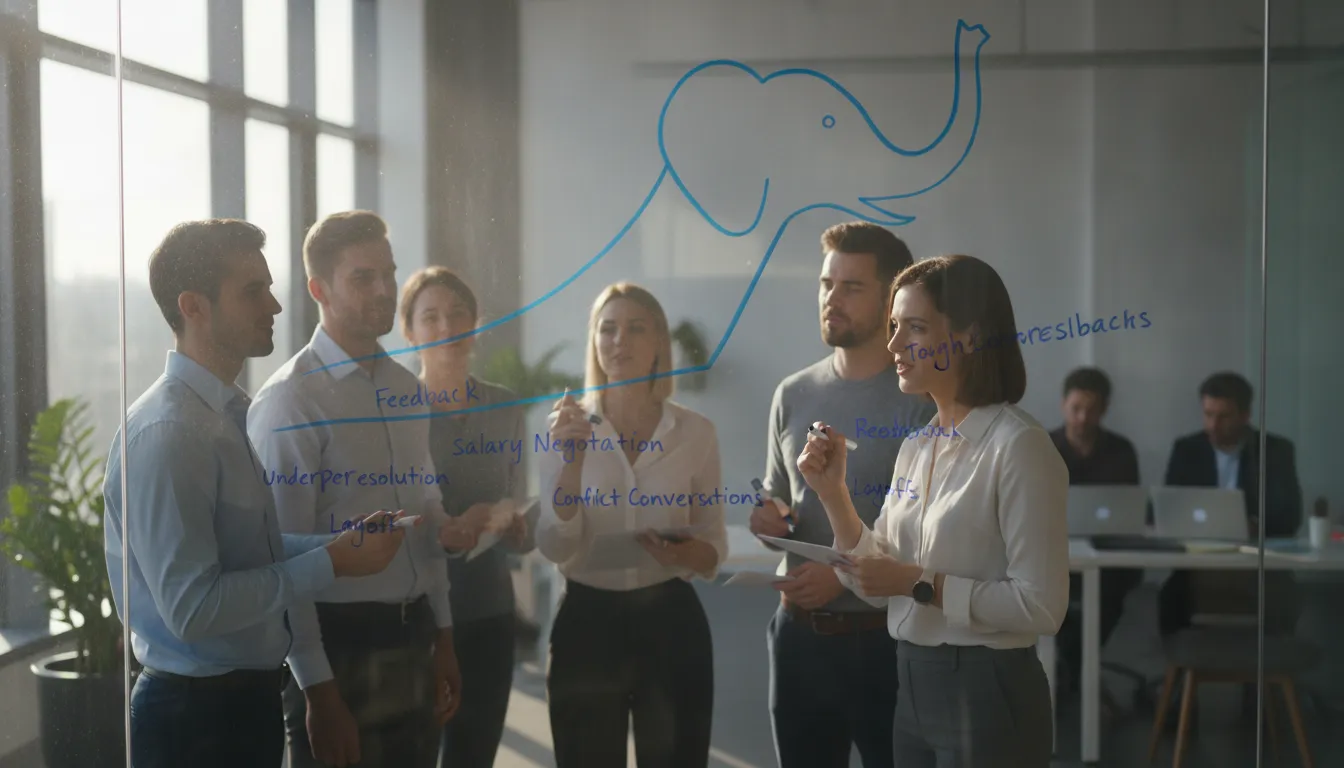

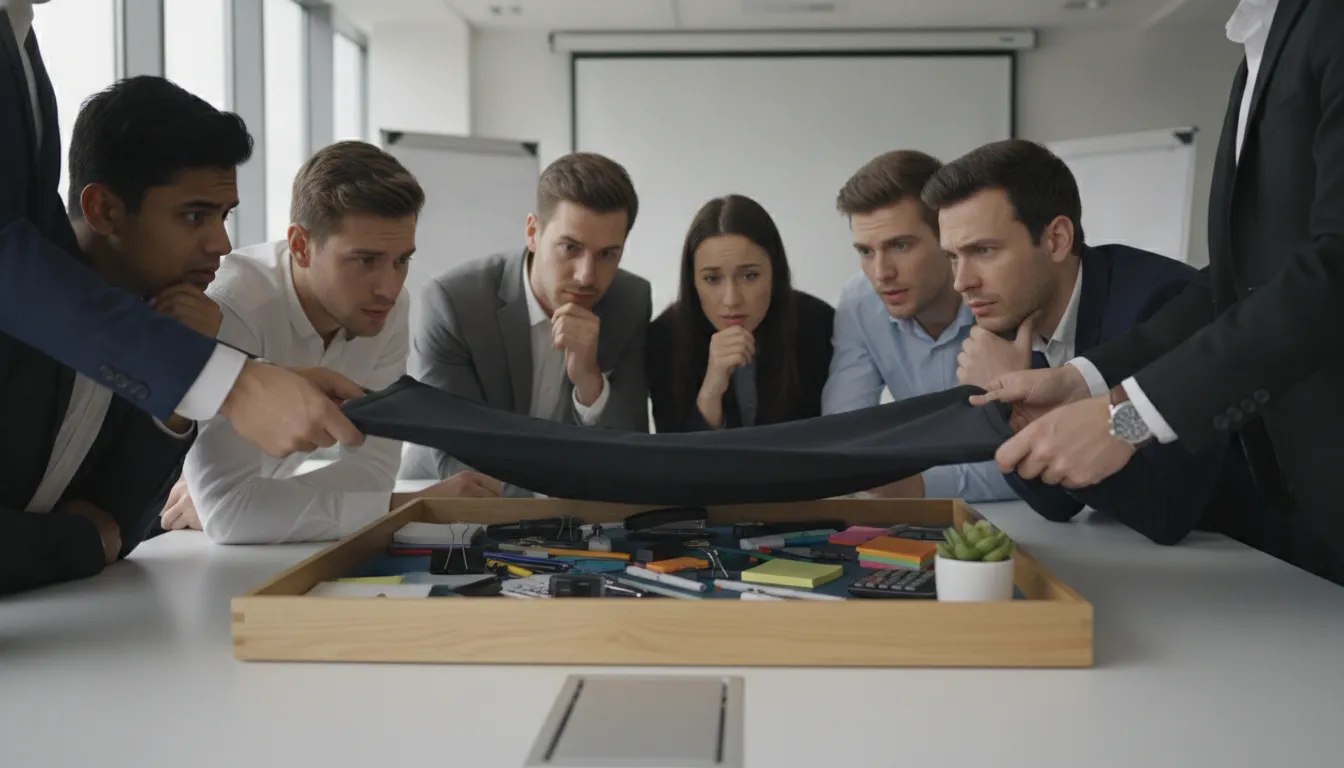





.svg "Click Here to Follow on Medium")
.svg)



.svg)


.svg)
.svg)
.svg)

.svg)