
Planning Excellence Program
Builds an integrated planning process with optimized inventory
3 ProgramsDemand and supply planners, inventory analysts, and S&OP leads


Resilient networks, run by capable teams.
We build supply chain capability inside organizations: the planning, networks, and practices that keep goods flowing at the right cost and service level. Instructor-led programs across strategy and resilience, planning and inventory, warehousing and fulfillment, transport and logistics, cold chain, and sustainability are how we do it, scoped to your operation and delivered wherever your teams are.
Instructor-led workshops and programsIn-house, virtual or blended10+ languagesDelivered in English, Spanish, Mandarin, German, Arabic, Portuguese, Hindi, French, Japanese, Italian, and more100+ countriesWe have delivered in United States, United Kingdom, India, Canada, Germany, France, Netherlands, UAE, Saudi Arabia, Singapore, Australia, Japan, Brazil, South Africa and 90+ more countries

Trusted as a Leading Corporate Training Provider by
















Supply chain and logistics training is instructor-led group training that builds an organization's ability to plan, source, move, and store goods reliably. It spans demand planning, inventory, warehousing, transportation, cold chain, and sustainability, taught against the networks and systems your teams actually run. Programs are scoped to your operation, from control towers and Oracle Fusion SCM to cold chain and last-mile, and delivered to a closed cohort rather than sold as individual seats.
The distinction that matters commercially is between process training and network capability. Knowing planning formulas is not the same as running a resilient supply chain: service levels, cost, and carbon traded off in real time, with disruptions handled before customers feel them. Our programs build the second, with exercises on realistic networks and data, so teams leave able to operate what they designed.
Programs split across the major practice areas. Supply chain strategy and resilience, planning and inventory, warehousing and fulfillment. Transport and logistics, cold chain management, and systems and technology including Oracle Fusion SCM and IoT telematics. And sustainable supply chains, covering Scope 3 emissions and responsible sourcing.
Every engagement starts with discovery: your network, your service and cost pain, and which teams carry the planning and the freight. Trainers are then matched from a vetted bench of supply chain and logistics practitioners, and the program is tailored before delivery. Cohorts are closed to your organization, run in your timezone, and measured with pre- and post-assessments so operations leadership can see what changed.
Nine areas carry most of the catalog. Start where your network pain is greatest.
Supply Chain & Logistics programs to start with.

Run a control tower that tracks the network and supports fast decisions.
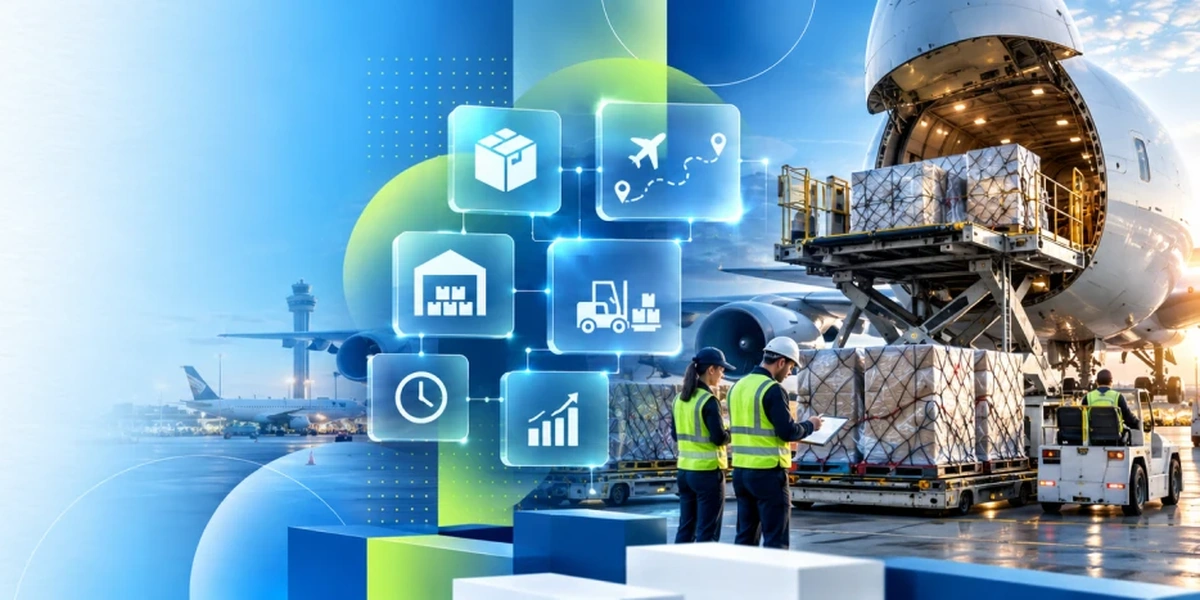
Run air cargo handling, documentation, dangerous goods and airline operations.
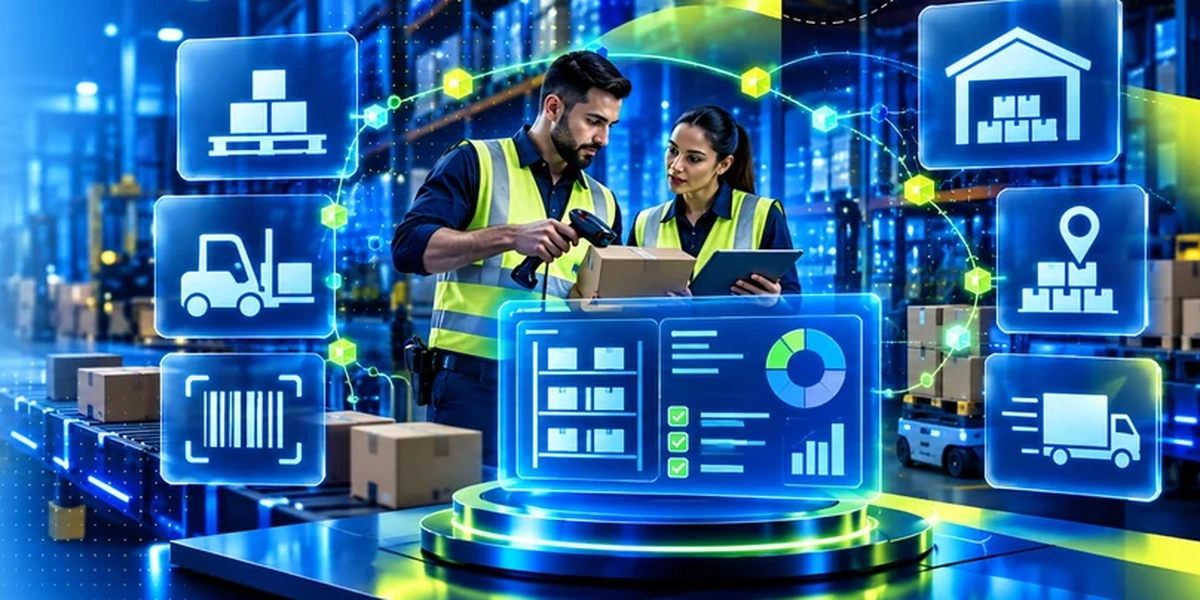
Manage stock, receiving, storage, picking and cycle counts in the warehouse.

Set safety stock and inventory targets across multiple network tiers.
Browse all 19 supply chain & logistics programs across 9 topics, from Supply Chain Strategy & Resilience and Transport & Logistics to Warehousing & Fulfillment and Planning & Inventory. Filter by topic and delivery format, then request a tailored proposal.
SHOWING 1–15 OF 18 · 18 IN THE LIVE CATALOG
Run air cargo handling, documentation, dangerous goods and airline operations.
Use blockchain for traceability, provenance and shared records across partners.
Control temperature across storage and transport, with monitoring and excursion handling.
Secure and manage supply chains for critical minerals and energy materials.
Plan freight across modes and manage international shipments, carriers and costs.
Apply Incoterms 2020 rules and prepare export and import documents correctly.
Manage stock, receiving, storage, picking and cycle counts in the warehouse.
Set safety stock and inventory targets across multiple network tiers.
Fulfil e-commerce orders and plan last-mile delivery for cost and speed.
Use Oracle Fusion SCM for inventory, orders, manufacturing and logistics.
Run monthly S&OP and IBP cycles that align demand, supply and finance.
Track vehicles, assets and shipments with IoT sensors and telematics.
Run a control tower that tracks the network and supports fast decisions.
Set supply chain strategy, lead teams and align the function with the business.
Assess supply chain risks and plan for disruption with resilience measures.
Build your team’s capabilities in supply chain & logistics with curated training programs arranged in a clear learning sequence. Each pathway builds skills progressively, helping your workforce achieve defined milestones and apply their learning to business goals.
Builds an integrated planning process with optimized inventory
Run S&OP and integrated business planning: demand-supply balancing, executive review and scenario planning.
Optimise inventory across multi-echelon networks: safety stock, replenishment policies and service level trade-offs.
Designs supply chains that serve customers at low cost and survive disruption
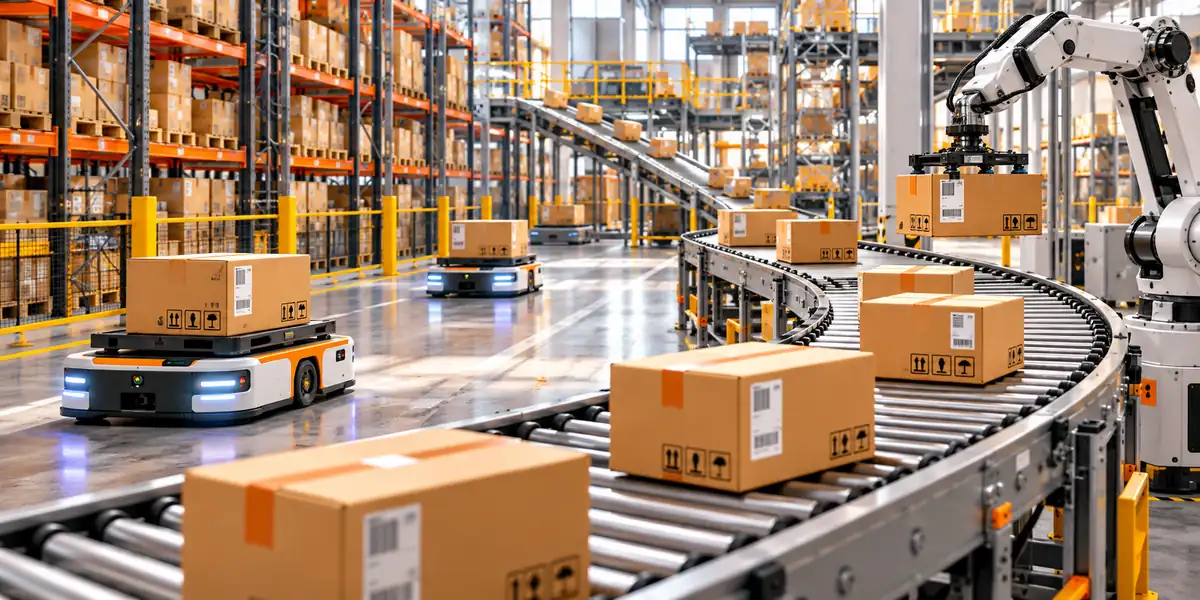
Runs efficient warehouses and fast last-mile fulfillment
Automate warehouse operations: WMS configuration, pick strategies, robotics integration and throughput improvement.
Design last-mile and e-commerce fulfillment operations: routing, delivery models and customer experience.

Adds visibility, traceability, and automation to supply chain operations
Designs supply chains that serve customers at low cost and survive disruption
Gets full value from SCM platforms and new supply chain technology
Automate warehouse operations: WMS configuration, pick strategies, robotics integration and throughput improvement.
Explore supply chain & logistics training aligned with your teams’ functions, job roles, industry and tools. Help your teams build the knowledge and practical skills to develop capabilities in supply chain and logistics across your organization, supporting your business priorities and evolving needs.
Connect demand signals with supply capacity and inventory decisions. Build shared plans that make trade-offs visible across the business.
Balance stock availability with working-capital and service goals. Strengthen replenishment policies, inventory accuracy and exception handling.
Improve the flow of goods from receiving to dispatch. Connect inventory accuracy, layout and order execution with safe, reliable fulfillment.
Plan product movement around service requirements, capacity and cost. Improve carrier coordination, delivery visibility and exception management.
Connect supplier performance with materials availability and operational plans. Develop practical coordination around lead times, capacity and delivery risk.
Turn operational data into usable measures and improvement opportunities. Build analyses that explain cost, service and inventory trade-offs.
Align supply networks, operating models and improvement priorities. Develop a balanced view of performance, resilience and sustainable operations.
Connect production constraints with materials and supply planning. Prepare practical responses to shortages, bottlenecks and operational disruption.
Coordinate cross-border movements and required operational documentation. Develop stronger awareness of handoffs, lead times and country-specific compliance checks.
Map supply dependencies and prepare for operational disruption. Build coordinated scenarios, response plans and recovery priorities across the supply network.
Training a role that is not listed, or a mix of them? Tell us who you are training and what they need to do, and we build the shortlist
Where supply chain teams most often cross-train, based on how these courses are classified.
Domain-level outcomes, not course objectives. These are the capabilities enterprises usually buy this training to build.
Balance service, cost, and inventory with planning cycles that hold up under volatility.
Design networks and contingency plays that absorb shocks without breaking service.
Run warehouses and fulfillment with the flows, automation, and metrics that cut cost per unit.
Move freight across modes and borders with the documentation, Incoterms, and partners handled.
Keep temperature-sensitive products safe and compliant from origin to patient or shelf.
Cut Scope 3 emissions and source responsibly, with reporting your ESG team can defend.
Turn planning, execution, and IoT data into decisions with control towers and analytics.
Onsite, live virtual, or hybrid, every program is instructor-led and built around your teams.
A trainer comes to your office and works face to face with your team, using your policies and your examples.
For small teams or enterprise-wide training, across one site or multiple global locations, in one language or multiple languages.
Get a QuoteExpert-led live online sessions delivered anywhere, with consistency and easy scheduling. Training tools such as Zoom or Microsoft Teams are selected subject to your organization's approval and compliance requirements.
For small teams or enterprise-wide training, across one site or multiple global locations, in one language or multiple languages.
Get a QuoteCombine in-person sessions with live online training in a coordinated instructor-led program, with the mix planned around your team's needs.
For small teams or enterprise-wide training, across one site or multiple global locations, in one language or multiple languages.
Get a QuoteBuild a shared understanding of how planning decisions affect inventory, transport and customer commitments. Edstellar delivers customized, role-based, instructor-led training for supply chain planners, logistics teams and operational leaders. Practical scenarios connect demand, capacity and fulfillment with cost and service trade-offs, helping teams coordinate across functions, respond to disruption and develop capabilities for changing supply networks, technologies and operating requirements.

Link demand, inventory and fulfillment choices to service commitments
Align planners, warehouse teams and transport managers around operational handoffs
Evaluate shortages, delays and alternatives through realistic operational scenarios
Adapt planning and logistics skills as networks and technologies evolve
Organizations trained across industries inform learning around supply chain challenges
Company-wide corporate training experience supports practical supply chain learning
Our company-wide trainer network connects logistics with complementary operational skills
Edstellar's certified quality and information-security management systems support supply chain training delivery
Every engagement runs the same five stages, from capability baseline through delivery to sustained measurement.
We meet your stakeholders and L&D team to baseline what your people can do today against the Supply Chain capability you need.
Weeks 1–2
Programs are assembled against your policies, obligations, and team levels, then trainers are shortlisted from the vetted bench.
Weeks 2–4
Closed-cohort instructor-led sessions in your language and timezone, with labs, exercises, and materials shipped alongside.
Scheduled to your calendar
Pre- and post-assessments establish a measurable change in capability, benchmarked against role frameworks.
Immediately after delivery
Retrospectives, refresher modules and skill-refresh tracking keep the investment from decaying, and the measured gaps feed the next cycle.
Quarterly
Stage 05 feeds the next cycle: the gaps it measures become the next Discover.
Also from Edstellar
Psychometric, behavioral, leadership and 360-degree assessment.
Needs analysis, gap identification, and a training roadmap.
Learning strategy, content, technology and ROI measurement.
Org design, succession planning and cultural change.
Training outsourcing, vendor management, logistics and administration.
Executive and manager coaching that keeps skills in use.
Supply chain planners, logistics managers, warehouse teams, procurement, sustainability teams, and operations leaders. A fundamentals track covers teams new to the discipline.
Instructor-led and live, as a closed cohort for your team, onsite, virtual, or hybrid. Exercises run on realistic networks and data, not slides. You choose the format, schedule, and timezone.
Yes. Programs are tailored to your network: planning systems, warehouse operations, transport modes, cold chain, and sustainability goals. Tell us your operation in the discovery call.
Most programs run 16 to 28 hours across several sessions. Planning and systems programs follow the tool syllabus; bundles and rollouts are scheduled around your calendar.
Cohorts run from a single small team up to enterprise rollouts of hundreds, with one trainer per cohort for hands-on quality.
Yes. Every program includes exercises on realistic scenarios: planning cycles, warehouse flows, and transport networks your teams will recognize.
Pre- and post-assessments benchmark each participant against role frameworks, with a completion report showing measured change per cohort.
Yes. Exercises and case studies can run against your network data, SKUs, and service targets, so teams train on their reality.
Yes. Dedicated tracks cover cold chain, pharmaceutical logistics, and good distribution practice for regulated supply chains.
Yes. Sustainability tracks cover Scope 3 emissions, responsible sourcing, and sustainable logistics for teams with ESG targets.
A room or virtual setup, participant list, and any network or planning data you want exercises built on. We ship guides, exercises, and completion evidence.
Discovery to delivery typically takes two to four weeks, depending on customization depth and trainer matching for your operation.
Yes. You can sit in on a trial session with the shortlisted trainer before committing, to check fit with your team and level.
Pick the scale that matches your rollout. Every quote is tailored to your teams and timeline.
Team size
1–25 PARTICIPANTS
One or two programs for a single team, delivered as a closed cohort. The usual entry point for a first Supply Chain engagement.
26–150 PARTICIPANTS
Multiple cohorts or programs for larger teams, with delivery structured around your workforce and training requirements.
151–1,000 PARTICIPANTS
A coordinated rollout across business units, with role-based tracks and central reporting for L&D.
1,000+ PARTICIPANTS
Supply Chain capability at organizational scale, with dedicated management and measurement from pilot to rollout.
Tell us which teams you are training and what they need to be able to do. Anything you filtered in the catalog comes through with your message.