10 Most In-Demand Skills in Saudi Arabia for 2026

.svg "edstellar")

Saudi Arabia has achieved a historic low unemployment rate of 2.8% in Q1 2025, yet 46% of companies still report difficulty finding qualified talent, and the Kingdom is projected to face a skilled worker shortage of 663,000 by 2030, with potential unrealised revenue reaching $206.77 billion. Vision 2030 has fundamentally reshaped the Saudi economy, with more than 50% of GDP now decoupled from oil according to the Minister for Investment, but the pace of economic diversification into AI, tourism, financial services, and renewable energy is outstripping the pipeline of skilled professionals needed to sustain it.
For corporate L&D leaders and HR managers operating in the Gulf's largest economy, these numbers translate directly into urgent training priorities.
Several structural forces are intensifying this skills gap. The Ministry of Human Resources and Social Development reports that the overall labour force participation rate reached 68.2% in Q1 2025, with Saudi national participation climbing to 51.3% and female participation more than doubling from 17% in 2017 to 36.3%. The Kingdom reduced Saudi national unemployment from 11.6% to 6.3%, beating Vision 2030 targets six years ahead of schedule, and has now revised its target downward to 5% by 2030.
Meanwhile, giga-projects like NEOM, The Red Sea Global, Qiddiya, and the New Murabba are demanding construction, engineering, and technology talent at unprecedented scale, while the SDAIA's SAMAI Initiative has trained over one million citizens in AI skills but the gap between job vacancies and qualified local talent remains 20% in technology roles alone.
So which skills are truly driving Saudi Arabia's transformed economy, and where should organisations invest their training budgets? This guide breaks down the top 10 skills in demand in Saudi Arabia, spanning artificial intelligence, cybersecurity, construction, healthcare, tourism, and renewable energy. Drawing on Ministry of Human Resources employment data, SDAIA workforce reports, NCA cybersecurity indicators, and Robert Walters hiring trends, it provides an evidence-based picture of what jobs are in demand in Saudi Arabia, whether you are planning corporate upskilling programmes, supporting Saudisation compliance, or building workforce strategies for one of the world's fastest-transforming economies.
Every ranking in this guide is backed by data from Saudi government bodies, industry associations, and established hiring platforms.
Saudi Arabia's skills landscape in 2026 reflects the collision of the world's most ambitious economic diversification programme with a labour market still transitioning from oil dependency to knowledge-based industries. The 10 skills below span technology, construction, healthcare, tourism, and energy, mirroring the sectors where Vision 2030 investment, Saudisation requirements, and salary premiums are highest. Each ranking draws on the policy signals, job market data, and industry investments outlined in the sources above.


According to SDAIA's National Strategy for Data and AI, Saudi Arabia aims to position itself as one of the leading countries in artificial intelligence at the global level, with the strategy targeting five priority sectors: education, healthcare, energy, mobility, and government. AI-related job postings grew 54% annually, with demand from both public and private sectors outpacing supply. The SAMAI Initiative exceeded its target of training over one million Saudi citizens in AI skills by November 2025, yet a 20% shortfall persists between tech job vacancies and qualified local talent, with AI engineers, cloud architects, and data analysts in critically short supply.
The Kingdom invested over $4.27 billion in AI data centres, hosting more than 60 facilities as it positions itself as a global AI hub. According to CNBC reporting, Economy Minister Faisal Alibrahim confirmed that technology and artificial intelligence are now the top priority sectors for the Kingdom's diversification strategy. Aramco, STC, NEOM, and the Public Investment Fund (PIF) are all building AI capabilities, while international firms including Google, Microsoft, Oracle, and IBM are expanding operations in the Kingdom. Data scientists in Riyadh earn between SAR 167,982 and SAR 276,062 annually, with AI engineers commanding even higher premiums.
According to the World Economic Forum's Future of Jobs Report, 84% of Saudi employers accept that AI and information processing technologies will be the biggest driver of business transformation. The demand for data analysts has grown 30–40% since 2023, and over 100,000 new software and data roles are being created by 2026. The convergence of Saudi Arabia's energy expertise with AI creates unique roles in smart grid optimisation, predictive maintenance for oil and gas operations, and AI-driven sustainability monitoring. Professionals who can bridge data science fundamentals with sector-specific applications are the most valuable and hardest to find in the Saudi market.
Energy & Petrochemicals, Financial Services, Government & Public Sector, Healthcare & Life Sciences
Explore Related Training:
Machine Learning with Python Data Science with Python All AI Training Programs
The National Cybersecurity Authority (NCA) reported that Saudi Arabia's cybersecurity workforce exceeded 21,000 specialists in 2024, growing at 9% year-over-year, yet experts estimate that over 20,000 additional cybersecurity roles need to be filled to meet the Kingdom's security requirements. The NCA's compliance mandates, which apply across government, critical infrastructure, and financial services, are creating sustained demand for security professionals who understand both international frameworks and Saudi-specific regulatory requirements.
The scale of Saudi Arabia's digital transformation makes cybersecurity a matter of national economic security. With $4.27 billion invested in AI data centres, billions more flowing into smart city infrastructure at NEOM and The Red Sea Global, and the financial sector undergoing rapid digitisation, the attack surface is expanding faster than the defensive workforce can grow. Cloud security engineers are projected to earn over SAR 400,000 by 2026, while IoT security consultants may command SAR 450,000+. Understanding the full scope of cybersecurity engineer roles and responsibilities helps L&D teams design training that meets both NCA requirements and employer expectations.
Entry-level cybersecurity roles start at approximately SAR 190,963 annually, with experienced professionals earning up to SAR 336,392. Cybersecurity specialists earn between SAR 195,000 and SAR 207,000, while senior roles at major organisations command significantly more. Certifications including CISSP, CEH, and CompTIA Security+ can boost salaries by up to 25%. Aramco, STC, NEOM, Elm Company, and the Big Four consulting firms are among the largest cybersecurity employers, with government agencies including NCA, ZATCA, and the Saudi Central Bank also actively recruiting.
Energy & Petrochemicals, Government & Defence, Financial Services, Telecommunications

Saudi Arabia's construction sector faces a critical shortage of over 200,000 skilled workers, with specialised roles in project management, engineering, and skilled trades remaining vacant for three to six months on average. Construction costs in the Kingdom are projected to rise 5–7% in 2025, with skilled labour scarcity cited as a key driver. The sheer scale of Vision 2030 giga-projects, including NEOM, The Red Sea Global, Qiddiya, the New Murabba, and AMAALA, has created unprecedented demand for certified construction professionals at every level from site supervisors to programme directors.
Only 20% of the construction workforce is trained in modern offsite and modular construction techniques, yet demand for these skills is expected to rise by 40%. The Saudi offsite construction market is being driven by smart city projects that require prefabrication, digital twin technology, and Building Information Modelling (BIM) capabilities that traditional construction workers do not possess. Project engineers earn an average of SAR 246,513 annually, with senior engineering project managers and programme directors at giga-projects commanding significantly higher compensation packages including housing, transport, and annual bonuses.
Mega-projects require multilingual, specialised workforces at scale, and few companies can handle this internally. International contractors including Bechtel, Samsung C&T, Jacobs, and AECOM are operating alongside Saudi firms such as Saudi Binladin Group, Al Rajhi Construction, and Nesma. The convergence of construction with technology is creating hybrid roles: professionals with skills in AI-powered scheduling, drone-based site inspection, digital twins, and sustainable building design are commanding the highest premiums. For international professionals, construction and engineering roles represent one of the largest expatriate employment categories in the Kingdom.
Mega-Project Development, Real Estate & Urban Planning, Infrastructure & Transport, Industrial Construction
Explore Related Training:
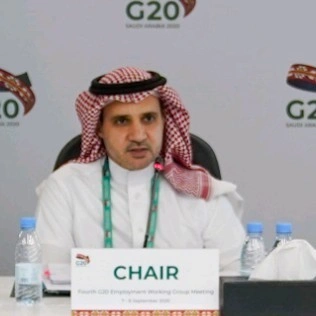
Construction Project Management Agile Leadership All Project Management Programs"We are building a sustainable skills ecosystem integrated with education and training, preparing a young generation ready to drive Saudi Arabia's transformation and compete globally, in line with Vision 2030."


The tech sector in Saudi Arabia is expected to grow 15% year-on-year until 2030, with over 100,000 new software and data roles being created by 2026. Riyadh, Jeddah, and NEOM are the top cities hiring international tech professionals, and Google, Microsoft, and Oracle are expanding cloud data centres in the region. The Kingdom's investment in smart city platforms, e-government services, and enterprise digital transformation is driving demand for full-stack developers, cloud architects, and DevOps engineers at a pace that domestic training pipelines cannot match.
Junior software engineers earn SAR 9,000–14,000 monthly, mid-level engineers command SAR 14,000–22,000, senior engineers earn SAR 22,000–35,000, and tech leads and software architects earn SAR 35,000–50,000+. Cloud engineers average approximately SAR 241,455 annually. Python, JavaScript, Java, C#, and cloud-native frameworks lead skill requirements, with AI/ML, cybersecurity, and data engineering commanding the highest salary premiums. All salaries are tax-free, with additional benefits including housing allowances, transport, and health insurance. Cloud engineers who can design and manage hybrid cloud environments for government and enterprise clients are among the most sought-after professionals in the Saudi market.
Major employers span both public and private sectors. Aramco's digital transformation division, STC (Saudi Telecom Company), Elm Company, and NEOM Tech are building large engineering teams, while international firms including Accenture, Deloitte, and McKinsey Digital recruit heavily for their Riyadh offices. The Saudisation requirements for technology roles are creating opportunities for Saudi nationals with software skills, while experienced expatriate professionals continue to fill senior technical positions. For international candidates, the Premium Residency visa and employment visas linked to technology sector companies provide clear pathways into the Saudi job market.
Government Digital Services, Energy & Petrochemicals, Financial Technology, E-Commerce & Retail

Saudi Arabia's nursing workforce reached 213,110 in 2023, growing 9% from 2019, yet the nurse-to-population ratio remains at just 6.6 per 1,000 people according to Springer Nature research, well below international benchmarks. Hospital nurse vacancy rates rose from 4.5% to 6.5% post-COVID, with nurses holding over ten years of experience the most likely to leave the profession. Regional inequality is significant: nurse-to-population ratios range from 3.13 to 9.89 per 1,000 across different regions, with private sector distribution particularly uneven (Gini coefficient of 0.69).
Saudisation in healthcare is progressing but remains uneven. Saudi nationals comprised 44.22% of the nursing workforce in 2023, up from 40.16% in 2019, but reliance on expatriate nurses remains high, particularly in private hospitals and rural areas. The Kingdom faces challenges of limited nursing school capacity, labour market fragmentation, and cultural perceptions of nursing as a career. Vision 2030's health sector transformation programme is investing in new hospitals, specialised medical cities, and digital health platforms that require professionals with both clinical expertise and technology skills.
The healthcare sector offers strong expatriate employment opportunities, with Saudi Arabia actively recruiting nurses, physicians, and allied health professionals from the Philippines, India, Egypt, and other countries. Salary packages include base pay, housing allowances, and health insurance, making Saudi healthcare roles financially attractive by regional standards. The integration of AI-assisted diagnostics, telemedicine, and electronic health records is creating hybrid roles where clinical professionals with data literacy and health informatics skills command significant premiums over traditional clinical-only positions.
Hospitals & Medical Cities, Primary Healthcare, Private Health Groups, Pharmaceutical & Biotech
Explore Related Training:
ChatGPT for Healthcare AI for Medical Professionals All Health & Well-Being Programs
Saudi Arabia's tourism workforce surpassed one million employees in Q3 2025, reaching approximately 1,009,691, a 6.4% increase compared to the same period in 2024 according to Arab News reporting. The Kingdom welcomed 116 million visitors in 2024, surpassing its original Vision 2030 target of 100 million tourists seven years ahead of schedule. Tourism contributed approximately 5% of GDP in 2024, with plans to double that to 10% by 2030, and the sector is targeting 1.6 million total jobs and 150 million annual visitors by the end of the decade.
The workforce composition highlights both the opportunity and the challenge. Non-Saudi employees account for 75.7% of tourism workers (764,520), while Saudi nationals represent 24.3% (245,171). The Saudi Commission for Tourism and National Heritage reports that the sector requires over 1.3 million new employees by 2030, and the government has committed to investing $100 million annually to train 100,000 young Saudis in tourism-related skills. Major projects including The Red Sea Global luxury resorts, Diriyah Gate, AlUla heritage tourism, and Qiddiya entertainment city are all creating demand for hotel managers, guest experience specialists, event planners, and food and beverage professionals.
The addition of 250,000 hotel rooms planned over the next decade requires a massive pipeline of trained hospitality professionals at every level. International hotel groups including Marriott, Hilton, Accor, Four Seasons, and Aman are expanding rapidly in the Kingdom, bringing their own training standards and service expectations. For Saudi nationals, tourism represents one of the fastest pathways to private sector employment under Saudisation requirements. For international professionals, the scale of hospitality investment creates opportunities in resort management, luxury service delivery, and tourism technology.
Hotels & Luxury Resorts, Entertainment & Leisure, Cultural Heritage & Museums, Airlines & Travel Services

The NEOM Green Hydrogen Company (NGHC) is building the world's largest green hydrogen plant, an $8.4 billion facility on schedule for full operations by end-2026. The plant will produce 600 tonnes of carbon-free hydrogen daily, integrating up to 4 GW of solar and wind energy with approximately 5.6 million solar panels and over 250 wind turbines. NGHC launched a mass recruitment campaign in April 2025 with a virtual career fair to attract operations and maintenance talent, and currently maintains a Saudisation rate of 60% that is expected to rise as operations scale.
The NEOM green hydrogen project has already created over 300 direct jobs, with projections that up to one million positions could be created across Saudi Arabia's renewable energy and infrastructure ecosystem by 2050. The Yanbu Green Hydrogen Hub, nearly twice the size of the NEOM complex, is planned for completion by 2030. Saudi Arabia is also investing heavily in solar power, with ACWA Power leading multiple utility-scale solar projects. The convergence of the Kingdom's existing energy expertise with renewable technologies creates unique career opportunities for professionals who can bridge traditional oil and gas operations with clean energy systems.
NGHC is collaborating with Saudi research and educational institutions to upskill Saudi youth for green hydrogen and renewable energy careers. Wind turbine engineers, solar PV designers, electrolyser operators, hydrogen storage specialists, and environmental compliance officers are among the most sought-after roles. For international professionals, NEOM-based renewable energy positions offer some of the most competitive compensation packages in the global clean energy sector, including housing within NEOM's developing communities and benefits that reflect the project's strategic importance to the Kingdom's economic transformation.
Green Hydrogen & Clean Energy, Solar & Wind Power, Energy & Petrochemicals (Transition), Utilities & Grid Operations
Explore Related Training:
Renewable Energy and Sustainability Energy Transition and Innovation All Environmental Sustainability Programs
Saudi Arabia's fintech sector is expanding rapidly, with trade finance alone projected to reach $134.85 billion by 2026, fuelled by digital platforms and blockchain technologies. According to Robert Walters data, 74% of organisations plan to increase headcount while 93% report ongoing skills shortages, with banking and financial services among the top hiring sectors. The demand for professionals who can combine financial certifications with production-level technology experience is growing faster than any other hybrid skill category in the Kingdom.
The Saudi Central Bank (SAMA) has established a regulatory sandbox for fintech innovation, and the Capital Market Authority is accelerating digital transformation across securities and asset management. STC Pay (now stc bank), Tamara, Tabby, and HyperPay are among the local fintech companies scaling rapidly, while international players including PayPal, Stripe, and Checkout.com are entering or expanding in the Saudi market. Understanding the scope of data analyst roles and responsibilities helps financial services organisations build teams that can extract insights from the massive transaction data these platforms generate.
Fintech analysts earn approximately SAR 176,848 annually, while financial engineers command SAR 229,334. Senior technology roles at major financial holding companies, including Al Rajhi Bank, Saudi National Bank (SNB), and Riyad Bank, offer even higher compensation when including allowances and bonuses. The Saudisation requirements for financial services are among the strictest in the economy, creating strong demand for Saudi nationals with combined finance and technology skills. Open banking APIs, blockchain-based trade finance, and AI-powered credit scoring are the fastest-growing specialisation areas.
Banking & Financial Holdings, Insurance & Takaful, Capital Markets, Digital Payments & Fintech
Explore Related Training:
AI for Financial Services Industry Financial Risk Management All Finance & Accounting Programs
Saudi Arabia's strategic position as a trade corridor between Asia, Africa, and Europe, combined with Vision 2030's infrastructure investments, is driving significant demand for supply chain and logistics professionals. The Kingdom is developing major logistics hubs including King Salman International Airport (projected to handle 185 million passengers annually), Jeddah Islamic Port expansion, and the land bridge connecting the Red Sea to the Arabian Gulf. These infrastructure investments require professionals who can design, implement, and manage complex global supply chain networks.
The giga-projects themselves generate massive procurement and logistics challenges. NEOM, The Red Sea Global, and Qiddiya require materials sourcing, just-in-time delivery systems, and supply chain coordination across dozens of international contractors and thousands of suppliers simultaneously. The adoption of AI-driven solutions including automated warehouse picking systems, predictive inventory management, and digital freight platforms is creating demand for supply chain professionals with technology skills that go beyond traditional logistics management.
Green logistics and circular supply chain management are emerging as priority areas, driven by the Kingdom's ESG commitments and sustainability goals. Companies face pressure to reduce carbon emissions across their supply chains while maintaining the speed and scale of delivery that giga-projects demand. Professionals with expertise in sustainable procurement, waste reduction, and carbon footprint measurement are increasingly valued. Supply chain managers in Saudi Arabia earn competitive salaries with the additional benefit of tax-free income and comprehensive expatriate packages.
Logistics & Freight, Mega-Project Procurement, Retail & E-Commerce, Energy & Industrial Supply Chain
Explore Related Training:
Supply Chain Management Fundamentals AI for Supply Chain All Operations Management Programs
Saudi Arabia's engineering sector is booming, driven by Vision 2030 giga-projects and the Kingdom's industrial diversification strategy. Top engineering salaries range from SAR 8,000 to over SAR 100,000 monthly depending on specialisation and experience, with AI, sustainability, and large-scale infrastructure expertise giving candidates a competitive edge. Riyadh, Jeddah, NEOM, and Dammam offer the highest compensation, and the combination of tax-free salaries with comprehensive benefits packages makes Saudi engineering roles among the most financially attractive in the Middle East.
The industrial sector is undergoing rapid automation, with Aramco, SABIC, Ma'aden, and other industrial giants investing in Industry 4.0 technologies including robotics, IoT sensor networks, and AI-driven predictive maintenance. The National Industrial Development and Logistics Programme (NIDLP) targets a manufacturing sector contribution of SAR 420 billion to GDP by 2030, requiring mechanical, electrical, chemical, and automation engineers who can operate at the intersection of traditional industrial processes and digital technology. Understanding the full scope of DevOps engineer roles and responsibilities is increasingly relevant for industrial organisations deploying software-defined manufacturing systems.
The mining sector is another growth area, with the Kingdom seeking to develop its estimated $1.3 trillion in mineral resources including phosphate, gold, copper, and rare earth elements. Ma'aden (Saudi Arabian Mining Company) is expanding operations across the country, creating demand for mining engineers, metallurgists, and environmental specialists. For Saudi nationals, engineering represents one of the highest-paying career paths aligned with Saudisation targets, while experienced expatriate engineers continue to fill senior technical and project leadership positions.
Energy & Petrochemicals, Mining & Minerals, Manufacturing & Industrial, Defence & Aerospace
Explore Related Training:
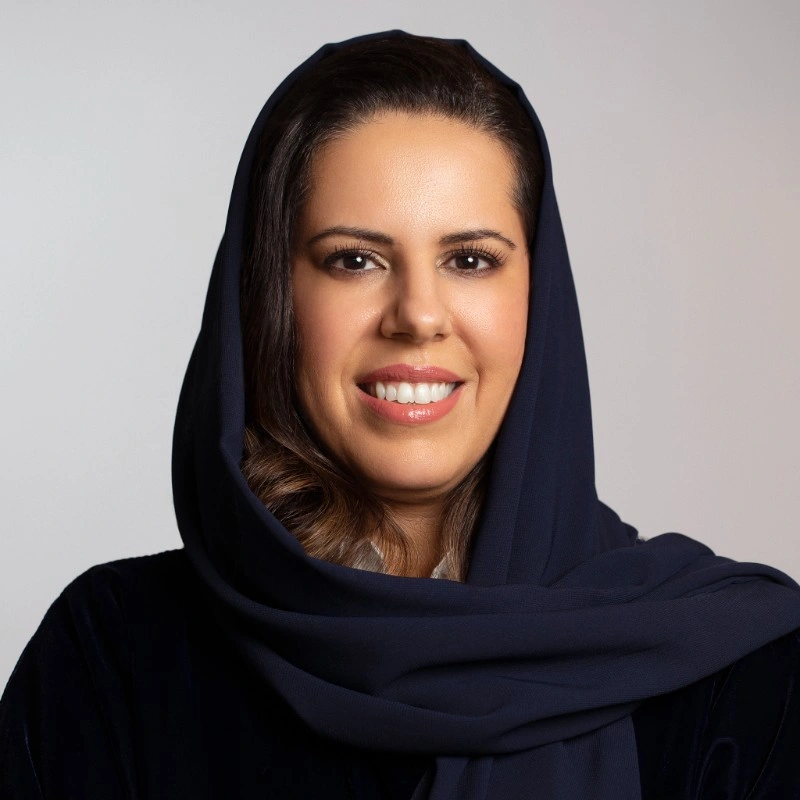
AI in Manufacturing Industry Lean Manufacturing Green Belt All Quality Management Programs"Saudi Arabia's approach is distinctive because it connects education, workforce preparation, regulation, and technology deployment in one coordinated national transformation. Continued emphasis on leadership preparation, workplace readiness, and long-term career development will help strengthen women's representation in senior and innovation-focused roles."

CNBC's full interview with Saudi Arabia's Minister of Economy and Planning on the Kingdom's economic diversification, AI investment priorities, and workforce transformation under Vision 2030.
Saudi Arabia's skills demand is shaped by the geographic distribution of giga-projects, industrial hubs, and government investment. Understanding these regional patterns helps corporate L&D teams and HR managers align training investments with where hiring activity is concentrated.
Riyadh dominates technology, financial services, and government hiring, with international firms increasingly relocating their regional headquarters to the capital as a condition of doing business with the Saudi government. The Eastern Province centred on Dhahran and Dammam remains the heart of the energy sector, with Aramco, SABIC, and petrochemical firms driving demand for engineering, cybersecurity, and automation skills. NEOM represents the most concentrated investment in new skills, requiring everything from green hydrogen engineers to smart city software developers within a single development zone. For organisations planning multi-site operations, aligning training programmes with these regional demand patterns ensures that upskilling investments match actual hiring needs.
Pete Ford is a corporate training specialist with over 15 years of experience in training methodologies, employee engagement, and performance improvement. He has a proven track record of developing and implementing effective training programs that enhance employee skills and productivity.
#On-site #Virtual #GroupTraining #Customized
Explore 2000+ industry ready instructor-led training programs.

Create dynamic leaders and cohesive teams. Learn more now!


Do a quick Skill gap analysis with Edstellar’s Free Skill Matrix tool

Unlock premium resources, tools, and frameworks designed for HR and learning professionals. Our L&D Hub gives you everything needed to elevate your organization's training approach.
Access L&D Hub Resources.svg)
.svg)
.svg)
.svg)

.svg)


.svg "Click Here to Follow on Medium")
.svg)


