

Computer Vision and Visual AI Corporate Training
Give your team the vision skills to build, evaluate, and ship reliable visual AI systems.
Give your enterprise teams the vision capability to turn images and video into working AI systems. Edstellar's Computer Vision & Visual AI corporate training program helps your engineering, product, and data teams master image models, object detection, segmentation, and production deployment. We deliver this hybrid training with hands-on labs, each session customized to your visual use cases, with assessments that track real capability across your employees.
Instructor-led group trainingVirtual / on-site / hybrid10+ languagesDelivered in English, Spanish, Mandarin, German, Arabic, Portuguese, Hindi, French, Japanese, Italian, and more100+ countriesWe have delivered in United States, United Kingdom, India, Canada, Germany, France, Netherlands, UAE, Saudi Arabia, Singapore, Australia, Japan, Brazil, South Africa and 90+ more countries
How we build an AI-ready computer vision team
THE EDSTELLAR COMPUTER VISION CAPABILITY MODEL
Map vision readiness
Skill checks reveal how your teams handle image data and models today, before module one begins.
One vision standard
Align everyone on one method: prepare data, train models, evaluate results, and deploy safely.
Practice in hands-on labs
Build detection and segmentation models in guided labs, with instructor coaching throughout.
Prove the lift
Re-run skill checks and capstone reviews so leadership sees vision capability rise.
Scale across teams
Roll out one vision standard across engineering, product, data, and QA teams.
 Expert trainers
Need more than one program?Get a group quote
Trusted as a Leading Corporate Training Provider by
















Computer Vision and Visual AI Training for Employees: Program Overview

Computer Vision & Visual AI is a 20-hour hands-on program for engineering teams building image-based AI systems. It covers computer vision foundations, image classification and detection, segmentation and visual search, vision systems in production, and visual AI quality and safety. The program shows where visual AI moves the business forward and where human review must stay in charge of consequential decisions.
Training runs across six modules with five practice sessions built on real image work. Participants prepare image datasets, train classification and detection models, build segmentation and visual search, and harden vision systems for production conditions. Instructors coach each lab, sharpening data preparation, modeling choices, and the reliability practices that keep visual AI performing after deployment. The program closes with a capstone visual AI build of the team's own design.
Visual AI fails in the gap between demo and deployment: models that ace curated datasets and stumble on real-world images. Inconsistent modeling practice turns each project into a fresh gamble while timelines shrink. This program teaches teams to build visual AI that survives production: disciplined data preparation, detection and segmentation built with confidence, and quality and safety checks before anything ships.
The capstone is a build the team owns end to end: your visual AI build, from data preparation through a deployed system. Teams deliver a working image model (detection, segmentation, or visual search), the dataset preparation behind it, production hardening notes, and quality and safety checks with results. It is the portfolio piece that proves the team can ship visual AI, not just train it: a system that performs reliably on real images, with the evidence to show why.
Engineering teams face fast-growing visual AI demand, inconsistent modeling practice, and pressure to ship image systems that work in the real world, while timelines shrink. This program shows where visual AI moves the business forward and where human review must stay in charge of every consequential decision.
The result: teams that prepare image data well, build detection and segmentation models with confidence, and deploy visual AI systems that perform reliably in production.
What's Included in this Workshop for Your Enterprise Teams
- 1
Vision foundations that stick
Core imaging concepts your team applies daily.
- 2
Hands-on vision labs
Train detection and segmentation models live.
- 3
Visual AI toolkits
Reusable pipelines for datasets and models.
- 4
Expert practitioner trainers
Learn from applied-AI vision practitioners.
- 5
Capstone vision build
Leave with a working visual AI solution demo.
- Training delivered at any of your offices globally
- 10+ languages
- Schedule around your calendar
- Group size set along with you
- Run as one cohort or split into batches
- Instructor-led (virtual/onsite/hybrid)
- Recurring and annual options
- Trainer sourcing, matching and logistics
Build your team's skills. Anywhere in the world.
Real-world use cases
from day one
Instructor-led training
for your teams
Delivered globally
in 100+ countries

Enterprise Training Solutions Customized for Your Company
One partner for instructor-led corporate training, delivered the way your teams work.
Request a Training Quote- Customized Training Delivery
- Scale Your Training: Small to Large Teams
- In-person Onsite, Live Virtual or Hybrid Training Modes
- Plan from 2000+ Industry-ready Training Programs
- Data Analysis Exercises, Led by Industry Experts
Computer Vision and Visual AI Course Topics and Program Outline
A six-module technical program covering image data preparation, object detection, segmentation, and production deployment. Participants practice in hands-on labs and finish with a capstone visual AI build.
Built by Edstellar with applied-AI trainers
Built by practitioners in applied AI, with lab feedback on every exercise your vision team completes.
Baseline each participant's computer vision readiness before module 01 begins.
Build strong visual AI foundations in instructor-led sessions for your team.
Reinforce skills through guided hands-on labs on real image datasets and models.
Apply computer vision skills to real-world scenarios and a capstone visual AI project.
A short pre-training assessment sets each participant's entry level, so the program starts where your team actually is. The rest is weighted toward hands-on practice: guided labs on image classification, detection, and segmentation, plus realistic scenarios drawn from your team's work, not slides.
Delivered as
Entry level set by the assessment. Depth and schedule customized to your team.

Build an image preprocessing and augmentation pipeline on an annotated dataset.
learnHow visual AI fits the enterprise
Image data and annotation basics
Preprocessing and augmentation pipelines
Baseline skills check
Train a classifier with transfer learning and evaluate an object detection model.
learnConvolutional networks in plain terms
Transfer learning for small datasets
Object detection workflows
Evaluating vision model quality
Build a segmentation and visual search pipeline with image embeddings.
practiceSemantic and instance segmentation
Building visual embeddings
Similarity search and retrieval
Lab: segment and search pipeline
Optimize a vision model for inference speed and set up live monitoring for drift.
practiceOptimizing inference speed and cost
Latency, throughput, and scaling
Monitoring vision models live
Handling real-world image drift
Test a vision model for bias and edge cases and design a human review loop.
practiceBias risks in image datasets
Failure modes and edge cases
Human review loops for visual AI
Privacy in images and video
Capstone lab: build, test, and demo an end-to-end visual AI solution.
applyVision use case and success criteria
Building the end-to-end solution
Testing, review, and hardening
Final build demo and presentation
Customize This Program Tailored to Your Team?
Tell us your training needs: what your team already works with, the level they’re at, and the topics you want them to focus on. We’ll adjust the modules, duration and hands-on labs, and send you a customized outline for your group.
Key Skills and Outcomes Your Team Will Gain
By the end of this program, your team will build and ship computer vision systems with confidence. Each competency is practiced in guided labs with instructor feedback.
Explain computer vision basics
Describe how image models learn, what vision pipelines include, and where visual AI fits.
Prepare image data well
Clean, annotate, and augment image datasets so models train on reliable inputs.
Build detection models
Train object detection models with transfer learning and evaluate them properly.
Apply segmentation
Segment images at pixel level and build visual search with model embeddings.
Evaluate vision quality
Use the right metrics to judge detection and segmentation before anything ships.
Deploy vision systems
Optimize inference, manage cost and latency, and monitor visual AI in production.
Handle vision risks
Spot dataset bias and failure modes, and set human review loops where they matter.
Teams that Benefit from this Computer Vision and Visual AI Group Training
This program is built for AI engineers, product teams, data teams, and QA staff who build or operate visual AI. No deep vision background is needed: content adapts to role and experience, so each cohort practices computer vision on the imaging workflows they actually own.
Vision models your team can ship and support.
AI and ML engineers learn to train, evaluate, and deploy vision models reliably. They practice detection and segmentation on real image data.
Workflow friction
- Vision models fail in production
- Image data is messy
- Deployment is uncertain
How the program helps
- Ship reliable vision models
- Prepare image data well
- Deploy with confidence
Practice use cases
- Detection labs
- Segmentation builds
- Deployment drills
Visual features scoped on what works.
Product and platform teams learn what visual AI can and cannot do. They practice scoping vision features with realistic success criteria.
Workflow friction
- Vision hype overruns plans
- Success criteria unclear
- Features underperform
How the program helps
- Scope vision features well
- Set realistic success criteria
- Ship features that work
Practice use cases
- Scoping labs
- Feasibility reviews
- Pilot planning
Image pipelines built for model quality.
Data teams learn to build image pipelines that feed vision models well. They practice annotation, augmentation, and quality checks.
Workflow friction
- Annotation quality is poor
- Pipelines built for tables
- Data drift unseen
How the program helps
- Build vision-ready pipelines
- Raise annotation quality
- Catch data drift early
Practice use cases
- Pipeline labs
- Annotation practice
- Drift checks
Vision systems monitored and trusted.
QA and operations teams learn to test and monitor visual AI in production. They practice spotting failures and setting review loops.
Workflow friction
- Vision bugs reach users
- No monitoring in place
- Failures go unnoticed
How the program helps
- Test vision systems well
- Monitor models in production
- Catch failures early
Practice use cases
- Testing labs
- Monitoring setup
- Review practice
Each cohort works through role-relevant labs, then leaves with reusable vision patterns for day-to-day AI work.
Prerequisites: This program benefits developers, data scientists, and engineers who build or adopt computer vision and visual AI systems. Familiarity with Python and basic machine learning concepts helps, and some exposure to image data is useful, but no prior computer vision experience is required. Beginners and experienced practitioners both gain value. Content adapts to each cohort's tools, datasets, and experience level.
From image basics to production visual AI systems
Learners start with computer vision foundations and image classification and detection, then practice segmentation and visual search, moving vision systems into production. Quality and safety practices precede the capstone visual AI build.
Teams progress from computer vision concepts to deploying quality-assured vision systems in production.
Different Teams, Locations, Time Zones, or Languages? We've Got You Covered.
Whether your teams are spread across countries, time zones, languages, or experience levels, we deliver tailored training programs that ensure a consistent learning experience across your global workforce.
Certificate of Training Completion.
On successful completion, employees receive an Edstellar course completion certificate, recognizing their commitment to ongoing learning and professional development. It validates the skills they have built and motivates them to keep growing and contribute to organizational success.
Earned, not attended. Awarded on completion of all hands-on labs and the capstone project.
Training Delivery Modes: Onsite, Virtual and Hybrid
Every mode is instructor-led and tailored to your visual AI use cases before delivery. The curriculum, hands-on labs, assessments, and capstone stay the same across onsite, live virtual, and hybrid formats, so capability is consistent however you run it.
Computer Vision & Visual AI Onsite Training
Your instructor delivers at your facility with labs set up for your team. Every participant practices vision modeling and deployment with coaching. Best for co-located teams wanting maximum interaction.
- Instructor delivers at your facility
- Labs built around your visual AI use cases
- Build vision models together as a team
- Best for co-located teams wanting maximum interaction

Computer Vision & Visual AI Live Virtual Training
Live virtual sessions run instructor-led on your preferred platform. Your team joins guided vision labs, breakout exercises, and real-time reviews with the instructor. Ideal for distributed teams needing hands-on practice without travel.
- Live instructor-led sessions on your platform
- Guided labs with breakout troubleshooting
- Screen-shared model reviews in real time
- Ideal for distributed teams across locations

Computer Vision & Visual AI Hybrid Training
Live instruction plus supervised hands-on labs, across onsite and virtual sessions. Your team prepares image data, trains detection models, and evaluates results with instructor coaching. Best for technical practice with scheduling flexibility.
- Live instruction across onsite and virtual sessions
- Guided labs with instructor coaching on your roles
- Train and evaluate vision models in real time
- Best for flexible schedules with real hands-on practice

Need a Customized Training Format That Works for Your Team?
Our training delivery is customized to your team's schedule, full days, half days, sessions spread across weeks, or modular formats. Share your preferred timeline, and we'll plan the training around it.
Frequently Asked Questions
Edstellar focuses Computer Vision & Visual AI on the work of engineering teams. The organizational aim is to evaluate visual-AI systems through a shared data, model and deployment workflow. Instructor-led practice connects the subject to shared procedures and review standards, with pre- and post-training assessments and a post-training report included in the package price.
The published course is approximately 20 instructor-led hours. It connects Segmentation & Visual Search with applied implementation work and closes with a computer-vision build from data preparation to deployment. Guided labs and instructor review let colleagues examine both the output and the reasoning behind it. Compare that learning sequence, the proposed trainer and the practice environment with your team’s actual skill gaps.
Edstellar brings Computer Vision & Visual AI training to enterprise teams through a network of 5,000+ vetted trainers and coaches, built on work with 200+ enterprise clients in 100+ countries. Drawing on computer vision engineers, the curriculum covers image processing, detection, segmentation and deployment. Exercises can use your own tools, data and scenarios, and you can review the matched trainer's profile before confirming. Sessions run onsite, virtual or hybrid, with pre- and post-training assessments and a results report.
Look for a provider that understands your operating context, teaches practical skills and agrees how progress will be assessed. For Computer Vision & Visual AI, check coverage of Segmentation & Visual Search, trainer experience and exercise relevance. Edstellar offers a tailored proposal so you can evaluate those elements alongside delivery logistics and commercial terms.
Trainer selection is matched to the agreed subject depth, participant roles and industry context. You can request the proposed trainer's profile and discuss relevant delivery experience before confirming. A scoping conversation helps establish whether the trainer can address your team's real work, rather than only explain the subject.
Question Not Answered Here?
Put it in the request. A training specialist answers it directly, within one business day.
Where this Training Fits in Your Team's learning path.
Computer vision sits after deep learning basics and before tool-specific and edge work. Your team needs to understand neural networks first, then learns how vision models detect and classify images, builds pipelines with OpenCV, and finally deploys vision to edge devices.
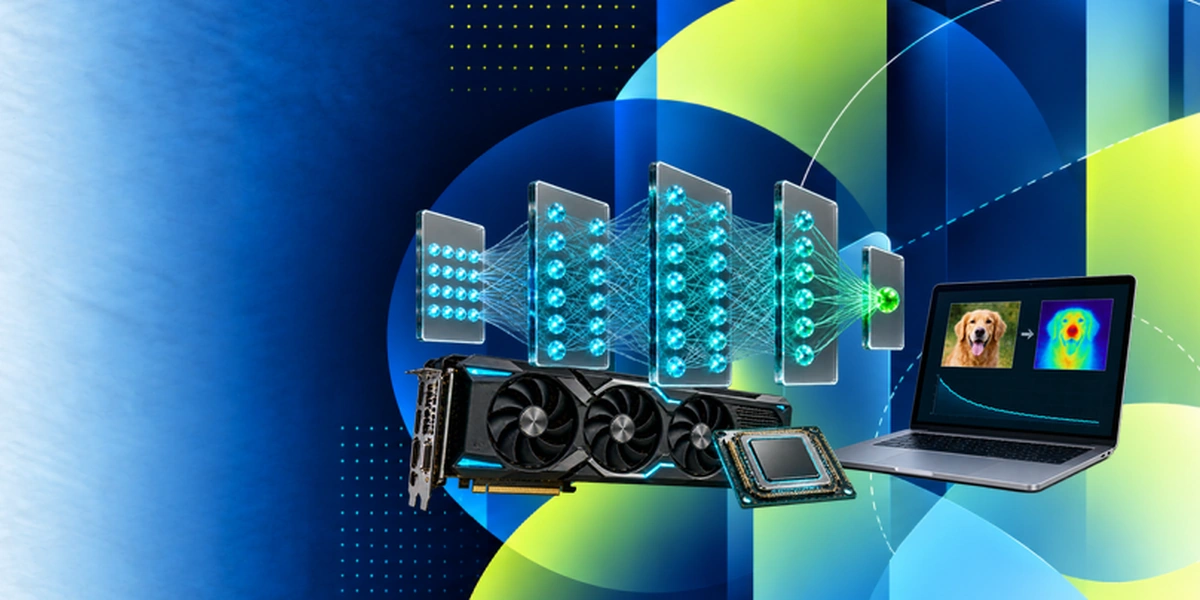
DEEP LEARNING BASICS
Introduction to Deep Learning Training
Learn neural networks, training, and evaluation, the basis for convolutional and other vision models.
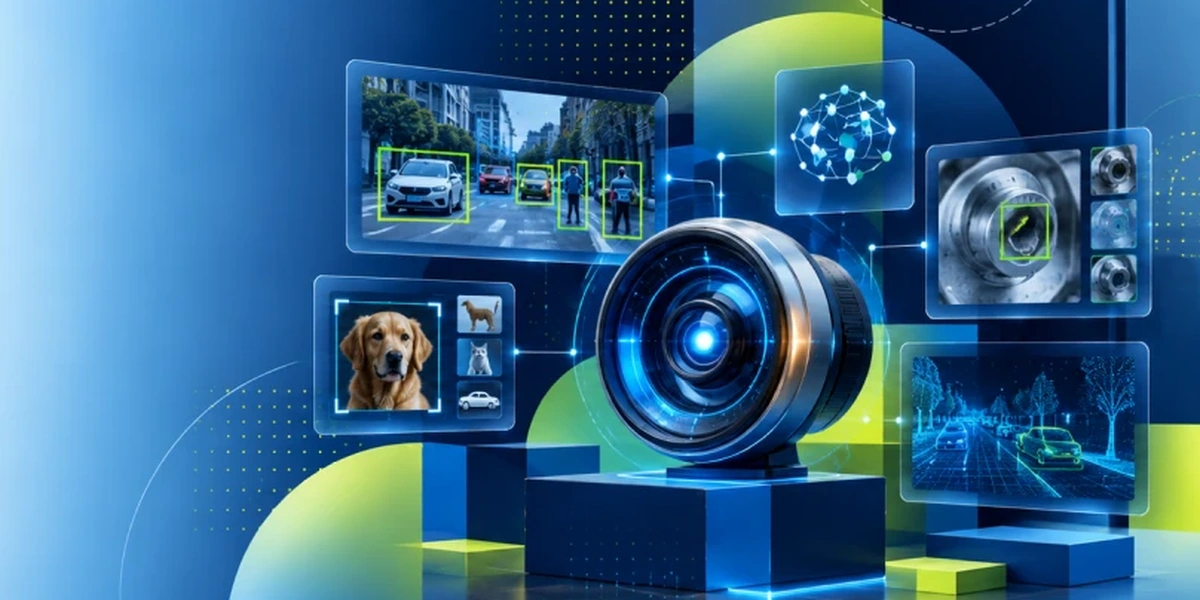
LEARN COMPUTER VISION
Computer Vision & Visual AI Training
Cover image classification, object detection, segmentation, and the model families behind each of them.

BUILD WITH OPENCV
Computer Vision with OpenCV Training
Turn vision concepts into working image and video pipelines with the OpenCV library.
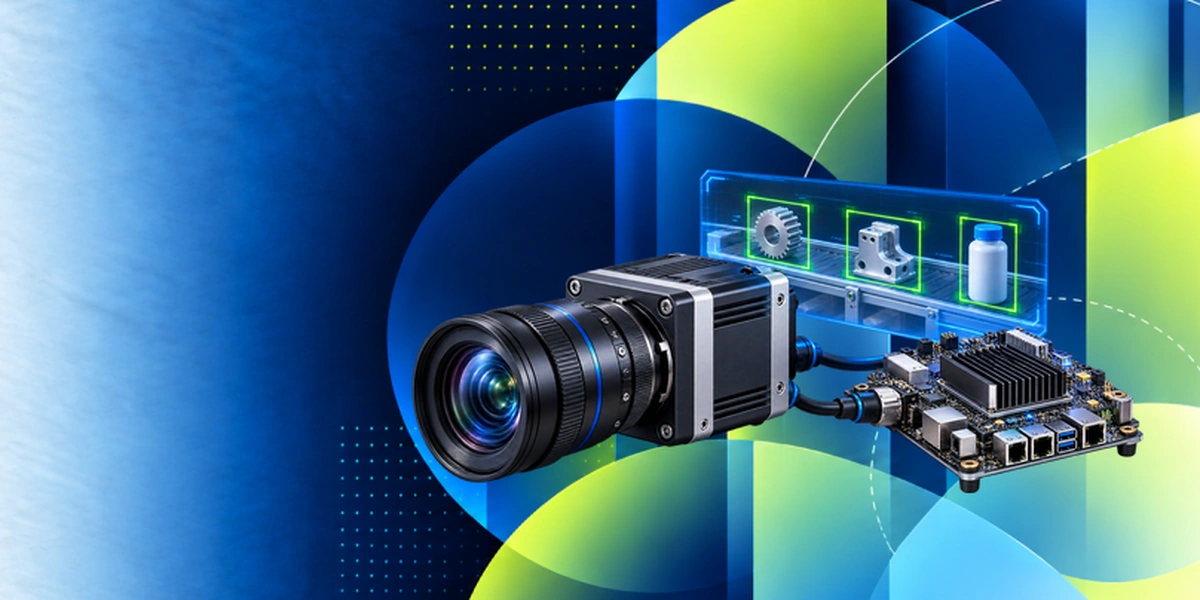
DEPLOY AT THE EDGE
Edge AI & Intelligent Computer Vision Training
Deploy vision models to cameras and devices where latency and connectivity matter.
More related courses
Multimodal AI: Vision, Speech & Document Intelligence Training
AI in Medical Imaging Training
Machine Vision for Automated Quality Inspection Training
Why Choose Edstellar as Your Computer Vision and Visual AI Corporate Training Provider
As your training partner, we make comparing providers simple: share your training needs and we shape a Computer Vision & Visual AI program around your visual AI use cases, timelines and delivery mode. You get a matched trainer profile, deep AI expertise, and a plan your leaders can approve with confidence.

EXPERT TRAINERS
YEARS DELIVERING
ORGANIZATIONS TRAINED
CERTIFIED
Tailored
Content shaped around your computer vision and detection use cases, so every session maps to your real computer vision needs.
Proven Methodology
Clear instruction paired with guided labs and feedback, a repeatable method that turns Computer Vision and Visual AI into practiced team skill.
Practice-Based Learning
5 hands-on labs across 6 modules. Your team builds classification, detection and segmentation models with instructor guidance.
Expert Trainers
5,000+ certified trainers matched to your computer vision stack, with a full trainer profile shared before your program is booked.
Global Scale
One computer vision program across your offices worldwide, in hybrid, onsite, or live virtual.
Measurable Outcomes
Baseline-to-capstone measurement and Skills Matrix reporting keep your computer vision capability lift visible.
Build Visual AI Solutions With Measured Quality and Clear Review Boundaries
Edstellar connects image-data foundations with classification, detection, segmentation, and visual retrieval. Participants develop and evaluate a pipeline before considering inference performance, drift, and safety. The final build review examines the relationship between dataset choices, model behavior, and human oversight, making limitations and privacy considerations part of the technical explanation.
- Step 01
Consult
We assess Python, data, and machine-learning familiarity to identify gaps in image preparation, model evaluation, visual retrieval, and interpretation of failure cases.
- Step 02
Plan
We establish image foundations before classification and detection, segmentation and search, then operational performance and safety within the end-to-end visual AI build.
- Step 03
Align
We align vision instruction with participants' coding and metric knowledge, confirming appropriate datasets and computational access for practical model and pipeline exercises.
- Step 04
Customize
We tailor sample image sets, annotation cases, and retrieval tasks to representative use cases while preserving privacy, validation boundaries, and visible dataset limitations.
- Step 05
Execute
Participants build visual pipelines, compare model outputs, and inspect edge cases, receiving feedback on quality metrics, inference trade-offs, drift, and review needs.
- Step 06
Evaluate
We assess the demonstrated solution for appropriate evaluation, documented failure modes, justified performance choices, and explicit privacy and human-review safeguards.
Also from Edstellar
Talent assessments
Psychometric, behavioral, leadership and 360-degree assessment.
→Training needs analysis
Needs analysis, gap identification, and a training roadmap.
→L&D consulting
Learning strategy, content, technology and ROI measurement.
→OD consulting
Org design, succession planning and cultural change.
→Managed training services
Training outsourcing, vendor management, logistics and administration.
→Coaching solutions
Executive and manager coaching that keeps skills in use.
Start an RFP shaped to your needs.
Answer three quick questions about team size, scope, and how often you need the program run, then send the request from the last step. Everything you choose travels with it, so you only fill this in once.
How many team members need training?
Computer Vision & Visual AI Training Packages & Pricing
Where L&D holds an annual budget, license packages price the whole year at once instead of raising a purchase order per workshop. Hours and licenses are pooled across teams, programs and locations, so unused capacity is not stranded in one department.
Starter
120
trainee licenses64 hours of group training
Tailored for SMBs
Growth
320
trainee licenses160 hours of group training
Ideal for growing SMBs
Enterprise
800
trainee licenses400 hours of group training
Designed for large corporations
Custom
Unlimited
trainee licensesDuration set by the rollout
Multi-region and multi-year
Training Packages & Pricing
Choose the training format that works for your team. Pricing is customized based on your requirements, cohort size, and delivery needs.
Request a Quote for Computer Vision and Visual AI Training for Your Team
Tell us your team size, vision roles, and preferred delivery mode. We will confirm availability and respond with a tailored training plan covering scope, schedule, and pricing.