The Role of AI in Talent Management: 2026 Insights

.svg "edstellar")


In today's fast-paced business world, organizations face constant challenges attracting top talent and effectively developing and retaining their workforce. This is where artificial intelligence (AI) steps in as a powerful game-changer.
AI-powered talent management tools are helping HR teams streamline their workloads, allowing them to focus on strategic priorities. By leveraging AI's capabilities in data analytics and visualization, machine learning, and automation, organizations can gain insights into their workforce that were previously out of reach.
A Gartner survey reveals that 76% of HR professionals believe AI will significantly impact their field, with 38% of HR managers already using AI tools to improve talent management and boost organizational productivity.
In this article, we'll delve into how AI is transforming talent management. From practical use cases and real-world success stories to cutting-edge tools, we'll uncover how AI is helping businesses innovate, enhance workforce strategies, and stay competitive in today's evolving landscape.
AI technologies, powered by machine learning, natural language processing, and predictive analytics, are revolutionizing HR by automating tasks, analyzing large datasets, and delivering actionable insights. These advancements are transforming key areas of talent management:
AI is streamlining hiring by automating processes from sourcing candidates to final selection. By analyzing resumes, social media profiles, and even video interviews, AI identifies top candidates based on skills, experience, and cultural fit, making recruitment faster and more efficient.
AI helps HR predict employee turnover and enhance engagement by analyzing performance reviews, feedback surveys, and social media data. Predictive analytics identify turnover risks and contributing factors, enabling HR to take proactive steps to improve retention and build a positive workplace culture.
AI-driven platforms create tailored learning experiences for employees, recommending courses, certifications, and training programs that align with their roles and career goals. Machine learning algorithms help analyze performance data to craft adaptive learning paths, supporting continuous skill development and growth.
AI enables real-time tracking of employee performance by analyzing goal progress, feedback, and workplace interactions. Tools like natural language processing provide sentiment analysis of feedback, offering managers clear insights to align performance with organizational goals and foster employee development.
By integrating AI into these critical areas, organizations can optimize their talent management strategies, drive better outcomes, and create a future-ready workforce.
The influence of AI on talent acquisition is undeniable. According to CIOs and leader statistics, AI can increase staff retention by 51%, improve employee performance by 27%, and enhance employee satisfaction by 24%. These impressive statistics highlight how AI is reshaping talent management, driving greater efficiency, engagement, and satisfaction in the workforce.
Let's explore how AI is revolutionizing talent management and creating a more dynamic and future-ready workforce:
Gone are the days when HR relied solely on intuition and word of mouth to make key decisions. Modern HR thrives on data. By collecting and analyzing data from sources like pulse surveys, turnover rates, and engagement reports, HR teams uncover insights that would take weeks to find manually. AI further enhances this process, identifying trends and patterns to support informed decision-making and improving outcomes for employees and organizations.
AI is transforming HR operations by automating repetitive tasks like resume screening, interview scheduling, and data entry. This not only saves time but also reduces human error and bias. According to Microsoft's 2023 Work Trend Index, 70% of employees are excited about AI easing their workloads, freeing HR teams to focus on strategic initiatives that drive real impact.
Tailored employee development is crucial for growth, but designing individualized plans for large teams can be overwhelming. AI simplifies this by building personalized profiles using data from performance reviews, skill assessments, and achievements. It then recommends targeted programs to align with employees' career aspirations and business needs.
Identifying and addressing skill gaps is often a challenge for HR teams. AI steps in by analyzing employee profiles and comparing them to job requirements, offering a clear view of missing skills. It allows businesses to effectively focus their upskilling and reskilling efforts or recruit external talent to meet critical needs.
AI enables real-time performance tracking and automated feedback, offering accurate assessments and helping managers reward top performers. It also supports fair evaluations by eliminating bias. A survey shows that 53% of HR leaders believe AI is vital for identifying workforce skill gaps, making it a key tool for talent management.
AI is revolutionizing talent management by driving efficiency, enhancing engagement, and improving employee satisfaction. According to CIOs and leader statistics, AI can boost staff retention by 51%, improve performance by 27%, and increase satisfaction by 24%. These numbers highlight the profound impact of AI on modern HR practices. Here’s how AI is reshaping talent management and creating a future-ready workforce.
With tools like Visier, organizations can analyze engagement and turnover trends, allowing HR teams to design targeted retention strategies.

AI enables HR teams to move beyond intuition by providing actionable insights through data analysis. By analyzing metrics like engagement surveys, turnover rates, and performance data, AI uncovers trends and patterns that support better decision-making. This data-driven approach helps organizations design strategies that are both effective and employee-focused.
Repetitive tasks like resume screening, interview scheduling, and data entry are now automated with AI, saving time and reducing errors. This automation allows HR teams to focus on strategic initiatives that drive organizational growth. According to Microsoft’s 2023 Work Trend Index, 70% of employees are optimistic about AI reducing workloads, making it a vital tool for increasing productivity.
“AI-powered platforms like HireVue automate resume screening and interview analysis, helping organizations save time and reduce unconscious bias.”
AI takes employee development to the next level by curating hyper-personalized learning experiences. Using individual profiles created from performance reviews, skill assessments, and career aspirations, AI recommends targeted training programs, certifications, and growth opportunities. Advanced AI platforms also adapt training content in real-time based on employee progress, ensuring relevance and effectiveness.
For instance, training management platforms powered by AI can recommend tailored reskilling pathways for employees based on market trends and organizational goals. AI-based insights ensure training budgets are invested in high-impact areas, maximizing ROI and preparing employees for future roles.
AI in training management platforms are transforming how organizations approach employee development. By aligning learning initiatives with business goals and employee needs, these platforms provide personalized, data-driven solutions that enhance engagement and workforce agility.
Streamlining Training Operations:
Using tools like skill matrix by Edstellar, organizations can map employee skills against job requirements, visualize gaps, and provide actionable insights for targeted upskilling or reskilling.
Predictive analytics powered by AI helps HR teams identify potential turnover risks by analyzing performance reviews, feedback surveys, and social data. This enables proactive strategies to enhance engagement and build a positive workplace culture, ultimately improving retention rates.
Platforms like Qualtrics XM use AI-powered sentiment analysis to identify potential turnover risks, enabling HR teams to implement proactive retention strategies.
AI provides real-time tracking of employee performance through analysis of goals, feedback, and workplace interactions. Tools like natural language processing even assess sentiment in feedback, helping managers make fair evaluations and support employee growth.
By integrating AI into talent management, organizations can transform critical HR functions like recruitment, development, and performance management. AI not only optimizes workflows but also personalizes employee experiences, bridges skill gaps, and fosters a more engaged and satisfied workforce. As AI continues to evolve, its role in creating a dynamic and resilient workforce will only grow, empowering organizations to stay competitive in an ever-changing business landscape
“The future of AI in talent management is about enhancing, not replacing, human potential. AI can handle repetitive tasks, unlock global talent, and provide data-driven insights, allowing people to focus on creativity and strategy. By thoughtfully integrating AI, organizations can foster innovation, boost productivity, and create workplaces that are efficient, agile, and truly people-focused."


AI brings clarity to HR data, empowering leaders to make smarter decisions across every aspect of talent management. AI seamlessly enhances the entire employee experience and lifecycle from hiring to performance tracking and boosting employee engagement. Here's a closer look at how it's transforming the way we manage talent.
Traditional recruitment methods often fall short due to inherent inefficiencies and unconscious bias. Practices like manual resume screening and panel interviews can lead to missed opportunities for diversity and a lack of inclusivity. Such approaches hinder hiring the best talent but also create challenges in aligning recruitment efforts with broader DEI (Diversity, Equity, and Inclusion) goals.
AI-powered tools, however, are transforming this space by automating processes and ensuring precision. By integrating predictive analytics, virtual interview platforms, and intelligent shortlisting, AI allows organizations to make fairer and more effective hiring decisions, reducing human error and promoting a diverse workforce.
The onboarding phase is pivotal in shaping a new hire's perception of the organization. It's a time for employees to acclimate to their roles, team dynamics, and company culture. However, traditional onboarding can be bogged down by administrative tasks, which take away from meaningful interactions. AI addresses this challenge by automating these repetitive processes, creating a smoother and more personalized onboarding experience.
Tools like pre-boarding chatbots guide new employees through essential tasks and provide instant answers to their queries, helping them settle in faster and with greater confidence. This approach enhances the onboarding process and sets the foundation for long-term employee engagement.
AI supports succession planning by analyzing employee performance, engagement metrics, and career trajectories to identify high-potential candidates for leadership roles. These insights enable HR teams to create individualized leadership development plans that prepare employees for key roles, ensuring a seamless transition during leadership changes.
AI supports this by analyzing employee performance, career progression, and leadership potential. High-potential employees are identified and provided with personalized development plans to prepare them for advanced roles. It ensures businesses build a strong leadership pipeline, minimizing disruption and fostering long-term success. By investing in internal talent, organizations can drive sustainable growth while maintaining a competitive edge.
Using tools like UltiPro, organizations can create personalized leadership development plans, ensuring seamless transitions during leadership changes.
As AI continues to advance, the future of talent management is poised for significant transformation. Key trends are emerging, emphasizing the ethical application of AI, creating highly personalized employee experiences, and integrating AI with advanced HR analytics to drive smarter, data-driven workforce decisions and long-term organizational success.
As AI becomes a cornerstone of talent management, ensuring its ethical use is more important than ever. Organizations must focus on creating AI systems that are fair, transparent, and accountable, especially in critical areas like hiring and performance evaluations. Ethical AI involves eliminating biases, ensuring equitable treatment across all employee demographics, and maintaining transparency about how decisions are made. By prioritizing these practices, companies can foster a culture of trust and inclusivity, where employees feel confident that technology works in their favor rather than against them.
AI's ability to tailor experiences to individual needs is set to redefine workplace engagement. Future systems will offer hyper-personalized solutions, from customized learning and development programs to personalized career paths and work schedules. Employees will benefit from tools that adapt to their preferences and goals, creating a more meaningful and fulfilling work environment. This level of personalization boosts satisfaction, productivity, and long-term retention.
The integration of AI with advanced HR analytics and Reporting will enable organizations to predict future workforce trends with unparalleled accuracy. This combination will allow companies to identify skills gaps, forecast talent needs, and design data-driven workforce strategies. By leveraging these insights, businesses can remain agile and competitive while creating opportunities for their employees to thrive.
AI is revolutionizing the way organizations provide performance feedback. With tools incorporating sentiment analysis and predictive insights, employees can now receive instant, actionable feedback tailored to their needs. This dynamic system fosters a culture of continuous growth by identifying patterns in communication and behavior, enabling managers to address concerns promptly and recognize achievements in real-time. By enhancing transparency and reducing delays in feedback, AI ensures employees feel supported and motivated to perform at their best.
Integrating AI with cutting-edge technologies like virtual reality (VR) and augmented reality (AR) is set to transform the employee experience. From immersive onboarding sessions to interactive training programs, AI-powered VR/AR tools make learning more engaging and effective. For example, new hires can participate in virtual walkthroughs of their workplace, while employees can use AR to practice complex skills in a risk-free environment. This fusion of technologies enhances collaboration and bridges geographical gaps, making it easier for teams to work together seamlessly.
As industries evolve, the demand for new skills continues to rise. AI is critical in predicting future skill requirements by analyzing market trends, job roles, and organizational goals. By proactively identifying skill gaps and suggesting targeted reskilling programs, AI ensures employees remain adaptable and future-ready. This agility allows organizations to stay competitive while fostering employee growth and retention.
As AI systems process sensitive employee information, adhering to strict data privacy regulations becomes paramount. Organizations must implement robust frameworks to secure data and ensure compliance with evolving privacy laws. This involves transparency in data collection and usage, regular audits, and adopting ethical AI practices to protect employee trust.
AI provides deep insights into team dynamics, revealing how individuals interact and collaborate. By analyzing communication patterns, workload distribution, and engagement levels, AI identifies areas for improvement in team collaboration. These insights enable managers to build more cohesive teams, boost productivity, and foster a collaborative work culture.
Unilever, a global consumer goods company, manages an extensive recruitment process, hiring over 30,000 people annually while processing 1.8 million job applications. To handle this overwhelming volume efficiently and improve the overall hiring experience, Unilever adopted an AI-driven recruitment approach in partnership with Pymetrics.
Unilever faced significant challenges in managing such a high volume of applications. The traditional recruitment process was time-intensive, required substantial manpower, and was prone to unconscious bias in the early stages. This not only strained HR resources but also risked missing out on diverse talent pools and making the recruitment process less engaging for candidates.
Unilever implemented an AI-powered recruitment platform with the following key components:
This case study demonstrates how AI can revolutionize recruitment, enhancing efficiency, fairness, and inclusivity while significantly reducing manual workload.
AI is not just a tool but a transformative force in talent management, empowering organizations to create agile, innovative, and people-centric workplaces. From automating repetitive tasks to enabling data-driven decision-making, AI allows HR teams to focus on strategic priorities that truly drive growth. By thoughtfully integrating AI into talent management processes, organizations can achieve sustained productivity, enhanced employee engagement, and long-term success.
With AI-powered tools, companies can streamline HR processes, enhance employee engagement, and make strategic decisions, staying competitive in today's fast-paced global market.
Edstellar is at the forefront of this transformation, offering solutions that bridge the gap between technology and talent development. With tools like the Corporate Training Catalog, organizations can access a vast library of curated programs designed to meet diverse training needs across industries. The Training Delivery Solutions ensure that learning experiences are engaging, flexible, and tailored to the unique needs of each team, whether through virtual classrooms, on-site workshops, or blended learning models.
For organizations seeking seamless training workflows, Edstellar’s Training Management Software streamlines the entire process from scheduling sessions to tracking progress providing actionable insights that enhance both efficiency and ROI. Together, these tools enable organizations to identify skill gaps and address them with precision, fostering a future-ready workforce.
As AI continues to evolve, its potential to innovate talent management processes will only grow. Companies that leverage AI-powered tools like those offered by Edstellar will streamline HR processes and create workplaces that are dynamic, collaborative, and aligned with long-term business goals. By embracing these advancements, organizations can foster a culture of continuous growth, ensuring they remain competitive in today’s fast-paced global market.
#On-site #Virtual #GroupTraining #Customized

Turn Your Training Programs Into Revenue Drivers.
Schedule a ConsultationExplore 2000+ industry ready instructor-led training programs.

Create dynamic leaders and cohesive teams. Learn more now!

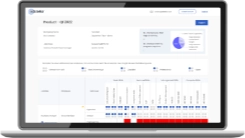
Do a quick Skill gap analysis with Edstellar’s Free Skill Matrix tool

Unlock premium resources, tools, and frameworks designed for HR and learning professionals. Our L&D Hub gives you everything needed to elevate your organization's training approach.
Access L&D Hub Resources.svg)
.svg)
.svg)
.svg)


.svg)
.svg "Click Here to Follow on Medium")
.svg)


