10 Must-Have Skills for Talent Acquisition Manager

.svg "edstellar")

The role of a Talent Acquisition Manager has evolved dramatically in recent years, transforming from a traditional hiring function into a strategic business partner position. In today’s competitive job market, According to a Resume Builder survey, over half of companies currently leverage AI in their hiring processes, with 68% expected to do so by the end of 2025.
Talent acquisition professionals must possess a sophisticated blend of technical expertise, interpersonal finesse, and strategic thinking to succeed.
With 80% of talent acquisition managers believing their employer brand significantly impacts their ability to hire top talent, the stakes have never been higher. The modern Talent Acquisition Manager must navigate complex challenges from leveraging cutting-edge technology to building authentic relationships and making data-driven decisions that align with organizational objectives.
As Teuila Hanson, LinkedIn’s Senior Vice President and Chief People Officer, observes:
“As experts in human potential and change management talent leaders are uniquely positioned to help their organisations unlock human capability in this AI era of work. Just as you’d upgrade your tech stack, you’ll need to upgrade your talent playbooks to stay ahead and unleash all that’s possible."


This comprehensive guide explores the essential skills that define successful Talent Acquisition Managers in 2026 and beyond, backed by the latest industry statistics and research to help professionals enhance their capabilities and organizations identify the competencies they need in their hiring leaders.

Strategic thinking stands as the foundational skill that separates exceptional Talent Acquisition Managers from merely competent ones. This competency involves understanding how talent acquisition aligns with broader organizational goals and anticipating future workforce needs rather than simply reacting to immediate vacancies.
Talent Acquisition Managers with strong strategic thinking capabilities can forecast talent demands, identify skill gaps before they become critical, and develop proactive recruitment strategies that support business growth. Talent Acquisition Managers with strong strategic thinking capabilities can forecast talent demands, identify skill gaps before they become critical, and develop proactive recruitment strategies that support business growth.
As talent acquisition leader Robert Nunn notes:
“Understanding the business impact of hiring decisions is crucial TA professionals with strong commercial acumen can evaluate the financial implications of hiring, understand how talent acquisition fits into the broader business strategy, and prioritise roles that maximise return on investment. This skill is particularly important in strategic planning and helping the business achieve its financial goals through effective talent planning. This is the differentiator between order taker and business partner."

Understanding the financial implications of hiring decisions enables these professionals to prioritize roles that maximize return on investment and demonstrate how talent acquisition contributes to the organization’s bottom line. This skill becomes particularly crucial when making strategic workforce planning decisions that can impact company performance for years to come.
Key Components:
How Edstellar Can Help:
Edstellar’s corporate training programs specialize in developing strategic thinking capabilities among HR and talent acquisition professionals. Through customized workshops and business acumen training, organizations can elevate their talent acquisition teams from tactical executors to strategic partners who drive measurable business outcomes.
The digital transformation of recruitment has accelerated dramatically. Recruiter adoption of AI in hiring has increased by 270% since 2019, reflecting the rapid acceleration of AI-powered tools in talent acquisition. and enterprise companies leading at 78% adoption, technological proficiency is no longer optional; it’s essential for talent acquisition success.
Modern Talent Acquisition Managers must navigate a complex ecosystem of recruitment technologies, including applicant tracking systems (ATS), candidate relationship management (CRM) platforms, AI-powered screening tools, and video interviewing software.
Teams using AI-powered screening report up to 40% faster time-to-shortlist for high-volume roles, according to Eightfold AI's 2025 benchmarks. demonstrating that technology adoption is now the industry standard.
The impact of AI on recruitment efficiency is remarkable. Organizations report 31% faster hiring times and 50% improvement in quality of hire metrics when using AI-powered recruitment tools.
According to LinkedIn's Future of Recruiting research, 27% of recruiting professionals were using or experimenting with generative AI for data-driven recruitment in 2024, with roughly 60% optimistic about its impact on outcomes.
Core Competencies Include:
The ability to leverage these technologies while maintaining the human touch remains crucial.
Edstellar’s Solution:
Edstellar offers specialized AI training programs for HR. These programs help talent acquisition teams understand how to effectively implement and optimize recruitment technology while maintaining the candidate-centric approach that drives quality hires.
In 2024, data-driven recruitment has become the norm rather than the exception. According to Helix Tech IT Services, 68% of companies use data-driven recruitment strategies.
According to SHRM, 95% of hiring managers anticipate increased investment in AI-powered analytics to optimize recruitment further.
Successful Talent Acquisition Managers must be comfortable analyzing recruitment data, identifying trends, and using insights to continuously improve hiring strategies. This skill transforms gut-feeling decisions into evidence-based strategies that deliver measurable results.
Efficiency Metrics:
Quality Metrics:
Pipeline Metrics:
Organizations implementing comprehensive AI recruitment platforms report average cost savings of $2.3 million annually for enterprises with 1000+ employees, demonstrating the financial impact of data-driven recruitment optimization.
Beyond collecting metrics, exceptional Talent Acquisition Managers translate data into actionable insights. They identify bottlenecks in the recruitment process, predict future hiring needs based on historical patterns, and demonstrate ROI on recruitment initiatives to executive leadership.
Edstellar’s Training Approach:
Edstellar provides comprehensive HR Analytics & Reporting training specifically designed for HR and talent acquisition professionals. These programs teach practical skills in metrics interpretation, dashboard creation, and data storytelling, enabling professionals to make confident, data-backed decisions that drive recruitment success.
Employer branding has emerged as a critical differentiator in talent acquisition. Research reveals that talent leaders identify employer branding as the #1 area where they wish they could invest more.
The financial implications of employer branding are substantial. Organizations with poor employer brands pay 10% higher salaries to attract talent, while companies that actively invest in their employer brand see a 50% decrease in cost-per-hire.
Talent Acquisition Managers must collaborate with marketing teams to develop authentic employer branding strategies that showcase company culture, values, and growth opportunities. This involves:
Strategic Elements:
The importance of social media presence cannot be overstated. 79% of job applicants use social media in their job search, and 82% of employees will research a CEO’s online presence when considering joining a company. Furthermore, posts shared by employees have 8 times more engagement than the same posts shared by official brand accounts, highlighting the power of employee advocacy.
Candidate experience directly impacts employer brand perception. 95% of candidates agree that how a potential employer treats them as a candidate reflects how they would be treated as an employee. Even more concerning, 72% of candidates are likely to share bad experiences online or directly with others, making every interaction a brand-building opportunity.
Edstellar’s Expertise:
Edstellar partners with organizations to develop employer branding strategies that attract top talent. Through customized training programs, we help talent acquisition teams understand how to communicate corporate culture and organizational values authentically, and design candidate experiences that strengthen employer brand reputation.
Effective relationship management separates good Talent Acquisition Managers from great ones. This skill encompasses building and maintaining relationships with candidates, hiring managers, senior leadership, and external partners throughout the recruitment ecosystem.
Successful talent acquisition professionals must navigate complex stakeholder landscapes, including:
Internal Stakeholders:
External Relationships:
Relationship management extends beyond immediate hiring needs. Building warm relationships with candidates who weren’t hired creates valuable talent pipelines for future opportunities. Research shows that candidates trust the company’s employees 3x more than the company to provide reliable information about workplace culture, emphasizing the importance of authentic relationship building.
Relationship Management Best Practices:
Edstellar’s Development Programs:
Edstellar offers specialized training in stakeholder management and relationship building for talent acquisition professionals. These programs focus on practical skills for navigating complex organizational dynamics, building authentic candidate relationships, and creating partnerships that drive long-term recruitment success.
Communication consistently ranks as the most sought-after skill across industries. For the second consecutive year, Communication remains one of the most in-demand skills across industries, with LinkedIn's Skills on the Rise reports consistently ranking verbal communication among the fastest-growing professional competencies. and 57% of employers rank communication as the #1 skill they want in new hires, even above technical ability.
For Talent Acquisition Managers, communication excellence spans multiple dimensions:
Written Communication:
Verbal Communication:
Digital Communication:
Communication quality directly influences candidate decisions. Research indicates that 26% of job seekers rejected offers due to poor communication or unclear job expectations. Additionally, 78% of candidates say their overall candidate experience indicates how a company values employees.
Communication Excellence Framework:
Edstellar’s Communication Training:
Edstellar provides comprehensive business communication skills training tailored for talent acquisition professionals. Our programs cover everything from crafting compelling employer messaging to conducting high-impact interviews and delivering difficult feedback with empathy and professionalism.
Emotional intelligence (EQ) has emerged as a critical competency for leadership roles, including Talent Acquisition Managers. According to Forbes research, According to Forbes research, emotional intelligence consistently ranks as the most important leadership skill, outpacing technical expertise and strategic thinking. and the demand for emotional skills will grow by 26% by 2030.
The impact of emotional intelligence on organizational success is substantial. Research shows that emotional intelligence affects job performance by 58%, and 90% of top performers possess high emotional intelligence.
In hiring contexts specifically, 76% of indian executives plan to prioritize candidates with strong soft skills, including emotional intelligence, when making recruitment decisions. Additionally, 71 percent of employers value emotional intelligence more than technical skills when evaluating candidates.
For Talent Acquisition Managers, emotional intelligence manifests in several critical ways:
Self-Awareness:
Self-Regulation:
Social Awareness:
Relationship Management:
Emotional intelligence enables Talent Acquisition Managers to create positive candidate experiences even when delivering rejection news, navigate tense negotiations successfully, and build trust with stakeholders who may have competing priorities. It’s the skill that transforms transactional hiring into relationship-centered talent acquisition.
Edstellar’s EQ Development:
Edstellar offers emotional intelligence training programs specifically designed for talent acquisition and HR professionals. These programs combine assessment, awareness-building, and practical skill development to help professionals leverage EQ for better hiring outcomes and stronger stakeholder relationships.
Candidate sourcing has evolved far beyond posting jobs on traditional job boards. LinkedIn data reveals that focusing on skills can increase talent pools by 10x, with 80% of surveyed recruiting professionals reporting that their organizations are adopting skills-based approaches.
Successful Talent Acquisition Managers must master diverse sourcing channels and engagement techniques:
Active Sourcing Channels:
Passive Candidate Engagement:
With AI-powered sourcing tools expanding candidate pools by an average of 340% while reducing sourcing time by 67%, the volume opportunity is significant. However, 81% of recruiters use AI to source passive candidates, making differentiation through personalized engagement crucial.
Engagement Best Practices:
The shift toward skills-based hiring is transforming sourcing strategies, and requiring Talent Acquisition Managers to identify and engage candidates based on capabilities rather than traditional credentials alone.
Edstellar’s Sourcing Excellence Programs:
Edstellar provides advanced recruitment and sourcing training that teaches talent acquisition professionals how to identify hard-to-find talent, craft compelling outreach strategies, and build sustainable talent pipelines that reduce time-to-hire and improve quality of hire metrics.
Diversity and inclusion (D&I) have moved from nice-to-have initiatives to business imperatives. Research shows that 78% of companies are prioritizing diversity and inclusion to improve their employer brand, reflecting the strategic importance organizations place on building diverse workforces.
Beyond ethical considerations, diverse teams drive better business outcomes. Organizations with strong diversity initiatives report improved innovation, better problem-solving, and enhanced company reputation. Talent Acquisition Managers play a critical role in translating D&I commitments into tangible hiring outcomes.
One of AI’s most promising applications in recruitment is bias reduction. When properly implemented, AI reduces hiring bias by 56-61% across gender, racial, and educational categories when continuously monitored. However, success requires careful implementation and ongoing vigilance.
Diversity Sourcing Strategies:
Inclusive Hiring Practices:
Effective Talent Acquisition Managers track diversity metrics throughout the recruitment funnel from application to hire, identifying and addressing drop-off points. 72% of organizations using AI conduct regular bias audits, demonstrating the importance of continuous monitoring.
Edstellar’s D&I Training:
Edstellar offers a comprehensive diversity and inclusion training program that helps talent acquisition teams identify and mitigate bias, implement inclusive hiring practices, and build diverse talent pipelines that support organizational D&I objectives.
Talent acquisition involves coordinating complex, multi-stakeholder initiatives with competing priorities and tight deadlines. Strong project management skills enable Talent Acquisition Managers to orchestrate successful hiring campaigns while maintaining quality and efficiency.
Modern recruitment projects involve numerous moving parts:
Stakeholder Coordination:
Process Management:
Resource Allocation:
Project management skills become particularly critical during high-volume hiring initiatives, restructuring efforts, or rapid growth phases. The ability to create structured processes, anticipate bottlenecks, and adapt quickly to changing circumstances separates exceptional from average talent acquisition performance.
Project Management Best Practices:
Edstellar’s Project Management Training:
Edstellar provides project management training specifically tailored for talent acquisition professionals, teaching practical skills in workflow optimization, stakeholder coordination, and process improvement that drive recruitment efficiency and effectiveness.
The modern Talent Acquisition Manager role demands a sophisticated blend of strategic thinking, technological proficiency, interpersonal skills, and business acumen. As the recruitment landscape continues to evolve, with 94% of recruitment processes expected to incorporate AI technology by 2030, professionals who invest in developing these essential skills will position themselves and their organizations for sustained success.
Organizations seeking to elevate their talent acquisition capabilities must prioritize skill development across these ten critical areas. The investment pays dividends through improved hiring outcomes, reduced costs, enhanced employer brand, and ultimately, the ability to build teams that drive business success.
Edstellar specializes in developing world-class talent acquisition professionals through customized corporate training programs. Our expert-led training solutions address each of these critical skill areas with practical, results-oriented approaches tailored to your organization’s unique needs.
Whether you’re looking to upskill your existing talent acquisition team or build capabilities from scratch, Edstellar’s comprehensive training programs deliver measurable improvements in recruitment effectiveness, efficiency, and quality of hire.
Ready to transform your talent acquisition capabilities? Contact us today to discover how our customized training solutions can help your organization attract, engage, and hire the exceptional talent that drives business success.
#On-site #Virtual #GroupTraining #Customized
Explore 2000+ industry ready instructor-led training programs.

Create dynamic leaders and cohesive teams. Learn more now!

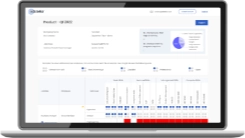
Do a quick Skill gap analysis with Edstellar’s Free Skill Matrix tool

Unlock premium resources, tools, and frameworks designed for HR and learning professionals. Our L&D Hub gives you everything needed to elevate your organization's training approach.
Access L&D Hub Resources.svg)
.svg)
.svg)
.svg)

.svg)


.svg "Click Here to Follow on Medium")
.svg)


