6 Critical Responsibilities Defining Payroll Managers in 2026


.svg "edstellar")


The payroll management function has undergone a profound transformation in recent years, evolving from a purely transactional role into a strategic business partner that directly impacts organizational success. As enterprises navigate an increasingly complex landscape of technological disruption, regulatory changes, and workforce expectations, payroll managers in 2026 find themselves at the intersection of compliance, technology, and human capital management.
This evolution reflects broader shifts in how organizations view payroll, not merely as an administrative necessity, but as a critical function that influences employee experience, regulatory standing, and operational efficiency.
“Businesses should consider integrating AI-driven tools that streamline payroll processes enhance accuracy, and reduce the administrative burden. This technology not only facilitates faster payroll cycles but also ensures compliance with evolving regulations across different jurisdictions. Embracing these tools will be crucial for companies looking to maintain efficiency in a rapidly changing global landscape."


The convergence of artificial intelligence, automation, and expanding global operations has fundamentally redefined payroll management in modern enterprises. Payroll managers today must balance traditional responsibilities with emerging demands that require technical proficiency, strategic thinking, and cross-functional collaboration. Understanding these evolving roles is essential for organizations seeking to optimize payroll operations, maintain compliance, and enhance employee satisfaction.

Regulatory compliance has emerged as one of the most complex and consequential responsibilities for payroll managers in 2026. The regulatory environment surrounding payroll has become increasingly complex, with jurisdictions frequently changing tax codes, labor laws, and reporting requirements. Payroll managers must maintain comprehensive knowledge of federal, state, and local regulations while ensuring their organizations remain compliant across multiple jurisdictions.
This responsibility extends beyond mere knowledge of current regulations. Payroll managers must establish proactive compliance frameworks that anticipate regulatory changes and implement necessary adjustments before deadlines.
According to the World Economic Forum’s Future of Jobs Report 2025, geoeconomic fragmentation and increased government regulations rank among the top drivers of business transformation, with 34% of surveyed employers identifying geopolitical tensions as key drivers of organizational change. This trend directly impacts payroll operations, particularly for multinational organizations navigating diverse regulatory environments.
The compliance landscape in 2026 encompasses various domains, including wage and hour laws, tax withholding requirements, benefits administration, and data privacy regulations. Payroll managers must coordinate with legal, finance, and human resources departments to ensure comprehensive compliance across all these areas. They serve as the primary liaison between their organizations and regulatory agencies, managing audits, responding to inquiries, and implementing corrective actions when necessary.
Furthermore, the rise of remote and hybrid work arrangements has added layers of complexity to compliance management. Payroll managers must now navigate multi-state and multi-country employment regulations, determining appropriate tax withholdings, benefit eligibility, and labor law applicability based on where employees physically work. This requires a sophisticated understanding of nexus rules, reciprocal agreements between jurisdictions, and the interplay between different regulatory frameworks.
Organizations increasingly rely on payroll managers to provide strategic guidance on compliance matters, incorporating regulatory considerations into business decisions about expansion, workforce planning, and compensation structures. This strategic dimension of compliance management represents a significant evolution from the traditionally reactive approach to regulatory adherence. Payroll professionals who anticipate regulatory trends and position their organizations advantageously demonstrate the strategic value of modern payroll management to enterprise operations.
The digital transformation of payroll operations represents perhaps the most dramatic shift in the profession’s modern history. Payroll managers in 2026 serve as technology champions, driving the adoption and optimization of advanced payroll systems that leverage artificial intelligence, machine learning, and automation. This role requires technical proficiency that extends well beyond traditional payroll knowledge, encompassing system architecture, data analytics, and process automation.
According to research from the World Economic Forum, 86% of employers expect AI and information-processing technologies to transform their businesses by 2030, the highest impact among all technological trends. For payroll operations, this transformation manifests through intelligent automation of routine tasks, predictive analytics for workforce planning, and enhanced employee self-service capabilities.
Payroll managers must evaluate, select, and implement technology solutions that align with organizational needs and ensure seamless integration with existing enterprise systems, including HRMS, accounting software, and time-tracking platforms. This responsibility demands an understanding of API connectivity, data migration protocols, and system security requirements. The ability to assess vendor capabilities, negotiate service agreements, and manage implementation timelines has become essential to the payroll manager’s skill set.
The technology leadership role extends to change management and user adoption. Payroll managers must design training programs that enable payroll team members to effectively use new systems while supporting employees navigating self-service portals and mobile applications. They serve as the bridge between technical capabilities and operational requirements, translating business needs into system specifications and ensuring that technology investments deliver measurable value.
Cybersecurity considerations have become paramount as payroll systems house sensitive employee data, including social security numbers, banking information, and compensation details. Payroll managers must collaborate with IT security teams to implement robust security protocols, conduct regular vulnerability assessments, and establish incident response procedures. The increasing sophistication of cyber threats targeting payroll systems demands constant vigilance and proactive security measures.
Looking toward emerging technologies, progressive payroll managers are exploring applications of blockchain for secure record-keeping, natural language processing for employee inquiries, and predictive analytics for compensation benchmarking. Organizations that leverage advanced analytics through their corporate training for data analytics teams gain competitive advantages in workforce planning and cost optimization.
The transformation of payroll from a cost center to a value generator hinges significantly on the analytical capabilities that modern payroll managers bring to their organizations. In 2026, payroll managers serve as custodians of rich workforce data that, when properly analyzed, provides actionable insights for strategic decision-making across the enterprise. This analytical responsibility represents a fundamental expansion of the payroll function, positioning it as a critical source of business intelligence.
Payroll data encompasses comprehensive information about labor costs, overtime patterns, turnover indicators, compensation trends, and workforce demographics. Sophisticated payroll managers leverage this data to identify patterns and trends that inform strategic initiatives around talent retention, compensation planning, and organizational efficiency. The ability to extract meaningful insights from payroll data and communicate these findings to senior leadership distinguishes strategic payroll managers from their transactional counterparts.
Advanced analytics capabilities enable payroll managers to conduct predictive modeling that forecasts future labor costs based on historical trends, planned hiring initiatives, and market conditions. These forecasts prove invaluable for budget planning, enabling finance leaders to allocate resources with greater accuracy. Payroll managers who develop proficiency in data visualization tools can present complex information in accessible formats that facilitate executive decision-making.
Integrating payroll data with other enterprise data sources enables comprehensive workforce analytics to address questions on recruitment effectiveness, compensation equity, benefits utilization, and productivity metrics. Payroll managers increasingly collaborate with HR analytics teams to develop holistic views of workforce dynamics, identify correlations between compensation structures and performance outcomes, and uncover disparities that require attention.
Compliance reporting is another dimension of analytical responsibility, with payroll managers generating reports that demonstrate regulatory compliance, support internal audits, and provide documentation for external examinations. The ability to quickly generate accurate reports across multiple dimensions, by department, location, employment classification, or time period, has become essential for modern payroll operations.
Organizations seeking to strengthen their analytical capabilities often invest in data analytics training for their payroll teams, recognizing that these skills translate directly to competitive advantages. The payroll function’s unique position as steward of comprehensive workforce data makes it an invaluable source of business intelligence when managers possess the analytical skills to unlock these insights.
The employee experience dimension of payroll management has gained unprecedented prominence as organizations recognize the direct correlation between payroll accuracy, timeliness, and employee satisfaction. Payroll managers in 2026 serve as service delivery leaders, ensuring employees receive accurate compensation on schedule and have access to the information and support they need regarding their pay.
Modern employees expect transparency and accessibility in their payroll interactions. They seek immediate access to pay statements, tax documents, and compensation information through intuitive digital platforms. Payroll managers must design and oversee service delivery models that meet these expectations while maintaining efficiency and accuracy. This includes implementing self-service portals that empower employees to update information, access historical records, and resolve routine inquiries without direct intervention from payroll staff.
Communication skills have become equally important as technical proficiency for payroll managers. They must effectively explain complex topics such as tax withholdings, benefit deductions, and year-end tax documents to diverse employee populations with varying levels of financial literacy. The ability to translate technical payroll concepts into clear, accessible language is a hallmark of exceptional payroll service delivery.
Proactive communication represents the best practice in modern payroll operations. Rather than waiting for employees to discover issues or have questions, effective payroll managers implement communication strategies that provide advance notice of changes, explain the implications of new policies, and offer resources for common questions. This proactive approach reduces inquiry volumes while enhancing employee confidence in payroll accuracy.
The service delivery responsibility extends to establishing clear channels for issue resolution. Payroll managers must implement ticketing systems or helpdesk solutions to ensure employee questions receive timely responses and to provide visibility into issue trends that may indicate systemic problems requiring attention. Response time metrics, first-contact resolution rates, and employee satisfaction scores have become key performance indicators for payroll service delivery.
For organizations with global operations, payroll managers must navigate cultural differences and regional preferences in service delivery. What constitutes excellent service in one region may differ significantly from expectations elsewhere, requiring cultural sensitivity and localized approaches. Organizations investing in customer service excellence programs for their payroll teams often see measurable improvements in employee satisfaction.
The complexity of modern payroll operations has led many organizations to engage external vendors for specialized capabilities, making vendor management a critical responsibility for payroll managers. In 2026, payroll managers serve as strategic procurement leaders, evaluating vendor capabilities, negotiating service agreements, and managing ongoing relationships that directly impact payroll accuracy and efficiency.
Payroll vendors span a broad spectrum including core payroll processors, tax filing services, time and attendance providers, benefits administration platforms, and specialized solutions for international payroll, compliance management, or employee payments. Payroll managers must assess which functions warrant external expertise versus in-house management, balancing considerations of cost, risk, capability, and strategic importance.
The vendor selection process requires rigorous evaluation of multiple factors, including system capabilities, integration requirements, security protocols, service level agreements, pricing structures, and vendor financial stability. Payroll managers must develop detailed requirements specifications that capture organizational needs while creating evaluation frameworks that enable objective comparison across competing solutions.
The ability to negotiate favorable terms, encompassing not only pricing but also implementation support, ongoing service levels, and exit provisions, directly impacts the total cost and value of vendor relationships.
Once vendors are selected, effective contract management becomes essential. Payroll managers must monitor vendor performance against established service-level agreements, document issues, and escalate concerns when performance falls short of contractual commitments. Regular business reviews with key vendors provide a forum to address challenges, discuss enhancements, and ensure alignment between vendor capabilities and evolving organizational needs.
The vendor management responsibility extends to ensuring business continuity. Payroll managers must verify that vendors maintain adequate disaster recovery capabilities and business continuity plans that protect organizational interests in the event of vendor system failures or other disruptions. Establishing contingency plans that ensure payroll processing continues despite vendor issues demonstrates the risk-management dimension of this responsibility.
Managing vendor relationships also involves serving as the voice of the customer, communicating organizational feedback to vendors, and advocating for product enhancements that address identified needs. Progressive payroll managers participate in vendor advisory councils and user groups, leveraging these forums to influence product roadmaps while learning best practices from peer organizations.
The strategic partnership dimension of vendor management increasingly involves collaboration around innovation. Payroll managers work with vendors to pilot new capabilities, provide feedback during beta testing, and serve as reference customers for solutions that deliver value. These collaborative relationships position organizations to benefit from emerging capabilities while contributing to the evolution of payroll technology.
The interconnected nature of modern business operations has elevated cross-functional collaboration to a defining characteristic of effective payroll management. Payroll managers in 2026 function as organizational integrators, building partnerships with stakeholders across finance, human resources, information technology, and operations to ensure seamless coordination and shared success.
The relationship between payroll and human resources exemplifies this collaborative imperative. Payroll managers must work closely with HR teams to ensure that employee data flows accurately between systems, compensation changes are implemented correctly, and benefits administration aligns with payroll processing. Regular touchpoints between payroll and HR leaders help prevent issues and identify opportunities for process improvements that benefit both functions.
Similarly, the payroll-finance relationship requires constant coordination around general ledger posting, budget forecasting, accrual management, and financial statement preparation. Payroll managers must ensure payroll data integrates accurately with accounting systems and provides financial leaders with the information they need to make decisions. The ability to speak the language of finance, including concepts such as variance analysis and cost center allocation, enhances the payroll manager’s effectiveness in this relationship.
Information technology partnerships prove essential for system integration, security management, and infrastructure support. Payroll managers must collaborate with IT teams on system implementations, troubleshooting, security protocols, and disaster recovery planning. Establishing clear communication channels and mutual understanding of priorities prevents friction and ensures technology investments deliver intended benefits.
The change leadership dimension of cross-functional collaboration becomes particularly important during organizational transformations. Whether implementing new payroll systems, restructuring payroll operations, or adapting to regulatory changes, payroll managers must navigate the human dimension of change while maintaining operational continuity. This requires skills in stakeholder management, communication planning, training design, and change reinforcement.
According to the World Economic Forum’s Future of Jobs Report 2025, 85% of surveyed employers plan to prioritize upskilling their workforce by 2030, reflecting the recognition that workforce capabilities must evolve alongside technological and operational changes. Payroll managers who invest in developing their teams while fostering collaborative relationships position their organizations for sustained success.
Effective cross-functional collaboration also involves translating payroll expertise into language and frameworks that resonate with diverse stakeholders. When discussing payroll matters with executive leadership, successful payroll managers frame issues in terms of business impact, risk mitigation, and strategic advantage rather than technical details. This translation capability enables payroll managers to secure the necessary resources and support while elevating the payroll function's profile.
Organizations that recognize the strategic importance of collaboration often invest in leadership development programs to strengthen the collaborative and influencing skills of their payroll leaders. These investments yield returns through improved cross-functional coordination, faster resolution of complex issues, and enhanced organizational agility.
The evolution of payroll management from a primarily transactional function to a strategic business partner reflects broader transformations occurring throughout modern enterprises. Payroll managers in 2026 navigate a complex landscape that demands technical proficiency, regulatory expertise, analytical capabilities, and exceptional leadership skills.
The six roles explored in this article, strategic compliance and regulatory oversight, technology integration and digital transformation leadership, data analytics and strategic workforce insights, employee experience and service delivery excellence, vendor management and strategic partnerships, and cross-functional collaboration and change leadership, collectively define the modern payroll management profession.
Organizations that recognize the strategic value of sophisticated payroll management position themselves advantageously in an increasingly complex business environment. Investing in developing payroll leaders, implementing advanced technologies, and fostering a culture of continuous improvement enables enterprises to transform payroll from a cost center into a genuine value creator. As regulatory complexity increases, technological capabilities expand, and employee expectations evolve, the importance of exceptional payroll management will only continue to grow.
For payroll professionals seeking to excel in 2026 and beyond, continuous learning and professional development prove essential. Staying current with emerging technologies, deepening analytical capabilities, and strengthening collaborative skills prepare payroll managers to fulfill these expanded responsibilities effectively.
Organizations that support this development through targeted corporate training and professional development create competitive advantages that extend well beyond the payroll function, influencing organizational effectiveness across multiple dimensions of enterprise performance.
#On-site #Virtual #GroupTraining #Customized

Turn Your Training Programs Into Revenue Drivers.
Schedule a ConsultationExplore 2000+ industry ready instructor-led training programs.

Create dynamic leaders and cohesive teams. Learn more now!

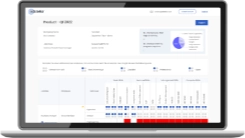
Do a quick Skill gap analysis with Edstellar’s Free Skill Matrix tool

Unlock premium resources, tools, and frameworks designed for HR and learning professionals. Our L&D Hub gives you everything needed to elevate your organization's training approach.
Access L&D Hub Resources.svg)
.svg)
.svg)
.svg)


.svg)
.svg "Click Here to Follow on Medium")
.svg)


