7 Key Roles & Responsibilities of an Employee Engagement Manager in 2026

.svg "edstellar")


The contemporary workplace operates in an environment of accelerating transformation, where organizational success hinges on a single critical asset: employee engagement. As businesses navigate technological disruption, evolving workforce expectations, and competitive talent markets, the Employee Engagement Manager emerges as a strategic architect of workplace culture and organizational performance. This role transcends traditional human resources functions, positioning itself at the nexus of business strategy, employee experience, and sustainable growth.
The imperative for dedicated engagement leadership has intensified considerably. According to SHRM’s 2025 State of the Workplace report, employee experience ranked as the second-highest organizational priority in 2024, with only 49% of HR professionals rating their organizations as effective in this critical area. This engagement gap represents both a challenge and an opportunity for organizations willing to invest in dedicated engagement leadership.
“I come from a generation where you keep your head down and keep your comments to yourself. But listening to people here, seeing how they share, and how the leadership team responds taught me that you can use your voice. As we shifted to remote-first, I wanted to bring back the spontaneity and spark of being together. And I learned something important: when people feel heard and supported, they show up."


The Employee Engagement Manager role has evolved from administrative oversight to strategic partnership. These professionals now serve as change catalysts, data interpreters, and culture architects, translating organizational vision into tangible employee experiences. Their responsibilities encompass psychological insight, analytical rigor, communication excellence, and the ability to design interventions that resonate across generational divides and functional boundaries.
Understanding the multifaceted nature of this role is essential for organizations seeking to build resilient, high-performing teams that can thrive amid uncertainty. The following exploration examines seven fundamental responsibilities that define effective Employee Engagement Management in 2026, providing insight into how these professionals drive measurable business outcomes through strategic people practices.
.webp)
Employee Engagement Managers function as primary architects of organizational culture, designing and implementing frameworks that align employee behavior with strategic business objectives. This responsibility extends beyond superficial culture initiatives to create systematic approaches that embed engagement principles across the organization.
The strategic dimension requires a deep understanding of business models, competitive positioning, and market dynamics. Engagement Managers must translate corporate strategy into compelling narratives that resonate with employees at all organizational levels. They develop cultural blueprints that support business transformation while maintaining continuity and psychological safety during periods of significant change.
This architectural responsibility involves conducting comprehensive cultural assessments, identifying gaps between current and desired states, and designing multi-year roadmaps for cultural evolution. Engagement Managers collaborate with executive leadership to ensure culture initiatives receive appropriate resources and that cultural transformation metrics integrate into broader business performance dashboards. They establish governance structures for culture oversight and create accountability mechanisms that ensure sustained focus on engagement objectives.
The complexity of this role intensifies in matrixed, global organizations where cultural norms vary across geographies and business units. Engagement Managers must balance standardization with localization, creating frameworks flexible enough to accommodate regional differences while maintaining coherent organizational identity. For organizations seeking to strengthen their leadership communication capabilities, this cultural foundation proves essential.
The modern Employee Engagement Manager operates as an organizational data scientist, transforming raw engagement metrics into actionable intelligence that drives strategic decision-making. This analytical responsibility encompasses survey design, data collection, statistical analysis, and insight synthesis that reveals patterns invisible through casual observation.
Engagement analytics extends beyond annual surveys to incorporate continuous feedback mechanisms, pulse surveys, sentiment analysis, and behavioral data from multiple organizational systems. Engagement Managers establish measurement frameworks that track leading indicators of disengagement, enabling proactive interventions before problems escalate into voluntary turnover. They develop predictive models that identify flight risks, engagement drivers, and population segments requiring targeted support.
The analytical sophistication required in 2026 demands proficiency with advanced analytics platforms, data visualization tools, and statistical methodologies. Engagement Managers must translate complex datasets into clear narratives accessible to non-technical stakeholders, creating executive dashboards that illuminate engagement trends and their correlation with business outcomes. They establish benchmarks, track progress against objectives, and quantify the return on investment for engagement initiatives.
LinkedIn’s 2025 Workplace Learning Report emphasizes that organizations with strong career development programs demonstrate significantly higher employee engagement, with career development champions reporting 75% confidence in organizational profitability compared to 64% for other organizations. This data-driven insight exemplifies the type of intelligence Engagement Managers must surface and act upon. Organizations investing in data analytics training position their engagement leaders to maximize this analytical capability.
Creating channels through which employee perspectives inform organizational decision-making represents a fundamental Engagement Manager responsibility. This extends beyond collecting feedback to establishing systematic processes that demonstrate organizational responsiveness and build trust through transparent action on employee input.
Engagement Managers design multi-channel listening strategies that capture employee sentiment through diverse mechanisms: focus groups, town halls, digital platforms, stay interviews, exit interviews, and informal conversations. They establish protocols ensuring feedback confidentiality while creating accountability for managerial response. The sophistication of these systems lies in their ability to aggregate insights across disparate sources, identifying themes that require organizational attention.
The challenge extends to closing the feedback loop effectively. Employees disengage when their input disappears into organizational black holes without visible response. Engagement Managers create transparent processes that communicate what was heard, what actions will be taken, and the rationale behind decisions when employee recommendations cannot be implemented. This transparency builds credibility and sustains participation in feedback mechanisms.
Particularly critical in 2026 is designing feedback systems that accommodate hybrid and remote work arrangements. Engagement Managers must ensure that dispersed employees have equivalent voice regardless of physical location. They leverage technology platforms that democratize participation while maintaining human connection through facilitated discussions and manager-led listening sessions that complement digital channels.
Strategic recognition systems represent powerful engagement levers when designed to reinforce desired behaviors and organizational values. Employee Engagement Managers are responsible for designing recognition architectures that balance formal and informal appreciation, peer and managerial acknowledgment, and monetary and non-monetary rewards.
Effective recognition programs extend beyond generic “employee of the month” initiatives to create targeted approaches that celebrate specific behaviors aligned with organizational priorities. Engagement Managers develop recognition frameworks tied to competency models, ensuring that appreciated behaviors reinforce strategic capabilities. They establish nomination processes, selection criteria, and reward structures that maintain program credibility while ensuring accessibility across organizational levels.
The psychological sophistication required involves understanding motivation theory, generational preferences, and cultural variations in how recognition resonates. Some employees value public celebration while others prefer private acknowledgment. Some respond to experiential rewards while others prioritize additional development opportunities. Engagement Managers design portfolio approaches offering choice and personalization within structured frameworks.
Technology platforms enable real-time peer recognition, social acknowledgment, and points-based reward systems that democratize appreciation beyond managerial hierarchy. Engagement Managers select and implement these platforms while ensuring they complement rather than replace authentic human connection. Training managers one employee recognition strategies becomes essential to program success.
Perhaps no engagement driver is more important for retention and sustained motivation than career development. Employee Engagement Managers increasingly bear responsibility for designing career frameworks, succession planning processes, and internal mobility programs that demonstrate the organization's investment in employees' futures.
This responsibility requires creating transparent career pathways that illuminate progression possibilities across technical and leadership tracks. Engagement Managers collaborate with talent management and learning development functions to ensure skill requirements are clearly articulated and development resources are accessible. They establish career-planning tools, coaching resources, and mentorship programs to help employees navigate organizational opportunities.
Internal mobility programs are a strategic priority for engagement leadership. Creating mechanisms that facilitate lateral moves, cross-functional assignments, and role rotations helps prevent career stagnation and builds organizational agility. Engagement Managers must navigate the political complexities of internal mobility, working with business leaders who may resist releasing high performers while simultaneously advocating for employees seeking new challenges.
Data support the strategic importance of this focus. SHRM research indicates that 42% of the variance in employee experience and engagement is attributable to turnover intent, underscoring the impact of career development on retention. Organizations with structured talent management training programs position their engagement leaders to execute these responsibilities effectively.
Organizational change, whether technological implementation, restructuring, strategic pivots, or cultural transformation, creates engagement vulnerabilities that require proactive management. Employee Engagement Managers serve as change ambassadors, helping employees navigate transitions while maintaining psychological safety and operational performance.
This responsibility encompasses developing change communication strategies, training leaders in change management principles, and creating support mechanisms that address the emotional dimensions of organizational transformation. Engagement Managers conduct impact assessments to identify the employee populations most affected by changes and design targeted interventions to address their specific concerns.
The sophistication required involves balancing transparency about challenges with maintaining optimism about future possibilities. Engagement Managers must acknowledge legitimate concerns while preventing rumor mills from creating paralyzing anxiety. They establish two-way communication channels that allow employees to voice concerns and provide leadership with real-time feedback on the reception of change.
Particularly critical is managing the middle managers who simultaneously experience change personally while being expected to lead their teams through transitions. Engagement Managers create specialized support for this population, recognizing their disproportionate influence on team engagement during uncertain periods. Building change management capabilities across the organization ensures that engagement leadership can scale its impact.
The most effective Engagement Managers recognize they cannot personally engage thousands of employees; they must build engagement capability throughout the management population. This responsibility positions Engagement Managers as internal consultants who develop manager competencies in feedback delivery, development conversations, recognition practices, and team culture building.
Manager training programs designed by Engagement Managers focus on practical skills: conducting meaningful one-on-one conversations, creating team norms, facilitating difficult discussions, and recognizing early warning signs of disengagement. These programs balance conceptual frameworks with behavioral practice, ensuring managers develop both understanding and skill in engagement-enhancing behaviors.
The challenge lies in the concerning trend revealed by research. According to SHRM’s 2025 findings, manager support for employee learning and career development declined significantly year over year, with only 15% of employees reporting that managers helped them build career plans, a five-percentage-point drop from 2024. This deterioration signals that managers face overwhelming competing priorities that compromise their capacity for leadership engagement.
Engagement Managers must address this systemic challenge by advocating for manageable workload expectations, providing tools that simplify engagement activities, and establishing accountability mechanisms that align performance expectations with engagement outcomes. They design manager resources that integrate seamlessly into existing workflows rather than adding burdensome administrative requirements. Organizations investing in comprehensive people management training enable this critical enabler of enterprise-wide engagement.
Beyond these seven core responsibilities, forward-thinking Engagement Managers embrace emerging dimensions that shape future engagement strategies. Technology integration represents a critical competency as artificial intelligence, collaboration platforms, and experience management systems become engagement infrastructure. Engagement Managers must develop technology fluency to evaluate, select, and implement digital solutions, ensuring technology enhances, rather than replaces, human connection.
Wellbeing leadership has evolved from a peripheral concern to a central engagement dimension. Engagement Managers increasingly design holistic well-being strategies that encompass physical health, mental health, financial wellness, and work-life integration. They partner with benefits teams to ensure wellbeing resources align with engagement objectives while creating cultures that normalize seeking support and establishing boundaries.
The Employee Engagement Manager role has transformed from an operational function to a strategic imperative that directly influences organizational performance, innovation capacity, and competitive positioning. As businesses confront talent shortages, technological disruption, and evolving employee expectations, dedicated engagement leadership becomes essential for sustainable success.
Organizations that invest in sophisticated engagement management capabilities position themselves to attract superior talent, retain institutional knowledge, drive innovation through engaged contributors, and build resilient cultures that can thrive amid uncertainty. The seven responsibilities explored here provide a framework for understanding the complexity of engagement management and illustrate why this function requires specialized expertise and strategic organizational support.
For organizations seeking to elevate their engagement capabilities, the pathway forward requires commitment to building engagement management competencies, providing appropriate resources and authority, and integrating engagement objectives into broader business strategy. Those making this investment will discover that effective engagement management represents not an expense but a strategic advantage that drives measurable business outcomes through the power of truly engaged human capital.
Edstellar offers comprehensive human resource training and strategic leadership programs designed to build the capabilities discussed throughout this analysis, positioning organizations for engagement excellence in 2026 and beyond.
.svg "Click Here to Follow on Medium")
.svg)
#On-site #Virtual #GroupTraining #Customized

Turn Your Training Programs Into Revenue Drivers.
Schedule a ConsultationExplore 2000+ industry ready instructor-led training programs.

Create dynamic leaders and cohesive teams. Learn more now!

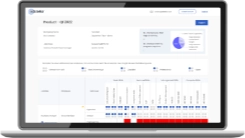
Do a quick Skill gap analysis with Edstellar’s Free Skill Matrix tool

Unlock premium resources, tools, and frameworks designed for HR and learning professionals. Our L&D Hub gives you everything needed to elevate your organization's training approach.
Access L&D Hub Resources.svg)
.svg)
.svg)
.svg)


.svg)


