Top 18 Professional Development Topics to Explore in 2026

.svg "edstellar")

Investing in employee development has shifted from being a discretionary benefit to a strategic business imperative. While many organizations acknowledge the importance of improving employee productivity, far fewer translate this awareness into sustained, capability-building initiatives that strengthen their workforce.
Recent research demonstrates that organizations with strong learning cultures significantly outperform their competitors. Companies that prioritize employee skill development achieve higher retention rates, greater engagement, and better business outcomes. However, professional development extends beyond preparing junior staff for leadership roles.
A comprehensive professional development program delivers multiple benefits:
This comprehensive guide explores 18 essential professional development topics that will shape workplace learning in 2026, based on emerging workplace trends, expert recommendations, and organizational needs.
.svg)
.svg)
What’s New
Discover the latest updates to our blog! Last revised on .

Technical skills alone no longer guarantee workplace success. Emotional intelligence (EQ) has emerged as a critical differentiator between high-performing teams and those struggling with internal conflicts. While some employees naturally blend technical prowess with emotional intelligence, others may need development in key areas like self-management and social interaction.
According to research from TalentSmart, EQ is responsible for 58% of job performance across all job types. The five core components of emotional intelligence include:
Effective communication impacts every aspect of workplace operations. Forbes reports that 49% of respondents identified poor communication as negatively affecting productivity, while 42% reported it increased workplace stress. These communication breakdowns lead to misunderstandings, project delays, conflicts, and reduced efficiency.
Strong business communication skills extend beyond customer-facing roles, they're essential across all industries and positions. Organizations that prioritize communication training see improvements in:
Workplace conflict is inevitable. According to WifiTalents, conflict causes 15% of employees to quit their jobs. The CIPD survey reveals that 26% of employees and 20% of employers report experiencing conflict at work, with 35% of employees encountering some form of interpersonal conflict within the past year.
Rather than attempting to eliminate conflict entirely, organizations should equip employees with effective conflict resolution strategies, including:
When employees manage conflicts constructively, organizations benefit from reduced tension, maintained productivity, and stronger team dynamics.
An adaptable mindset, the ability to respond positively to challenges and view them as growth opportunities, has become crucial in today's rapidly evolving workplace. With 78% of employers considering adaptability a desirable trait according to a Harris Poll survey, this skill directly impacts organizational agility and competitiveness.
Adaptable employees demonstrate several key characteristics:
Many individuals resist change and prefer familiar methods, a phenomenon known as the "adaptability paradox." Organizations can overcome this by creating learning environments where change represents opportunity, offering targeted training, promoting mental resilience, and encouraging cross-departmental collaboration.
Workplace diversity and inclusion represent pressing priorities for HR, people teams, and recruitment professionals. Cultural competence training proves crucial for HR professionals overseeing multicultural teams or interacting with diverse client bases.
This training promotes social-emotional learning, helping employees navigate cultural differences with sensitivity and awareness.
Critical thinking enables individuals to approach situations and challenges with objectivity, analysis, and clarity. This skill enhances performance and decision-making, making employees more valuable in their roles while helping them make better decisions in both professional and personal contexts.
Key components of critical thinking include:
Goal setting drives both personal and organizational success by providing direction, motivation, and purpose. Using frameworks like SMART goals (Specific, Measurable, Achievable, Relevant, Time-bound) ensures objectives are clear and actionable, leading to better performance and efficient resource use.
According to McKinsey research, involving employees in goal-setting fosters engagement, as they understand how individual contributions impact organizational missions. Effective goal-setting practices include:
Executive presence represents a combination of characteristics, behaviors, and skills that demonstrate leadership potential and success. It commands attention, instills confidence, and creates lasting impressions. According to the Center for Talent Innovation, executive presence accounts for 26% of what senior leaders consider when promoting individuals.
Key elements of executive presence include:
Leaders who master executive presence contribute not only to career progression but also to overall organizational success through enhanced collaboration, team motivation, and strategic decision-making.
Creative thinking, the ability to develop innovative solutions by generating diverse ideas, plays a critical role as employers increasingly seek individuals who can solve complex challenges and drive innovation. Creative thinkers excel at brainstorming fresh ideas, evaluating processes for improvement, and developing unique strategies.
In today's technology-driven world, creative thinking proves more crucial than ever. The synergy between creativity and technology allows once-abstract ideas to be realized through advanced tools and platforms. Organizations that integrate creative thinking with technological advancements stay agile, competitive, and positioned for continuous growth.
The ability to influence others significantly impacts workplace environments, fostering positivity, motivation, and growth. SHRM reports that 97% of executives agree their actions directly impact workplace culture. From leaders to team members, everyone has potential as an influencer.
HR and L&D teams must recognize employees' hidden power as influencers and leverage this to create more effective and engaging work environments. Influential individuals demonstrate:
Accountability means fulfilling commitments, taking responsibility for mistakes, and fostering a transparent and responsible organizational culture. At its heart lies ownership, the belief that individuals control outcomes regardless of circumstances.
Employees who embrace ownership empower themselves and their teams to take responsibility for actions and decisions. This mindset fosters engagement, motivation, and trust while driving continuous improvement.
Organizations benefit from ownership and accountability through:
Body language, including posture, hand gestures, and movements, enhances and reinforces verbal messages. We use body language daily to convey emotions and intentions that words alone may not fully express. Understanding and utilizing body language effectively allows employees to communicate clearly, improve relationships, and build team trust.
In hybrid work environments, mastering body language proves essential for effective communication and collaboration. Employees need training on projecting confidence and engagement through body language in both in-person and virtual settings, including:
In today's fast-paced business world, mastering time management proves essential for maximizing productivity and achieving organizational goals. As businesses face increased pressures from remote and hybrid work environments, employees must prioritize tasks efficiently to avoid burnout and maintain high performance.
Effective time management techniques include:
Providing employees with time management training ensures they develop critical skills leading to better performance and organizational success.
In today's constantly changing, high-pressure work environment, resilience has become vital. Resilience training helps employees adapt to challenges, recover quickly from setbacks, and maintain performance under stress. According to PMAC, resilience training supports employees in handling workplace challenges while maintaining mental and physical well-being.
Effective stress management techniques complement resilience by helping employees manage mental and emotional well-being through:
Business networking involves developing and leveraging relationships to achieve goals beyond initial connection purposes. It's critical for entrepreneurs and business professionals, helping them gain valuable advice, information, and resources for company growth.
In a globalized business environment, strong networking skills allow professionals to expand influence, identify new markets, and connect with key stakeholders worldwide. Virtual networking has become indispensable, enabling professionals to:
As AI tools continue transforming industries, AI literacy empowers teams to understand and leverage artificial intelligence effectively. A Microsoft study found that 29% of professionals using AI report saving more than 30 minutes daily with generative AI tools at work.
With AI increasingly integrated into everyday workflows, professionals across roles leverage these tools to enhance productivity, creativity, and decision-making. Organizations recognizing AI's profound impact invest in upskilling teams to ensure employees possess necessary knowledge and skills.
By fostering AI literacy, companies help employees stay relevant and agile, ensuring effective AI tool leverage in respective roles. This training represents critical professional development, empowering employees to perform optimally while aligning skills with the future of work.
Mental health in the workplace is increasingly recognized as cornerstone for employee success and productivity. A National Alliance of Mental Illness study found that 33% of employees noticed productivity suffered because of mental health, while 36% noticed mental health suffered because of work demands.
Mental Health and Well-being training equips employees with tools to manage stress, avoid burnout, and maintain healthy work-life balance. Providing knowledge to recognize mental health struggle signs helps create supportive work environments.
In hybrid work model eras, where employees juggle between home and office environments, greater mental exhaustion risk exists due to blurred work-personal life boundaries. Addressing mental health ensures employees remain resilient and engaged.
Diversity, Equity, and Inclusion (DEI) initiatives prove essential for cultivating inclusive work environments by teaching employees to recognize and address biases, foster inclusivity, and promote equity. A Deloitte study found that cognitive diversity can enhance team innovation by up to 20%.
For employees requiring professional development, DEI training topics help build cultural competence, a key skill in today's globalized, diverse work environments. Understanding and embracing different perspectives enhances interpersonal communication and equips employees to navigate complex social dynamics and work effectively across cultures.
By developing empathy, reducing unconscious biases, and enhancing communication skills, DEI initiatives help employees grow both personally and professionally.
Any modern workplace that appreciates, understands, and values its employees knows that nothing can stop them from achieving potential growth. That's because a pivotal aspect of the development of any organization relies on employees' efficiency and skills.
Therefore, it becomes crucial for organizations that want to excel in their field to attract and retain employees and impart knowledge to them through effective and engaging training programs.
Let's have a glance over a few tips that can help in creating training programs that are meant to last and succeed:
By following these steps, you can create a training program that not only enhances employee skills but also fosters a positive and engaging work environment, leading to increased employee retention and organizational success.
Professional development is an ongoing process that drives both employee and organizational success. As the business world rapidly evolves, companies must prioritize continuous learning, skill development, and adaptability. Training in areas like emotional intelligence, communication, adaptable mindset, and cultural competence and inclusion equips employees to perform better and contribute more effectively to the organization.
Organizations that focus on professional development enhance productivity, foster innovation, and create a culture of continuous improvement, ensuring they remain competitive in a constantly changing market.
To drive sustainable success, continuous education and employee development must remain a top priority. By embracing ongoing learning, organizations can better equip their teams to adapt to new challenges and thrive in an ever-changing environment. Edstellar offers tailored professional development solutions, including the innovative Skill Matrix tool, which helps organizations identify skill gaps and strategically plan training initiatives. As leaders, you have the opportunity to be advocates for systemic change within your organizations, fostering a culture of growth and adaptability that ensures long-term success.
Ready to transform your workforce? Contact our L&D experts to discuss your organization's specific training needs and create a customized development plan.
#On-site #Virtual #GroupTraining #Customized
Explore 2000+ industry ready instructor-led training programs.

Create dynamic leaders and cohesive teams. Learn more now!

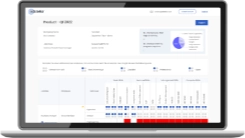
Do a quick Skill gap analysis with Edstellar’s Free Skill Matrix tool

Unlock premium resources, tools, and frameworks designed for HR and learning professionals. Our L&D Hub gives you everything needed to elevate your organization's training approach.
Access L&D Hub Resources.svg)
.svg)
.svg)
.svg)

.svg)
.svg)


.svg "Click Here to Follow on Medium")
.svg)


